September Brings Big Dreams and New Adventures

There's a crispness in the air, and the leaves are just starting to turn beautiful shades of orange and red. But it's the return of students that makes autumn our favourite season at Lakehead.

We want to extend a special welcome to our first-year students as they settle in at the Orillia and Thunder Bay campuses—and introduce a few of them and their aspirations for the future.

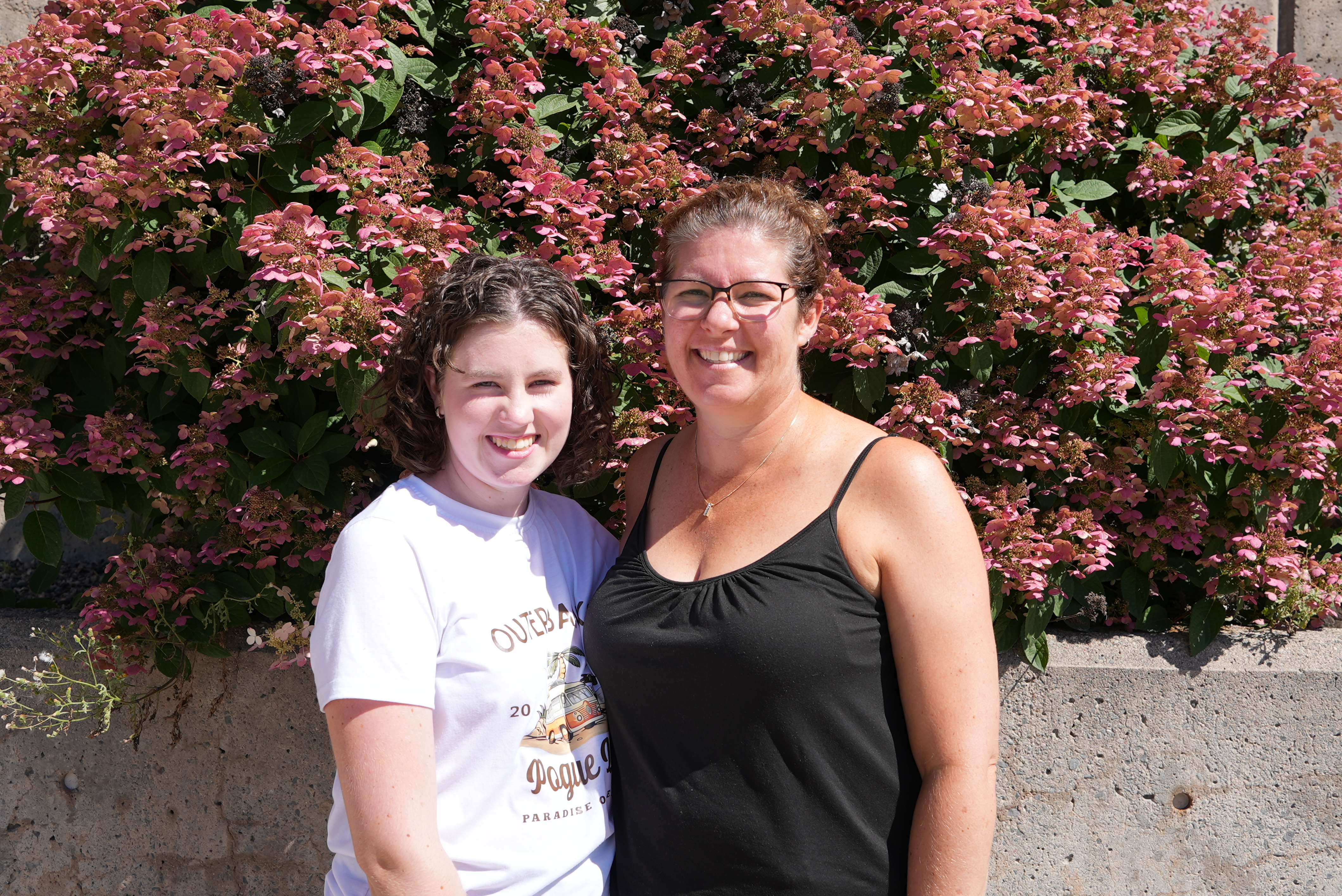
First-year student Arianna Valley stands beside her mother Jennifer outside of the University CentreName: Arianna Valley
Hometown: Port Elgin, Ontario
Program: Concurrent Education (English)

Arianna Valley (l) and her mother Jennifer (r)

"Getting out of the house and going somewhere new is what I find most exciting about starting university," says Arianna.

She and her family, including her aunt, drove to Lakehead's Thunder Bay campus. Many of her dad's relatives live in this area, giving Arianna a built-in support network.

But the real reason she chose Lakehead is because it's the alma mater of her favourite high school teacher, Bethany Boyd.

"Mrs. Boyd is the teacher you'd go to if you had a problem or wanted to talk to someone. And she'd let you sit in her classroom if you needed a quiet space."

Arianna also relies on the advice of her mother.

"I've told her to make lots of lifelong friendships, work hard, and don't procrastinate," says her mom, Jennifer."

Arianna already has a clear idea of what the future holds for her.

"I'd like to be a kindergarten teacher—I've always loved little kids. In grade six, I volunteered in kindergarten classrooms. Later, I did a co-op at a daycare, and I've volunteered at a therapeutic riding centre for children since grade 10."


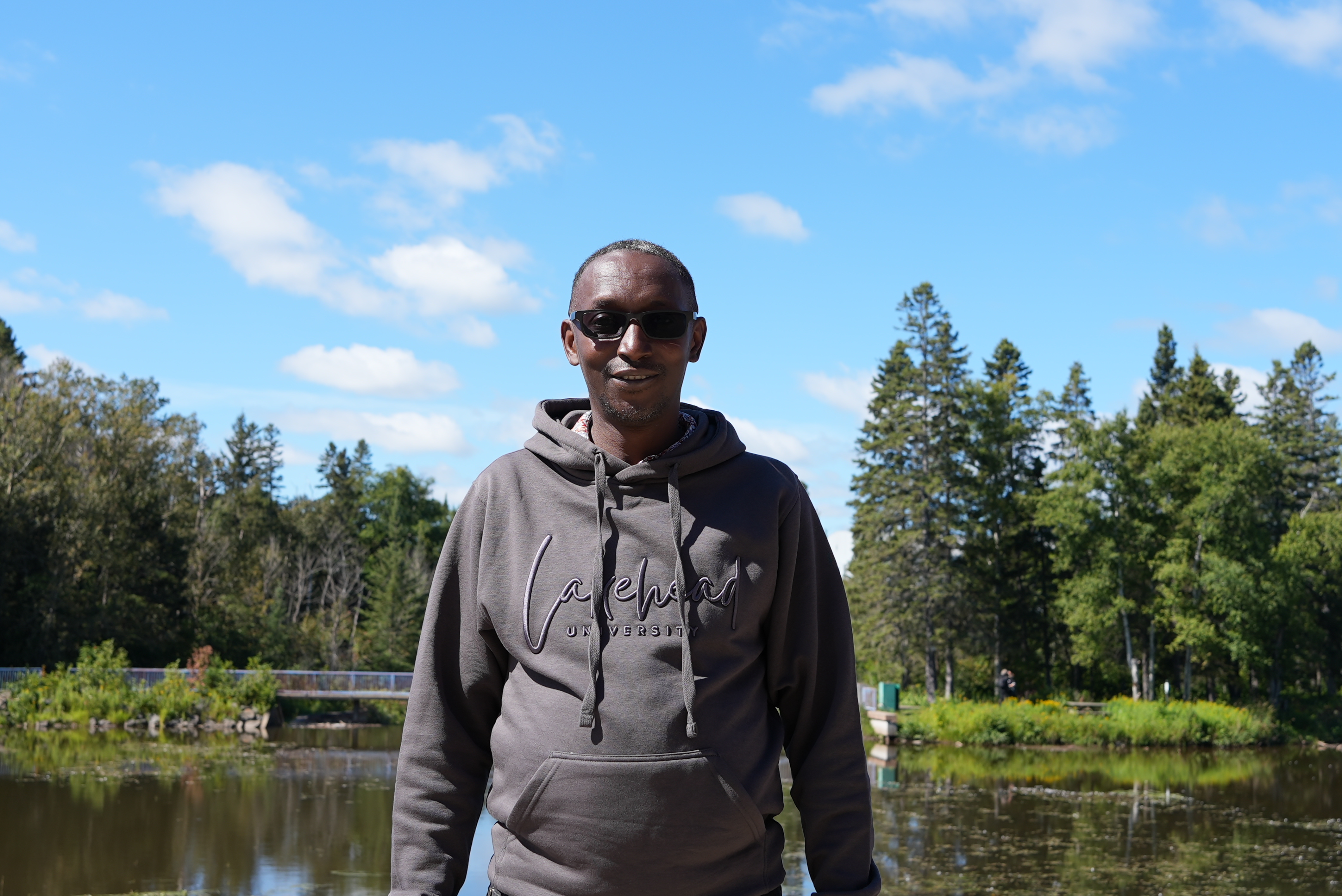
First-year student Anthony Wagaki stands in front of Lake Tamblyn

Name: Anthony Wagaki
Hometown: Nairobi, Kenya
Program: Bachelor of Science in Nursing

 First-year nursing student Anthony Wagaki

Anthony is originally from Kenya, but he was living in Toronto when he decided to attend Lakehead. "It took 15 hours to drive to Thunder Bay, but the beautiful scenery was worth the long journey."

A friend of Anthony's who was already studying nursing at Lakehead encouraged him to come. "Then, when I looked into schools, I found that Lakehead is a top-ranked Canadian research university in a welcoming community. It's a serene place away from the noise of a big city."

Anthony has a very personal reason for studying nursing.

"Last year my 12-year-old daughter was diagnosed with diabetes. She was in a coma for 28 days, and I thought we would lose her. I was so inspired by the excellent care of the nurses who looked after her that I decided to become a pediatric nurse focusing on children with diabetes."

Anthony often turns to his grandmother when he's facing challenges or contemplating a new direction. "She always says that life is full of surprises and to be prepared, because anything can happen."


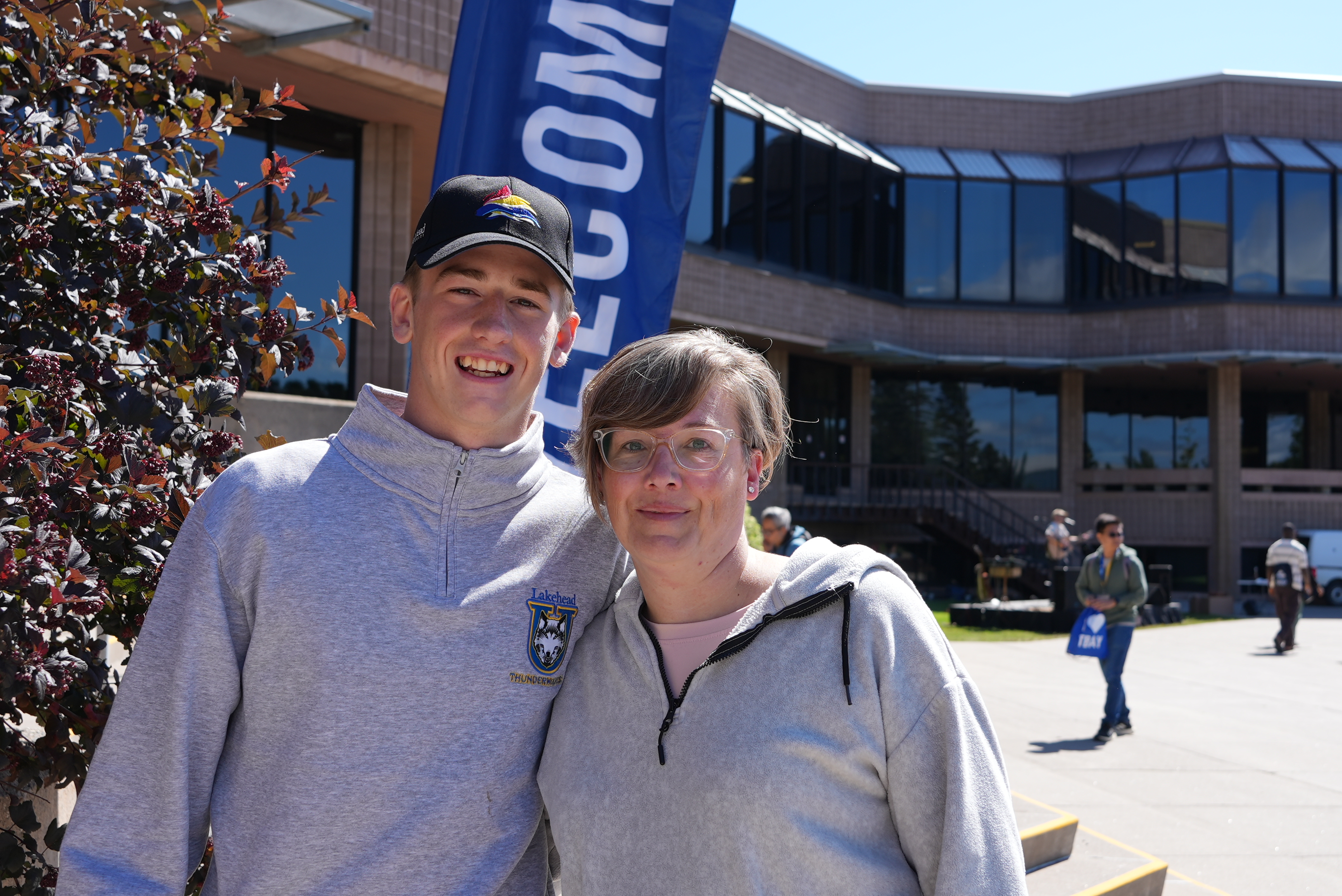
First-year student Owen Dale stands beside his mother Amanda outside of the University Centre

Name: Owen Dale
Hometown: St. Thomas, Ontario
Program: Concurrent Education (History)

Owen Dale (l) and his mother Amanda (r)

"The best thing about starting university is being on the varsity wrestling team," says Owen. "I've already had my first practice and met all the guys on the team."

Owen has wrestled since he was nine years old, and it was a former wrestling teammate who convinced him to go to Lakehead. "He gave me the rundown and said that he loved Lakehead. I met a bunch of the wrestlers up here, and they all seemed amazing."

Getting to Thunder Bay has been a family affair. "We rented an RV and camped along the way," Owen says.

"Both my parents helped me get to where I am today. My dad's been my wrestling coach since I was a kid, and my mom supported me getting here."

"I've told Owen to get involved, make friends, and leave a good mark everywhere he goes. And to make sure that he does his laundry," says his mom, Amanda.

Owen hopes to become a history teacher. "I had great experiences when I did a co-op at an elementary school and coached an elementary school wrestling team."

Orillia Campus Expands Athletics With Introduction of Varsity Outdoor Soccer Program

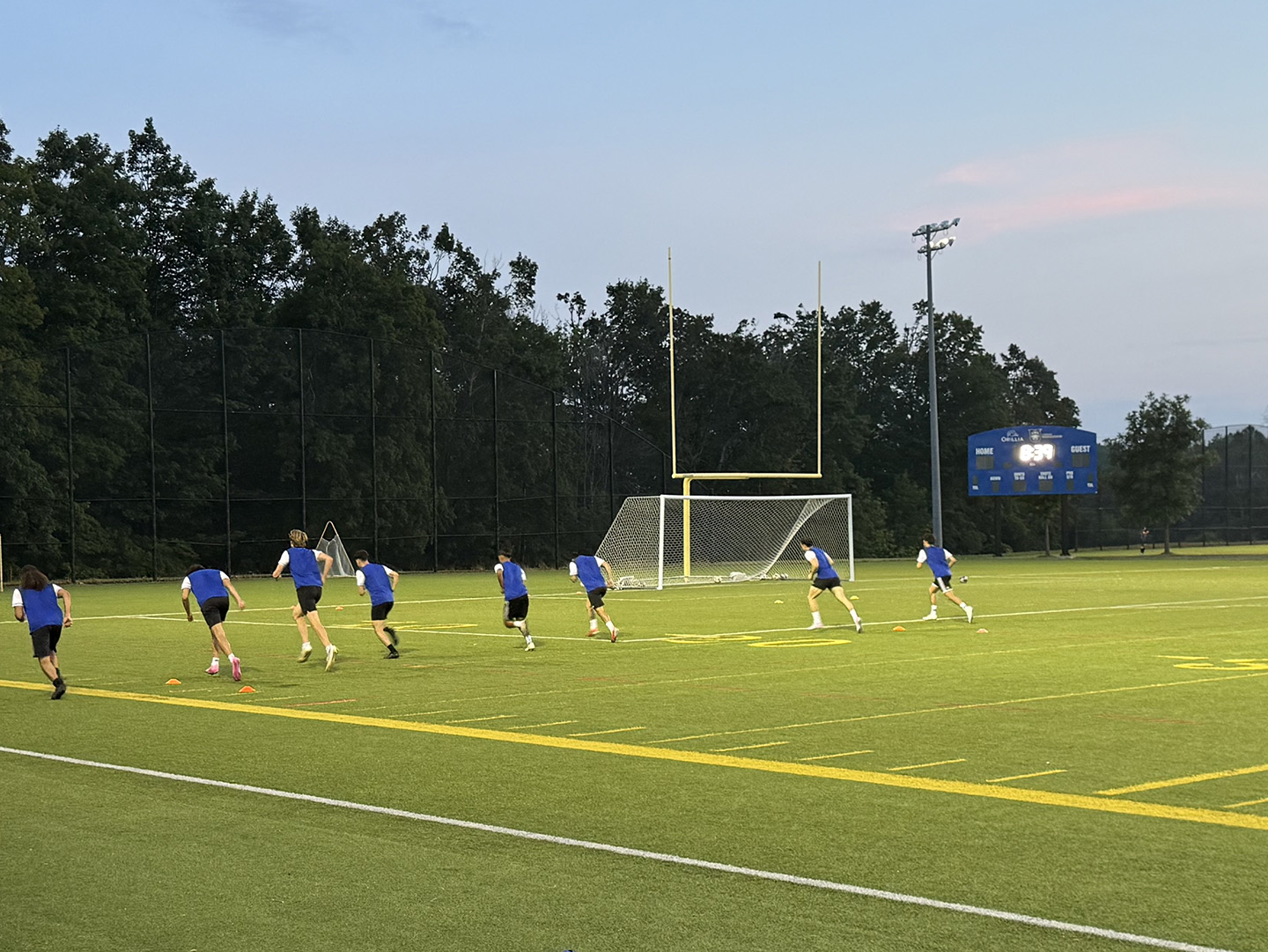
Student-athletes practice under the lights of the artificial turf field at the West Orillia Sports Complex.


Student-athletes practice under the lights of the artificial turf field at the West Orillia Sports Complex. The field will host home matches for Lakehead's men's and women's outdoor varsity soccer teams.


Orillia, Ont. – 
Varsity outdoor soccer has been added to the growing athletics lineup at Lakehead University’s Orillia Campus, providing new opportunities for student-athletes to engage in competitive-level sport.

Led by head coaches Briesk Kouji (men) and Brodie Brown (women), the Orillia Thunderwolves men’s and women’s outdoor soccer programs will kick off their first season in the Ontario Colleges Athletics Association (OCAA) on September 5. The Orillia Thunderwolves also compete in the OCAA in indoor soccer.

“It is a great step forward for Lakehead Orillia and the Orillia Thunderwolves varsity sport program,” said Dr. Chris Glover, Associate Vice-President, Administration. “We are excited to expand and enhance the student experience and our athletic program offerings with the addition of men’s and women’s varsity outdoor soccer. We look forward to cheering on our teams in their first season.”

Through a partnership with the City of Orillia, the West Orillia Sports Complex on University Ave. will host home matches and serve as the team's training facility. The addition of a brand-new scoreboard at the southwest end of the field only enhances the experience for student-athletes, coaches, and supporters.

“Access to the City’s facilities gives our student-athletes the space and support they need to train while strengthening our connection to the community,” explained Dr. Glover.

“Orillia is thrilled to support Lakehead University as it launches its new varsity men’s and women’s soccer teams,” said Orillia Mayor Don McIsaac. “With the City’s brand-new scoreboard, we’re excited to welcome these teams to their new home at the West Orillia Sports Complex. We look forward to seeing these young athletes thrive and create lasting memories during their time in Orillia and at Lakehead University.”

The first official home matches are scheduled for Sunday, Sept. 7, at the West Orillia Sports Complex.

Cheer on the Orillia Thunderwolves this season!

Lakehead University welcomes spectators and fans to cheer on our student-athletes at the West Orillia Sports Complex! The full list of Orillia Thunderwolves outdoor soccer home games can be found at orilliathunderwolves.ca.


Unnatural Disasters

Night had settled over the city of Bhopal, India. Most residents were sleeping peacefully in their beds after an ordinary day in 1984.

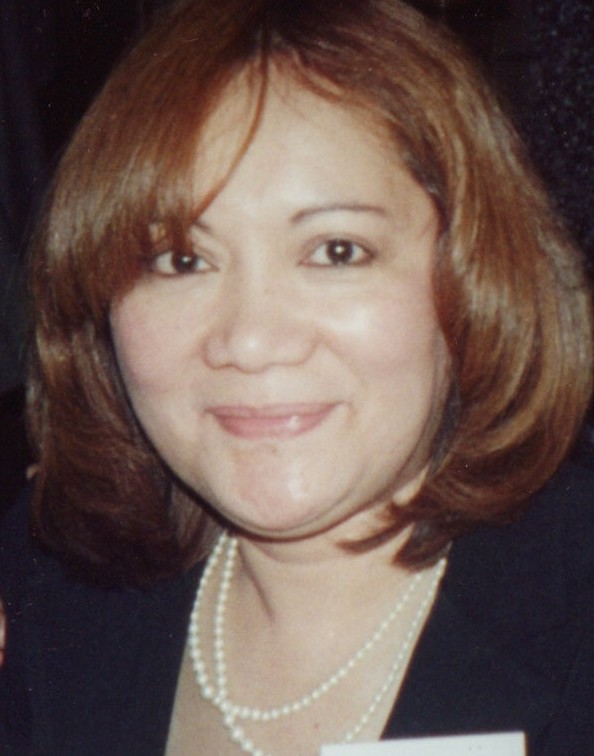
Dr. Rosario Turvey

But at 1:00 am, a massive chemical explosion at the nearby Union Carbide insecticide plant jolted them awake in panic and confusion. The gas that leaked out killed at least 10,000 people. In the years afterward, 15,000-20,000 more died prematurely.

Bhopal became known as the worst industrial accident in history. Decades later, the site remains polluted, and city residents continue to live with the consequences of the toxic gas that seeped into the soil, the water, and their bodies.

Dr. Rosario Turvey

Dr. Rosario Turvey, a Lakehead geography & environment and sustainability sciences professor, calls what happened in Bhopal an "unnatural disaster."

"The chemical plant didn't have proper safety protocols, the number of staff had been reduced, and many of them weren't properly trained," she says.

Calamities of Our Own Making

Unnatural disasters are caused by the decisions and actions of individuals.

"They are not catastrophes like earthquakes. These tragedies spring from human error, negligence, or greed, as well as deliberate acts of malice."

A view looking up of New York City's Twin Towers

Other infamous unnatural disasters include the 1986 Chernobyl Nuclear Power Plant explosion and the 9/11 terrorist attacks.

Closer to home, a Dryden, Ontario, paper mill discharged around 10 tonnes of mercury into the Wabigoon River in the 1960s and early 70s. The mercury poisoned the people of the Grassy Narrows First Nation, causing birth defects and a multitude of health problems. Today, there's still mercury in the river and it's not safe to eat the fish.

"Some places have ended up being uninhabitable," Dr. Turvey says.

The Twin Towers of New York's World Trade Center complex. In 2001, they were destroyed in a terrorist attack. Photo Credit: Tomas Martinez on Unsplash

Disturbingly, Dr. Turvey says that we're not learning from our mistakes. "We tend to ignore them, but the number of these disasters is rising.

"The question is how many more of these events will the planet be able to handle?" she adds.

Taking a Hard Look at Death and Devastation

Dr. Turvey isn't sitting around waiting for an answer.

She's part of a research team investigating unnatural disasters—also known as anthropogenic disasters and technological disasters.

"There are very few existing publications or resources about this topic. So we're defining what constitutes unnatural disasters and studying their causes and long-term environmental sustainability implications."

Their goal is to create a more resilient world by reducing or preventing these human-induced disasters.

Dr. Turvey's co-investigators are Lakehead Orillia sustainability sciences professors Dr. Sreekumari Kurissery and Dr. Nandakumar Kanavillil.

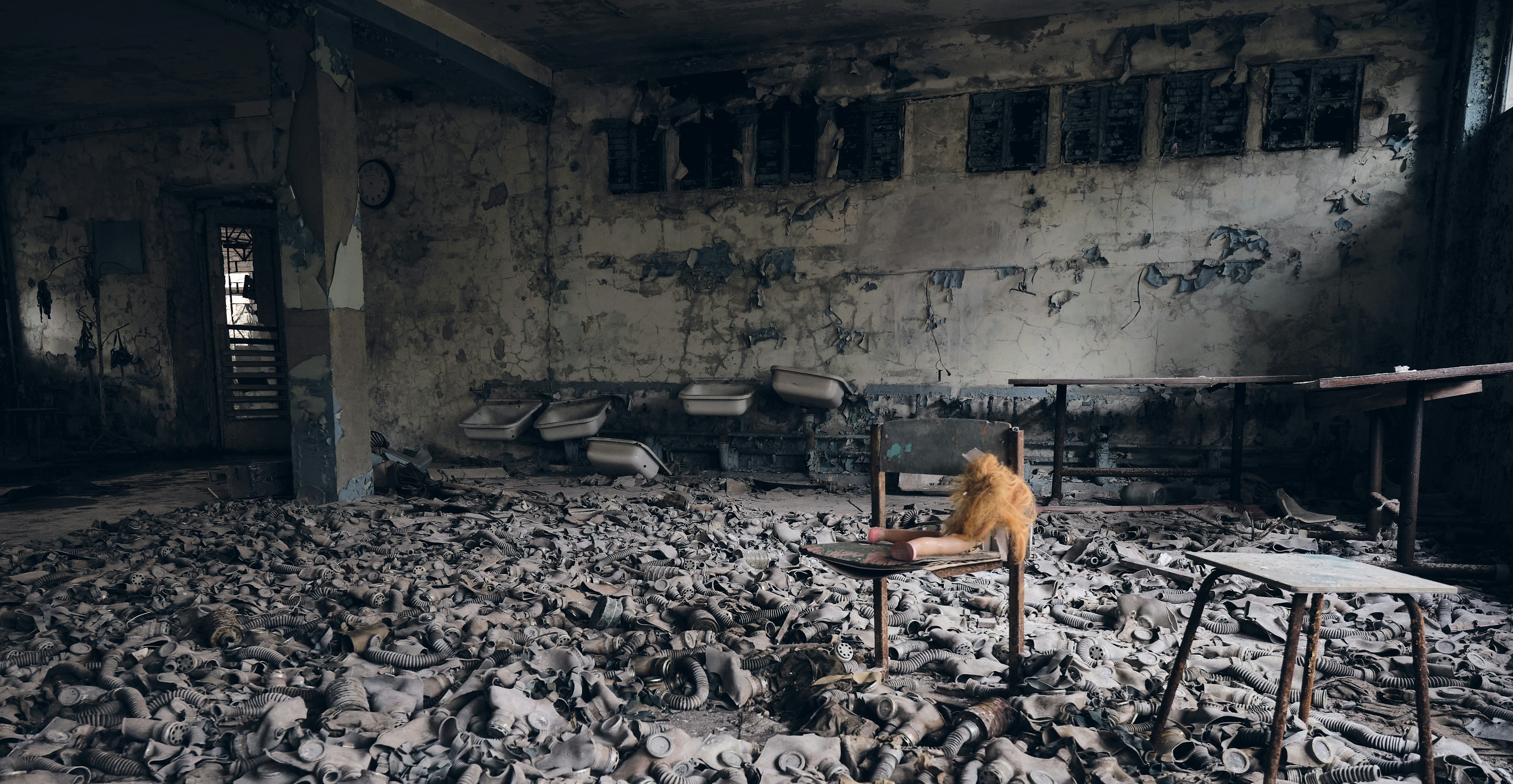
An abandoned and destroyed school near the area of the Chernobyl Nuclear Power Plant

An abandoned middle school in Pripyat, Ukraine, near the Chernobyl Nuclear Power Plant.
Photo Credit: Mick De Paola on Unsplash

As part of their research, they're accessing declassified information and reports.

Equally important, they hope to travel to multiple locations to do post-disaster assessments. This includes Tokaimura, Japan, where there was a nuclear accident in 1999, and the Bikini Atoll in the South Pacific, where the United States conducted nuclear weapons testing in the mid-1940s and 1950s.

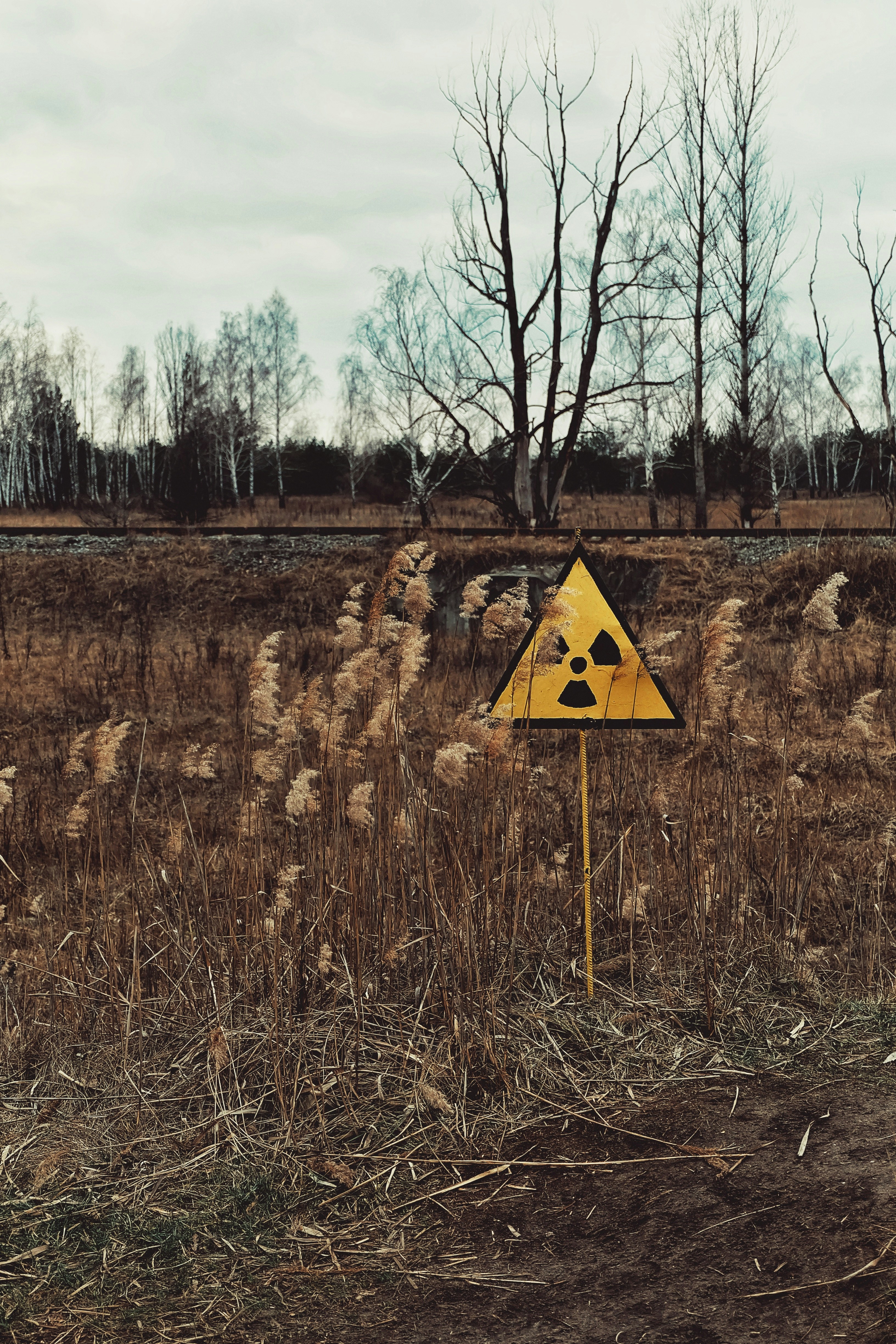
A radiation warning sign stands in field in an area poisoned by the Chernobyl Nuclear Power Plant

"We need to understand exactly what happened. For instance, have these areas been declared unlivable because of contamination and toxicity?"

Discovering which regions of the world have the most unnatural disasters is another key element of their research.

Once they've determined the causes and consequences of unnatural disasters, their findings and recommendations will be released in a book, most likely in 2026 or 2027.


Radioactive land near the site of the Chernobyl Nuclear Power Plant.
Photo Credit: Oleksandra Bardash on Unsplash

"Our primary audience will be government policymakers, transnational corporations, relevant environmental bodies, and key stakeholders," Dr. Turvey says.

"When these disasters occur, we lose resources, people, communities, and wildlife—but we have the power to change this and create a more sustainable world."

Dr. Turvey's work supports several United Nations Sustainable Development Goals (SDGs), including SDG 3: Good Health and Well-Being, SDG 11: Sustainable Cities and Communities, SDG 13: Climate Action, and SDG:15 Life on Land.

The myAwards Portal is open!

Annually our myAwards Portal is open from August 15 to October 15 for undergraduate students. This year, Student Awards and Financial Aid is running a contest to "win free textbooks for a semester" (value is $500). Two prizes are up for grabs - one for Orillia and Barrie and one for Thunder Bay!

https://lakeheadu.academicworks.ca/

Research and Innovation Bulletin

The Research and Innovation Bulletin is distributed weekly every Tuesday by the Office of Research Services and includes information on research funding opportunities, events and workshops, and updates from our funding partners.

Check out the latest version of our Bulletin by clicking here.

Research and Innovation bulletin

Lakehead Campuses Come Alive as New School Year Begins

Lakehead University is set to welcome thousands of students this fall, bringing a renewed sense of energy and possibility to its Thunder Bay and Orillia campuses as the fall 2025/26 academic year begins.

This fall marks a major milestone — Lakehead University's 60th anniversary — with celebrations planned throughout the year, including upcoming community engagement opportunities soon to be announced. Since opening its doors in 1965 in Thunder Bay, Lakehead has grown into a leading comprehensive university with a global student body, deep community roots, and a proud tradition of academic excellence, research, and innovation.

More than 9,300 students are expected to attend Lakehead this year, with 6,800 in Thunder Bay and just over 2,300 in Orillia. The incoming class includes approximately 1,600 international students representing over 80 countries, underscoring Lakehead's growing global reach.

"Fall at Lakehead is more than the start of a school year; it's the start of a journey," said Dr. Gillian Siddall, President and Vice-Chancellor of Lakehead University. "Our campuses come alive with the energy of students pursuing their goals, forming connections, and shaping their futures. It's a time filled with promise - not just for students, but for our entire community. As we celebrate Lakehead University's 60th anniversary, we're also reflecting on the incredible legacy we've built and the bright future ahead."

This year, Lakehead is introducing a refreshed orientation experience designed to support students both academically and socially from day one. Highlights include a peer-to-peer phone call campaign, where student leaders personally welcome incoming students; new faculty- and program-based welcome events focused on building community and classroom readiness; and a reimagined six-week First Year Festival, featuring social events, skill-building workshops, and community engagement. Orientation begins the week of August 27, with classes starting on September 2, 2025.

"At Lakehead, we believe the student experience starts before classes do," said Paula Jean Broderick, Director, Student Success. "From personalized outreach to career-connected learning, we make sure students feel seen, supported, and set up for success."

Lakehead's approach to education blends high-impact academics with real-world experience. All students have the opportunity to participate in experiential learning, and more than 80% engage in work-integrated placements made possible through partnerships with local industry, governments, and community organizations.

The university's economic and social impact is equally significant—generating an estimated $2.57 billion annually in Northwestern Ontario and $328 million in Orillia. With 97.4% of graduates employed within two years, most in roles related to their field of study, Lakehead continues to deliver powerful outcomes for both students and the regions it serves.

With students arriving from near and far, Orientation marks a vital first step in building confidence, community, and a sense of belonging. Activities begin the week of August 27 and continue through the six-week First Year Festival, helping students transition into university life before classes officially begin on September 2, 2025. For more information about upcoming Orientation events, visit: www.lakeheadu.ca/students/orientation/events

Northern Roots, Veterinary Futures: OVC Welcomes First Northern Cohort

CDVMP
This September, the Ontario Veterinary College (OVC) at the University of Guelph will welcome its inaugural Northern Cohort—20 students from Northern Ontario embarking on their journey to become veterinarians through the Collaborative Doctor of Veterinary Medicine Program (CDVMP), a groundbreaking partnership between the University of Guelph and Lakehead University.

This cohort is a milestone in a province-wide initiative to address the veterinary care shortage in Northern Ontario. Access to veterinary services for companion animals, farm animals, and in rural, remote and Indigenous communities is driving a growing animal health and welfare crisis across Northern Ontario.

Over the next four years, the northern students will train at OVC with the goal of returning to their home communities to deliver essential, accessible and culturally responsive veterinary care. The CDVMP is supported by $14.7 million in funding from the Government of Ontario earmarked for new infrastructure on each campus to support the delivery of the collaborative program.

“These students bring deep ties to Northern Ontario, a passion for service, and a commitment to improving animal health and welfare,” says Dr. Jeff Wichtel, dean of the Ontario Veterinary College. “We’re proud to support their journey and to be part of a long-term solution that strengthens veterinary capacity across the province.”

The CDVMP combines OVC’s internationally recognized veterinary education with Lakehead University’s 60-year history of strengthening and supporting northern, rural, remote and Indigenous communities. Together, the institutions are breaking down barriers to education and building a talent pool of skilled professionals ready to serve the North.

"I am proud to see the first cohort of the Collaborative Doctor of Veterinary Medicine program begin their studies at the Ontario Veterinary College," says Trevor Jones, Minister of Agriculture, Food and Agribusiness.

"By supporting the new construction and expansion of the College’s capacity, our government is helping more students from Northern Ontario get the training and education they need to launch rewarding careers in veterinary medicine, safeguarding animal health across the province and strengthening our economy." 

Nolan Quinn, Minister of Colleges, Universities, Research Excellence and Security, adds that veterinarians in Ontario’s North play a vital role in keeping pets, businesses and livestock healthy.

“Our government is proud to welcome the first cohort of students in the Collaborative Doctor of Veterinary Medicine Program, which will equip students with the skills and training they need to deliver excellent animal care in Northern Ontario for decades to come."

Students will engage in experiential learning, collaborate with local veterinarians and complete specialized coursework tailored to northern practice. Graduates will earn a Doctor of Veterinary Medicine (DVM) degree from the University of Guelph.

While Lakehead University builds new infrastructure to support the program, the first two cohorts (2025 and 2026) will complete all four years at the Guelph campus. Beginning in 2027, it is expected that students will begin their studies at Lakehead’s Thunder Bay campus and complete the program at OVC.

“Watching the inaugural Northern Cohort begin their veterinary studies at OVC this fall is a remarkable milestone,” said Dr. Gillian Balfour, Provost and Vice-President, Academic at Lakehead University. 

“Lakehead is proud and optimistic as we celebrate the start of a new school year— one that promises real, positive change for people and animals across northern Ontario. We look forward to welcoming future cohorts to our new facilities in Thunder Bay.”

The journey begins Sept. 2 with OVC’s Orientation Week, culminating in the Professional Welcome Ceremony on Sept. 7, where each student will receive a blue lab coat and stethoscope marking the start of their DVM training.


Meet a few of the Northern Cohort students

Shanelle BerthierShanelle Berthier (Timmins) Shanelle studied at the University of Prince Edward Island and worked with the Atlantic Veterinary College Teaching Hospital and on a dairy farm. “I’ve seen the impacts of limited access to veterinary services firsthand,” she says. “I want to bring my knowledge back to the North to enhance animal welfare and provide emergency services.”


Paris FuzyParis Fuzy (Corbeil) Paris grew up around horses and farm animals and discovered her passion for rural mixed practice while studying Animal Biology at U of G’s Ontario Agricultural College. “I’m excited to serve both large and small animals in the Nipissing District, where I grew up,” she says.


Julia HeyderJulia Heyder (Thunder Bay) A proud U of G graduate, Julia has years of experience in wildlife rehabilitation and a deep love for shelter medicine. “I want to provide accessible and affordable veterinary services to rural communities in Northwestern Ontario,” she says. “I also hope to help address the stray animal population in underserved areas and contribute meaningfully to solving the veterinary care crisis in the North.”


Aiden LehtoAiden Lehto (Thunder Bay) Aiden is deeply rooted in his community and grew up enjoying the outdoors, hockey, and football. “I’m honoured to be part of the Northern Cohort at OVC,” he says. “I’m excited to meet my classmates and continue my journey toward serving my community as a veterinarian.” His dream is to return to Thunder Bay and open his own clinic.


Emily Van RasselEmily Van Rassel (Sudbury) Emily is a passionate advocate for northern students and the LGBTQ+ community. She values the northern landscape and close-knit communities and aims to amplify underrepresented voices in veterinary medicine while building strong relationships with clients and animals in her home region.


Building capacity for the North

The Northern Cohort is a cornerstone of the Collaborative Doctor of Veterinary Medicine Program, designed to recruit and train students from Northern Ontario who are committed to returning home to practise after graduating.

“These students are the future of veterinary care in the North,” said Dr. Joanne Hewson, associate dean, students and academic at OVC. “Their stories reflect the resilience, compassion, and leadership that will shape the profession for years to come.”

For more information about the CDVMP and the Northern Cohort, visit https://www.uoguelph.ca/dvm-expansion/  

Construction begins on Lakehead’s new veterinary education building

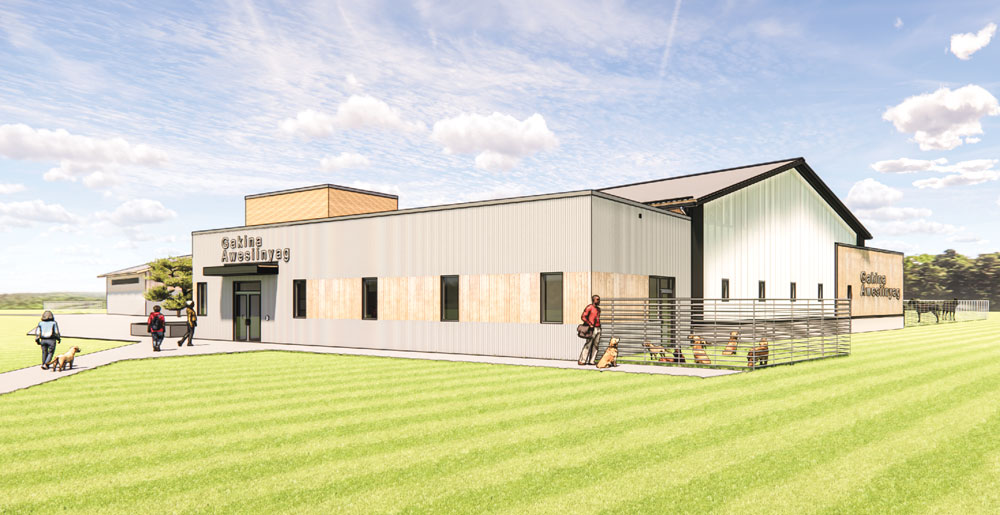
Artist rendering of Gakina Awesiinyag | Photo credit: mcCallumSather 2025

Artist rendering of Gakina Awesiinyag | Photo credit: mcCallumSather 2025

Construction is set to begin on Lakehead University’s new animal education facility to support the Collaborative Doctor of Veterinary Medicine Program, delivered in partnership with the University of Guelph, to help address northern Ontario’s critical veterinarian shortage.

A $12.6-million contract has been awarded to Tom Jones Corporation to build the facility, named Gakina Awesiinyag, meaning “All Animals (Place For)” in Anishinaabemowin.

An Indigenous-led ground blessing ceremony was held on Lakehead’s campus in June 2025, in part to celebrate the visionary philanthropists and funders helping bring this project to life. Construction will begin the week of August 25, 2025, with completion expected in summer 2026.

“Bringing the Collaborative Doctor of Veterinary Medicine Program to life has taken years of planning and the dedication of many people,” said Dr. Gillian Balfour, Provost and Vice-President, Academic at Lakehead University. “Breaking ground is an incredible milestone, and I expect construction to spark excitement across our campus community as students, faculty, staff, and friends see evidence of Lakehead evolving in new and exciting ways.”

Gakina Awesiinyag will provide modern learning space for students and safe housing for both large and small animals, along with storage for feed, bedding, and supplies. Designed by mcCallumSather, the facility will feature advanced mechanical systems that prioritize animal comfort, sustainability, and operational efficiency.

"The launch of construction on this new facility marks a significant step forward for the Collaborative Doctor of Veterinary Medicine Program,” said Trevor Jones, Minister of Agriculture, Food and Agribusiness. "Our government’s investment of $14.78-million provides support to build education facilities at Lakehead University and the University of Guelph to help more students from Northern Ontario launch rewarding careers in veterinary medicine, safeguarding animal health across the province and strengthening food security." 

The next phase of the project includes renovating Lakehead’s ATAC and CASES buildings to support clinical training, student life, and anatomy/pathobiology studies. The competitive RFP process for this work is still underway.

The Collaborative Doctor of Veterinary Medicine Program was created to address the shortage of veterinarians in northern Ontario, including rural, remote, and Indigenous communities. This shortage affects both pet owners’ access to care and the region’s growing agri-food sector. To support the program, the Government of Ontario is investing up to $14.78 million, including $4.5-million toward Lakehead’s capital build requirements.

“The agricultural industry is expanding in Northern Ontario, and having well-trained veterinarians is key to sustaining that growth,” said George Pirie, Minister of Northern Economic Development and Growth. “This new program will address the needs of the region with a made-in-the-North solution and help further secure our growing northern economy.”

The program’s first Northern Cohort students will begin their studies at the University of Guelph’s Ontario Veterinary College this September. Beginning in 2027, once Lakehead’s facilities are complete, students will start their studies at Lakehead before completing the program at Guelph. Students will gain hands-on experience with veterinarians in the north and receive training tailored to rural and remote practice.

"The Collaborative Doctor of Veterinary Medicine Program will ensure Northern Ontario has the highly qualified veterinarians to keep our pets and livestock healthy,” said Nolan Quinn, Minister of Colleges, Universities, Research Excellence and Security. “Our government is proud to support this innovative partnership between Lakehead University and University of Guelph and celebrates the monumental groundbreaking of Lakehead’s new world-class animal education facility where future students will gain the skills they need to support northern businesses, farms and families for generations to come.”

 
Keywords: 

Dr. Langis Roy Joins Lakehead as Vice-President Research and Innovation

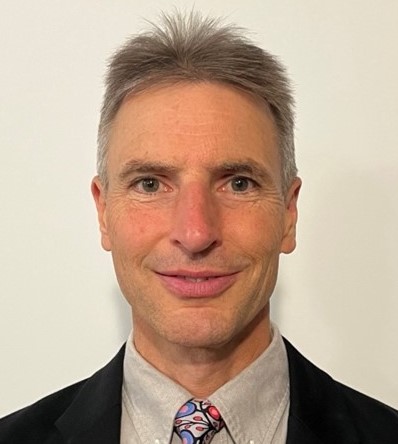
Dr. Langis RoyThunder Bay and Orillia, Ont. – Internationally recognized scholar Dr. Langis Roy has been named Lakehead University’s next Vice-President, Research and Innovation. 

Dr. Roy brings more than 20 years of academic and leadership experience to the position, having held academic appointments at the University of Ottawa, Carleton University, and most recently at Ontario Tech University, where he served terms as Dean of Graduate and Postdoctoral Studies (2015–2021) and Deputy Provost (2020–2023).

“Dr. Roy’s leadership comes at a pivotal time,” expressed President and Vice-Chancellor Dr. Gillian Siddall. “As a vital economic anchor in the regions we serve, Lakehead is poised to expand our impact through expanding partnerships and innovative collaborations. I am confident that with Dr. Roy’s vision and experience, Lakehead will continue to drive a culture of research excellence across our campuses, create new opportunities for students to be at the forefront of real-world cutting-edge research, and drive progress that matters–for people and the betterment of society.”

As Vice-President, Research and Innovation, Dr. Roy will lead the university’s extensive research and economic development portfolio, championing industry and expert engagement, working closely with faculty to secure research funding, creating the new strategic research plan, and advancing the national and global reputation of Lakehead research and scholarship.

“Lakehead is clearly ahead of the curve in terms of sustainability mindset and community engagement, and has unique synergies in its STEM Hub and interdisciplinary programming across central and northwestern Ontario,” said Dr. Roy, who has a Bachelor of Applied Science in Electrical Engineering from the University of Waterloo and a Master of Engineering and PhD in Electrical Engineering from Carleton University. “I look forward to joining this dynamic institution and contributing to Lakehead’s upward trajectory.” 

With more than 150 peer-reviewed publications and three patents in radio-frequency system-on-package designs, Dr. Roy’s interdisciplinary research spans microwave components, wireless sensor and power harvesting technologies, and next-generation system integration with applications in 5G/6G, autonomous vehicles, biomedical monitoring, and more. His recent work focuses on AI-assisted design and control, and he co-leads the France-Canada GRACE (Generative Reconfigurable Adaptive Communications Electronics) consortium.

“With the rise of AI not only accelerating the pace of discovery but also democratizing business entrepreneurship, the possibilities for growing Lakehead’s research and innovation enterprise are limitless,” Dr. Roy added.

A globally engaged researcher, Dr. Roy has held visiting appointments at institutions in Finland and France, including the XLIM Institute at Université de Limoges in 2024. He was also involved in the Oshawa/Durham node of the Ontario Vehicle Innovation Network (OVIN), playing a vital role in research and innovation initiatives in Ontario.

As a leader, Dr. Roy is known for his collaborative spirit, approachability, and deep commitment to supporting students, faculty, and industry partners. During his time at Ontario Tech, he led the transformation of the Office of Graduate Studies into the School of Graduate and Postdoctoral Studies and contributed to expanding experiential and work-integrated learning opportunities across the institution.

“There is a strong history of research and innovation at Lakehead,” said Dr. Siddall. “Although Lakehead is a primarily undergraduate university, the impact and importance of research happening across the university places us among the top research-intensive universities in the country. I look forward to supporting Dr. Roy as we continue to build on this incredible momentum.”

Dr. Roy will begin his five-year appointment on August 24, 2025.

From John Deere Tractors to High-Tech Drones

Overview:

  • Dr. Muditha Heenkenda is advancing agricultural sustainability in northwestern Ontario by mitigating climate unpredictability, reducing labour-related costs, and increasing crop resilience.
  • The Lakehead University Agricultural Research Station (LUARS) promotes sustainable northern agriculture by applying precision-farming techniques and introducing resilient crop varieties.
  • Dr. Heenkenda is using drone images to develop site-specific fertilization plans and predict the amount of yield for winter wheat crops.
  • A 3D-robotic camera system is being designed to help local farmers monitor their fields more efficiently and inexpensively.

A drone buzzes over a wheatfield on a sunny summer day in northwestern Ontario. It's not on military manoeuvres or taking part in a recreational flying competition.

It's gathering information so that farmers can better tend their crops.

Dr. Muditha Heenkenda stands in a field holding a clipboard at the Lakehead University Agricultural Research Station

The drone is piloted by geo-spatial scientist Dr. Muditha Heenkenda. Once a week she sends the drone on flyover missions over an experimental plot on the Lakehead University Agricultural Research Station (LUARS).

This region's short growing season and cold temperatures, combined with unpredictable weather caused by climate change, means that good crop management is imperative.

Dr. Muditha Heenkenda is a LUARS researcher and Lakehead Geography & the Environment associate professor in the Faculty of Science and Environmental Studies.

"I'm capturing video footage to see how many plants emerge after a frost and to track their growth," Dr. Heenkenda says. The goal is to boost northwestern Ontario's food production.

The technology Dr. Heenkenda is deploying reflects the growing sophistication of precision agriculture.

From Sky to Soil: Giving Farmers a Vital Edge

Research Student Alexander Betancourt and Dr. Muditha Heenkenda

Advances in remote sensing and artificial intelligence are rapidly improving precision agriculture," says Dr. Heenkenda, pictured here with research student Alexander Betancourt.

Besides monitoring crops, drones carry out tasks like the targeted sprayings of pesticides and fertilizers, which saves farmers money.

Reducing the amount of fertilizers and pesticides has the additional benefit of protecting the environment from the negative effects of excessive amounts of these chemicals.

Fertilizers, for instance, bring a risk of acidifying soils and causing algae blooms.

On the ground, LUARS researchers are developing a robotic-camera system to continuously photograph crop plots. This system will create 3D models of plant structures and analyze chlorophyll levels, allowing the early detection of nutritional deficiencies and diseases.

"Precision agriculture enables farmers to make more accurate decisions about all aspects of farming, which is essential as climate change pressures grow," Dr. Heenkenda says.

A Unique Research Station Built for the North

Lakehead University Agricultural Research Station

In 2023, Dr. Heenkenda was part of the LUARS team that constructed a solar-powered camera system to monitor the amount of chlorophyll—a crucial plant nutrient—in an experimental soybean crop. Precision agriculture—also known as site-specific crop management—is revolutionizing farming with robotic cameras, smart sensors, and drone technology.

The Lakehead University Agricultural Research Station is on the outskirts of Thunder Bay, Ontario. It's a university research centre that introduces new crop varieties and sustainable agricultural practices to the local farming community.

The LUARS advisory board is made up of members of the local farming community like Fritz Jaspers, who runs a dairy farm and manages approximately 1,000 acres of crops.

"Farmers get advice from LUARS Director Dr. Tarlok Singh Sahota about the best crops to plant, when to plant seeds, and the quality and quantity of fertilizers to apply," Dr. Heenkenda says.

Some of the new crops that farmers have been able to successfully grow because of LUARS research initiatives include perennial rye, winter canola, frosty berseem, and chicory.

Testing Crops for Extreme Weather

"I'm part of a current LUARS research project that's monitoring several varieties of winter wheat, a plant that does well in this region," Dr. Heenkenda says.

"We're looking at the density of seeds planted and the amount of nitrogen used. As a result, we'll be able to understand how these factors affect the height of plants and the health of winter wheat varieties—including when plants flower and develop pods."

A close up of winter wheat growing on the Lakehead University Agricultural Research Station

The information they collect will be used to predict crop yield and draft site-specific fertilization plans for farmers in the area.

LUARS will also share their high-resolution 3D-camera system with them. "Most farmers still go into their fields and gather plant information manually, which is time consuming and expensive," Dr. Heenkenda explains.


LUARS is helping farmers modernize and expand their operations and start small-scale commercial activities, leading to more prosperity for rural farm communities.

"The exciting news is that farmers will be able to remotely analyze any of their crops, not just winter wheat, and then take actions when and where necessary to ensure that they thrive."

This project is funded in part by the governments of Canada and Ontario under the Sustainable Canadian Agricultural Partnership, a federal-provincial-territorial initiative. The winter wheat project is also funded by the Lakehead University Agricultural Research Station: Agricultural Research Capacity Development Program. By fostering food security and promoting sustainable agriculture, this research project is supporting United Nations Sustainable Development Goal 2—ending hunger around the world by 2030.

Pages