
The Lakehead Fresh Market Returns!

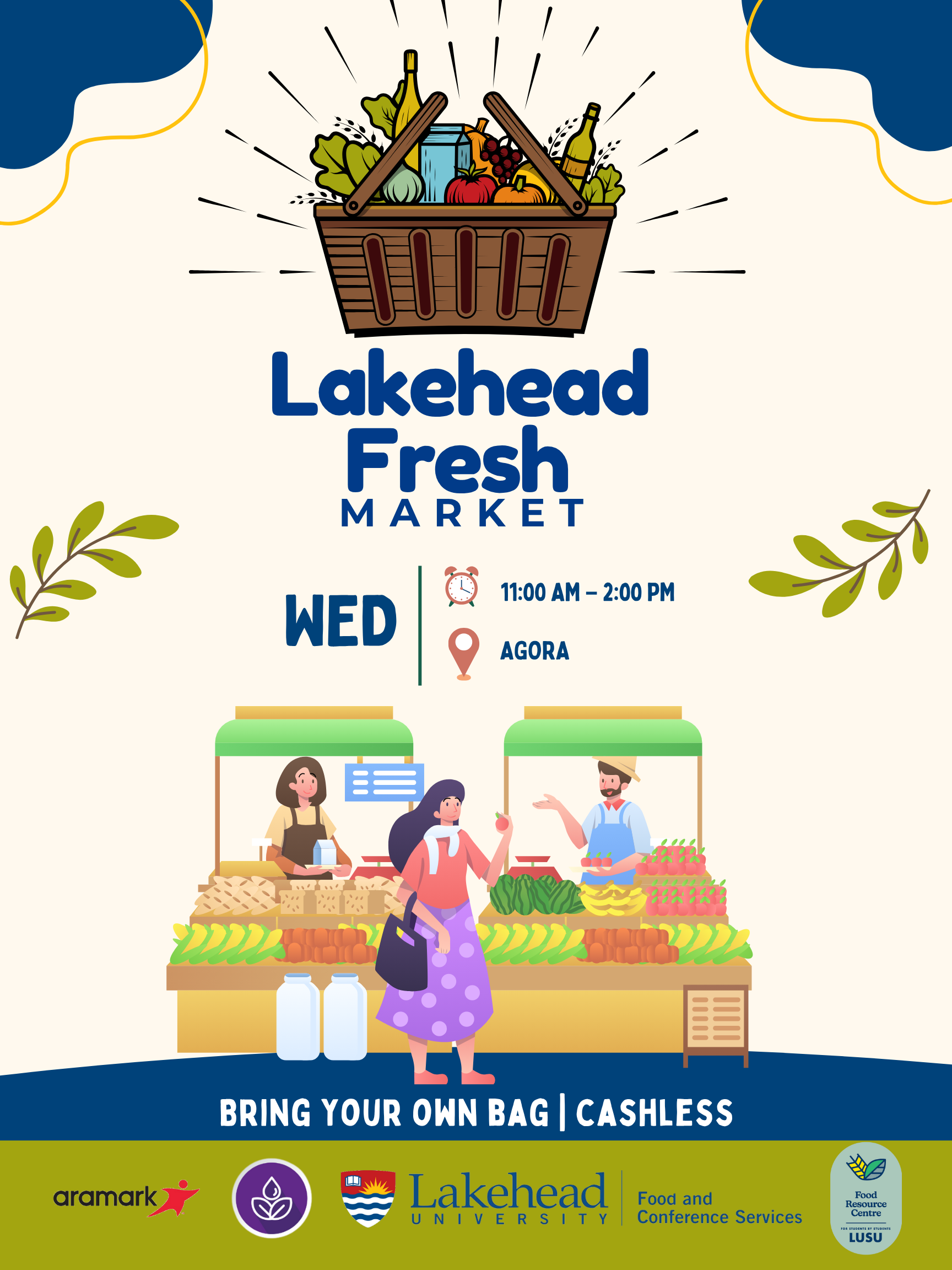
The Lakehead Fresh Market is back for the rest of the semester, bringing fresh, local produce right to campus every Wednesday from 11 a.m. to 2 p.m. in the Agora until Wednesday, Dec. 3, 2025.

Open to everyone in the Lakehead community, the market is cashless and don’t forget to bring your own bag! Students experiencing food insecurity can pick up discount coupons from the LUSU Food Resource Centre (UC2014b) on Tuesday or Wednesday morning to use at the market.

The Lakehead Fresh Market is a collaboration between Conference Services, Aramark, Student Health and Wellness, and the Food Resource Centre, working together to make healthy food more accessible for our campus community.

Lakehead Fresh Market

CERAH November Newsletter

Our November newsletter is live! Stay up to date on upcoming workshops, local partners, and the latest resources. Don’t miss out - read the full newsletter and see what’s happening this month!

Rocky mountain and trees

Adventures in Archaeology

Lakehead Students Step Back into a Fascinating Past

Chris Hamilton was strolling along the McIntyre River on Lakehead's Thunder Bay campus one day in 2015 when he came to a sudden halt. His attention was caught by small flakes of jasper taconite rock.

Hamilton—who was a Lakehead geoarchaeology student at the time—realized that these fragments were ancient belongings left behind thousands of years ago by humans fashioning tools out of stone.

"Many implements such as spear points, dart points, and arrowheads were made where Lakehead's campus now sits," says Assistant Professor of Anthropology Dr. Jill Taylor-Hollings. "They were used for hunting animals."

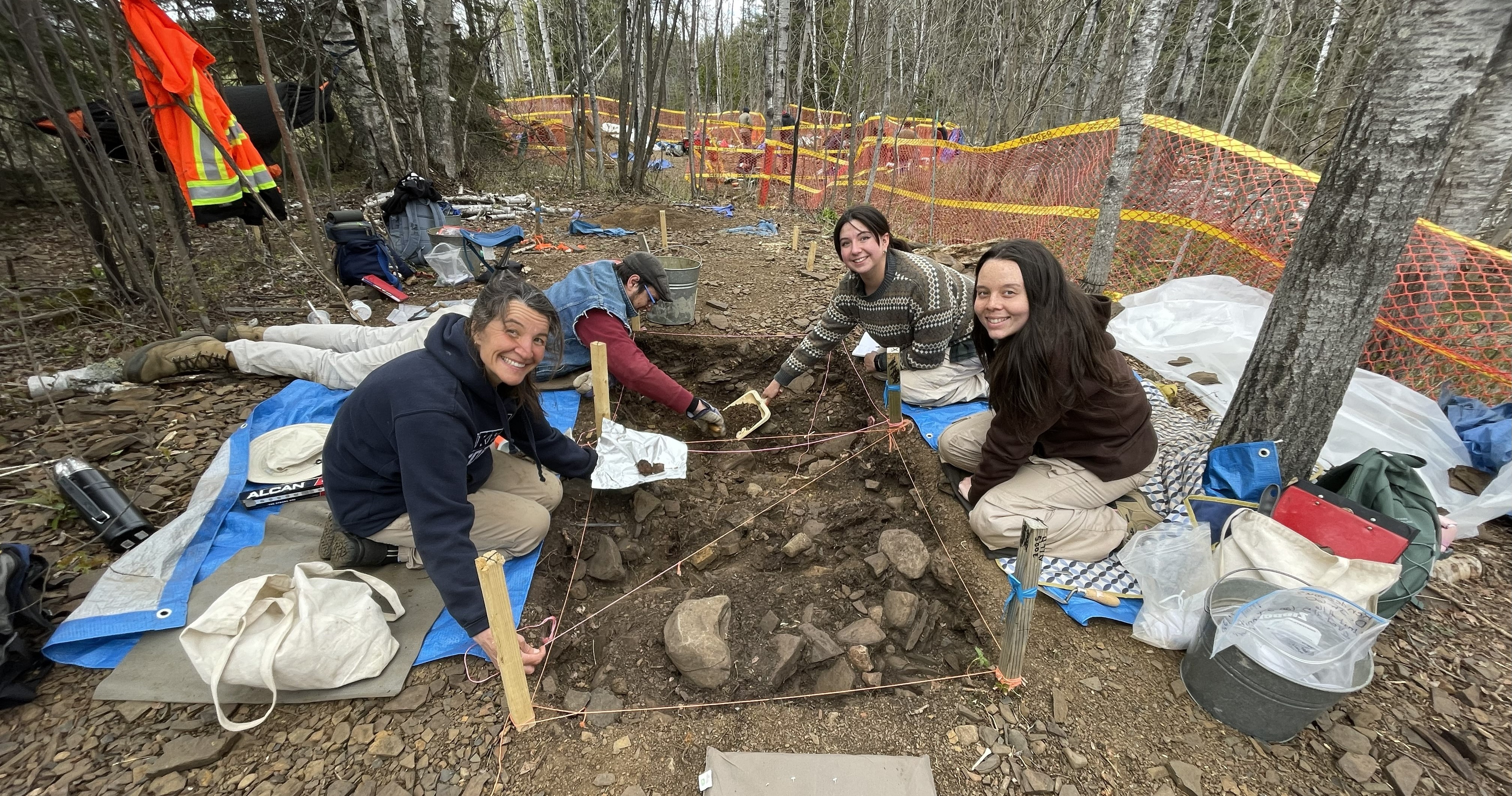
Lakehead students excavate a section of ground during the 2025 Archaeological Field School


Enthusiastic Lakehead archaeology students worked rain or shine during the 2025 Archaeological Field School. The field school organizers, Clarence Surette and Dr. Taylor-Hollings, also volunteer with the Ontario Archaeological Society, which trains community representatives to monitor archaeological work.

This major find opened up an exciting world for Lakehead archaeology and anthropology students. They've been able to immerse themselves in the material culture of ancient peoples right on the grounds of their school.

Many other sites have been discovered on campus since 2015.

"They're all old pre-contact sites from the Middle period, ranging from about 7,000 to 2,500 years ago, as are three sites that were previously discovered in 1976," Dr. Taylor-Hollings says.

Digging Deep

Since 2015, the Department of Anthropology has offered three archaeological field schools on the Lakehead campus. They were led by Bio-Archaeology Technician Clarence Surette, Dr. Taylor-Hollings, and Anthropology Technician Chris McEvoy. These digs teach students essential skills like proper site excavation, reconnaissance techniques, mapping, and laboratory analysis.

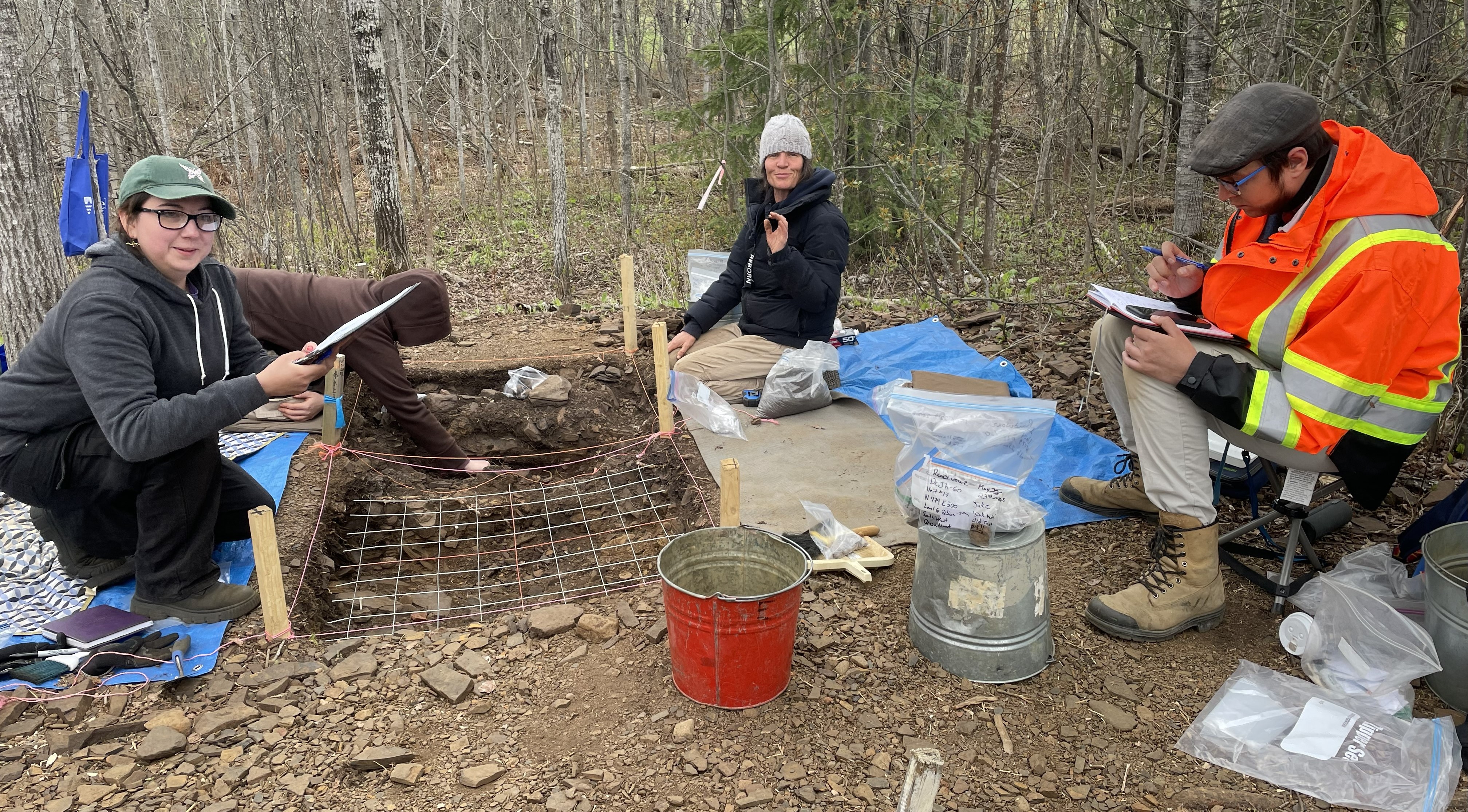
"You start with a bird's-eye perspective, then establish a site grid made up of one-metre square units using wooden stakes," Dr. Taylor-Hollings says. "Students then excavate in layers using trowels, paint brushes, and root cutters."

Students excavate using a grid during the 2025 Archaeological Field School
"In Ontario, 90 per cent of archaeological excavations happen at Indigenous sites," says Dr. Taylor-Hollings. "So, it is very important to work with local First Nations and teach the students about being respectful while being at these sites."

The most recent field school took place in May 2025, in partnership with the archaeological consulting firm Woodland Heritage Northwest. Archaeologists-in-training investigated the ancient, human-occupied shores of Lake Superior in the lake's northwestern region.

"We're like detectives," Dr. Taylor-Hollings says." We take the evidence we find and try to solve a research question."

Before beginning the excavation at this site, the Department of Anthropology asked for approval from Fort William First Nation to work there. "It was important to get their approval because this is their traditional territory," Dr. Taylor-Hollings says. Once the analysis of the artifacts (also known as ancient belongings) they uncovered is complete, they'll report the findings to Fort William First Nation and discuss next steps.

Clues to the Early Inhabitants of the Canadian Shield

"The humans who lived at the sites on campus were most likely the ancestors of the Indigenous people who now reside in this region," Dr. Taylor-Hollings says.

The hypothesis of the researchers leading the excavations is that these early inhabitants of the boreal forest lived in nomadic family groups along rivers and lakes, seasonally occupying areas while engaging in hunting, fishing, and plant harvesting. Ceremonies were also important in the past, and sacred locations exist all over the Thunder Bay area.

"Because of the stone material found during excavations at Lakehead sites, we can confirm that the Thunder Bay area has one of the largest concentrations of Early period sites (ca. 9500 - 7,000 years ago), which are the oldest sites in Canada," Dr. Taylor-Hollings says.

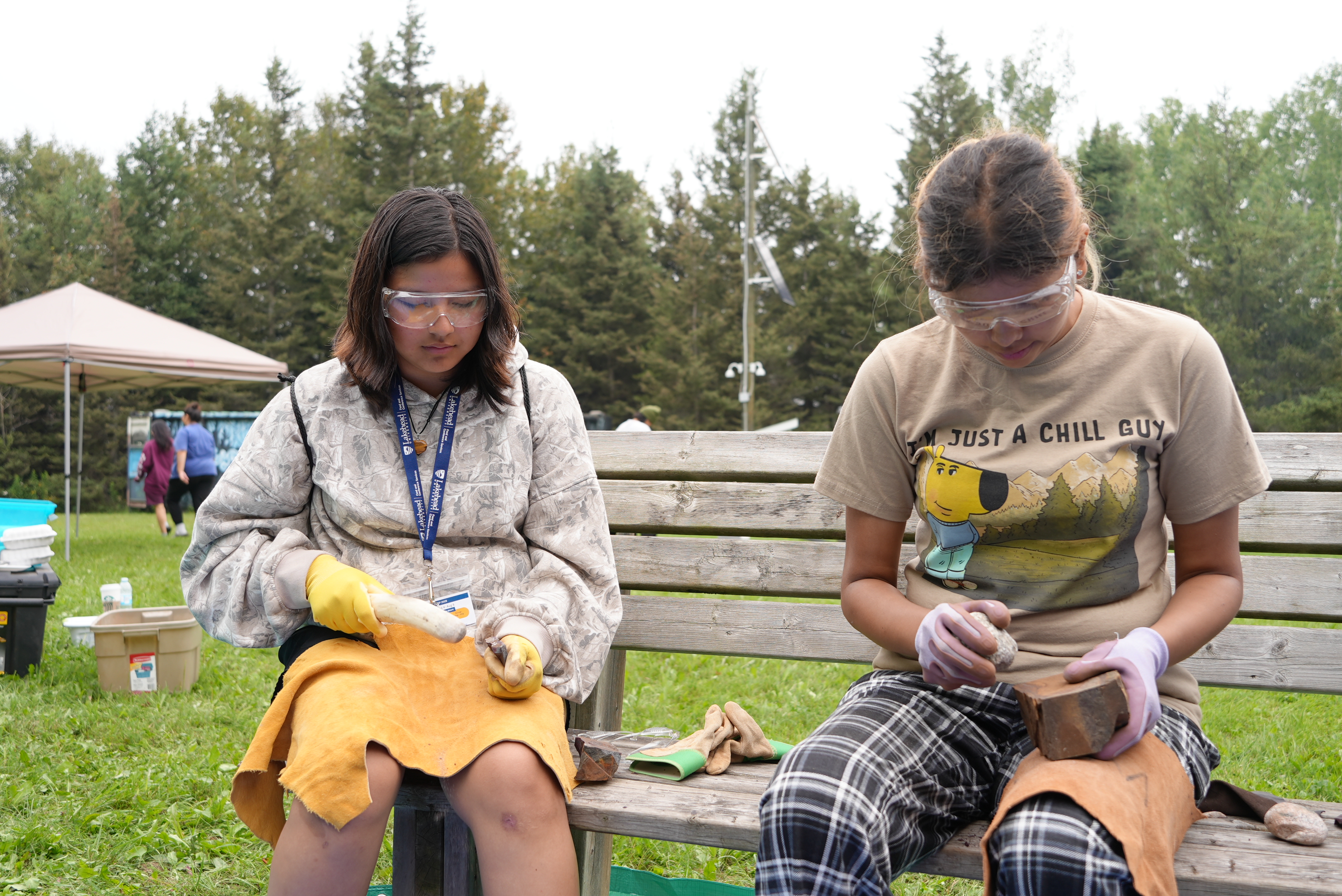
Two Outland students sit on a bench doing flintnapping as part of experimental archaeology programming
Above, Outland students learn how to flintknap. "We see evidence of groundstone technology and chipped stone technology (also called flintknapping) at Lakehead sites," Clarence Surette says.

Several copper tools were unearthed during the 2025 field school—a once-in-a-lifetime discovery that will contribute to the understanding of human history.

"It's likely that the first people anywhere in the world to use copper were from the Lake Superior Region," Surette says.

"We also found a fire pit, which is quite rare," Dr. Taylor-Hollings adds. "We're radiocarbon dating some charcoal we retrieved from the pit to determine how old the occupation is." This is evidence that people were camping right here thousands of years ago.

Experimental Archaeology Offers Unique Insights

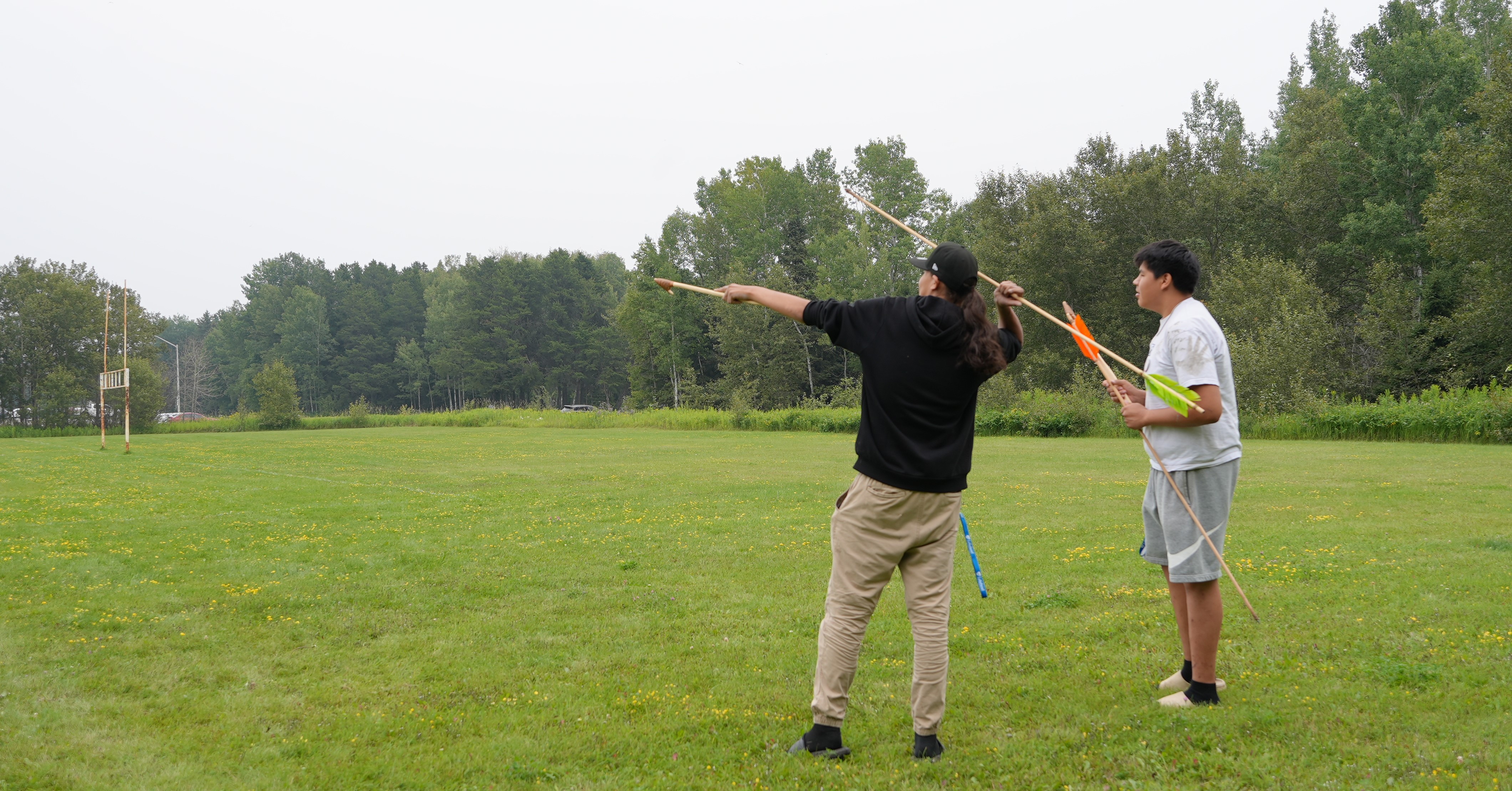
Two Outland students prepare to throw spears as part of experimental archaeology programming near Lakehead's Fieldhouse


Outland students learn how to throw spears as part of Lakehead's experimental archaeology programming in August 2025.

Excavations and field schools aren't the only way that the Department of Anthropology teaches students about ancient people and settlements—experimental archaeology plays an important role, too.

"It allows participants to engage in hands-on activities such as stone tool and pottery making, using ancient techniques and materials to gain a deeper understanding of what life may have been like when these sites were originally occupied," Surette says.

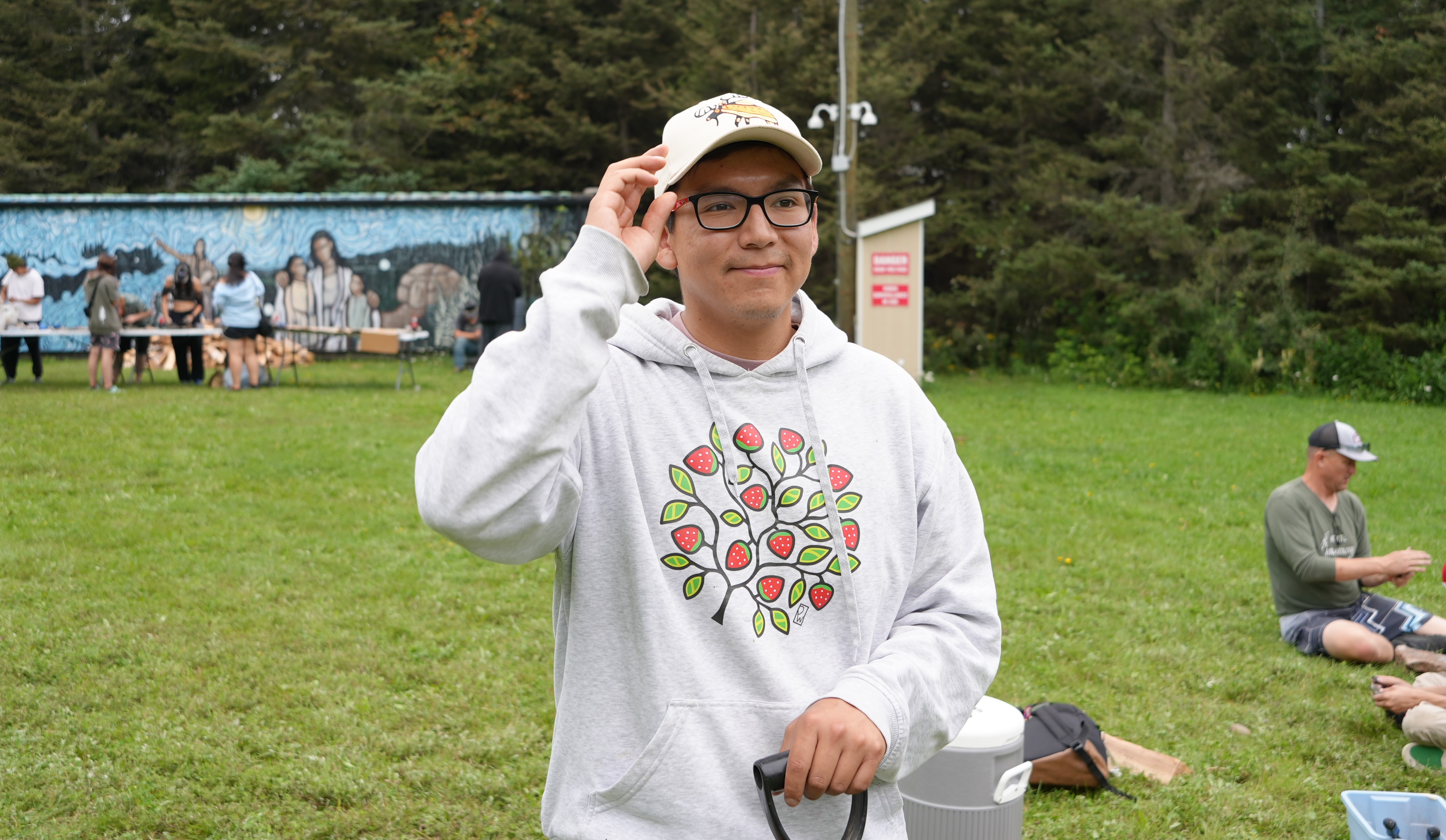
Jared Visitor holds a shovel while assisting with experimental archaeology programming at Lakehead University's Sweat Lodge Site
Niijii Outreach Coordinator Jared Visitor, who is also a Lakehead anthropology lab assistant, helped with experimental archaeology demonstrations for Outland students this summer.

Hands-on learning opportunities like these aren't limited to Lakehead anthropology students. In 2024 and 2025, Indigenous high school students participating in both the Outland Youth Employment Program and Lakehead's Niijii Indigenous Mentorship Program took part in experimental archaeology summer camps.

"It allowed our Indigenous youth to explore technologies and traditions their ancestors used for thousands of years," says Niijii Outreach Coordinator Jared Visitor. "This history has been told through the lens of science for many decades, but now we get to be a part of telling our own story."

If you're an aspiring archaeologist or anthropologist, check out Lakehead's degree options and enrol in classes and labs taught by nationally and internationally recognized experts.

Lakehead Celebrates Alumni Excellence during 60th Anniversary Year

The 2025 Awards Ceremonies Brought Together Inspirational Grads

This year, Lakehead University is celebrating 60 years of expanding opportunity through exceptional learning experiences, advancing discovery that drives societal progress, and fostering stronger communities through innovation and collaboration.

"Lakehead's graduates transform lives while inspiring others to follow their lead," says Mark Tilbury, Lakehead's Alumni and Annual Giving Director. "As we celebrate 60 years, these honourees show how our alumni and supporters bring the university's mission to life through their skill, dedication, and vision."

Since 1989, the Alumni Association of Lakehead University has presented awards honouring outstanding graduates and supporters whose accomplishments reflect Lakehead's enduring mission and impact. At the Lakehead Celebrates alumni awards ceremonies in October, each campus recognized recipients whose achievements embody these values.

Alumni and supporters honoured at the October 25 Lakehead Celebrates ceremony on the Orillia campus pose with their awards

The October 25 Lakehead Celebrates ceremony on the Orillia campus honoured (l-r): Chris Glover, Whitney Glage, Jessie Clarke, Heidi Warren, and Will Wong.

Honouring a Lifetime of Achievement

The Distinguished Alumni Award, recognizing seasoned alumni for significant lifetime contributions through professional achievement, community involvement, or philanthropy, was presented to two remarkable recipients.

David Bruno, a Political Science graduate and Thunder Bay native, has led national initiatives in cybersecurity and helped shape Canada's secure digital services policy landscape. Michael Fox, a member of Weenusk First Nation, and President and CEO of Indigenous Community Engagement (ICE) Inc., champions Indigenous economic development and cultivates partnerships that strengthen communities and support economic Reconciliation.

Recognizing Exceptional Accomplishment

The Exceptional Alumni Award celebrates a graduate whose achievements, service, or recognized accomplishments have had a meaningful impact locally, nationally, or internationally. This year honoured three exceptional recipients.

David M. Thompson, raised on Gichi-weekwaedong (Grand Bay Reserve #54) and Beenjitawaubikozaugeeng (Rocky Bay First Nation) on Lake Nipigon, is a land-based education coordinator at Dennis Franklin Cromarty High School committed to teaching Anishinaabemowin language and culture. Greg Chomut has mentored Indigenous youth through creative initiatives, including Thunder Bay's Wake the Giant festival, helping foster safe, supportive spaces where students can explore their talents, strengthen community connections, and celebrate their culture. Heidi Warren, a Yukon-based educator, leads with mindful, restorative practices, and cultivates inclusive, supportive learning environments where students and colleagues feel seen and valued.

Celebrating Emerging Leaders

The Trailblazer Award recognizes graduates of the past decade who have flourished since graduation through exceptional and unconventional accomplishments in their early careers.

This year's three recipients represent Lakehead's next generation of leadership.

Eemaan Khan, a graduate in civil engineering, has built a uniquely multi-disciplinary global career, earning a strong reputation for civic engagement, strategic thinking, and leadership. Jenna Kirker, a multiple Lakehead alumna, is a historian and advancement professional who has strengthened education and community philanthropy across northwestern Ontario. Whitney Glage, inspired by an outdoor experiential education course she took as part of her Lakehead Bachelor of Education degree, founded Tiny Forest Academy, an outdoor school now serving more than 150 students.

Champions and Changemakers

The Ambassador Award celebrates champions of Lakehead University whose continued dedication strengthens the university community. This year's two recipients exemplify this commitment.

Francis Clayton, retired head coach of Lakehead's varsity wrestling team, has coached and mentored generations of athletes who have gone on to leadership roles in the sport and played a key role in keeping alumni connected to the program. Jessie Clarke, an Orillia graduate, is a student-services professional and tireless volunteer with the Simcoe County Alumni Chapter, praised by colleagues as a "Lakehead human encyclopedia" for her knowledge and dedication to students and campus life.

Alumni and supporters honoured at the October 4 Lakehead Celebrates ceremony on the Thunder Bay campus pose with their awards

The October 4 Lakehead Celebrates ceremony on the Thunder Bay campus honoured (l-r): Francis Clayton, Michael Fox, David M. Thompson, Eemaan Khan, Carolyn Verhoeven, Jack Verhoeven, Greg Chomut, Jenna Kirker, and David Bruno.

Honouring Legacy and Lifelong Commitment

The Legacy Award was presented to Jack and Carolyn Verhoeven for their exceptional commitment to the Alumni Association and the Lakehead community, particularly through their generous creation of Lakehead's largest donor-funded endowment, which assists 10 to 20 engineering students each year.

The Honorary Alumni Award, the highest honour the Alumni Association can bestow on a non-graduate, was presented to two long-standing supporters of Lakehead.

Will Wong, a familiar and welcoming face on campus since 2011, is a go-to Wolfie mascot for the Thunderwolves and a devoted Simcoe County Alumni chapter volunteer who has long embodied the Lakehead spirit. Chris Glover, Associate Vice President, Administration at Lakehead Orillia, is an enthusiastic Thunderwolves fan whose leadership and unwavering support of students, faculty, and staff help guide the Orillia campus community toward a promising future of growth and opportunity.

A Tradition of Impact

As Lakehead moves forward with its new Strategic Plan 2025–2030, Lakehead Celebrates serves as a reminder of the university's greatest legacy: graduates and supporters who carry its values forward—turning knowledge and relationship-building into meaningful action and lasting impact around the world.

Treaties Recognition Week - Library Displays

All Lakehead University Libraries on the Thunder Bay campus (Chancellor Paterson, Education, and Law Library) and the Orillia campus (Harvie Legacy and Education Library), will set up displays in honour of Treaties Recognition Week which is being held November 2 to 8, 2025.

It was introduced in Ontario in 2016 as the Treaties Recognition Week Act. The purpose of this week is to honour the importance of treaties and to build an awareness and understanding of their significance. Lakehead's libraries permanent collections contain a rich and diverse selection of primary and secondary resources pertaining to Treaties.

The unique resources held by each library will be featured in their displays. The library displays will include resources pertaining to Indigenous history, treaties in Canada, elementary and secondary teaching resources and provide information about online resources that are available. Additional opportunities for involvement in related events and activities are listed on the provincial Treaties Recognition Week website.

We welcome you to drop by each library to view the wide range of resources available.

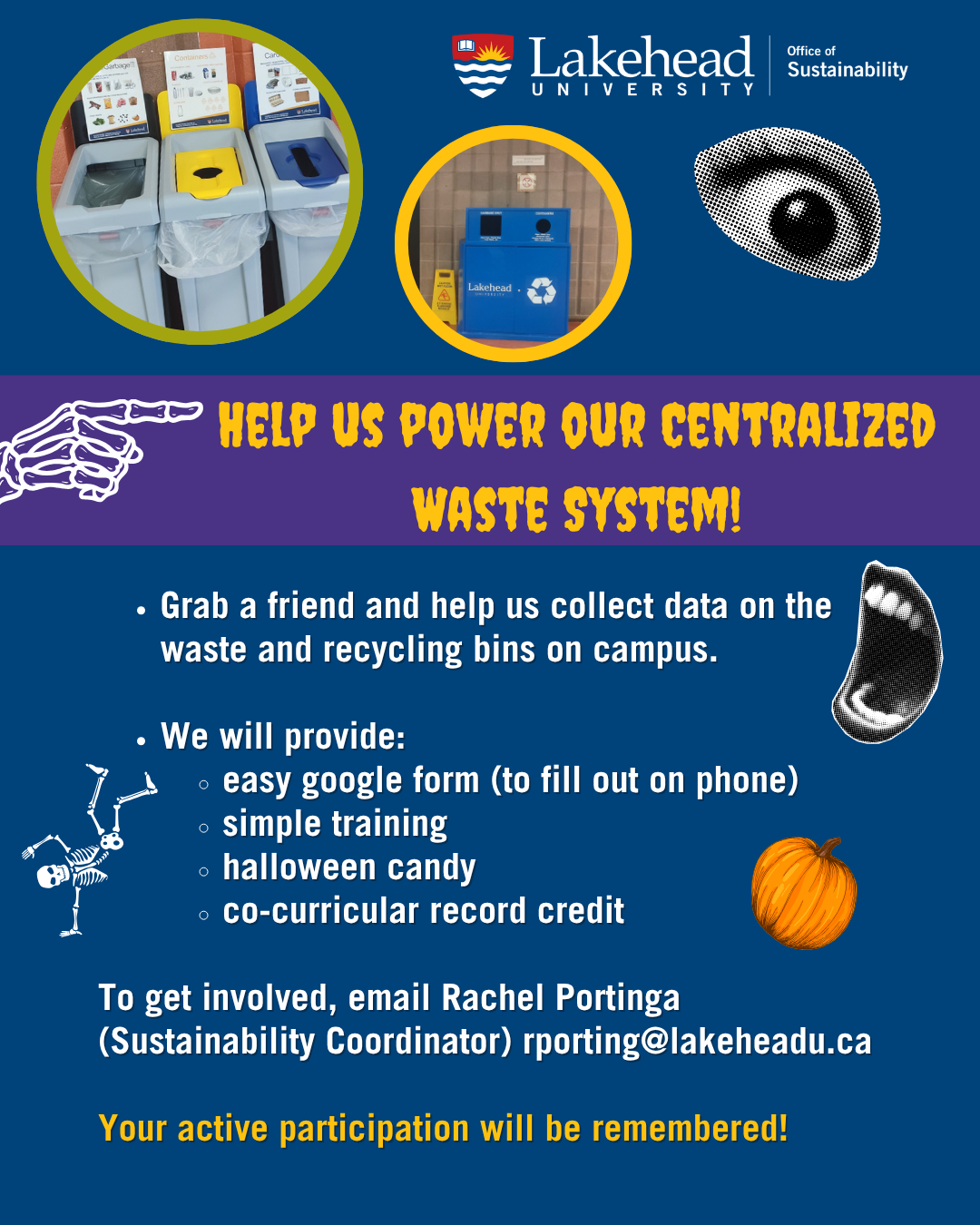
Help us Power our Centralized Waste System

Help us inventory the waste and recycling bins on your floor!

The Office of Sustainability, Physical Plant, and Best Service Pros, are leading the next major initiative to advance our campus waste reduction goals. This is the next step in improving our centralized waste system (established in 2023).

To get involved, email Sustainability Coordinator Rachel Portinga at rporting@lakeheadu.ca.

We will provide:

  • An easy-to-fill Google Form (mobile-friendly)
  • Simple training
  • A printed floor plan
  • Halloween candy!
  • Co-Curricular Record credit

This is a critical opportunity to get together for a collective action!

Everyone is welcome to become part of this effort.

It will have a historic impact on our campus.

It will help address the pressing need to reduce waste impacting the Thunder Bay landfill.

Your engagement in transforming and enriching our sustainability practices will also inspire more actions to build environmental stewardship.

Help us power our centralized waste system

Dr. Gary Pluim Champions Citizen Participation

OVERVIEW:

  • Lakehead Education Professor Dr. Gary Pluim is leading the "Educational Transfer Between Small States of the Commonwealth" research project
  • This initiative follows how curriculum is shared between small Commonwealth countries—from the Caribbean to the Pacific to sub-Saharan Africa
  • Dr. Pluim and his team also collaborated with Ministries of Youth and Education in Commonwealth countries to develop youth-worker courses
  • Youth work is a national priority in many small states because they often have large youth populations and high youth unemployment

From Botswana to the Bahamas, Young People Are Stepping Up

"People should have voice and power in the decisions that most affect their lives," says Education Professor Dr. Gary Pluim.

A head-and-shoulders photo of Dr. Gary Pluim

Dr. Pluim develops teaching methods that address youth rights, political engagement, mental health, and the climate crisis.

Dr. Pluim spent several years carrying out grassroots international youth volunteer projects around the world—like community-driven school-building and youth skills summits—before becoming an academic. It was during this period that he first became interested in fostering citizen participation, especially for younger people.

In 2025, he witnessed the power of citizen participation at Lakehead Orillia. Youth from 12 countries—including Botswana, Guyana, Turkey, the Bahamas, Malta, Fiji, Afghanistan, and Canada—arrived on campus for the "Global Citizenship Summit for Youth Voice, Policy, and Action."

Lifting Up Young People's Voices

The summit was organized by Dr. Pluim, his team of students, and his research partners as part of his "Educational Transfer Between Small States of the Commonwealth" research project. This initiative tracks how curriculum is shared between small countries—from the Caribbean to the Pacific to sub-Saharan Africa.

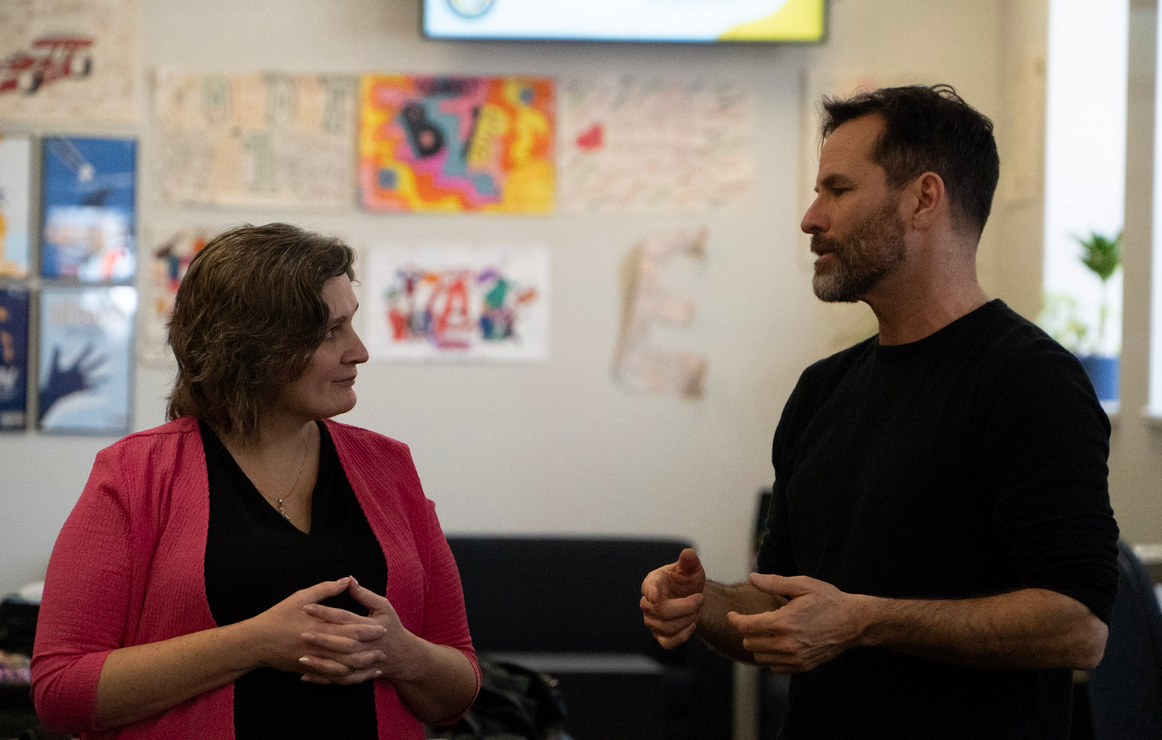
Dr. Linda Rodenburg and Dr. Gary Pluim have a conversation during the Global Youth Summit at Lakehead Orillia in 2025

Advancements in online and distance learning during the pandemic have increased access, and accelerated opportunities, for educational transfer. Above, Dr. Pluim chats with Lakehead Orillia Principal Dr. Linda Rodenburg at the Global Citizenship Summit.

"We collaborated with Ministries of Youth and Education in these countries to develop youth-worker courses. These micro-credentials give current and aspiring youth workers opportunities to upgrade their qualifications," Dr. Pluim says.

"In addition to government ministries, we partner with camps, youth agencies, community organizations, and YMCAs (or their equivalents) to offer this training."

On one hand, this sharing of resources allows countries to save money, train more youth workers, and strengthen their economies. But on the other hand, local voices and cultures risk being overpowered by institutional priorities.

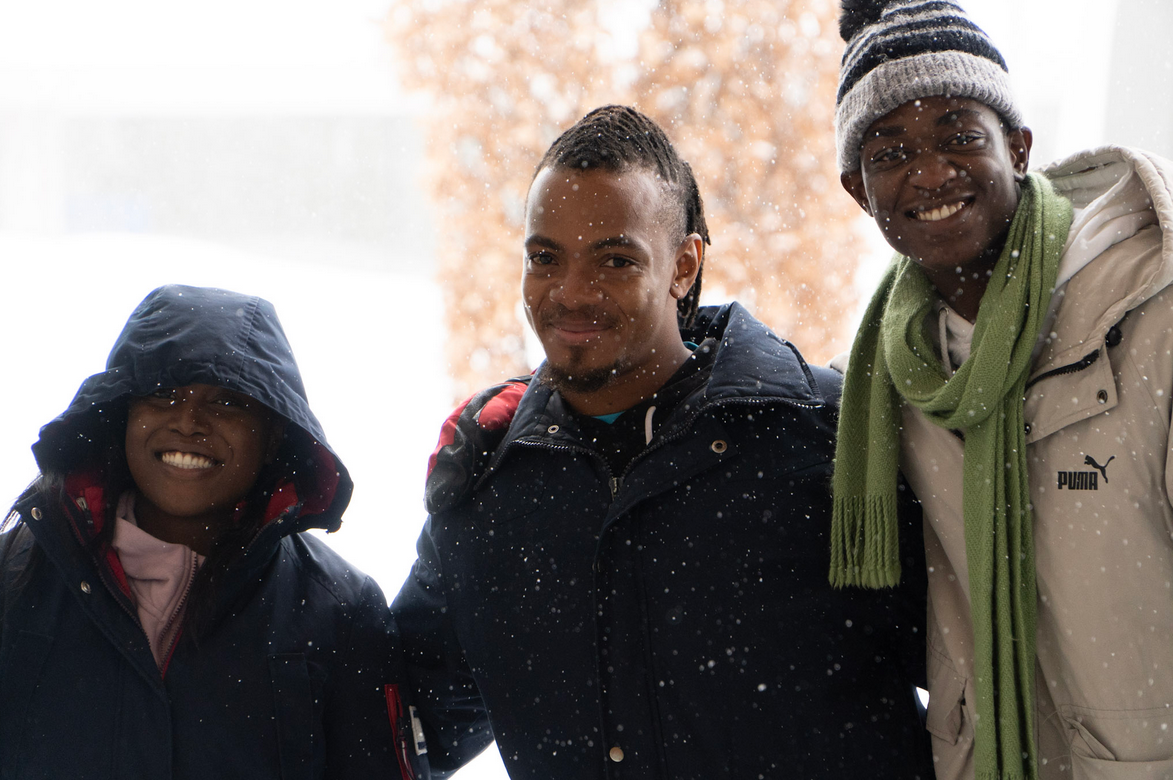
Three students standing outside in the falling snow during the 2025 Global Citizen Summit

Over 1,000 people have now taken Commonwealth of Learning modules, like "Youth and Climate Change" and "Youth Entrepreneurship." Above, youth leaders at the Global Citizenship Summit for Youth Voice, Policy, and Action enjoy some winter weather.

"We're studying promising practices and approaches to education sharing, as well as the factors that inhibit the transfer of curriculum."

Dr. Pluim's work is a partnership with the Commonwealth of Learning (COL), an intergovernmental organization that provides funding to develop and curate open-access online courses in the youth-work field.

Eager to Take Their Place in Society

Youth workers typically support young people with developing life skills, finding employment, and addressing challenges such as mental and physical health issues.

"One reason that youth work is a national priority in many small states is because they often have large youth populations and high youth unemployment," Dr. Pluim says.

In the Bahamas, for example, nearly 40 per cent of the population is 24 years old or younger, and 25 per cent of people between the ages of 15-24 are unemployed, according to the World Bank.

"In today's world, we see massive inequalities and a global climate crisis that are predicated on colonialism and power imbalances," Dr. Pluim explains. "So it's not just about wealthy countries transferring money to poorer countries—it's about local autonomy and possibilities for youth to determine their own futures."

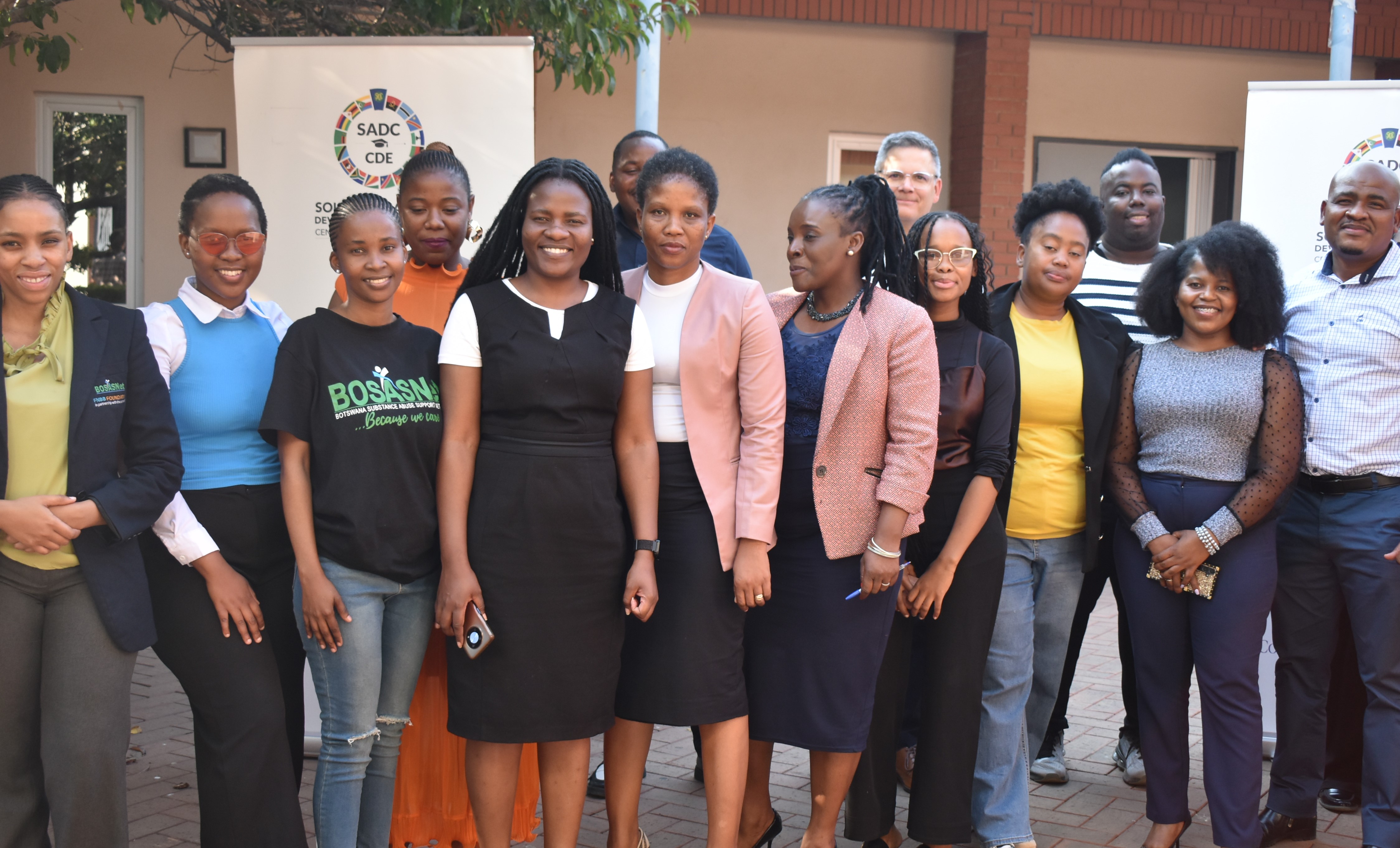
Members of the Botswana Open University in Gabarone stand outside during a conference

Botswana has a large youth population and a pressing need for youth workers. That's why members of the Botswana Open University (above) are considering adopting existing COL youth-worker courses.

Dr. Pluim cautions that even exchanging curriculum between countries comes with risks.

"In many cases, there could be language barriers or curricula that don't reflect the experiences or culture of a country. This research draws upon post-colonial theory when looking at contemporary cultural influences on education."

A Transformative Summit

At the Global Citizenship Summit at Lakehead Orillia, young people shared their perspectives about their countries and their cultures.

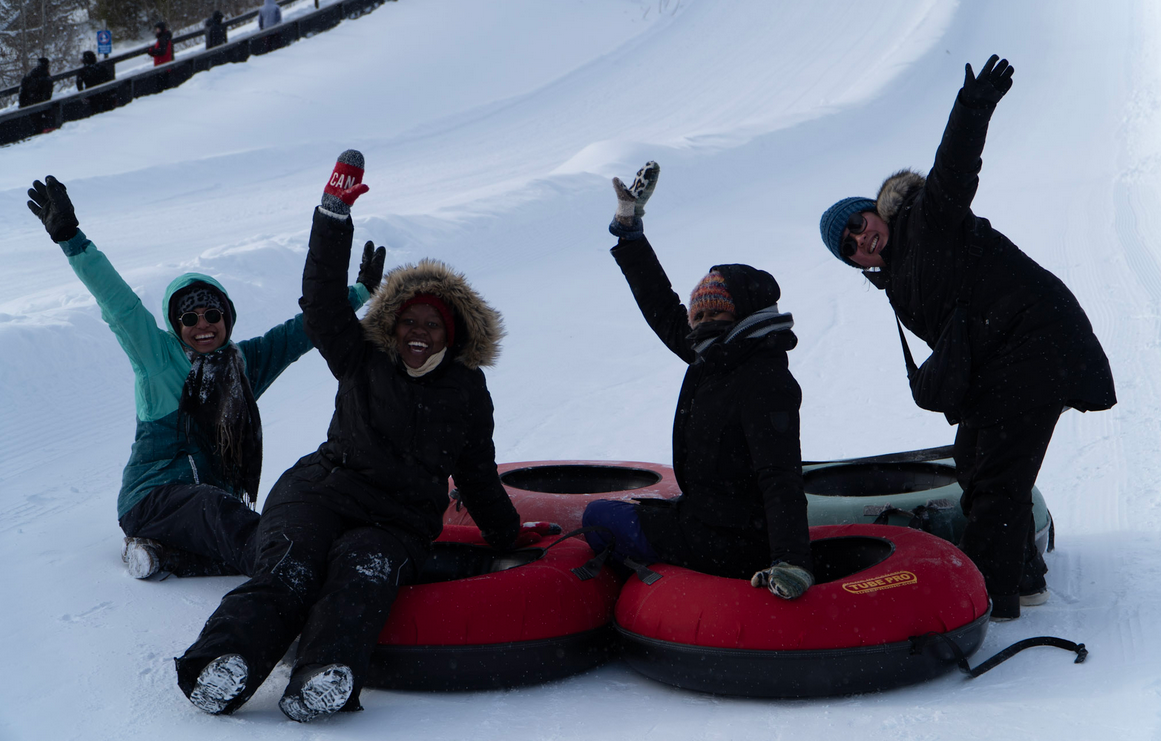
Four smiling students on inner tubes at the bottom of a snow-covered ski hill each wave a raised hand in the air

"Watching the Global Citizenship Summit youth participants (above) come to the realization that they had more in common than they did differences really blew me away," Dr. Pluim says.

They also analyzed how global challenges, such as climate change, are affecting them. Participants discussed rising sea levels in the Pacific Ocean, extreme forest fires in Canada, and more frequent hurricanes in the Caribbean.

Some participants were nervous about the prospect of coming to the summit—they thought they'd have nothing in common with people from other countries. But Dr. Pluim says that the opposite actually occurred.

"It was inspiring to see these young people connect through music, dance, and sharing meals together. Listening to stories about their families, their communities, and their lives reaffirmed the potential of these kinds of educational experiences to bring us together and create change."

Dr. Pluim's research was funded by the Commonwealth of Learning and by a Social Sciences and Humanities Research Council Partnership Engagement Grant. Dr. Pluim's work supports multiple United Nations Sustainable Development Goals, including SDG 1: No Poverty, SDG 4: Quality Education, SDG 8: Decent Work and Economic Growth, and SDG 10: Reduced Inequalities.

Jared Visitor Helps Indigenous Youth Find their Place and their Power

His Leadership is Building Bridges and Fostering Hope in the North

Lakehead student Jared Visitor has had many transformative moments in his life.

One of them was interviewing the trailblazing Indigenous leader, The Honourable Murray Sinclair.

The interview took place just months before the former Senator and Chief Commissioner of the Truth and Reconciliation Commission of Canada passed away in November 2024.

It was part of Jared's work with The Gord Downie & Chanie Wenjack Fund, which aims to foster reconciliation between Indigenous and non-Indigenous peoples. Chanie Wenjack was only twelve years old when he escaped from residential school in 1966 and died trying to walk 600 km back to his family. This tragedy sparked an investigation into Canada's residential school system.

Jared Visitor on the grounds of Lakehead University's Sweat Lodge Site with Outland students in the distance

"Working with youth has set me on a good path and the right direction," Jared says. Above, Jared teaches experimental archaeology to high school students in the Outland Youth Employment Program.

Jared came away from his encounter with The Honourable Murray Sinclair with a deeper knowledge of himself.

"He gifted me with advice and new perspectives to consider," Jared says. "During our conversation, he told me that my spirit name, Rainbow, may mean that my role in life is to bring people together. He said that each colour of the rainbow is distinct and unique, but that these colours merge at the ends."

A Winding Journey

Jared, a member of Sachigo Lake First Nation and a great-nephew of Chanie Wenjack, grew up in Moose Factory, Ontario, and Thunder Bay before his family moved to Pickle Lake, Ontario.

Education is not just desks and fluorescent lights. Learning happens everywhere—in the forest, in your backyard, and with your friends.

It was in Pickle Lake, at the age of 15, that Jared was hired to work for a Ministry of Natural Resources fire base, getting supplies ready for firefighters. When he was 18, Jared became a firefighter himself.

"I thought that firefighting was a waste of time in terms of figuring out my career path, but it taught me a lot," Jared says.

Jared Visitor seated in a living room getting ready to play a drum

Jared has given back to the community in many ways, including volunteering with The New Hope Youth Centre and Urban Abbey. "When I work with youth, I always try to help them figure out what makes them feel alive. For me, that's music."

In the firefighting off-season, Jared began working one-on-one with special education students.

"I had a job as the custodian at the Moose Factory Academy of Christian Education, but I began filling in as an education assistant because they were short-staffed."

The experience made Jared realize that education was his calling. Working as an education assistant at Joy Ottereyes Rainbow Memorial School in Quebec only confirmed this insight.

For Jared, education is deeply intertwined with Truth and Reconciliation.

"We have to reconcile with ourselves, our families, and our communities," he says. "Once you reconcile these relationships, then you can begin reconciling between different peoples—education is integral to this process."

A Leader on the Rise

Jared enrolled in Lakehead's Honours Bachelor of Arts in Psychology and Bachelor of Education concurrent program in 2021.

On campus, he found work as a Department of Anthropology lab assistant and as a mentor with the Niijii Indigenous Mentorship Program. Niijii provides educational programming to Indigenous youth throughout northwestern Ontario and gives them the confidence to consider postsecondary education.

Jared Visitor stands in front of a Woodland Style painting

"My parents' instilled their love of education in me," Jared says. "As a kid, I remember riding the bus with my mom to Lakehead's Thunder Bay campus where she was studying for her education degree."

Jared is now Niijii's outreach coordinator, something that surprises him. "I used to be very shy and walled off, but young people helped heal me. That's why I want to see them fly as much as I can."

Part of helping them fly has meant shifting his career goals. "I planned to be a teacher and then a special education coordinator. Now, I want to change the minds of people who dictate what education is.

Education is not just desks and fluorescent lights. Learning happens everywhere—in the forest, in your backyard, and with your friends."

Click here to watch Jared's 2024 interview with the Honourable Murray Sinclair.


Research and Innovation Bulletin

The Research and Innovation Bulletin is distributed weekly every Tuesday by the Office of Research Services and includes information on research funding opportunities, events and workshops and updates from our funding partners.

Check out the latest version of our Bulletin, by clicking here.

Research and Innovation Bulletin

Arctic and Northern People are Fighting for Sustainable Communities

OVERVIEW:

  • Dr. Chris Southcott studies the social, environmental, and economic challenges confronting Arctic and northern communities
  • His groundbreaking research over the last 40 years has helped give people in the north greater control over natural resource development in their traditional territories
  • Dr. Southcott was recently named a Chair of Resources and Sustainable Communities at the University of the Arctic

Dr. Chris Southcott Helps Northerners Build Futures on their Terms

In May 2025, Sociology Professor Dr. Chris Southcott made a two-day journey to Inuvik in the Northwest Territories. "I flew from Thunder Bay to Toronto, Vancouver, Whitehorse, and Old Crow to get there," he says.

He's visited the Arctic countless times as part of his trailblazing research work.

Dr. Chris Southcott in the Arctic wearing a parka and toque

Dr. Southcott visits the Arctic about twice a year. "The hardest parts are the eight plane trips it takes to get there and travelling by snowmobile in the cold, but the warmth of the communities definitely makes up for any discomfort."

"My two largest projects covered all of the Far North, from Labrador to the Yukon," Dr. Southcott says. This involved collaborating with communities and researchers across the Circumpolar North, including Greenland, Norway, Russia, Finland, and Alaska.

Throughout his 40-year career, Dr. Southcott has emerged as an international leader in promoting sustainable natural resource development that benefits communities in northern Canada and the Arctic.

His northern research initiatives have secured major grants and advanced the university's research agenda. Dr. Southcott's contributions, and those of researchers across our faculties, have helped build Lakehead into a top-ranked Canadian research university.

In the late 1980s, Dr. Southcott was approached by Indigenous organizations in northern Ontario, including Dennis Cromarty, an Indigenous activist and former Grand Chief of Nishnawbe Aski Nation (NAN).

"They were very worried about the lack of control they had over resource development happening in their communities," Dr. Southcott says. "They wanted me to provide information about impacts and alternative ways of approaching resource extraction that solved challenges shared by northern communities."

Dr. Chris Southcott, his son, and his daughter stand beside a monument on the shore of a lake near Iqaluit

"Lakehead was just becoming a research university when I arrived in 1986," Dr. Chris Southcott says. "It adopted a research agenda focused on northern Ontario—in the north for the north." Above, Dr. Southcott and his children near Iqaluit.

Dr. Southcott founded the Social Economy Research Network for Northern Canada in 2006 to look at how community-based organizations in the north could deal with issues linked to resource-extraction industries and other economic drivers in the region.

People in the Far North Seek a Fairer Future

From 2011 to 2019, Dr. Southcott and his research team explored the social, environmental, and economic matters confronting Arctic communities in Canada and the circumpolar world.

This is a crucial issue as global demand for minerals, oil, and gas soars, and a warming climate enables Arctic resources to be extracted on a previously unimaginable scale.

Northern communities, many of them Indigenous, are caught in the crosshairs of this push. Historically, these communities have been almost entirely excluded from both the profits and the jobs that natural resources industries bring to regions. These operations have also damaged the fragile Arctic environment that Indigenous people depend upon for survival.

Lake and rocky shoreline near Iqaluit

Inuit communities have modern comprehensive land-claim agreements that give them significant control over resource development, but they still have an uphill battle when it comes to securing fair resource development. "Mining companies come armed with teams of lawyers and experts," Dr. Southcott says.

To overcome these challenges, Dr. Southcott established an international research network called Resources and Sustainable Development in the Arctic (ReSDA).

ReSDA was funded by a $2.5 million grant from the Social Sciences and Humanities Research Council (SSHRC). At the time, it was the largest social science grant for northern research in Canada.

"Our mandate was to develop strategies, policies, and tools to keep a larger share of resource development benefits in the Arctic while protecting the environment."

A Unique University Focused on the Circumpolar North

Dr. Southcott's expertise was most recently recognized in 2025 when he was made a Chair of Resources and Sustainable Communities at the University of the Arctic (UArctic).

"My role is to foster research that contributes to the long-term sustainability of people in the north and to advise organizations on circumpolar matters."

He's been closely connected with UArctic since its beginning. "Lakehead hosted the first international meeting of circumpolar universities in 1988, which later grew into the University of the Arctic," Dr. Southcott says.

Dr. Chris Southcott stands outside in the Arctic with Prince Albert II of Monaco

The University of the Arctic is an international network of 200 universities, colleges, research institutes, organizations, and community partners. In 2012, Dr. Southcott (l) hosted Prince Albert II of Monaco (r) on a visit to the Eastern Canadian Arctic as part of University of the Arctic's Knowledge and Dialogue initiative.

He's currently doing research with the University of Laval, in partnership with the Inuit Circumpolar Council of Canada, investigating whether inequalities increase when mines open up. On his last trip to Inuvik, he presented his findings to local organizations working on issues such as poverty, housing, and substance use problems.

"Carrying out research that northern communities think is useful—and that helps them make informed decisions—is what I'm most proud of having achieved over the last 40 years," Dr. Southcott says.

The support of the Department of Sociology and Faculty of Social Sciences and Humanities has made Dr. Southcott's work possible. He has also received funding for his research from the Social Sciences and Humanities Research Council of Canada (SSHRC), the Canadian Foundation for Innovation (CFI), The Government of Canada's New Frontiers in Research Fund, Employment and Social Development Canada, and the National Science Foundation of the United States.

Pages