Research

Lakehead Professors Among New and Renewed Canada Research Chairs

By: Melissa Burton

Three Lakehead University researchers have been recognized by the Government of Canada with new and renewed Canada Research Chair (CRC) appointments for their outstanding scientific contributions to our local and global communities.

Dr. Christopher Mushquash was appointed as a new Tier 1 CIHR CRC in Indigenous Mental Health and Addiction. Dr. Alla Reznik, Tier 1 CRC in Radiation Medical Imaging Physics, and Dr. Lindsay Galway, Tier 2 CRC in Social-Ecological Health, received renewals.

“The work of Dr. Mushquash, Dr. Reznik, and Dr. Galway perfectly aligns with Lakehead’s research priorities, especially in areas like health and well-being; First Nations, Métis, and Inuit research; and sustainability, resources, and the environment,” explains Dr. Langis Roy, Vice-President of Research and Innovation. “These appointments affirm our standing as a research-intensive university committed to generating innovative solutions for our regions and advancing knowledge that matters for both people and planet.

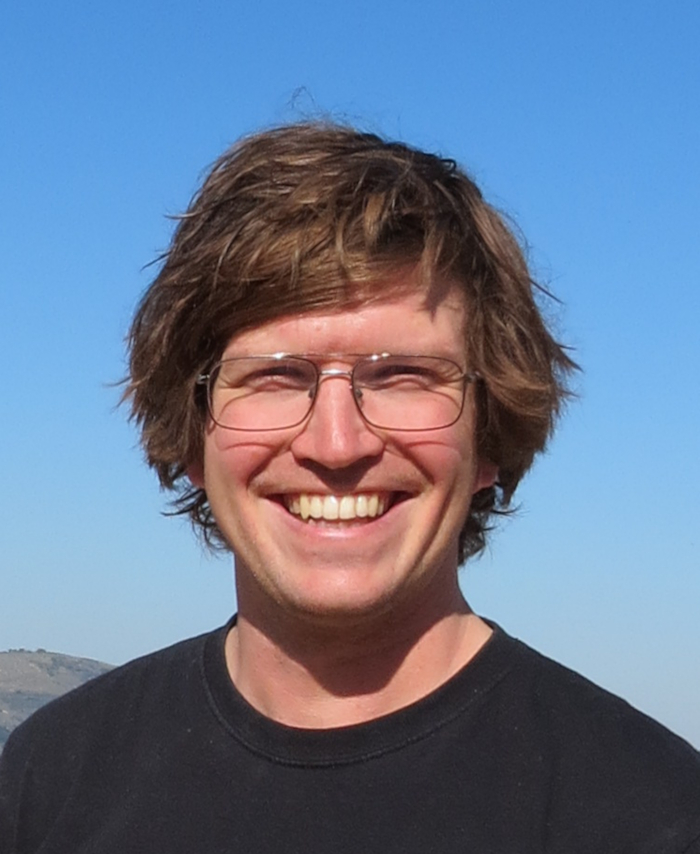
Chris MushquashDr. Mushquash, Psychology Professor and member of Pawgwasheeng (Pays Plat First Nation), is Lakehead’s first Tier 1 CRC holder from the Canadian Institutes of Health Research (CIHR). Blending traditional scholarly activities with Indigenous ways of knowing, he has influenced national policy and improved systems of care for Indigenous people during his previous two terms as a Tier 2 CRC.

Over the next seven years, Dr. Mushquash and his research team will expand their community-based research program to develop culturally- and contextually-appropriate targets of intervention, develop methods for testing outcomes, and share knowledge with Indigenous and academic communities, clinicians, policy-makers, and decision-makers.

“This appointment provides the platform to broaden our impact, not only through community-driven research, but by training the next generation of researchers to engage in respectful engagement with Indigenous communities,” he says.

Canada Research Chair Renewals

Dr. Alla Reznik, Tier 1 CRC in Radiation Medical Imaging Physics (NSERC)

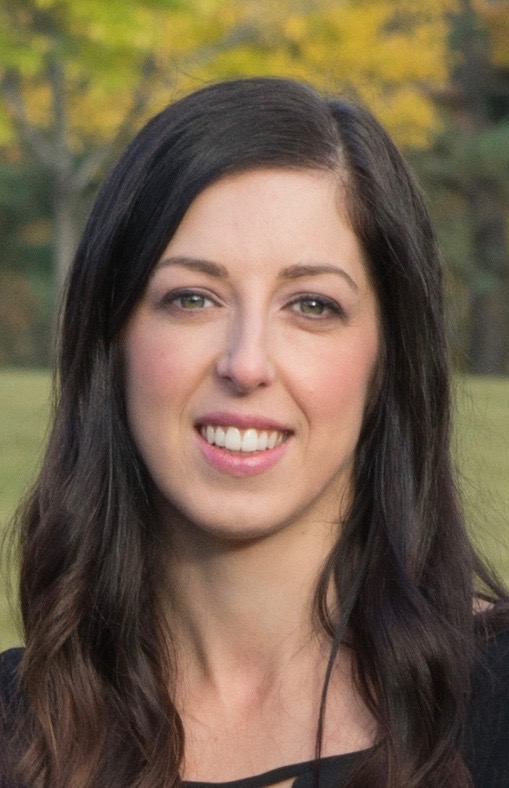
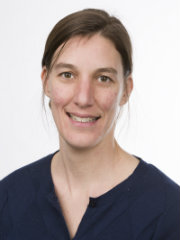
Alla ReznikPhysics Professor Dr. Alla Reznik is revolutionizing the early detection and diagnosis of cancer. Dr. Reznik and her team have developed a low-dose Positron Emission Tomography (PET) scanner for breast imaging that has shown promising results in clinical settings.
They are currently refining their device to target other organs and provide clearer and more detailed diagnostic images compared to current technologies while minimizing patients’ exposure to radiation. “The PET scanner is designed to be versatile, capable of imaging various body parts such as the breast, brain, heart, and prostate with improved accuracy and detail,” she explains.

Dr. Reznik's innovations in medical imaging technology are improving patient health outcomes and advancing the field of personalized medicine by tailoring scans to individual patient needs.

Dr. Reznik was renewed for a seven-year term.


Dr. Lindsay Galway, Tier 2 CRC in Social-Ecological Health (SSHRC)

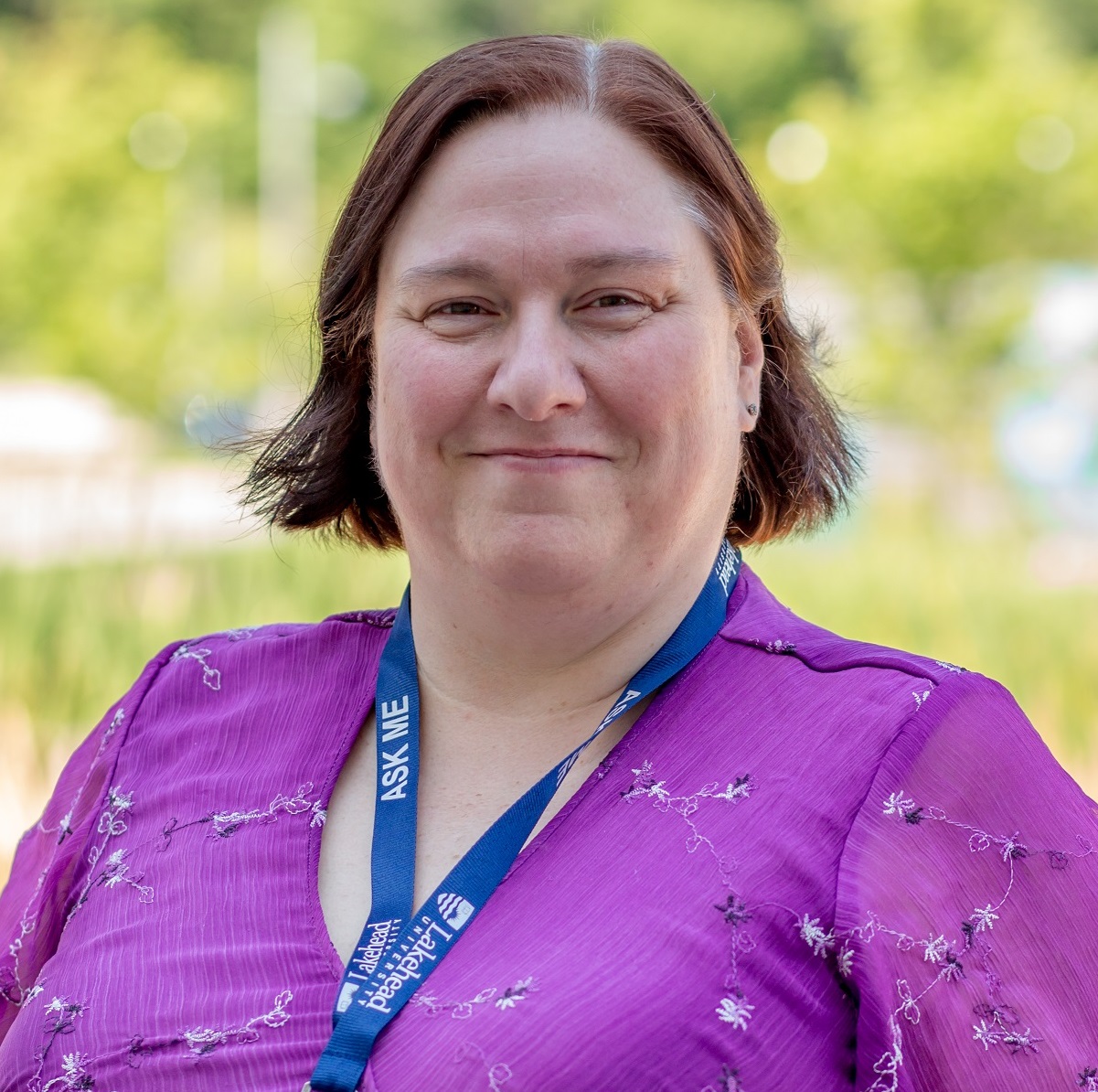
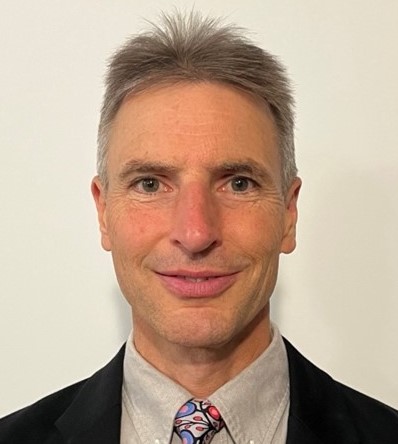
Dr. Lindsay GalwayDr. Galway, Associate Professor in the Department of Health Sciences, investigates how urgent global challenges, including climate change, pollution, biodiversity loss, and ecosystem degradation, directly impact the well-being and equity of people.
“My research falls under the umbrella of planetary health - the idea that human health and the health of ecosystems and the planet are deeply interconnected,” says Dr. Galway.

Building on the successes of her first term, Dr. Galway and her interdisciplinary team are co-constructing place-based solutions that prioritize the perspectives and experiences of marginalized groups. By promoting both environmental sustainability and social justice, Dr. Galway aims to build a more resilient and equitable future for all.

Dr. Galway was renewed for a five-year term.

Dr. Langis Roy Joins Lakehead as Vice-President Research and Innovation

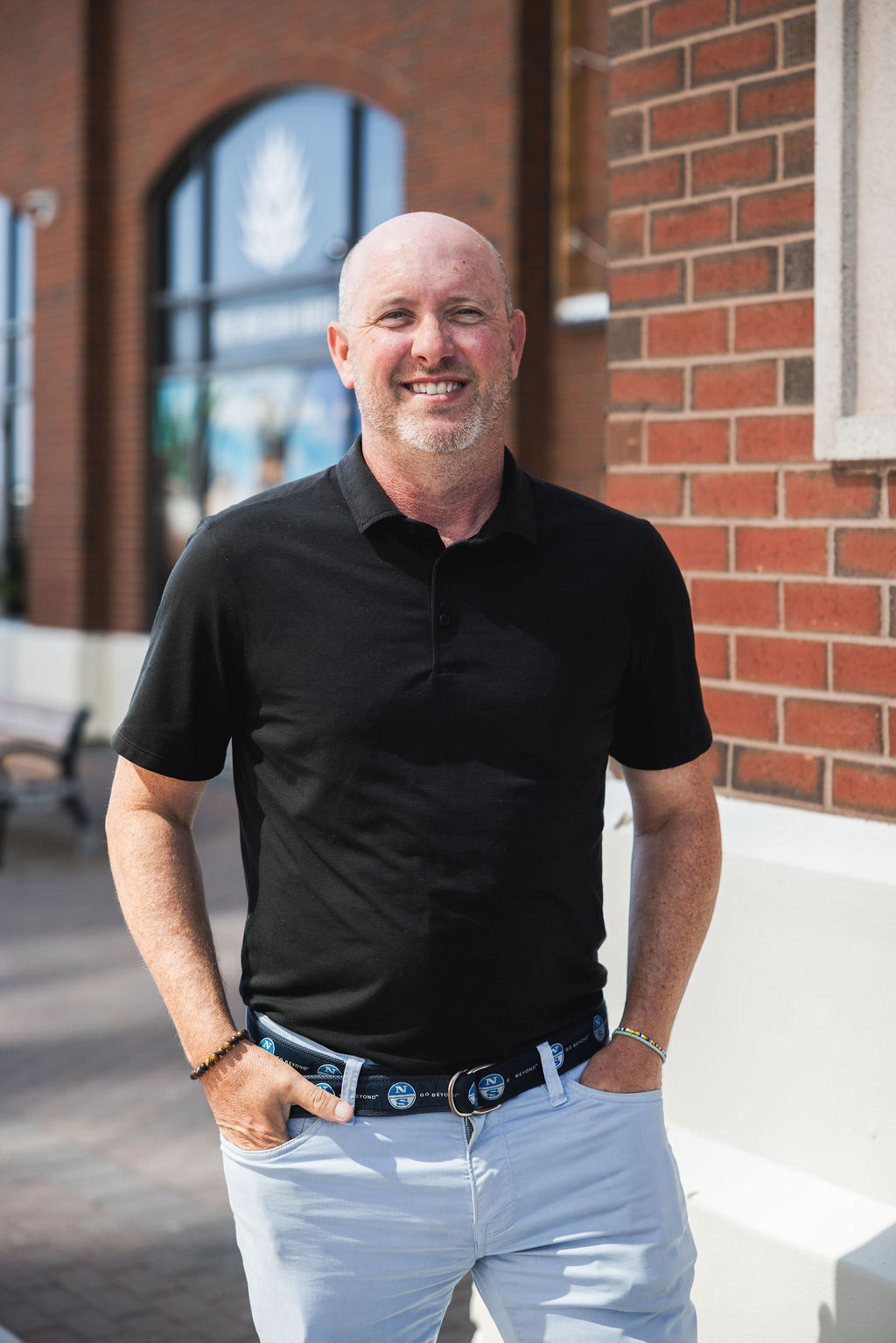
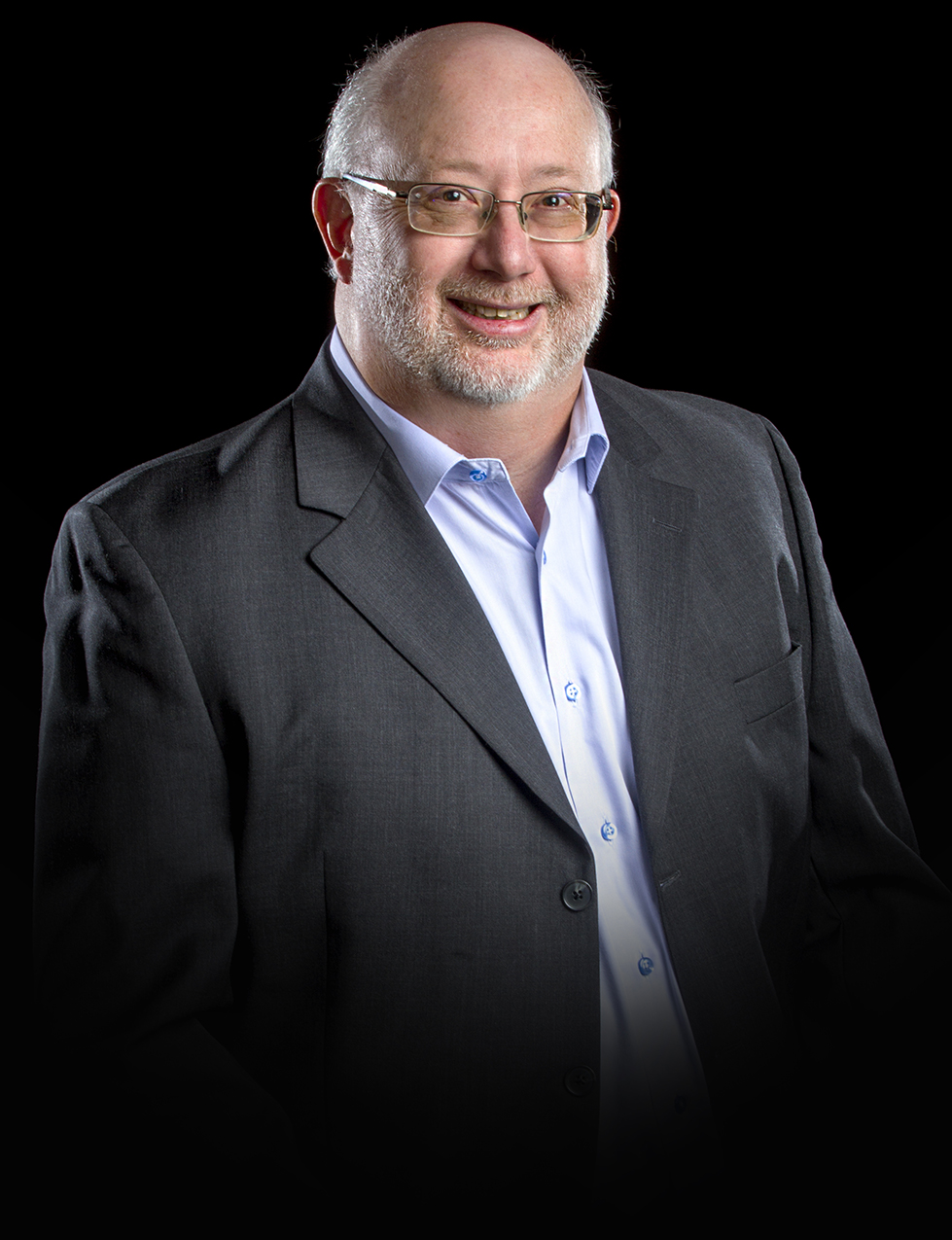
Dr. Langis RoyThunder Bay and Orillia, Ont. – Internationally recognized scholar Dr. Langis Roy has been named Lakehead University’s next Vice-President, Research and Innovation. 
Dr. Roy brings more than 20 years of academic and leadership experience to the position, having held academic appointments at the University of Ottawa, Carleton University, and most recently at Ontario Tech University, where he served terms as Dean of Graduate and Postdoctoral Studies (2015–2021) and Deputy Provost (2020–2023).

“Dr. Roy’s leadership comes at a pivotal time,” expressed President and Vice-Chancellor Dr. Gillian Siddall. “As a vital economic anchor in the regions we serve, Lakehead is poised to expand our impact through expanding partnerships and innovative collaborations. I am confident that with Dr. Roy’s vision and experience, Lakehead will continue to drive a culture of research excellence across our campuses, create new opportunities for students to be at the forefront of real-world cutting-edge research, and drive progress that matters–for people and the betterment of society.”

As Vice-President, Research and Innovation, Dr. Roy will lead the university’s extensive research and economic development portfolio, championing industry and expert engagement, working closely with faculty to secure research funding, creating the new strategic research plan, and advancing the national and global reputation of Lakehead research and scholarship.

“Lakehead is clearly ahead of the curve in terms of sustainability mindset and community engagement, and has unique synergies in its STEM Hub and interdisciplinary programming across central and northwestern Ontario,” said Dr. Roy, who has a Bachelor of Applied Science in Electrical Engineering from the University of Waterloo and a Master of Engineering and PhD in Electrical Engineering from Carleton University. “I look forward to joining this dynamic institution and contributing to Lakehead’s upward trajectory.” 

With more than 150 peer-reviewed publications and three patents in radio-frequency system-on-package designs, Dr. Roy’s interdisciplinary research spans microwave components, wireless sensor and power harvesting technologies, and next-generation system integration with applications in 5G/6G, autonomous vehicles, biomedical monitoring, and more. His recent work focuses on AI-assisted design and control, and he co-leads the France-Canada GRACE (Generative Reconfigurable Adaptive Communications Electronics) consortium.

“With the rise of AI not only accelerating the pace of discovery but also democratizing business entrepreneurship, the possibilities for growing Lakehead’s research and innovation enterprise are limitless,” Dr. Roy added.

A globally engaged researcher, Dr. Roy has held visiting appointments at institutions in Finland and France, including the XLIM Institute at Université de Limoges in 2024. He was also involved in the Oshawa/Durham node of the Ontario Vehicle Innovation Network (OVIN), playing a vital role in research and innovation initiatives in Ontario.

As a leader, Dr. Roy is known for his collaborative spirit, approachability, and deep commitment to supporting students, faculty, and industry partners. During his time at Ontario Tech, he led the transformation of the Office of Graduate Studies into the School of Graduate and Postdoctoral Studies and contributed to expanding experiential and work-integrated learning opportunities across the institution.

“There is a strong history of research and innovation at Lakehead,” said Dr. Siddall. “Although Lakehead is a primarily undergraduate university, the impact and importance of research happening across the university places us among the top research-intensive universities in the country. I look forward to supporting Dr. Roy as we continue to build on this incredible momentum.”

Dr. Roy will begin his five-year appointment on August 24, 2025.

Lakehead named a leader in artificial intelligence research

Research Infosource Button

Thunder Bay and Orillia, Ont. - Lakehead University has been identified as a Canadian research powerhouse in the rapidly evolving field of Artificial Intelligence (AI).

According to Research Infosource’s annual Top 50 Research Universities ranking and analysis, Lakehead is the number one research-intensive undergraduate university in Canada when it comes to AI research and publications. With over 180 per cent growth in published studies in the area of AI (from 2018 to 2022), Lakehead researchers are at the forefront of real-world innovation and transformation.

“The recognition from Research Infosource reflects the extraordinary talent and research capacity cultivated at Lakehead University,” said President and Vice-Chancellor Dr. Gillian Siddall. “Research and innovation is an important economic driver for the regions we serve and opens doors to collaboration, discovery and positive social progress. It also offers opportunities for our students to be at the forefront of real-world, cutting-edge research, particularly in the area of AI, that will give them hands-on experience and practical skills that employers seek.”

Lakehead academics are working with industry partners and collaborators in Northwestern and Central Ontario, nationally, and internationally on unique machine learning and knowledge engineering projects including intelligent transportation systems, healthcare robotics, power systems, and consumer electronics.

“Universities hold the key to shaping the future of AI by pushing the boundaries of what technology can do but in a way that’s responsible and ethical,” stated Dr. Andrew P. Dean, Vice-President of Research and Innovation. “The high calibre of research happening at Lakehead University has the potential to stimulate advancements around the world that contribute to global progress and societal good. Lakehead continues to be a trusted expert for knowledge transfer that leads to innovation and economic development.”

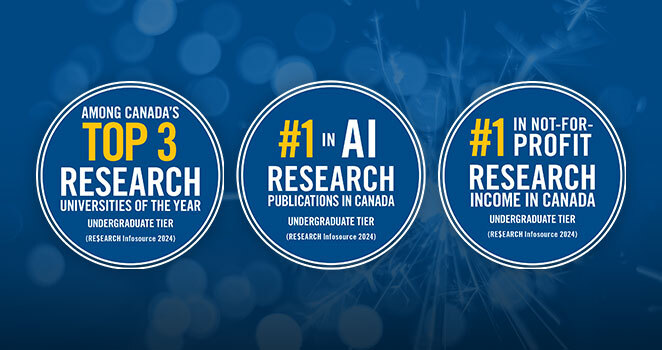
In this year’s Research Infosource rankings, Lakehead also maintained its spot as one of the top three universities in Canada in the Research University of the Year competition in the undergraduate category. In addition, Lakehead ranked:

  • No. 1 in not-for-profit research income (2023)
  • No. 1 in International Government Research Income Growth (470 per cent growth from 2022 to 2023)
  • No. 1 in artificial intelligence publications (2018 to 2022)
  • No. 1 in artificial intelligence publications as a percentage of total university publications (9 per cent of Lakehead’s total research publications)
  • No. 1 in artificial intelligence publications growth (over 182 per cent increase from 2018 to 2022)

The university’s total annual research income continues to grow, increasing 13 per cent to $27 million from 2022 to 2023, and there’s also steady growth in corporate research income in addition to the not-for-profit research income.

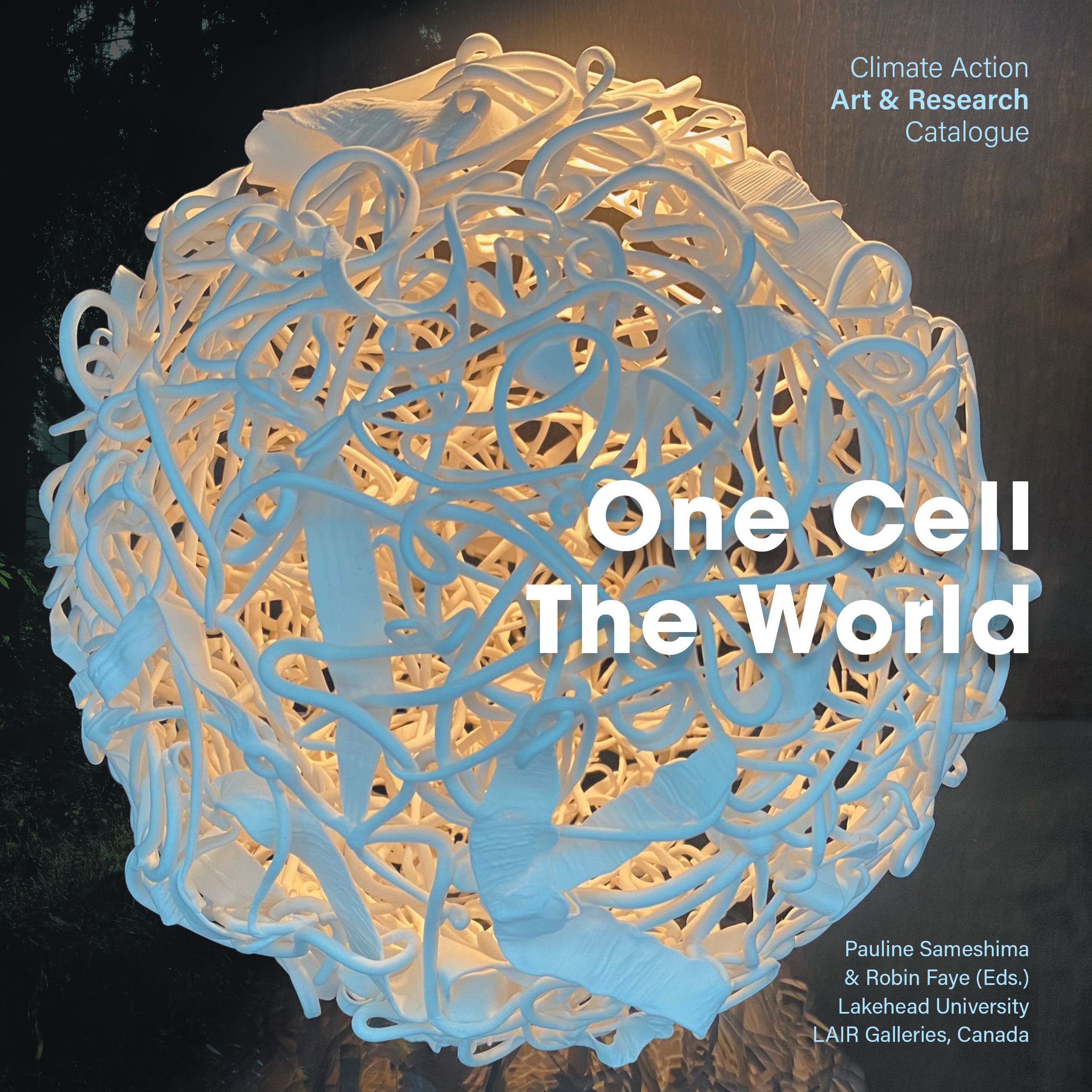
A research-art catalogue on climate action

An art form made of waste on a black backgroundAround the world, individuals and groups are rallying to draw attention to the climate emergency. Curated by Dr. Pauline Sameshima, professor in the Faculty of Education, and Robin Faye, One Cell, The World is a research-art catalogue on climate action from the Lakehead Galleries featuring essays, poetry, art, videos, music, and more, from diverse communities on the climate crisis.

One Cell, The World includes a keynote speech by Seth Klein on how we might mobilize climate action at a university level and essays as diverse as the role of salt in bio alcohols, to native species gardening. Select artworks respond to the floods in British Columbia, water resources in Lake Superior, and ocean surges in Ayetoro, Nigeria. A cello piece was created using NASA global climate data.

Local and international, the selected works demonstrate the possibilities for what climate action can look like. They contain insights and inspiration for climate activists, artists, educators, and policy makers; as well as for all those who care about the planet.

Reviews:

One Cell, the World highlights how arts through research can beautifully raise awareness of climate change and social justice. -- Dr. Andrew Dean, Lakehead University Vice-President Research and Innovation

I like it! A lot! Curriculum specialists need ways to re-form the mind with the languages of the body and the heart. This book invites that work with mind-bending beauty. I just want to gaze more deeply into it. -- Dr. David Greenwood, Canada Research Chair in Environmental Education (2010-2020), Lakehead University

It is inspiring to see in this work the tremendous potential of the arts to express such poignant and ingenious responses to the climate crisis. It is also inspiring to sense such heartfelt and passionate care for our planet. -- Dr. Benjamin Bolden, UNESCO Chair in Arts and Learning

This book of many voices calls into sight the compassionate climate healing we seek with compelling focus on the urgency. Chosen change is first imagined. -- Heather McLeod, podcaster of Something Different This Way Comes, Thunder Bay, Ontario

This book invites us to reflect on the interconnectedness of the climate crisis through a variety of perspectives, centring us back into humility, reciprocity, and oneness. Through the lens of artists, activists, and actions this collection left me feeling grateful and hopeful for our future and reminded of the vastness of solutions that are before us. --Madison Dyck, Activist, Thunder Bay, Ontario

Strengthening emotional connections to our natural surroundings and other beings has never been more critical. As the climate crisis continues to mount, we must come to terms with a lot of complex feelings (e.g., fear, anxiety, guilt)—and we can’t do it alone. For all these reasons and more, we need art. When I look at the collection of artworks in this catalogue, I feel a sense of hope and inspiration, that we’re all in this together. These artworks not only stimulate critical thinking around climate issues, but also illustrate how art can be a catalyst for real and enduring change. I am excited to bring this collection into my classroom! -- Dr. Tiina Kukkonen, Assistant Professor of Visual Arts Education, Arts Research Collective, Queens University

This book makes me stop and pause for reflection. The climate crises are changing our psyches. I am moved by the depth of emotions evident in the artistic expressions and the ideas that emerge. There are connections on many levels. -- Graham Saunders, Climatologist, Lakehead University

More information can be found here. One Cell, The World is also available through local and online bookstores.

May Remenda awarded $3,000 scholarship for research in dementia care

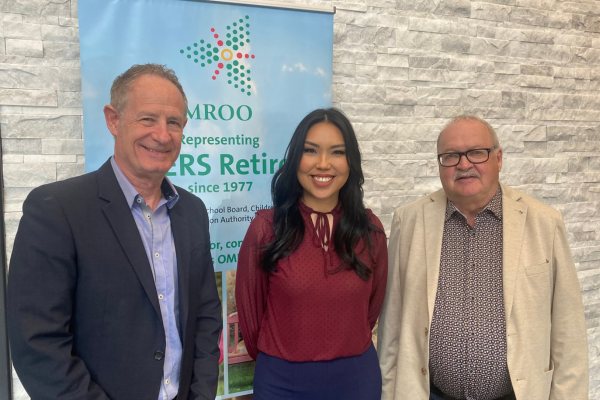
May Remenda - Targeted Scholarship 2024 with Ken Noakes (left) and Bill Latham (Zone 8 Director)

From left: Ken Noakes (Executive Director, MROO), May Remenda and Bill Latham (Director of Zone 8, MROO) at the Annual Zone 8 Meeting in Thunder Bay on May 7, 2024. Photo credit: MROO.


The Municipal Retirees Organization Ontario (MROO) has awarded $3,000 to graduate student May Remenda, who is in her final year of a Master of Social Work with a specialization in Gerontology. Under the supervision of Dr. Kathy Kortes-Miller, her thesis focuses on enhancing dementia care for Indigenous residential school survivors relocated to long-term care facilities far from their communities. By advocating for culturally safer care practices, her work aims to ensure these elders are treated with dignity and kindness. 

May is the first Lakehead recipient of the MROO'S Targeted Scholarship Program. In 2024, the MROO signed an agreement with Lakehead to become their second partner school in the new Targeted Scholarship Program. 

Read the full interview with May at https://www.mroo.org/en/whats-happening/targeted-scholarship-recipient-2....

Dementia support group celebrates key milestone

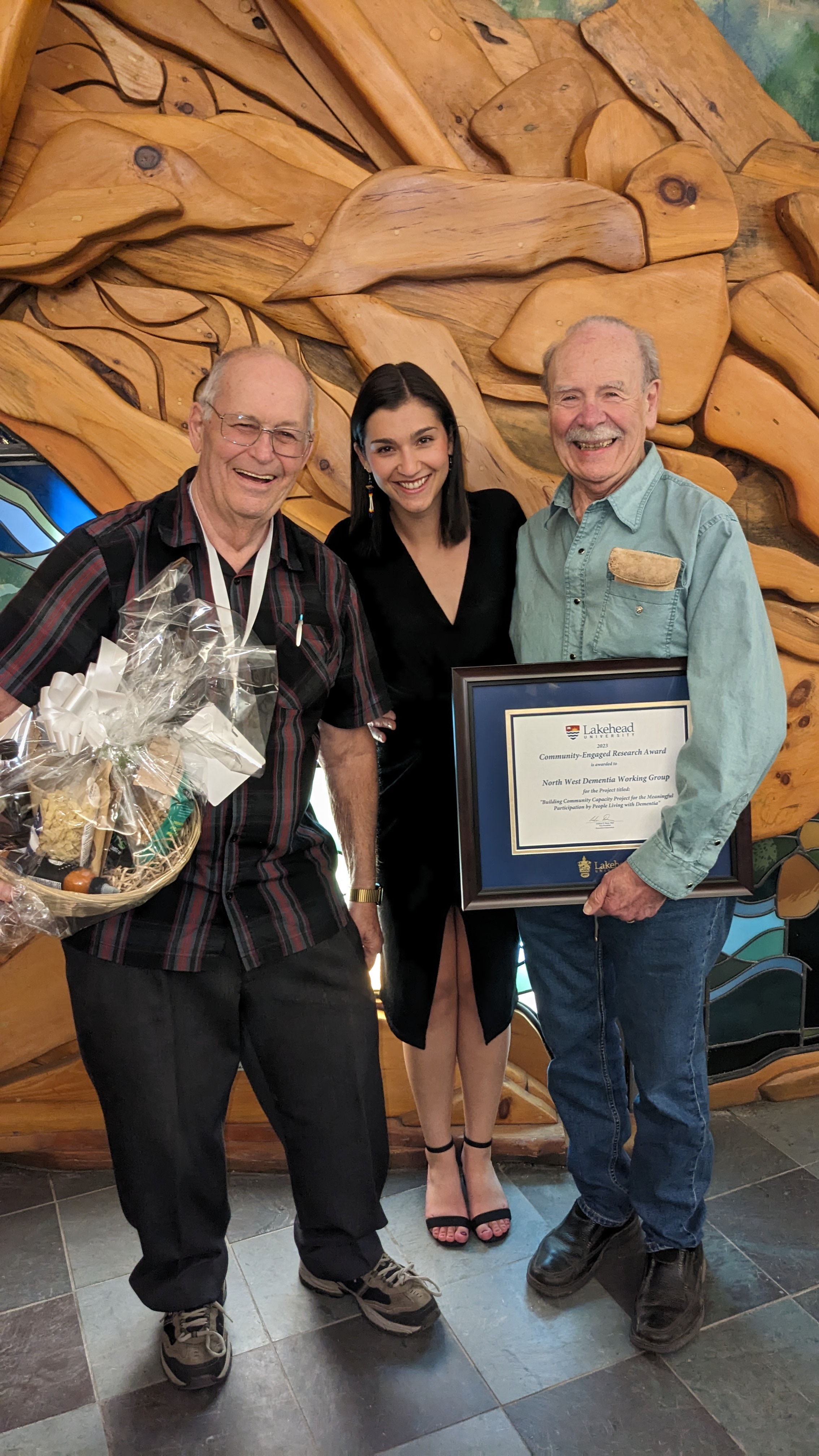
NDWG receives community engaged research awardBy: Julio Heleno Gomes

When Bill Heibein was first diagnosed with early-onset Alzheimer's he was told that within five years his condition would worsen and he could expect to end up in a nursing home. More than two decades later he continues to lead an active and fulfilling life, playing music and keeping busy on his farm.

“In many respects I have credited horses with saving me,” the affable 83-year-old declares. “I don't consider myself special. Anybody could've done it had they the opportunity. Having a farm has made a gigantic difference to me.”

Along with defying daunting odds, Bill is also one of the original members of the North West Dementia Working Group (NWDWG). The independent grassroots advocacy group, the first in Canada for people living with dementia, was formed thanks to Lakehead University researcher Dr. Elaine Wiersma.

“It's about giving voice to people living with dementia, maintaining their rights, living well, free from discrimination,” explains Dr. Nisha Sutherland, the group's co-facilitator.

Started 10 years ago, NWDWG brought people living with dementia and their care partners together to discuss self-care. From that modest beginning, friendships were formed and the desire to do more was born.

“They wanted to continue being an advocacy group, provide activities for people living with dementia, be a political advocate for people living with dementia,” explains Sutherland, who's been with the group for eight years and is associate professor in Lakehead's School of Nursing. “If there are dementia strategies or local, provincial policy issues then we address them.”

The latest project, the Building Capacity Project, examined community resources, such as libraries, to make sure they're inclusive for people living with dementia.

In recognition of these initiatives, last year Wiersma, Sutherland and the NWDWG received Lakehead's Community Engaged Research Award.

With 15-20 attendees at their monthly meetings and large Sunday gatherings at the Dementia Cafe, the NWDWG is firmly established and has plenty to celebrate. Over the years they have hosted conferences and visiting scholars, provided presentations on challenging the stigma of dementia, and have been an integral element in projects supported by the Centre for Education and Research on Aging & Health (CERAH).

At its core, though, the essence of NWDWG is companionship, of spending time with people on a similar journey. For Sue Doughty-Smith, introduction to the group came at exactly the right time. Her husband was diagnosed with Alzheimer's in late 2020, during the COVID lockdown.

“I was in a really bad state,” Doughty-Smith confesses. “I thought my world was turned upside down. You just felt you have nowhere to turn to and then there is this group. So when you meet people whose lives are sort of the same, but we're on different steps in our journey, it was wonderful to be with them. You already have empathy for each other, you get to know each other really well and you become better connected. It's a really good group that my husband and I both belong to.”

Along with the camaraderie and frequent get-togethers, Doughty-Smith praises NWDWG participants as people willing to roll up their sleeves to get things done.

“I like it because it's real work,” she says. “Sometimes you talk about things you wish would happen. But this group, once you start looking at things that we can do, you just get going and everybody pools their resources to work on it.”

The latest example is Dementia Gardens: A Place to Grow. An initiative with CERAH, in partnership with community groups such as Chartwell retirement homes, it's in the fundraising stage right now. But the concept is exciting, says Sutherland.

“People living with dementia and their families can come outside and grow native gardens that encourage pollinators, and this can be respite for the family, for students to learn about engaging with people living with dementia and to conduct research,” she says, adding that they hope to start digging this summer.

This is the kind of effort that makes the group so special, says Bill. From the beginning the focus was on the person living with dementia and what they wanted to see done that would be best for them.

“The approach was not from the top down,” he says. “The approach was from the bottom up. 'What do you think will be beneficial to you?' That was the big difference in the approaches.”

When his decline became noticeable in 1998 and he was given dire scenarios, Bill retired from his position at a major Thunder Bay accounting firm to assist his wife full-time at their quarter horse farm near Kakabeka Falls, regularly baling hay and chopping wood. While he has been on medication, his miraculous ability to keep his condition at bay has drawn the interest of researchers at the University of British Columbia, Waterloo, and Lakehead. The latest batch of MRI and CT scans show his decline is no more significant than normal aging.

What's his secret?

The answer: strenuous physical activity on a 150-acre property and engaging key parts of the brain by performing in a band on bass guitar.

“The doctors said to me they don't know for sure what I'm doing, but whatever it is don't stop,” Bill says. “Just by pure chance I'm doing the things I should be doing, what everybody says that someone living with dementia should be doing.”

Pictured: Bill Mercereau, left, along with Bailey Vandorp, a then-Master of Public Health student, and Bill Heibein accept the Lakehead University Community Engaged Research award on behalf of the North West Dementia Working Group.

Ontario invests in innovative research and capacity-building projects at Lakehead

March 21, 2024 – Thunder Bay, Ont.

Lakehead University researchers have received over $2.1 million from the Government of Ontario to advance innovative research inPeter Hollings mining and mental health.

Dr. Peter Hollings and Dr. Noah Phillips from the Department of Geology are receiving $2 million from the Ministry of Colleges and Universities Ontario Research Fund – Research Excellence program to develop new models that will enrich mineral exploration in Northern Ontario.

Dr. Hollings is the NOHFC Industrial Research Chair in Mineral Exploration and Director of Lakehead’s Centre of Excellence for Sustainable Mining and Exploration. Dr. Phillips is an Assistant Professor in Geology.

“Noah and I are really excited to be starting this project,” Dr. Hollings said. “The funding will allow us to continue to develop mineral deposit research at Lakehead University, which in turn will establish us as an essential partner in the search for Ontario’s critical minerals and the training of the next generation of geoscientists.”

This research will study the geological processes leading to the formation of valuable mineral deposits in Northern Ontario. It will develop novel models for industry partners to seek new deposits that will be developed into mines.

With this project the researchers are focusing on two themes – one is nickel-copper-platinum and the other is gold.

The team will work on a range of sites where the researchers will develop models that can be applied to create more efficient exploration in Canada.

Noah Phillips

“We will develop an innovative research hub at Lakehead University that will train a diverse group of highly qualified people in a wide range of traditional and state of the art techniques,” Dr. Hollings said.

This group of highly qualified people will include approximately 30 graduate students and post-doctoral fellows.

Collaborators include Dr. Mike Hamilton, University of Toronto; Dr. Wouter Bleeker and Dr. Jennifer Smith, both from the Geological Survey of Canada; and Dr. Andreas Kronenberg from Texas A&M University. Kaitlin Richard from Science North is the youth outreach collaborator.

Industrial collaborators include Goldshore Resources Inc., Wesdome Gold Mines Ltd., Romios Gold Resources Inc., Impala Canada Ltd., Generation Mining, Clean Air Metals Inc., and Enersoft Inc.

“Combined with undergraduate research projects, this will help reverse the current trend of declining numbers of graduate students working on mineral deposit studies in Canada,” Dr. Hollings said.

Dr. Aislin Mushquash, Associate Professor in the Department of Psychology, is receiving an Early Researcher Award (ERA). This $140,000 grant, supplemented by an additional $50,000 from the University, will support research aimed at supporting youth mental health.

“While we can’t rid life of stress or stressful situations, we can enhance individuals’ abilities to cope with the stressors they face in order to have a positive impact on their wellbeing and health,” she explains.

The five-year ERA, designed to bolster research capacity among emerging scholars, will help Dr. Mushquash build a team of graduate and undergraduate student researchers to examine youth and emerging adult stressors, coping mechanisms and outcomes and evaluate innovative interventions to support coping.

"This award not only supports our research endeavors but also provides crucial support for students," adds Dr. Mushquash. "It allows us to provide some funding to students to offset the costs they incur during their education and gives access to exciting training opportunities that may not have otherwise existed.”

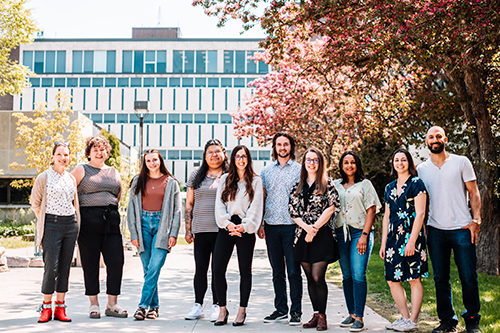
Aislin Mushquash is pictured with her research groupDr. Mushquash emphasizes the importance of involving student researchers in the research process. "The earlier we can get students involved, the more passionate they'll become about the research process," she says. "By engaging student researchers in developing research objectives, data collection and analysis, and knowledge translation activities, we are not only building their skills but also ensuring the sustainability of future projects and the field of mental health research."

Mushquash would also like to explore a multidisciplinary team approach that will facilitate collaboration across faculties, creating opportunities for innovative solutions to mental health challenges.

“My hope is to build health-related research capacity in Northwestern Ontario, producing future generations of researchers and clinician-researchers that will carry on this important work.”

“The real-world impact of the research being conducted at Lakehead University is only strengthened by these awards, and speaks to our commitment to research and innovation,” stated Dr. Andrew P. Dean, Vice-President, Research and Innovation. “Thank you to the Government of Ontario for recognizing the exceptional work that is being undertaken at Lakehead.”
Exceptional researchers celebrated at annual research and innovation gala

The Senate Research Committee research awards

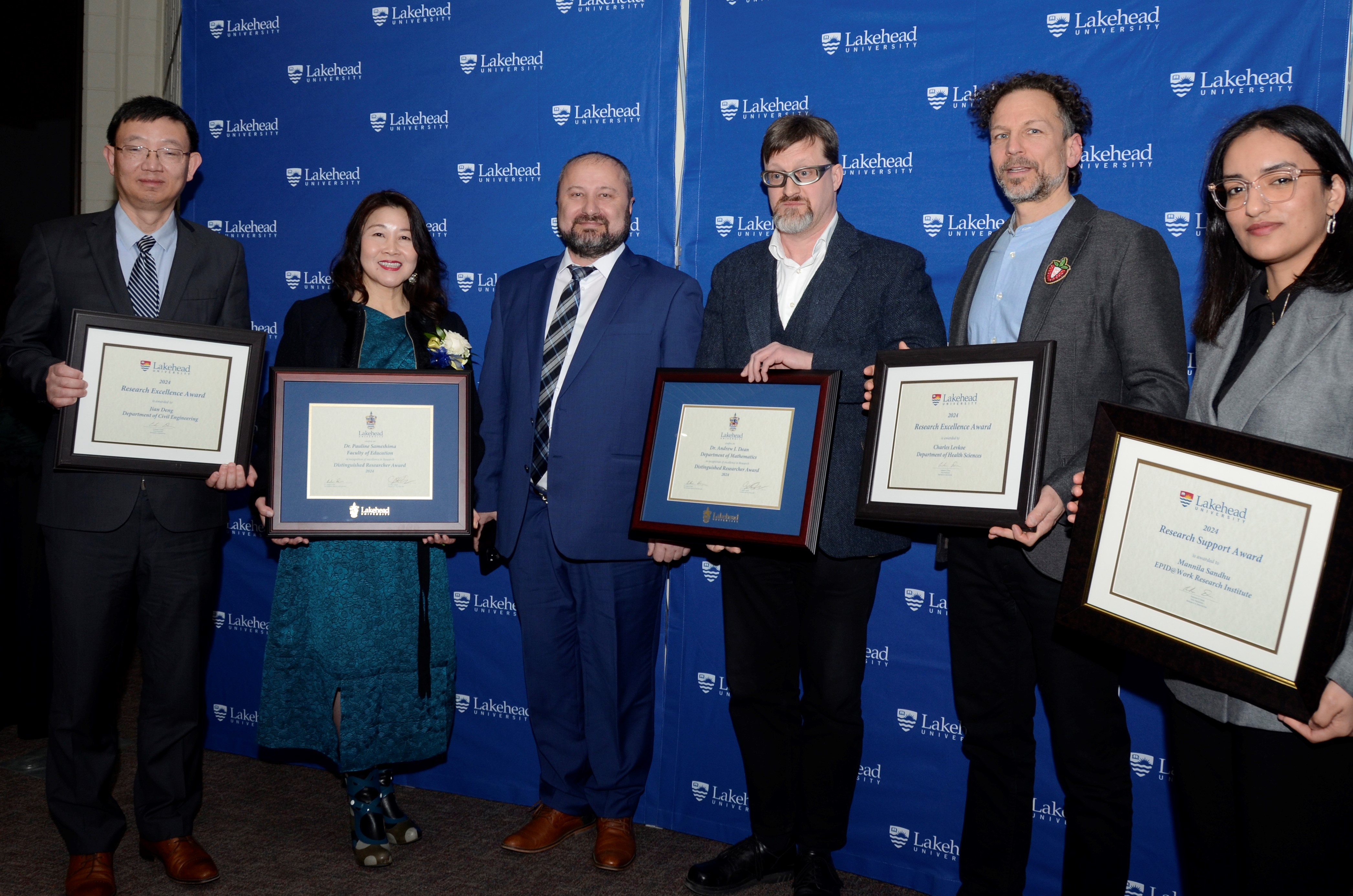
Pictured from left are Dr. Jian Deng, Dr. Pauline Sameshima, Dr. Florin Pendea, Dr. Andrew J. Dean, Dr. Charles Levkoe, and Mannila Sandhu. Dr. Deng and Dr. Levkoe received this year's Research Excellence Award, and Sandhu was the recipient of the Research Support Award.


February 29, 2024 – Thunder Bay and Orillia, Ont.

Lakehead University recognized exceptional students, faculty researchers, and partners during the annual Research and Innovation Awards of Excellence on Thursday, Feb. 29 in Thunder Bay.

The event, hosted by Dr. Andrew P. Dean, Vice-President of Research and Innovation, celebrated Lakehead’s significant contributions to research excellence, entrepreneurship, innovation, and community impact.

“Each year we recognize the tremendous accomplishments of our student and faculty researchers,” he stated. “The impact of the work they do on- and off-campus can be felt locally and internationally and helps shape the reputation of Lakehead University as an institution dedicated to research excellence."

“Congratulations to all the winners on this well-deserved honour,” he added.

Two distinguished Lakehead professors were among this year’s honorees: Dr. Pauline Sameshima and Dr. Andrew J. Dean were recognized with the 2024 Distinguished Researcher Award.

Dr. Sameshima, an editor, curator, curriculum theorist, artist, and professor in the Faculty of Education, was recognized for her commitment to mobilizing learning across diverse audiences and fostering innovative university-community learning collaborations. Her contributions in the field have garnered previous recognition, including the 2022 Ontario Art Education Association's Post-Secondary Teacher of the Year Award, a 2022 Lakehead Teaching Innovation Award, and Lakehead's 2020 Building Research Capacity Award. She is also a member of the College of the Royal Society of Canada.

“I’m humbled by this honour,” said Dr. Sameshima. “I see the award as a big happy high five – a thank you cheer that is a two-way celebration. I think about telling my parents about the award. Whenever anyone thanked my dad, who passed away a year ago, he always said, “My pleasure!” To this award, I say “My pleasure!” because working at Lakehead is a pleasure.”

“I don’t think about changing societies but, because of technology, we affect more than we know,” she said. “The dedicated love we put into our work, whether it’s research for a scientific cure or a poem, goes through to the end product and is gifted to the receiver in a new form, like medicine or learning or emotion. In that way, research or anything we do affects the other.”

For Sameshima, this recognition is a tribute to the collaborative efforts of family, mentors, colleagues, her research teams, graduate students, and university staff.

“It is through research that better futures can be imagined. As we think, imagine, make, and share, we construct the society we hope for.” 

Dr. Dean joined Lakehead University in 1999 after earning his PhD in mathematics following his undergraduate education at Lakehead University. He is currently a professor in the Department of Mathematical Sciences.

His primary field of study is closely related to the Elliott program for the classification of amenable C*-algebras. C*-algebras are mathematical objects that combine elements of algebra and analysis and are used in the study of operator theory, functional analysis, and quantum mechanics.

He has published numerous papers on this subject, and has supervised many students and post-docs, some of whom are now in academia.

“I want my students to develop skills that will allow them to thrive in whatever field they choose to work in, whether it is academic research or something else altogether,” he said, describing what he hopes to impart on students and society through teaching and research.

“Receiving the Distinguished Researcher Award is an honour,” Dr. Dean said. “I would like to thank my students, colleagues and coauthors, and the Natural Sciences and Engineering Research Council (NSERC) for many years of support.”

A full list of the awards and recipients follows:


Distinguished Researcher Award
Dr. Andrew J. Dean, Department of Mathematics
Dr. Pauline Sameshima, Faculty of Education


Research Excellence Awards

NSERC Category
Dr. Jian Deng, Department of Civil Engineering

SSHRC Category
Dr. Charles Levkoe, Department of Health Sciences


Research Support Award
Mannila Sandhu, Quantitative Research Assistant, EPID @Work Institute


Building Research Capacity Award
Dr. Pedram Fatehi, Department of Chemical Engineering, and Dr. Stephen Kinrade, Department of Chemistry, for their project, “NMR for advanced research.”


Indigenous Partnership Research Award
Dr. Jian Deng, Department of Civil Engineering, and Marcus Hardy, Chief of Red Rock Indian Band, for their project, “Nipigon River landslides: monitoring, mechanisms, and mitigation.”


Community Engaged Research Award
Dr. Sonia Mastrangelo, Faculty of Education, Dr. Gerardo Reyes, departments of Sustainability Sciences and Biology, and Katherine Killam from Camphill Communities Ontario


Innovation Award
Dr. Deborah Scharf and Dr. Amanda Maranzan from the Department of Psychology


Three-Minute Thesis
First Place: Madeline Fabiano, MSc Kinesiology (Supervisor: E. Pearson)
Second Place: KarLee Lefebvre, MSc Kinesiology (Supervisor: N. Ravanelli)


GRADflix Award
Tristen Brown, PhD Civil Engineering (Supervisor: A. Elshaer)


Graduate Studies Research Excellence Awards

Natural Sciences and Engineering Category
Sana Sharif, PhD Electrical and Computer Engineering (Supervisor: W. Ejaz)

Social Sciences and Humanities Category
Casey Oliver, PhD Clinical Psychology (Supervisor: D. Mazmanian)


Graduate Student Conference Poster Winners

Winner Engineering Category
Eduardo Reis, PhD Software Engineering (Supervisor: T. Akilan)

Winner NSERC Category
Nicholas Bel, PhD Biotechnology (Supervisor: N. Khaper)

Winner SSHRC Category
Crystal Hardy, PhD Health Sciences (Supervisor: R. Schiff and C. Mushquash)

Winner CIHR Category
Chiao-En Joanne Kao, PhD Clinical Psychology (Supervisor: D. Scharf)


Post-Doctoral Fellow Excellence Award
Dr. Yurii Shepelytskyi (Supervisor: M. Albert)

- 30 –

Media: Please contact Jaclyn Bucik, Media, Communications and Marketing Associate, at 705-330-4010 ext. 2014 or mediarelations@lakeheadu.ca.


Lakehead University is a fully comprehensive university with approximately 9,700 full-time equivalent students and over 2,000 faculty and staff at two campuses in Orillia and Thunder Bay, Ontario. Lakehead has nine faculties, including Business Administration, Education, Engineering, Graduate Studies, Health & Behavioural Sciences, Law, Natural Resources Management, Science & Environmental Studies, and Social Sciences & Humanities. Lakehead University’s achievements have been recognized nationally and internationally, including being ranked in the top half of Times Higher Education's 2023 World Universities Rankings for the fourth consecutive year, and the number one university in the world with fewer than 9,000 students in THE’s 2023 Impact Rankings (which assesses institutions against the United Nations’ 17 Sustainable Development Goals). Visit www.lakeheadu.ca.

Orillia Campus hosts Research & Innovation Week from March 5 to 7

February 22, 2024 – Orillia, Ont.

The spotlight will be on research, innovation and collaboration during Lakehead University’s 19th annual Research and Innovation Week, March 5 to 7, at the Orillia campus.

A venue for researchers to showcase their activity and expertise, Research & Innovation Week highlights the profound impact Lakehead faculty, graduate and undergraduate students have on our community and beyond through advancement of new perspectives and innovations.

“Research and Innovation Week is designed to elevate awareness of the university’s world-class research activity and expertise, create opportunities for collaboration, and recognize exceptional achievements,” explained Dr. Andrew P. Dean, Vice-President, Research and Innovation. “Through research and scholarly activity, we can improve every aspect of society.”

Various events are happening throughout the week including guest speakers, interactive exhibits and display, and research showcases.

On Tuesday, March 5 from 7 to 9 p.m. (as part of SDG Week Canada), Lakehead will host The Climate Baby Dilemma, a film screening and research panel hosted by Dr. Ellen Field, Assistant Professor in the Faculty of Education, Dr. Helle Møller, Associate Professor in the Department of Health Sciences, and Sidney Howlett, Master of Education student, that will discuss the emotional dimensions of climate change and climate justice. Register at https://www.eventbrite.ca/e/815837581167.

On Wednesday, March 6 at 1 p.m. in OA 2019, undergraduate and graduate students in the Department of Sustainability Sciences will host It’s a Mossy World, a practical workshop and research showcase on bryophytes – true mosses, liverworts, and hornworts.

That afternoon from 4 to 6 p.m., join us for an industry panel to discuss leveraging artificial intelligence (AI) to support your business and drive success. This session is presented in partnership with the County of Simcoe, City of Barrie, City of Orillia, and Georgian College. Register at https://www.eventbrite.ca/e/811687177197.

And, on Thursday, March 7, students from the Media, Film and Communications program will present their annual showcase, Sandbox. From posters and multimedia to big-screen films, join us from 4 to 7 p.m. in Simcoe Hall.

Other highlights include faculty and student research poster presentations. The full schedule can be found at www.lakeheadu.ca/ri.

Events are free and open to the public. Registration is not required unless mentioned above. All events take place at the Lakehead Orillia campus at 500 University Ave. in Orillia.

– 30 –

Media: For more information or to arrange interviews, please contact Jaclyn Bucik, Media, Communications and Marketing Associate, at 705-330-4010 ext. 2014 or mediarelations@lakeheadu.ca.

Lakehead University is a fully comprehensive university with approximately 9,700 full-time equivalent students and over 2,000 faculty and staff at two campuses in Orillia and Thunder Bay, Ontario. Lakehead has nine faculties, including Business Administration, Education, Engineering, Graduate Studies, Health & Behavioural Sciences, Law, Natural Resources Management, Science & Environmental Studies, and Social Sciences & Humanities. Lakehead University’s achievements have been recognized nationally and internationally, including being ranked in the top half of Times Higher Education's 2023 World Universities Rankings for the fourth consecutive year, and the number one university in the world with fewer than 9,000 students in THE’s 2023 Impact Rankings (which assesses institutions against the United Nations’ 17 Sustainable Development Goals). Visit www.lakeheadu.ca.

Research & Innovation Week will run from February 24 to March 1 in Thunder Bay

Visitors celebrate the Opening Ceremonies of Research and Innovation Week in the Agora

February 13, 2024 – Thunder Bay, Ont.  

The spotlight will be on research, innovation and collaboration during Lakehead University’s 19th annual Research & Innovation Week, February 24 to March 1.

A venue for researchers to showcase their activity and expertise, Research & Innovation Week highlights the profound impact Lakehead faculty and graduate and undergraduate students have on our community and beyond through advancement of new perspectives and innovations.

“Research & Innovation Week is designed to elevate awareness of the university’s world-class research activity and expertise, create opportunities for collaboration, and recognize exceptional achievements,” explained Dr. Andrew P. Dean, Vice-President, Research and Innovation. “Through research and scholarly activity, we can improve every aspect of society.”

Various events are happening throughout the week including guest speakers, interactive exhibits and displays, and research showcases.

On Saturday, Feb. 24, there will be a free public event at Goods & Co. Market on Red River Road. Drop by between 10 am and 4 pm to engage in hands-on research activities.

Then, on Monday, Feb. 26 at 12 pm, biologist, science journalist, author and TV host Dr. Dan Riskin will deliver a keynote address. In this hour-long talk, Riskin will delve into how individuals can learn and thrive in the new world of artificial intelligence. Registration is required.

On Tuesday, Feb. 27 at 11 am in the CASES Atrium, Dr. Scott Hamilton will explore the complexities surrounding academic participation in the search for unmarked graves at Indian Residential Schools (IRS). Over the past decade, Dr. Hamilton has been involved in IRS investigations, first as a researcher with the Truth and Reconciliation Commission, and more recently as a resource person. 

Also that afternoon, guest curator Mary Ann Beckwith will host a tour of Lakehead’s new juried and featured art in the CASES Building from 4 to 5:30 pm.  Select exhibitors will be on hand to discuss their works.

On Wednesday, Feb. 28 at 10 am in the Faculty Lounge, the University will be hosting a showcase of researchers who will present highlights of their most innovative and impactful research endeavours – from science and technology to social sciences and humanities.

Speakers will include Dr. Abigale Sprakes from the School of Social Work; Dr. Abdulsalam Yassine from the Department of Software Engineering; Dr. Noah Phillips from the Department of Geology; Dr. Paul Cormier from Keewatinase – Department of Indigenous Education in the Faculty of Education; and many more.

Also on Wednesday, Dr. Amanda Diochon will dig into her work to improve land management outcomes for organic carbon stores and soil health, with a focus on northern soils - from 11:30 am to 1 pm in the University Centre (UC 1017).

On Thursday, Feb. 29 at 2 pm, Lakehead professor and director of EPID@Work Dr. Vicki Kristman will explore the factors impacting employee health and disability and offer solutions to help improve the overall work environment. Dr. Kristman’s talk will be held in the CASES Atrium.

Visit www.lakeheadu.ca/ri to register for events and for more information.  

- 30 –

Media: Please contact Jaclyn Bucik, Media, Communications and Marketing Associate, at 705-330-4010 ext. 2014 or mediarelations@lakeheadu.ca.


Lakehead University is a fully comprehensive university with approximately 9,700 full-time equivalent students and over 2,000 faculty and staff at two campuses in Orillia and Thunder Bay, Ontario. Lakehead has nine faculties, including Business Administration, Education, Engineering, Graduate Studies, Health & Behavioural Sciences, Law, Natural Resources Management, Science & Environmental Studies, and Social Sciences & Humanities. Lakehead University’s achievements have been recognized nationally and internationally, including being ranked in the top half of Times Higher Education's 2023 World Universities Rankings for the fourth consecutive year, and the number one university in the world with fewer than 9,000 students in THE’s 2023 Impact Rankings (which assesses institutions against the United Nations’ 17 Sustainable Development Goals). Visit www.lakeheadu.ca.

Pages

Subscribe to Research