
Education

Jared Visitor Helps Indigenous Youth Find their Place and their Power

His Leadership is Building Bridges and Fostering Hope in the North

Lakehead student Jared Visitor has had many transformative moments in his life.

One of them was interviewing the trailblazing Indigenous leader, The Honourable Murray Sinclair.

The interview took place just months before the former Senator and Chief Commissioner of the Truth and Reconciliation Commission of Canada passed away in November 2024.

It was part of Jared's work with The Gord Downie & Chanie Wenjack Fund, which aims to foster reconciliation between Indigenous and non-Indigenous peoples. Chanie Wenjack was only twelve years old when he escaped from residential school in 1966 and died trying to walk 600 km back to his family. This tragedy sparked an investigation into Canada's residential school system.

Jared Visitor on the grounds of Lakehead University's Sweat Lodge Site with Outland students in the distance

"Working with youth has set me on a good path and the right direction," Jared says. Above, Jared teaches experimental archaeology to high school students in the Outland Youth Employment Program.

Jared came away from his encounter with The Honourable Murray Sinclair with a deeper knowledge of himself.

"He gifted me with advice and new perspectives to consider," Jared says. "During our conversation, he told me that my spirit name, Rainbow, may mean that my role in life is to bring people together. He said that each colour of the rainbow is distinct and unique, but that these colours merge at the ends."

A Winding Journey

Jared, a member of Sachigo Lake First Nation and a great-nephew of Chanie Wenjack, grew up in Moose Factory, Ontario, and Thunder Bay before his family moved to Pickle Lake, Ontario.

Education is not just desks and fluorescent lights. Learning happens everywhere—in the forest, in your backyard, and with your friends.

It was in Pickle Lake, at the age of 15, that Jared was hired to work for a Ministry of Natural Resources fire base, getting supplies ready for firefighters. When he was 18, Jared became a firefighter himself.

"I thought that firefighting was a waste of time in terms of figuring out my career path, but it taught me a lot," Jared says.

Jared Visitor seated in a living room getting ready to play a drum

Jared has given back to the community in many ways, including volunteering with The New Hope Youth Centre and Urban Abbey. "When I work with youth, I always try to help them figure out what makes them feel alive. For me, that's music."

In the firefighting off-season, Jared began working one-on-one with special education students.

"I had a job as the custodian at the Moose Factory Academy of Christian Education, but I began filling in as an education assistant because they were short-staffed."

The experience made Jared realize that education was his calling. Working as an education assistant at Joy Ottereyes Rainbow Memorial School in Quebec only confirmed this insight.

For Jared, education is deeply intertwined with Truth and Reconciliation.

"We have to reconcile with ourselves, our families, and our communities," he says. "Once you reconcile these relationships, then you can begin reconciling between different peoples—education is integral to this process."

A Leader on the Rise

Jared enrolled in Lakehead's Honours Bachelor of Arts in Psychology and Bachelor of Education concurrent program in 2021.

On campus, he found work as a Department of Anthropology lab assistant and as a mentor with the Niijii Indigenous Mentorship Program. Niijii provides educational programming to Indigenous youth throughout northwestern Ontario and gives them the confidence to consider postsecondary education.
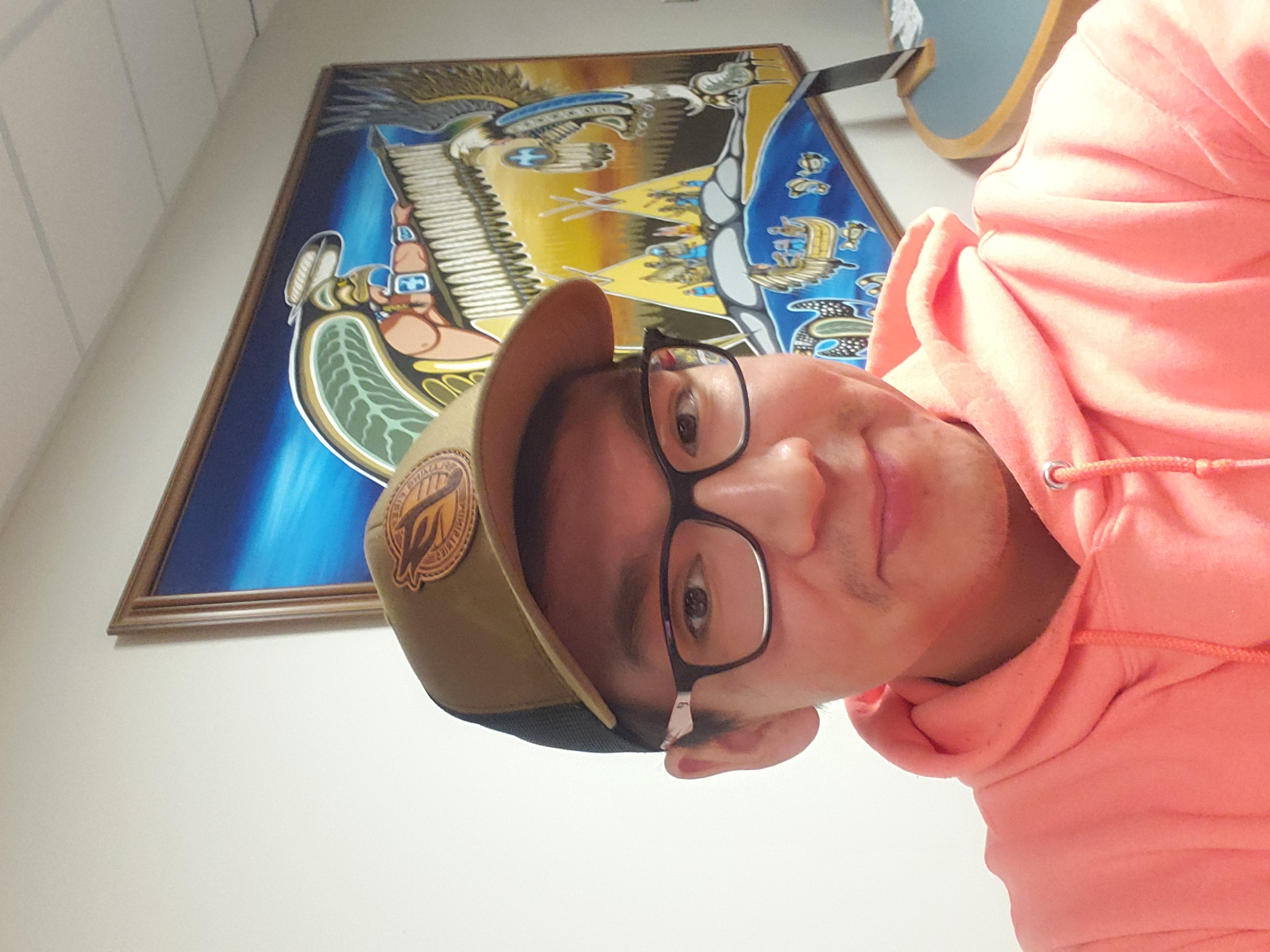
Jared Visitor stands in front of a Woodland Style painting

"My parents' instilled their love of education in me," Jared says. "As a kid, I remember riding the bus with my mom to Lakehead's Thunder Bay campus where she was studying for her education degree."

Jared is now Niijii's outreach coordinator, something that surprises him. "I used to be very shy and walled off, but young people helped heal me. That's why I want to see them fly as much as I can."

Part of helping them fly has meant shifting his career goals. "I planned to be a teacher and then a special education coordinator. Now, I want to change the minds of people who dictate what education is.

Education is not just desks and fluorescent lights. Learning happens everywhere—in the forest, in your backyard, and with your friends."

Click here to watch Jared's 2024 interview with the Honourable Murray Sinclair.
 

September Brings Big Dreams and New Adventures

There's a crispness in the air, and the leaves are just starting to turn beautiful shades of orange and red. But it's the return of students that makes autumn our favourite season at Lakehead.

We want to extend a special welcome to our first-year students as they settle in at the Orillia and Thunder Bay campuses—and introduce a few of them and their aspirations for the future.

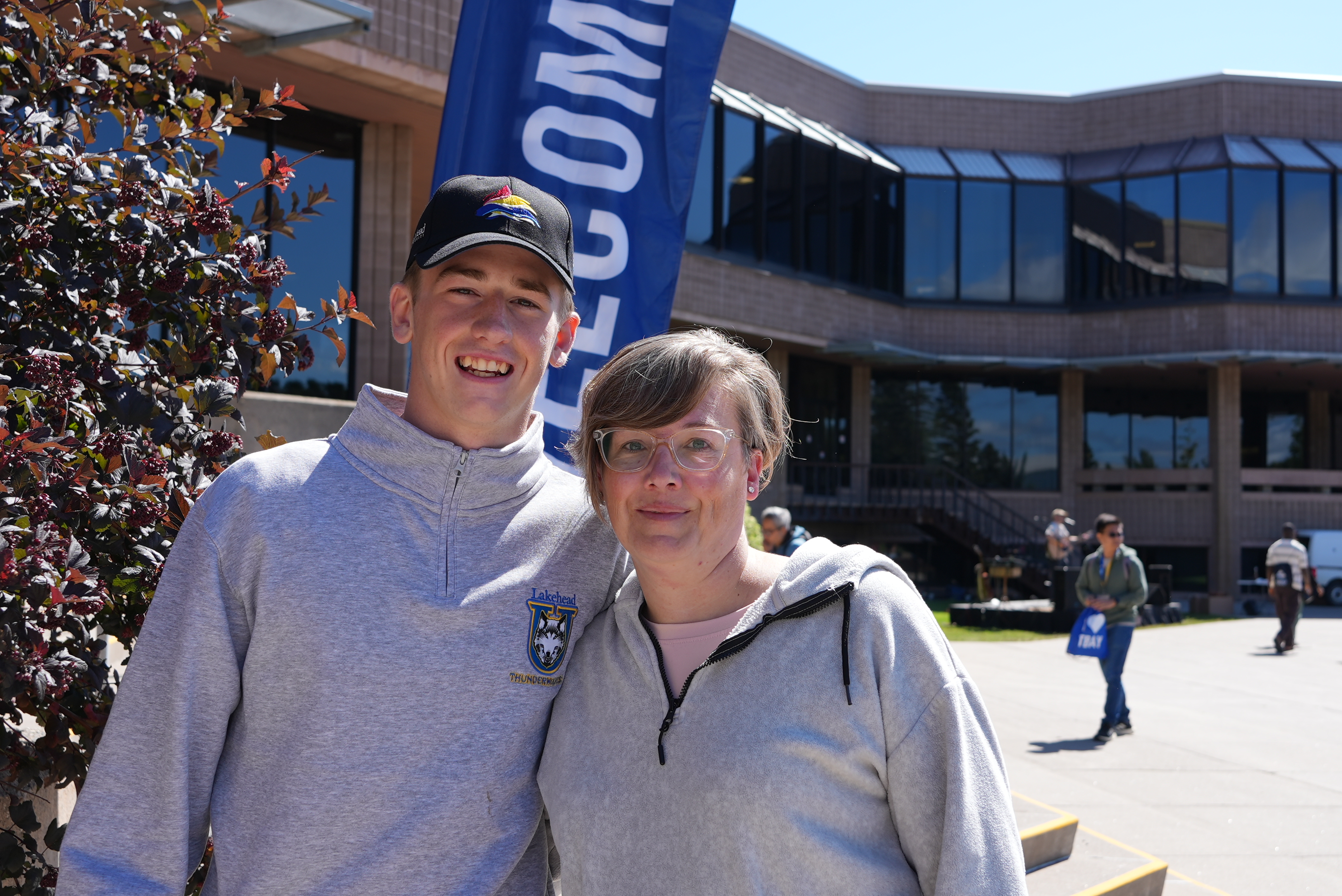
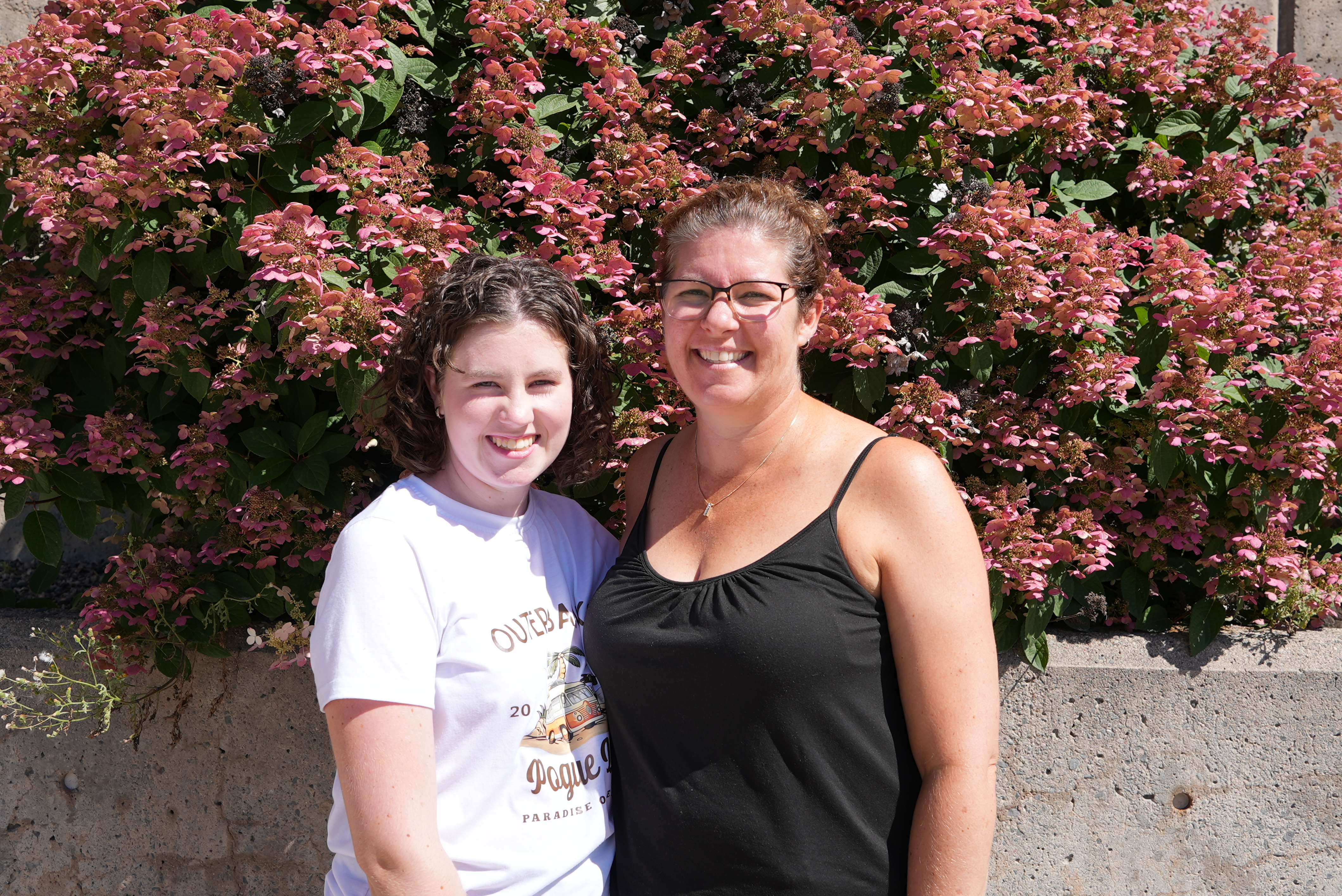
First-year student Arianna Valley stands beside her mother Jennifer outside of the University CentreName: Arianna Valley
Hometown: Port Elgin, Ontario
Program: Concurrent Education (English)

Arianna Valley (l) and her mother Jennifer (r)

"Getting out of the house and going somewhere new is what I find most exciting about starting university," says Arianna.

She and her family, including her aunt, drove to Lakehead's Thunder Bay campus. Many of her dad's relatives live in this area, giving Arianna a built-in support network.

But the real reason she chose Lakehead is because it's the alma mater of her favourite high school teacher, Bethany Boyd.

"Mrs. Boyd is the teacher you'd go to if you had a problem or wanted to talk to someone. And she'd let you sit in her classroom if you needed a quiet space."

Arianna also relies on the advice of her mother.

"I've told her to make lots of lifelong friendships, work hard, and don't procrastinate," says her mom, Jennifer."

Arianna already has a clear idea of what the future holds for her.

"I'd like to be a kindergarten teacher—I've always loved little kids. In grade six, I volunteered in kindergarten classrooms. Later, I did a co-op at a daycare, and I've volunteered at a therapeutic riding centre for children since grade 10."


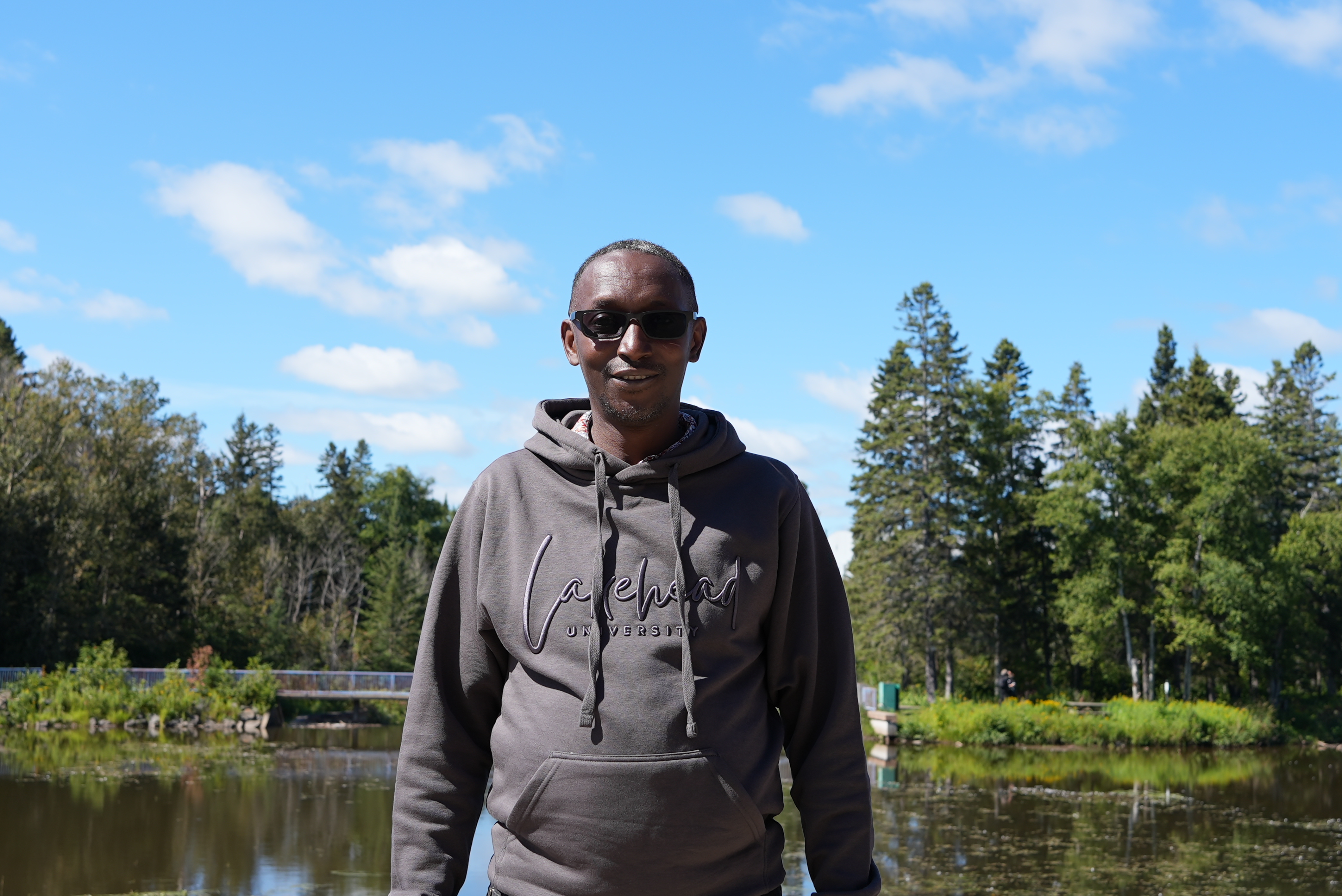
First-year student Anthony Wagaki stands in front of Lake Tamblyn

Name: Anthony Wagaki
Hometown: Nairobi, Kenya
Program: Bachelor of Science in Nursing

 First-year nursing student Anthony Wagaki

Anthony is originally from Kenya, but he was living in Toronto when he decided to attend Lakehead. "It took 15 hours to drive to Thunder Bay, but the beautiful scenery was worth the long journey."

A friend of Anthony's who was already studying nursing at Lakehead encouraged him to come. "Then, when I looked into schools, I found that Lakehead is a top-ranked Canadian research university in a welcoming community. It's a serene place away from the noise of a big city."

Anthony has a very personal reason for studying nursing.

"Last year my 12-year-old daughter was diagnosed with diabetes. She was in a coma for 28 days, and I thought we would lose her. I was so inspired by the excellent care of the nurses who looked after her that I decided to become a pediatric nurse focusing on children with diabetes."

Anthony often turns to his grandmother when he's facing challenges or contemplating a new direction. "She always says that life is full of surprises and to be prepared, because anything can happen."


First-year student Owen Dale stands beside his mother Amanda outside of the University Centre

Name: Owen Dale
Hometown: St. Thomas, Ontario
Program: Concurrent Education (History)

Owen Dale (l) and his mother Amanda (r)

"The best thing about starting university is being on the varsity wrestling team," says Owen. "I've already had my first practice and met all the guys on the team."

Owen has wrestled since he was nine years old, and it was a former wrestling teammate who convinced him to go to Lakehead. "He gave me the rundown and said that he loved Lakehead. I met a bunch of the wrestlers up here, and they all seemed amazing."

Getting to Thunder Bay has been a family affair. "We rented an RV and camped along the way," Owen says.

"Both my parents helped me get to where I am today. My dad's been my wrestling coach since I was a kid, and my mom supported me getting here."

"I've told Owen to get involved, make friends, and leave a good mark everywhere he goes. And to make sure that he does his laundry," says his mom, Amanda.

Owen hopes to become a history teacher. "I had great experiences when I did a co-op at an elementary school and coached an elementary school wrestling team."

Dual degree creates international study opportunities for Canadian and UK business students

Students attend a lecture at Northumbria University


June 21, 2024 – Thunder Bay, Ont.

Lakehead University in Canada and Northumbria University in the United Kingdom have launched a new international dual degree for students in their respective business programs.

Northumbria University logoThe new collaboration between Lakehead’s Faculty of Business Administration and Northumbria’s Newcastle Business School will provide an opportunity for students to develop international connections and global skills through a year-long exchange while earning two degrees in four years.
Dr. David Richards, Dean of Lakehead’s Faculty of Business Administration said:

“We are very excited about adding Northumbria as an international dual degree program partner. Our partnership is a testament to our institutions’ shared mission to provide students with opportunities that develop intercultural competencies and global skills that are desired by employers.”

Social mobility is a key part of Northumbria’s strategic ambition and the partnership with Lakehead will make study abroad accessible to even more students – regardless of background.

Dr. Liz Cunningham, from Northumbria’s Newcastle Business School, said:

“BA (Hons) Business Management is one of the largest programs offered by Newcastle Business School. Students on the program come from a wide range of backgrounds, with a significant number having widening participation characteristics. The opportunity to study abroad is a transformational experience for such students and the dual degree partnership with Lakehead is a really exciting addition to the Study Abroad portfolio offered to them."

Alejandra Vicencio, Head of International Mobility at Northumbria, added:

“Canada is a highly sought after destination for our students on study abroad, and the dual degree with Lakehead University is a fantastic opportunity. At the same time, we are really looking forward to welcoming Lakehead students to Northumbria.

Students who successfully complete the program from Lakehead University will earn a Bachelor of Arts in Business and Management from Northumbria and an Honours Bachelor of Commerce from Lakehead.

Students from Northumbria will earn a Bachelor of Administration from Lakehead and Bachelor of Arts in Business and Management from Northumbria.

All students will be required to complete an international exchange in third-year.

“We are thankful to the faculty, deans, and colleagues who have contributed to the success of this partnership,” said James Aldridge, Vice-Provost International at Lakehead. “On behalf of Lakehead, we look forward to welcoming students from Northumbria to Canada.”

The Faculty of Business Administration at Lakehead University is AACSB and CPA accredited. Newcastle Business School at Northumbria University is accredited by AACSB and AACSB Accounting, and is EPAS accredited through EFMD.

More information about the new dual degree program can be found at www.lakeheadu.ca/internationaldualdegree.

-30-

Lakehead University is a fully comprehensive university with approximately 9,700 full-time equivalent students and over 2,000 faculty and staff at two campuses in Orillia and Thunder Bay, Ontario. Lakehead has nine faculties, including Business Administration, Education, Engineering, Graduate Studies, Health & Behavioural Sciences, Law, Natural Resources Management, Science & Environmental Studies, and Social Sciences & Humanities. Lakehead University’s achievements have been recognized nationally and internationally, including being ranked in THE’s 2024 Impact Rankings (which assesses institutions against the United Nations’ 17 Sustainable Development Goals). Visit www.lakeheadu.ca.

Northumbria is a research-intensive university that unlocks potential for all, changing lives regionally, nationally and internationally. Two thirds of Northumbria's undergraduate students come from the North East region and go into employment in the region when they graduate, demonstrating Northumbria's significant contribution to social mobility and levelling up in the North East of England. Find out more about us at www.northumbria.ac.uk.

Canadian school boards urged to take bold climate action as new report reveals limited progress

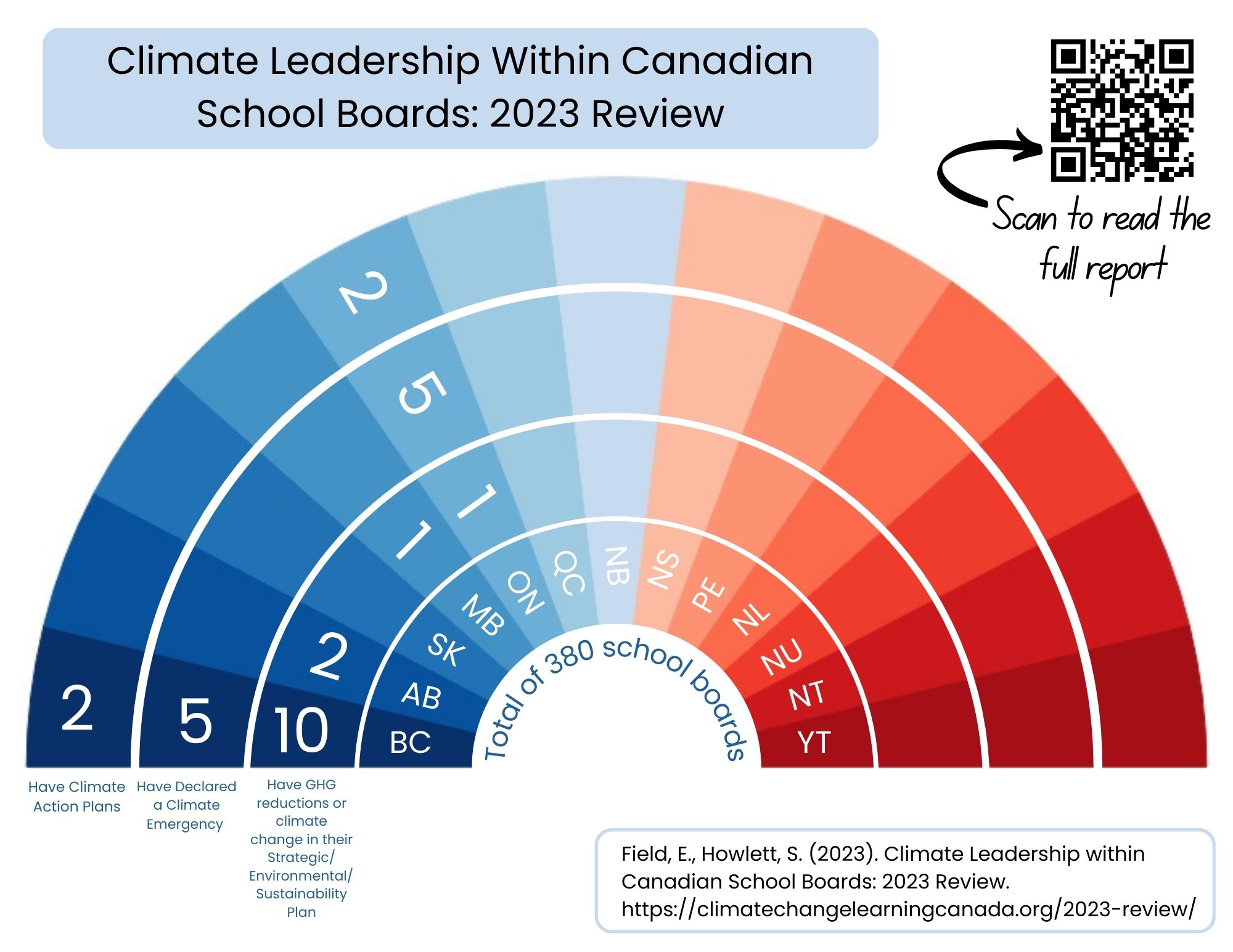
Climate Leadership Within School Boards chart

November 15, 2023 – Orillia, Ont. 

A comprehensive new report from researchers at Lakehead University highlights the need for greater commitment from Canadian school boards to address the climate crisis.

The report, “Climate Leadership Within Canadian School Boards: 2023 Review”, published by Dr. Ellen Field, Assistant Professor in the Faculty of Education, and Sidney Howlett, Master of Education candidate and research analyst, benchmarks climate leadership practices across 380 Canadian school boards through policy indicators such as the existence of Climate Action Plans, climate emergency declarations, and the integration of climate change and greenhouse gas reduction goals into strategic or environmental and sustainability plans.

“School boards are pivotal actors in shaping the educational landscape and inspiring future generations,” explains Field. “The potential impact of school board leadership across all schools in Canada, if greenhouse gas emission targets were set and acted upon in line with the Paris Agreement, could have a ripple effect in reducing emissions and improving climate literacy across Canada.”

Overall, the report reveals a mixed landscape where progress is limited but the potential for impact is immense. Highlights of the findings include:

  • Only four school boards in Canada had published Climate Action Plans: Toronto District School Board, Trillium Lakelands District School Board, Richmond School District, and Greater Victoria School District.
  • Five school boards have environmental and sustainability plans, and nine have strategic plans that mention climate change or greenhouse gas reductions.
  • Only 10 school boards in Canada have declared a climate emergency, all from either British Columbia or Ontario.
  • B.C. and Ontario are the only provinces that require some form of mandatory reporting, with variability in ambition and level of detail required by school boards.

“Our research demonstrates that provincial mandates can enhance school boards’ leadership, fostering a more proactive approach to climate action,” Howlett says.

On average, Ontario school boards are aiming for less than two percent annual greenhouse gas reductions, with the most frequent target set at one percent reduction annually. With the current five-year plans ending in 2023, Field and Howlett state that there exists an opportunity to advocate for more ambitious, science-based targets for reducing energy consumption and greenhouse gas emissions in schools across Ontario. Collectively, these boards produce more than 650,000 tonnes of carbon dioxide equivalent annually.

“Our intention with this report is to encourage superintendents and senior leaders of school boards to see their schools as important stakeholders for taking climate action, not only through the energy efficiency of their schools but also as community actors that have climate action plans and are working for more-stable futures in alignment with the Paris agreement,” Field says. “We also recognize that this may mean advocating for provincial or federal funding or mandatory reporting to improve climate governance across the system.”

In addition to the report, Field and Howlett have provided resources for school boards to support the development of climate action plans, including specific examples of school board leadership, a pledge for superintendents to commit to driving climate action within their school boards, and a way for school boards to provide updates on new climate policies.

“In Canada, 492 municipalities have already declared a climate emergency and more than 52 municipalities have climate action plans. The urgency and momentum surrounding climate action is at the regional level. We see opportunity for school boards to work with regional partners to develop climate action plans and implement solutions,” adds Howlett.

The full report is available at https://climatechangelearningcanada.org/

- 30 –

Media: For more information or interviews, please contact Jaclyn Bucik, Media, Communications and Marketing Associate, at 705-330-4010 ext. 2014 or mediarelations@lakeheadu.ca.

Lakehead University is a fully comprehensive university with approximately 9,700 full-time equivalent students and over 2,000 faculty and staff at two campuses in Orillia and Thunder Bay, Ontario. Lakehead has nine faculties, including Business Administration, Education, Engineering, Graduate Studies, Health & Behavioural Sciences, Law, Natural Resources Management, Science & Environmental Studies, and Social Sciences & Humanities. Lakehead University’s achievements have been recognized nationally and internationally, including being ranked in the top half of Times Higher Education's 2023 World Universities Rankings for the fourth consecutive year, and the number one university in the world with fewer than 9,000 students in THE’s 2023 Impact Rankings (which assesses institutions against the United Nations’ 17 Sustainable Development Goals). Visit www.lakeheadu.ca.

Diploma/Degree in Technological Education

Education...It's in our Roots.

Lakehead University has a strong and rich history in delivering a high quality Teacher Education program. The Diploma/Degree in Technological Education program is designed for individuals with a passion for shaping the lives of others. Learn more about why Lakehead is your #1 choice for pursuing your Teacher Education degree.

Lakehead researcher involved in international collaboratory tackling new approach to curing HIV

Monday, August 30 – Thunder Bay, Ont.

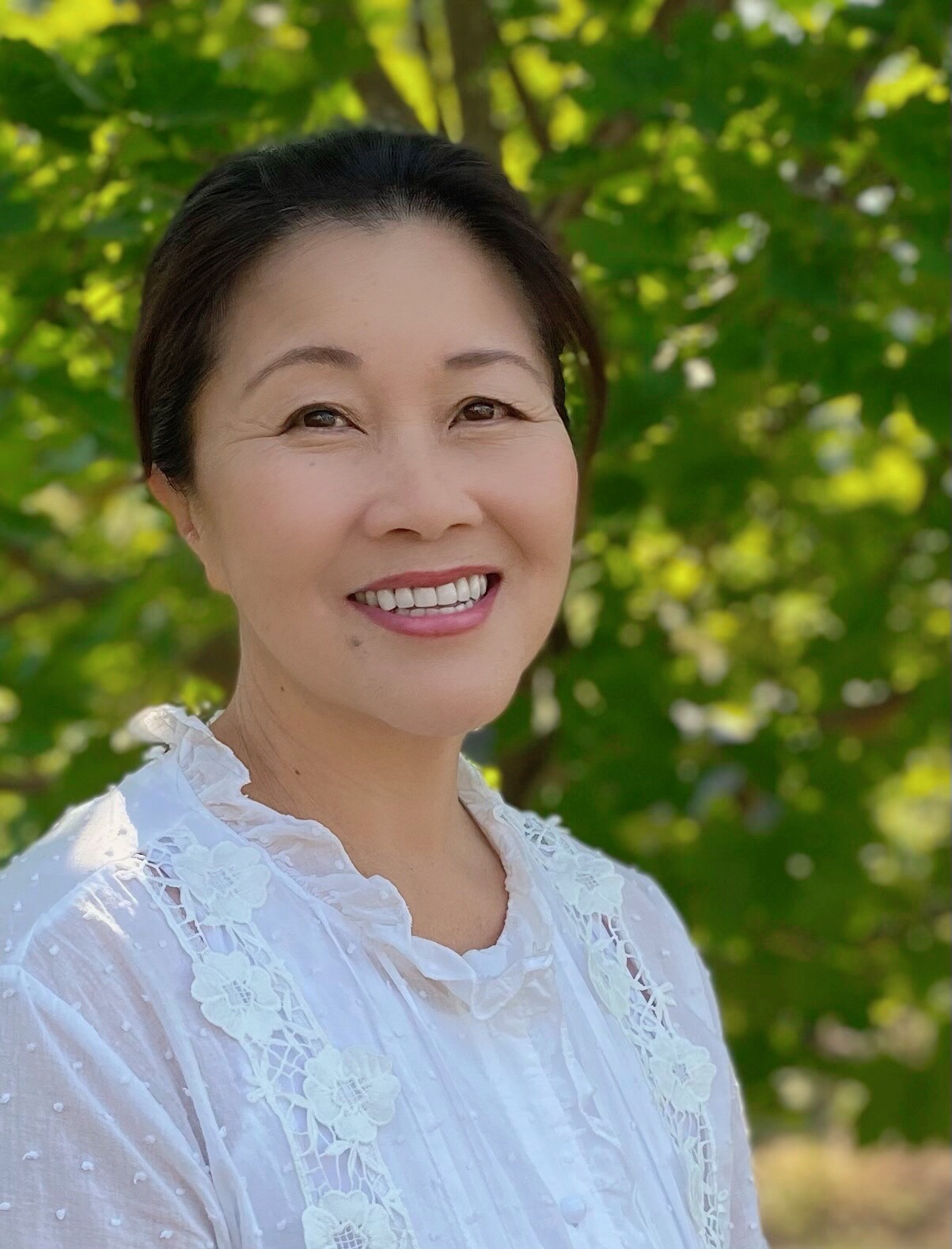
Pauline SameshimaDr. Pauline Sameshima, Lakehead University’s Canada Research Chair in Arts Integrated Studies, is part of an international team of researchers recently awarded a five year, $26.5-million (USD) grant from the National Institutes of Health (NIH) to try a new strategy for curing HIV.

Known as the HIV Obstruction by Programmed Epigenetics (HOPE) Collaboratory, the multi-institution collaboratory will be led by researchers at Gladstone Institutes, Scripps Research Florida, and Weill Cornell Medicine. Their approach, which aims to both silence and permanently remove HIV from the body, takes advantage of knowledge about how other viruses have become naturally inactivated over time.

“This is a fundamentally different approach to targeting HIV than what everyone else has been trying,” said Dr. Melanie Ott, Director of the Gladstone Institute of Virology, and the program director and a principal investigator of the HOPE Collaboratory. “I think it’s extremely important for us to explore a broad range of scientific approaches to find the best cure for people living with HIV, as quickly as we can.”

A world-leading expert in education and curriculum development using the arts, Sameshima will be a co-investigator working alongside Dr. Patricia Defechereux, the community engagement coordinator at HOPE, to develop the Community Arts Integrated Research (CAIR) plan.

“It is so exciting to be part of this multi-disciplinary team of researchers that is taking this new approach to curing HIV,” said Sameshima. “My role on this team demonstrates the importance of educators on research teams and the necessity for collaborative interdisciplinary, diverse, and inclusive perspectives being valued in high-level research.”

Utilizing the award-winning Parallaxic Praxis research model, which invites multiple perspectives and recognizes different forms of learning through artful and creative ways, Sameshima and Defechereux will work with community members to create innovative CAIR approaches that will not only enable the development of an HIV cure curriculum that resonates at local levels in different countries, and among historically under-represented groups in HIV research and educational effort (women, Black, Indigenous, and transgender individuals and people who use substances), but also allow for the scientists and medical field to learn about the needs of the populations they serve. The end goal is for learning and understanding to travel in multiple ways.

The CAIR approach will see insights from communities disproportionately affected by HIV shared with scientists and others to develop new, culturally relevant community-generated curricula based on the HOPE scientific plan. The curricula will include stories, plays, documentaries, paintings, poetry, and other modes to stimulate conversation, provoke thinking, and provide feedback.

Ultimately, these creative works will provide knowledge to communities and scientists on how to communicate HIV cure research to the broader public in multiple forms people may understand. Cure research can be shared through events such as public art displays, exhibitions and community gatherings. Imaginative lay-language for HIV cure will aid community understanding, satisfaction, and acceptance of research and ultimately HIV cure(s).

“As we have seen with COVID-19 vaccine rollout, misinformation and unclear messaging are often the reasons why we see vaccine hesitancy,” explained Sameshima. “The arts are a unique and powerful vehicle for knowledge dissemination, one that will help to increase HIV cure literacy.”

Sameshima will play a lead role in creating the HIV cure education curriculum (in collaboration with Defechereux, the HOPE scientific team, community partners and community members) to be used in the arts activities. She will design study cohorts; host CAIR training for HOPE staff who will conduct research; and co-lead the focus group cohorts with participants in the United States and other international sites. She will also conduct data analyses (in collaboration with artists and students) and art-making collectives.

“The fact that arts integrated research is such a significant component of this ground-breaking research is extraordinary,” said Sameshima. “I am so grateful to Lakehead University for supporting my work in arts integration. I am honoured to be part of this high-calibre scientific team at the forefront of epigenetic research.”

“Congratulations to this international team on securing this significant research grant,” said Dr. Andrew P. Dean, Vice-President, Research and Innovation at Lakehead University. “More and more we are seeing that big questions in research require multiple interdisciplinary views to tackle those questions. This is an excellent example of how research in arts and education can add a whole new dimension to research in the health sciences area.”

More information about the HOPE Collaborative and the new approach to curing HIV can be found at https://gladstone.org/news/new-approach-curing-hiv.

-30-

Media:  For further information or to arrange an interview, contact Jaclyn Bucik, Media, Communications & Marketing Associate, at 705-330-4010 ext. 2014 or mediarelations@lakeheadu.ca.

Lakehead University is a fully comprehensive university with approximately 9,700 full-time equivalent students and over 2,000 faculty and staff at two campuses in Orillia and Thunder Bay, Ontario. Lakehead has 10 faculties, including Business Administration, Education, Engineering, Graduate Studies, Health & Behavioural Sciences, Law, Natural Resources Management, the Northern Ontario School of Medicine, Science & Environmental Studies, and Social Sciences & Humanities. Lakehead University’s achievements have been recognized nationally and internationally, including being ranked, once again, among Canada’s Top 10 primarily undergraduate universities in Maclean’s 2021 University Rankings; as well as included in the top half of Times Higher Education's 2020 World Universities Rankings for the second consecutive year, and 99th among 1,115 universities from around the world in THE's 2021 Impact Rankings (which assesses institutions against the United Nations’ 17 Sustainable Development Goals). Visit www.lakeheadu.ca.

About the HOPE Collaboratory

The executive committee for the HOPE Collaboratory is led by Program Director Melanie Ott from Gladstone Institutes, and includes Principal Investigators Susana Valente from Scripps Research and Lishomwa Ndhlovu from Weill Cornell Medicine, as well as Co-Investigator Douglas Nixon from Weill Cornell Medicine. Operations will be overseen by Danielle Lyons from Gladstone, the collaboratory’s program manager.

The Hope Collaboratory also includes three co-directors for different research programs (Warner Greene and Nadia Roan from Gladstone, and Priti Kumar from Yale School of Medicine), a community engagement coordinator (Patricia Defechereux from Gladstone), 10 members (Cedric Feschotte from Cornell University, Joachim Hauber from Heinrich-Pette-Institut in Germany, Julie Ake and Denise Hsu from the US Military HIV Research Program, Esper Kallas from the University of Sao Paulo in Brazil, Niren Murthy from UC Berkeley, Eric Verdin from Buck Institute for Research on Aging, Betty Mwesigwa and Hannah Kibuuka from the Makerere University Walter Reed Project in Uganda, and Pauline Sameshima from Lakehead University), and four consultants (Jennifer Doudna from UC Berkeley, Gladstone, and the Innovative Genomics Institute; Peter Glazer from Yale School of Medicine; Avi Nath from the National Institute of Neurological Disorders and Stroke; and Mauricio Martins from Scripps Research).

In addition, the HOPE Collaboratory will work in partnership with the Last Gift Study led by Sara Gianella and Davey Smith at UC San Diego and the African Cohort Study (AFRICOS) led by Julie Ake at the US Military HIV Research Program, as well as with the San Francisco AIDS Foundation and industry partners Amgen, Constellation Pharmaceuticals, and Sangamo Therapeutics. The HOPE Collaboratory is supported by the National Institute of Allergy and Infectious Diseases of the National Institutes of Health under award number UM1AI164559.

A lab technologist uses a dropper to assist with testing

Research in Action: Making mathematics more meaningful through culturally responsive education

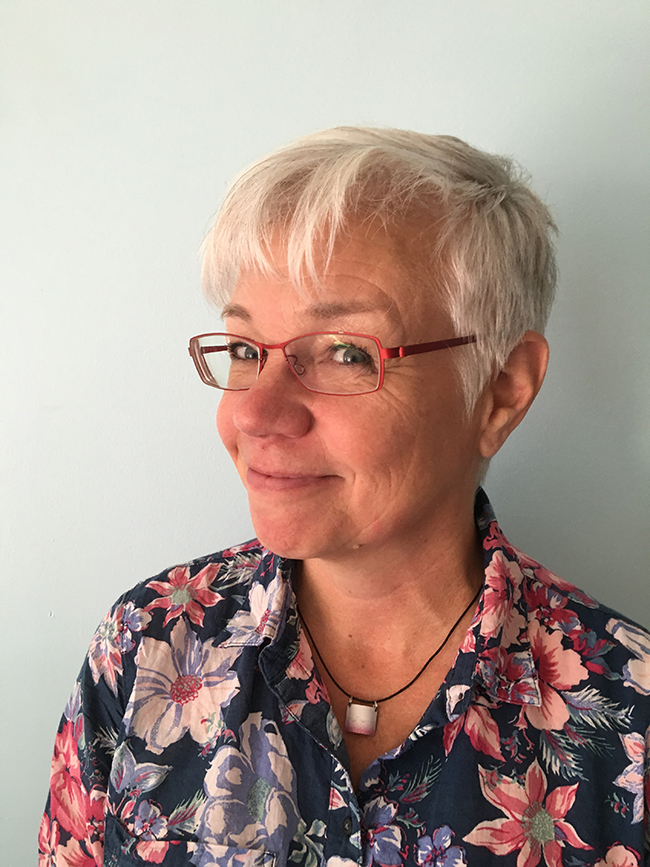
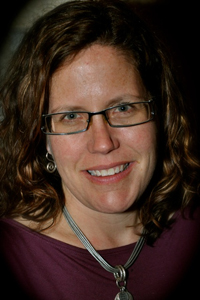
Women smiling wearing pink frame glasses and a blue flowered shirtMath is not a four-letter word. But to those with rampant math phobia, it certainly feels like it. Dr. Ruth Beatty, Associate Professor in the Faculty of Education at Lakehead University’s Orillia campus often sees students who actively dislike or even fear math. To her the problem isn’t with math itself, it’s with how the subject traditionally has been taught.
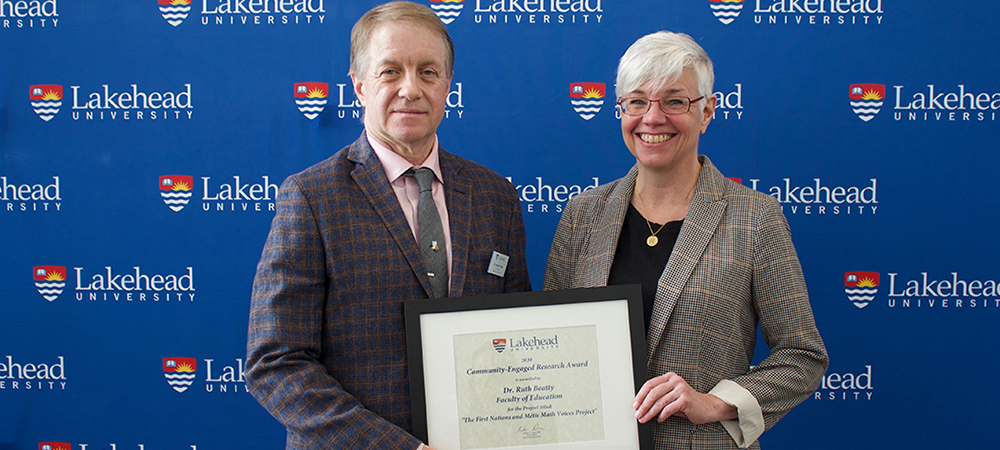

She started her research career looking at how children understand math and how educators can best teach the subject. She found that by looking beyond numbers and symbols and by taking a more holistic approach to what it means to think “mathematically” teachers could make math more accessible and fun.

Nine years ago, while teaching in the Master's program at Lakehead’s Thunder Bay campus, Beatty made a fascinating connection that has guided her work since then.

“Some of my students were First Nations educators or had been teaching in First Nation schools and we were talking about the disconnect between Indigenous culture and mathematics education in Ontario curriculum,” said Beatty. “I started visiting communities to learn more.”

While working with the Elders she realized that math is naturally embedded in Indigenous cultural practices like beadwork or birch-bark basket-, snowshoe- and moccasin-making.

“Take a beaded bracelet, for example,” says Beatty. “There's so much math in it. There is patterning and algebraic reasoning, there’s geometric transformations, proportional and spatial reasoning. There's number sense and numeration.”

With that cultural connection in mind, Beatty began a study in 2012 with the Algonquins of Pikwakanagan First Nation and teachers from the Renfrew County District School Board at a school with 20 per cent Indigenous students and 80 per cent non-Indigenous students. The project partnered community members, artists, Elders, and Knowledge Keepers with Indigenous and non-Indigenous educators to co-plan math instruction for Grade 3 and 6 students based on Algonquin loom beading. Cultural and language teachings were also integrated into the math unit.

The results were overwhelmingly positive. Indigenous students got to share their heritage and gain a sense of pride in their own knowledge systems that were valued on the same level as Western curriculum. Non-Indigenous students gained an appreciation of Indigenous culture. Most importantly, both groups learned exciting new math skills in a fun and engaging environment.

Perhaps the best endorsement of the math classes came from the students themselves. At the end of a session, with students working in their designs, making calculations to determine how many beads they would need, the teacher told them to wrap it up, math class was over. They looked up in surprise. Wait? What? Math? They had spent three hours absorbed in their learning with no idea they were, in fact, doing math.

Beatty and her team have collaborated with nine more communities around the province including The Chippewas of Rama First Nation and Simcoe County District School Board. Her work shows that math doesn’t belong to Eurocentric culture or scholars. Math is all around us and if taught in inventive, positive, and culturally responsive ways, no one needs to be afraid of it.

Faculty of Education professor Dr. Ruth Beatty and her school board partners received funding from the Social Sciences and Humanities Research Council of Canada, CanCode, and the Council of Ontario Directors of Education to carry out this important research.

Man presents black framed award to woman during award ceremony

Lakehead University Researchers Receive TVN Fellowship Award

May 13, 2014 – Thunder Bay, ON

Two researchers from Lakehead University are receiving the highly prestigious Technology Evaluation in the Elderly Network (TVN) fellowship award of $50,000 per year for two years. Eight such awards are being presented in Canada.

The purpose of the award reflects TVN’s mandate: to develop highly qualified professionals who can thrive in a multi-disciplinary health care environment.

Lakehead University’s Dr. Lana Ozen, a Post Doctoral Fellow in Health Sciences, and Kathy Kortes-Miller, a PhD candidate in Education, are proud to be recognized for their hard work and dedication.

Dr. Lana Ozen

Dr. Ozen’s research project is called A mindfulness intervention in long-term care for frail elderly, families and formal caregivers. It involves a form of meditation where elders will become aware of and accept thoughts, feelings and body sensations by practicing weekly.

“The TVN fellowship is an excellent opportunity for me to continue studying the potential benefits of mindfulness in older adult populations who may be experiencing a diminished quality of life due to chronic conditions,” Dr. Ozen said.

“For this fellowship, I am interested in adapting a mindfulness intervention as a means of improving quality of life and mental health for frail elders in long-term care, as well as their family and formal caregivers,” she said.

Dr. Ozen is uniquely positioned through her program of research to make an important difference in the lives of many seniors living in the community and in long-term care. 

“By using this mindfulness intervention, Dr. Ozen seeks to improve the quality of life of seniors who are facing challenging emotional situations,” said her research supervisor, Dr. Michel Bedard, Professor in the Department of Health Sciences.

“Thanks to TVN, Lakehead University and St. Joseph’s Care Group, Dr. Ozen can continue her research for another two years.  I am extremely pleased that we can retain such an emerging researcher in Thunder Bay,” Dr. Bedard said.

Kathy Kortes-Miller

Kortes-Miller’s research project is called Interdisciplinary End-of-Life Care Education Using High Fidelity Simulation in Long-Term Care. It allows long-term care staff to use life-sized simulation manikins for hands-on, experiential learning.

The High Fidelity Simulation technology produces lung, heart, and stomach sounds in the manikins, in addition to voice projection capabilities to help train long-term care workers by bridging communication theory with practice.

This research focuses on promoting comfort of staff with end-of-life communications, which has been identified as critical by families of loved ones who are in long-term care.

“The overall contribution of this research is to improve the quality of end-of-life care to frail elderly people living and dying in long-term care homes by providing staff with innovative, interdisciplinary palliative care education and promoting teamwork,” Kortes-Miller said.

She partnered with Lakehead’s Centre for Education and Research on Aging and Health, St. Joseph’s Care Group, Elisabeth Bruyere Residence in Ottawa and Baycrest Health Sciences in Toronto for this research.

“This Fellowship award will allow me to expand my PhD dissertation research that I am currently completing here in Lakehead’s Faculty of Education with my supervisor Dr. Lisa Korteweg,” Kortes-Miller said.

The TVN Interdisciplinary Fellowship program allows Kortes-Miller to focus on three areas she is passionate about: interprofessional education in health care, educational technologies and improving palliative and end-of-life care for elderly who are ill.

“Kathy is a talented early researcher who has combined her backgrounds in Social Work and Education to explore and evaluate innovative educational programs for long-term care staff who want to learn more about palliative care,” said her research supervisor, Dr. Mary Lou Kelley, Research Chair in Palliative Care and Professor of Social Work and Gerontology.

“Her research has practical benefits to long-term care residents and the health care system. Kathy represents the next generation of health care researchers being trained at Lakehead University,” Dr. Kelley said.


– 30 –


Media: For more information, please contact Brandon Walker, Media Relations Officer, at (807) 343-8177, or mediarelations@lakeheadu.ca.


In 2015, Lakehead University will celebrate 50 years of exceptional education. Guided by a new Strategic Plan (2013-2018), our University is known for providing an education focused on independent thinking, unconventional scholarship, and a close sense of community. About 9,700 students and 2,000 faculty and staff learn and work in ten faculties at two campuses, in Orillia and Thunder Bay, Ontario. Home to Ontario’s first new Faculty of Law in 44 years (Fall 2013) and the Northern Ontario School of Medicine's West Campus, Lakehead is among Canada’s Top 10 undergraduate universities (2014 Maclean’s University Rankings), as well as 1st in Ontario and 2nd in Canada for its innovative research (Re$earch Infosource). Our Orillia campus is the first in North America to be built entirely to Leadership in Energy and Environmental Design (LEED®) standards. Share your Lakehead story as it relates to our Strategic Plan at www.lakeheadu.ca/presidents-office/nurturing-passion, and learn more about Lakehead at www.lakeheadu.ca.


About TVN

Technology Evaluation in the Elderly Network (TVN) is a national network funded by the Government of Canada’s Networks of Centres of Excellence Program (NCE). TVN was created to improve care for our frail elderly by fostering productive partnerships and collaborations among researchers, health care professionals, policymakers, and patients, their families and support systems, and by supporting these collaborations through funding research, mobilizing knowledge and training the next generation of highly qualified personnel. TVN focuses on the frail elderly across all settings, promoting a collaborative approach to improving care by that supports multi-disciplinary, multi-sectoral teams working to develop solutions to improve care. To-date, the Network has provided over $14M in funding for research and training programs, engaging over 1,000 researchers, trainees, health care professionals and policymakers, and is actively facilitating new partnerships with key stakeholders to guide their national agenda. For more information, visit www.tvn-nce.ca.

Subscribe to Education