Seventh Ascend Accelerator Cohort Embraces Digital Innovation

Seventh Cohort of Ascend Accelerator

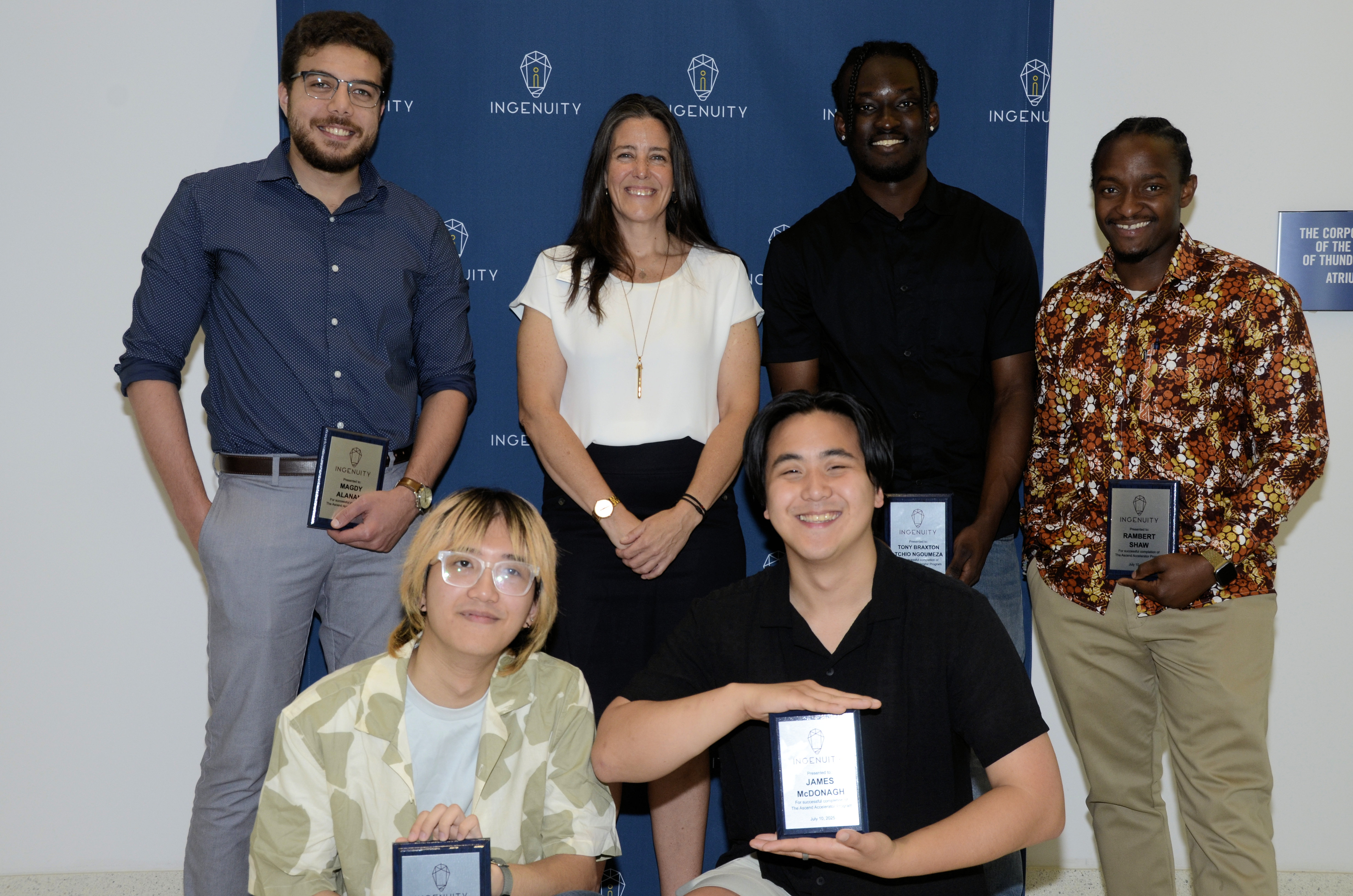
Pictured are (back row, left to right) Magdy Alanani, Ingenuity manager Alyson MacKay, Tony Braxton Tchio Ngoumeza, and Rambert Shaw, and (front row, left to right) Gia Hieu Le and James McDonagh.


By: Melissa Burton

Six student-founded ventures graduated from innovative ideas to tangible businesses at Thursday’s Ascend Accelerator program graduation hosted by Ingenuity, Lakehead’s business incubator.

“This group brought a remarkable level of energy, and their business ideas showcased an exciting variety of perspectives and innovation,” says Ingenuity manager Alyson MacKay, who was thrilled to see the diversity in this year’s businesses, ranging from precision agriculture to AI-powered audio summarization to an online yoga studio.

“As we wrap up another dynamic cohort of the Ascend program, I want to extend my sincere appreciation to each of the teams for their commitment and drive,” she says. “I also want to express my deep gratitude to the mentors and community partners whose guidance and support continue to play a vital role in the success of this program."

Privacy is the priority of James McDonagh (HBSc’25, BSc’25) and Gia Hieu Le’s (HBSc’25) new venture, Conversaver. Their AI-powered audio summarization tool delivers customizable summaries of conversations using strict data protection measures.

James, a second-time Ascend participant and recent Lakehead computer science and mathematics graduate, says the program is an incredible catalyst of growth and learning. “For any aspiring entrepreneur, it’s an experience that gives you the skills, confidence, and support to truly turn your vision into reality. The mentorship and workshops were invaluable, but what really stood out was Alyson MacKay’s unwavering support and commitment to helping founders succeed.”

Vivideye Concepts is another of the new student-led business ventures supported by Ascend. Launched by Rambert Shaw (MSc’25), Vivideye produces cinematic, story-driven videos that elevate brands, capture attention, and drive results with a turnaround time of only three business days.

Tony Braxton Tchio Ngoumeza, a software engineering student, is the founder of GreenShade, a precision agriculture system that leverages machine learning to optimize farming practices. By integrating data-driven analysis and predictive modeling, GreenShade is poised to help farmers maximize yield, improve resource efficiency, and identify the most suitable crops for their specific environment and climate.

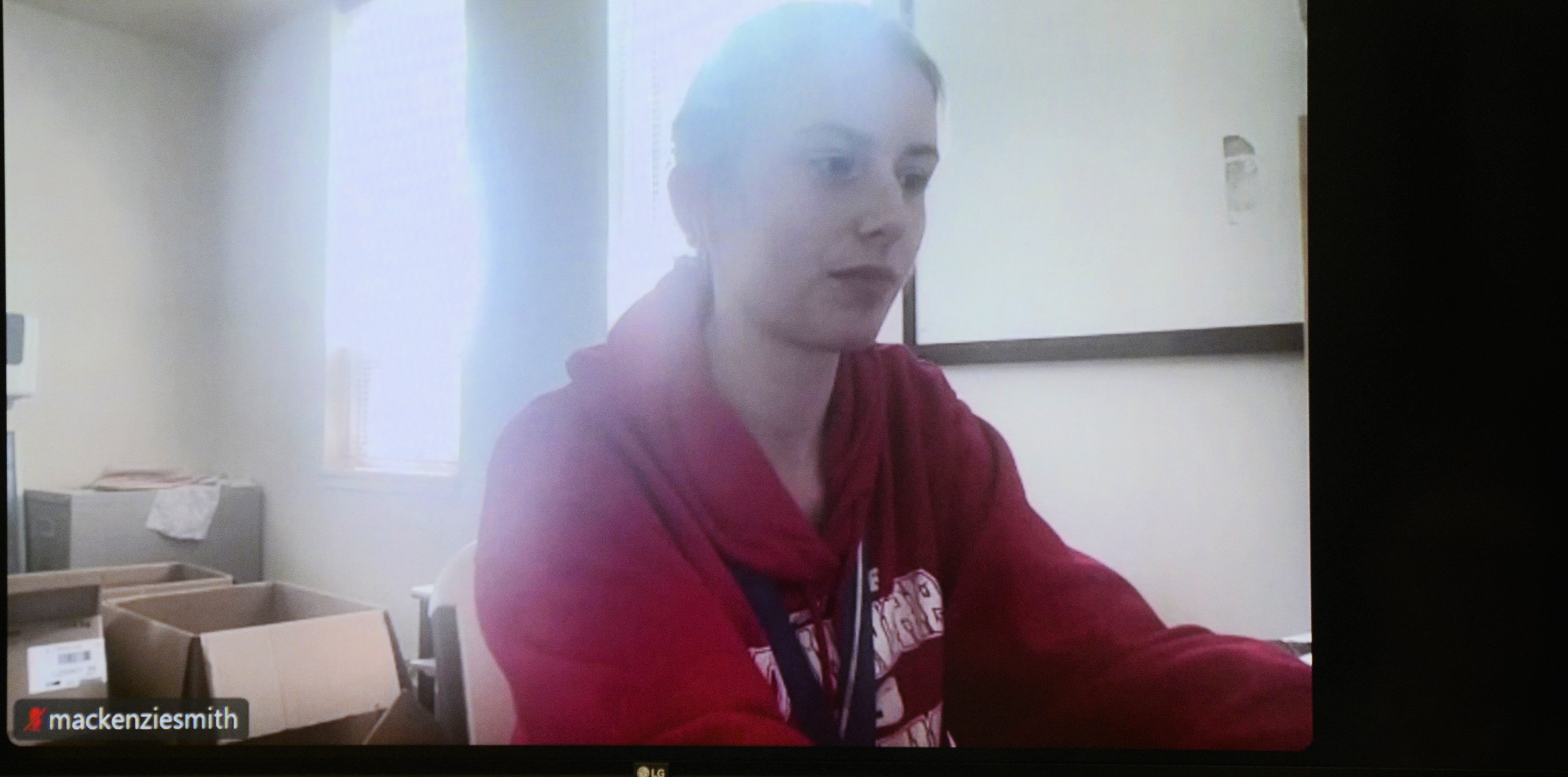
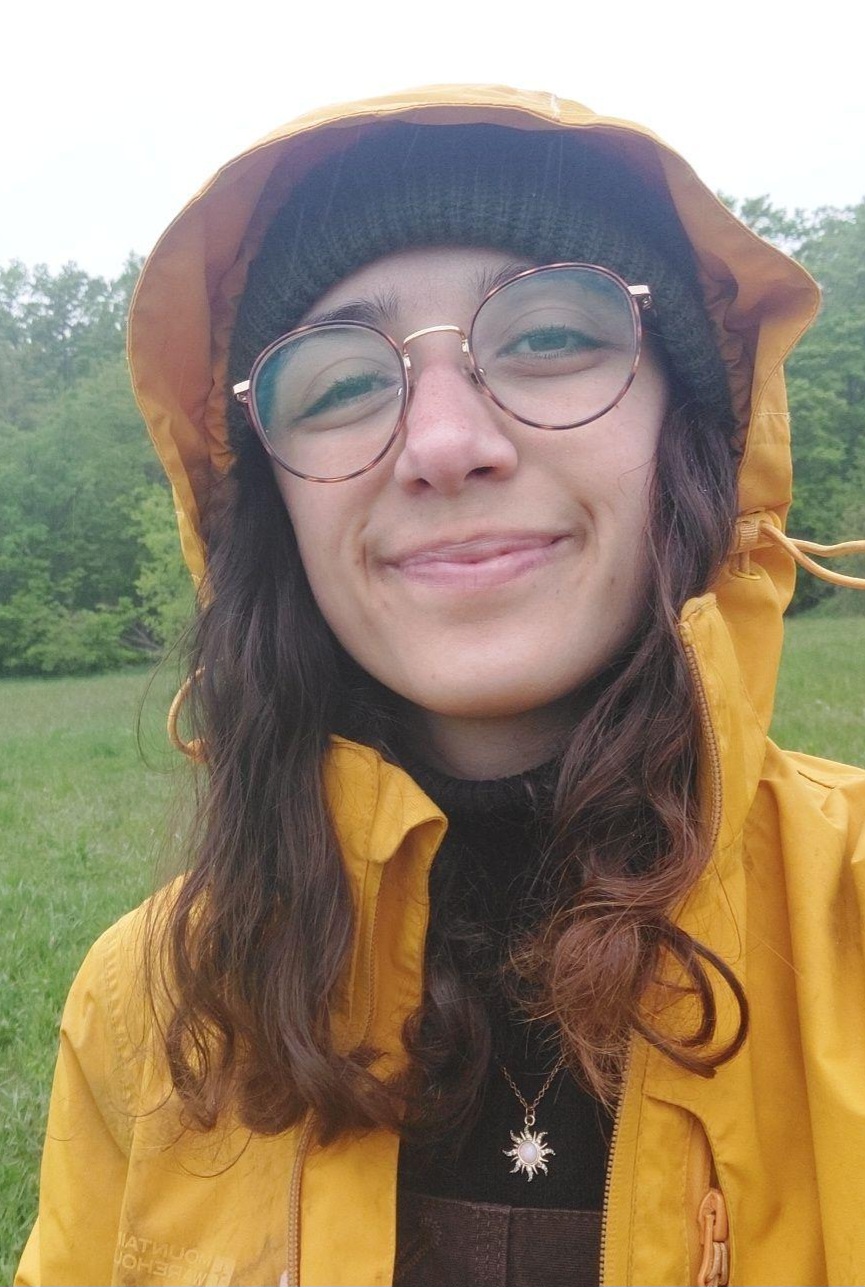
Mackenzie SmithConcurrent Education student, Mackenzie Smith started the online yoga studio, Aurae & Company, to blend mindfulness and self-care with accessibility. With a flexible, “practice anywhere” ethos, Aurae invites users to reconnect with themselves and move with intention -  no matter where they are.

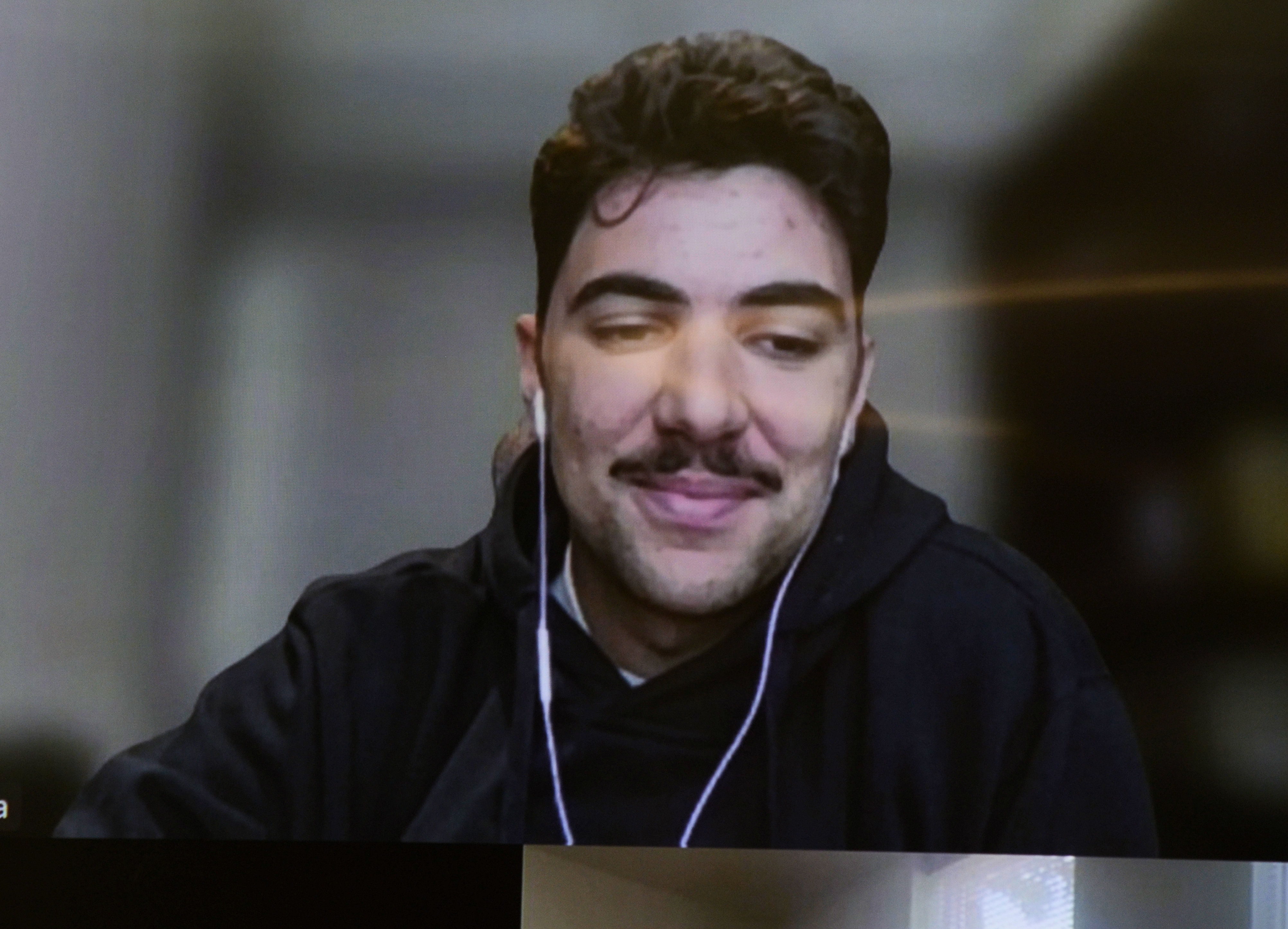
Created by fourth-year mechanical engineering student Vince Butrico and teacher-turned developer Michael Gagliardil, SkillJa provides a unified space to bring together athletes and coaches. Built by athletes for athletes, SkillJa helps athletes find trusted coaches across 35+ sports, while coaches can showcase their expertise, manage bookings, and grow their business.

Vince Butrico Magdy Alanani’s (PhD’24) Teknu Solutions is a research-driven startup providing advanced engineering solutions for the architecture, engineering, and construction (AEC) sector. This company integrates structural engineering expertise with AI and optimization algorithms to streamline and enhance building design. By improving material efficiency, reducing carbon emissions, and accelerating early-stage design decisions, Teknu Solutions builds the foundation for smarter, more sustainable structural design.

Dr. Andrew P. Dean, Vice-President, Research and Innovation congratulated the graduates.

“The graduation of our seventh Ingenuity Ascend cohort is a testament to the incredible entrepreneurial spirit thriving at Lakehead University,” he says. “Over the past 10 weeks, our graduating students have embraced the opportunities and challenges of turning their ideas into market-ready businesses.”

“Their innovative solutions have addressed gaps in the market, and I'm confident these diverse ventures will contribute to our region's economic growth.”

The ventures accepted to this year’s 10-week program received funding from the John Dobson Foundation, mentorship, and weekly workshops to develop their businesses. The teams were held accountable for reaching milestone goals as they progressed on their entrepreneurial journeys.

For more about Ingenuity, visit www.lakeheadu.ca/centre/ingenuity.

Research and Innovation Bulletin

The Research and Innovation Bulletin is distributed weekly every Tuesday by the Office of Research Services and includes information on research funding opportunities, events and workshops and updates from our funding partners.

Check out the latest version of our Bulletin, by clicking here.

Research and Innovation Bulletin

Community-Building Motivation Behind Award Winner’s Campus Involvement

Eriel StauchEriel Strauch says she was honoured to receive the 2025 Lloyd Dennis Award, which recognizes full-time students for their contributions to the university's welfare through their student activities. 

Her wish to build a sense of community and solidarity among the student body motivated Eriel to think of ways to make people feel more welcome. 

“Going to university can feel overwhelming—to put it lightly,” Eriel says. “This is a sentiment a lot of students share, but at the same time, it’s an experience that feels individual and isolating. By connecting people to each other and to resources, I want to help them feel like they are part of a community and their experience isn’t necessarily an isolated one.”

The third-year environmental sustainability student’s personal journey has been defined by persistence and curiosity. 

Like many students, the pandemic disrupted Eriel’s postsecondary studies. She needed a break and a reset.

After a few years in British Columbia, a lingering desire to learn brought Eriel home to Barrie, Ontario, where she enrolled at Lakehead University’s Orillia campus.

When she arrived in 2022, one of her priorities was to get involved in campus life. After realizing that there wasn’t a space for people who are passionate about spending time outdoors and learning about and researching nature, she co-founded the Lakehead University Nature Enthusiasts Club with friend and fellow student Olivia Vaughan. What began as a casual group has grown into a vibrant community of students and local residents.

“Our goal since conception has been to encourage the community to get out into nature and learn about the world around them,” she says.

The club blends environmental education with creative outreach, encouraging students and the community to explore nature through field outings, in-person events, photo contests, and weekly newsletters—showing that learning can be both fun and impactful.

Eriel is also founder and president of the Jewish Students’ Association (JSA), a cross-campus initiative connecting Jewish students, staff, and faculty in Orillia and Thunder Bay. In a time of increasing antisemitism, the association provides a space for discussion, education, and solidarity, she says.

“The JSA is a way for Jewish and non-Jewish community members to connect and feel like they have a support system when there are occurrences of antisemitism in school or outside of school. It’s a place to talk about Jewish history and philosophy, a space where we can come together as a community and share our views and not be judged for it.”

Eriel will graduate in December 2025, and hopes to pursue a master’s degree in biology.

“I wasn’t inclined toward school when I was in high school,” she explains. “There was a time when I thought about dropping out, and I’m so glad that I didn’t! Now, as an adult, I really value learning and bringing the opportunity to learn to others.”

“Working with the Office of Community Engagement and Lifelong Learning this summer, I’m seeing people who have a penchant for learning pick up knowledge on their own as they move along in life, and that’s so inspiring.”

Since 2011, Lakehead University has presented the Lloyd Dennis Award for outstanding citizenship to a full-time student at the Orillia campus to recognize their contributions to the welfare of the university through their student activities.

The award is named in honour of the late Lloyd Dennis, an Officer of the Order of Canada and Order of Ontario, and a highly respected educator and author best remembered for the 1968 landmark report that shaped the future of education in Ontario—Living and Learning: The Report of the Provincial Committee on Aims and Objectives of Education in the Schools of Ontario, known as the Hall-Dennis Report.

An enthusiastic proponent of the Lakehead Orillia campus, Lloyd Dennis was honoured with Lakehead’s Civitas Award in 2009 and a Doctor of Laws in 2012 (posthumously).

On a Quest to Understand a Devastating Disease

Conquering Alzheimer's disease has become Lakehead grad Kirkland Johnston's mission.

Alzheimer's is a "chronic neurodegenerative disease that destroys brain cells, causing thinking ability and memory to decline over time," according to the Alzheimer Society.

"Certain genes are strongly correlated with the disease," explains Kirkland, who's just finished the first year of a Psychology and Neuroscience PhD at the University of Toronto.

"My research is investigating how certain genes influence the hippocampus—the ridges in the brain responsible for memory and emotion."

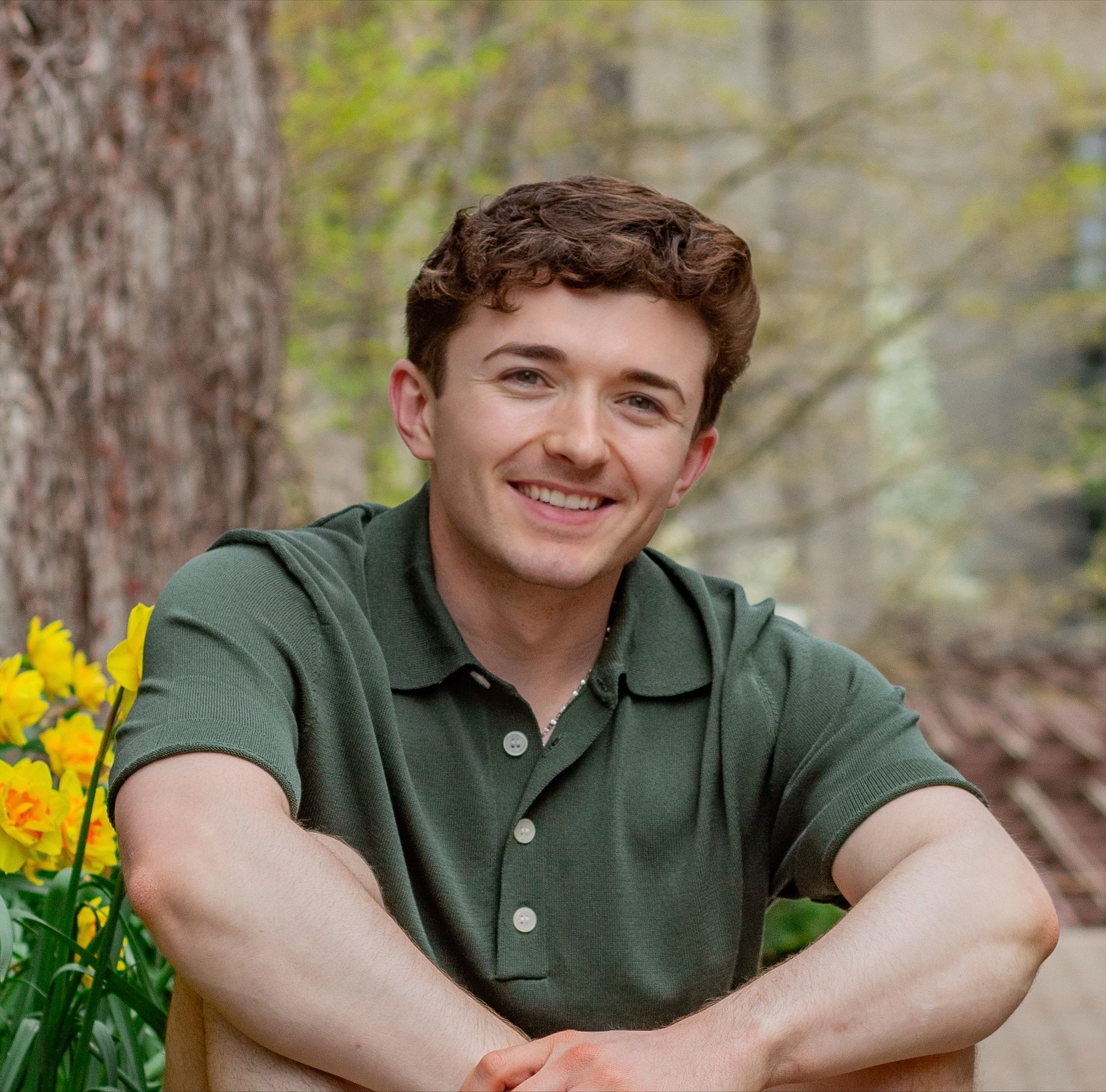
Kirkland Johnston sitting outdoors by some daffodils

Studying this incurable disease wasn't part of Kirkland's original career plans. He majored in psychology and criminology at Lakehead Orillia, graduating with an Honours Bachelor of Arts and Science in 2022. His honours thesis, however, sparked his interest in neuroscience. For his thesis, Kirkland examined the biological factors that influence psychopaths' behaviour, as part of a larger research project run by psychology professor Dr. Beth Visser.

Kirkland's research expertise has been bolstered by his work with Lakehead Orillia professor Dr. Daniel Krupp's SALT Lab, which studies the psychology of cooperation and conflict. Kirkland (HBASc'22) has been analyzing data and doing computer programming for the lab since graduating from Lakehead.

"From a neuroscience perspective, psychopaths have less developed frontal cortices and less emotionality as well as lower executive function and inhibitions," Kirkland says. "This influences their level of callousness, impulsivity, and tendency to act in ways that benefit them without regard for anyone else."

"I became passionate about Alzheimer's disease because some of my family members have suffered from it."

His newfound fascination with neuroscience led Kirkland to complete a master's degree at Trent University focused on how different behaviours can be triggered by different neural pathways. "I studied how stress can influence chronic pain. Our research team found that if fear is present along with pain, the pain lasts longer."

Kirkland's decision to pursue Alzheimer's research stems not from his scholarly experiences, but from his personal life. "I became passionate about Alzheimer's disease because some of my family members have suffered from it," he says.

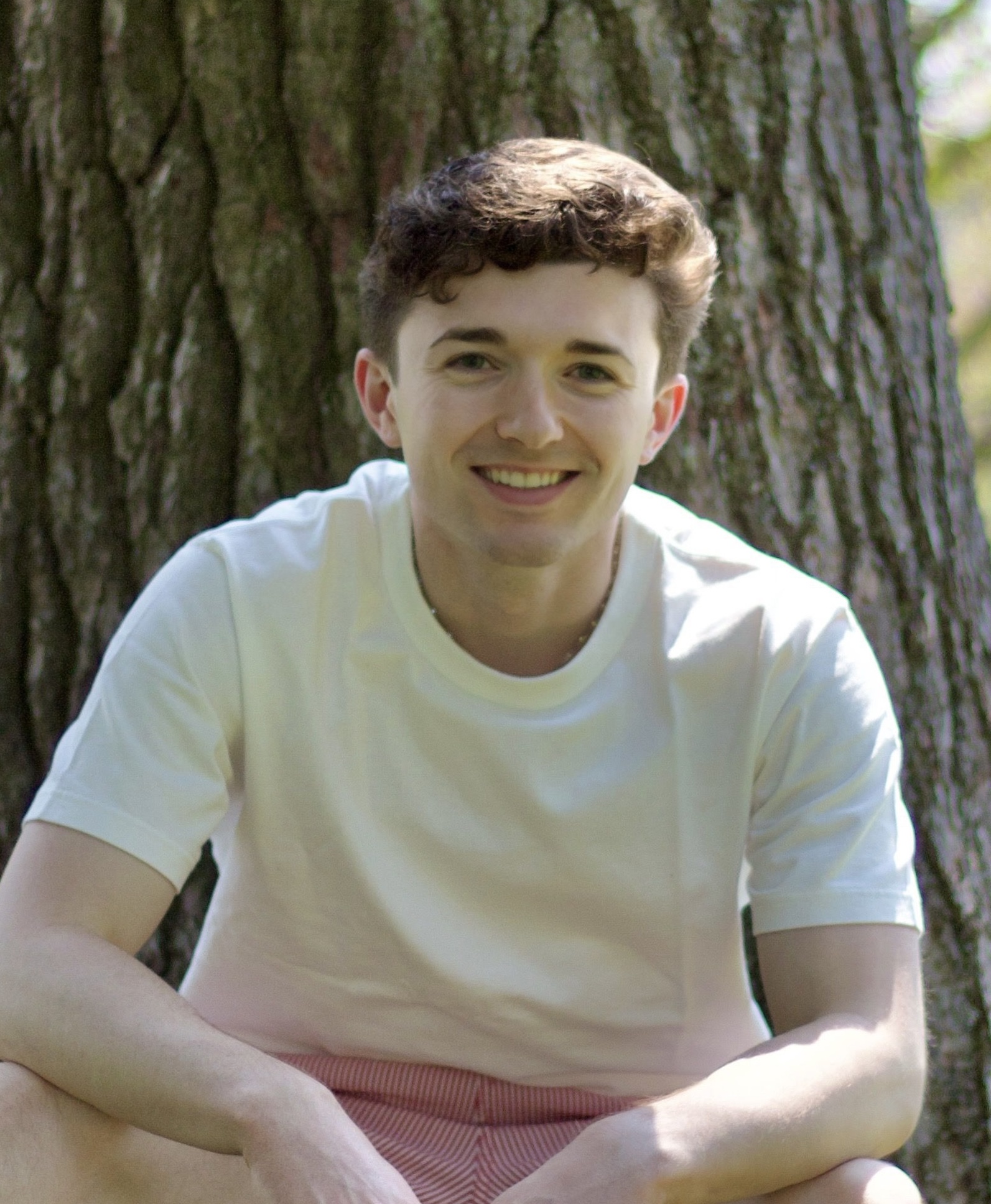
Kirkland Johnston outside wearing a white t-shirt

Kirkland and his supervisor, Dr. Iva Zovkic, are studying histone variant macro H2A1 (mH2A1). Histones are the fundamental building blocks of chromatin, the material that makes up our chromosomes. The Zovkic lab has zeroed in on histones H2A.Z and mH2A1, finding supportive evidence for their role in modulating memory. "The more H2A.Z there is in the brain, the stronger the association is with impaired memory," Kirkland says. "But if you remove it genetically through surgery, it improves learning and memory in mice."

"When I was younger, I did a lot of gymnastics and acrobatics, and I recently got into it again," Kirkland says. "I also love mountain biking, running, and spending time with family and friends. It keeps me grounded and happy."

Kirkland is looking at how declining estrogen levels in mice increase Alzheimer's pathology and memory impairment. This is critical because women are almost twice as likely as men to get Alzheimer's. They also experience more rapid cognitive decline and worse treatment outcomes.

"Part of this may stem from the fact that, for an extremely long time, women were underrepresented in Alzheimer's research studies, " Kirkland says. "Even now, women still aren't equally represented in studies, which affects how they respond to treatment."

His goal is to better understand female biology to create more effective Alzheimer's treatments for women.

Although Kirkland is at the beginning of his career, he is convinced that he's found his calling. "I plan to continue doing Alzheimer's research because I want to do meaningful work that has a positive impact on people."

A High-Flying Career and a Love of Soccer Set This Grad Apart

Helping injured workers and making workplaces across Ontario safe for everyone were the driving forces behind Peter Augruso's impressive career accomplishments.

Born and raised in Thunder Bay, Peter studied labour and industrial relations at Lakehead, where he benefited from the depth of the education he received. "Dr. Jerry Phillips and Dr. Ken Hartviksen, in particular, stood out because they always made time for me," he says.

Lakehead also gave Peter the opportunity to play on its varsity soccer team, which won the Great Plains Athletic Conference during the 1981-82 season. "As an Italian-Canadian, soccer is part of my culture," Peter says. "My wife and I coached soccer when our kids were little, and one of my sons earned a soccer scholarship to an American university."

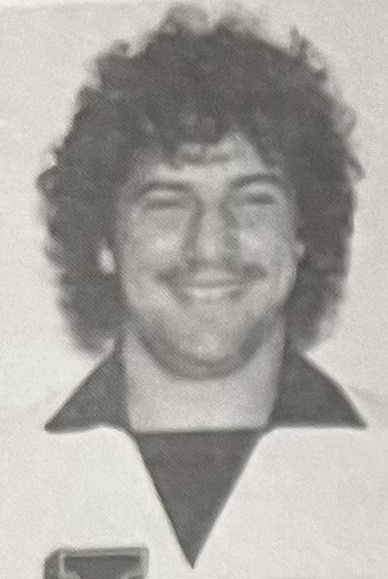
A yearbook photo of Peter Augruso wearing a varsity soccer jersey

Peter during his time on Lakehead's varsity soccer team in the early 1980s.

After graduating with a Bachelor of Administration in 1988, Peter worked briefly as a junior executive at Zellers in Winnipeg. His career, however, really got kick-started when he became a vocational career counsellor with the Workers' Compensation Board of Manitoba. Peter returned to Thunder Bay a few years later to take the same position with the Workplace Safety and Insurance Board (WSIB), remaining there for 19 years, assisting injured workers seeking to retrain in new careers.

Although the work was gratifying, Peter began to realize that it wasn't enough for him. "I wanted to prevent injuries, rather than help people get back to work after they'd already been injured. Some people thought I was crazy because, by that point, I was in my mid-forties and had a good career."

Undeterred, he successfully applied to become the district manager – operations division, with the Ontario Ministry of Labour, Training and Skills Development in 2007. Two years later, Peter was promoted to regional director of the northern region. By 2015, he'd climbed to the highest reaches of the ministry after being chosen as assistant deputy minister (ADM), moving to Toronto to take on this new role.

As assistant deputy minister, Peter administered a 130-million-dollar budget and was responsible for employment standards, occupational health and safety, and radiation monitoring.

"I'm proud to say that as ADM, employee engagement and morale were high. I wasn't afraid to answer questions, and I knew many of my 1,100 staff members." During his tenure, Peter also incorporated new sexual harassment legislation into the Occupational Health and Safety Act to strengthen protections for workers.

The Beautiful Game

Peter Augruso in a soccer stadium wearing a Canada Soccer jersey

Joining Canada Soccer has turned Peter into a globetrotter, "I get to watch the men's and women's national teams compete around the world—I've been to Bangkok, Amsterdam, and the 2024 Paris Olympics." He's also recently returned from the FIFA World Congress in Paraguay and is gearing up for the men's Gold Cup in Vancouver and the 2026 World Cup.

Peter played soccer with men's recreational leagues throughout his adult years. Then, in 2014, he became reengaged with youth soccer as a volunteer with Ontario Soccer, serving as their president from 2018 to 2024.

With more time available after retiring from government in 2021, Peter intensified this focus and, last year, successfully ran for president of Canada Soccer—eager to promote the growth of the game from the grassroots to the Olympic level.

Peter envisions a future for Canada Soccer where every child is given the opportunity to play, including talented Indigenous athletes in remote communities, through the "Soccer for Life" initiative. "It's based on the belief that soccer should be a lifelong passion—uniting communities, fostering talent, and making the game accessible to all, regardless of where they live. I want to create an inclusive, thriving soccer culture that leaves a lasting impact across the country."

Lakehead Marks Ground Blessing with $2M Provincial Boost for New Northern Veterinary Program

The ground blessing celebrated a wave of support for the project, recognizing the generosity of community partners, individual donors, and government funders.
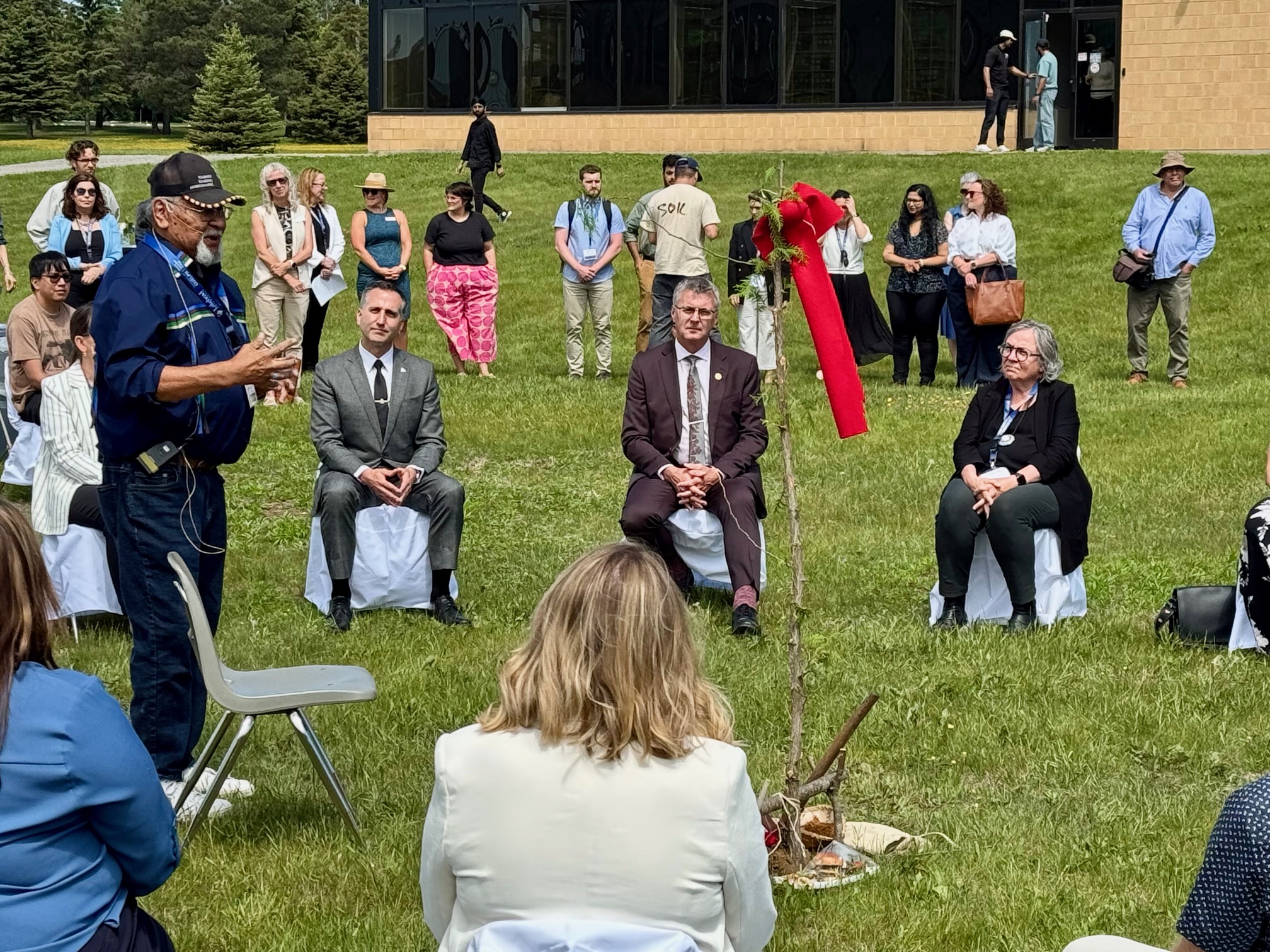
Lakehead University Ground Blessing of CDVMPThunder Bay, Ont. – Today’s ground blessing ceremony marks more than the beginning of construction—it symbolizes hope. In regions where farmers struggle to find veterinary care for their livestock and families drive hours to treat their pets, the Collaborative Doctor of Veterinary Medicine Program—delivered in partnership with the University of Guelph’s Ontario Veterinary College—provides a lasting solution to a critical need.

Building on the Government of Ontario’s previously announced investment of $14.78 million—of which $4.5 million will support Lakehead’s capital build requirements with the remaining amount going to the University of Guelph—today, the Hon. Trevor Jones, Minister of Agriculture, Food and Agribusiness on behalf of the Hon. George Pirie, Minister of Northern Economic Development and Growth, announced an additional $2 million from the The Northern Ontario Heritage Fund Corporation (NOHFC) to support Lakehead’s delivery of the program.

The event also welcomed supporters from across the province whose generous contributions have been vital to launching this much-needed program. Separate from government funding, Lakehead set a philanthropic fundraising goal of $12.9 million, and thanks to major gifts from individual donors, 95% of that goal has already been achieved. The final 5% will be raised through a public, community-driven campaign launching this fall, welcoming donations of all sizes to help bring veterinary care to northern Ontario.

“The Collaborative Doctor of Veterinary Medicine Program signifies something profoundly personal to northern communities—it’s about fairness, access, and addressing a critical issue,” said Dr. Gillian Siddall, President & Vice-Chancellor of Lakehead University. “We heard loud and clear from the north that more veterinarians should be trained where services are needed. Thanks to the Ontario Government, our partners, donors, and supporters, we’re answering that call—not with a temporary solution, but with a legacy that will serve generations of people and animals across northern Ontario.” 

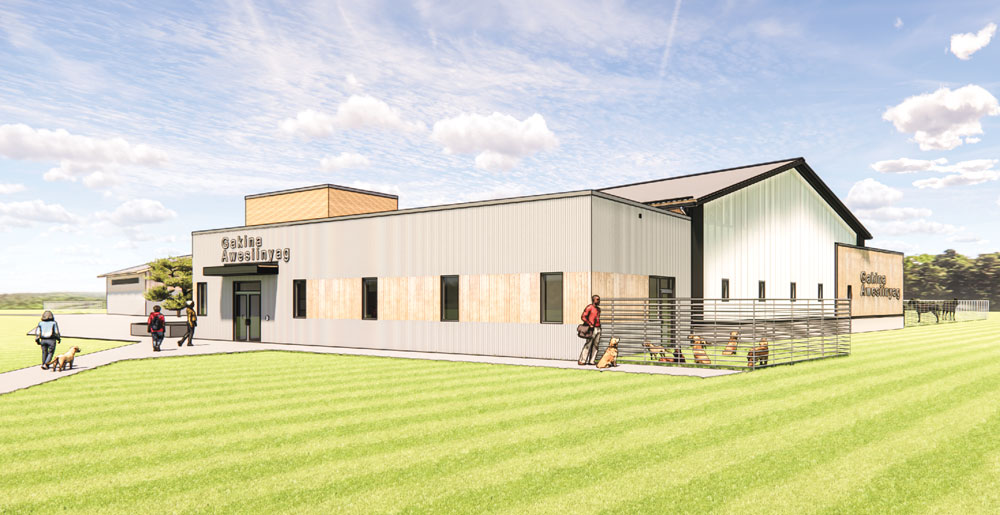
A ground blessing ceremony led by Elder Gene Nowegejick and attended by university leadership, donors, and government partners on Lakehead's Thunder Bay campus signalled the ceremonial start of construction for a new animal education facility that will open in 2027. The event celebrated the newly confirmed Indigenous name for the future facility: Gakina Awesiinyag, from the Anishinaabemowin language, translating to All Animals (Place For).

The event emphasized the innovative vision behind the Collaborative Doctor of Veterinary Medicine Program: to train and retain veterinarians who understand and serve rural, remote, and northern communities' unique needs. The new animal education facility, as designed by mcCallumSather, will feature large and small animal housing and clinical skills training space. Renovations to existing buildings will include combined anatomy/pathology and clinical skills labs, and other relevant training spaces.
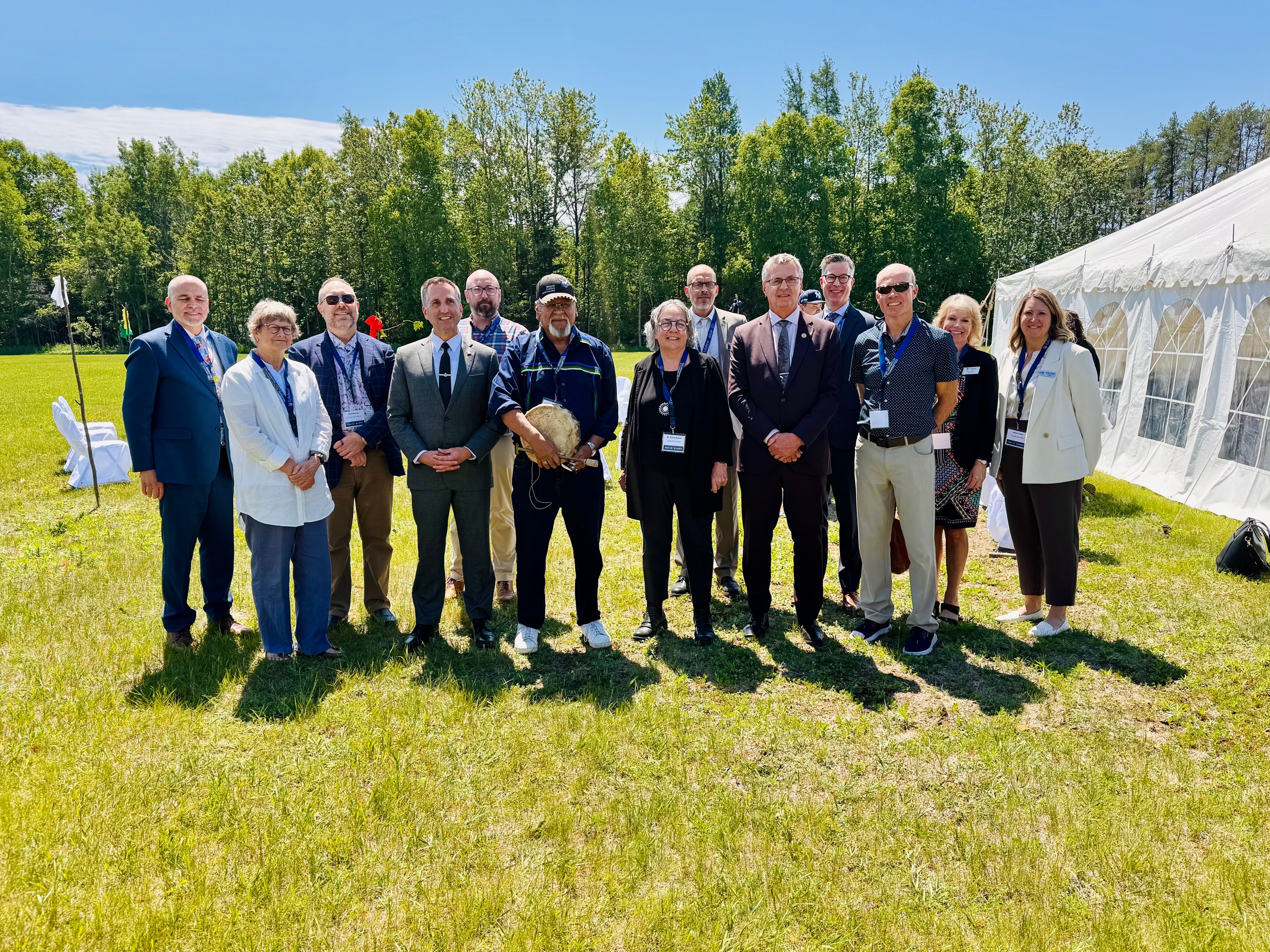
Lakehead University Ground Blessing of CDVMP“This milestone reflects a groundswell of support,” said Michael den Haan, Vice-President, University Advancement at Lakehead University. “Today, we celebrate and acknowledge the many philanthropic supporters, government funders, and community partners who have come together with a shared belief in this innovative solution to the complex challenge of veterinary access in northern Ontario. Their collective generosity is what makes this program possible. It’s more than funding—it’s a statement of confidence in Lakehead University, and the power of education to transform animal care and agriculture across northern Ontario.” 

The Collaborative Doctor of Veterinary Medicine Program will admit its first students in fall 2025, with the initial northern cohorts completing their studies at the Ontario Veterinary College in Guelph. Starting in 2027, the northern cohort will begin the program in Thunder Bay and complete the program in Guelph. This regionally distributed model will ensure that veterinary education is embedded in northern communities from day one.


Quotes:

Hon. Trevor Jones, Minister of Agriculture, Food and Agribusiness, Government of Ontario —
"Once completed, the animal education facility at Lakehead University will serve as a key hub to train future veterinarians serving northern Ontario,” said Trevor Jones, Minister of Agriculture, Food and Agribusiness. "By investing in this program, our government is helping address vet shortages across rural and remote communities while keeping the northern agri-food industry strong.”

Hon. George Pirie, Minister of Northern Economic Development and Growth, Government of Ontario —
"Lakehead University’s new program is a crucial step in expanding access to veterinary services in our northern communities," said George Pirie, Minister of Northern Economic Development and Growth. "This investment will bring more veterinary jobs close to home for Northerners and expand essential support for our agricultural producers." 

Hon. Nolan Quinn, Minister of Colleges, Universities, Research Excellence and Security, Government of Ontario —
“Veterinarians are paramount to the success of Ontario businesses’ and families’ wellbeing, and today marks a new milestone in building the veterinary workforce of tomorrow. This critical investment will ensure that students in Lakehead University’s Collaborative Doctor of Veterinary Medicine Program, delivered in partnership with the University of Guelph’s Ontario Veterinary College, gain the hands-on skills they need to thrive as veterinarians and meet the need for excellent animal care in Ontario’s north.” 

Hon. Kevin Holland, MPP - Thunder Bay–Atikokan, Associate Minister of Forestry and Forest Products, Government of Ontario —
“This groundbreaking project marks a transformative investment in the future of northern Ontario. By bringing veterinary education closer to home, we’re addressing critical gaps in care for livestock, pets, and wildlife needs that are essential to both our agricultural sector and the overall well-being of our communities,” said The Hon. Kevin Holland, MPP for Thunder Bay - Atikokan. “I’m proud that our government is supporting this first-of-its-kind program at Lakehead University, which will train skilled veterinarians and help strengthen the fabric of our rural and northern communities for generations to come.”

Dr. Jeffrey Wichtel, Dean, Ontario Veterinary College, University of Guelph —
“Every animal in Ontario deserves timely and accessible veterinary care,” said Dr. Jeffrey Wichtel, Dean of the Ontario Veterinary College. “Through U of G's partnership with Lakehead, we're responding to the urgent need for northern veterinary services by preparing the next generation of skilled veterinarians. This fall, we’re proud to welcome the first cohort of northern students into OVC’s Doctor of Veterinary Medicine program—future leaders who will help transform veterinary care across the province's rural, Indigenous, and agricultural communities.”

Doug Brooks, President and Chief Executive Officer, Ontario SPCA and Humane Society —
“The Ontario SPCA and Humane Society is proud to support this vital step forward for veterinary medicine in northern Ontario through this meaningful partnership with Lakehead University and our shared commitment to animal health and well-being,” said Doug Brooks, President and CEO of the Ontario SPCA and Humane Society. “By working together to help train more veterinarians, we’re investing in healthier communities, improved animal welfare, and greater access to care for animals and the people who love them.” 

The Tamblyn Family Foundation —
“The Tamblyn Family Foundation is proud to support the Collaborative Doctor of Veterinary Medicine Program at Lakehead University. This innovative partnership with the Ontario Veterinary College at the University of Guelph expands access to veterinary education in northern Ontario and supports the development of skilled veterinarians who will serve communities across the region and beyond.” 


Quick Facts:

  • Program Launch: Fall 2025 (at University of Guelph), Fall 2027 (at Lakehead University, Thunder Bay)

  • Annual Seats: 20 students from northern Ontario

  • Philanthropic Fundraising Goal: $12.9 million raised through individual donors/major gifts (separate from government funding)

  • Raised to Date: 95% of the philanthropic fundraising goal has been achieved through major gifts from individual donors

  • Remaining Fundraising Goal: A public, community-driven campaign will launch this fall, welcoming donations of all sizes to complete the campaign 

  • Project Features: Animal education facility, anatomy/clinical labs, culturally responsive learning spaces


About the Collaborative Doctor of Veterinary Medicine Program
The Collaborative Doctor of Veterinary Medicine Program is a partnership between Lakehead University and the University of Guelph’s Ontario Veterinary College. It is designed to help address the shortage of veterinarians in northern Ontario by providing location-based and culturally relevant education and training in the north, for the north.

About Lakehead University
Lakehead University is where ambition meets opportunity and where a degree leads to real-world impact. Known for small class sizes, hands-on learning, and unparalleled undergraduate research opportunities, Lakehead has earned national and international recognition for our student-focused approach–including being named Ontario’s #1 primarily undergraduate university by Maclean’s magazine in 2024, and ranked by Times Higher Education Impact Rankings as the top university in North America (under 10,000 students) for our commitment to sustainability and social justice.

With campuses in Thunder Bay and Orillia–and a new STEM Hub opening in Barrie in 2026–Lakehead offers a vibrant, close-knit, nature-rich environment for learning where students enjoy a uniquely balanced and enriching university experience. With more than 65 career-focused programs, Lakehead is a training ground for future leaders, entrepreneurs, and changemakers—graduates who think critically and drive meaningful impact in their communities and around the world.


Backgrounder

Lakehead University thanks its generous donors who are making this important initiative come to life. A public, community-driven campaign will launch this fall, welcoming donations of all sizes to help bring veterinary care to northern Ontario; however, those who wish to contribute now can do so by visiting Lakehead’s website at: https://ec.lakeheadu.ca/giving/fund-project

Acknowledging support from key contributors to the Collaborative Doctor of Veterinary Medicine Program at Lakehead University includes:

Kim & Stu Lang
$10,000,000

Government of Ontario
Ministry of Agriculture, Food and Agribusiness; Ministry of Colleges and Universities, Research Excellence and Security; $4,500,000 towards Lakehead University capital construction, as a part of a $14,780,000 provincial investment supporting infrastructure for the CDVMP at both Lakehead University and the University of Guelph

Northern Ontario Heritage Fund
$2,000,000

The Paterson Foundation
$750,000

Ontario SPCA and Humane Society
$500,000

Thunder Bay Community Economic Development Commission
$500,000 

John Andrews Foundation
$250,000

P3 Veterinary Partners
$100,000

Tamblyn Family Foundation
$100,000

Bruno's Contracting Ltd
$50,000

The Eric S. Margolis Foundation
$25,000



Sandy Lake First Nation Shows Courage during Crisis

People across Canada are on edge as climate change threatens to make 2025 the second-worst forest fire season on record. In northwestern Ontario, fires are endangering humans, wildlife, and homes, as well as destroying forests.

Aerial view of forest fire burning at night

When the Red Lake 12 forest fire began spreading in early June, the Ministry of Emergency Preparedness and Response and the Provincial Emergency Operations Centre contacted Lakehead about hosting evacuees on its Thunder Bay campus. Photo: Pexels/Alex P

"Lakehead has an important role to play in the regional community as a good neighbour," says Indigenous Initiatives Vice-Provost Denise Baxter. "Any time a forest fire breaks out, there is a high risk to Indigenous communities because many of them are in remote areas far from services."

The Sandy Lake First Nation, almost 600 kilometres northwest of Thunder Bay, is one of these communities. The out-of-control Red Lake 12 fire has made it necessary for them to evacuate and find shelter elsewhere. Last week, Lakehead began providing temporary lodging for Sandy Lake residents—usually for 24 to 48 hours—until they can be flown to host cities in other parts of the province, where they will stay until it's safe to return to their community.

"Lakehead is happy to help Sandy Lake residents during this difficult time," says Residence Services Director Shannon Foster. Since early June, more than 700 members of the Sandy Lake First Nation had been hosted on campus.

Lakehead's residence, operations, catering, conference, and security services have been working together to make the evacuees comfortable and their time in Thunder Bay less stressful.

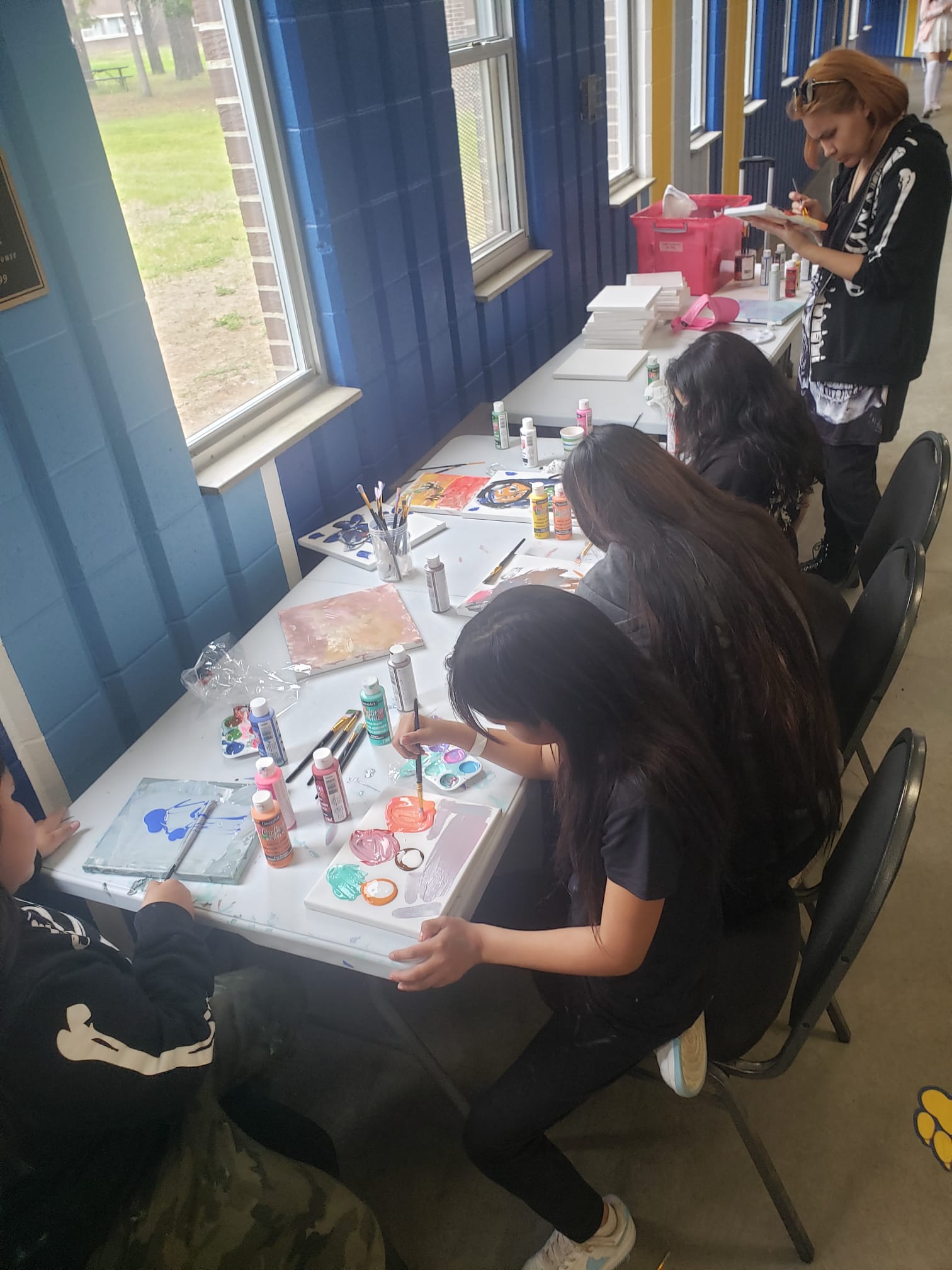
Children from Sandy Lake paint pictures at Bartley Residence

Children evacuated from Sandy Lake express their artistic side during a painting session at Lakehead. "Often, the communities most negatively affected by climate change around the world are Indigenous communities," Vice-Provost Denise Baxter says.

"School is being disrupted, their lives are being disrupted, and it's hard on elders with respiratory conditions," Vice-Provost Baxter says. "Sandy Lake residents are uncertain because they don't know what they'll return to once the wildfire has been extinguished. That's why it's important to pitch in—it's our responsibility as a fellow community member."

One of the ways that Lakehead has been helping is by arranging sports, arts, and cultural activities. Jared Visitor, a Lakehead psychology and education student, recently assisted with an arts session for Sandy Lake residents.

Jared is already familiar with Sandy Lake because he works for Lakehead's Niijii Indigenous Mentorship Program.

Niijii offers science and cultural programming to northwestern Ontario Indigenous high school students. It also matches these students with Lakehead student mentors to encourage them to consider postsecondary education.

"Through Niijii, we get to see all the amazing things that youth in places like Cat Lake, Kasibonika, and Sandy Lake are doing," Jared says.

He came away from the Sandy Lake arts session on campus feeling inspired.

"I loved the storytelling that happened while the kids were creating their artworks because I believe that storytelling is one of the most important things we can do for our youth. When you tell your story, you begin to understand yourself and others begin to understand you.

Lakehead student Jared Visitor with a Woodland painting in the background

And that's what happened at Lakehead's Bartley residence. The kids started pouring out their stories in paintings and drawings and talking to me about their stories—their school, their dreams, their community.

Their mothers came and painted with them, which was a beautiful thing to be part of. Their fathers and uncles were there, too. They made sure that the kids weren't getting paint on their clothes and that they were safe."

Jared Visitor completed his psychology degree this spring and will begin an education degree at Lakehead in the fall. He plans to become a primary/junior teacher. Jared says that "it's important that we tell all of our stories—the good and the bad—it makes us stronger."

The Lakehead University community is holding the Sandy Lake First Nation in our hearts. We hope that they will soon be able to return to their community and begin the healing process.

Lakehead University makes top 100 list of global universities having real-world impact

Thunder Bay and Orillia, Ont. - Lakehead University is solidifying its presence on the national and global stage, ranking among the top 100 universities in the world addressing global challenges in the Times Higher Education 2025 Impact Rankings.

Lakehead is in the top 100 again this year, ranking 90th overall among 2,318 participating institutions worldwide, while maintaining its status as the top-ranked university with under 10,000 students in Canada and North America.

“Our faculty, students and staff are committed to research, education, and community partnerships that support the global sustainability agenda, including poverty, climate change, access to clean water, and Indigenous reconciliation,” explained Dr. Gillian Siddall, President and Vice-Chancellor. “The Impact Rankings shine a light on the work happening in our classrooms, campus labs, and through community-engaged research that is changing lives and contributing to the development of sustainable communities and societies, locally, nationally, and globally.”

The Times Higher Education (THE) Impact Rankings assess a university’s success in delivering on the United Nations’ 17 Sustainable Development Goals (SDGs) across the areas of research, stewardship, outreach and teaching using a range of quantitative and qualitative measures.

Lakehead’s ranking reflects key operational initiatives, curriculum development and research projects that focus on addressing societal issues such as responsible resource extraction, sustainability, agriculture, and health equity, among others.

“The future of our communities, countries, and world, depends on the next generation of talented graduates,” said Dr. David Richards, Interim Provost and Vice-President (Academic). “At Lakehead University, we offer one of the best educational experiences in the world with innovative academic programming including concentrations in social justice, climate leadership, and Indigenous law and education, empowering students to find solutions to society’s biggest challenges.”

Of the 2,318 post-secondary institutions evaluated, THE ranked Lakehead as a world leader in:

23rd in the world and 2nd in Canada for SDG1: No Poverty. Lakehead University’s campuses are located in regions where the median income is below the provincial and national average. As one of the largest employers, post-secondary institutions and economic hubs in Northwestern Ontario and Simcoe County, Lakehead has a direct impact on the economic and social resilience in the regions it serves. This ranking also reflects the many initiatives Lakehead offers to support students who face barriers to accessing university education, including financial barriers, as well as the innovative research being done by faculty related to poverty in rural and remote communities in northwestern Ontario.

26th in the world and 5th in Canada for SDG14: Life Below Water. Healthy lakes, rivers and oceans are essential to human existence and Lakehead is a world leader in conservation and sustainable use of fresh-water ecosystems. Through strategic partnerships, Lakehead is leveraging collective expertise to drive innovation and impact marine conservation initiatives to foster environmental stewardship. Lakehead supports healthy aquatic ecosystems through community outreach programs, research initiatives, and degree programs such as undergraduate studies in water resource science.

The Impact Rankings also placed Lakehead University as 65th in world and 7th in Canada for SDG 2: Zero Hunger; 58th in the world and 7th in Canada for SDG6: Clean Water and Sanitation; 98th in the world and 7th in Canada for SDG 7: Affordable and Clean Energy; 65th in the world and 7th in Canada for SDG 15: Life on Land; and 101-200 in the world and 7th in Canada for SDG 17: Partnerships for the Goals. Lakehead performed in the top 200 universities in the world in 11 of the 17 SDGs.

“This ranking shows that Lakehead isn’t just a place to learn about the world – it’s a place where people can change the world,” Dr. Siddall stated. “This is an exceptional achievement that students, faculty and staff can all take pride in.”

This year’s Impact Rankings evaluated post-secondary institutions from over 300 countries including 24 Canadian universities.

To view Lakehead’s full results, visit the university’s Times Higher Education profile at: https://www.timeshighereducation.com/world-university-rankings/lakehead-university 

Quick facts:

  • Lakehead is ranked 90th overall among 2,318 universities from over 300 countries in the Times Higher Education 2025 Impact Rankings.
  • For the sixth year in a row, Lakehead remains in the top 10% of global universities for social impact.
  • Lakehead is one of 24 participating Canadian universities, and the top ranked Canadian primarily undergraduate university.
  • Lakehead is the top ranked university in Canada with under 10,000 students.
  • Lakehead is the top ranked university in North America with under 10,000 students.

Historic $10M investment from Kim and Stu Lang propels new veterinary medicine program for northern Ontario

Artist rendering of Gakina Awesiinyag | Photo credit: mcCallumSather 2025

Artist rendering of Gakina Awesiinyag | Photo credit: mcCallumSather 2025

Thunder Bay, Ont. — A landmark $10 million investment from Kim and Stu Lang will support Lakehead University and the University of Guelph’s Ontario Veterinary College’s new Collaborative Doctor of Veterinary Medicine Program, helping to alleviate northern Ontario’s critical veterinarian shortage. 

The gift will help fund the construction of an animal education facility on Lakehead University’s Thunder Bay campus. The $10 million investment represents the largest philanthropic contribution in Lakehead University’s history. 

“When faced with a large-scale crisis like northern Ontario’s veterinarian shortage, we must be innovative when seeking solutions,” said Dr. Gillian Siddall, President and Vice-Chancellor of Lakehead University. “Kim and Stu Lang are visionaries—the innovative nature of this collaborative, solutions-based approach between Lakehead and Guelph universities spoke to their interests and values. We are deeply grateful for this groundbreaking gift that will move Lakehead University into a new chapter in our 60-year history of serving northern Ontario's social and economic needs.” 

In addition to celebrating this transformative gift, Lakehead University, together with Kim and Stu Lang, is pleased to announce the selected name for the new animal education facility: Gakina Awesiinyag, from the Anishinaabemowin language, which translates to All Animals (Place For). 

“As animal lovers and long-time supporters of many animal health programs, including the Ontario Veterinary College, we are delighted to support Lakehead University’s role in expanding access to veterinary medicine throughout northern Ontario,” said Kim Lang. “When considering a name for the new building that will house animals and educate future generations of veterinarians, it was important to us to choose an inclusive name that honours the land. We were grateful to receive guidance from Indigenous Elders from the north to choose this beautiful, fitting name. It is our privilege to play a part in building this lasting legacy for northern communities.” 

The Collaborative Doctor of Veterinary Medicine Program will help address northern Ontario’s veterinarian shortage, which has made it extraordinarily difficult for people to get care for their pets—especially in rural, remote, and Indigenous communities—and hindered the region’s growing agri-food sector. 

Lakehead University and the University of Guelph’s Ontario Veterinary College have entered an agreement to deliver the new Collaborative Doctor of Veterinary Medicine Program that will recruit and train 20 students from communities in northern Ontario each year. The first northern cohort will begin their studies this fall and complete all four years in Guelph while Lakehead constructs its new facilities. Construction begins this summer. Starting in 2027, the northern cohort will divide their time between Lakehead University and the University of Guelph to complete the four-year program. Students participate in experiential learning opportunities and placements with local veterinarians in the north and complete core courses geared toward unique northern practice.

“On behalf of Lakehead University, we extend our most sincere thanks for Kim and Stu Lang’s incredible support, belief in this project, and unwavering commitment to funding such an innovative and regionally responsive solution to the complex challenge of veterinary access in northern Ontario,” said Michael den Haan, Vice-President, University Advancement. “Through this generous investment, communities in the north will be forever changed for the better.”


New collaborative veterinary program moves forward to serve northern Ontario

Veterinary CollegeThunder Bay, Ont. — Help is on the horizon for people in northern Ontario struggling to access veterinary care for their livestock and pets. With a signed agreement between Lakehead and Guelph universities in place, student recruitment underway, and a Request for Proposal process about to begin, the new Collaborative Doctor of Veterinary Medicine program is moving forward.

The innovative collaboration between the two institutions is designed to address the critical veterinarian shortage in northern Ontario, particularly in the growing agri-food sector.  Across the region, the shortage has also made it difficult for people to access medical care for their family’s pets. 

The Collaborative Doctor of Veterinary Medicine program leverages the Ontario Veterinary College at the University of Guelph’s world-renowned expertise in veterinary education, combined with Lakehead University’s nearly sixty-year history of supporting rural and Indigenous communities by breaking down barriers to education and graduating highly skilled people ready to deliver critical services and build economic resilience.

“People who live in northern Ontario deserve equal access to services found in the rest of the province, and that includes medical care for our pets and farm animals,” said Dr. Gillian Siddall, President and Vice-Chancellor of Lakehead University. “Solutions for the north need to be homegrown in the north to meet our unique needs. As an avid animal lover and champion for local economic growth, I am proud to enter this first-of-its-kind partnership with the University of Guelph to educate northern students who plan to build their practice in underserved communities. Help is on the way.” 

The unique partnership will recruit 20 northern students each year to enter the Ontario Veterinary College’s Doctor of Veterinary Medicine program. Eligible students will encompass residents of northern Ontario, including the Districts of Algoma, Cochrane, Kenora, Manitoulin, Nipissing, Parry Sound, Rainy River, Sudbury, Thunder Bay, and Timiskaming. The program will emphasize and incorporate Indigenous perspectives and approaches to animal care that honour Indigenous culture and connection to land.

Students will participate in experiential learning opportunities and work with local veterinarians in addition to completing core courses geared toward northern practice. Students will graduate with a Doctor of Veterinary Medicine degree from the University of Guelph. 

Lakehead University Veterinary CollegeLakehead University will be commencing a competitive Request For Proposal process to construct a large animal education facility and renovate existing space on the Thunder Bay campus to launch the new program. The university expects to break ground on construction in the early summer of 2025. The first two cohorts of northern students (2025 and 2026) will complete the entire program at the University of Guelph’s campus. Beginning in 2027, the northern cohort of 20 students will complete their first two years at Lakehead University’s Thunder Bay campus, finishing their final two years of the program in Guelph. 

Once the facilities are complete and the program launches, people will see cows, horses, sheep, dogs, and other live animals on campus, generating excitement and community pride to see the university supporting the region’s social and economic needs in this way.

“If you could materialize five full-time veterinarians right now in Thunder Bay, they would be fully booked tomorrow. Some people might say you’d want all those veterinarians at your clinic so that you get the business. But I don't even care about that right now—I just need help,” said Dr. Domenic Sanzo, veterinarian and partner at Thunder Bay Veterinary Hospital, speaking on the urgent demand for more veterinarians. “We should be working as a collaborative group to succeed because there's plenty of business for all of us. Let's make sure we have success for everybody involved here.” 

The new Collaborative Doctor of Veterinary Medicine program is supported by the Government of Ontario through an investment of $14.7 million—of which $4.5 million will support Lakehead’s capital build requirements with the remaining amount going to the University of Guelph—in addition to offering grants for graduated veterinarians through the Veterinary Incentive Program

The university is fundraising for this imperative initiative that will revolutionize how veterinary medicine is delivered in the north. 

For hopeful students who dream of becoming a veterinarian, Lakehead University will help prepare undergraduate students to apply to the competitive Ontario Veterinary College program through Lakehead’s many STEM-oriented programs.

Increasing the number of seats in the Ontario Veterinary College for northern students represents the first increase in the number of veterinarian graduates in Ontario in a generation. The University of Guelph—in partnership with Lakehead—is currently recruiting for the first cohort of northern students who will begin their studies in Guelph in the fall of 2025.


Photo Caption: Architectural renderings by mcCallumSather of the future Collaborative Doctor of Veterinary Medicine large animal facility at Lakehead University’s Thunder Bay campus. The space will support hands-on learning and research to help address the critical shortage of veterinarians in northern Ontario communities.

Pages