
Lakehead Recognized As One of Canada’s Top Undergraduate Research Universities

Thunder Bay and Orillia, Ont. - Lakehead University has climbed to one of the highest positions among Canada’s undergraduate research universities, according to new rankings released today by Research Infosource Inc.

Lakehead shines in Research Infosource’s list of the Top 50 Research Universities of 2025, moving up one spot to secure its place as the #2 undergraduate research university in Canada. Lakehead continues to rank 35th overall among all Canadian research-intensive universities.

“Our continued success reflects the exceptional talent, capacity, and research leadership at Lakehead University,” said President and Vice-Chancellor Dr. Gillian Siddall. “This recognition validates the university’s commitment to advancing discovery that matters, connecting knowledge to community, and preparing students to shape the future as we drive social and economic progress in our regions and beyond.”

Over the past decade, Lakehead has emerged as a national research leader, with significant growth in research funding and infrastructure investment. The university’s total research income continues to grow year-over-year, increasing 4.1 per cent to $28 million from 2023 to 2024. Once again, Lakehead holds the top spot among Canada’s undergraduate universities for not-for-profit research income, attracting $7.2 million in funding.

“Lakehead University is a valued and trusted research partner,” stated Dr. Langis Roy, Vice-President of Research and Innovation. “Working with collaborators in Indigenous communities, social service organizations, hospitals, and other post-secondary institutions, our researchers are making a difference in the communities and regions we serve and driving tangible societal change.”

Lakehead continues to outperform in cross-sector Artificial Intelligence (AI) research collaborations, with nearly 150 international publications on the topic, showing that university researchers are at the forefront of real-world innovation and transformation.

“Lakehead is leading the nation in AI publication growth, demonstrating our commitment to merging our deep expertise in areas such as health, environmental science, mining, and natural resources management, with new cutting-edge technologies,” said Dr. Roy. “We have an interdisciplinary, community-connected approach to advancing the innovation economy.”

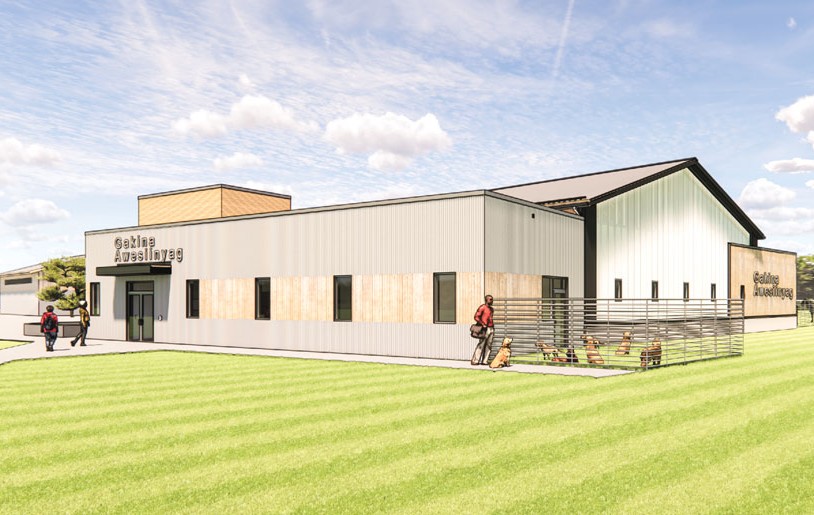
“The launch of the Barrie STEM Hub in fall 2026 will broaden our capacity to provide high-tech, hands-on environments for students to participate in groundbreaking research and develop the future-focused skills needed for the jobs of tomorrow,” he added.

For more information about Canada’s Top 50 Research Universities 2025, visit: https://researchinfosource.com/cil/2025/top-50-research-universities


Research and Innovation Bulletin

The Research and Innovation Bulletin is distributed weekly every Tuesday morning by the Office of Research Services and includes information on research funding opportunities, events and workshops and updates from our funding partners.

Check out the latest version of our Bulletin, by clicking here.

Research and Innovation Bulletin

Dr. Rob Stewart Spearheads Efforts to Protect Lake Superior

OVERVIEW:

  • Dr. Rob Stewart leads the Freshwater Coastal Management Research Group and coordinates Remedial Action Plans (RAPs) along the Canadian north shore of Lake Superior
  • Harbours along Lake Superior were heavily polluted as a result of mining and forestry operations and industrial development
  • The work of RAPs, combined with government regulation, has made Lake Superior harbours safe for swimming and a source of drinking water
  • Dr. Stewart, in collaboration with RAPs, is investigating emerging global threats to the health of Lake Superior
  • Lakehead researchers are also working with Indigenous communities with the goal of restoring Lake Nipigon's ecosystem

"The best way to experience the magnificence of Lake Superior is to paddle to the last chain of islands before you hit open water," says Dr. Rob Stewart.

Dr. Rob Stewart on a lakeshore wearing outdoor gear and a winter toque

He's an associate professor of geography & the environment who feels most at home on the lake.

"It's amazing to be 10 km offshore in a kayak and have an otter pop up and hiss at you."

His career has been devoted to working with local communities to protect the watersheds and coastal environments of the Lake Superior Basin.

"Lake Superior is the headwater of all the Great Lakes, and its health determines the future of all the Great Lakes," he explains.

Dr. Stewart leads Lakehead's Freshwater Coastal Management Research Group and coordinates Remedial Action Plans (RAPs) along the Canadian north shore of Lake Superior.

"We identify environmental problems, monitor them, and then work on lake restoration," he says.

Through the determination of communities and researchers, there's been great success in removing pollutants from Lake Superior.

"When I was growing up, places like Thunder Bay, Nipigon, and Red Rock had working harbours.

There was foam, oil, and tree bark floating on the water because industries like pulp mills and mines would discharge effluents directly into the lake.

Today, you can swim in these harbours and use them for drinking water because of intense government regulation and the clean-up efforts of RAP groups."

Community members, and a videographer, stand in a circle on a Jackfish Bay beach

Community members belonging to the Jackfish Bay Area of Concern RAP discuss next steps to deal with legacy contaminants discharged into Lake Superior by the Terrace Bay Pulp and Paper Mill. "Remedial Action Plan groups try to reduce conflict between communities and governments over problems that can't be immediately resolved," Dr. Stewart says.

Now, Lake Superior RAPs are equally concerned with emerging threats to the lake that don't have simple solutions and that require cooperation between countries.

"We're investigating how to deal with invasive species, airborne mercury travelling from China and India, and climate change—Lake Superior is the fastest warming Great Lake."

Uncovering the Story of Lake Nipigon

Dr. Stewart's research extends beyond Lake Superior.

He's excited to be working with Indigenous communities in the Lake Nipigon area to trace the history of this freshwater lake and how it's changed over the past 200 years.

"Lake Nipigon was intensely developed in the 1940s. Large forestry and mining operations were set up near the lake's shoreline.

The provincial government also built a hydroelectric dam that diverted massive amounts of water from the Arctic watershed into Lake Nipigon. This changed the lake's ecosystem dramatically."

Members of the Nipigon Guardians Team aboard the Velma Linda boat

Above, the Nipigon Guardians Team (researchers from Lakehead, York University, and Biinjitiwaabik Zaaging Anishinaabek First Nation) collect sediment core samples. "We want to empower Indigenous communities with data to verify what they've been saying all along about the negative effects of hydro dams on Lake Nipigon."

The high levels of silt and nutrients in the Arctic Watershed were too much for a freshwater body like Lake Nipigon to absorb.

"The silt covered up fish spawning grounds, and the overabundance of nutrients created toxic algae blooms. The dam also caused erosion and raised the level of the lake, which released more sediment and nutrients."

Until recently, Indigenous people were forced to stand by and see their lake degraded because they had no say over how it was developed.

"Now, First Nations want the full story of the lake's changes backed up with scientific data," Dr. Stewart says. "Our 'Lake Nipigon Cumulative Impacts Partnership' will help provide this information."

A back view of Dr. Rob Stewart wearing an orange safety jacket, jeans, and rubber boots stands in an excavated area of land near the north shore of Lake Superior

Dr. Stewart's Freshwater Coastal Management Research Group has built landscape features to filter stormwater before it reaches Lake Superior. They've also restored riverbanks and coastal habitats for fish and wildlife. For instance, constructing a new channel for fish to swim through (see above).

His research team is doing this by tracking the movement of fish in the lake and by taking sediment samples from the lake floor.

"We'll analyze the sediment to determine the nutrients, plants, aquatic life, and toxins present in Lake Nipigon at different time periods."

After all the evidence is gathered, communities will pinpoint areas of Lake Nipigon where the environment has been adversely affected by development and by pollution, such as arsenic contamination from mills. Then, they'll advocate to have them restored.

"They want to build healthy communities with clean water and land for their youth," Dr. Stewart says.

Save Our Remarkable Lakes

A profile view of Dr. Rob Stewart outside with a cliff in the background

Current projects being led by North Shore of Lake Superior RAPs include shoreline naturalization and monitoring beaches closed because of high E.coli levels. "We also watch for new technology that may help with future lake restoration efforts," Dr. Stewart says.

He encourages local citizens to get involved in sustaining our region's waterways by joining an environmental community group or by becoming a member of one of the north shore's Remedial Action Plan groups.

"The number-one thing, though, is to connect with our lakes in your own way. Go for a canoe ride with a friend, take your kids fishing, or walk along one of the beaches."

Dr. Stewart's Lake Nipigon Cumulative Impacts Partnership research is funded by an NSERC Alliance Grant, the Indigenous Guardians Network, the First Nations Environmental Contaminants Program (Health Canada), and by Biinjitiwaabik Zaaging Anishinaabek. He has received funding for his Lake Superior research initiatives from the Great Lakes Freshwater Ecosystem Initiative, which is part of the Government of Canada's Freshwater Action Plan.

Lakehead University & Kenora Catholic District School Board sign MOU to launch Achievement Program for Grade 4 students

Achievement ProgramLakehead University and the Kenora Catholic District School Board signed a Memorandum of Understanding on November 21, officially launching the Achievement Program for Grade 4 students at St. John Paul II School in Kenora.

The virtual signing connected students, families, educators, Elders, and Lakehead representatives in Thunder Bay and Kenora to celebrate the expansion of the program. Ten Grade 4 students are joining the program this year, becoming the first group from Kenora Catholic District School Board to participate.

The Achievement Program is Lakehead University’s early-access initiative that helps expand opportunities and pathways to postsecondary education for equity-deserving students. Beginning in Grade 4, students participate in annual activities focused on recreation, academics, community involvement, and personal development. By the time they graduate high school, participants will have earned financial support that can be applied toward their first year of tuition and ancillary fees at Lakehead University—or other education-related expenses.

“The Achievement Program reflects Lakehead University’s deep commitment to access and opportunity for young people across Northwestern Ontario,” said Dr. Gillian Siddall, President and Vice-Chancellor of Lakehead University. “We are thrilled to welcome Kenora Catholic District School Board as a new partner, and to support these students as they begin their journey toward future postsecondary success.”

Kenora Catholic District School Board is the sixth school board to partner with Lakehead through the program, joining Lakehead Public Schools, Thunder Bay Catholic D.S.B., Superior Greenstone D.S.B., Superior North Catholic D.S.B., and Keewatin-Patricia D.S.B.

The celebration included opening remarks, Elder opening and closing, wishes from Dr. Gillian Siddall and Jamey Robertson, an Achievement Program alumni message, and messages of encouragement from both communities for the students.

Launched in 2011, the Achievement Program partners with local and regional school boards to provide pathways to postsecondary education for students who may experience socioeconomic barriers. Students and their families also receive year-round programming and support, beginning with sports and recreation activities that help introduce young learners to campus life in a fun and welcoming way. By passing their grade and participating in programming at their school, community, and with Lakehead, students earn financial support to attend Lakehead.

The program currently supports approximately 500 students across six school boards and 45 schools. Seventy percent of participants self-identify as Indigenous. In May 2025, the program celebrated its first two Lakehead University graduates in the fields of Business and Nursing, with another 4 students who are currently attending Lakehead

Lakehead University is grateful to the many donors throughout the region who believe that the dream of post-secondary education should be open to all.

To learn more about the Achievement Program, visit: https://www.lakeheadu.ca/about/presidents-office/achievement-program

.

QUOTES 

Jamey Robertson, Director of Education, Kenora Catholic District School Board
“This partnership is an important opportunity for our students and families,” said Jamey Robertson, Director of Education at the Kenora Catholic District School Board. “The Achievement Program strengthens the connection between KCDSB and Lakehead University and supports students as they work toward the goals they hold for their future. We value this collaboration and look forward to the opportunities it will create in the years ahead.” 

Tammy Bush, Principal of St. John Paul II School
“For our students and their families, today represents a future filled with new opportunities,” said Tammy Bush, Principal of St. John Paul II School. “The Achievement Program gives students a clear path toward post-secondary education and invites them to dream even bigger about what comes next. This is such an exciting moment for our school community, and I couldn’t be prouder of each student and their journey ahead.” 

Chloe Fadden, Parent, St. John Paul II School
“We are incredibly proud. Living in a small town an hour away means our kids spend a lot of time commuting, and we sometimes worry about what they might miss. Opportunities like the Lakehead Achievement Program remind us why we make the trip. This is something we would not have access to otherwise, and we are so grateful. I also love how the program motivates students throughout their school years.” 

Jade Fadden, Student, St. John Paul II School
“I’m excited to be part of the program. I really want to go to university, and one day I hope to be a baker because there is only one bakery in Sioux Narrows. Being chosen makes me feel excited for the future.”  

Amanda Stefanile, Achievement Program Manager, Lakehead University
“Since its inception, the Achievement Program has built strong connections between Lakehead University and families across our region,” said Amanda Stefanile, Manager of the Achievement Program. “We’re excited to welcome students from Kenora Catholic into this growing community.”


Student Spotlight: The Sky’s the Limit for Engineer Sana Sharif

A Natural Problem Solver

"I've always wanted to quench my thirst for learning," says Sana Sharif, a third-year electrical and computer engineering PhD student based in Barrie.

"From childhood, I was always keen to see how things are built. I would reverse-engineer my toys!"

Last spring, she received a Lakehead Luminary Award from Lakehead's Student Success Centre, celebrating her many contributions on and off campus.

Journeying from Pakistan to Lakehead

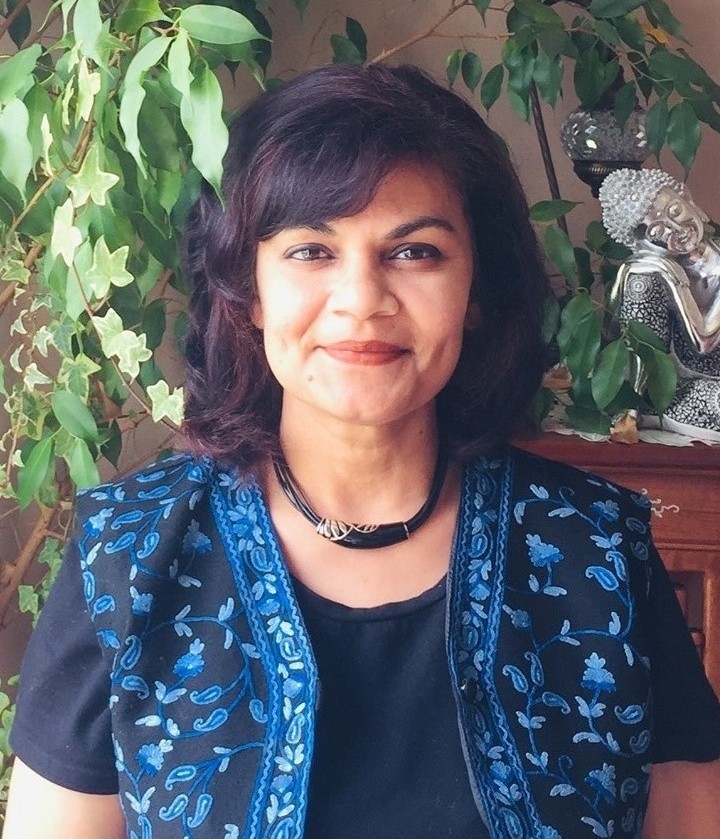
Sana Sharif sits in a chair in front of a large window

Sana's PhD supervisor is Dr. Waleed Ejaz. She's also worked with researchers in Canada, the United States, Malaysia, and Pakistan. "When we collaborate, it opens up so many more avenues." One of the recent research papers she co-authored looks at how equipping unmanned aerial vehicles with digital twin technology has the potential to better respond to natural disasters.

Sana earned her undergraduate and master's degrees in computer engineering in her native country, Pakistan, then emigrated to Canada in 2014.

After starting her family and becoming a Canadian citizen, she decided to return to school in 2021 for her Master of Electrical and Computer Engineering degree. She chose Lakehead because of its small class sizes and accessible professors, she says.

"I can find my professor without a crowd of other students, and I can discuss my research goals and how the work is going."

Cutting-Edge Wireless Technology Research

Today, those research goals include being at the forefront of 6G wireless technology.

The first few generations of data transmission via cell phone and text message were slower, but the next generation provides high-speed internet and supports mobile with better voice quality and faster connections.

"Under 6G, it's not only words," Sana says. "It's about image transmission and video transmission. It's also about transmitting bulk data in milliseconds."

Sana Sharif accepts a $200 cheque from 2025 IEEE CSYPC officials for winning third place

Sana's research is attracting attention. She won third place in the 2025 Canada Students and Young Professionals Congress hosted by the Institute of Electrical and Electronics Engineers (IEEE).  

Sana is focused on optimizing resources for semantic communication—a wireless communication system that transmits meaningful data rather than raw data.

"For example, if a building was on fire, instead of sending an image of the building, semantic communication sends only the meaning: The building is on fire," Sana explains. "This reduces both transmission costs and storage costs."

Projected to be available in the next five years, 6G data transmission may be a thousand times faster than what we have right now with 5G. It has fascinating implications in a wide range of areas in machine-to-machine communication—from self-driving cars to networked factories to robotic surgery.

One of Sana's recent research papers looked at the potential use of 6G in "smart traffic systems" that make roads safer and reduce traffic congestion. "Such a system would turn all the traffic lights on an emergency vehicle's route green so that it could reach its destination quickly."

She believes that harnessing the potential of 6G wireless networks will create a more interconnected and intelligent world.

Mentoring and Inclusion for the Win

Sharing her skills and experiences is an essential part of Sana's success. For several years, she's been part of mentoring programs with Mitacs, a leading Canadian innovation organization that connects businesses and researchers.

Through the global research intern program, Sana guides visiting researchers during their time in Canada. She also mentors female researchers in a women-in-STEM accelerator project, offering advice and insights from her own experience.

She says she values the perspectives from her mentees, and that her efforts are also a way of echoing the mentoring her own professors provided.

Dr. Waled Ejaz, Dr. Andrew Dean, Sana Sharif holding her award certificate, and Dr. Gillian Siddall stand beside each other

Sana (third from left) received a 2024 Graduate Studies Research Excellence Award from Lakehead. She also received a 2025 Lakehead Leader Luminary Award. "It was a moment of gratitude for me."

A spirit of inclusion and embracing the value of different points of view also informs Sana's work. In 2024, the Digital Research Alliance of Canada (DRAC) recognized her through their Equity, Diversity, Inclusion and Accessibility Champions program.

They provided $35,000 in funding for her series of workshops on enhancing AI knowledge among women, racialized groups, and first-generation students. "There are so many opportunities in AI," she points out. "The future is becoming more and more digital, so we need hands-on experience in those skills."

6G data transmission has fascinating implications in a wide range of areas in machine-to-machine communication—from self-driving cars to networked factories to robotic surgery.

Although she's won many graduate student awards and scholarships, one of the most meaningful honours is her Lakehead Luminary Award. "I'm really happy and thankful to all the people who nominated me."

The Lakehead community is equally thankful to Sana.

One of her nominators described her as "a rising star who has made significant contributions to Lakehead University and the broader community through her leadership, academic achievements, and commitment to diversity, inclusion, and sustainability."

As Lakehead University prepares to open its new Barrie STEM Hub in fall 2026, Sana's story offers a glimpse of what future engineering and computer science students will experience there. Located in the heart of Barrie's waterfront district, the STEM Hub will provide the kind of hands-on research, small-class mentorship, and high-tech learning environment that has helped Sana thrive. Her work shows the possibilities that await the next generation of students who choose to study close to home while staying connected to opportunity.

Alumni Spotlight: Chief Michele Solomon is an Inspiring Changemaker

Chief Michele Solomon has led Fort William First Nation since 2023, but she's spent decades caring for her community.

Before entering the political arena, she had a successful social work career specializing in mental health and addictions.

"I was drawn to the helping field because I wanted to strengthen my community, and because social work seemed like a natural fit, given my life experiences," Chief Solomon says.

Chief Michele Solomon stands in front of flags in her office
"I had great experiences with all of my Lakehead teachers," Chief Solomon says. "Professor Dennis McPherson and his Indigenous Canadian World Views course had an enormous impact on me."

She earned a Social Service Worker diploma from Confederation College and began working with Thunder Bay organizations, including as a team leader and manager with the Dilico Adult Residential Treatment Centre and as a manager with the White Cedar Healthcare Centre.

A Winding Journey

After she received her diploma, Chief Solomon began considering university.

"I was trying to advance to management positions, and not having a degree was held against me," she says.

She decided to enrol full-time in Lakehead's social work program.


Chief Michele Solomon wafts smoke over her head with her hand during a smudging ceremony


"If my story can inspire anybody, then it's worth sharing. It might motivate a young mother who feels overwhelmed by the prospect of getting an education." Above, Chief Solomon takes part in a smudging ceremony.

"It was a struggle, though, to go to school with four young children," Chief Solomon says. "So I ended up dropping out before returning to Lakehead part-time in the Bachelor of Arts in Indigenous Studies program.

The program really resonated with me as a non-status Indigenous person growing up on a reserve—the challenges of identity and the hardships that came with that. It allowed me to understand these issues more deeply and from a different perspective."

Chief Solomon received her Bachelor of Arts in 2017, with the support of her family.

"My eldest daughter helped a lot with her younger siblings, and my children's father backed my efforts to be in school."

A Caring Political Leader

Chief Michele Solomon embraces a fellow community member at the Lakehead presidential installation ceremony of Dr. Gillian Siddall at Anemki Wajiw on Fort William First Nation


Above, Chief Solomon hugs a fellow community member at the installation ceremony of Lakehead President Dr. Gillian Siddall in 2024.

As her children grew older, Chief Solomon was able to devote more of her time to helping her community at the systemic level.

In 2015, she successfully ran for the position of Fort William First Nation councillor and served in that role for eight years before being elected Chief.

Chief Michele Solomon sits at her desk in her Fort William First Nation office

"I've had the privilege of representing the Fort William First Nation in the Robinson-Superior annuity court case since 2018, including giving testimony," Chief Solomon says.

By 2018—as well as serving as a councillor—she was working for the groundbreaking Ontario Native Women's Association, managing their Indigenous women's leadership programs.

That year, she also deepened her Lakehead connection. She taught the Indigenous Perspectives class at the university's Bora Laskin Faculty of Law.

"It was wonderful to be part of a dialogue with students," Chief Solomon says. "I was able to engage with up-and-coming law professionals who opened their hearts and minds to that learning experience."

Carving Her Own Path

"I'm dedicated to advancing the Fort William First Nation's wellbeing, prosperity, and economic development, and finding ways to inspire our youth," Chief Solomon says.

"It's also important to me to represent the community in a positive way and to act as a bridge between the Indigenous and the non-Indigenous community."

Chief Michele Solomon stands outside with Dr. Gillian Siddall and other participants in Dr. Siddall's presidential installation ceremony
Chief Solomon (fourth from the left) spoke at Dr. Gillian Siddall's May 2024 installation ceremony, during which Dr. Siddall was installed as Lakehead's president & vice-chancellor. The ceremony was held at Anemki Wajiw (Mount McKay) on the lands of the Fort William First Nation.

While Chief Solomon was embracing these new roles, she was quietly continuing her university education to earn an Honours Bachelor of Arts in Indigenous Studies.

"I painfully chipped away at the degree, taking a course here and there," she says.

In 2025, things came full circle.

She gave opening remarks on behalf of the Fort William First Nation at Lakehead's May 29 convocation ceremony.

The following day, she attended another Lakehead convocation ceremony. This time, she sat with fellow graduating students before walking across the stage to accept her HBA degree.

Chief Michele Solomon speaks at a podium during Lakehead Thunder Bay's May 29, 2025 convocation ceremony
Chief Solomon speaks at Lakehead's May 29, 2025, convocation ceremony. "When I was in college, my children were very young. When I was in university, my kids were adolescents. Now, I've graduated with my HBA, and I'm a grandmother with eight grandchildren."

Chief Solomon encourages other community members to consider post-secondary education.

"It brings Indigenous voices and understandings to places where they might not otherwise be heard. Education allows us to be stronger. It opens the doors to a good life, and it makes a difference to the lives of your family."

Lakehead Leader Winner Kylee Henson Takes it to the Mat

This Judo Athlete and Kinesiology Student Strengthens Communities

If the idea of meeting a black belt martial artist seems intimidating, Kylee Henson will put you at ease.

Kylee Henson Stands Outside the University Centre on Lakehead's Thunder Bay Campus

Kylee received her Honours Bachelor of Kinesiology, with a minor in Health and Aging, in 2023, and will complete her Master of Science in Kinesiology in December 2025.

Kylee—a judo athlete and Lakehead kinesiology student—is an active community volunteer and one of the friendliest people you'll meet on the Thunder Bay campus.

"For me, volunteering is about respect and giving back," says Kylee, who received a 2025 Lakehead Leader Award for Community Engagement from the university.

"There's a golden rule in judo: People invest in you, so you invest in others."

She's been practicing judo since she was five years old, and competed nationally and internationally until 2022.

"My signature move was an arm bar. I would grab hold of my opponent's arm to lock and hyperextend it when we were grappling on the ground."

A Black Belt with a Keen Research Mind

Kylee's passion for judo has carried over into her academic studies.

"My knee and ankle injuries got me interested in kinesiology and biomechanics," Kylee says.

"Biomechanics is about applying forces to the body and studying how the body reacts. It's physics for your joints."

Kylee is currently finishing a master's thesis focused on reducing judo athletes' risk of concussion.

"Beginners are at the biggest risk of concussion," Kylee says. "More experienced athletes know how to fall."

Kylee Henson demonstrates judo moves to children during a judo class

Above, Kylee (wearing a blue judo gi) teaches a children's judo class at Thunder Bay's Mountainside Judo Club.

She wants her research to spur the development of a standardized judo under-mat system—also called a sub-floor—that will diminish the blunt-force impact when athletes' heads hit the judo mat.

"There's no regulated under-mat system anywhere in the world," Kylee explains. "I'm comparing the systems I've played on to see if some are better than others."

Kylee Henson, wearing a judo gi, stands between her father and her uncle in a judo studio

Kylee was a highly ranked judo athlete, and she still practices judo recreationally. It's a sport that's a family tradition. "My dad and my uncle were both big martial artists," she says. Left, Kylee celebrates the day she earned her black belt with her father (left) and uncle (right).

Judo clubs use everything from wall insulation and rubber hockey pucks to pool noodles as cushioning beneath judo mats.

Kylee's interest in keeping people healthy extends well beyond judo. As a master's student, she was hired by the City of Thunder in 2023 to create its Keep Moving Toolkit.

"It helps people dealing with complicated health issues—like stroke, cerebral palsy, and diabetes—build social connections and engage in physical exercise," Kylee says. The toolkit has been adopted across northern Ontario since it was released in February 2025.

Mentoring the Next Generation

It was Kylee's work on and off campus that earned her a Lakehead Leader Award. The Student Success Centre presents these awards to students who embody the spirit of excellence, innovation, and dedication.

Kylee Henson stands with members of Lakehead's women's varsity wrestling team at an OUA event

Kylee (far right) with the Lakehead women’s varsity wrestling team. Kylee initially planned to become an occupational therapist. “I wanted to adapt elderly people’s homes to keep them independent, but I changed my focus after I began doing postsurgery rehab with Lakehead varsity wrestlers.”

Some of the initiatives that earned Kylee her award include getting Lakehead involved in National Biomechanics Day—an annual worldwide event that introduces this STEM field to high school students and teachers.

"With the support of my supervisor, Dr. Carlos Zerpa, I invited Grade 11 students to campus to learn about biomechanics through different activities and exercises." Kylee's enthusiasm not only got students excited about biomechanics—it boosted enrollment to Lakehead's kinesiology program.

She also mentored St. Ignatius High School students in the fundamentals of kinematics research, showing them how to analyze sport performances using Kinovea video software.

Self-Defence Skills Nurture Self-Confidence

Kylee is a certified judo instructor, and she draws upon her skills to empower community members. "I've adapted what I've learned to teach women and police officers self-defence."

Kylee Henson teaches a self-defence class to Lakehead students at a gym on campus

Kylee (third from left) teaches a self-defence class to Lakehead students. 

More recently, she volunteered with the Elizabeth Fry Society to offer self-defence classes to at-risk female inmates about to be released from prison. "The purpose was to help them feel safe on the street after being incarcerated."

Kylee is now busily planning for the future. She already has her own kinesiology business—called Boreal Health, Bodies in Motion—that provides in-home fascia stretching services. Her long-term goal, however, is to provide health programming at the municipal level to create flourishing communities.

"I always encourage people to stay active throughout their lives—it will keep you strong and independent."

Research and Innovation Bulletin

The Research and Innovation Bulletin is distributed weekly every Tuesday by the Office of Research Services and includes information on research funding opportunities, events and workshops and updates from our funding partners.

Check out the latest version of our Bulletin, by clicking here.

Research and Innovation Bulletin

Lakehead Professors Among New and Renewed Canada Research Chairs

By: Melissa Burton

Three Lakehead University researchers have been recognized by the Government of Canada with new and renewed Canada Research Chair (CRC) appointments for their outstanding scientific contributions to our local and global communities.

Dr. Christopher Mushquash was appointed as a new Tier 1 CIHR CRC in Indigenous Mental Health and Addiction. Dr. Alla Reznik, Tier 1 CRC in Radiation Medical Imaging Physics, and Dr. Lindsay Galway, Tier 2 CRC in Social-Ecological Health, received renewals.

“The work of Dr. Mushquash, Dr. Reznik, and Dr. Galway perfectly aligns with Lakehead’s research priorities, especially in areas like health and well-being; First Nations, Métis, and Inuit research; and sustainability, resources, and the environment,” explains Dr. Langis Roy, Vice-President of Research and Innovation. “These appointments affirm our standing as a research-intensive university committed to generating innovative solutions for our regions and advancing knowledge that matters for both people and planet.

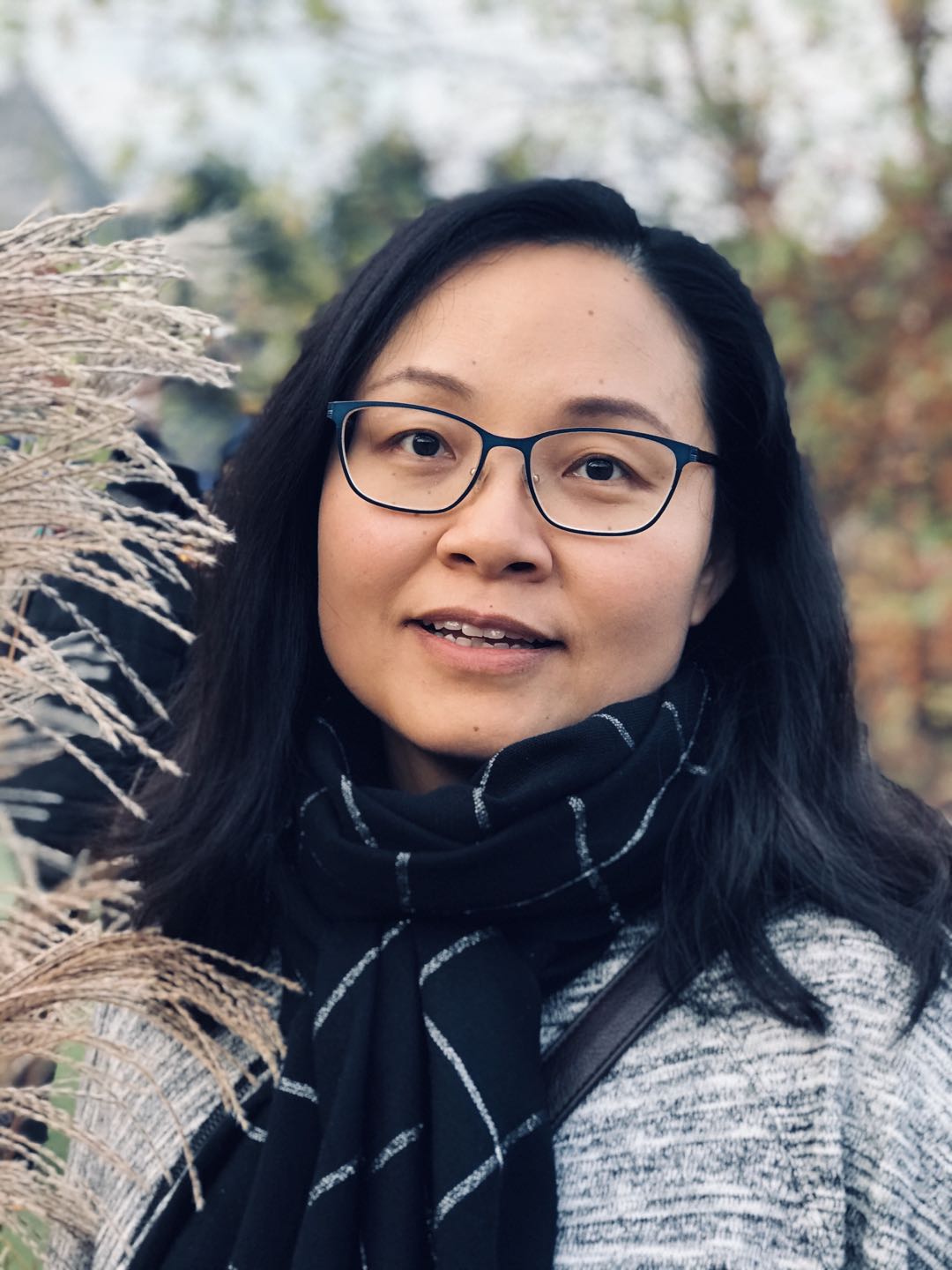
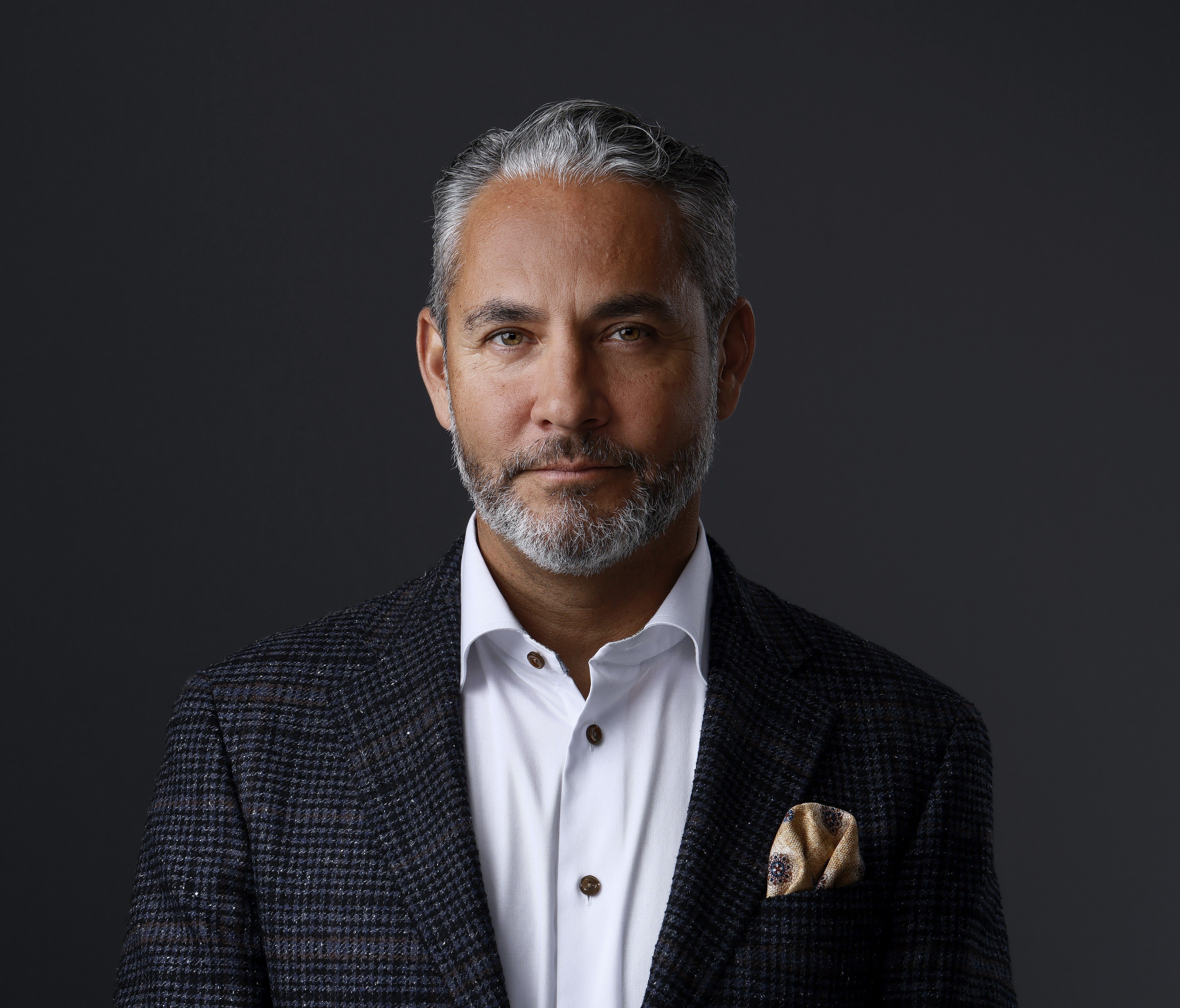
Chris MushquashDr. Mushquash, Psychology Professor and member of Pawgwasheeng (Pays Plat First Nation), is Lakehead’s first Tier 1 CRC holder from the Canadian Institutes of Health Research (CIHR). Blending traditional scholarly activities with Indigenous ways of knowing, he has influenced national policy and improved systems of care for Indigenous people during his previous two terms as a Tier 2 CRC.

Over the next seven years, Dr. Mushquash and his research team will expand their community-based research program to develop culturally- and contextually-appropriate targets of intervention, develop methods for testing outcomes, and share knowledge with Indigenous and academic communities, clinicians, policy-makers, and decision-makers.

“This appointment provides the platform to broaden our impact, not only through community-driven research, but by training the next generation of researchers to engage in respectful engagement with Indigenous communities,” he says.

Canada Research Chair Renewals

Dr. Alla Reznik, Tier 1 CRC in Radiation Medical Imaging Physics (NSERC)

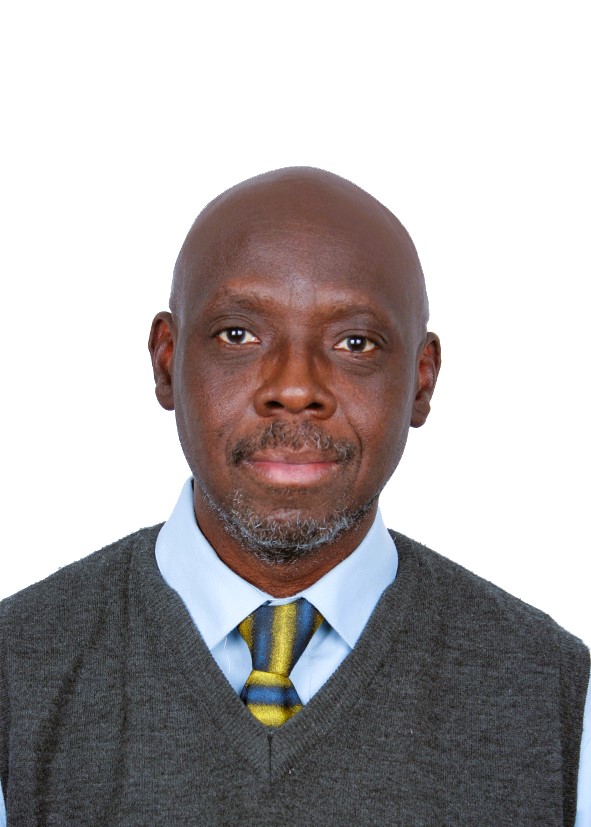
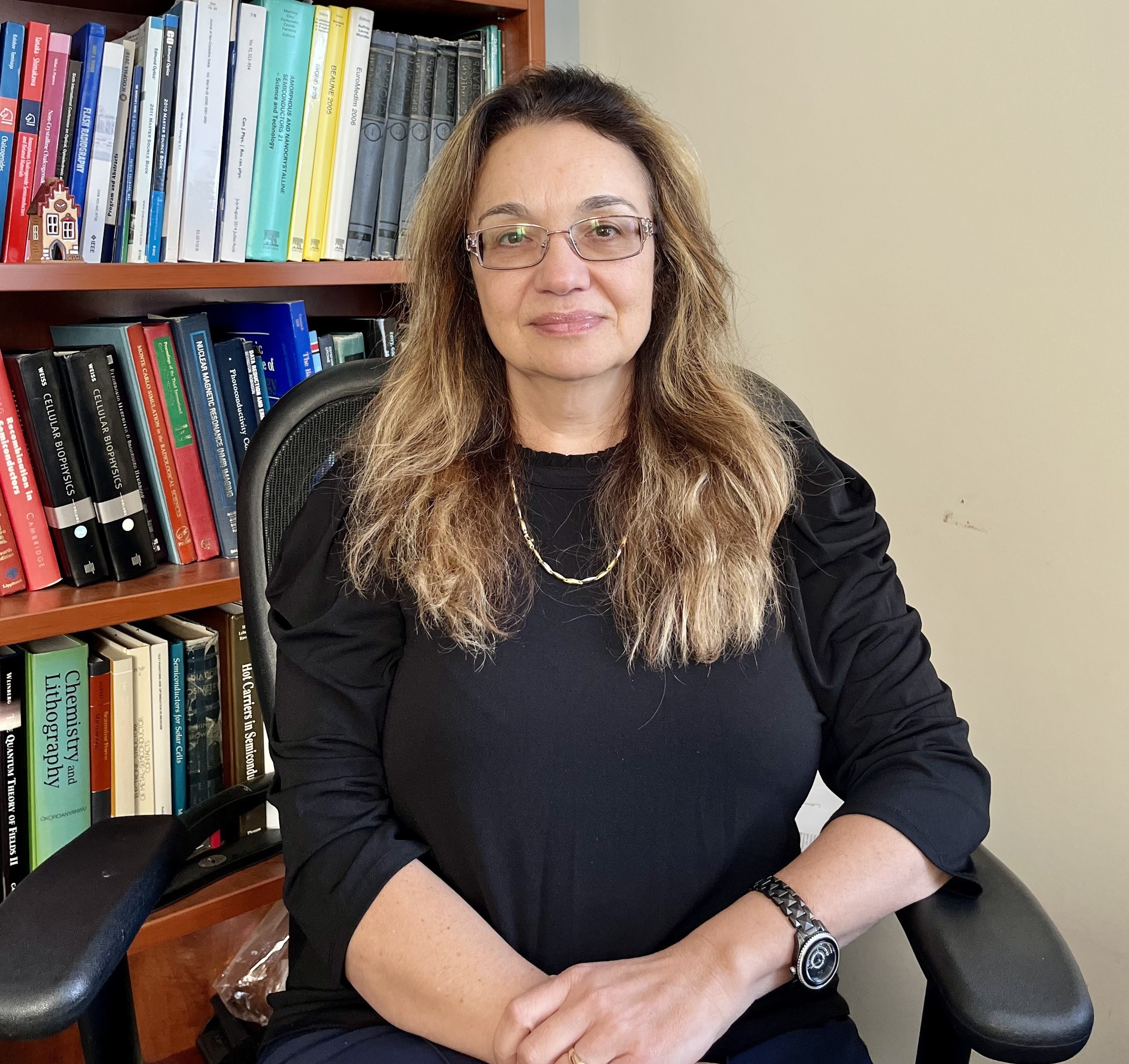
Alla ReznikPhysics Professor Dr. Alla Reznik is revolutionizing the early detection and diagnosis of cancer. Dr. Reznik and her team have developed a low-dose Positron Emission Tomography (PET) scanner for breast imaging that has shown promising results in clinical settings.

They are currently refining their device to target other organs and provide clearer and more detailed diagnostic images compared to current technologies while minimizing patients’ exposure to radiation. “The PET scanner is designed to be versatile, capable of imaging various body parts such as the breast, brain, heart, and prostate with improved accuracy and detail,” she explains.

Dr. Reznik's innovations in medical imaging technology are improving patient health outcomes and advancing the field of personalized medicine by tailoring scans to individual patient needs.

Dr. Reznik was renewed for a seven-year term.


Dr. Lindsay Galway, Tier 2 CRC in Social-Ecological Health (SSHRC)

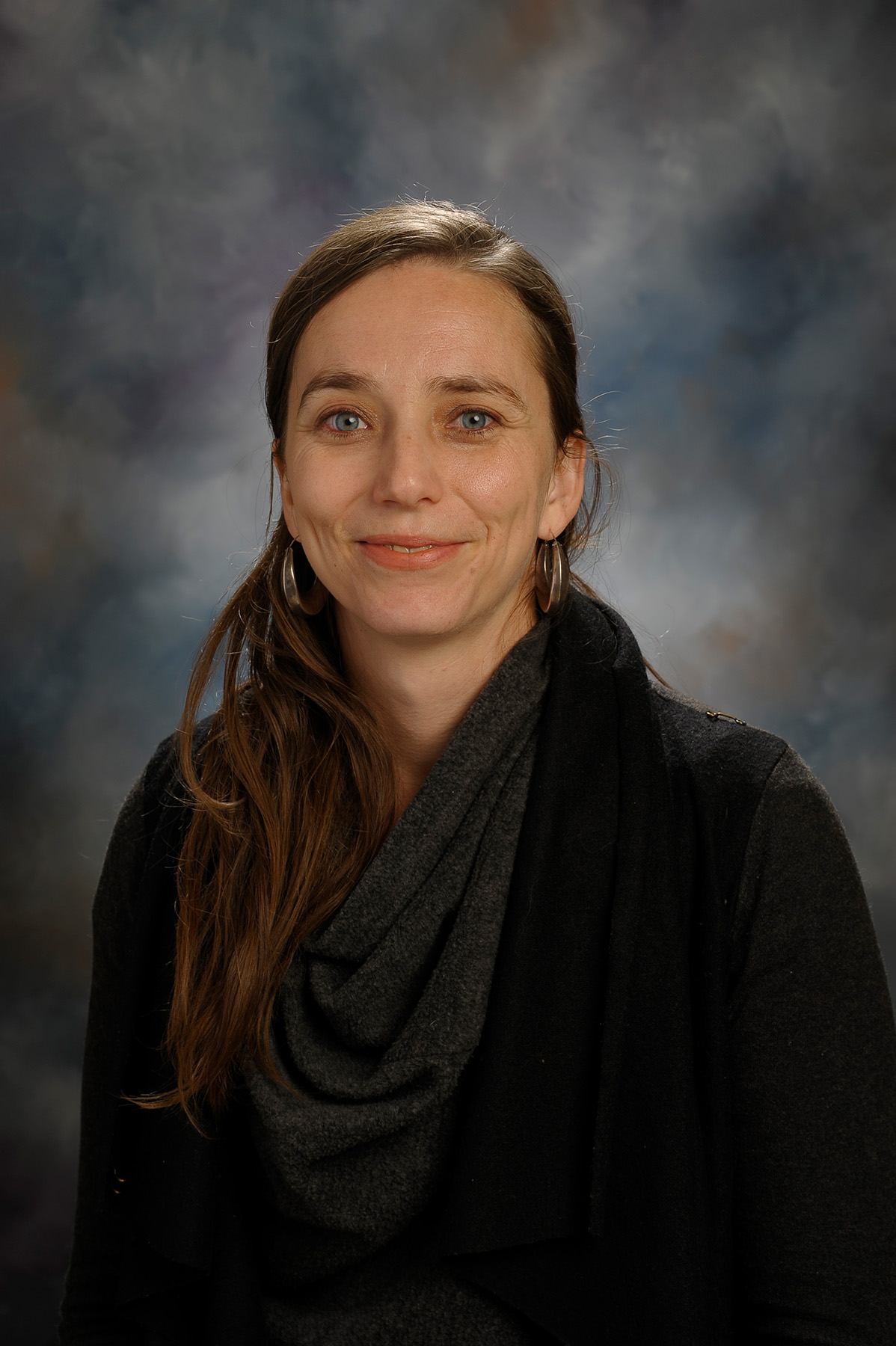
Dr. Lindsay GalwayDr. Galway, Associate Professor in the Department of Health Sciences, investigates how urgent global challenges, including climate change, pollution, biodiversity loss, and ecosystem degradation, directly impact the well-being and equity of people.

“My research falls under the umbrella of planetary health - the idea that human health and the health of ecosystems and the planet are deeply interconnected,” says Dr. Galway.

Building on the successes of her first term, Dr. Galway and her interdisciplinary team are co-constructing place-based solutions that prioritize the perspectives and experiences of marginalized groups. By promoting both environmental sustainability and social justice, Dr. Galway aims to build a more resilient and equitable future for all.

Dr. Galway was renewed for a five-year term.

International Education Week - Celebrate with us!

Lakehead International (LUI) is excited and proud to host International Education Week (IEW), Nov. 17 to 21, 2025. This annual event is celebrated around the world and provides an opportunity to showcase the cultural diversity of our wonderful international student population, inform the Lakehead community about our efforts to internationalize Lakehead’s campuses and communities, and highlight the importance of international education.

Interactive activities and sessions hosted by the staff, faculty, and students are designed to enlighten participants, celebrate cultural diversity, and introduce opportunities for internationalization through study and work abroad. In keeping with our vision to develop inter-culturally competent and socially engaged leaders through transformative global experiences, LUI is working hard to honour the many cultures that make our communities so vibrant, and to engage in exciting knowledge-sharing and skill-building. 

We want to encourage all members of the Lakehead community to get involved with IEW 2025 and celebrate our amazing international students and campuses. Check out the full schedule of events here.

IEW Highlights: All are welcome! 

  • IEW Kick-Off Event - November 17
  • Culture Days in the International Centre - various days
  • Culture Competitions in the Learning Commons- various days
  • Global Runway Show - November 21
  • Global ME Week -  Attend one of our exciting sessions to meet university partners, connect with exchange Alumni, discover international research opportunities, and learn about study abroad opportunities. See the full list of Global ME sessions here.
  • IEW Passport: Get your IEW Passport stamped at each event you attend and enter to win some prizes! 
International Education Week

Pages