



New collaborative veterinary program moves forward to serve northern Ontario
 Thunder Bay, Ont. — Help is on the horizon for people in northern Ontario struggling to access veterinary care for their livestock and pets. With a signed agreement between Lakehead and Guelph universities in place, student recruitment underway, and a Request for Proposal process about to begin, the new Collaborative Doctor of Veterinary Medicine program is moving forward.
The innovative collaboration between the two institutions is designed to address the critical veterinarian shortage in northern Ontario, particularly in the growing agri-food sector. Across the region, the shortage has also made it difficult for people to access medical care for their family’s pets.
The Collaborative Doctor of Veterinary Medicine program leverages the Ontario Veterinary College at the University of Guelph’s world-renowned expertise in veterinary education, combined with Lakehead University’s nearly sixty-year history of supporting rural and Indigenous communities by breaking down barriers to education and graduating highly skilled people ready to deliver critical services and build economic resilience.
“People who live in northern Ontario deserve equal access to services found in the rest of the province, and that includes medical care for our pets and farm animals,” said Dr. Gillian Siddall, President and Vice-Chancellor of Lakehead University. “Solutions for the north need to be homegrown in the north to meet our unique needs. As an avid animal lover and champion for local economic growth, I am proud to enter this first-of-its-kind partnership with the University of Guelph to educate northern students who plan to build their practice in underserved communities. Help is on the way.”
The unique partnership will recruit 20 northern students each year to enter the Ontario Veterinary College’s Doctor of Veterinary Medicine program. Eligible students will encompass residents of northern Ontario, including the Districts of Algoma, Cochrane, Kenora, Manitoulin, Nipissing, Parry Sound, Rainy River, Sudbury, Thunder Bay, and Timiskaming. The program will emphasize and incorporate Indigenous perspectives and approaches to animal care that honour Indigenous culture and connection to land.
Students will participate in experiential learning opportunities and work with local veterinarians in addition to completing core courses geared toward northern practice. Students will graduate with a Doctor of Veterinary Medicine degree from the University of Guelph.
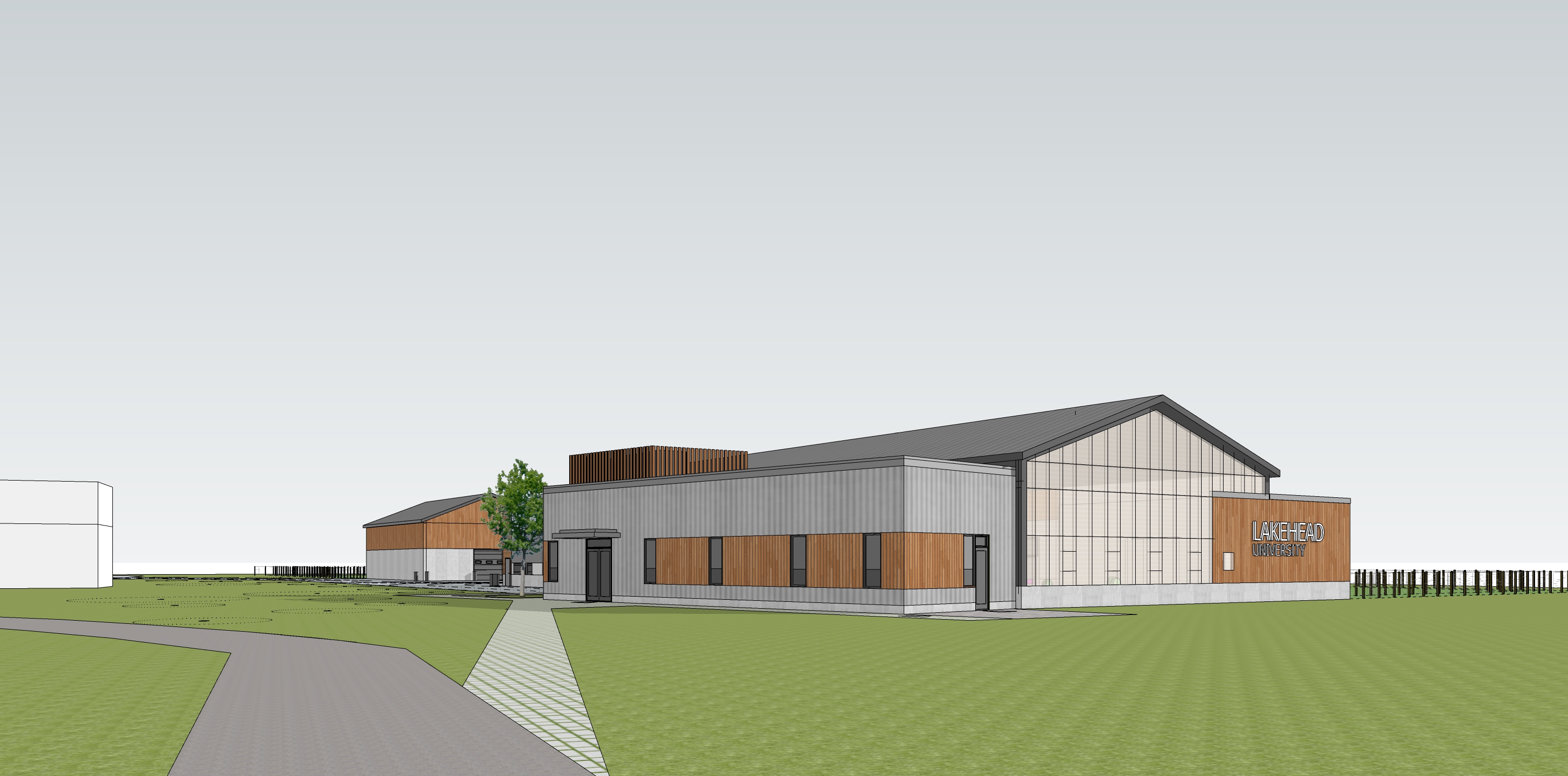
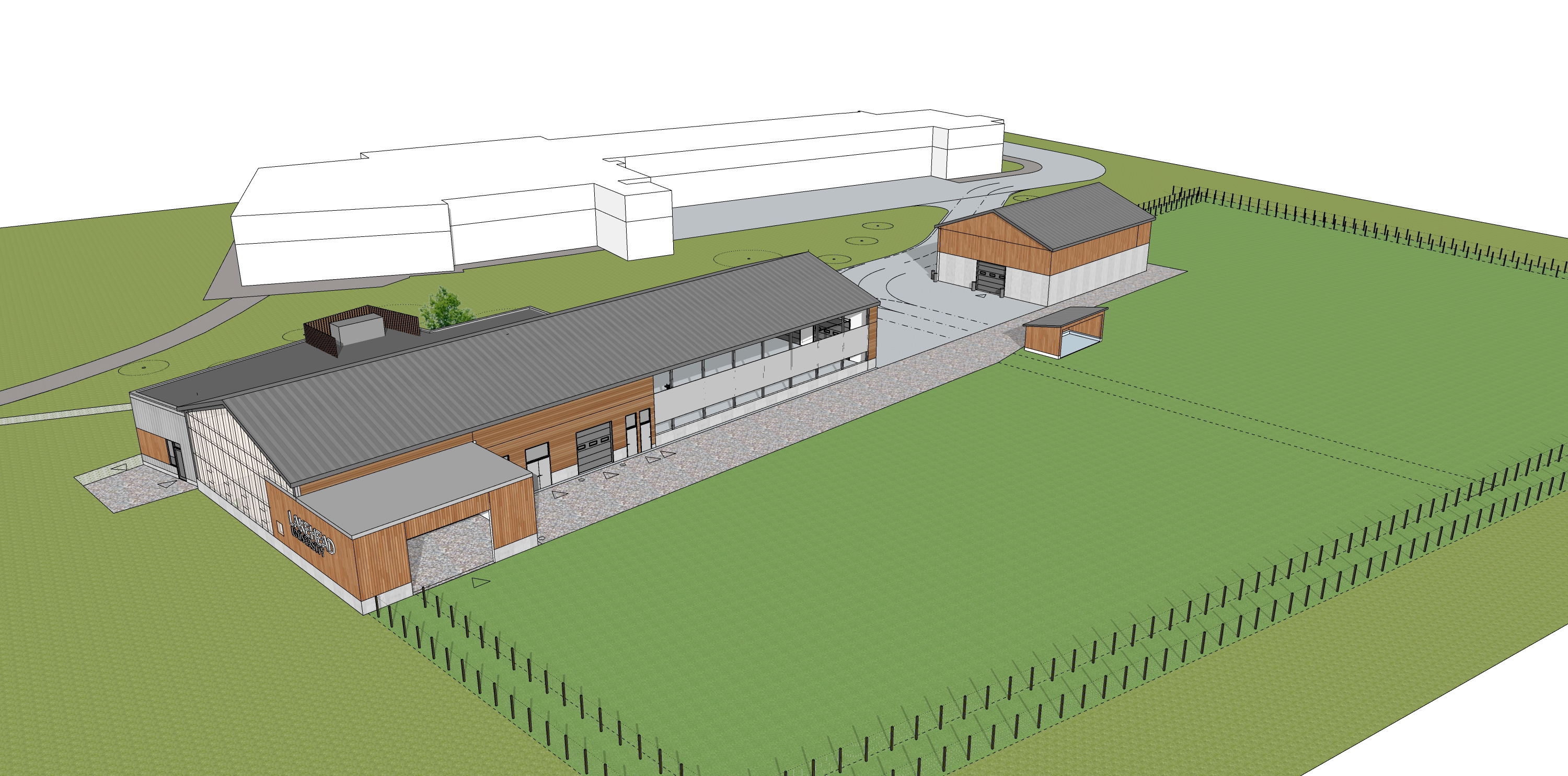 Lakehead University will be commencing a competitive Request For Proposal process to construct a large animal education facility and renovate existing space on the Thunder Bay campus to launch the new program. The university expects to break ground on construction in the early summer of 2025. The first two cohorts of northern students (2025 and 2026) will complete the entire program at the University of Guelph’s campus. Beginning in 2027, the northern cohort of 20 students will complete their first two years at Lakehead University’s Thunder Bay campus, finishing their final two years of the program in Guelph.
Once the facilities are complete and the program launches, people will see cows, horses, sheep, dogs, and other live animals on campus, generating excitement and community pride to see the university supporting the region’s social and economic needs in this way.
“If you could materialize five full-time veterinarians right now in Thunder Bay, they would be fully booked tomorrow. Some people might say you’d want all those veterinarians at your clinic so that you get the business. But I don't even care about that right now—I just need help,” said Dr. Domenic Sanzo, veterinarian and partner at Thunder Bay Veterinary Hospital, speaking on the urgent demand for more veterinarians. “We should be working as a collaborative group to succeed because there's plenty of business for all of us. Let's make sure we have success for everybody involved here.”
The new Collaborative Doctor of Veterinary Medicine program is supported by the Government of Ontario through an investment of $14.7 million—of which $4.5 million will support Lakehead’s capital build requirements with the remaining amount going to the University of Guelph—in addition to offering grants for graduated veterinarians through the Veterinary Incentive Program.
The university is fundraising for this imperative initiative that will revolutionize how veterinary medicine is delivered in the north.
For hopeful students who dream of becoming a veterinarian, Lakehead University will help prepare undergraduate students to apply to the competitive Ontario Veterinary College program through Lakehead’s many STEM-oriented programs.
Increasing the number of seats in the Ontario Veterinary College for northern students represents the first increase in the number of veterinarian graduates in Ontario in a generation. The University of Guelph—in partnership with Lakehead—is currently recruiting for the first cohort of northern students who will begin their studies in Guelph in the fall of 2025.