
Research in Action: Pediatric vaccine may offer hemodialysis patients better protection against infections


Published in The Chronicle Journal Tuesday, April 7, 2020

BY JULIO HELENO GOMES

People undergoing treatment for kidney failure may be able to avoid further complications with doses of vaccines intended for children, suggests the findings of a project being conducted by Lakehead University and researchers at the Northern Ontario School of Medicine.

The five-year study involving patients with severe chronic kidney disease found that the risk of infections was decreased if they received vaccinations normally prescribed for infants.

“We see that a pediatric pneumococcal vaccine works nicely in these people,” says Dr. Marina Ulanova, the principal investigator. “It will be the best way to prevent infection, to use a pediatric vaccine rather than the one that is given to them routinely.”

Dr. William McCready says the purpose of these trials was to understand how best to protect patients with severe kidney disease from developing other serious health issues.

“Patients with kidney failure are more susceptible to infection because their immune systems are impaired by their kidney failure,” says McCready, who has worked as a nephrologist and internist across the Northwest for more than 30 years.

A Lakehead professor and researcher with NOSM, Ulanova’s background is in immunology and pediatrics. She is leading several projects related to infection and disease, particularly in Indigenous populations. Chronic kidney disease is a significant issue in Northern Ontario, which already suffers from high rates of diabetes.

“Chronic kidney disease is a huge issue in northern communities,” she says. “We know their immune system is weakened because of diabetes and kidney disease, and they need better protection against infection.”

The trials began in 2015 and include a mixed group of patients undergoing regular hemodialysis treatment at Thunder Bay Regional Health Sciences Centre. As a result of their compromised immune system, these patients are more likely to develop other problems such as pneumonia and blood stream infections, which can be fatal.

A total of 132 people were enrolled in the program. All received the second-generation pneumococcal vaccine, Prevnar13, and were followed for one year. One group was already immunized with the adult Pneumovax23 vaccine; the other was not. Assessment included immunological response, vaccine safety and longevity of protection.

“Pneumovax23 has some weaknesses,” Ulanova says. “It’s not very strong in inducing immune response. For this reason it was suggested to use the pediatric vaccine for immunization of adult people with weakened immune system. Indeed, we found Prevnar13 worked well in both groups and, moreover, people who have not been previously vaccinated with Pneumovax23 have even stronger immune response to Prevnar13.”

Gabrielle Gaultier, a PhD student, is assisting Ulanova on this project. Her role is to collect blood samples from patients, isolate cells from the blood, and quantify the results.

“We hope our research will contribute to determining an optimal pneumococcal immunization schedule to better protect patients with severe chronic kidney disease against serious pneumococcal infections,” she says.

Gaultier hopes to use this experience to pursue a post-doctoral position in the fields of immunology and microbiology.

The last participants were immunized in February 2019. Ulanova and her group are now into the laboratory phase of the work, analyzing this data. She hopes results can be published within the year.

McCready — who has held numerous positions with NOSM and the Regional hospital — was the physician supervisor for these trials.

“These studies are an example of the synergies that can be achieved when clinicians collaborate with scientists and we are both motivated by trying to help patients from Northern Ontario,” he says.

This study was supported by Pfizer and the Northern Ontario Academic Medicine Association’s Innovation fund.


Story and photo by Julio Heleno Gomes, originally published in The Chronicle Journal Research in Action Series, April 7, 2020.

Photo:

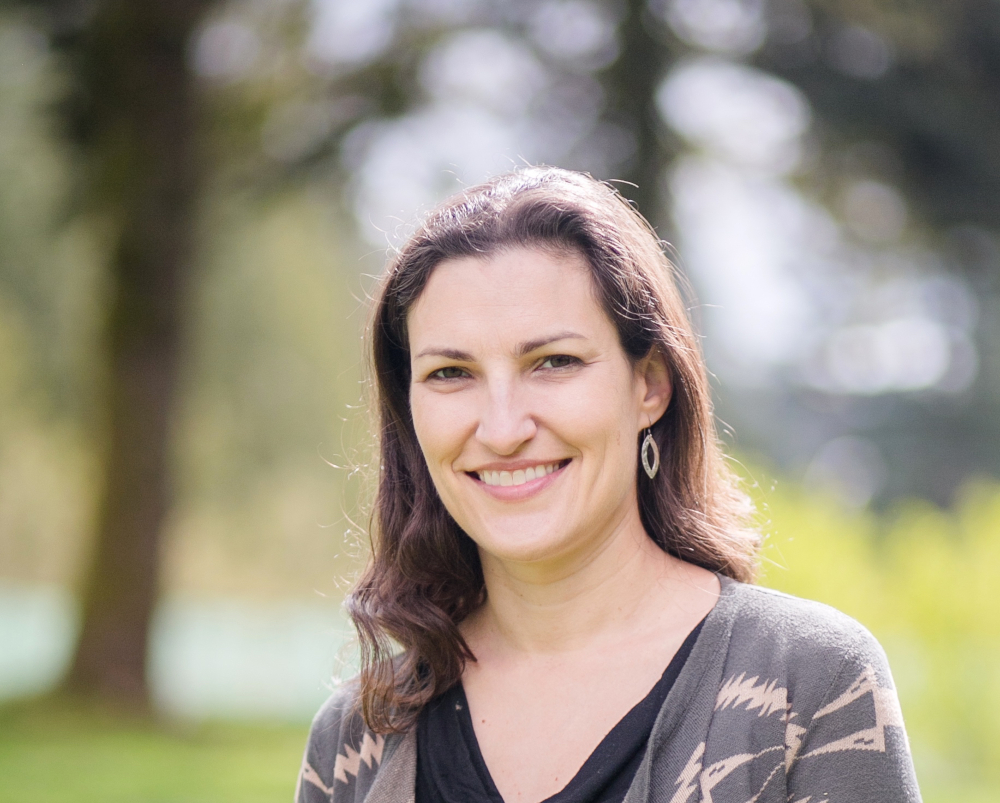
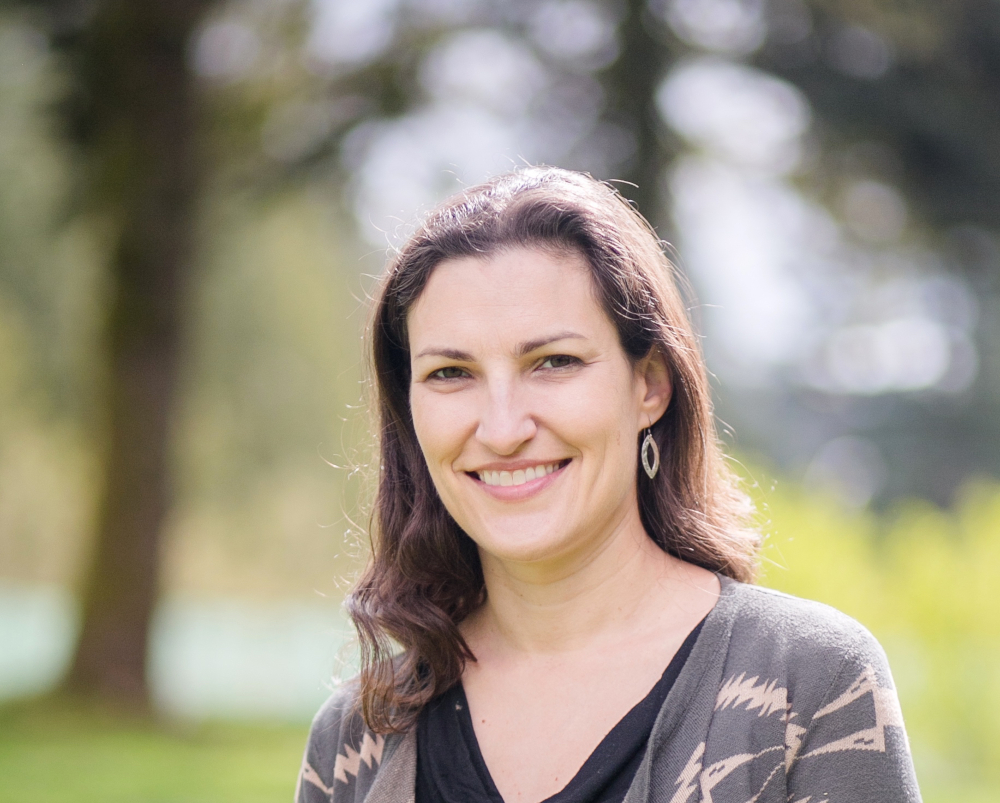
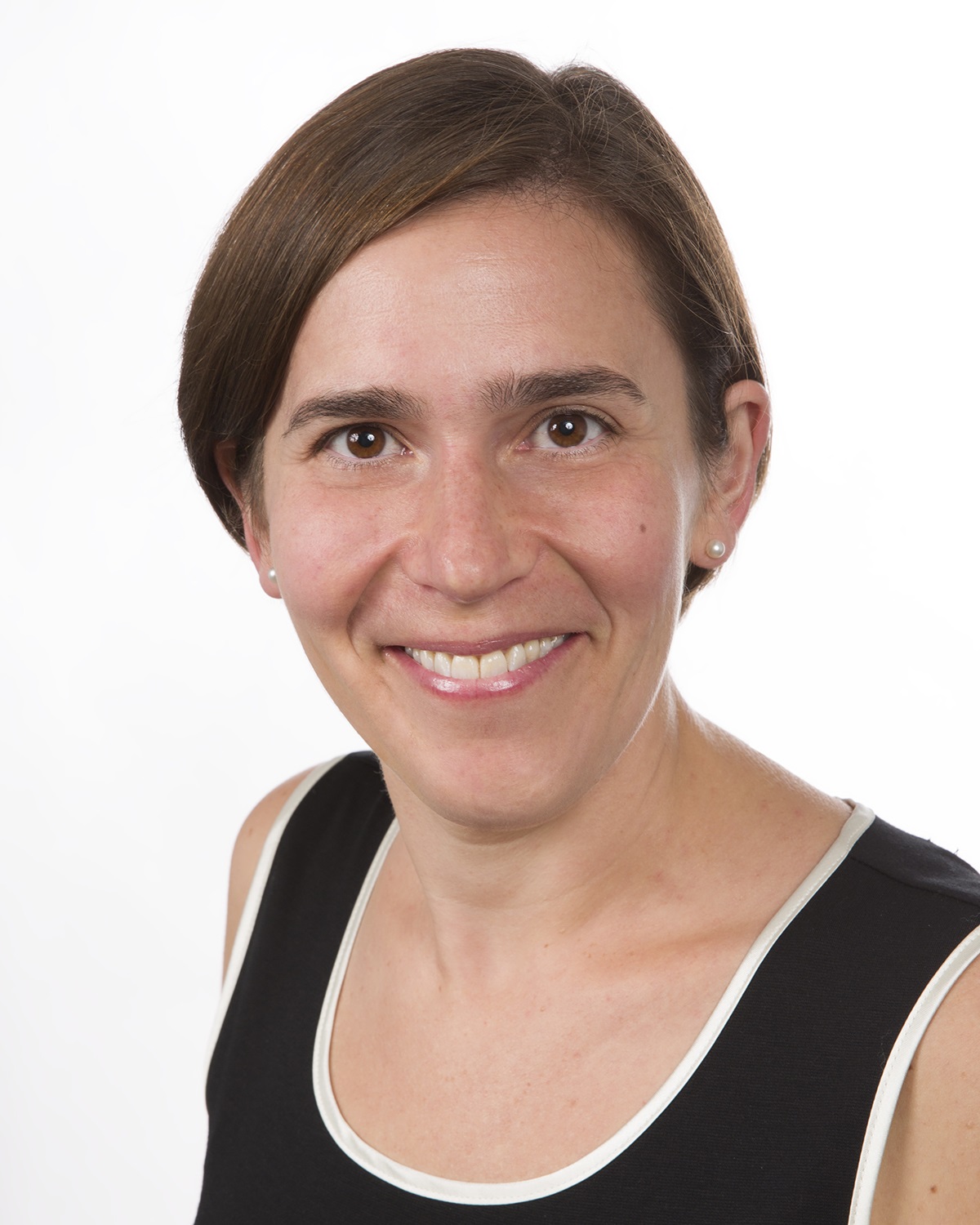
Dr. Marina Ulanova and Lakehead University graduate student Gabrielle Gaultier have been studying the immune response of patients with severe chronic kidney disease to a certain type of vaccine.

Research in Action: Wabakimi partners with Lakehead for research and experiential learning

Published in The Chronicle Journal, Saturday, April 4, 2020.

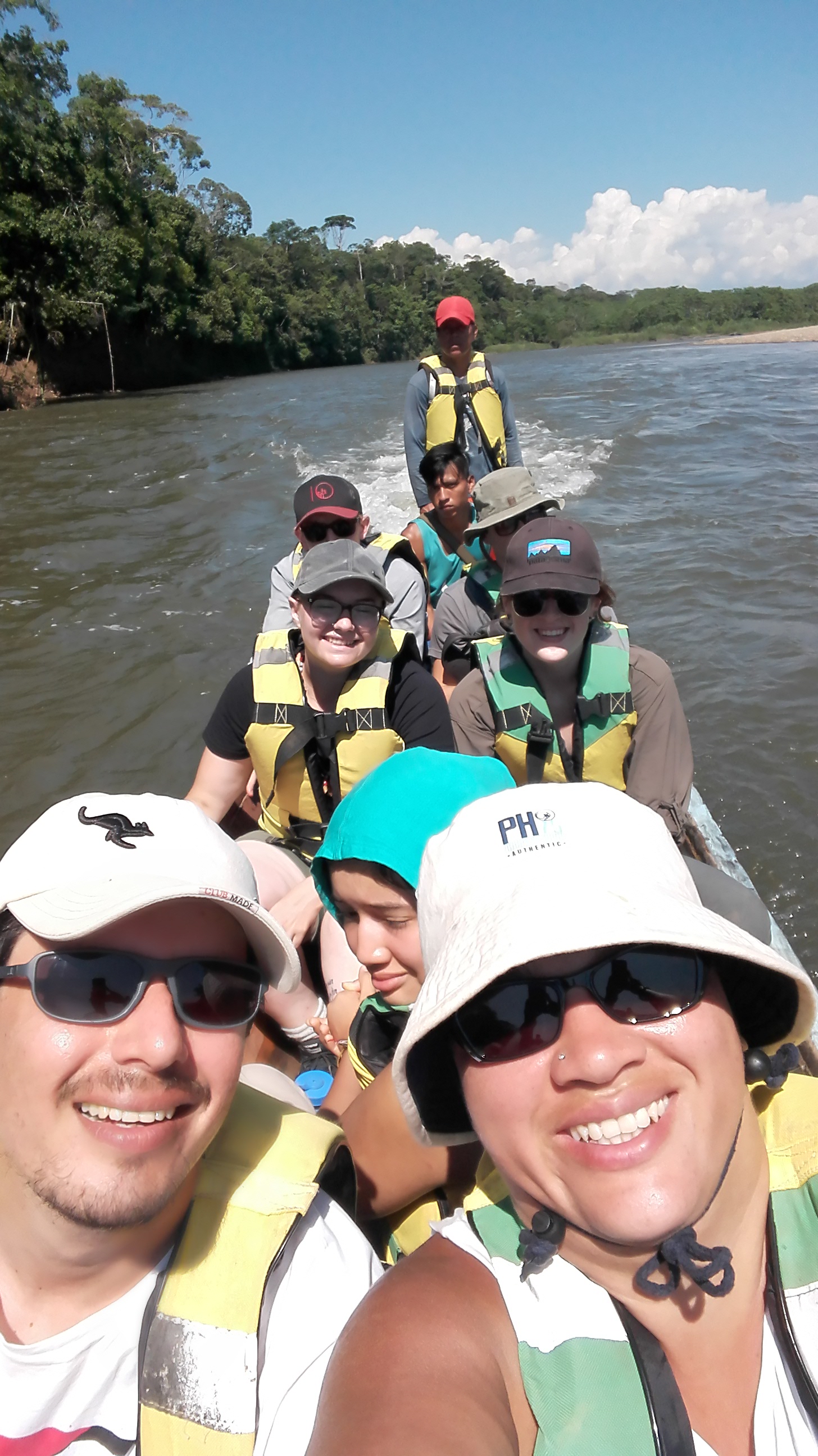
Students canoeing in Wabakimi - view of their backs

For over 20 years, Dr. Tom Potter, Professor in Outdoor Recreation, Parks, and Tourism (ORPT) at Lakehead University, has maintained a working relationship with Wabakimi Provincial Park.
More recently, Alexa Haberer, a Technologist in the ORPT program, has also been involved.
Each year, Potter and Haberer facilitate two-week research journeys for about a dozen third year undergraduate students in the ORPT program.

The journeys are the culminating project for their field exploration course. The trips have three main learning goals: expedition planning and preparation, which they undertake throughout the year; gaining experience in remote back county travel in the northwest ecoregion; and fostering first-hand data collection.

“I am extremely grateful to the staff of Wabakimi Provincial Park who have been highly supportive of our work over the years,” said Potter.

Shannon Lawr, Park Superintendent, Wabakimi Provincial Park, along with Shannon Walshe, Park Biologist, work with Potter and Haberer to identify the types of data collection that students could do to benefit the park, as well as canoe routes through the park that need attention. For example, students might document evidence of caribou, conduct a population study of beaver, identify and document plant species, or evaluate the state of campsites and portage routes.

“The students’ research and recreation-based activities, linked to our canoe routes, fill information gaps in terms of park operations and resource management,” said Lawr.

“The partnership with Lakehead also ensures the next generation of paddlers contributes to Wabakimi’s future and builds understanding as to why it is such a treasure,” he added.

Hannah Terejko, a fourth year ORPT and Natural Sciences student from Brantford, Ont went on last year’s trip, and echoes this sentiment.

“It is one thing to hear about a park and how amazing it might be, but to get to know it and connect to it like it is home creates respect, and drives the motivation to maintain its health,” she said.

Following the journeys, students compile comprehensive research reports that they present to the park. Through the students' detailed investigations, they make meaningful and unique contributions to park planning and management. They also expand their own vision and knowledge of the cultural, recreational and biological aspects of the park.

“It's a joy for me to watch students organise and conduct their data collection, and revel in their research accomplishments as they travel through some very challenging areas and environmental conditions,” said Potter.

During the trip, students are accompanied by qualified guides, including Lakehead faculty or staff. When possible, park staff members join the expedition group, too, which gives the students a chance to learn from someone working in their field. The experts, however, encourage students to lead. Students plan out their roles for the trip, rotating between leader, navigator, chef, head researcher, and assistant researcher positions.

“Everyone gets a chance to do everything, so each gets a chance to let the leadership skills they’ve developed over the program shine,” explained Haberer.

When asked about what she will take from the experience, Terejko reflected on these leadership skills.

“Being able to work with others and take initiative where it is needed, even in small tasks, can be more help to the group than it might seem, and is a great skill to bring into future jobs and careers,” she said.

Potter also noted the unique opportunity for not only hands-on learning but personal growth.

“Their projects encourage them to struggle more, see more, learn more, and appreciate more. And, they get to learn how challenging, exciting, and useful research can be,” he said.

Photo description: Lakehead University Outdoor Recreation Students in Wabakimi Provicial Park summer 2019
Photo credit: Hannah Terejko
Story written by: PhebeAnn Wolframe-Smith
Story published in Chronicle Journal "Research in Action Series" April 4, 2020

Research in Action: Testing shines a light on effectiveness of UV lamps

BY JULIO HELENO GOMES

Originally published in The Chronicle Journal April 28, 2020

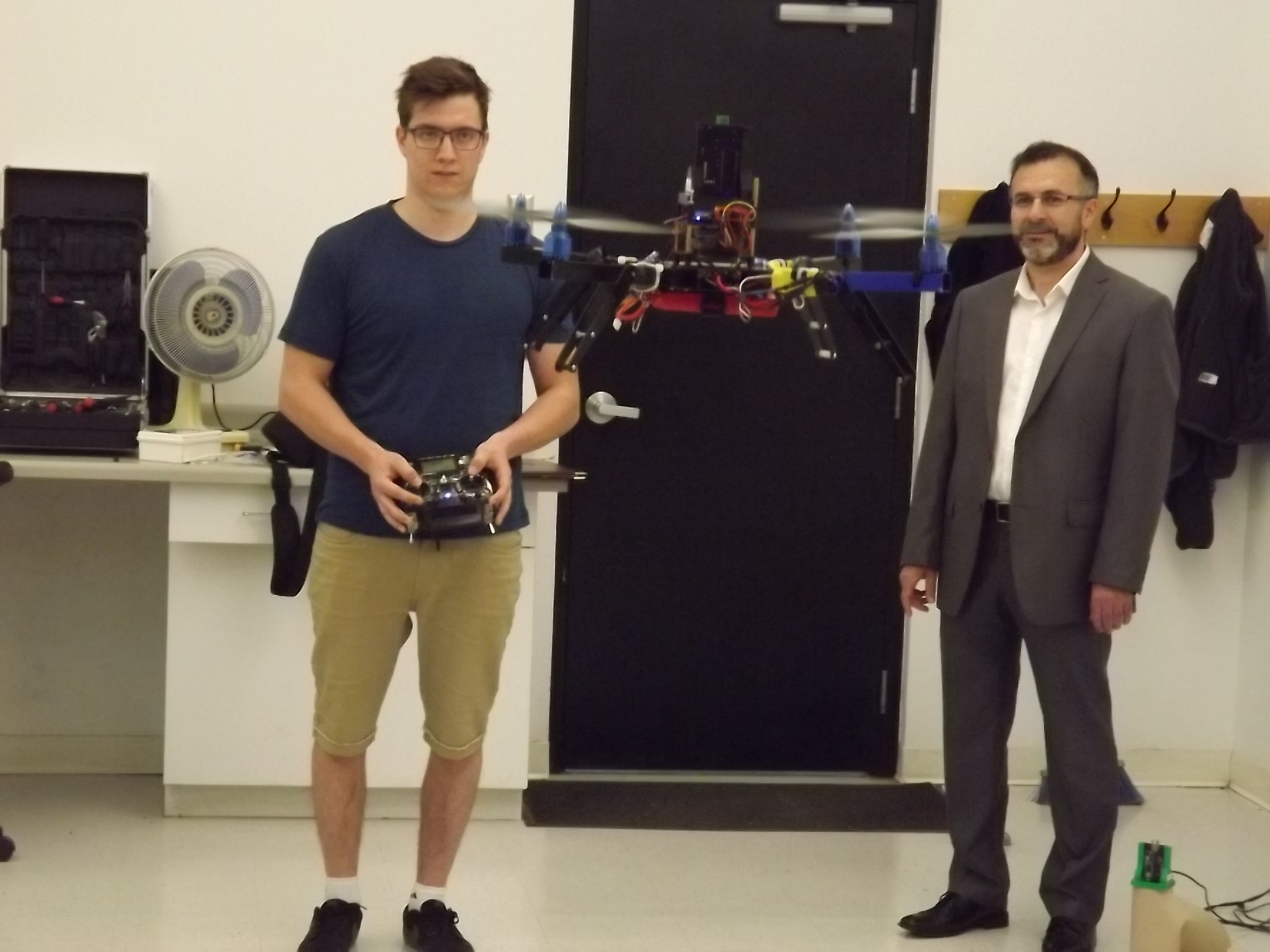
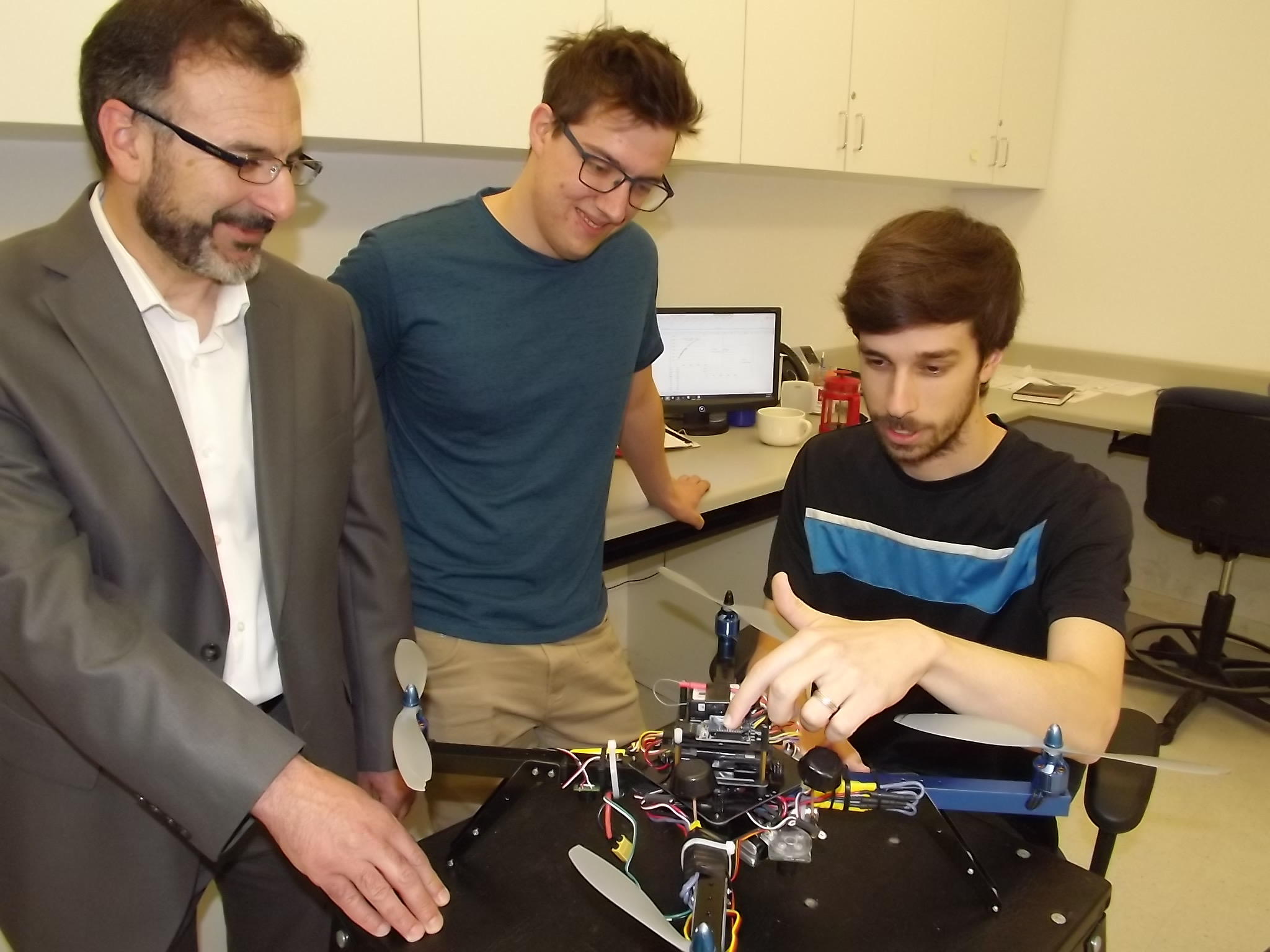
Lakehead University professor Dr. Siamak Elyasi makes an adjustment to an instrument he has developed to test ultraviolet lamps.


A study being undertaken by Lakehead University to analyze the performance of ultraviolet lamps used to disinfect wastewater before being released into Lake Superior is moving to the next phase of testing. The aim is not just to determine which lamps perform better, but how to improve the process and optimize costs.

“The City of Thunder Bay is looking to gain a better understanding of the aging process of the ultraviolet lamps,” explains Lindsay Menard, process engineer at the City’s Water Pollution Control Plant. “The intended goal of this project is to optimize the UV system and decrease operating costs.”

The study is a collaboration with Dr. Siamak Elyasi, an associate professor in Chemical Engineering. Elyasi’s broad interest is drinking water and wastewater treatment.

“Having clean water for all human kind is my dream,” Elyasi says. “Clean water prevents many waterborne diseases, which reduces health costs and improves the economy of the people and the prosperity of the country where they live.”

About 70 million litres of wastewater flows to the City’s Water Pollution Control Plant (WPCP) each day. The wastewater is treated through various processes before being discharged into the Kaministiquia River.  Preliminary treatment, the first stage of treatment, is where large objects such as rags, paper and wood debris are removed in the bar screens and suspended solids are removed in the grit tanks. 

The next treatment process, primary treatment, involves the organic materials and dissolved contaminants settling in clarifiers.  Following primary treatment, the wastewater receives secondary treatment.  The WPCP uses a secondary treatment process referred to as the Biological Aerated Filter (BAF) process.  The BAF process removes carbonaceous biochemical oxygen demand, total suspended solids, phosphorus and ammonia. 

The treated wastewater is disinfected with ultraviolet (UV) light to destroy pathogenic bacteria.  This process adds UV light, and therefore has no impact on the chemical composition of the wastewater.

Disinfection is the primary method of destroying disease-causing bacteria, to prevent the spread of waterborne diseases, says the City’s Menard. There are various methods of disinfection used by wastewater plants. The best option for the City of Thunder Bay, says Elyasi, is to have the treated wastewater exposed to UV radiation. To that end, from mid-April to mid-October — the “disinfection season” as defined by the Ministry of Environment, Conservation and Parks — the treated wastewater flows through a channel where light from an array of UV lamps damage the cells of micro-organisms that might be in the water.  When bacteria, viruses and protozoa are exposed to the UV light, they are rendered incapable of reproducing and infecting.

The system is equipped with more than 700 UV lamps, some costing hundreds of dollars each. The lamps have an expected life of 12,000 hours, but how effective are they as they slowly lose intensity?

Elyasi has developed an instrument to test a variety of lamps, to compare their performance over their life expectancy.

“You have to be very careful the UV lamp has the exact same performance or better,” Elyasi explains. “If they are less expensive, it doesn’t mean they are better, it doesn’t mean they are worse. You have to test them. If they can meet the performance of the original UV lamp, and are less expensive, that’s definitely the best choice.

“That is the goal of every manufacturer and plant operator: to reduce the cost of the operation,” he adds.

The project involved research/thesis student Mrunmayee Ravindra Nikam. Along with reviewing the literature during the development phase, she also performed experimental analysis of UV lamp output and collected data and documented the research findings. Her two years on this project gave her valuable experience in engineering research and designs.

“Throughout this research project I acquired numerous project management skills and further developed my abilities to think analytically, critically and logically,” Nikam says.

She graduated with a Master of Science degree in Environmental Engineering and plans to pursue a doctoral degree. Her ultimate goal is to become an environmental entrepreneur and implement a sustainable approach to preserve the environment.

Elyasi is pleased with the performance of the equipment and hopes it can be deployed at the Water Pollution Control Plant when the technology is proven.

“The UV process is an important step in the treatment of wastewater,” says the City’s Menard. “We are always looking for ways to improve our operations and we believe the work Dr. Elyasi is doing is one way to help us get better.”

Research in Action: Project guides climate change communication strategies

BY PHEBEANN WOLFRAME-SMITH 

Originally published in The Chronicle Journal on Wednesday, June 3, 2020

Dr. Lindsay Galway giving a presentation

Photo: Dr. Lindsay Galway speaking at the March climate change communication workshop.

That climate change is one of the greatest challenges facing humanity is not news. This awareness, however, does not always translate into action. To move people to action, governments and organizations need to understand how best to communicate climate change information.

In March 2020, Dr. Lindsay Galway, Associate Professor in the Faculty of Health and Behavioural Science at Lakehead University and her team completed a project that sought to understand how citizens in Thunder Bay, Ont., and Prince George, BC, can become better engaged with climate change. Northern communities are particularly vulnerable to the effects of climate change. Although research has been conducted in the arctic, until now, little was known about public responses to climate change in the provincial norths.

“Provincial norths are unique case studies, because their economic wellbeing, culture, and history is often closely connected to resource extraction. They are also more remote and politically marginalized. But there is also a strong sense of place, of community, and of connection to the land,” said Galway.

The two-year project, funded the Social Sciences and Humanities Council of Canada, involved three components: representative postal surveys in Thunder Bay and Prince George; interviews with “climate champions” in each community who are engaged in climate change education and action; and lastly, the development of climate change communication strategies based on the gathered data.

The postal surveys involved using Canada Post’s address database to randomly select 2000 households for each community and then adjusting based on census data to make sure these households represented the demographics of the community as a whole. Surveys were mailed to these households asking about climate change beliefs and attitudes, impacts of climate change, and climate change action. The team received just under 400 completed surveys for Thunder Bay which is considered a strong response rate.

Key findings from the Thunder Bay postal survey in regard to attitudes and beliefs include that 95% of respondents believe climate change is happening, and 86% feel very or somewhat worried about climate change. 40% of respondents report experiencing climate change impacts in Thunder Bay such as shifts in seasonal patterns, changing frequency and intensity of precipitation, and extremes of weather.

Other key findings, those that relate to action, highlight areas for education and change. 70% feel that addressing climate change will have positive effects on the long-term health of our communities, but paradoxically, 51% are concerned about whether addressing climate change will increase taxes. Similarly, while 80% felt Thunder Bay community members should do more to address climate change, only 60% reported taking action themselves. 70% of respondents felt that climate change is more likely to be a threat in the future than in the present.

“People still think of climate change as a threat of the future – that’s key. Climate science clearly illustrates that it is problem of now. If we are going to act to address climate change, we need to do it in the next five years” emphasized Galway.

The research was supported by an advisory group in each community made up of representatives from organizations who are working to address climate change. Following analysis of the data, 30 people from the advisory group and other organizations took part in a climate change communication workshop in March 2020 to discuss the results of the research, and to build best-practices for communicating about climate change in Thunder Bay, facilitated by Galway and Dr. Paul Berger, Associate Professor in the Faculty of Education at Lakehead.

“Dr. Galway's research provides a solid foundation from which to take strong action. Scholarly evidence of strong local support for addressing climate change helped to secure a unanimous vote in favour of the City of Thunder Bay’s declaration of a climate emergency” said Aynsley Klassen, Program Coordinator at EcoSuperior, and a member of the research advisory group.

“Eco-superior is also able to use Dr. Galway's research to guide program development, increase the effectiveness of climate-related communications, and engage community residents in climate actions,” she added.

Another outcome of the project has been a video which recently was a finalist in the Social Sciences and Humanities Council Storytellers competition. The video was created by Robert Sanderson, a Master of Health Sciences Student at Lakehead, who was a research assistant on the project.

“Working on the project expanded my own interests and knowledge – it was a great opportunity to learn and make connections and gain research experience. I got to see a whole project from start to finish – to see the steps, the challenges and how to overcome them,” he said.

Sanderson’s video can be viewed at here and the final report from the project can be accessed here.

Photo credit: Paul Berger 

Lakehead researcher studying the impact of climate change, invasive spiny water flea on Quetico Park fishes

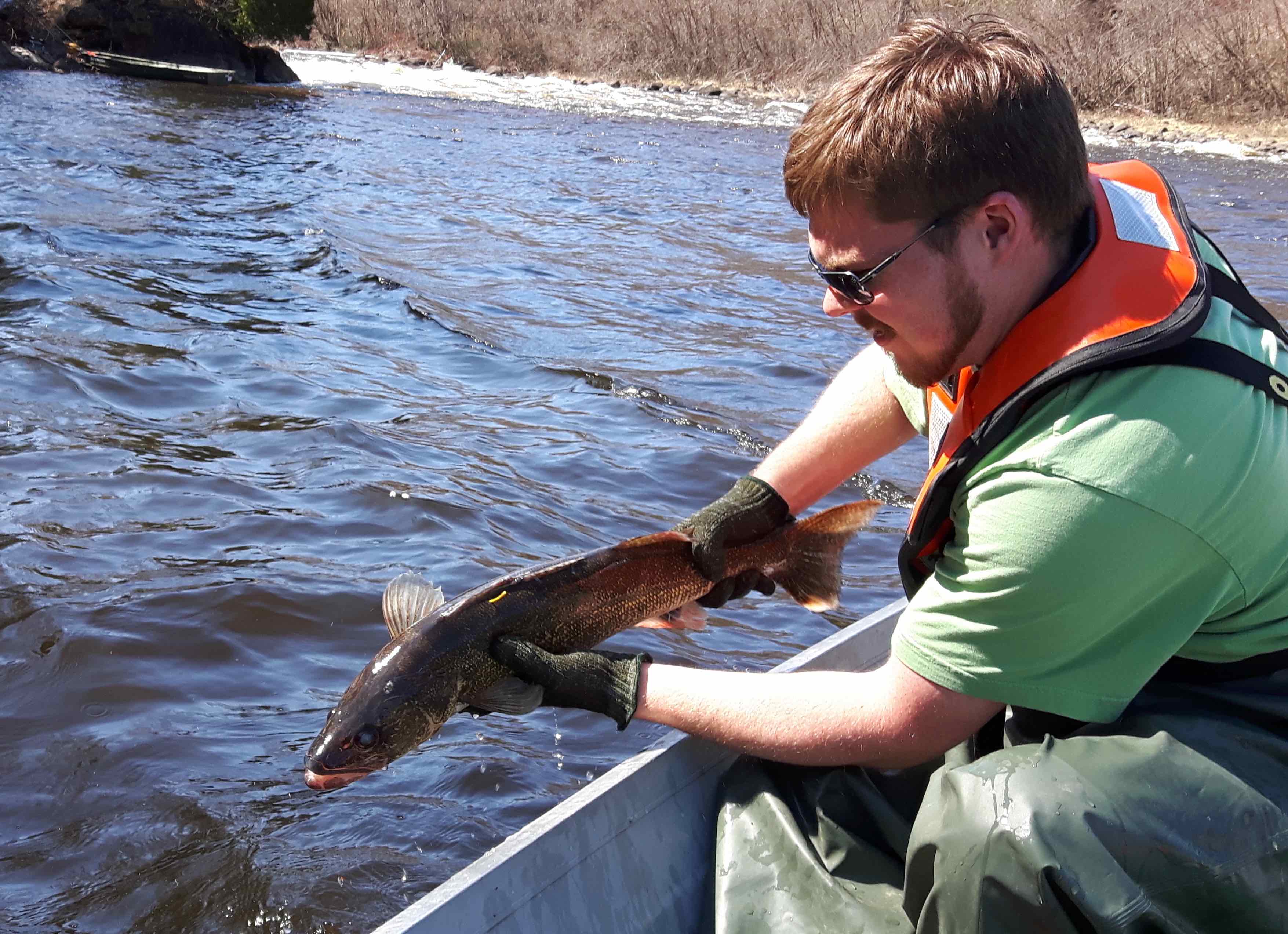
Photo of Dr. Michael Rennie on a boat.

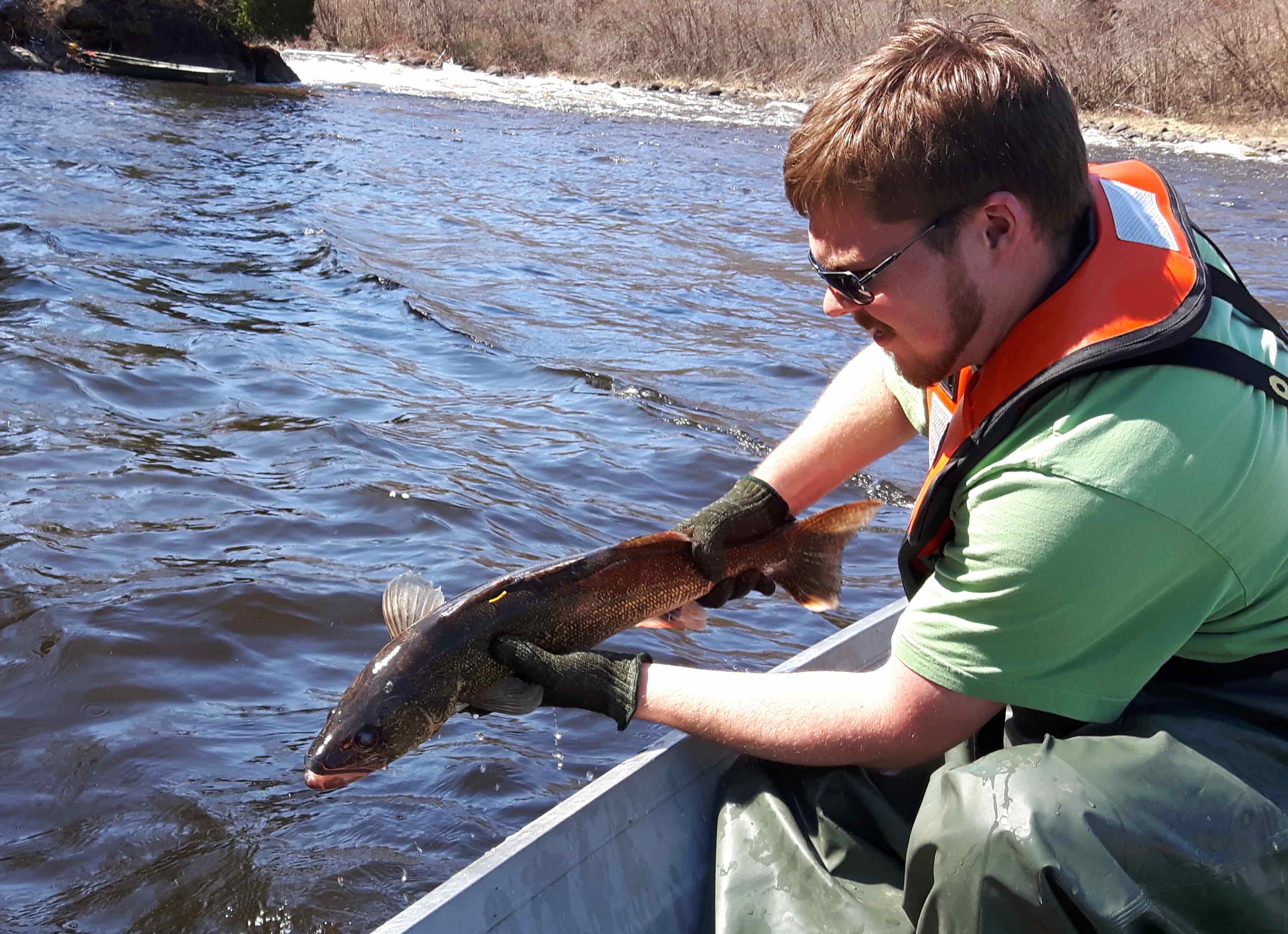
Dr. Michael Rennie is looking specifically at Lake Herring and Walleye to help inform adaptive management plans for Quetico Park.

June 19, 2020 – Thunder Bay, Ont.

A Lakehead University researcher has secured a $75,000 Quetico Foundation grant over the next three years to evaluate how invasive spiny water flea and climate change are affecting the early growth rates and mercury loads of fish at Quetico Park.

Dr. Michael Rennie, an Associate Professor in Biology, Canada Research Chair in Freshwater Ecology and Fisheries, and Research Fellow at the Experimental Lakes Area, is looking specifically at Lake Herring and Walleye to help inform adaptive management plans for Quetico Park.

“Recreational fisheries are a keystone to local economies, worth $1.3 billion in Ontario alone per year,” Dr. Rennie said.

“This is especially true in remote park regions like Quetico Provincial Park, a mecca for backcountry canoeists and fishermen. However, invasive species like the spiny water flea and climate change threaten these pristine systems, and may require a change in management strategies given these ongoing environmental changes,” he said.

“We are extremely pleased to have received this funding from the Foundation for our first Lakehead University/Quetico Foundation Research Program,” said Dr. Andrew P. Dean, Lakehead’s Vice-President, Research and Innovation.

“This project will yield important results with regards to the ecology at Quetico Park and impacts of climate change. The park is one of those pristine treasures in our own backyard. Understanding and managing changes to the wildlife and fish in the park is essential to sustainability and resilience within a changing environment,” Dr. Dean added.

“The Quetico Foundation is thrilled to be working with Lakehead, and in particular, with Dr. Rennie who has an outstanding background in aquatic ecosystems,” said Arthur Saunders, Chair of the Foundation’s Science Committee.

“The Quetico Foundation is dedicated to the protection of wilderness and we anticipate that Dr. Rennie’s research will add to our understanding of how Quetico Park’s environment is reacting to the forces of change,” Saunders added.


– 30 –


Media: For more information or interviews, please contact Brandon Walker, Media, Communications and Marketing Associate, at (807) 343-8177 or mediarelations@lakeheadu.ca.


Lakehead University is a fully comprehensive university with approximately 9,700 full-time equivalent students and over 2,000 faculty and staff at two campuses in Orillia and Thunder Bay, Ontario. Lakehead has 10 faculties, including Business Administration, Education, Engineering, Graduate Studies, Health & Behavioural Sciences, Law, Natural Resources Management, the Northern Ontario School of Medicine, Science & Environmental Studies, and Social Sciences & Humanities. In 2019, Maclean’s 2020 University Rankings, once again, included Lakehead University among Canada’s Top 10 primarily undergraduate universities, while Research Infosource named Lakehead 'Research University of the Year' in its category for the fifth consecutive year. Visit www.lakeheadu.ca.


Research in Action: Mass timber building components tested at one-of-a-kind lab

 BY JULIO HELENO GOMES

Originally published in The Chronicle Journal on July 21, 2020

Dr. SalemSalem’s doctoral student, Adam Petrycki

(left) Dr. Sam Salem, lab’s founder and director and an associate professor in Lakehead’s department of Civil Engineering, (right) doctoral student, Adam Petrycki

Tucked in a corner of Lakehead University’s campus, overlooking the placid waters of the McIntyre River, sits a nondescript building. While it may not attract much notice, this facility is the centrepiece of research that may pave the way for new kinds of materials to be used in modern building construction.

The Fire Testing and Research Laboratory boasts a custom-designed furnace that provides crucial data on the fire resistance of construction materials, building components such as beams and columns, as well as floor and wall assemblies. And with changes to national building codes that allow wood as a primary material in buildings up to six storeys in height, the benefit to local forestry and manufacturing could be significant.

“Without this facility I wouldn’t have this opportunity for advanced research in this fast-developing area of structural fire engineering, and also to help businesses develop innovative products and to serve the community,” says Dr. Sam Salem, the lab’s founder and director and an associate professor in Lakehead’s department of Civil Engineering.

This world-class fire testing facility allows the testing of new engineered-wood products taking place at Lakehead. At the Civil Engineering’s structures lab, products such as glued-laminated timber (glulam) and cross-laminated timber (CLT) are tested for strength, durability and their behaviour under normal stresses.

Next door at the fire lab, the materials are subjected to various fire scenarios, where temperatures in the furnace can reach 1,300 degrees Celsius. “Testing structural components and assemblies in the fire lab is the final stage in the research program, which is basically the main thing we look at to see how the building components behave or can withstand loads when exposed to fire,” Salem explains. “We have to design a safe building system that can first stand the load without the fire, then we expose it to the fire as the extreme loading condition.”

Opened in May 2016 at a cost of more than $1.2 million, the fire lab is the only facility of its kind at a Canadian university.


“This is very unique testing because there are very few facilities around the world that can test like this under this extreme temperature,” says Salem.

Internationally recognized as an expert in the field of structural fire engineering, Salem has conducted dozens of large-scale research projects since he arrived at Lakehead in 2012. Over the years, he has helped train several dozen highly qualified personnel, such as post-doctoral fellows and graduate students. Recently, he and graduate student Cory Hubbard have filed a patent for an innovative beam-end connection configuration for mass timber structural frame systems, which can stand fire exposure for an hour without any additional fire protection.

Salem’s doctoral student, Adam Petrycki, is involved in a project regarding the behaviour of timber-concrete composite floor systems at normal and elevated temperatures, focusing on their use in mid- and high-rise timber construction. His role is to develop a research plan, design and carry out an experimental study, analyze the results and then develop a methodology for their design and application in future construction projects.

The benefits, Petrycki explains, will be to potentially increase the use of this type of mass timber systems in multi-storey buildings. With a plentiful and renewable resource such as wood, Canadian forestry sector and wood companies can develop more mass-timber products for domestic use and export.

“The field of heavy timber construction and the fire safety of buildings is an area of research I’m passionate about, and being able to conduct experimental studies in the unique setting of the LU fire lab has been a unique and rewarding experience,” Petrycki says.

Salem has attracted more than $1.6 million in research grants and awards, from, among others: the Natural Sciences and Engineering Research Council of Canada, Canada Foundation for Innovation, Ontario Centres of Excellence, the Northern Ontario Heritage Fund Corporation, the Ontario Mass Timber Institute, and the provincial Ministry of Natural Resources and Forestry.

Research in Action highlights the work of Lakehead University in various fields of research.

Dr. Sam Salem lab’s founder and director and an associate professor in Lakehead’s department of Civil Engineering

Research in Action: Charting a Course to Treat Issues Stemming From Childhood Trauma

BY JULIO HELENO GOMES

Originally published in The Chronicle Journal on August 7, 2020

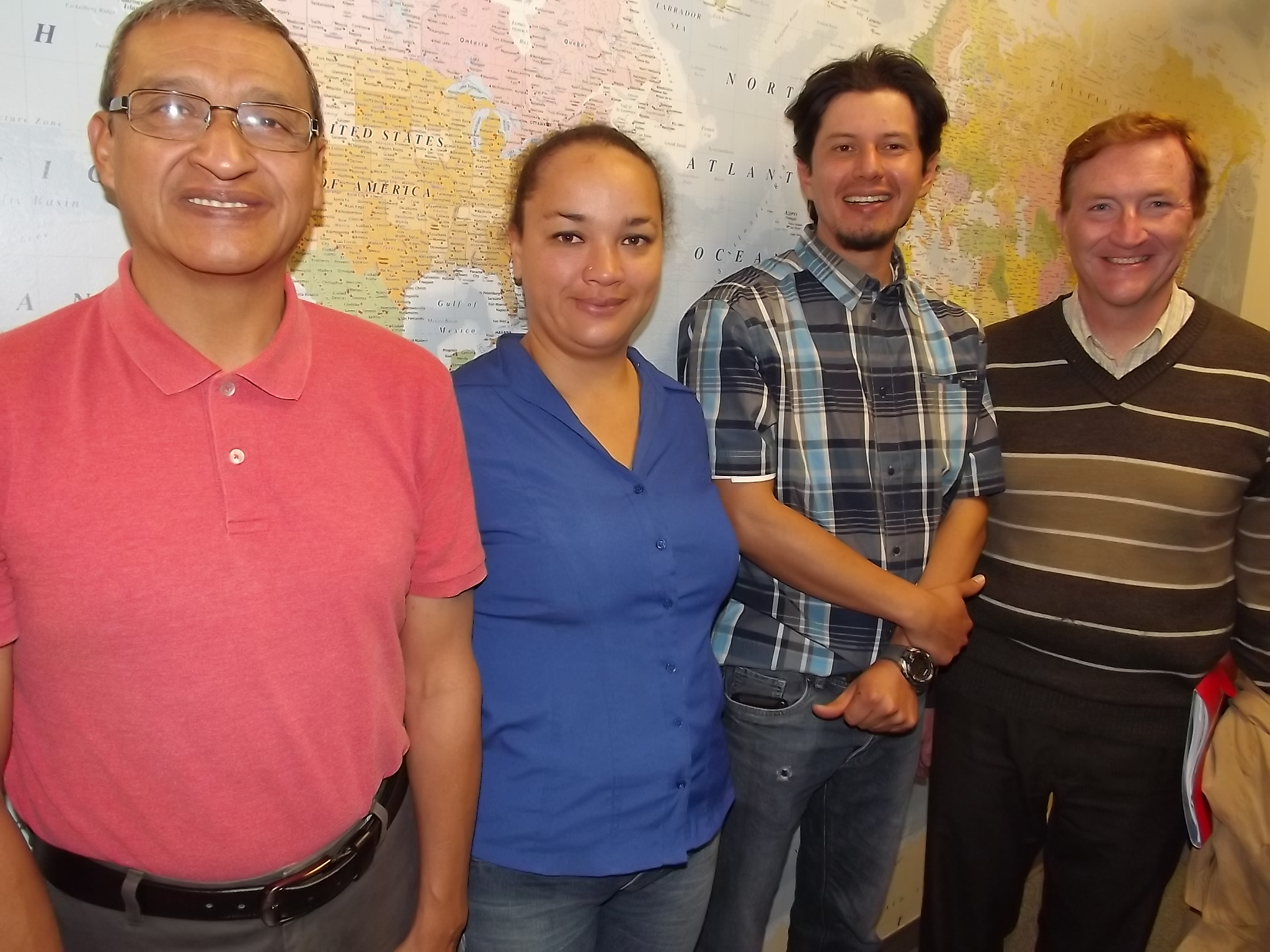
Dr. Chris MushquashElaine ToombsJessie Lund

(left to right) Dr. Chris Mushquash, Lakehead University professor and a registered clinical psychologist, is overseeing research with Dilico Anishinabek Family Care. photo credit: Thunder Bay Regional Health Sciences Centre; Elaine Toombs is a PhD student in Clinical Psychology. submitted photo; Jessie Lund is a PhD student in Clinical Psychology. submitted photo.


 A partnership between Lakehead University and a First Nations organization that is examining the links between childhood trauma and adult physical and mental health issues may lead to wellness programs that could improve the lives of clients from all walks of life.

The collaboration with Dilico Anishinabek Family Care is looking at the areas of abuse, neglect, and the resulting personal challenges. The aim is to develop appropriate services for treatment.

“We know adverse childhood experiences contribute to a range of social, emotional and physical difficulties,” says Dr. Christopher Mushquash, Canada Research Chair in Indigenous Mental Health and Addiction at Lakehead University, Interim Executive Vice President Research at Thunder Bay Regional Health Sciences Centre, and Chief Scientist at Thunder Bay Regional Health Research Institute.

“These are well-established relationships in the research literature. However, these specific relationships have not been examined within a First Nations addiction treatment setting.”

The project involves the Adult Residential Treatment Centre, located on the Fort William First Nation. Two graduate students are working on this venture, which consists of interviews with staff and more than 100 clients, as well as data collection and analysis.

“This is truly community-based participatory research, as all study activities are completed with support and collaboration from multiple people,” says Elaine Toombs, who has been working with Dilico over five years and is completing her PhD in clinical psychology.

Co-investigator Jessie Lund is entering the third year of her PhD program. She hopes the research will provide a better understanding of how traumatic childhood experiences increase the risk of substance use problems, particularly how it relates to the impact of colonization on Indigenous peoples.

“We hope this research will inform prevention and intervention efforts, including how best to support individuals seeking treatment for substance use through consideration of the different pathways between early adverse experiences and substance use problems in adulthood,” Lund says.

A registered clinical psychologist, Dr. Mushquash says the goal is to assist clients in understanding the nature of their pain and “how trauma can affect a number of experiences people have in their life, but also look at pathways for healing.”

Mushquash, who is also director of the Centre for Rural and Northern Health Research, has a decade-long relationship with Dilico that encompasses various research initiatives. With its head office on the Fort William First Nation, Dilico provides child welfare along with health and mental health and addiction services to First Nation members in Thunder Bay and the 13 member communities within the Robinson Superior Treaty area along the north shore of Lake Superior.

Mushquash, who is Ojibway and a member of Pays Plat First Nation, says the partnership with Dilico is focused on research and evaluation. While the studies by students Lund and Toombs should wrap up in the coming months, other work continues — part of the mandate to meet community needs and priorities in a way that acknowledges the unique cultures and history of First Nations people in Northwestern Ontario.

“Our plan is to continue collecting data and further understanding what the nature of adverse childhood experiences is within our client group,” he says. “As we begin to understand the core issues, we’ll be able to tailor appropriate culture- and psychological-based supports for clients and then hopefully begin to measure those outcomes across the long term.”

The Adult Residential Treatment Centre is part of a network of addiction treatment facilities catering to both Indigenous and non-Indigenous clients. Mushquash says the latter also find this model of cultural connectedness to be meaningful on their journey to recovery.

Dilico has research partnerships with the Thunder Bay Regional Health Sciences Centre and the local branch of the Centre for Addiction and Mental Health (CAMH). The work with Lakehead University, explains John Dixon, Dilico’s director of mental health and addiction services, is done in accordance with the wishes of its member communities and the First Nations principles of OCAP (ownership, control, access and possession) of data collection processes in their communities.

“Our long term hopes are to facilitate the creation of Indigenous knowledge and research that is of benefit to the peoples we work with and that it assists the leadership of the communities to make informed decisions about addictions and mental health program development,” Dixon says.


Dr. Chris Mushquash, Lakehead University professor and a registered clinical psychologist

Research in Action: Study charts a course to understanding depression in long-haul truck drivers

BY JULIO HELENO GOMES

Originally published in The Chronicle Journal, September 23, 2020

Vicki KristmanNyahsa Makuto

 left: Dr. Vicki Kristman, Associate Professor and Director of Research Institute at Lakehead: EPID@Work – Enhancing the Prevention of Injury and Disability@Work; right: Nayasha Makuto, Graduate Student 

Is the unique nature of a trucker’s job a contributor to poor mental health? This was the key question that a Lakehead University project attempted to answer. By shedding light on the mental, emotional and physical health of long-haul truck drivers, researchers hope to understand why depression might be an issue in this industry and, more importantly, how to alleviate it.

“The benefit of this study is that our findings could help reveal which factors could be risk factors for depression in truckers, and perhaps help truckers, employers or public health workers get a sense of what should be changed to help prevent depression in these workers,” says Nyasha Makuto, the graduate student who spearheaded the study.

There is little research on this set of workers, explains Dr. Vicki Kristman, Makuto’s supervisor and an associate professor in Lakehead’s department of Health Sciences.

“It’s a group that needs more study,” Kristman states. “There’s been substantial research in the area of mental health with emergency personnel, such as police officers and paramedics. But we have very little knowledge about mental health in truck drivers. This is an area with many employees and it hasn’t been looked at in much detail.”

When Makuto was seeking a topic for her Master’s thesis, she settled on the field of trucking because the literature, along with labour force surveys, suggested depression was an issue in this line of work.

“Several studies found that truckers are much more likely to develop depression than both the general public and workers from many other occupations,” Makuto says. “This finding made me want to know why this might be, given that barely anyone had looked into this question and trucking is one of Canada’s most common occupations.”

As well as drafting the study’s methodology, Makuto also developed advertising posters, social media outreach and the survey itself, aiming for responses from both Canadian and American truckers. The anonymous online survey touched on several areas, such as sleep, fatigue and other stress factors such as driving duration, social isolation and violence. She particularly sought input from long-haulers, those who deliver freight over great distances and are away from home at least a day or longer.

“We wanted to understand relationships. For example, did people who drove more hours show more depressive symptoms?,” says Kristman, who is the inaugural director for the new Research Institute at Lakehead: EPID@Work – Enhancing the Prevention of Injury and Disability@Work. “Unfortunately, due to the cross-sectional nature of the study we couldn’t determine if fatigue at work leads to depression or if depression actually leads to fatigue.”

The survey opened in January and by March had responses from 355 drivers, substantially more than the 210 required for the project. The feedback has been summarized by Makuto into statistical models to show which factors are associated with depressive symptoms and if driving duration plays a role. Since it was a cross-sectional study using a convenience sample the results are not predictive and may not be representative of the entire long-haul trucker population, Kristman cautions.

“It’s highly likely that people who were experiencing mental health problems were more likely to participate than those who did not,” she explains.

The results, tracked on a 10-point scale that measures symptoms of depression, did produce notable findings. Those who have lower depressive scores report they get quality sleep and are in generally good health. Higher levels of depression were associated with fatigue, stress due to tight delivery deadlines, poor road conditions, and being away from social relations. Interestingly, Makuto also found men who never married had results associated with depression. Females reported high stress due to violence outside of work.

“We expected some of these findings, others were surprising,” Kristman says.

She notes that from this study we can’t determine whether good health equals less depressive symptoms or if less depressive symptoms results in good health. Yes, sleep, fatigue and stress play a role, but is there a direct line to depression? In any case, this is a start and may benefit the industry.

“We can try to send the message to truck drivers that if you want to keep yourself in good health, get as much sleep as possible, and let’s find ways to reduce your stress,” Kristman says. “These are things that we can inform workers about, we can work with health and safety associations to develop interventions that could potentially decrease stress and other potential risk factors. It’s important to understand what these factors are so we can examine what we’re currently doing and how we may implement change to reduce some of these factors.”

Makuto’s thesis is in the final phase of review. She will then have to formally defend her work. She hopes the results will eventually be published in scientific journals.

Research in Action: Backyard Gardening a Small Step Towards Food Sovereignty

Dr. LevkoePortinga

Photos: Dr. Charles Levkoe and Sustainable Food Systems, graduate student Rachel Portinga's research into Seed Saving.

Printed in the Chronicle Journal on October 16, 2020 

By Julio Heleno Gomes

 When the COVID-19 pandemic hit earlier this year, people started stockpiling not just hand sanitizer and toilet paper. They were also hoarding food and seeds. While it’s admirable that more people are growing their own vegetables, the produce from backyard gardens won’t improve access to nutritious food on a sufficiently large scale, says a Lakehead University researcher.

“Yes, grow some food. It’s a good idea,” Dr. Charles Levkoe agrees. “But it’s not a solution for food insecurity and it’s not going to make a huge dent in the grand scheme of things. Having said that, where it starts is people who are growing food are becoming part of a bigger dialogue about how we start to take back control of our food systems.”
Levkoe is the Canada Research Chair in Sustainable Food Systems at Lakehead. His work looks at the connections between social justice, ecological regeneration, regional economies and democratic engagement.

“Food insecurity — not having enough food — is the result of poverty,” Levkoe states, noting that in Northwestern Ontario, half the population of Indigenous communities lack access to adequate food. “But it can also be the result of systems and structures, of people essentially not able to control their food systems.” A lot of the decisions regarding food systems are made by government and big corporations. These have an impact on what people can grow and what farmers can plant.
“We are trying to understand some of the politics around seeds in this region,” Levkoe explains. “But it’s also to support people — whether home gardeners or farmers — to be able to control the knowledge around seeds, control information, control seeds themselves, how they can save them, how they can trade them, how they can develop new technologies that work for them.

“My goal,” he adds, “is to understand how to create more healthy, sustainable and equitable food systems for everybody.”
He is currently involved in a half-dozen projects, several linked to the Lake Superior Living Labs Network, a collaboration with universities in Duluth and Sault Ste. Marie. These hubs are involved in research projects and experiments around the broad concept of “Just Sustainability,” or social and environmental justice.
One of these projects is a partnership with the Lakehead University Agricultural Research Station, Roots to Harvest and Superior Seeds Producers. Rachel Portinga, a PhD student who served an internship with Roots to Harvest, explored how seed saving contributes to community well-being. In interviews with nearly two dozen participants, she focused on the barriers to and the opportunities for increased seed saving. “Seed access, seed saving and seed sovereignty are all essential to just and sustainable food systems and they help us adapt to climate change,” Portinga says.

The participants — residing in Thunder Bay and surrounding areas — grew “entry-level” crops such as tomatoes, peas, beans, cucumbers, squash, zucchini, garlic and carrot. Portinga’s research indicates participants are keen to improve their seed saving skills and increase access to locally adapted seeds. Seeds from California or southern Ontario are not suited to this climate and soil conditions, Levkoe notes, so the challenge is to find seeds that are compatible with the area’s unique characteristics. “Seeds, like people, are very adaptive,” Levkoe says. “Seeds adapt to different climates and soil, so it’s important we have the ability to grow and share seeds that are from this area. The solution is we need to be growing things here that are from this region.”

Portinga hopes her research can assist Roots to Harvest and Superior Seed Producers in developing supports and educational opportunities for local food growers to expand their skills to include seed saving.
“With many of these supports, I could see the Thunder Bay region having a strong community of seed savers who gather, swap seeds, exchange knowledge and generally help our community of growers be more self-reliant, be confident in their own seeds, and be proud and happy their seed networks are providing safe, locally-adapted food for families,” she says.

However, the issue goes beyond small garden plots. Along with thinking on multiple levels, we also need to understand what’s happening elsewhere and put people in contact with each other to take back control of local food systems, Levkoe says. “When we talk about food security we talk about poverty, equity and systems level things,” he says. “Food insecurity was not started in Thunder Bay, it’s not going to be solved in Thunder Bay. We can be part of a bigger solution. We need to be thinking about the structures and systems that create poverty, that create inequality. That’s where the solutions are, and the seed thing is a huge part of it.”


Research in Action: Cloverbelt Co-Op Offers Insight for Northwest Agriculture

Tim and Bob Wall
Photo cutline: From left, Bob and Tim Wall run Wall’s farm, just south of Oxdrift. The farm is a
member of the Cloverbelt Local Food Co-Operative. photo credit to Cloverbelt Local Food Co-Operative

Chronicle Journal November 8, 2017.

Dryden-based Cloverbelt Local Food Cooperative is a non-profit distribution network that connects 130 local food producers to consumers across the region.

As co-op members, consumers can browse and order a producer’s wares online, and then pick
them up at one of five distribution points. But Cloverbelt does much more than distribute
food—the typical function of a food co-op—which is why it is so interesting to Dr. Charles
Levkoe, Canada Research Chair in Sustainable Food Systems and Assistant Professor of Health
Sciences at Lakehead University.

Cloverbelt, under the direction of President Jen Springett, has built a community greenhouse
and revitalized an abattoir, and is working to find ways to bring fresh food to remote First
Nation communities, among other projects. Because it’s unique, Cloverbelt was included as one
of four case studies in Dr. Levkoe’s research on informal and under-recognized contributions of
food initiatives in the region, funded by the Social Sciences and Humanities Research Council of
Canada.

“Our work on this project is coming out of the needs of the region, not from us as researchers. I
am interested in how research can help to fill gaps and build capacity,” said Dr. Levkoe.
In partnership with Cloverbelt and others, Dr. Levkoe has worked closely with Dr. Connie
Nelson, Professor Emeritus of Social Work at Lakehead, among others, to support the
development of a regional food charter for Northwestern Ontario. A food charter would
recognize the right of every individual to have access to enough safe and nutritious food to stay
healthy and have energy for daily life, and provide policy recommendations to ensure this right.
“The food charters project is a synergy of researchers and co-op members,” Springett said. “We
know the food landscape in the region, and we’re good at outreach and talking to people about
food, but it would be difficult for an organization like ours to write a charter. Working with the
university has allowed us to develop evidence to support what we already know from our work
on the ground.”

In addition to developing the food charter, Dr. Levkoe’s team gathered more information about
producers’ experiences of being part of the co-op. Allison Streutker, who recently completed
her Honours Bachelor of Psychology at Lakehead, was one of four research assistants who
worked on the project. Streutker’s interest in the project came partly from her experience
growing up on a dairy farm in Slate River Valley, Ont., just outside Thunder Bay. She conducted
interviews to find out how Cloverbelt benefits individuals, businesses, and the environment.

“There is only so much you can learn in a classroom versus hands on. I liked that I was able to
build a relationship with Cloverbelt members,” said Streutker, adding that she also explored
Cloverbelt’s greenhouse project.
“Allison – as an outside researcher – was able to validate the importance of the work being
done through Cloverbelt and identify some of its challenges,” Dr. Levkoe said.
Springett said that Streutker’s feedback has been valuable, and that they will use the
information to plan future education and services for their members.
You can learn more about Cloverbelt at http://cloverbeltlocalfoodcoop.com/


Pages