
Community-engaged Research

EPID@Work Hosts 4th Annual Research into Action Conference in Thunder Bay

The EPID@Work Research Centre hosted its 4th annual Research into Action Conference at the Italian Cultural Centre in Thunder Bay on October 20th 2026, bringing together researchers, community leaders, and workplace health advocates to bridge the gap between academic findings and real-world safety solutions.

The event generated rich, meaningful engagement. Participants traveled from across Northwestern Ontario and as far away as Sudbury, demonstrating the regional significance of workplace health and safety research.

Actionable Research Powered by NOWWHS Data

A central theme of this year’s conference was the practical application of regional data. Presentations highlighted how data from the Northwestern Ontario Workplace & Worker Health Cohort Study (NOWWHS) is actively driving change across diverse sectors.

Researchers showcased findings ranging from the lived experiences of Indigenous workers to addressing severe burnout among nurses in Northwestern Ontario. Additionally, representatives from the Thunder Bay District Health Unit demonstrated how they are utilizing NOWWHS data to inform local community initiatives aimed at fostering mentally healthier workplaces.

Inspiring Keynote & Attendee Insights

Our keynote speaker, Dr. Caitlin Bawn (Research Associate in Global Health and Social Medicine at King's College London), traveled from the UK to deliver an engaging session on staff retention and workplace culture within social care organizations.
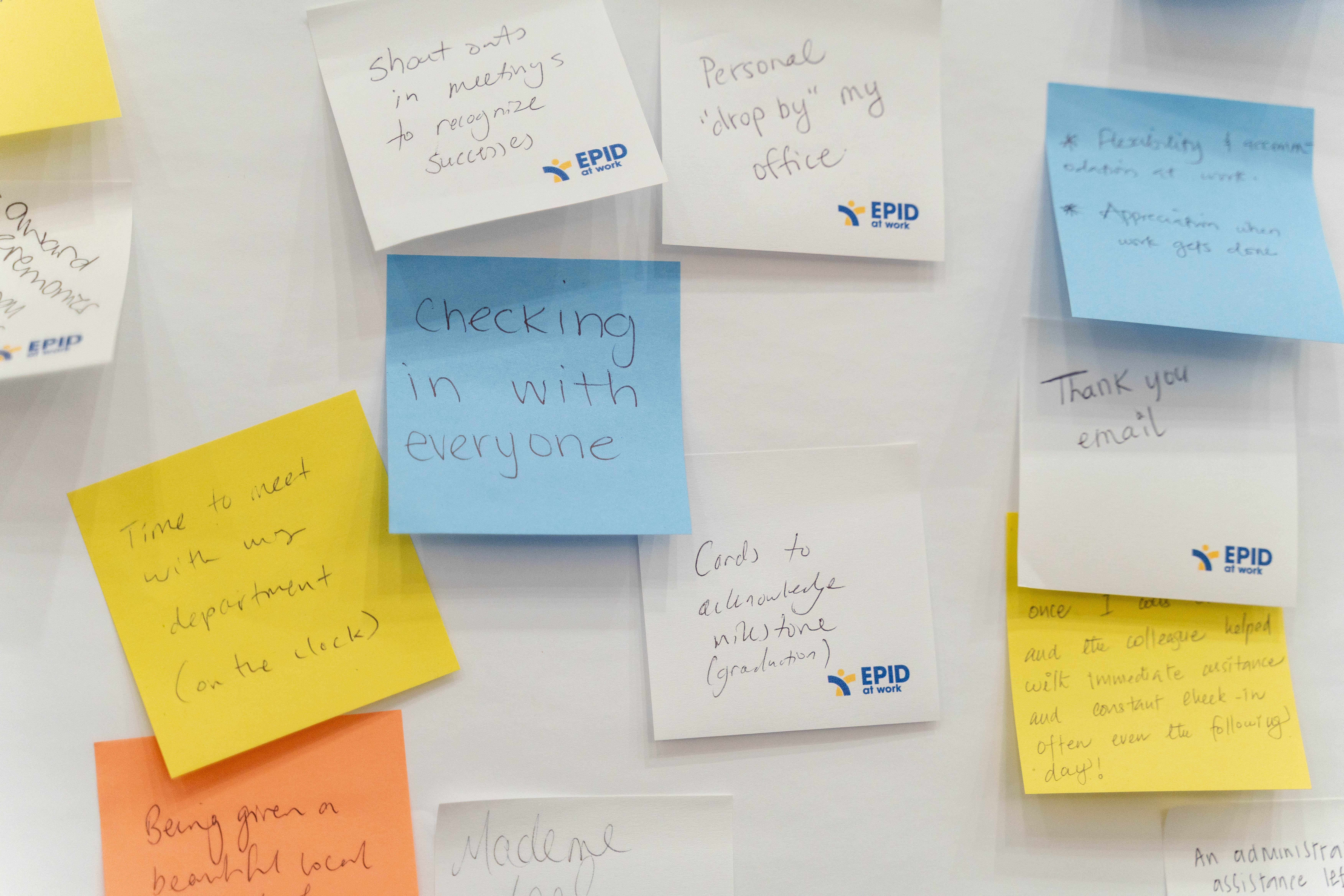
Hand written notes saying "checking in with everyone", "thank you email", "time to meet with my dept", "shoutouts in meetings", "personal drop-by my office", and "cards to acknowledge milestones" Conference attendees participating in Dr. Bawn's interactive session to map actions for workplace mental health.


Dr. Bawn led an interactive post-it note activity that actively engaged the room, generating a wealth of crowd-sourced evidence and practical ideas on concrete steps employers can take to support mental health on the job.

Collaborations with Community

The program also emphasized the strength of Community Based Research (CBR). Representatives from several of our core community partners actively participated in research presentations and panel discussions. We extend our gratitude to our community partners who contributed their invaluable insights:

  • Centre for Education & Research on Aging & Health (CERAH)
  • EmployNext
  • Nokiiwin Tribal Council
  • Superior Mental Wellness at Work
  • Thunder Bay & District Injured Workers Support Group
  • Thunder Bay Multicultural Association

Celebrating Student Research

The conference concluded with a celebration of emerging scholars during the poster presentations. Congratulations to Thamires Carraro Gatto, who earned the Best Student Poster Presentation Award for her compelling research on suicide mortality among healthcare professionals in Brazil.
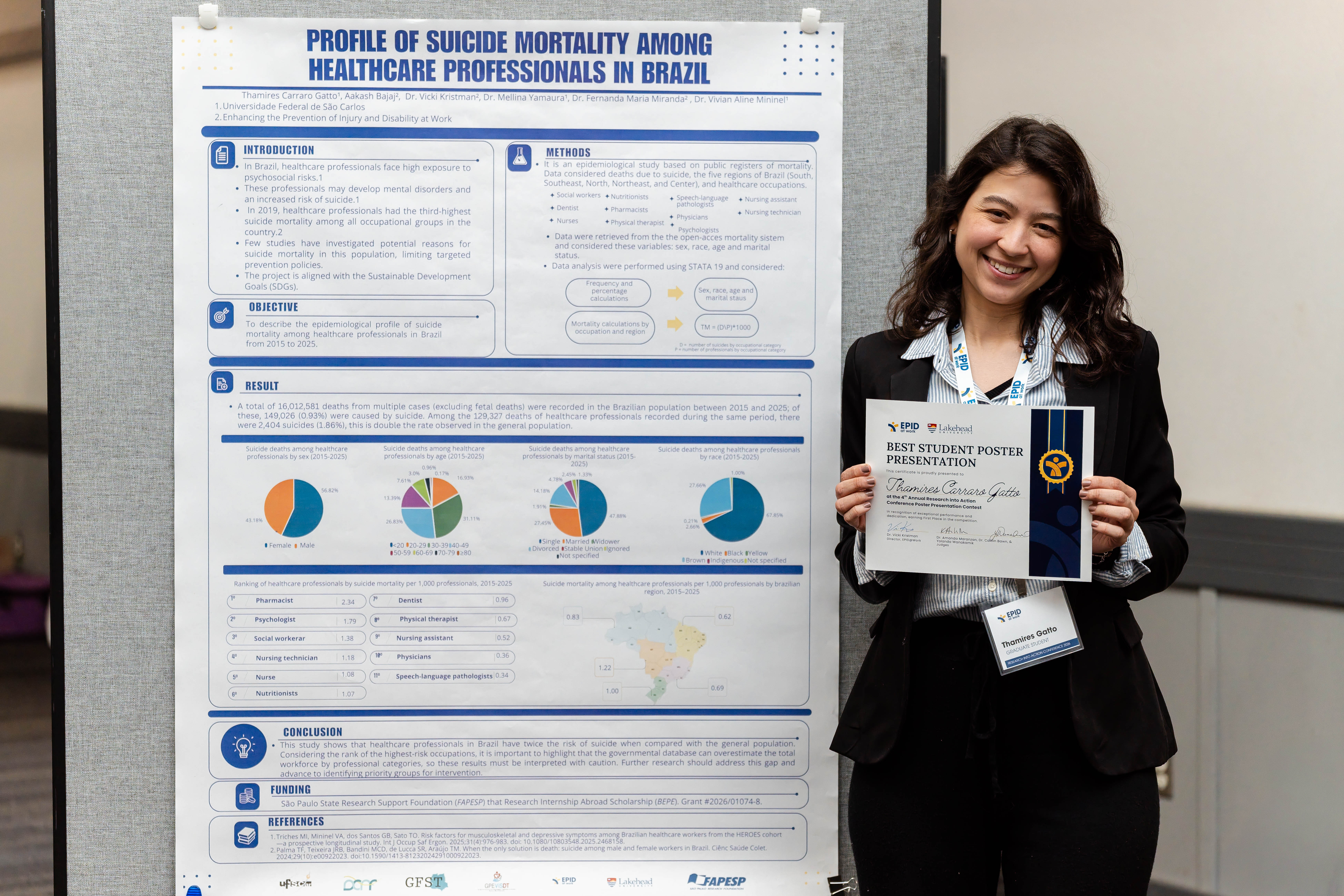
Thamires holding her certificate in front of her research poster.


We extend our sincere thanks to all of our speakers, partners, and attendees who made this day a success. We look forward to building on these conversations and welcoming everyone back for next year’s conference!

Research into Action Conference 2026 banner

Research in Action: Wabakimi partners with Lakehead for research and experiential learning

Published in The Chronicle Journal, Saturday, April 4, 2020.

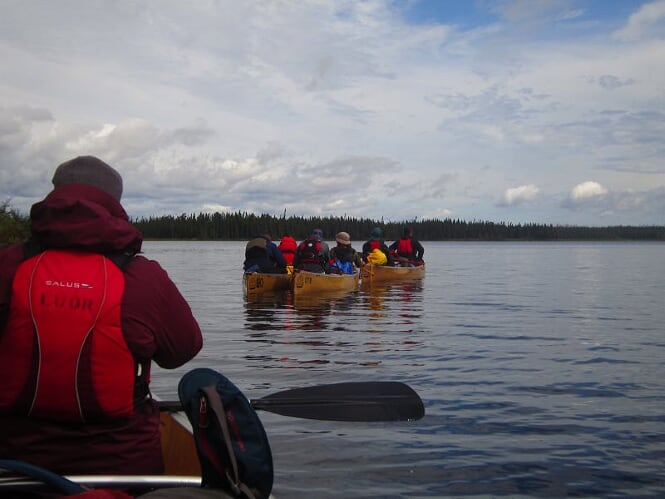
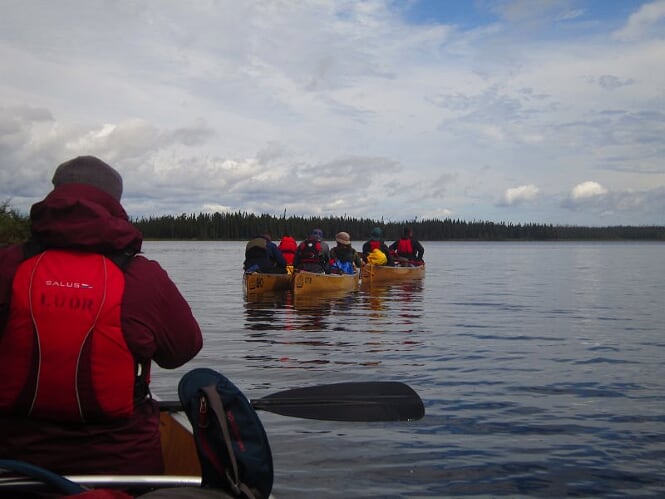
Students canoeing in Wabakimi - view of their backs

For over 20 years, Dr. Tom Potter, Professor in Outdoor Recreation, Parks, and Tourism (ORPT) at Lakehead University, has maintained a working relationship with Wabakimi Provincial Park.
More recently, Alexa Haberer, a Technologist in the ORPT program, has also been involved.
Each year, Potter and Haberer facilitate two-week research journeys for about a dozen third year undergraduate students in the ORPT program.

The journeys are the culminating project for their field exploration course. The trips have three main learning goals: expedition planning and preparation, which they undertake throughout the year; gaining experience in remote back county travel in the northwest ecoregion; and fostering first-hand data collection.

“I am extremely grateful to the staff of Wabakimi Provincial Park who have been highly supportive of our work over the years,” said Potter.

Shannon Lawr, Park Superintendent, Wabakimi Provincial Park, along with Shannon Walshe, Park Biologist, work with Potter and Haberer to identify the types of data collection that students could do to benefit the park, as well as canoe routes through the park that need attention. For example, students might document evidence of caribou, conduct a population study of beaver, identify and document plant species, or evaluate the state of campsites and portage routes.

“The students’ research and recreation-based activities, linked to our canoe routes, fill information gaps in terms of park operations and resource management,” said Lawr.

“The partnership with Lakehead also ensures the next generation of paddlers contributes to Wabakimi’s future and builds understanding as to why it is such a treasure,” he added.

Hannah Terejko, a fourth year ORPT and Natural Sciences student from Brantford, Ont went on last year’s trip, and echoes this sentiment.

“It is one thing to hear about a park and how amazing it might be, but to get to know it and connect to it like it is home creates respect, and drives the motivation to maintain its health,” she said.

Following the journeys, students compile comprehensive research reports that they present to the park. Through the students' detailed investigations, they make meaningful and unique contributions to park planning and management. They also expand their own vision and knowledge of the cultural, recreational and biological aspects of the park.

“It's a joy for me to watch students organise and conduct their data collection, and revel in their research accomplishments as they travel through some very challenging areas and environmental conditions,” said Potter.

During the trip, students are accompanied by qualified guides, including Lakehead faculty or staff. When possible, park staff members join the expedition group, too, which gives the students a chance to learn from someone working in their field. The experts, however, encourage students to lead. Students plan out their roles for the trip, rotating between leader, navigator, chef, head researcher, and assistant researcher positions.

“Everyone gets a chance to do everything, so each gets a chance to let the leadership skills they’ve developed over the program shine,” explained Haberer.

When asked about what she will take from the experience, Terejko reflected on these leadership skills.

“Being able to work with others and take initiative where it is needed, even in small tasks, can be more help to the group than it might seem, and is a great skill to bring into future jobs and careers,” she said.

Potter also noted the unique opportunity for not only hands-on learning but personal growth.

“Their projects encourage them to struggle more, see more, learn more, and appreciate more. And, they get to learn how challenging, exciting, and useful research can be,” he said.

Photo description: Lakehead University Outdoor Recreation Students in Wabakimi Provicial Park summer 2019
Photo credit: Hannah Terejko
Story written by: PhebeAnn Wolframe-Smith
Story published in Chronicle Journal "Research in Action Series" April 4, 2020

Subscribe to Community-engaged Research