


Researchers Receive Over $900,000 from SSHRC
Projects Will Improve Lives and Strengthen Communities
Lakehead University is receiving over $900,000 from the Social Sciences and Humanities Research Council of Canada (SSHRC) to support 12 projects that address timely social challenges.
“These SSHRC-funded projects will help advance our understanding of individuals and the environments in which they learn and grow,” says Vice-President, Research and Innovation Dr. Langis Roy. “With SSHRC’s support, Lakehead’s researchers are driving meaningful, evidence-based change that will improve lives and strengthen our communities.”
Understanding How Young Adults Use Social Media as a Coping Mechanism
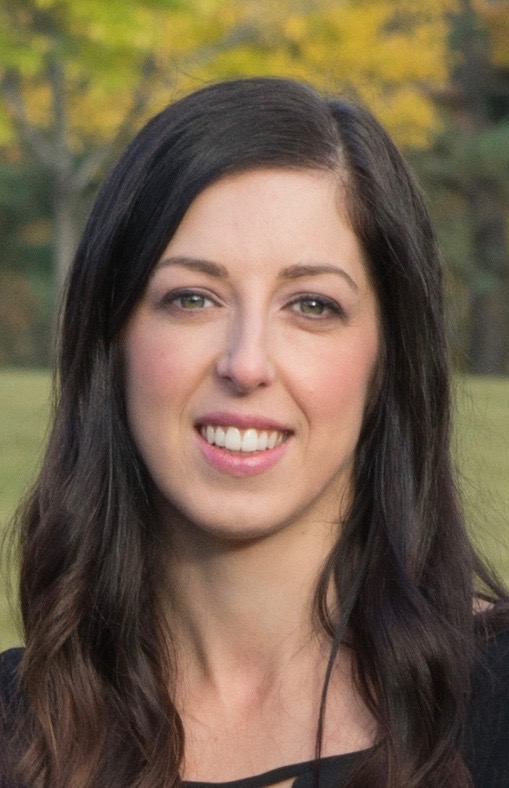 With the overwhelming popularity of social media, young adults are increasingly turning online to deal with life’s challenges. Dr. Aislin Mushquash, clinical psychologist and Lakehead University Research Chair in Youth Mental Health, and PhD student Jaidyn Charlton are receiving a SSHRC Insight Grant of $118,872 to uncover how, when, and why young adults use social media as a coping mechanism for stress and negative emotions.
“While social media can offer avenues for community and digital support, over-reliance can backfire and intensify feelings of loneliness, isolation, and anxiety,” Dr. Mushquash says.
With co-investigator, Dr. James Kim, assistant professor in the Department of Psychology, Dr. Mushquash and Jaidyn will track 300 young adults (ages 18-29) over 14 day-periods using “daily diary” surveys of their stress/mood, coping, and social media use.
Data will allow the team to pinpoint the social media platforms and features that young adults turn to when stressed. This information will help the research team assess whether digital escape helps or hurts participants’ daily moods, stress levels, and offline coping skills. The team will then interview 25 participants to learn more about their social media use and coping habits from their perspectives.
Findings from this study will help foster healthier social media habits among young adults and enable support systems— including caregivers, clinicians, and educators— to better guide those struggling with stress or problematic social media use.
Upholding Reading as a Fundamental Human Right for Every Child
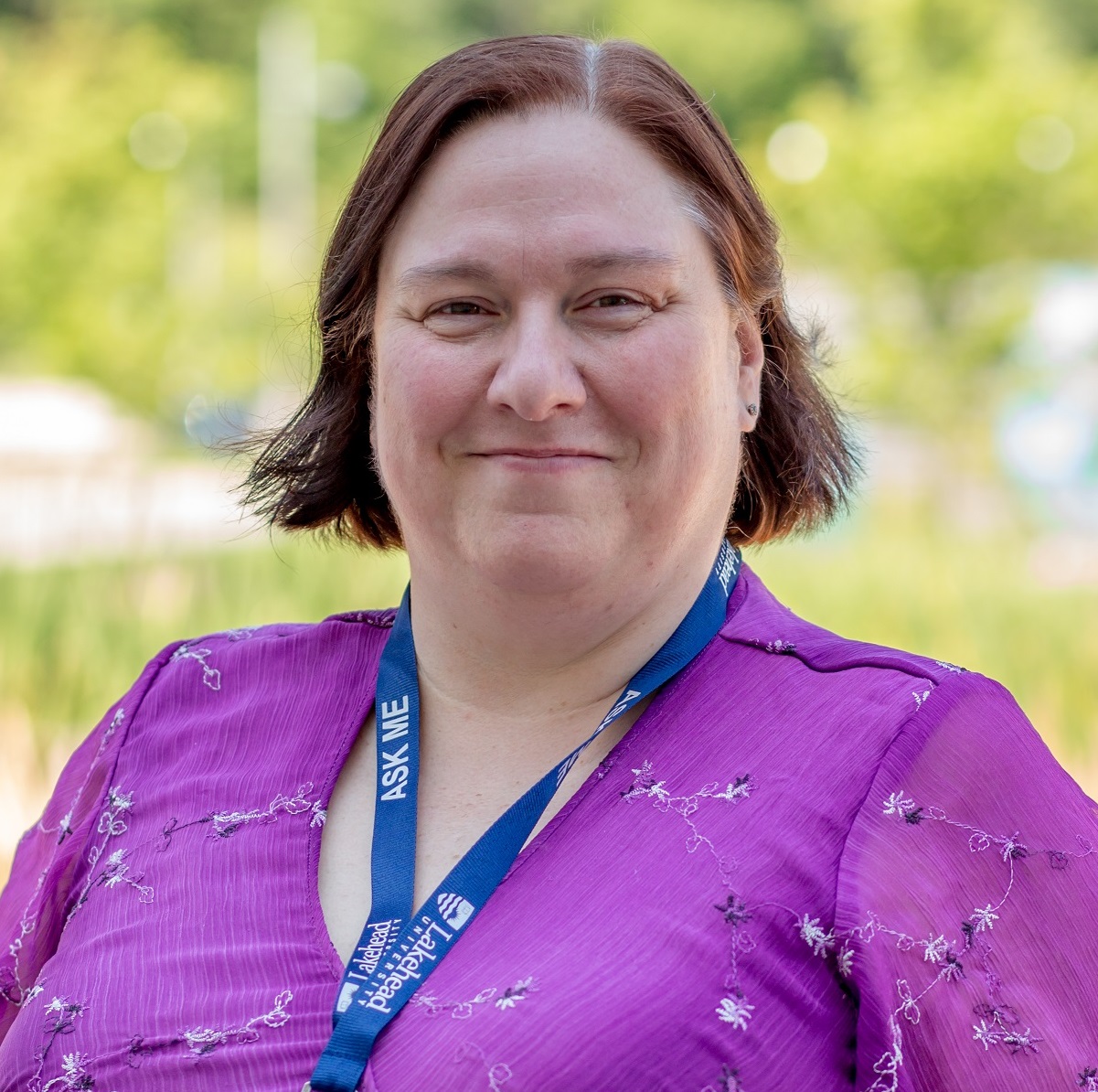 Following the Ontario Human Rights Commission’s Right to Read report (2022), Ontario classrooms are undergoing a major shift toward structured literacy instruction with a focus on developing stronger foundational literacy skills for primary students (K-3). To evaluate how teachers are navigating this transition, a new study led by Dr. Meridith Lovell-Johnston from the Faculty of Education will analyze how schools are bridging the gap between new government policy and everyday teaching.
“Reading is a fundamental human right, yet current instruction is not meeting the needs of all students, especially those with reading disabilities,” Dr. Lovell-Johnston says.
Supported by a SSHRC Insight Grant of $324,891, Dr. Lovell-Johnston, along with education professors Dr. Tanya Kaefer, Dr. Sonia Mastrangelo, and Dr. Hanna Wickstrom, will track Ontario kindergarten and grade one teachers for four years through annual educator surveys, interviews, and lesson observations. The study’s findings will reveal how teachers understand and are implementing these new methods for teaching reading. This data will help shape future educational policy and curriculum, improve teacher training, and inform literacy intervention strategies.
By ensuring classroom instruction aligns with proven research, this project aims to provide evidence-based guidance for educators and policymakers so that every child in Ontario can successfully learn to read.
In 2025-26, Lakehead University received over $2.8 million in assistance from the Research Support Fund to support the indirect costs of research, including the management of intellectual property, research and administration, ethics and regulatory compliance, research resources, research facilities, and research security.
SSHRC Funding Recipients
Lakehead received a total of $911,168 from the Social Sciences and Humanities Research Council of Canada (SSHRC). The following Lakehead researchers have received grants:
Partnership Engage Grant (one-year grant)
Dr. Kristin Burnett, Department of Indigenous Learning, “Canada's Affordability Crises: Food Insecurity, Access to Personal Identification and Ontario's Fee Waiver Program”, $25,000.
Partners:
Roots Community Food Centre
Collaborators:
Thomas (Chris) Sanders, Lakehead University
Dr. Leisa Desmoulins, Faculty of Education, “Infusing Indigenous ways of knowing and being into classrooms”, $25,000.
Partner(s):
Simcoe County District School Board
Collaborators:
Ruth Beatty, Lakehead University
Knowledge Synthesis Grant (one-year grant)
Dr. Idevania Costa, School of Nursing, “The Arts Transformed: A Scoping Review of Digital Storytelling as a Tool to Illuminate Lived Experiences and Amplify Voices of Equity-deserving Populations”, $29,990.
Partner(s):
Wounds Canada
Collaborators:
Catherine Phillips, Lakehead University
Melissa Twance, Lakehead University
Pilar Camargo Plazas, Queen’s University
Manuela de Mendonca Figueiredo Coelho, Universidade Federal do Ceara
Mariam Botros, Wounds Canada
Michael Lang, University of Calgary
Christina Godfrey, Queen’s University
Amanda Ross-White, Queen’s University
Dr. Sandra Jeppesen, Department of Interdisciplinary Studies, “AI and the Arts: Affective Responses to Technology Beyond Anxiety?”, $30,000.
Collaborators:
Miranda Campbell, Toronto Metropolitan University
Neven Lochhead, Lakehead University
Insight Grants (two-year grant)
Dr. Aislin R. Mushquash, Department of Psychology, “Into the virtual world: A multimethod investigation of coping via social media among emerging adults”, $118,872.
Collaborators:
James Kim, Lakehead University
Dr. Meridith Lovell-Johnston, Faculty of Education, “Educators' Understanding and Implementation of the Foundational Early Literacy Skills”, $324,891.
Collaborators:
Tanya Kaefer, Lakehead University
Sonia Mastrangelo, Lakehead University
Hanna Wickstrom, Lakehead University
Insight Development Grants (one-to-two-year grants)
Dr. Kristin Burnett, Department of Indigenous Learning, “’Both therapeutic and Preventative’: Anishinaabe Youth and YWCA Canada's Summer Camps and School Clubs in Northern Ontario after WWII,” $43,573.
Dr. Mehdi Arzandeh, Faculty of Business Administration, “Novel measures of distribution and dispersion of liquidity in the LOB of futures markets,” $83,249.
Dr. Kathryn Walton, Department of English, “Uncovering Medieval Children's Literature in Middle English Manuscripts,” $34,593.
Destination Horizon Grants (one-year grant)
Dr. ShiKui Wu, Faculty of Business Administration, “Smart Region: Models, Technologies and Applications”, $15,000.
Collaborators:
Hui Zhang, Lakehead University
Muditha Heenkenda, Lakehead University
Diane Ahrens, Deggendorf Institute of Technology
Thomas Meier, Deggendorf Institute of Technology
Connection Grants (one-year grant)
Dr. Kathryn (Amanda) Maranzan, Department of Psychology, “Trained in Canada – Bridging knowledge and practice to transform professional psychology education and training”, $25,000.
Partners:
Canadian Psychological Association
Canadian Council of Professional Psychology Programs
Collaborators:
Sara Hagstrom, St. Joseph’s Care Group
Emma Climie, University of Calgary
Aid to Scholarly Journals (three-year grant)
Dr. Charles Levkoe, Department of Health Sciences, “Canadian Food Studies”, $156,000.
 Dr. Mushquash, Psychology Professor and member of Pawgwasheeng (Pays Plat First Nation), is Lakehead’s first
  Physics Professor Dr. Alla Reznik is revolutionizing the early detection and diagnosis of cancer. Dr. Reznik and her team have developed a low-dose Positron Emission Tomography (PET) scanner for breast imaging that has shown promising results in clinical settings.
 Dr. Galway, Associate Professor in the Department of Health Sciences, investigates how urgent global challenges, including climate change, pollution, biodiversity loss, and ecosystem degradation, directly impact the well-being and equity of people.
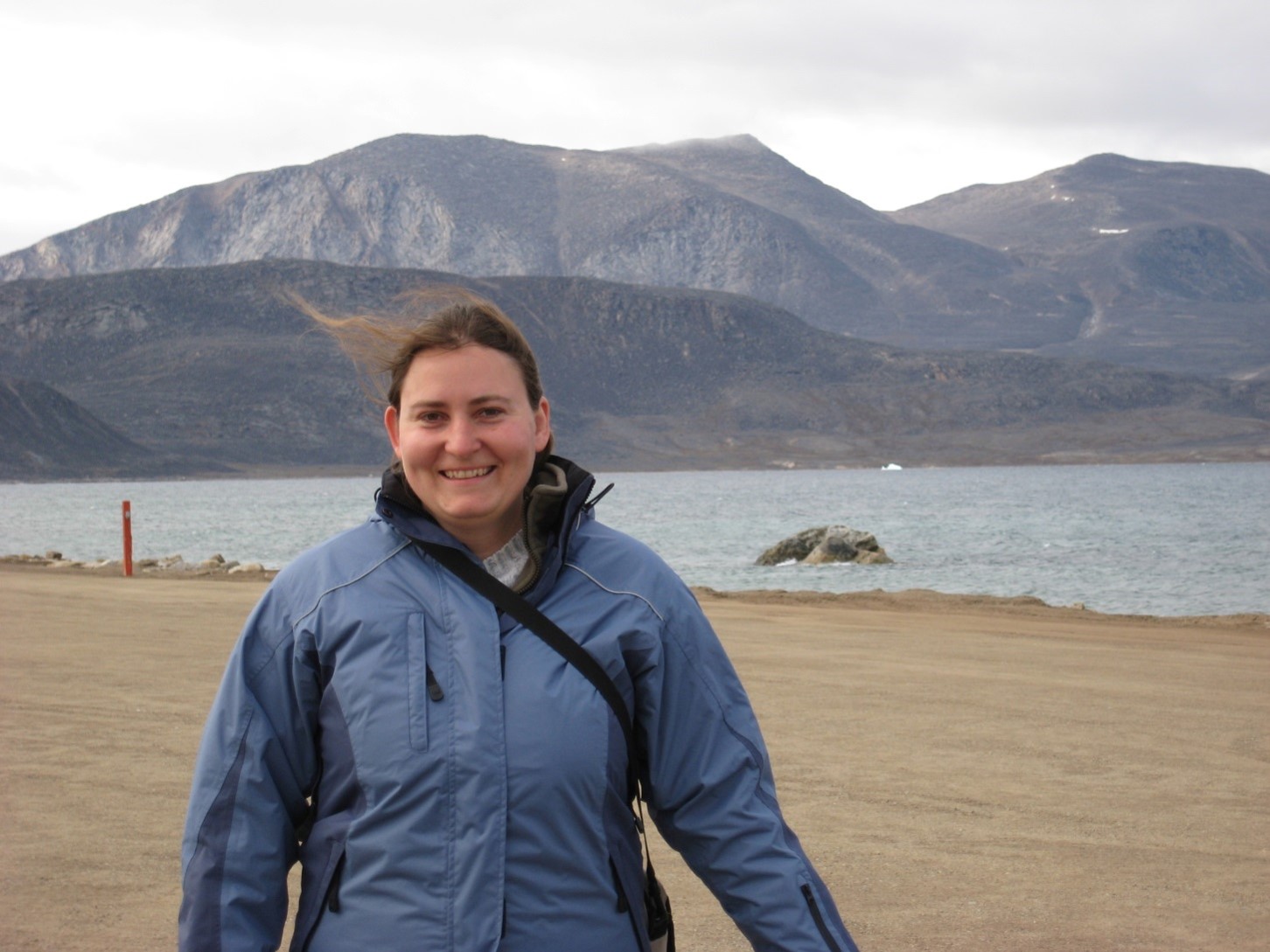 “Many Indigenous communities have lost lands and resources to hydroelectric development, severely impacting their economic and cultural wellbeing,” Dowsley explained. “By studying some of these injured human-plant relationships we hope to support communities in strengthening their plant relationships. This can have important impacts in areas such as the Sustainable Development Goals, improving the lives of girls and women, and building resilience into damaged local food systems.”
 In another community-focused project, Dr. Mackinnon, an Assistant Professor in Interdisciplinary Studies, will examine how libraries in mid-sized Ontario cities balance safety with their mandate of free and equitable access.