
Alumni Spotlight: Community Leader Erin Beagle

She's Helped Create a Place Where Everyone Knows Your Name

"I love people," says Lakehead alum Erin Beagle (BEd'05).

Anyone familiar with her long history of community work can attest to this fact.

Erin joined Thunder Bay's Roots to Harvest when it was founded in 2007 and now serves as its executive director.

It's a grassroots organization—now known as Roots Community Food Centre—that uses food to connect people and to foster dignity through meaningful programs, initiatives, and advocacy.
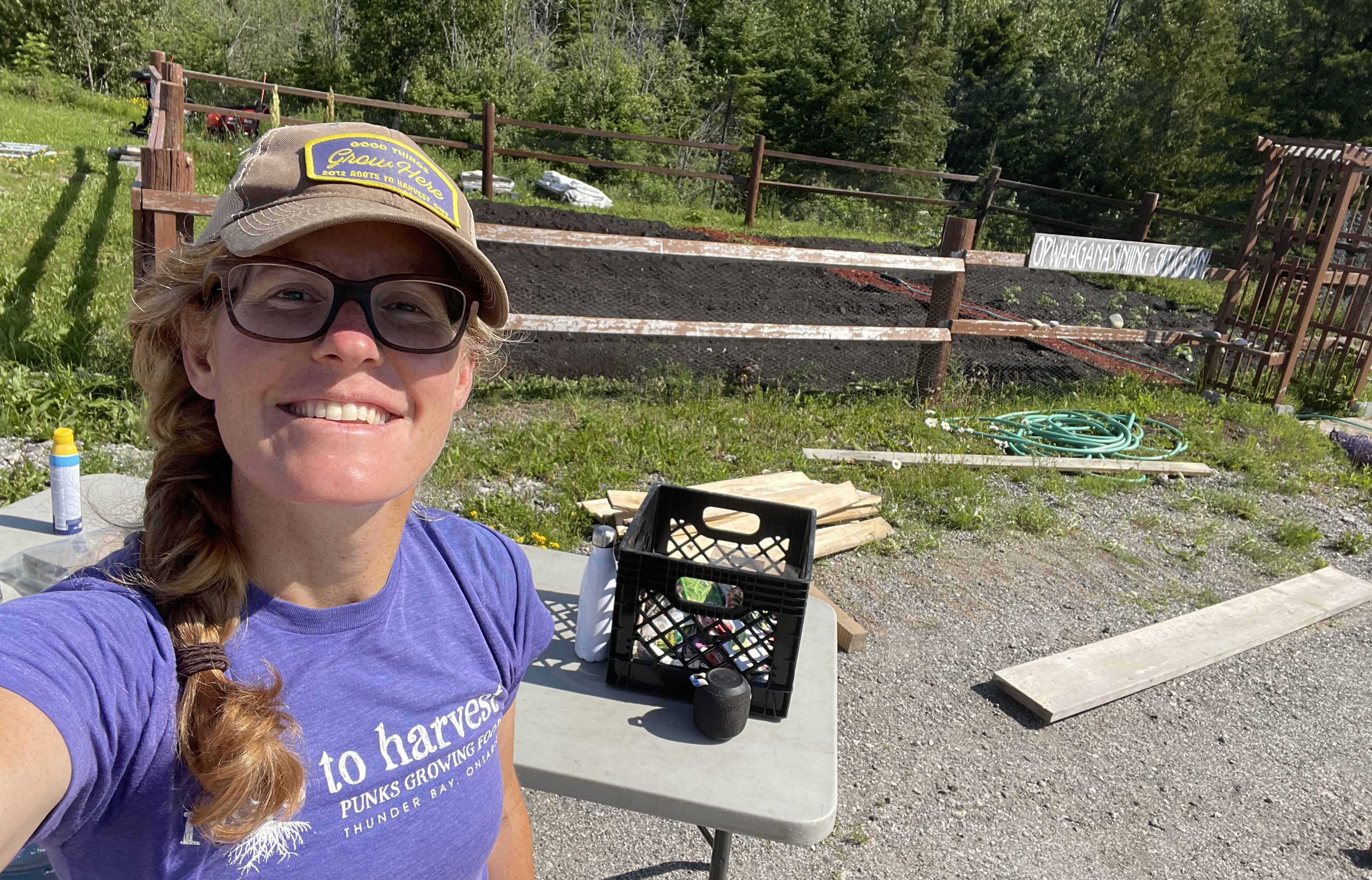
Erin Beagle, wearing a baseball cap and glasses, stands beside a fenced-in garden

Erin (above) says that one of her favourite dishes prepared in the Roots kitchen is their whitefish chowder. "We serve it at the Empty Bowls fundraiser that benefits Shelter House and the Thunder Bay Food Bank."

"People are what keeps me coming back," Erin says. "I get inspired by my staff, colleagues, and the people we serve."

She's also energized by the sheer variety of her work.

"One day I might be writing a grant, the next day I might be changing a car battery, giving a talk at a school, or beekeeping.

"Right now we're learning maple syrup production and accessing local foods to use in school classrooms and the Roots kitchen."

Taking a Walk on the Wild Side

Erin grew up in Prince George, British Columbia, and spent her summers at the Educo Adventure School, which gave her a passion for outdoor education.
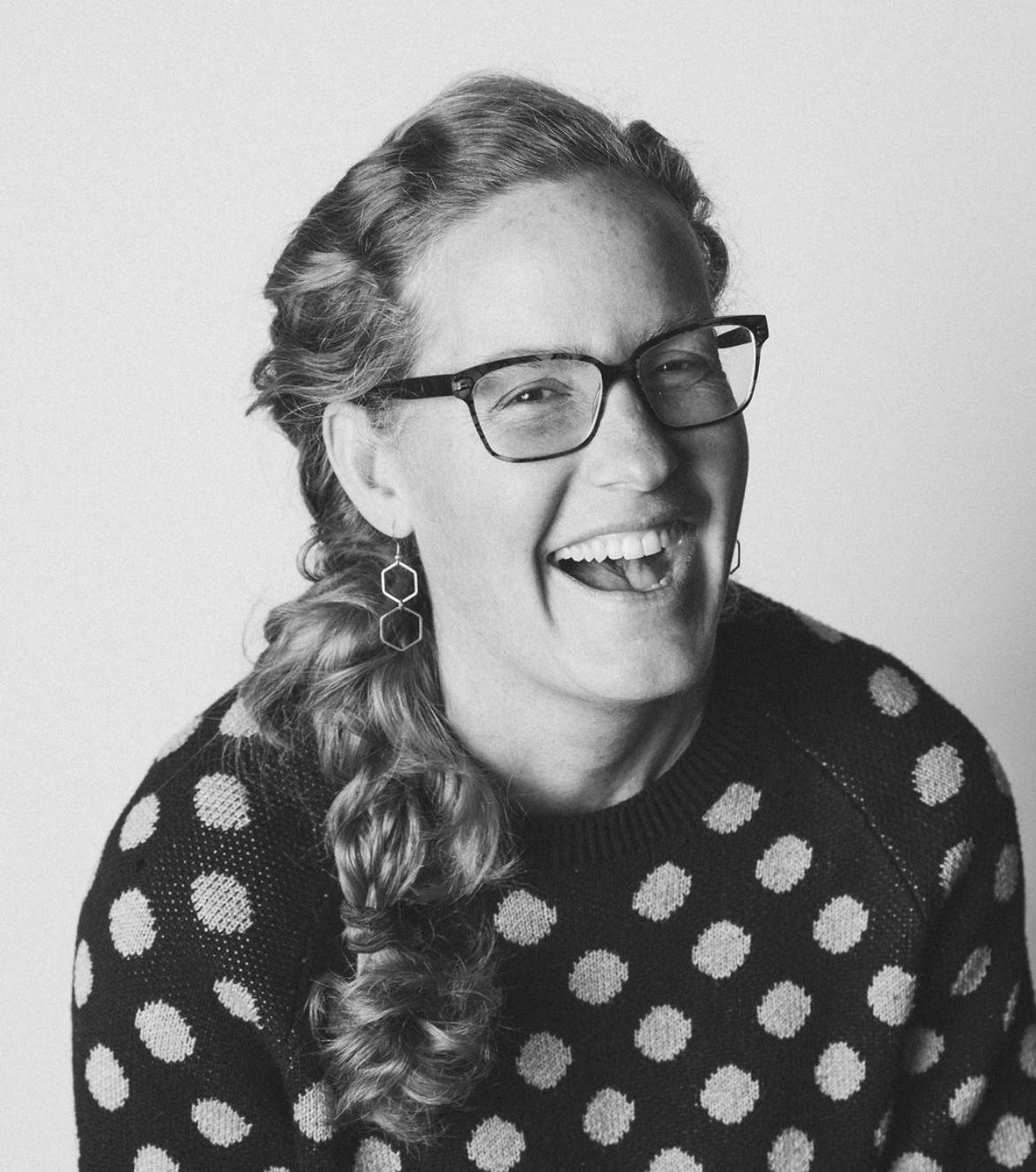
A black-and-white photo of Erin Beagle laughing

"All of my classmates in Lakehead's OE3 program were interested in alternative models of education," Erin says. "Through OE3, I did placements at Churchill High School teaching problem-based learning in science. It was a great way for kids to learn, and I treasured my time there."

Later, as a young adult, she ran Educo's wilderness experience program.

This sparked a desire to open her own experiential school and enrol in Lakehead's Faculty of Education.

At the time, Lakehead was one of only two Canadian universities to offer the Outdoor, Ecological, and Environmental Program (OE3) to prospective teachers.

"I went to Lakehead's website for more information," Erin says.

"When I clicked on it, there was a photo of the OE3 program head, Dr. Tom Puk, rappelling off a cliff. I thought, 'Oh, these are my people.'"

The Start of Something Big

A couple of years after graduation, Erin was working for the United Way on its national Action for Neighbourhood Change initiative.

"I collaborated with residents in the Simpson-Ogden neighbourhood to build engagement and address issues like crime from a neighbourhood level."

Around the same time she connected with Lakehead social work professor Dr. Connie Nelson and political science professor Dr. Doug West. They'd received a grant for an exciting new project called Roots to Harvest.

"The goal was to engage students from grades 6-12 in food security projects," Erin explains.
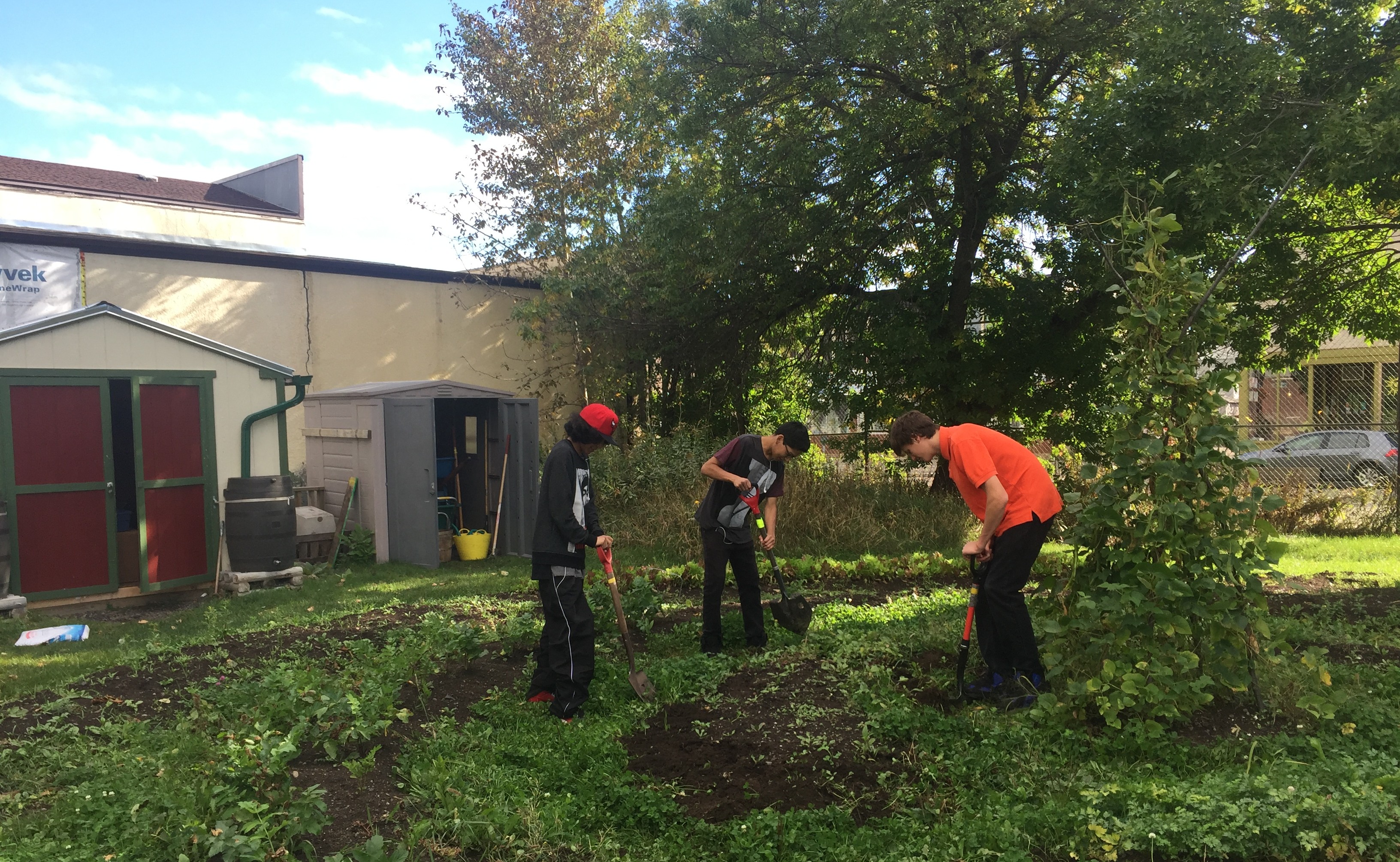
Three boys with spades dig in a garden next to a building and two sheds

Roots has two large urban farms—the Volunteer Pool Garden on Martha Street and the Lillie Street Garden.

Erin became one of Roots to Harvest's first team members and wasted no time getting her hands dirty.

"We started a community garden at the corner of Algoma and Cornwall and promoted farming and food systems at the local level," she says.

She realized that she'd found her calling.

In 2012, Roots to Harvest became a non-profit organization and in 2021, it became part of Community Food Centres Canada, changing its name to the Roots Community Food Centre.

Food, Friendship, and Belonging

Roots excels at delivering transformative programs and services.

Their community food markets in Thunder Bay, Kiashke Zaaging Anishinaabek First Nation, and Whitesand First Nation are improving food security in the region by selling below-cost fruits and vegetables.

In addition, they provide free community meals twice a week to seniors over 60 and—in partnership with the Indigenous Friendship Centre—host a free monthly lunch featuring wild food like moose, berries, and rice.

Roots' urban farm program, which offers employment and skills training to youth aged 15-30, holds a special place in Erin's heart.

"I love that teenager spirit," she says. "Being a young person isn't easy and they meet that challenge."
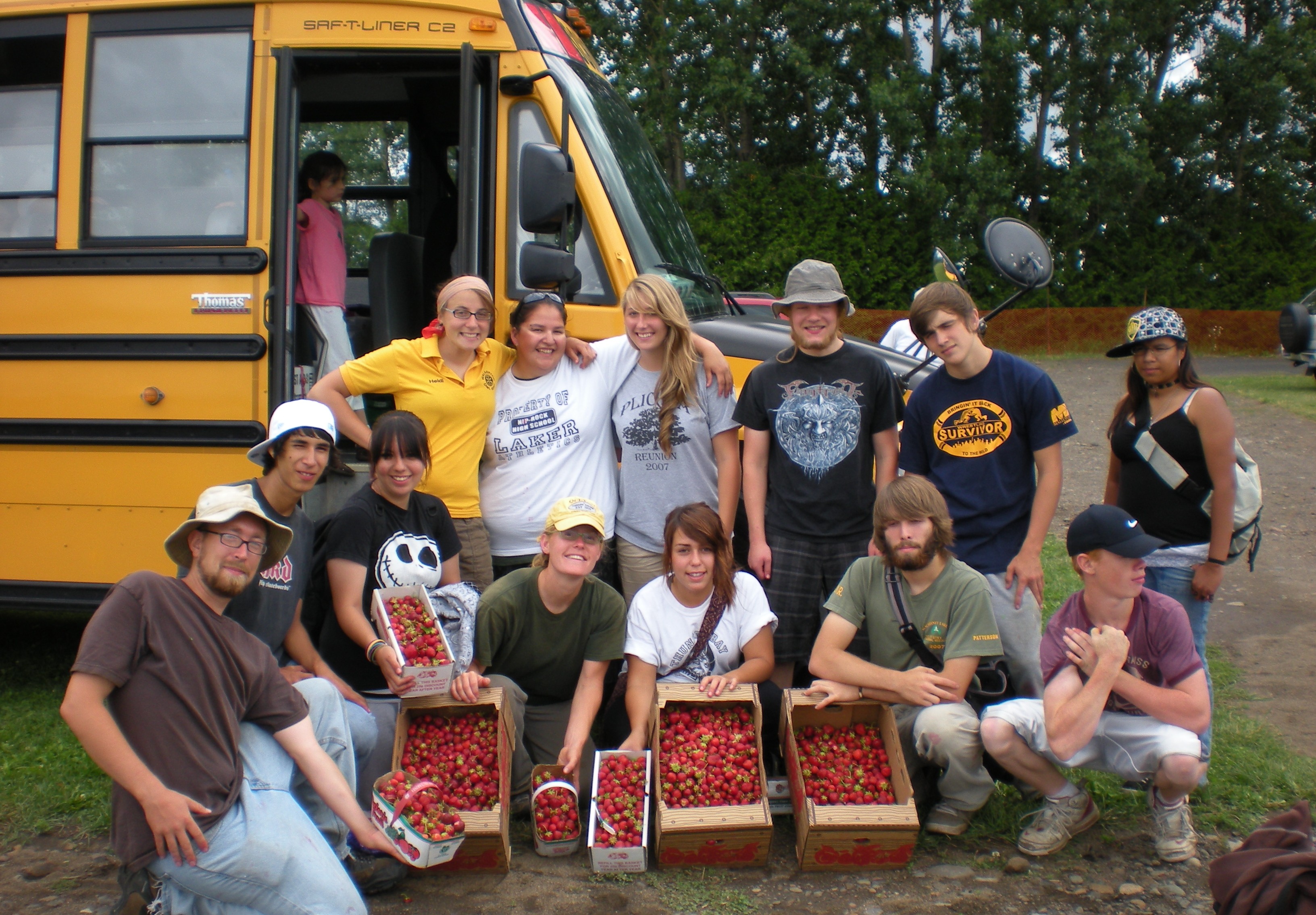
Erin Beagle, students, and staff pose in front of a yellow school bus while displaying baskets and boxes of strawberries

Roots contributes to the community in a multitude of ways, including improving food security and providing services like free income tax clinics open to people with simple taxes whose income is less than $50,000 per year.

Roots also supports aging in place for seniors, senior wellness and fitness programs, and many advocacy programs in partnership with community organizations.

For instance, they recently held a basic ID clinic to help people get documents such as birth certificates and social insurance numbers.

"Roots is so much more than farming and gardening," Erin says. "It's a place that lifts up everyone from elementary school kids to seniors.

Community members have made Roots their own, and northwestern Ontario is more resilient because of it."
The Courage of her Convictions

Law Student Jigme Tsering Stands Up for the Marginalized

"There's a saying in my community: If you're born Tibetan, you're born an activist," says third-year law student Jigme Tsering.

As a first-generation Canadian born of refugee parents, she decided to study law as the next step in her longtime interest in environmental justice, social justice, and humanitarian work.

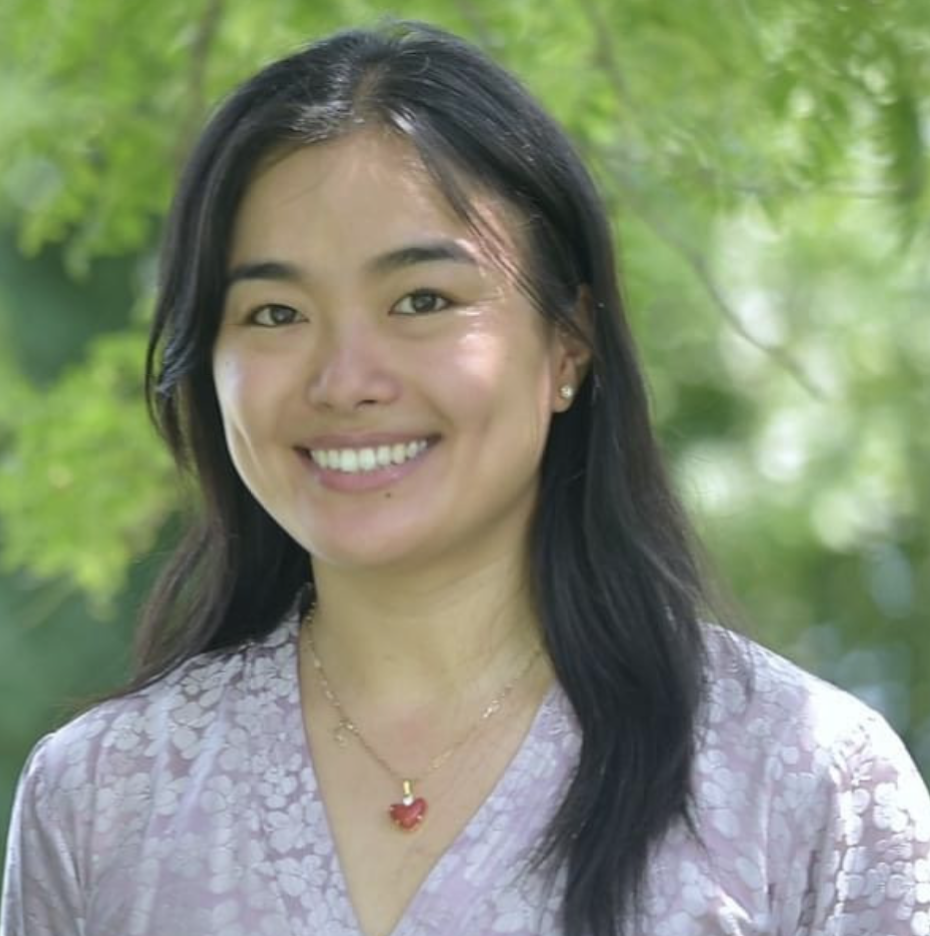
A head-and-shoulders image of Jigme Tsering standing outside with trees in the backgroundThe Tibetan Canadian Cultural Centre in Etobicoke has been one of the places where Jigme has been able to reconnect with her cultural heritage and engage in advocacy.
It was at the centre that she co-founded Nyamdo Mentorship, a program that pairs youth members with mentors to help them plan for academic and career success.

"To be Tibetan is to inherit a history of displacement and resilience," Jigme explains.

"Following the annexation of Tibet by the People's Republic of China and the 1959 Tibetan uprising, many Tibetans, including my grandparents, were forced into exile."

A Law School Like No Other

Jigme, who grew up in the Toronto area, chose to study at the Bora Laskin Faculty of Law because it's the only Ontario law school to offer a specialization in Indigenous and Aboriginal law.

Since arriving in Thunder Bay, she's become a vital part of the legal community.

She was the Dean's Fellow in Indigenous Law, a position created to foster law students' understanding of Anishinaabe legal traditions.

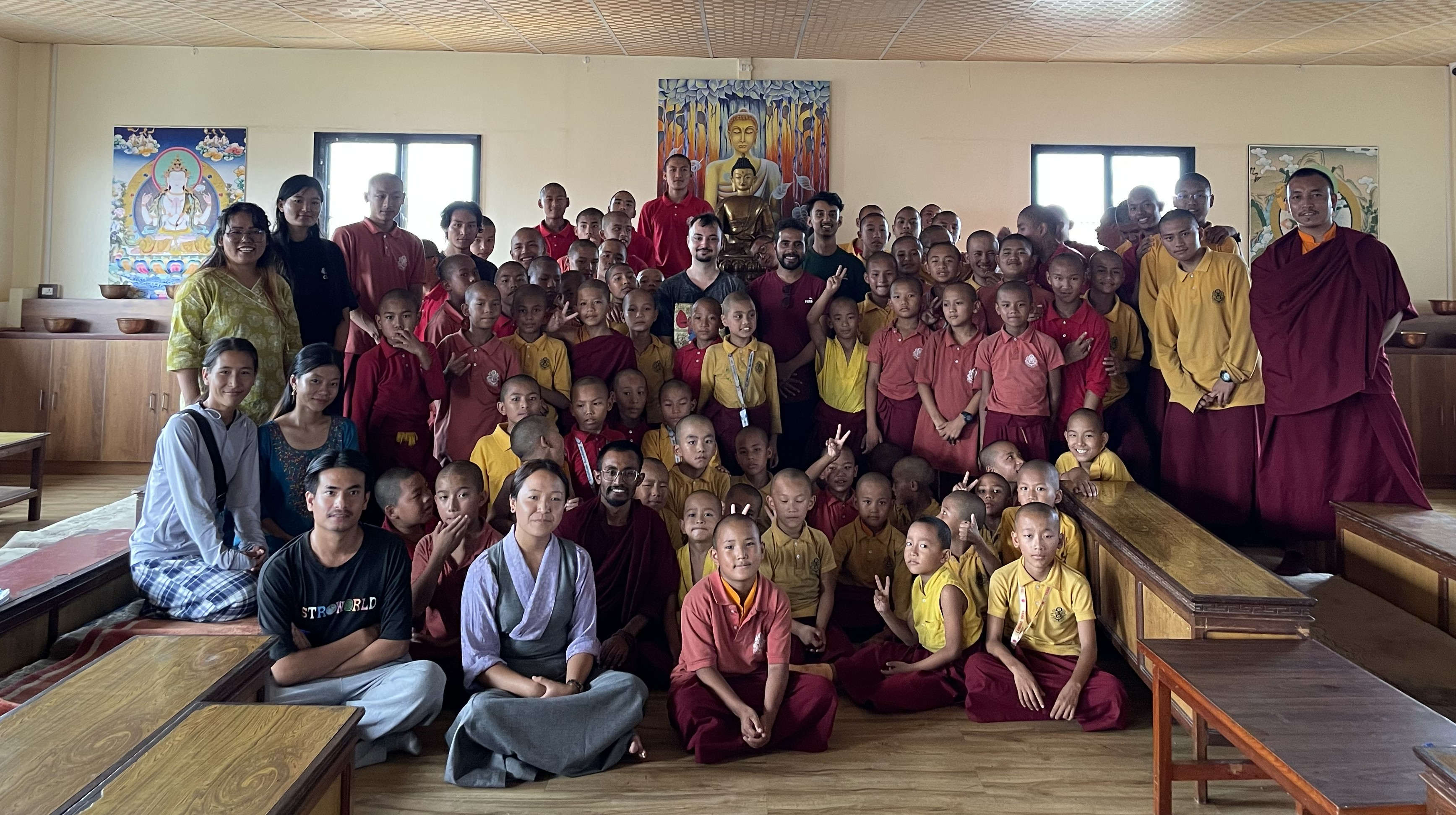
Students and members of the Tharlam Monastery pose for a group photo in a room with images of Buddha on the wall

"My grandparents, and other exiled Tibetans, carried their language, faith, and identity across the Himalayas on foot and sought refuge in India and Nepal," Jigme says. Above, some of the students, teachers, and staff of the Tharlam Monastery and Tharlam Academy in Nepal.

She also worked for the Lakehead University Community Legal Services, completed a placement with Legal Aid Ontario's Indigenous Services Division, and was part of the team that helped establish the Indigenous Human Rights Clinic at the Thunder Bay Indigenous Friendship Centre.

"One of the reasons for coming to Bora Laskin was because I wanted to be up north," Jigme says. "I wanted to better understand what the lived experience was like for people."

Equally important to her has been her pro bono work with Legal Advocates for Nature's Defense (LAND) and a summer position with the Canadian Environmental Law Association (CELA).

Fighting Persecution and Environmental Degradation

Jigme's background as the daughter of Tibetan refugees has drawn her to the intersection of economic development and human rights.

"To speak Tibetan, to practice our traditions, or to tell our stories are acts of quiet resistance. This reality has shaped my understanding of the law not just as a system of rules, but as a tool that can either constrain or protect identity, dignity, and self-determination."

Since the 1960s, China has been displacing Tibetans to get access to minerals in the region, damaging sensitive ecosystems in the process.

"Nomadic activists protesting mining on their traditional lands can be disappeared into prisons, and small towns are displaced and flooded for the sake of hydro projects," Jigme says.

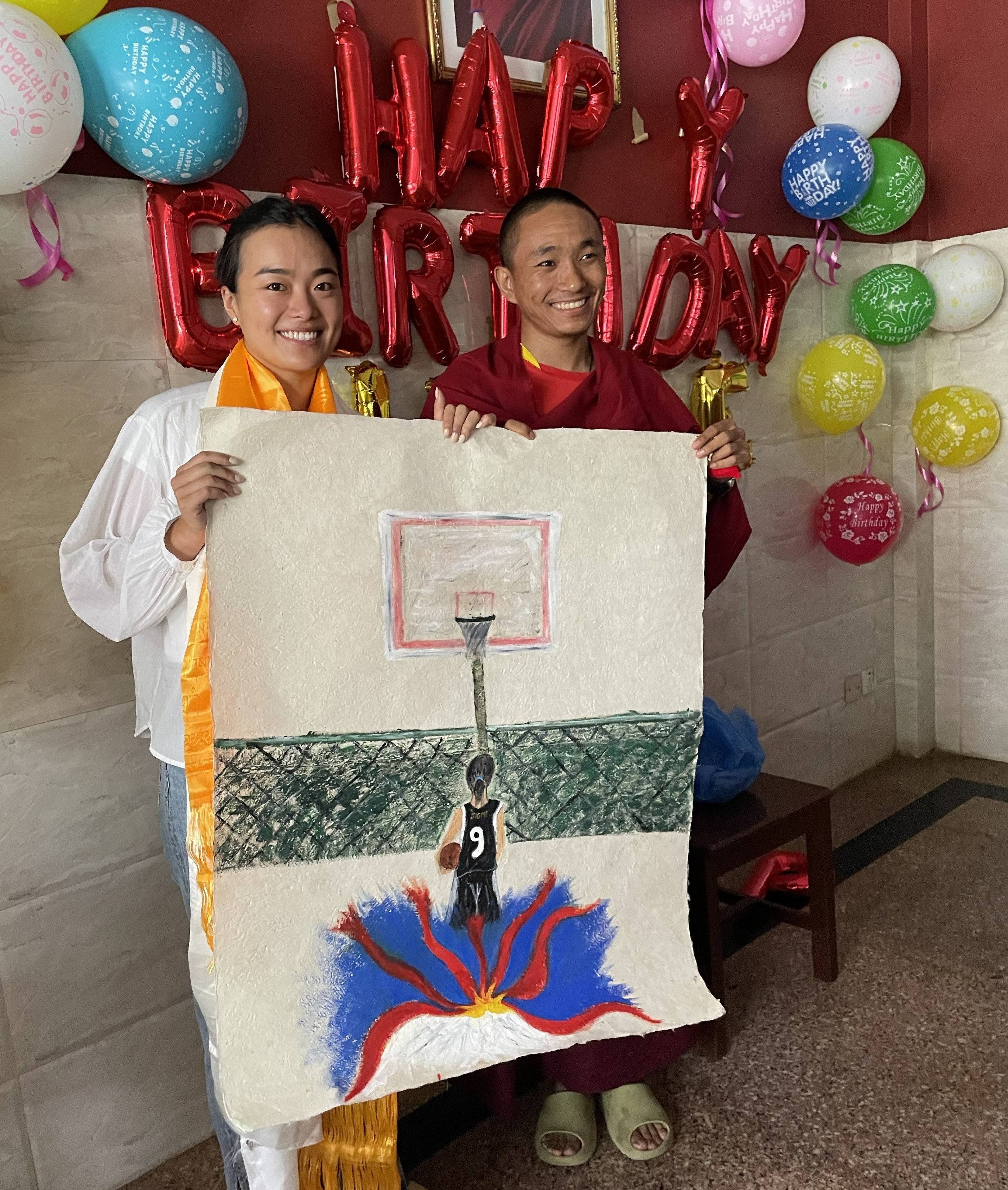
Jigme Tsering and a Buddhist monk stand in a room with balloons saying Happy Birthday and hold up a drawing of a basketball player

For Jigme's birthday, Sonam, a monk at Tharlam Monastery drew this picture of Jigme playing basketball. "We have a shared love of sports, for him, it's soccer and futsal, and for me, it's basketball," Jigme says.

She sees parallels between the treatment of Indigenous Peoples in Canada and the treatment of Tibetan people by the Chinese government.

For her, mining projects like northwestern Ontario's proposed Ring of Fire, which targets critical minerals on Indigenous lands, raise alarm bells.

"Canada's economy is built on the exploitation of Indigenous land, just as China's is on Tibet.

I decided that the best avenue to confront these issues would be through law by amplifying Indigenous voices, ensuring their interests are meaningfully represented, and demanding accountability when they are not.

I see economic development as a foundation for self-governance, and I am committed to contributing to that work."

Advocating at Home and Overseas

Between 2023 and 2025, Jigme worked as a project coordinator and funding liaison at the Tharlam Monastery in the Kathmandu District of Nepal.

Her time there had a profound impact on Jigme.

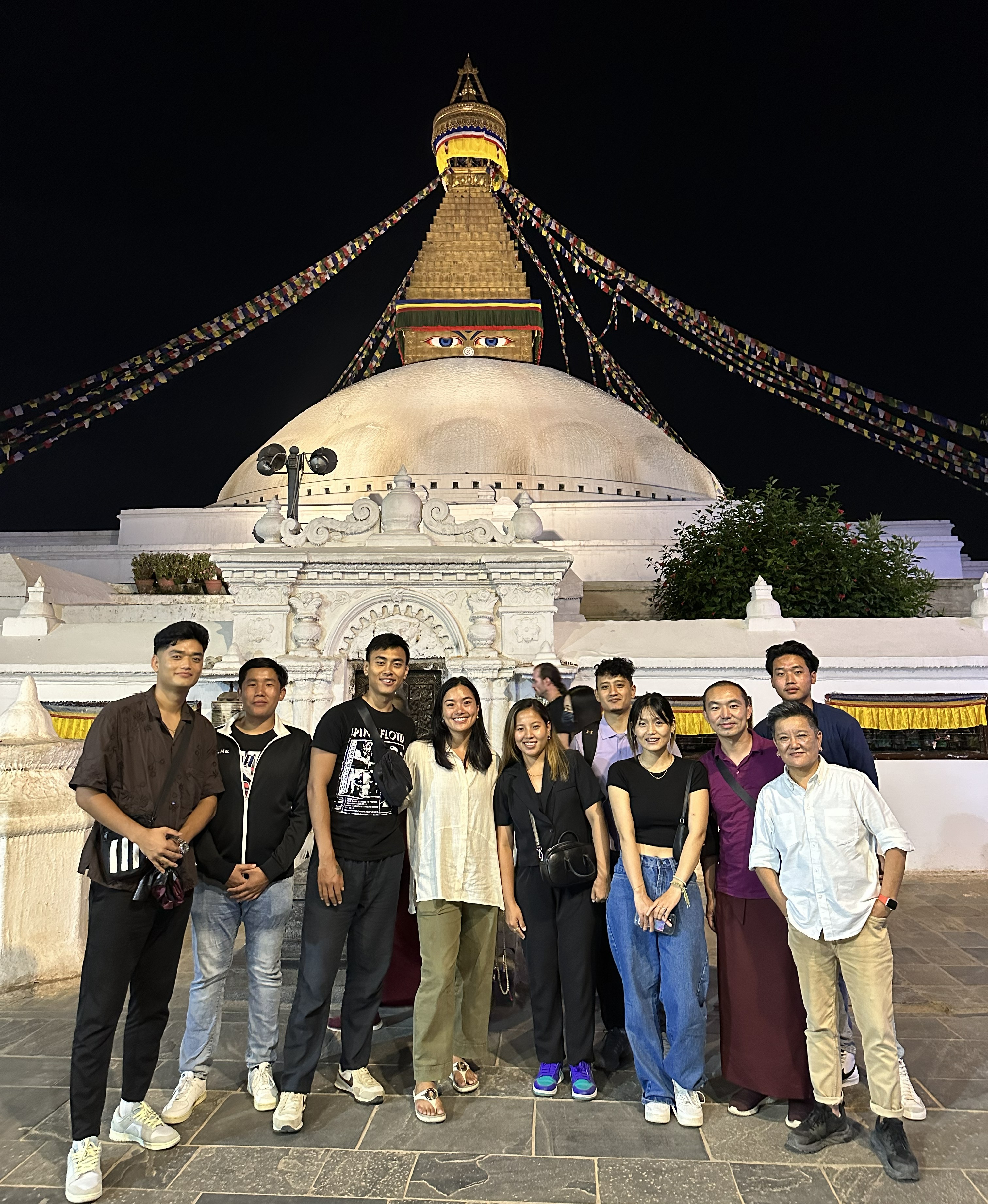
Jigme Tsering and a group of people stand in front of the Boudhanath Stupa at night

"The landscape surrounding Tharlam Monastery is a very striking contrast between stillness and movement," says Jigme (centre wearing white shirt). "It's a place that offers many opportunities to practice mindfulness and patience." The monastery itself is a quiet refuge tucked away on a residential lane that sprouts off from the busy main road leading to the iconic Boudhanath Stupa (pictured above).

"Despite having no prior connection to Nepal—even though my dad grew up there—it was the first place where I truly felt like I blended into the community, especially in terms of appearance.

That sense of belonging, along with the monastery's quiet energy, made the experience feel both grounding and unexpectedly familiar."

In her role at the monastery, she secured over $100,000 USD for initiatives such as infrastructure for clean potable water. She also got involved in hands-on projects, like helping develop a waste management system where glass, metal, and plastic could be recycled and sold to raise funds.

Small boys wearing red and yellow robes stand on the steps of a building while another group of boys plays on the building's forecourt

"As a Tibetan, it was interesting to see the inner workings and management structure of the monastery, something I would not typically be privy to," Jigme says. Left, young boys training to be monks enjoy some down time at the entrance of the monastery.

After graduating from Lakehead this spring, Jigme will work at a private law firm in Toronto that collaborates with Indigenous organizations.

"I'm committed to thinking globally while acting locally and using the law as a means of safeguarding communities whose voices are too often marginalized."

Research and Innovation Bulletin

The Research and Innovation Bulletin is distributed weekly every Tuesday by the Office of Research Services and includes information on research funding opportunities, events and workshops and updates from our funding partners.

Check out the latest version of our Bulletin, by clicking here.

research and innovation bulletin

Earth Day 2026 at LU

Join us for Earth Day activities on the Thunder Bay campus and around town on April 22. 

Campus Clean Up
12 to 4 p.m. - Join anytime in that window

  • Enjoy some time outside while helping us clean up our beautiful campus!
  • Check in at Lake Tamblyn by Faculty Lounge / Cafeteria for materials
  • Registration is appreciated, walk-ins are welcome!
  • We highly recommend you bring a buddy (or your whole unit!)
  • Supplies (gloves, bags, litter pickers, sharps box) will be provided, but feel free to bring your own gardening gloves
  • Dress for the weather
  • Host: LU Office of Sustainability, with support from EcoSuperior and Physical Plant
  • Questions? email Rachel Portinga, Sustainability Coordinator, rporting@lakeheadu.ca

Opening Reception - Northwest Climate Gathering 2025 Artists Residency Show 
2:30 to 3:30 p.m.

  • Thunder Bay Art Gallery, 1080 Keewatin St 
  • Open to the public, free 
  • Show will be up at the Gallery April 21 - 29, 2026. 
  • Host: Northwestern Climate Gathering 
  • Sponsor: Northern Credit Union 

Earth Day Celebration
6 to 8 p.m. 

  • Centennial Conservatory, 1601 Dease St 
  • Movie: The Lorax, Popcorn, Tour, Crafts and Activities
  • Bring your Water Bottle
  • Open to the public, family-friendly, free.
  • Co-Hosts: City of Thunder Bay, Northwest Climate Gathering, LU Office of Sustainability 
Earth Day campus clean up

Why do we sometimes ignore our gut instincts?

Dr. Beth Visser Wants to Help People Escape Dangerous Situations

Content Warning: This story includes references to sexual violence.

Dr. Beth Visser is an acclaimed forensic psychologist whose work has led her down some dark paths.

Her previous research investigated individuals with narcissistic, Machiavellian, psychopathic, and other socially malevolent traits who manipulate, deceive, and exploit others.

Dr. Visser, who's also a psychology and interdisciplinary studies associate professor at Lakehead's Orillia campus, has now turned her attention in a different direction.

She wants to understand why women-identified victims and survivors of crime may find it difficult to remove themselves from risky or dangerous situations.

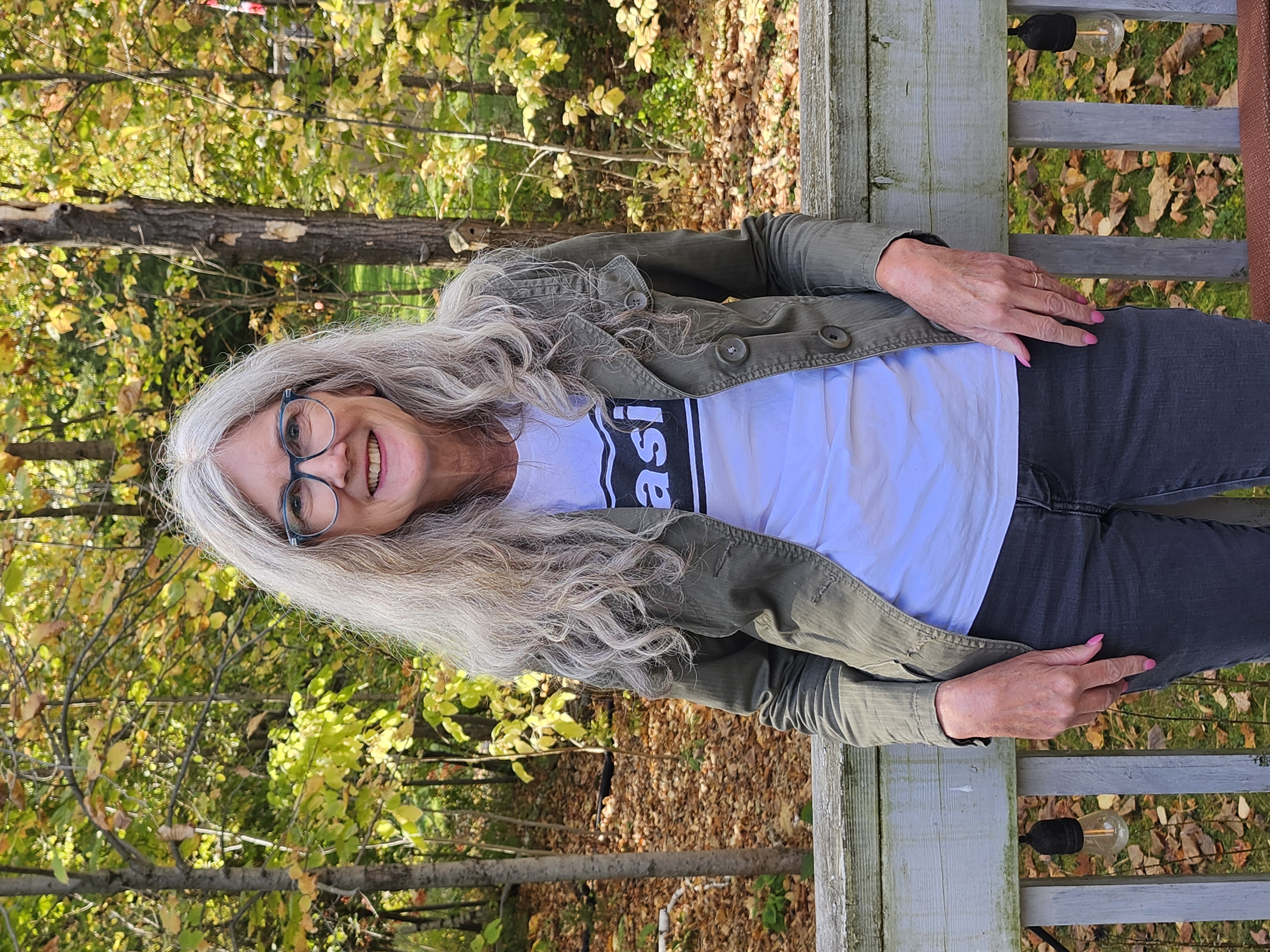
Dr. Beth Visser leans against a wooden deck railing in a yard with trees and fallen leaves

Dr. Visser is an associate editor of both the Journal of Research in Personality and Collabra: Psychology, as well as Lakehead's graduate program coordinator for psychological science. "I want to support talented junior researchers like Theresia Bedard who are doing important work that will have a positive impact on victims and survivors," she says.

Her work is timely, considering the disturbing headlines of the past few years—from the horrifying sexual assault case of Frenchwoman Gisèle Peliquot to the World Junior Hockey sexual abuse scandal to the ongoing Epstein files in the United States.

Dr. Visser's goal is to prevent people from being victimized by sharing her findings with the general public, organizations that support victims and survivors, and fellow researchers.

Victims Are Often Overlooked

"I would go to psychopathy conferences and meet with my peers every couple of years, and none of us were studying victims and survivors," she says.

After a victim's support group representative attended a recent conference and asked how this research relates to victims and survivors, Dr. Visser had an epiphany that has shifted the course of her work.

"I thought it might be more helpful to talk to people who've been exploited by somebody who's psychopathic because they'd probably have better insight into what happened than the psychopathic person," she explains.

"My collaborator Dr. Angela Book and I are exploring why people feel they can't leave a situation when they are afraid."

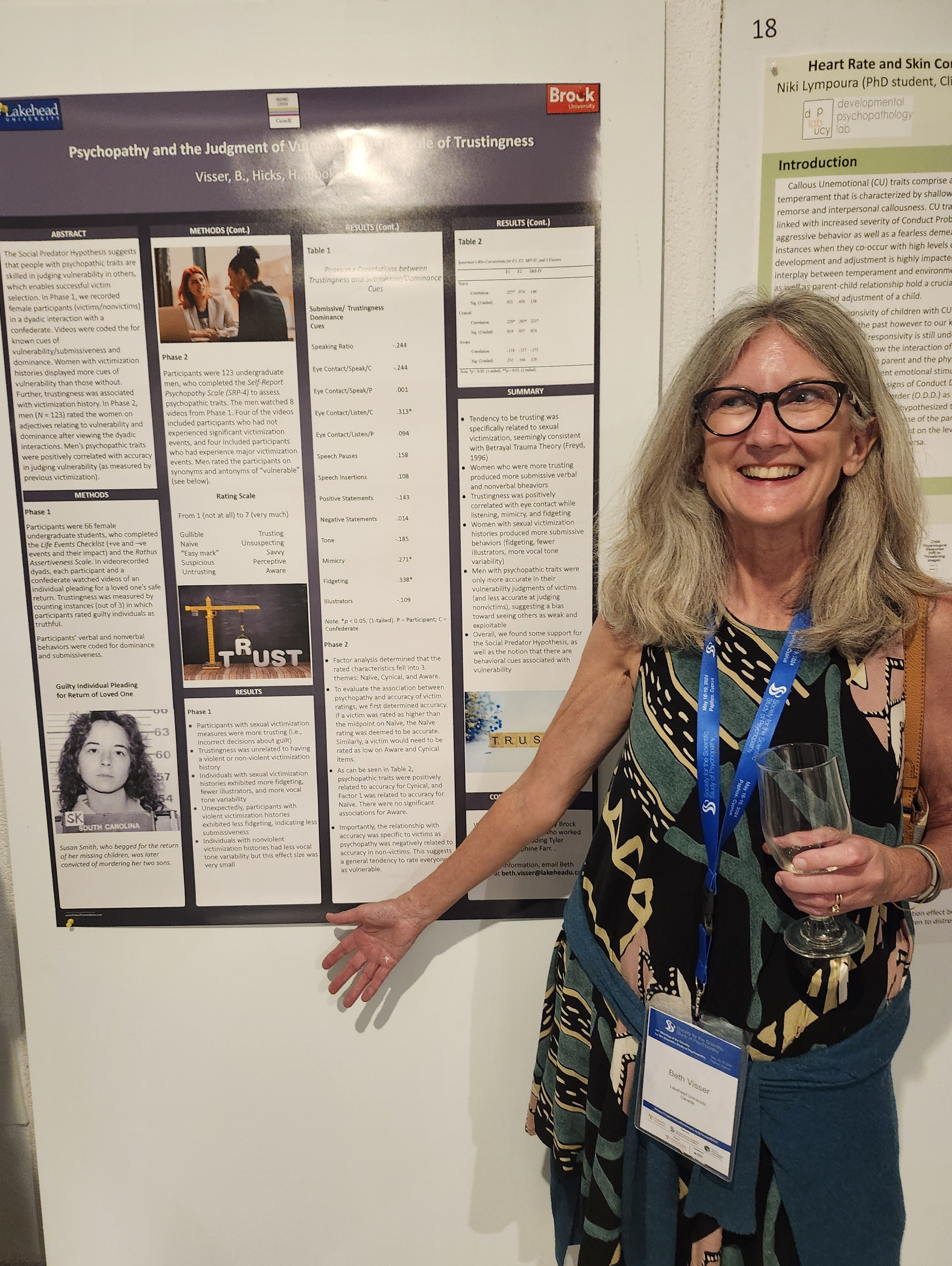
Dr. Beth Visser stands in front of a research poster about the social predator hypothesis Dr. Visser is a research volunteer with the Aftermath: Surviving Psychopathy Foundation, which supports victims and survivors. One of her contributions is to provide accessible translations of research articles, and she will be sharing her own research findings with Aftermath.
In their latest research study, Dr. Book, a professor in psychology at Brock University, recalls buying a used musical instrument for her son from a man who told her that the instrument was in his camper van.

"She's a very experienced forensic psychologist, but she got in the van," Dr. Visser says. "Fortunately, she came away with a well-priced musical instrument, but she knew that, objectively, it was a terrible decision.

As women, we're peacemakers. We might have been taught to avoid conflict. What we've found in our research is that, for women, there's this variable called 'silencing the self' that was the strongest predictor for complying in unsafe situations."

Being Polite Can Leave You Powerless

Whether they get goosebumps or some other physiological reaction, women often know in their gut when something is a bad idea or situation.

Yet Dr. Visser says that they may shut down these signals because they want to avoid anything that will cause a confrontation.

"If you can't bring yourself to be rude when you're concerned about your personal safety, it puts you at even greater risk," she says.

Another complication Dr. Visser notes is that although society has changed somewhat since the #MeToo movement, many of the underlying systemic issues remain the same.

"When you listen to women who've testified and gone through the court process, it's still pretty harrowing."

Dr. Visser and her PhD student, Theresia Bedard, are conducting studies with open-ended questions to learn why people stay in dangerous circumstances or appear compliant.

"When we asked people, 'Have you ever been in a situation that you felt like you couldn't get out of?' almost 50 per cent of the women spontaneously responded with a story about some creepy guy.

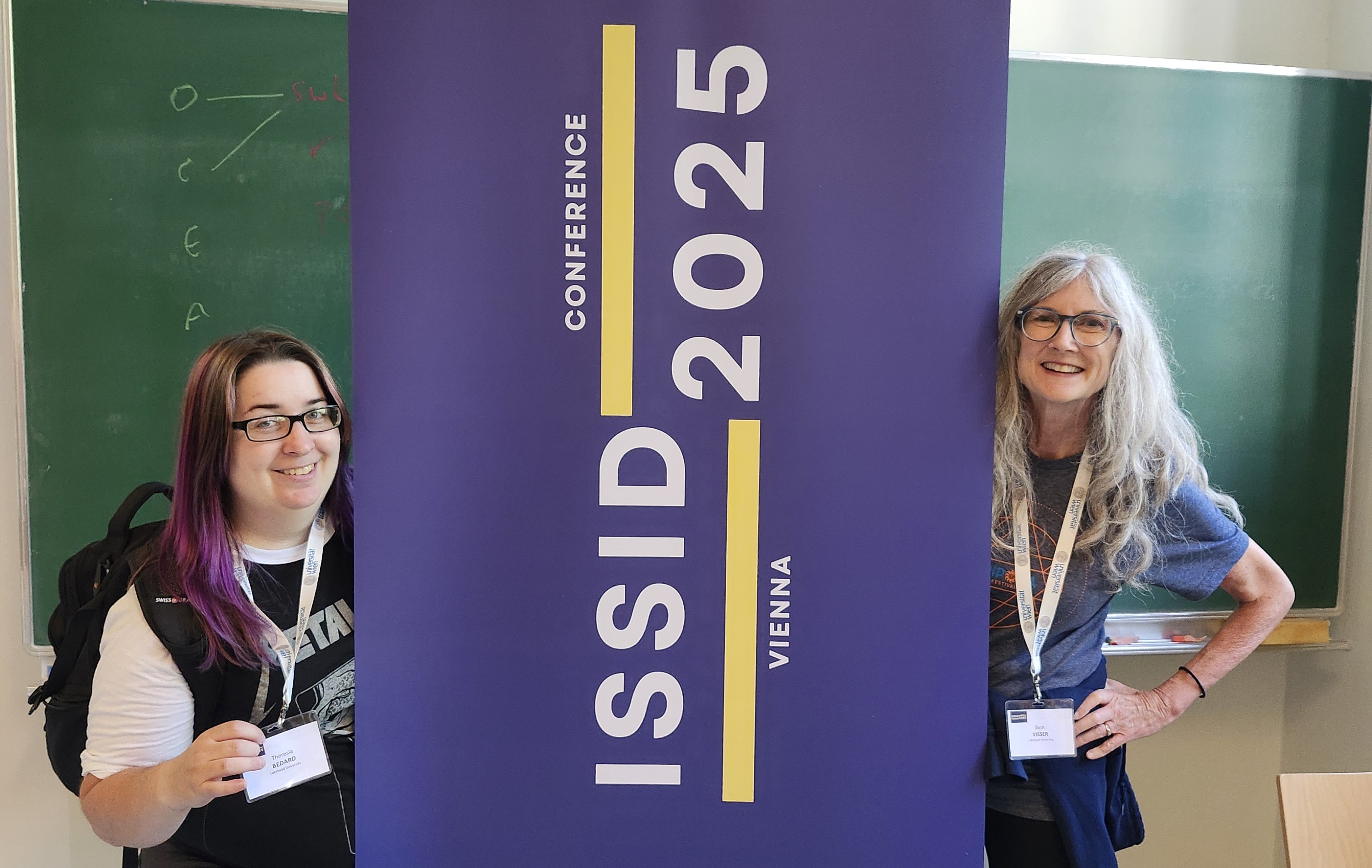
Theresia Bedard and Dr. Beth Visser stand on either side of an ISSID 2025 Conference banner

Dr. Visser (right) and her PhD student Theresia Bedard (left) present their research at the 2025 International Society for the Study of Individual Differences (ISSID) conference in Vienna. They also give public talks to spread awareness of their work. Recently, Dr. Visser spoke to the Psychological Association of Lakehead Students (PALS) and students in Lakehead's Humanities 101 program.

One thing we're learning is that as well as humans' fight, flight, and freeze responses, when faced with a threat, there's a fawning response.

People think, 'If I just make this person happy, they won't hurt me.'"

She's also looking at whether past childhood trauma makes an individual more likely to exhibit a fawning response.

"Maybe you're more likely to try and keep the peace," she says. "We know that previously victimized people are more likely to be victimized in the future."

This is exactly what Dr. Visser hopes her research can help change.

Dr. Visser's research is being made possible by a Social Sciences and Humanities Research Council (SSHRC) Insight grant.

This Rising Changemaker Wants a Better World for Everyone

Student Leader Aliss Chavarri Excels at Taking on Tough Challenges

Caring for others is second nature to third-year biology student Aliss Chavarri.

Growing up in Lima, Peru, her father instilled in her the importance of lending a hand to those in need.

"If there was flooding in interior parts of Peru, my dad and I would travel inland to assist with relief efforts," Aliss says. "We'd carry buckets of water, clean up homes and buildings, look after kids, cook, and do anything else that was needed.

My dad is my hero."

Finding Her Purpose

These childhood experiences have transformed Aliss into a committed advocate and activist.

She spent three months in Baltimore, Maryland, for instance, as a student leader with Habitat for Humanity where she built homes for four low-income families.

Aliss Chavarri and four other women wearing blue hardhats and holding hammers stand on the grounds of a construction site

Aliss (left) worked long hours as a Habitat for Humanity volunteer in Maryland.

It was this impulse to help people that prompted Aliss to study biology with the ultimate goal of becoming a doctor.

"I chose Lakehead because I wanted to learn in a small community that was close to nature. I also wanted small classes, environmentally sustainable campuses, and an emphasis on experiential learning," she continues.

"During my first semester, I collected soil samples from Anemki Wajiw (Mount McKay) and water samples from Lake Tamblyn. It wasn't something that I expected to be able to do so early in my program."

Aliss's interests quickly extended beyond the classroom. She began contributing to campus life as an orientation leader and as a student assistant with Lakehead International.

Aliss Chavarri stands at the bottom of the staircase in the Agora next to Student Central

Aliss is the current Lakehead University Student Union president. She's proud of the many services that LUSU provides, such as the new Wolfpack Volunteer Program. "Students who join the Wolfpack give back to the community by volunteering as well as learn new skills and build up their resumes."

These experiences led to a shift in her career ambitions.

"I realized that although I love science, I don't want to be a doctor. Instead, I want to become a lawyer and advocate for fellow community members."

She's doing that now as president of the Lakehead University Student Union (LUSU). In this leadership role, Aliss focused on addressing housing issues and food insecurity as well as promoting diversity and inclusion.

Ending Period Poverty on Campus

One of the initiatives Aliss is most proud of is the recently launched Lily Pad Project.

It's a partnership between LUSU, Pride Central, and the Gender Equity Centre that provides free organic and non-toxic menstrual products in washrooms on Lakehead's Thunder Bay and Orillia campuses.

Aliss Chavarri stands in LUSU's office peeling a label off a sheet to apply to a Lily Pad dispenser

Aliss stocks Lily Pad dispensers with period products.

"After learning that one in five menstruating students miss school because they lack access to menstrual products, I knew that I needed to act," Aliss says.

"These products are as essential as toilet paper and soap, which are provided for free in public washrooms. Period products should be free, too."

Lily Pads dispensers and products are currently available in 40 washrooms, and there are plans to expand this initiative to include all campus washrooms.

An Ingenious Approach to Housing Challenges

In 2024, Aliss began harnessing her entrepreneurial talents to take on an urgent problem affecting international students.

"I discovered that many of them were having trouble finding housing. Since they're new to the country and don't have Canadian bank accounts, they often can't pay rent deposits," Aliss explains.

"Students were also being scammed by fake landlords."

Aliss and fellow biology student Joshua Sanchez created the Nestar website and app to give students safe and accessible housing options.

Joshua Sanchez, Aliss Chavarri, Lesly Gunasekara, and Bryan Wong hold Ascend Accelerator graduation plaques while standing next to Ingenuity Manager Alyson MacKay

Aliss (second from left) and Joshua Sanchez (far left) graduated from the Ascend Accelerator program run by Lakehead's Ingenuity business incubator. The coaching and mentoring they received is enabling them to launch their Nestar rental website and app.

Nestar will connect the right tenants with the right landlords through a sophisticated matching system. Once it's fully operational, students will be able to sign leases electronically, pay their rent via credit cards, and run background checks on themselves to give to prospective landlords.

"Students will be able to rent a verified house before they arrive on campus."

Aliss's advocacy continues to be inspired by her father.

"He's always told me, 'If you're doing well in life, why don't you use your skills and talents to help others?'"

Research and Innovation Bulletin

The Research and Innovation Bulletin is distributed weekly every Tuesday by the Office of Research Services and includes information on research funding opportunities, events and workshops and updates from our funding partners.

Check out the latest version of our Bulletin, by clicking here.

research and innovation bulletin

Moose Hide Campaign

About the Moose Hide Campaign

Join us on May 14, 2026 for Moose Hide Campaign Day. The Moose Hide Campaign is a grassroots movement of Indigenous and non-Indigenous men and boys who are standing up against violence towards women and children. Wearing the moose hide pin signifies your commitment to honour, respect and protect women and children in your life and speak out against gender-based and domestic violence.

Thunder Bay Walk to End Violence

Take Action to end violence against women and children

Date/Time: May 14, 2026 at 12pm

Location: Lakehead University Agora

Details: Gather at the Agora at 11:30 a.m., walk will begin at noon.

  • Arrive at 1077 Golf Links Road at 12:15pm
  • Arrive at Confederation College at 12:45pm
  • Guest Speakers outdoor theatre at 1pm

Contact mricher@onwa.ca

To find out more information about the Moose Hide Campaign visit: https://moosehidecampaign.ca/

Wear It Wednesday (May 6, 2026) Employee Challenge

We are inviting workplaces and organizations across Thunder Bay to take part in Wear It Wednesday, a city-wide employee challenge in support of the Moose Hide Campaign.

Which organization can get the highest percentage of employees wearing a Moose Hide pin on May 6th.

This challenge is about visibility and conversation. When pins are worn, please ask questions - and those conversations help raise awareness about intimate partner violence (IPV) and gender-based violence (GBV)

Why participate?

  • Spark meaningful conversations about IPV and GBV
  • Show leadership and solidarity as a workplace
  • Support a community-wide effort to end violence
  • Build momentum for the Thunder Bay Moose Hide Campaign Walk to End Violence

Register to get your free pin today!

Paws for a Cause: Thunder Bay Steps Up, One Paw at a Time

Todd Randall, Jeff Palmer and Jasper

Access to veterinary care in northern communities is becoming increasingly limited, and for many pet owners, that reality is hitting close to home. Fewer veterinarians mean longer wait times, increased travel, and added stress when care is needed most. It’s a challenge that continues to grow, but one that local efforts are working to address in meaningful, community-driven ways.

This April, local Pet Valu owner, Jeff Palmer (HBComm'02), is stepping up to be a part of the solution.

From April 1–30, all three Thunder Bay Pet Valu locations are partnering with Lakehead's Collaborative Doctor of Veterinary Medicine Program (CDVMP) to raise funds to support the training of future veterinarians in the north and for the north.

For Jeff, this initiative is deeply personal. A Lakehead alumnus born and raised in Thunder Bay, Jeff has spent years in the pet industry building a career grounded in care for animals and the people who love them. This is his way of giving back—to the community that raised him, the university that helped shape him, and the pets (and people) he serves every day.

Throughout the month, customers are invited to purchase a paw (ranging from $5 to $100+), add their name (or your pet’s), and watch it join a growing wall of paws displayed proudly in-store, each one representing our community's commitment to bringing veterinary care closer to home.

This is more than a donation. It’s an investment in supporting the training of future veterinarians right here at home, strengthening access to care for animals across Northern communities. It’s about making sure that our furry companions can receive the care they deserve, when they need it most.

Visit your local Pet Valu this April, support CDVMP, and leave your mark, one paw at a time.

Participating locations:

John Mulloy Rebuilt His Life After Facing Devastation

Humanities 101 Program Helped Put Him on a Better Path

John Mulloy says that his life took a terrible turn after accepting an early retirement package from Chrysler Canada.

"Instead of making a fresh start, I became very ill and found myself unemployed, penniless, and without a place to call home," he says.

"At 58 years old, the thought of returning to a manufacturing job was something I could barely contemplate. Physically and mentally, I was at my limit."

John Mulloy, wearing a black cap, sits in the front seat of a car

Wendat Community Programs Case Manager John Mulloy

It was while accessing services at The Lighthouse—a shelter for people experiencing homelessness in Orillia—that John began to envision a different future for himself.

"Lighthouse staff encouraged me to upgrade my education after observing how easily I interacted with the other participants. They suggested that I might make a good social service worker."

John took their advice to heart and returned to school as an adult student in Georgian College's Social Service Worker program.

Then, shortly after his first semester at college, a Lighthouse employee approached him again, this time about enrolling in Lakehead's Humanities 101 course.

Humanities 101 Unlocks Possibilities

For 20 years, Humanities 101 has been empowering people to believe in themselves.

This outreach program was created to provide a university-level learning experience to community members facing financial or social barriers to postsecondary education.

Participants attend a free one-semester, non-credit course that introduces them to topics in the humanities and social science fields. The course also covers students' transportation costs to campus, gives them access to library resources, and provides them with a meal in the cafeteria on course nights.

"Together we learn to celebrate different perspectives and ways of thinking and being," explains Nicky Locker, the director of the Office of Community Engagement and Lifelong Learning (CELL).

"Our Humanities 101 students listen to thought-provoking lectures presented by faculty members and are given opportunities to explore interests, engage in civil discourse, and, sometimes, debate."

A group of Humanities 101 students hold their graduation certificates

John (sixth from left) at his Humanities 101 graduation ceremony. "Many students begin to carve out a pathway for themselves that they might have previously found daunting or unattainable," says CELL Director Nicky Locker.

John thrived in this new environment.

"I thoroughly enjoyed the course because it brought to my attention how narrowly focused we can sometimes be without fully realizing it," he says.

He particularly appreciated how Humanities 101 helped students look at the world around them through multiple lenses and with an open mind.

"Little did I know at the time how important this way of thinking would become—not only for my college coursework as it progressed, but also for my future employment," John adds.

A Life Transformed

By December 2025, John had completed Humanities 101 and graduated from Georgian College.

Then, the profound change he'd been seeking truly began to materialize. In January 2026, he was hired as a full-time case manager with Wendat Community Programs.

Wendat is a non-profit in Midland, Ontario, that assists seniors with care needs and adults with mental health needs in the Simcoe-Muskoka region.

"The Humanities 101 course has paid dividends every day since I started my position at Wendat," John says.

"I have discovered how important it is—and I am reminded daily—how we as social service workers must learn to see things through the eyes of our clients.

We must be vigilant in how we perceive them and careful about the judgments we make about the people around us."

John Mulloy stands outside The Lighthouse building on a sunny day

Humanities 101 fosters relationships, care, and lifelong learning, which are strong contributors to well-being and to removing barriers to success. Above, John stands in front of The Lighthouse in Orillia. Photo Credit: The Lighthouse

John is now eagerly helping guide his current caseload of 11 clients towards more positive mental health and supporting them in making decisions that bring real independence.

"I want to express my sincere gratitude and thanks to CELL's Nicky Locker and Nick Damer for making Humanities 101 so rewarding and educational.

I can honestly say I would recommend this course to anybody, but particularly to those who want to expand how they see and engage with the world."

Humanities 101 is proud to be celebrating its 20th anniversary. Click here for more information about this transformative community outreach program.

John was recently featured on the Orillia Matters news site. Click here to read more about his inspirational journey.

Pages