


Dr. Joel Mohr Awarded Best Competitive Paper at Association for Consumer Research Conference
Article Uncovers “AI Brain Fog” Phenomenon
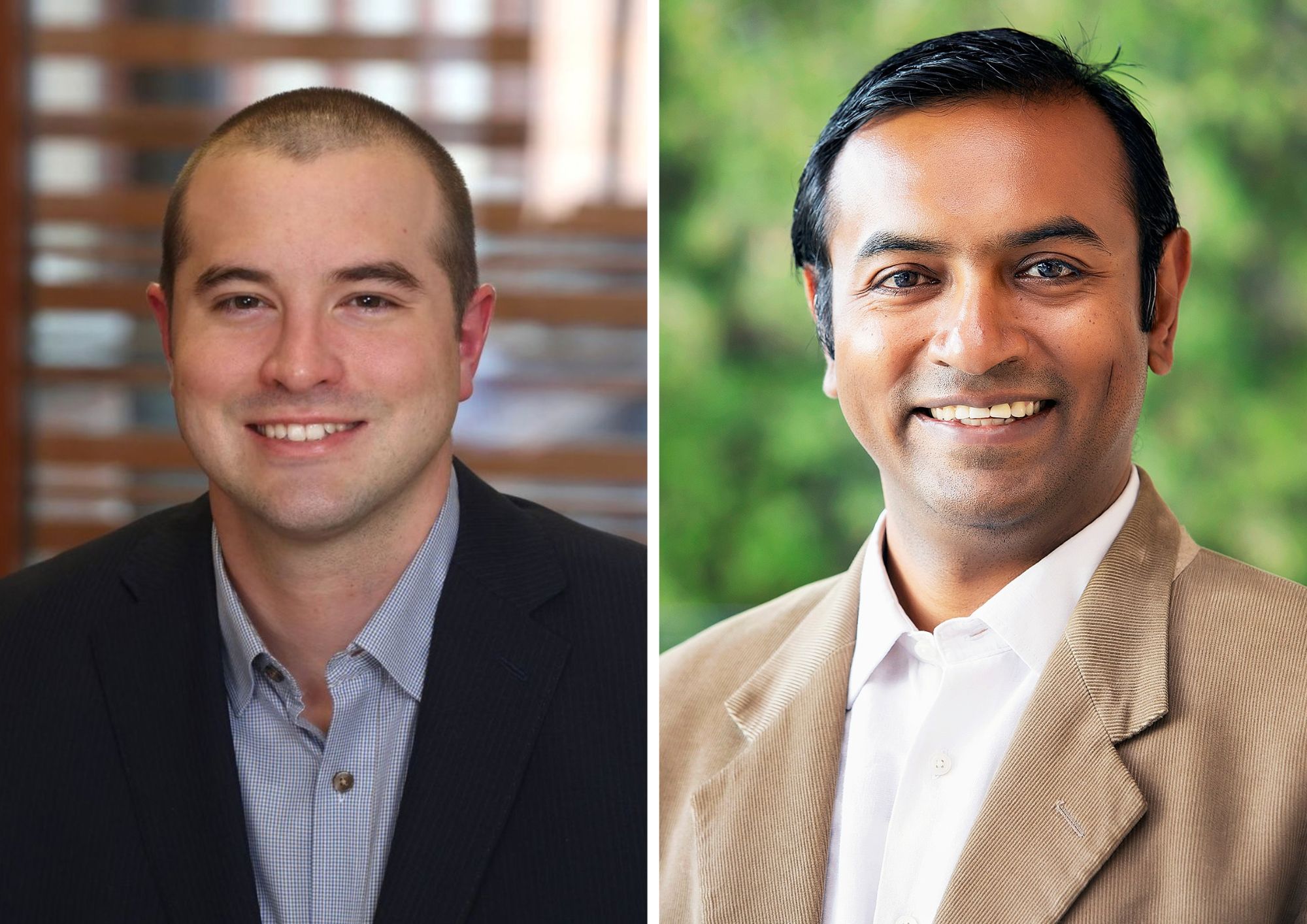
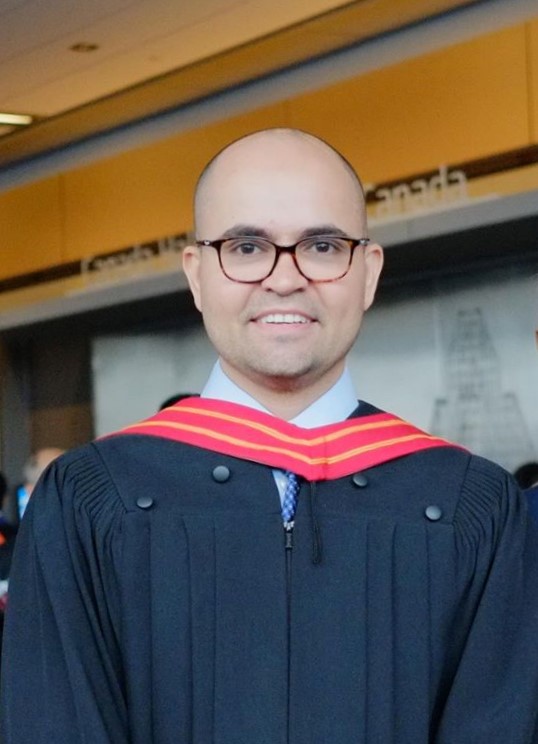
Dr. Joel Mohr (Left) and Dr. Ashok Kaliyamurthy (Right), recipients of the Franco Nicosia Best Competitive Paper Award
Dr. Joel Mohr, assistant professor in the Faculty of Business Administration, has been awarded the Franco Nicosia Best Competitive Paper Award at the Association for Consumer Research (ACR) conference, the field’s largest and most prestigious international gathering.
Dr. Mohr received top honours alongside co-author Dr. Ashok Kaliyamurthy of Oregon State University for their paper, "Guarding Against AI Brain Fog: Navigating the Experience of Learning from AI.”
In their study, Dr. Mohr and Dr. Kaliyamurthy interviewed chess players to understand the potential pitfalls of using artificial intelligence (AI) as a learning tool.
The researchers identified new ways in which AI can mislead users into falsely believing they have learned from its outputs, even when those outputs are accurate. What results is an emerging phenomenon they term “AI brain fog”—a feeling of user confusion and frustration arising from the inability to apply AI-generated information to their own decision-making.
“While AI can empower individuals to learn new things more efficiently, it can also become a crutch,” Dr. Mohr says. “AI use without critical thinking compromises actual learning and ultimately leads to the loss of human skills.”
To combat AI brain fog, the authors outline strategies for consumers to selectively limit AI usage and critically evaluate its outputs. Their findings contribute to the literature on AI adoption, resistance, consumer experience, and learning from AI.
Established in 1998, the Franco Nicosia Best Competitive Paper Award recognizes the top competitive paper presented at the ACR conference based on importance, quality, readability, completeness, predicted interest from ACR members, and alignment with the conference theme.
“Congratulations to Dr. Mohr. This award highlights Lakehead University’s standing as an artificial intelligence research powerhouse,” says Vice-President, Research and Innovation Dr. Langis Roy. “The study’s findings offer crucial insights into human-technology interactions, paving the way for more thoughtful, effective, and responsible uses of AI.”
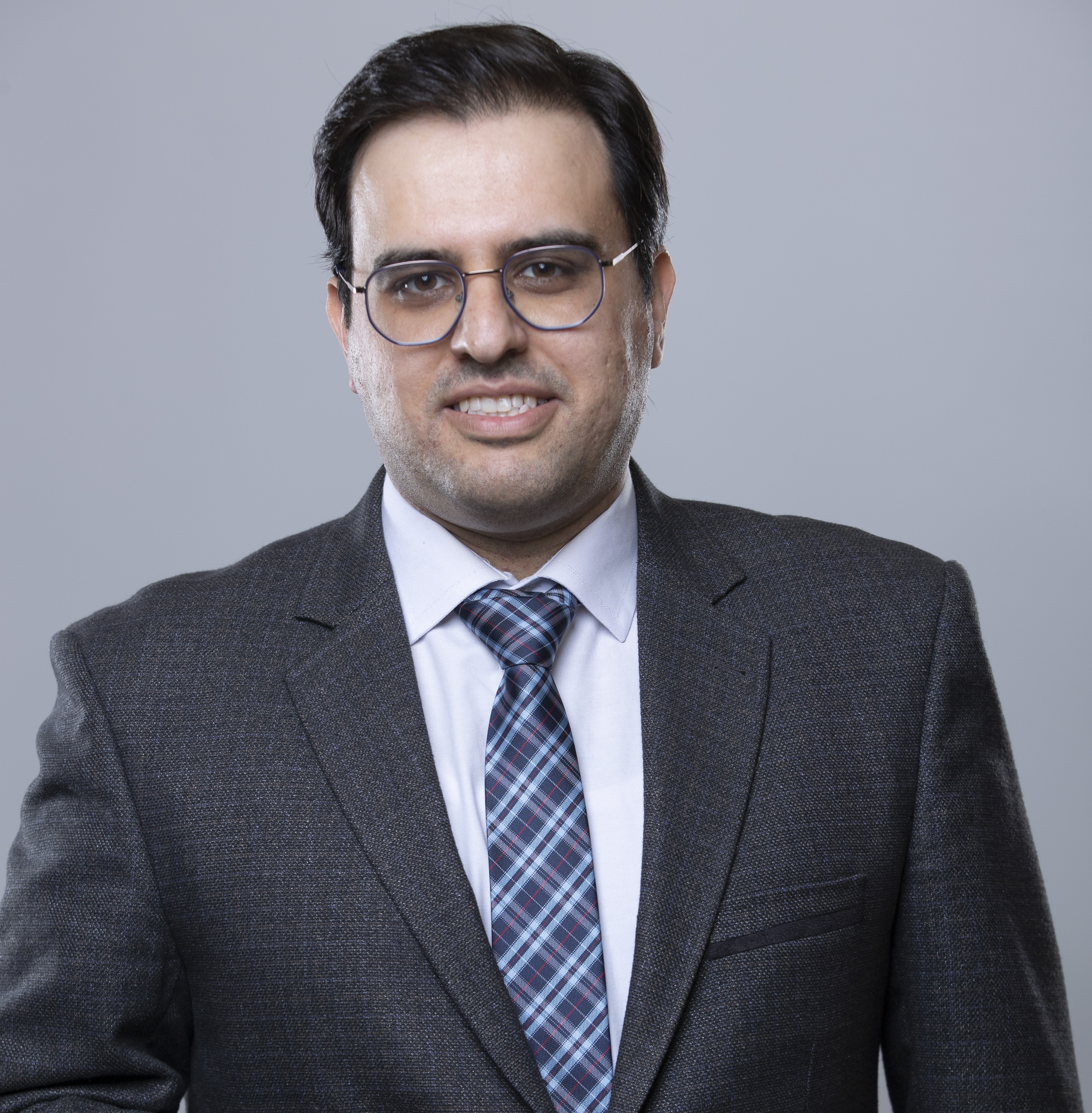 Dr. Amir Ameli, associate professor of electrical and computer engineering at the Barrie STEM Hub, is investigating how to protect Canada’s power grids from cyberattacks. His CFI JELF grant of $121,543 will build a “cyber-physical testbed” —a utility-grade replica of a power grid. Combining hardware, software, and real-time simulators, the testbed will allow researchers to test cyber defense systems against realistic, simulated attacks without risking actual blackouts.
 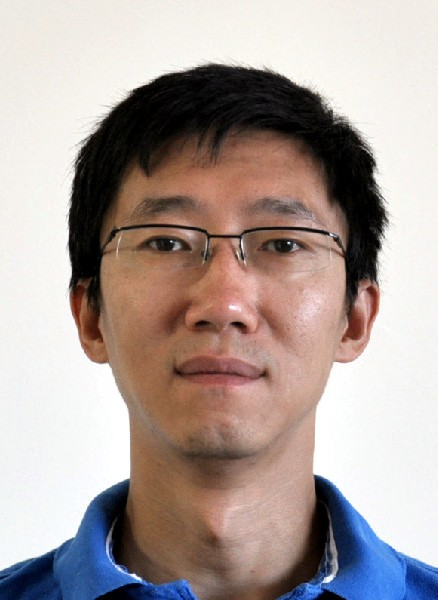 Dr. Yushi Zhou, associate professor of electrical and computer engineering, will dedicate $88,691 in CFI JELF funding to advance new power-management technologies for system-on-chips (SoCs), with applications in edge AI and Internet of Things (IoT) devices.
 A Lakehead Barrie STEM Hub researcher, in partnership with the