
Working Together to End Poverty and Hunger

Dr. Charles Levkoe Partners with Communities to Find Lasting Solutions
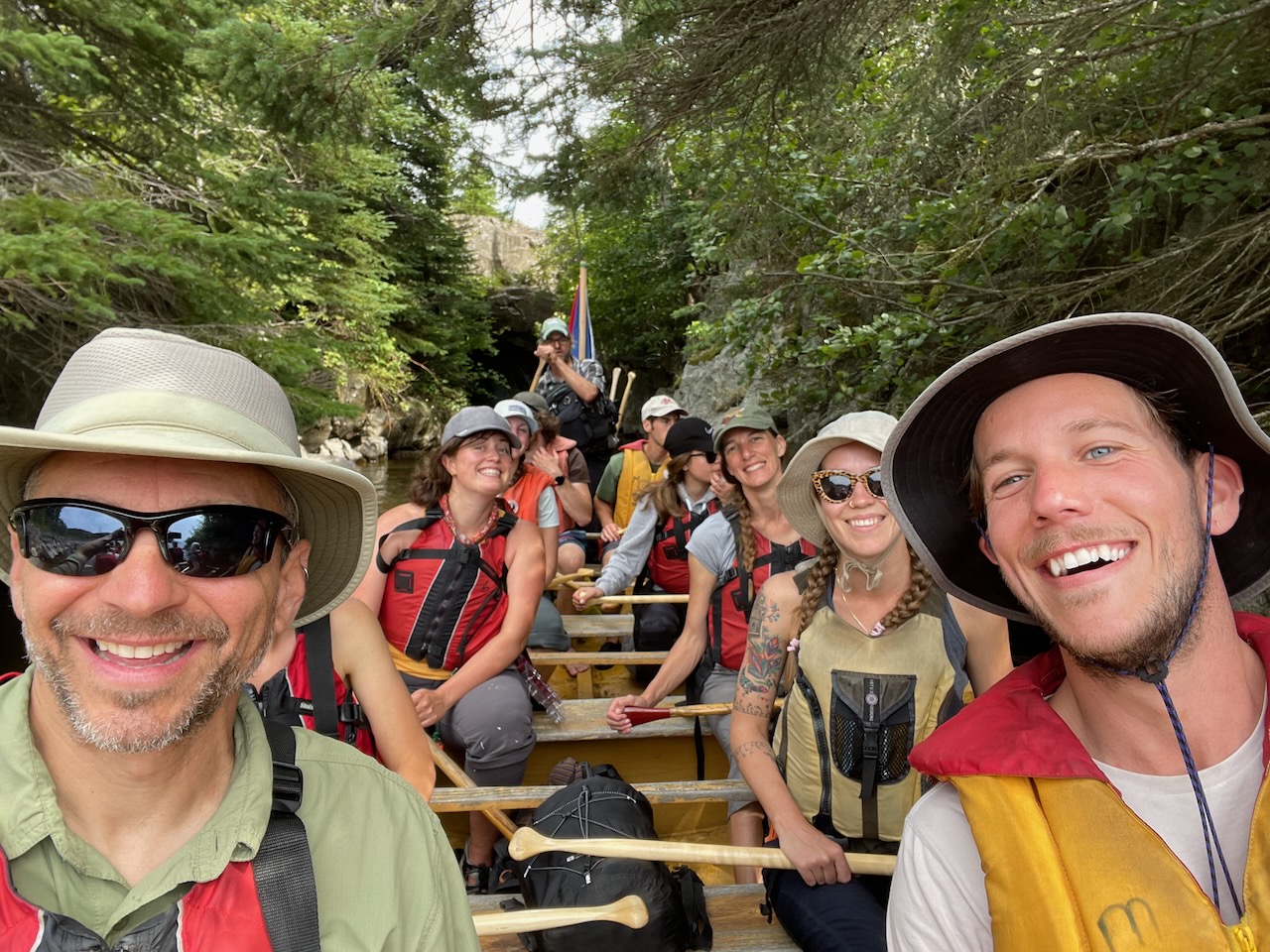
Dr. Levkoe on a canoe trip

Before earning his PhD, Dr. Levkoe worked with a collective farm in Nova Scotia and as an urban agriculture coordinator with The Stop Community Food Centre in Toronto. “My work made me realize the extent of the problems that need to be unravelled.” Above, Dr. Levkoe takes participants in the Lake Superior Living Labs Climate Action Field School on a voyageur canoe trip.


“When we talk about food insecurity, we have to ask ourselves why we live in a society where some people have so much and some people have so little,” Dr. Charles Levkoe says. 

Dr. Levkoe is a Canada Research Chair in Equitable and Sustainable Food Systems, a Lakehead health sciences professor, and a scholar-activist engaged in community research to build stronger local, national, and global food systems.

“When children and adults don’t know where their next meal is coming from, or don’t have access to healthy food, that’s a poverty problem,” Dr. Levkoe says. “We have enough food to feed the world twice over so the issue isn’t a lack of food, it’s whether you can afford food.”

As a Canada Research Chair, he’s interested in how our food systems are connected to issues of social justice, ecological regeneration, regional economies, and active democratic engagement. 

“You can’t have a sustainable food system if you don’t have any of these things,” Dr. Levkoe says. “Today, there are a few elite corporations and governments that make a lot of money because food is extremely commodified. Our food supply is dependent upon industrial farming operations and grocery conglomerates.”

This has resulted in a strong connection between health and wealth.

“Who’s on the frontlines?” Dr. Levkoe says. “During the pandemic, grocery workers were considered essential service providers, but they were often paid low wages—and most of Canada’s food is grown by migrant farm workers from Jamaica and Central America working in precarious conditions.” 
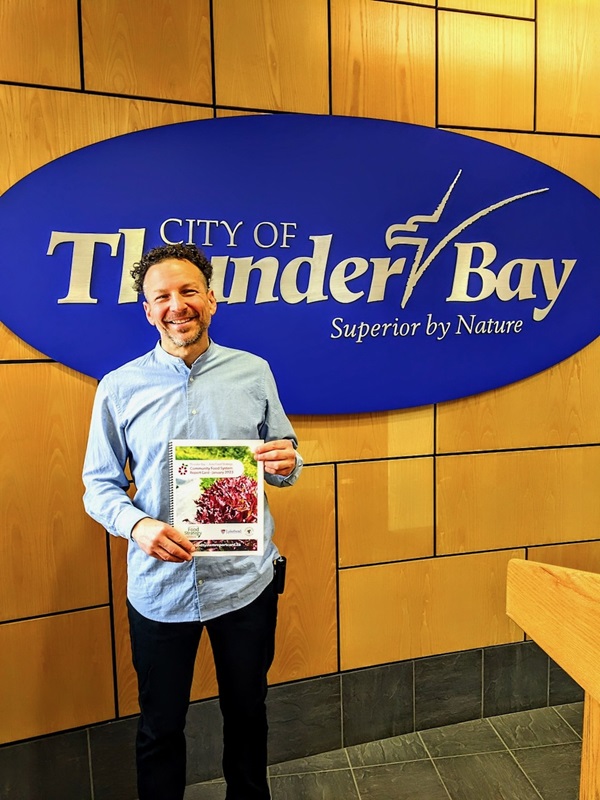
Dr. Charles Levkoe at City Hall

“My research is driven by the needs of our community partners,” says Dr. Levkoe, who was inducted as a Member of the College of New Scholars, Artists and Scientists of the Royal Society of Canada in 2022. He’s also proud to be the chair of the Thunder Bay + Area Food Strategy, an organization that brings food system stakeholders to the table to build healthier and more sustainable food systems across the region.


Dr. Levkoe’s commitment to fostering healthy and resilient food systems connects his work to the 17 Sustainable Development Goals (SDGs) developed by the United Nations to end poverty, improve human lives, and protect the planet by 2030—and one of the researchers who have made Lakehead a frontrunner in tackling the world’s most urgent challenges.

“I look at how the parts of the different food systems fit together to either enable people to eat or not eat. Just donating to a food bank or buying organic food alone is not enough to create a sustainable food system. We need solutions that will change structures. We need to think more broadly in terms of food distribution, consumption, and waste reduction.” 

Dr. Levkoe’s Sustainable Food Systems Lab is one of the spaces where this is happening. Students, faculty, community members, and community partners—ranging from non-profit organizations and First Nations to the Thunder Bay District Health Unit—meet to help create healthy, just, and sustainable food systems for all.
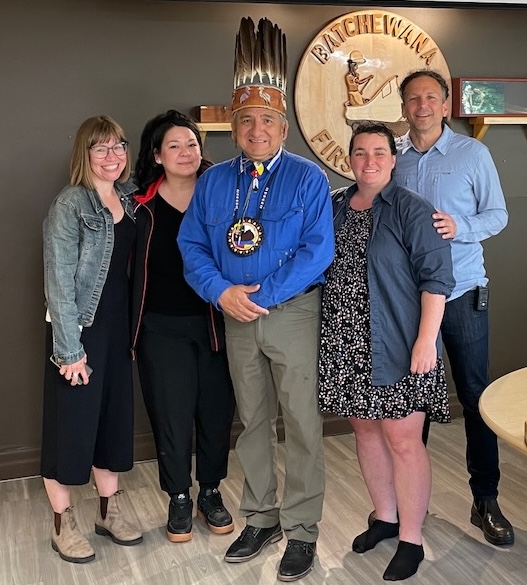
Dr. Levkoe and colleagues

Dr. Levkoe (far right) and his colleagues share a moment with Chief Dean Sayers (centre), who is featured in the film documentary Lake Superior Our Helper: Stories from Batchewanaung First Nation. Currently, the Lab is overseeing 17 projects.


Lab members, for instance, recently interviewed fishers and farmers across the country as part of a project advocating for a guaranteed basic income for every Canadian. Achieving a guaranteed basic income, however, is just a starting point. “To understand the multifaceted nature of the food-sustainability crisis, you only have to look at Northwestern Ontario where many Indigenous communities can’t safely harvest or eat fish because mining and pulp and paper companies pump toxic effluents into their lakes and rivers.”

“Solutions require patience, cooperation, and long-term planning that involves those who will be affected,” he says. Despite the difficulties, Dr. Levkoe is undeterred. “I love collaborating with people, and I want to see a world where every community has access to what they need and control over the systems that produce it.”

Lakehead University is ranked in the top 10 per cent globally for universities making an impact through a commitment to sustainability and positive societal change, and is the top-ranked university with under 10,000 students in Canada and North America in the Times Higher Education Impact Rankings. These prestigious rankings—which assess a university’s success in delivering on the United Nations 17 Sustainable Development Goals (SDGs) to solve our planet’s most pressing social, economic, and environmental challenges—named Lakehead a world leader in SDG 1: No Poverty, SDG 6: Clean Water and Sanitation, SDG13: Climate Action, SDG 14: Life Below Water, SDG 15: Life on Land, and SDG 17: Partnerships for the Goals.
 

Research and Innovation Bulletin

The Research and Innovation Bulletin is distributed weekly every Tuesday by the Office of Research Services and includes information on research funding opportunities, events and workshops and updates from our funding partners.

Checkout the latest version of our Bulletin, by clicking here.

Research and Innovation Bulletin

Professor Tayebi receives the Distinguished Instructor Award 2024

Dr. Abdelhamid TayebiFaculty of Engineering Professor Dr. Abdelhamid Tayebi is the recipient of Lakehead University’s 2024 Distinguished Instructor Award. This is the university’s most prestigious teaching award that recognizes an outstanding individual who has made a significant contribution to teaching excellence and educational innovation and leadership at the university over a number of years.

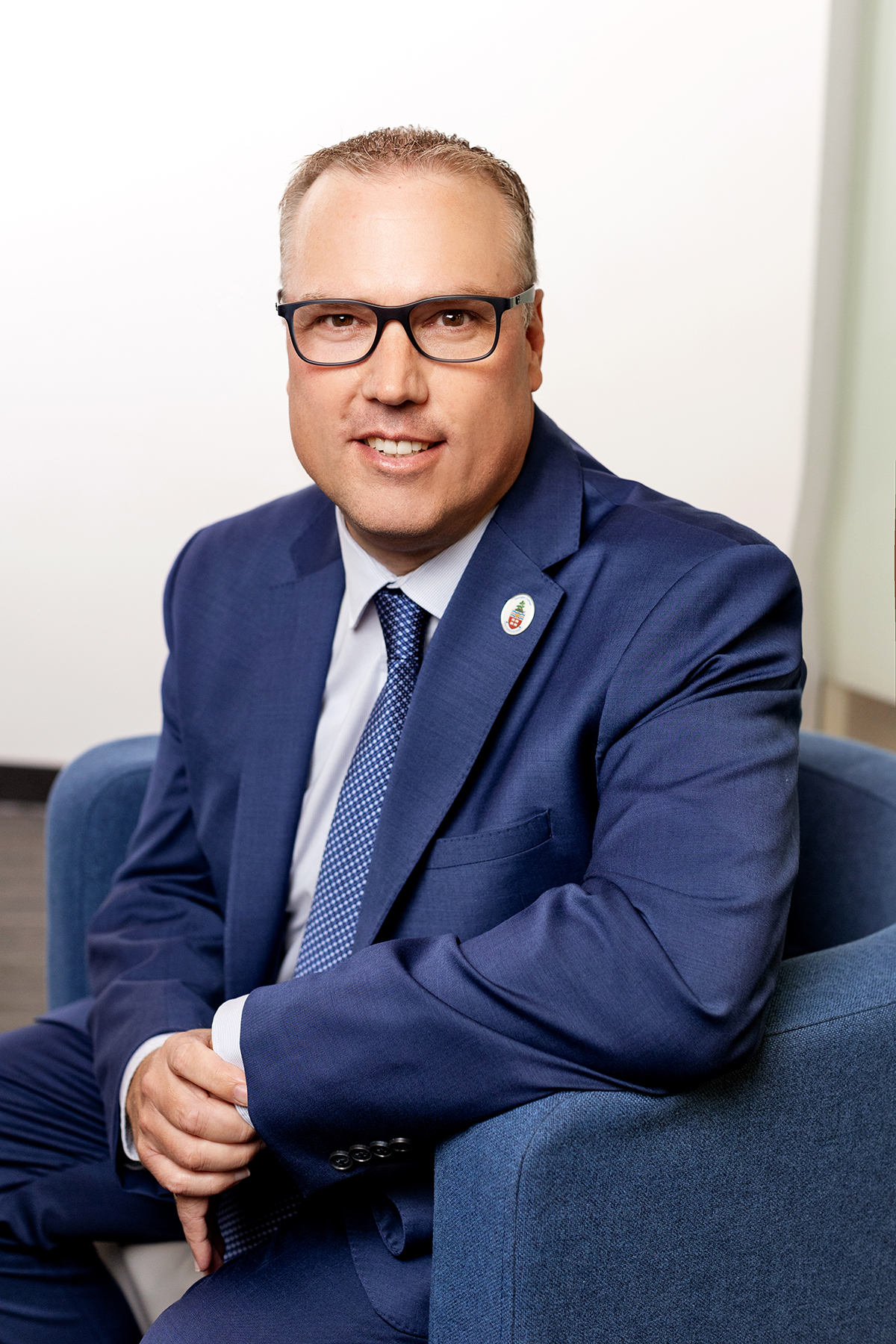
Professor Tayebi has been honored with this award in recognition of his innovative teaching methods and dedication to student success. By seamlessly integrating his groundbreaking research into his engineering classes, he has created a dynamic and inspiring learning environment. This prestigious award highlights his commitment to creating an engaging and dynamic learning environment, incorporating cutting-edge research to enhance the students’ educational experience. Professor Tayebi's contributions have not only enriched the academic community but have also inspired students to excel and pursue their passions with enthusiasm.

The presentation of the award was made by Provost and Vice-President (Academic), Dr. David Barnett. He read the following citation:

Professor Tayebi has demonstrated a commitment to innovative pedagogy and the incorporation of advanced research in his teaching efforts. He supervised and mentored a considerable number of students at the undergraduate and graduate levels, many of whom have gone on to achieve great success in their own career fields. His teaching evaluation scores are uniformly excellent and has actively pursued professional development opportunities to enhance student learning. His students praise him for his clear, interesting, and insightful teaching style and the challenging but rewarding content of his Engineering classes. Overall, Professor Tayebi exemplifies the qualities of an outstanding teacher, and he is a great asset to Lakehead University.

Join "Let's Get Active" – Fitness Series for Lakehead Graduate Students, Faculty, and Staff!

Lakehead Athletics and Student Health and Wellness invite all graduate students, faculty, and staff to join "Let’s Get Active", a series of dynamic fitness classes and activities designed to enhance physical health, mental well-being, and foster community on campus. This exclusive initiative provides a welcoming space for participants of all fitness levels to destress, stay active, and try new activities in a supportive environment.

Each session offers a fresh approach to fitness, featuring a variety of activities like yoga, strength training, and outdoor adventures. November's featured session will be Bocce on the Hangar Field—a fun and low-impact way to unwind and connect with colleagues.

Event Details:

Who: Lakehead graduate students, faculty, and staff

Cost: $5 per session (covers instructor fees, equipment, or refreshments, depending on the activity)

Registration: Required for all sessions; limited spots are available, so early sign-up is recommended.

Register here: https://luathletics.lakeheadu.ca/program/GetProgramDetails?courseId=0fcb...

Don’t miss this chance to prioritize your well-being and join the Lakehead community in “Let’s Get Active” this November!

Let's get active

No Stigma November 2024

Student Health and Wellness is celebrating #NoStigmaNovember. To stop the stigma around struggling with mental health and to normalize help-seeking behaviour, we need a whole campus approach. We are encouraging all members of the Lakehead community to take action to support their own mental health and to create a campus culture that supports one another and encourages those to get help when needed.

Students can take part by:

Lakehead staff and faculty can take part by:

  • Supporting their well-being by practicing self-care. Faculty/staff well-being is integral to overall campus health as well as the capacity to engage others in well-being practices. There are many actions you can take to make your mental health a priority and resources are available to you as a Lakehead staff or faculty member.
  • Boost your mental health literacy by completing Supporting Students in Distress training or by taking SafeTalk.
  • Promote mental health resources in your spaces, meetings, websites, email signatures, etc.
  • Making a personal pledge to support mental health and reducing stigma on campus on our padlet .
  • Encourage students to use the WellU Key to learn more about areas of well-being that may be affecting them and resources for support.
  • Download the Stop the Stigma toolkit for resources and strategies that Lakehead faculty and staff can adopt and practice in their own spaces or request the Stop the Stigma workshop for your team.

All community members can support campus mental health initiatives by:

Help stop the stigma this November

New study seeks to improve workplace mental health for Indigenous workers

Thunder Bay, Ont. - A new study will bring together members of the Nokiiwin Tribal Council and researchers from Lakehead University to address a pressing need for tailored mental health interventions for Indigenous workers in Northwestern Ontario. The study is receiving $1.97 million in funding from the Canadian Institutes of Health Research (CIHR).

“Indigenous individuals are less likely to seek help for mental health and accordingly have rates of suicide at least twice as high as non-Indigenous counterparts,” explained Dr. Vicki Kristman, principal investigator and the Director of Enhancing the Prevention of Injury & Disability at Work (EPID@Work) and the Ontario Research Chair in Injury and Disability Prevention at Lakehead.

In a recent study supported by CIHR, Kristman and her team evaluated the Wiiji app, an e-mental health tool designed to support Indigenous workers dealing with challenging work environments. Although the research team found that the app provided valuable assistance to some workers, they determined a more effective approach would be to create long-term changes within workplaces themselves to offer more impactful and sustainable improvements to mental health.

“By changing workplace environments to better support Indigenous mental health, we can increase participation in employment, reduce work-related disabilities, and improve overall well-being in Indigenous communities,” Kristman added.

Over the next five years, Kristman’s research team will work alongside Tribal Council members to identify workplace factors that contribute to mental health challenges for Indigenous workers and propose actionable interventions. The findings will help Nokiiwin serve their employer clients better, and support the Tribal Council as they work to establish an Indigenous-specific Health and Safety Association within Ontario.

"As we strive to create a supportive and inclusive workplace, through our work together [EPID@Work and Nokiiwin], we are reaching a greater understanding on the role that workplaces play in providing support and appropriate resources to employees who may be experiencing mental health issues,” stated Audrey Gilbeau, Executive Director and Governance Advisor at Nokiiwin Tribal Council. “Acknowledging these challenges not only fosters understanding and compassion among colleagues, but also empowers individuals to seek the support they need to thrive. Together, we can build a culture of care that prioritizes mental well-being and strengthens our community as a whole.”

Improving workplace mental health for Indigenous workers has far-reaching benefits. By supporting Indigenous workers, employers can boost productivity, reduce absenteeism, and foster a healthier workforce. The anticipated improvements in mental health and employment participation will also ripple out to benefit Indigenous families, communities, and the broader economy.

In 2023/24, Lakehead University received more than $2 million in assistance from the Research Support Fund to support the indirect costs of research, which includes costs for supporting the management of intellectual property, research and administration, ethics and regulatory compliance, research resources, research facilities, and research security.

Lakehead and Georgian announce new direction for partnership, more options for students

FOR IMMEDIATE RELEASE 
Sept. 25, 2024 

Georgian president Kevin WeaverBarrie, Ont. - Georgian College and Lakehead University have announced a new focus for their collaborative partnership that will continue to expand postsecondary education opportunities for students in Central and Northern Ontario. 
Starting in 2025, graduates from Georgian diploma programs will be guaranteed admission to select Lakehead undergraduate degree programs in Orillia and Thunder Bay through 30+ academic transfer pathways, allowing students to seamlessly transition between the two institutions to achieve their academic and career goals. 

“The partnership between Georgian and Lakehead is a great example of local innovation for the benefit of students and our local economy,” said Kevin Weaver, President and CEO of Georgian College. “Over the last seven years, 230 Georgian students have followed a transfer pathway to a Lakehead degree. This is in addition to the 550 students who have been enrolled in our combined degree-diploma programs. We believe this is the best and most sustainable way forward for our institutions and puts students first.” 

Since establishing the Lakehead-Georgian partnership in 2016, Lakehead and Georgian have expanded direct pathways from diplomas to degrees in academic areas such as computer science, criminology, applied life sciences, kinesiology, and outdoor recreation, parks and tourism. These 30+ pathways will now offer guaranteed admission for Georgian graduates, reducing the stress of securing a spot in eligible programs, provided they meet the required admission requirements.  

“Postsecondary education has evolved since the Lakehead-Georgian partnership began to take shape over a decade ago,” explained Dr. Gillian Siddall, President and Vice-Chancellor of Lakehead University. “Transfer agreements between universities and colleges are increasingly common and easier to navigate than ever before as we work to reduce barriers for students seeking to achieve their personal, educational, and professional goals.””  

Lakehead president Gillian SiddallOver the next four years, the partnership will phase out the delivery of its four combined degree-diploma programs and shift its focus to adding new academic pathways that allow students to seamlessly transfer between the two institutions - ultimately providing students with more options and the added security of guaranteed admissions to meet their individual goals. The last intake of students to the combined degree-diploma programs was the fall 2024 semester.  
“This partnership began with a vision to address the gap in the labour force with the introduction of focused degree-level STEM programming and that remains our commitment,” Weaver explained. “Although we are changing the way that we deliver education, future students still have access to the same degree and diploma programming, and local industry and employers still have access to the same highly-educated talent.”  

Siddall added the two institutions remain committed to accessibility for students. “As postsecondary partners, our objective is to constantly evolve to meet the growing needs of students in the region we serve. This news is great for students – more pathways between our institutions will allow more students to benefit from a well-rounded education by tapping into the best of what both a college and university can offer.”    

Georgian College and Lakehead University remain economic drivers within the County of Simcoe and beyond. The impact of Georgian College in its seven-campus catchment area is roughly $1.7 billion, approximately 5.3 per cent of the total gross regional product. Lakehead’s Orillia campus has an impact of more than $246 million in the County of Simcoe. With an astonishing track record of helping graduates enter the workforce, often locally, 90.3% of Georgian graduates find employment within six months of graduation, and 97.4% of Lakehead graduates are employed within two years of completing their degrees. 

Orillia Master Student Receives Third Place in Poster Presentation

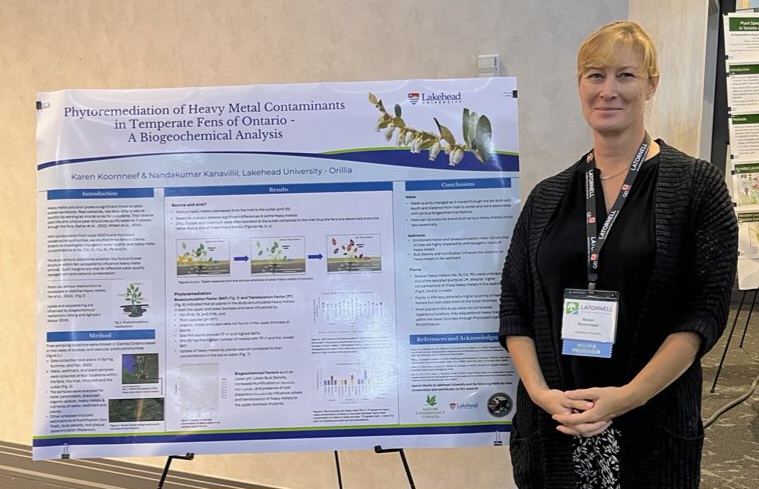
Karen Koornreef with her poster presentation

The Latornell Conservation Symposium was hosted by Conservation Ontario and the University of Guelph from October 8 to 9, in Woodbridge, Ont. The annual event brings together professionals and researchers to discuss environmental issues in Ontario. The theme for this year’s symposium was "Collaboration: the future of conservation is collaborative". The symposium provided opportunities for networking, listening to invited speeches, engaging sessions, panel discussions, and interactive workshops. Symposium also provided opportunities for students to interact with peers and other researchers working in similar areas through a student poster competition. From the selected posters for display and in person presentation at the Symposium, top three posters were awarded the best poster prizes. 

The poster presented by Karen Koornneef, Master of Science in Biology student at Lakehead Orillia, was awarded the third prize. The title of the poster was Phytoremediation of Heavy Metal Contaminants in Temperate Fens of Ontario -A Biogeochemical Analysis. Karen is working with Dr. Nanda Kanavillil on her master degree.

Research and Innovation Bulletin

The Research and Innovation Bulletin is distributed weekly every Tuesday by the Office of Research Services and includes information on research funding opportunities, events and workshops and updates from our funding partners. Checkout the latest version of our Bulletin, by clicking here.

Research and innovation bulletin

Accessible Learning: Professional Development Micro-course

Designed for faculty by the Lakehead University Teaching Commons and Student Accessibility Services.

3-hour professional development micro-course.

Goal of the micro-course: to equip educators with the knowledge and skills necessary to design and deliver instruction that meets the needs of every student, regardless of their background or abilities.

Access to resources and templates that support a variety of teaching and learning contexts.

Current modules available:

-Module 1 - Universal Design for Learning

Module 2: Accessibility and Accommodation

Visit mycourselink.lakeheadu.ca and find the Accessible Learning Micro course under the self-registration tab.

Accessible learning professional development micro-course

Pages