



Call the Midwife
Ensuring Equitable Maternity Care for All Northern Ontarians
OVERVIEW:
- Many Northern Ontario communities have limited access to maternity and newborn care
- Training more midwives can help solve the region's healthcare challenges
- Dr. Kirsty Bourret and Dr. Helle Møller's research team offers timely maternity care solutions
Bringing a child into the world should always be a joyful experience, but for many northern Ontario families, pregnancy also brings stress and anxiety.
Women across the region report difficulties in finding adequate perinatal and pregnancy care.
"If a woman living outside of a major centre needs her baby delivered, she often has to travel an average of four or five hours," says Health Sciences Professor Dr. Kirsty Bourret.

Dr. Kirsty Bourret (left) is a Francophone settler, midwife and researcher committed to advancing primary care, reproductive justice, anti-racism, and culturally safe care. She bridges clinical practice, policy, and implementation research to strengthen health systems that reflect the communities they serve.
Rural, Indigenous, and Francophone communities face the greatest challenges.
"Over the last five years, birth services in northern Ontario hospitals have been shutting down," says Health Sciences Professor Dr. Helle Møller. "Many of the remaining doctors don't have experience assisting with births, so they aren't offering maternity care."
"It was emotionally difficult to be separated from my two-year-old child for so long."
- Northern Ontario woman who had to leave her community to give birth
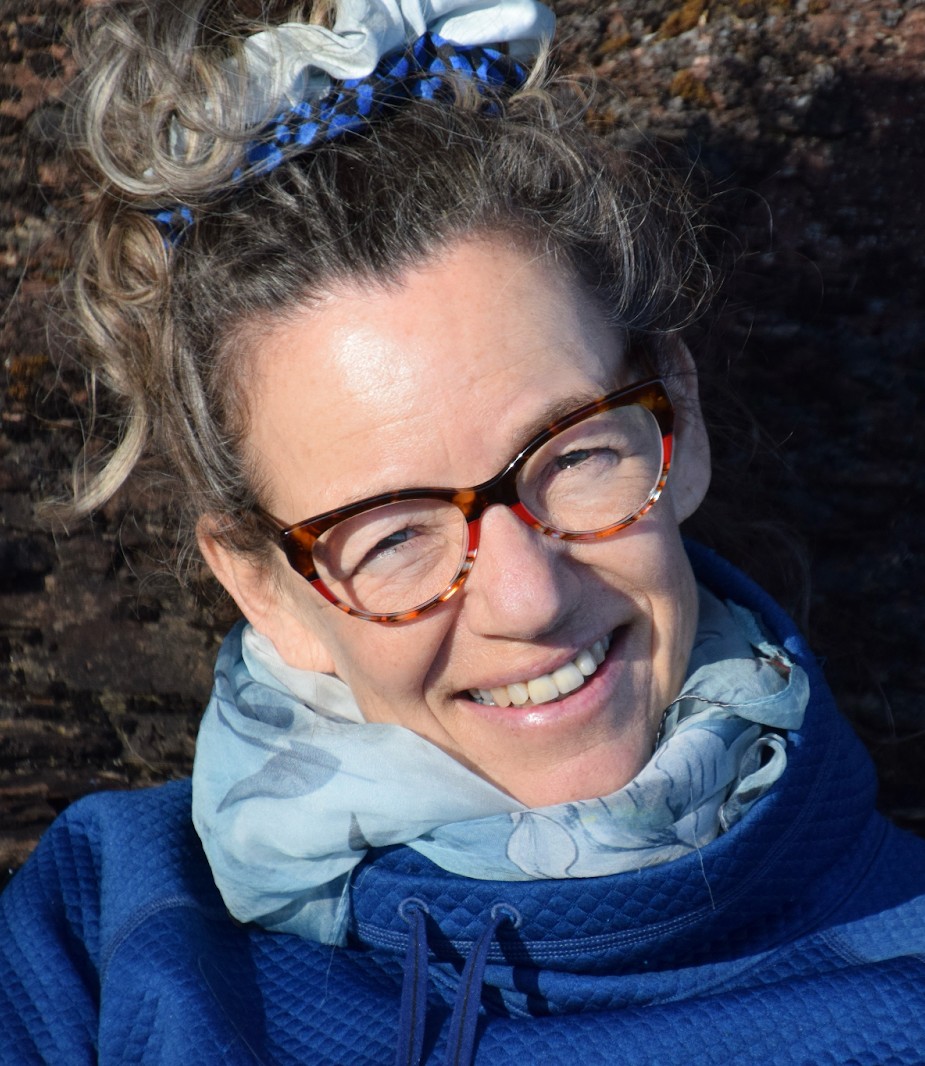 Dr. Helle Møller (right) studies the determinants of health, social justice, and equity in health, healthcare, and health education. In particular, she focuses on perinatal people, people on the female continuum, and Indigenous people in northern, rural, and remote regions.
For Dr. Bourret and Dr. Møller, the way to solve this concerning state-of-affairs is obvious. Train more midwives so that they can step into the gap.
Currently, midwives support approximately 40 per cent of all births in Thunder Bay, however, there aren't enough of them to meet demand in the region.
"Hundreds of northern Ontarians who want midwifery services are turned away because of a shortage of midwives," Dr. Bourret says.
What exactly does a midwife do?
Midwives are frontline healthcare providers whose services, which are free of charge, are comparable to those offered by doctors and nurse practitioners.
Prenatal, birth, and postpartum care is the focus of most midwives; however, they can also tend to every aspect of women's health and reproductive needs—from their teen years to menopause and beyond.
This care includes routine health screenings, contraception, early pregnancy loss and pregnancy care, care of mothers, and care of babies for the first two years of their lives.
They also allow women to choose where they will deliver their babies—at home, in a hospital, or at a birth centre.
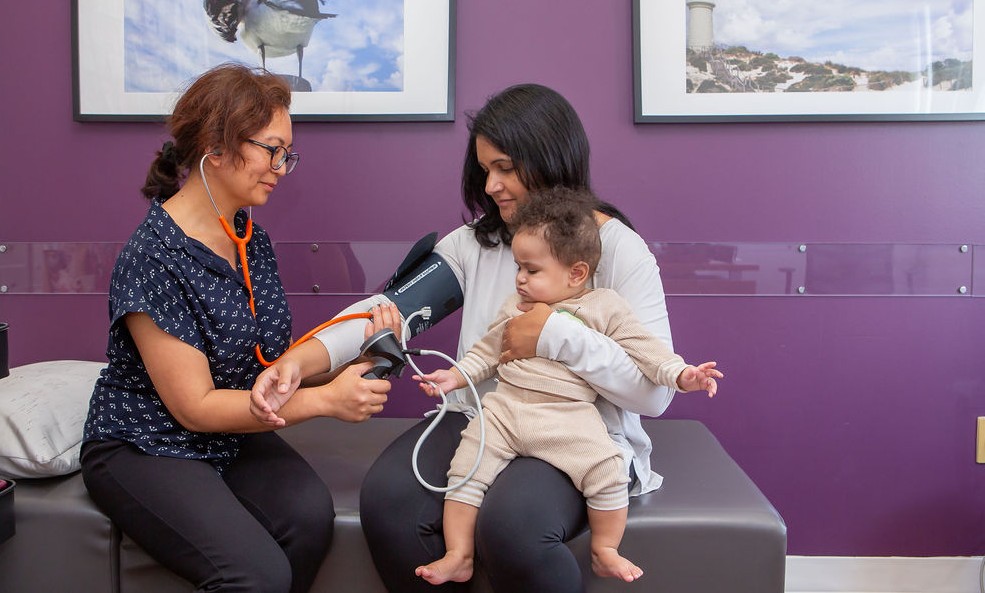
During home births, midwives bring clinical equipment including blood pressure cuffs, IVs, portable ultrasounds, and instruments for suturing, as well as medications to stabilize newborns and mothers. Some midwives travel up to 400 km to treat patients in rural northern communities. Photo Credit: Association of Ontario Midwives
"There are a lot of misconceptions about midwives, including that they're untrained and unregulated," Dr. Møller says.
"We want the public to know that midwives must complete a four-year university degree and that they are a regulated health profession governed by the College of Midwives of Ontario. They collaborate closely with specialists and are recognized by the province of Ontario as essential to interprofessional primary care teams."
Dr. Bourret is a midwife herself. "I came to midwifery in 2000 because I believe that everyone deserves equitable, safe, and respectful care."
"Midwives have a unique philosophy of care and a huge positive effect on their clients' mental health," agrees Dr. Møller.
They provide continuity of care, informed choice, are on call 24 hours a day for urgent concerns, and travel to clients' homes for postpartum care.
Standing Up for Women and Children
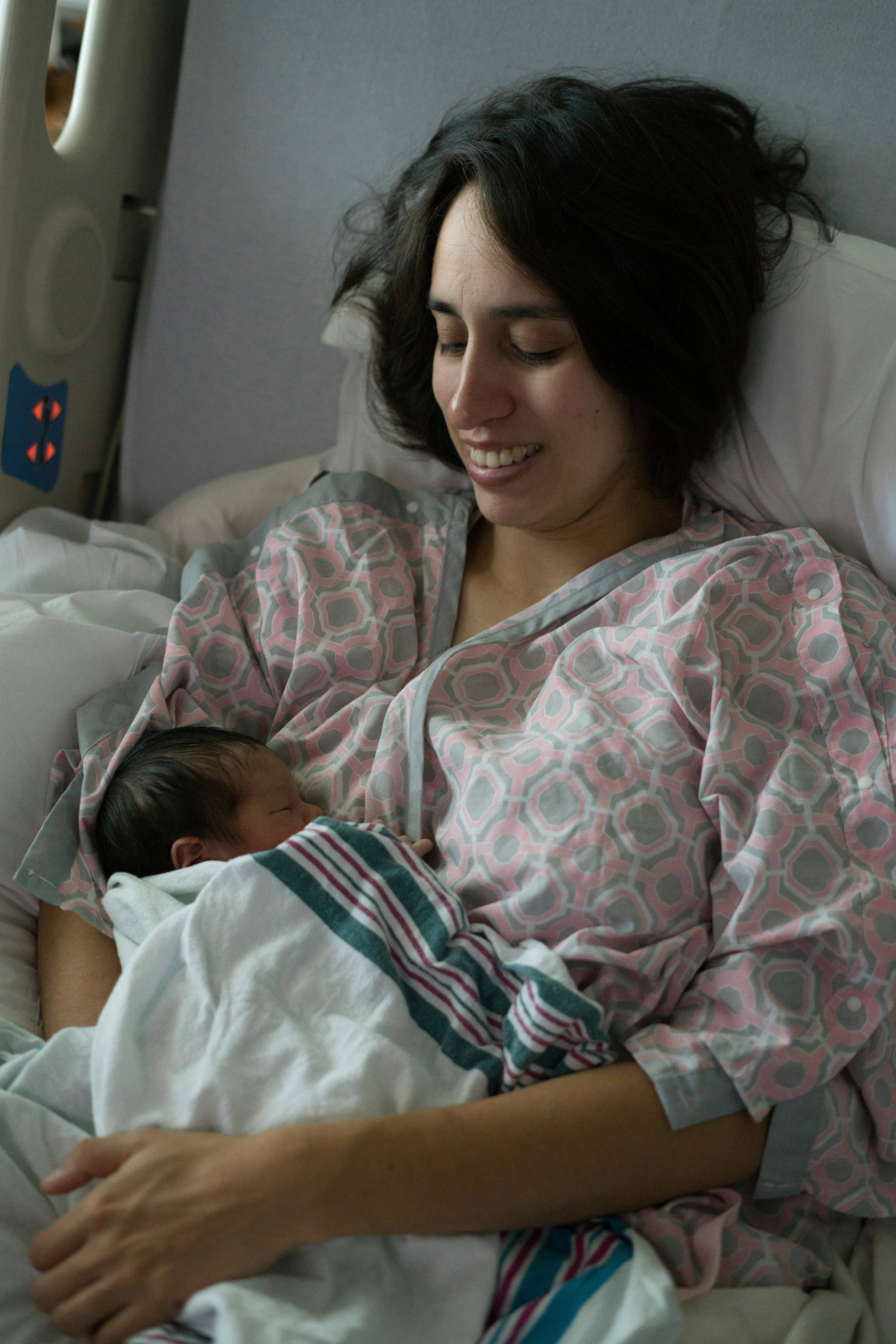
Midwives help patients navigate a complex healthcare system by acting as advocates and by offering counselling and referrals. Currently, there are only about 1,000 midwives to serve Ontario's population of over 16 million. Photo Credit: Unsplash/Brian Wangenheim
Dr. Møller and Dr. Bourret are part of Northern Midwifery Care—an interdisciplinary research group committed to ensuring that every woman in northern Ontario receives culturally safe, equitable midwifery care.
The group is leading a large qualitative and quantitative midwifery research study called "Mapping Midwifery Care in Northern Ontario, an intersectional mixed methods study."
"Until now, there was no research showing where midwives are working in northern Ontario and how the midwife shortage is affecting access to primary healthcare," says Dr. Bourret, who is the study's lead investigator.
Dr. Møller is a co-investigator along with Laurentian University midwifery professor emeritus Dr. Susan James and Dr. Patrick Timony with the Centre for Rural and Northern Health Research. Their diverse research team also includes graduate students and northern Ontario client partner researchers with lived experiences, including midwives and doulas.
Midwives Make All the Difference
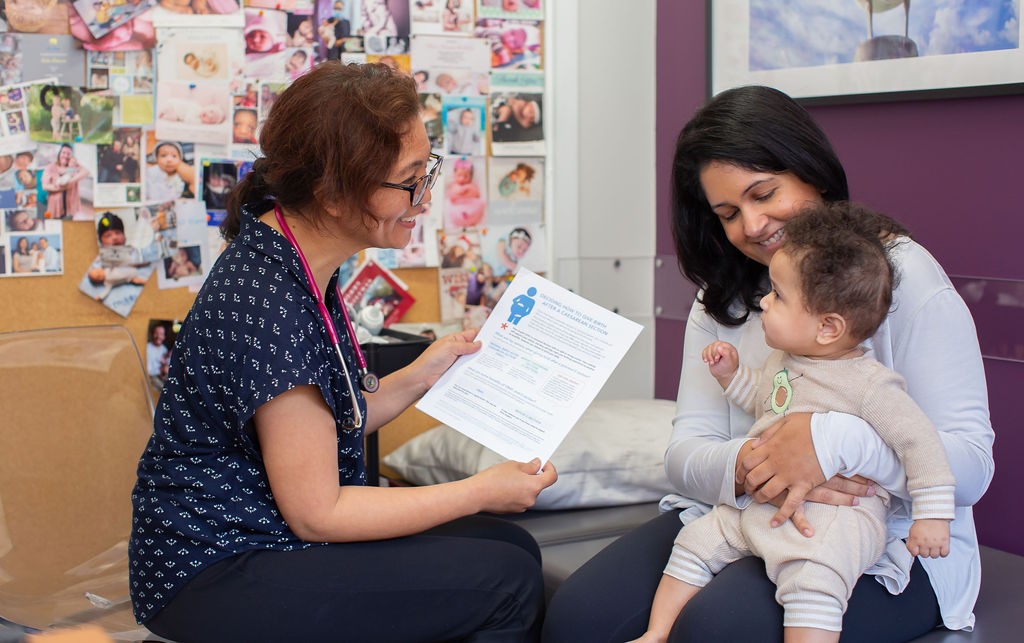
Over 51 midwives, plus clients from every district in northern Ontario, were interviewed for the research study. "I come from Denmark where midwives provide 85 per cent of care to pregnant and birthing people," Dr. Møller says. Photo Credit: Association of Ontario Midwives
Preliminary results of the study have found that midwives provide timely and continuous primary care across rural, remote, and urban communities in the North and that they are one of the backbones of a good healthcare system.
They divert admissions to hospitals—including costly emergency department visits for women and newborns—and free up hospital resources for other patients.
That's why Dr. Bourret and Dr. Møller are organizing the Northern Ontario Midwifery Symposium this winter, to explore challenges, innovations, and collaborative solutions that will support sustainable midwifery care in northern Ontario.
"Midwives are change agents,"Dr. Møller says.
Make your voice heard by clicking here to register for the Northern Ontario Midwifery Symposium on February 5, 2026.
Dr. Bourret and Dr. Møller's research is funded by the Association of Ontario Midwives. You can learn more about the Northern Midwifery Care research group on Facebook and Instagram. You can also email them at northernmidwiferycare@gmail.com.