



Unnatural Disasters
Night had settled over the city of Bhopal, India. Most residents were sleeping peacefully in their beds after an ordinary day in 1984.
But at 1:00 am, a massive chemical explosion at the nearby Union Carbide insecticide plant jolted them awake in panic and confusion. The gas that leaked out killed at least 10,000 people. In the years afterward, 15,000-20,000 more died prematurely.
Bhopal became known as the worst industrial accident in history. Decades later, the site remains polluted, and city residents continue to live with the consequences of the toxic gas that seeped into the soil, the water, and their bodies.
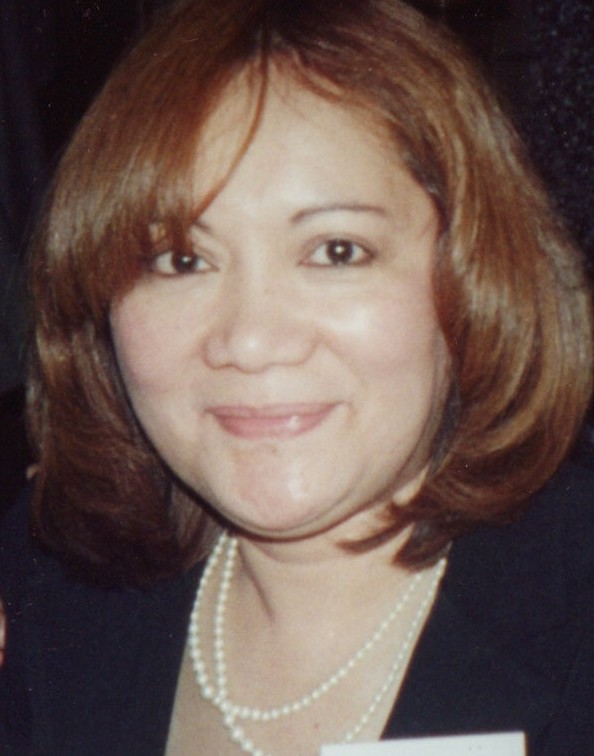
Dr. Rosario Turvey
Dr. Rosario Turvey, a Lakehead geography & environment and sustainability sciences professor, calls what happened in Bhopal an "unnatural disaster."
"The chemical plant didn't have proper safety protocols, the number of staff had been reduced, and many of them weren't properly trained," she says.
Calamities of Our Own Making
Unnatural disasters are caused by the decisions and actions of individuals.
"They are not catastrophes like earthquakes. These tragedies spring from human error, negligence, or greed, as well as deliberate acts of malice."
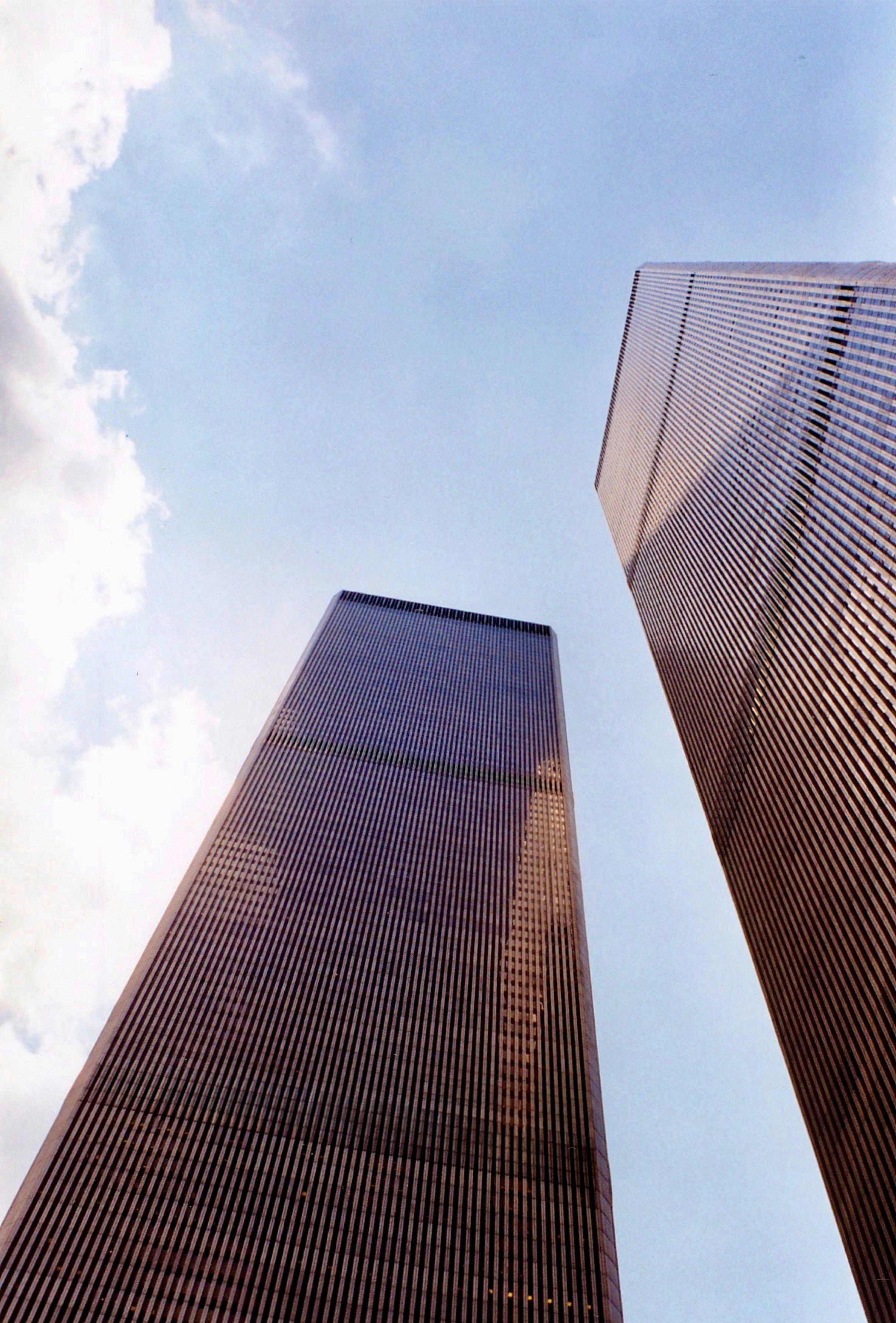
Other infamous unnatural disasters include the 1986 Chernobyl Nuclear Power Plant explosion and the 9/11 terrorist attacks.
Closer to home, a Dryden, Ontario, paper mill discharged around 10 tonnes of mercury into the Wabigoon River in the 1960s and early 70s. The mercury poisoned the people of the Grassy Narrows First Nation, causing birth defects and a multitude of health problems. Today, there's still mercury in the river and it's not safe to eat the fish.
"Some places have ended up being uninhabitable," Dr. Turvey says.
The Twin Towers of New York's World Trade Center complex. In 2001, they were destroyed in a terrorist attack. Photo Credit: Tomas Martinez on Unsplash
Disturbingly, Dr. Turvey says that we're not learning from our mistakes. "We tend to ignore them, but the number of these disasters is rising.
"The question is how many more of these events will the planet be able to handle?" she adds.
Taking a Hard Look at Death and Devastation
Dr. Turvey isn't sitting around waiting for an answer.
She's part of a research team investigating unnatural disasters—also known as anthropogenic disasters and technological disasters.
"There are very few existing publications or resources about this topic. So we're defining what constitutes unnatural disasters and studying their causes and long-term environmental sustainability implications."
Their goal is to create a more resilient world by reducing or preventing these human-induced disasters.
Dr. Turvey's co-investigators are Lakehead Orillia sustainability sciences professors Dr. Sreekumari Kurissery and Dr. Nandakumar Kanavillil.
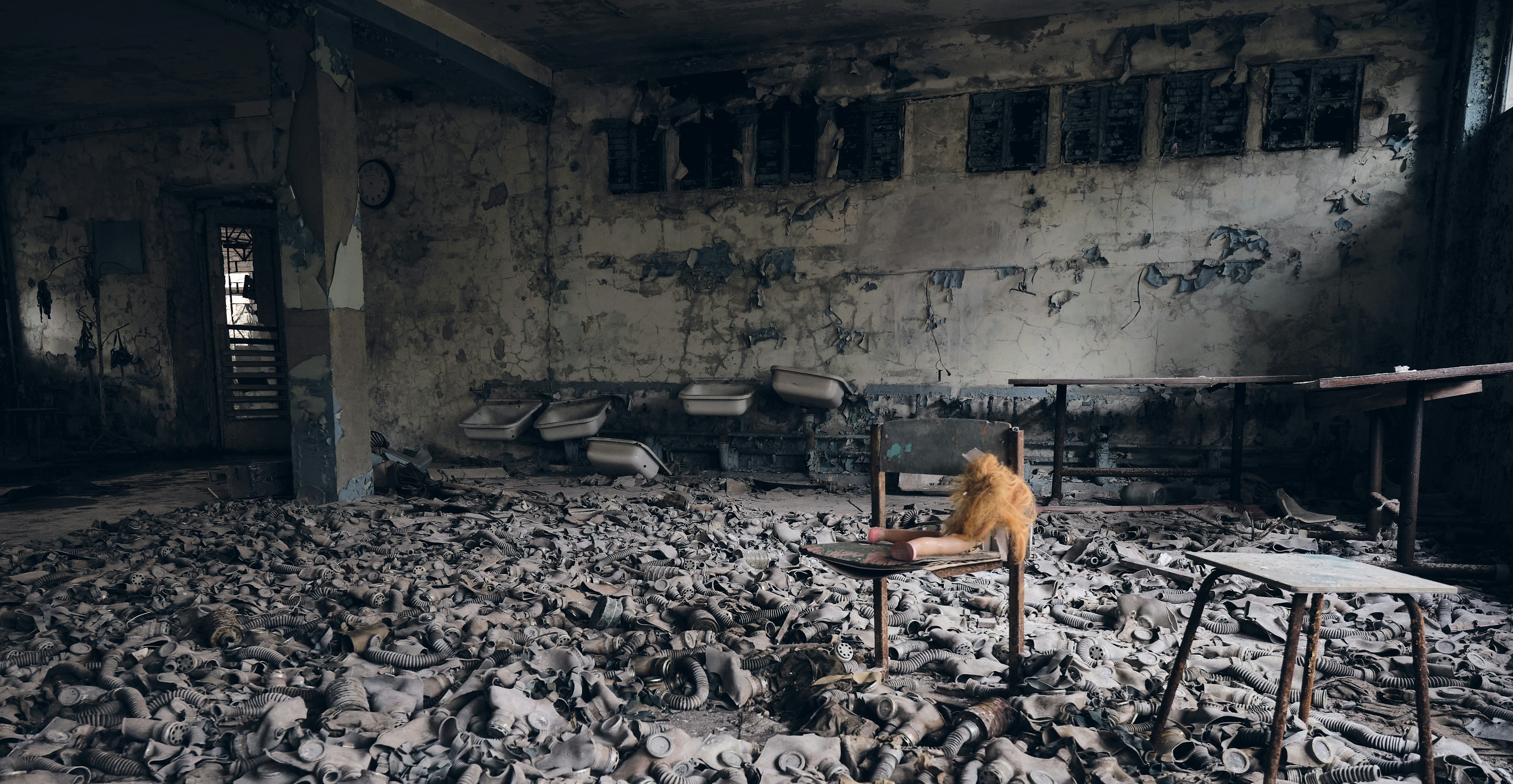
An abandoned middle school in Pripyat, Ukraine, near the Chernobyl Nuclear Power Plant.
Photo Credit: Mick De Paola on Unsplash
As part of their research, they're accessing declassified information and reports.
Equally important, they hope to travel to multiple locations to do post-disaster assessments. This includes Tokaimura, Japan, where there was a nuclear accident in 1999, and the Bikini Atoll in the South Pacific, where the United States conducted nuclear weapons testing in the mid-1940s and 1950s.
"We need to understand exactly what happened. For instance, have these areas been declared unlivable because of contamination and toxicity?"
Discovering which regions of the world have the most unnatural disasters is another key element of their research.
Once they've determined the causes and consequences of unnatural disasters, their findings and recommendations will be released in a book, most likely in 2026 or 2027.
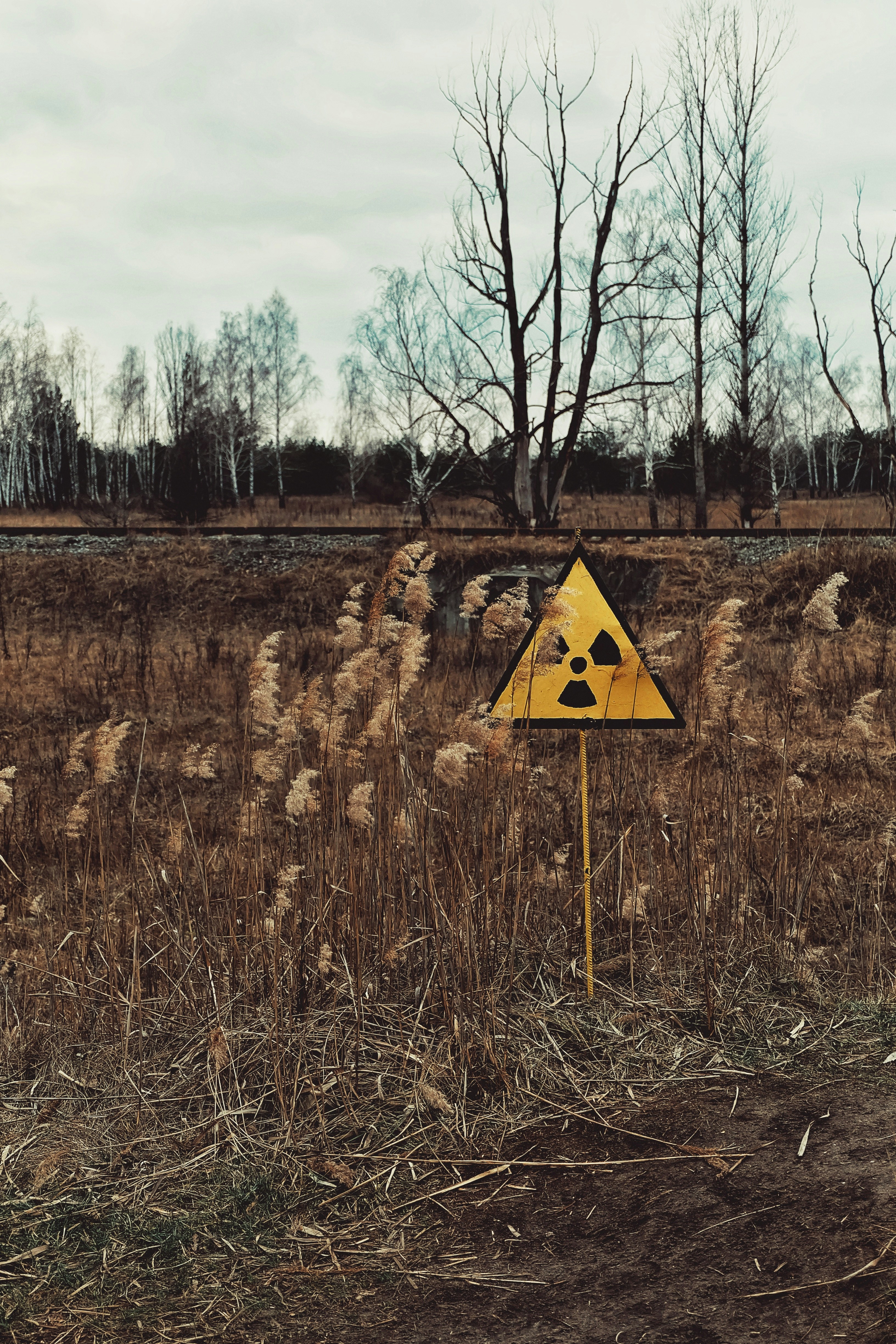
Radioactive land near the site of the Chernobyl Nuclear Power Plant.
Photo Credit: Oleksandra Bardash on Unsplash
"Our primary audience will be government policymakers, transnational corporations, relevant environmental bodies, and key stakeholders," Dr. Turvey says.
"When these disasters occur, we lose resources, people, communities, and wildlife—but we have the power to change this and create a more sustainable world."
Dr. Turvey's work supports several United Nations Sustainable Development Goals (SDGs), including SDG 3: Good Health and Well-Being, SDG 11: Sustainable Cities and Communities, SDG 13: Climate Action, and SDG:15 Life on Land.