



Dr. Juho-Antti Junno’s Curiosity Takes Him Around the World
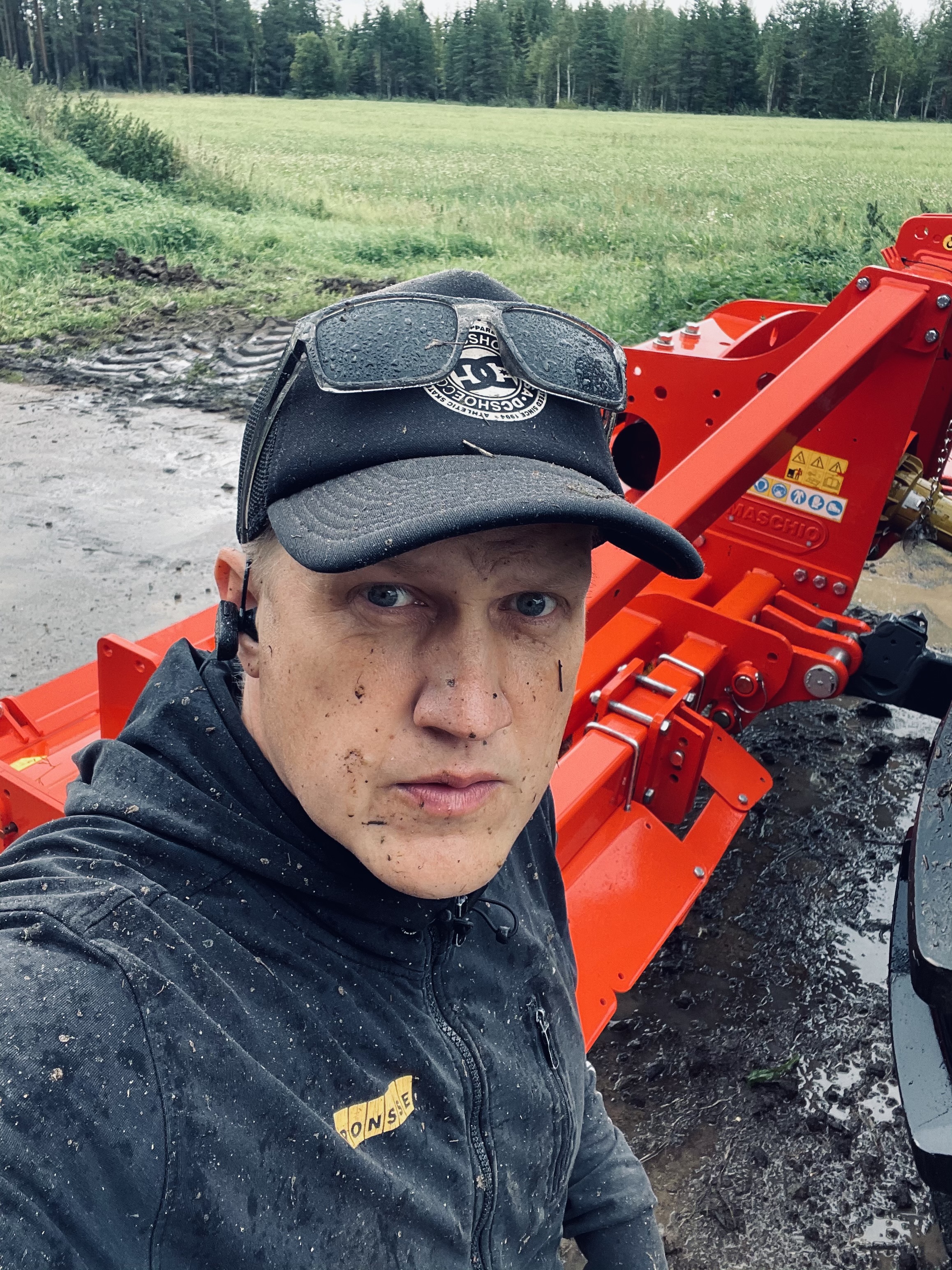 As a child, Dr. Juho-Antti Junno devoured encyclopedias, gravitating toward stories of exploration, history and especially human evolution.
“An early memory I have is of visiting the local library and asking the staff to show me books about expeditions and voyages” he recalls.
Now an associate professor at the University of Oulu in Finland, Dr. Junno’s work sits at the crossroads of bioarchaeology, anatomy, forensic medicine, and primatology.
He is also the recently appointed Chair in Finnish Studies at Lakehead’s Thunder Bay campus.
Investigating the Mysterious Assassination of a King
His research philosophy is guided less by rigid plans than by curiosity.
“I get excited about new research ideas quite easily,” Dr. Junno says. “So, if someone is suggesting, ‘Hey, we should do this.’ Or “can you help with this project” I’m like, ‘Okay, let’s do it.’”
This openness has allowed Dr. Junno’s work to cross disciplinary boundaries and uncover unexpected connections.
His recent foray into forensic pathology—a combination of archaeological and biological anthropology studies combined with experimental forensic medicine—was sparked by a conversation with a medical student and frequent research collaborator.
“I come from generations of farmers and hunters, so I’m quite familiar with ballistics, but I’d never utilized this background in academia,” he explains.
One of their most recent collaborations was an experimental study on the political assassination of King Charles XII of Sweden during the Siege of Fredriksten in 1718.
Using a synthetic skull phantom, a 19.5 mm musket ball, 10 gauge shotgun, a replica of an old cannon and some modern day radiological imaging, the team recreated the head injuries suffered by the king to determine if he’d been killed by enemy fire or his own men.
Bridging Science and Storytelling
Since his early 20s, Dr. Junno has travelled the world—from Arnhem Land, Northern Territory in Australia to Zimbabwe—writing and connecting with people about his two favourite subjects: hunting and farming.
In fact, his writing can be found in major Finnish magazines such as Käytännön Maamies and Metsästys & Kalastus.
“The easiest way to learn about a topic is to do research, in this case not academic research, but by speaking to people, and let them share their knowledge” he says.
“In a couple of hours you will know almost everything about a specific topic especially if you’re talking to farmers who’re always eager to discuss their work and are proud of what they do.”
From Finland to Thunder Bay
Dr. Junno brings that same perspective to Thunder Bay and his role as the 13th Chair in Finnish Studies at Lakehead.
Like most Finns, he has ties with the Finnish-Canadian community. The farmhouse where he’s currently living was built in the late 19th century by a Finnish man who had worked in copper mines in the Great Lakes region, and several of Dr. Junno’s neighbours have emigrated to Canada and visit their former homeland in the summertime.
His interest in Finnish heritage and rural culture drew Dr. Junno to this region, where he plans to study agricultural history, hunting traditions, and the ways Finnish settlers reshaped the landscape.
“I’m interested to visit old Finnish homesteads, areas that Finnish farmers transformed from forest to agricultural land, and talk to people who still remember those early times or at least stories of them,” he explains. “For example, I would like to gain understanding how Finnish hunting traditions were affected when they came to Thunder Bay—did they maintain what they were doing back home or did they adapt to Canadian hunting culture?”
The Chair in Finnish Studies conducts research, develops partnerships, and lectures at the undergraduate level. The chair also gives public lectures and presentations and undertakes research contributing to the intellectual life of Lakehead University and the Finnish community in northwestern Ontario.
Dr. Junno will hold the endowed chairship until May 2026.