



English Professor Dr. Kathryn Walton is an Expert in Enchantment
Step Aboard a Golden Airship
If students hate to miss your classes, that's a sign you're doing well as a professor.
And if a student compares missing a class to "abandoning a once-in-a-lifetime voyage aboard a golden airship," that's a sign that your professor is Dr. Kathryn Walton.
With that kind of praise, it's fitting that she received her second Lakehead Contribution to Teaching Award in November 2025 (she was granted her first award in 2021).
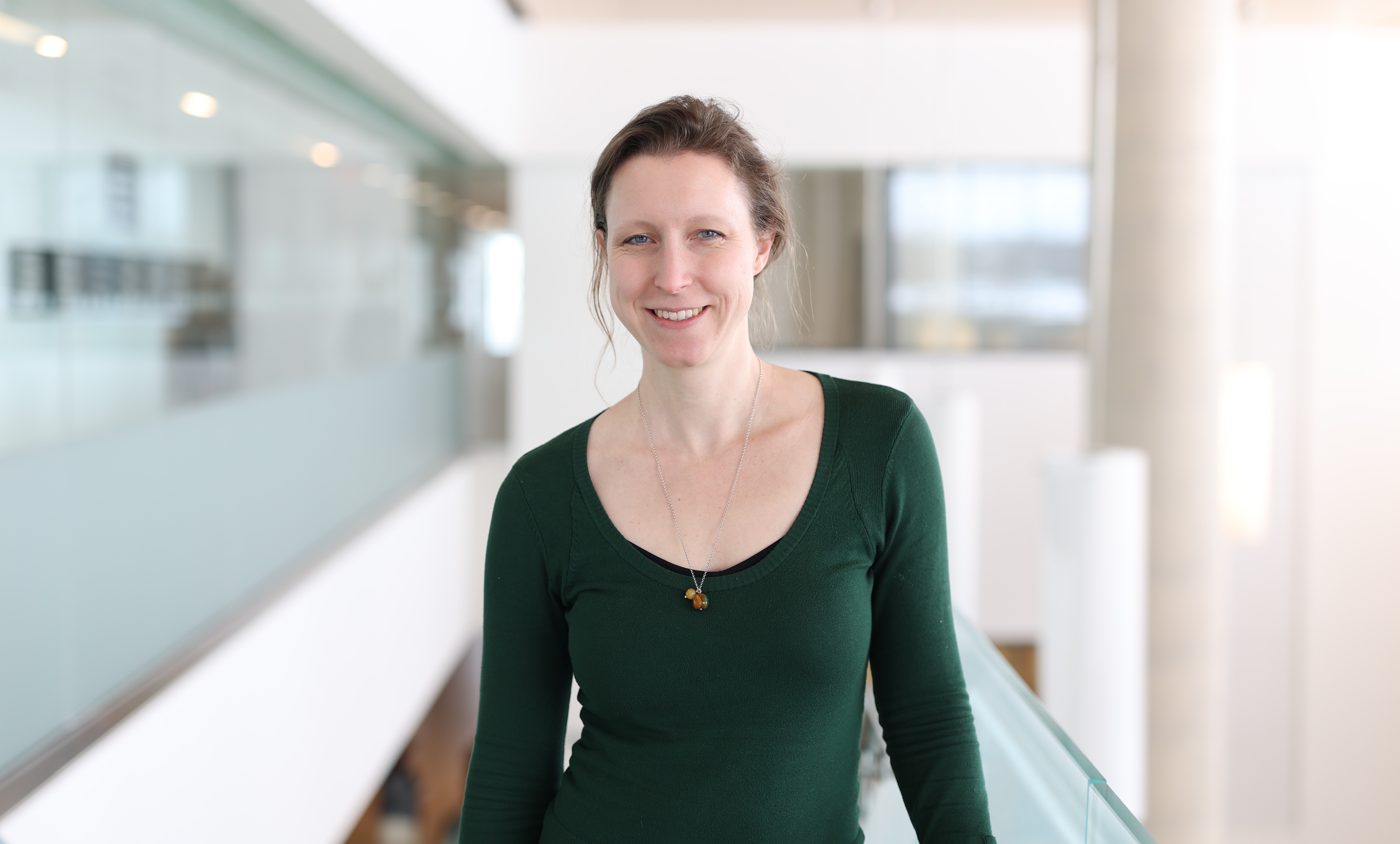
One student described Dr. Walton as "Lakehead Orillia's very own English-focused Ms. Frizzle. She's just missing the anthropomorphic chameleon and the magic bus."
This is a very special honour because it is students who nominate instructors for these awards, and it's their votes that determine who wins.
Dr. Walton, a professor in the English department at Lakehead Orillia, teaches sought-after courses in medieval literature, children's literature, and the history of English literature.
Literary magic, in particular, is one of her specializations. She's currently working on a book called Literary Magic in Medieval England to be published by the academic press Boydell & Brewer.
"That wonder, that excitement and engagement with the unreal and the supernatural in medieval literature has definitely influenced today's contemporary literature," she says.
Adventures into the Unknown
A lifelong lover of reading, Dr. Walton says her interest in the link between medieval literature and children's literature was sparked during her undergraduate studies.
"I was just absolutely fascinated by the way in which contemporary literary works have deep roots in the medieval era."
Heroes, quests, journeys, and magic that are common hallmarks of both forms of literature. Pseudo-medieval worlds—think Narnia, Middle Earth, and Hogwarts—abound in children's literature.
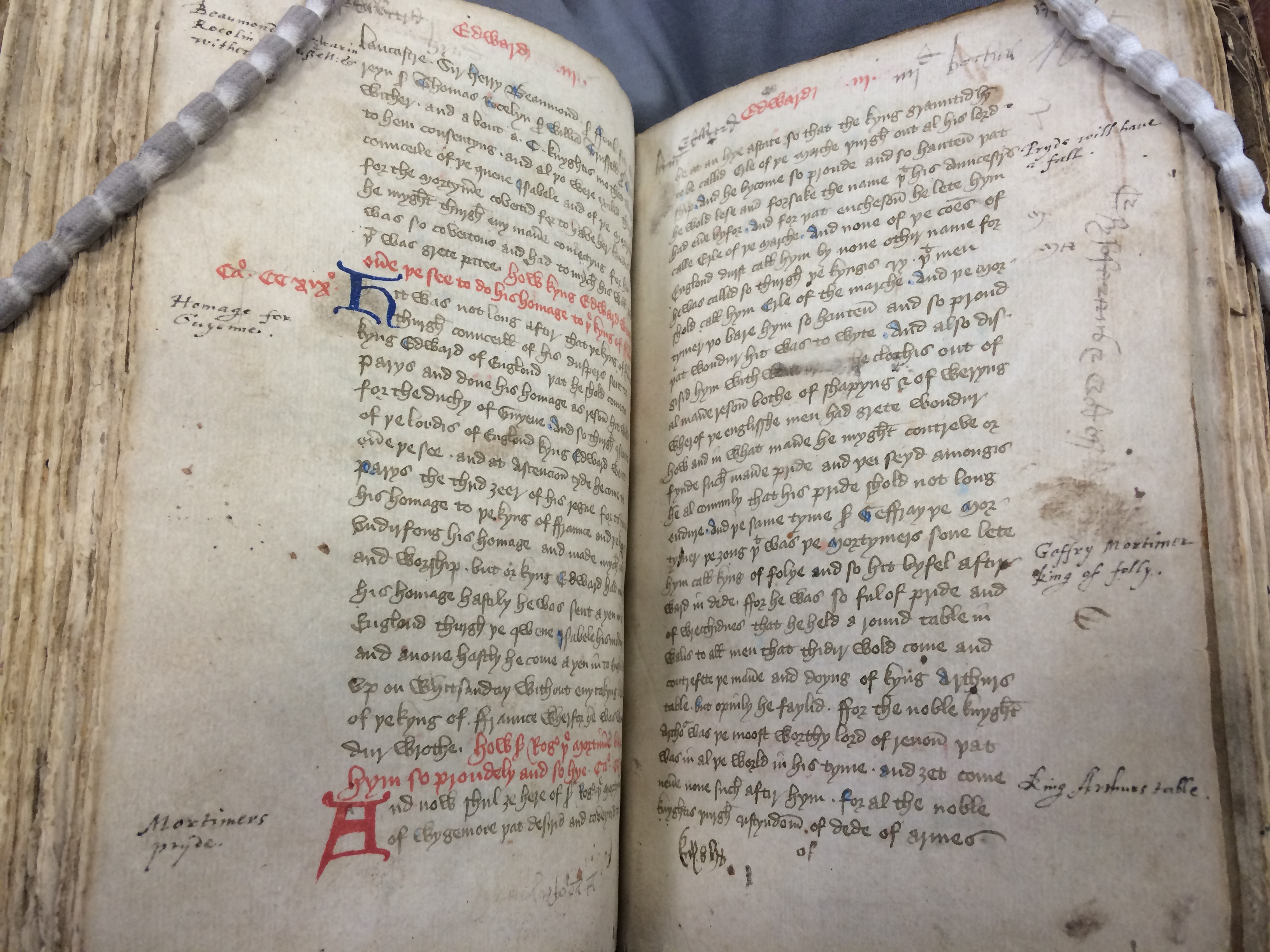
Above is the Lincoln's Inn MS 150 manuscript created c. 1400. It features a mix of religious and romance texts from the medieval period. Dr. Walton discusses this book in her class Literary Magic in Medieval England.
In the Middle Ages, many literary works were conveyed orally, rather than written, so they're constructed in a way that appeals to the ear. Children's literature is similar, she points out.
But children's literature is unique in that it offers compelling and brilliantly written stories that are also easy to understand.
"That's incredibly powerful," Dr. Walton says. "Most people can remember books that they read as kids much better than they can remember anything they've read as an adult."
Old Languages Bring Literature to Life
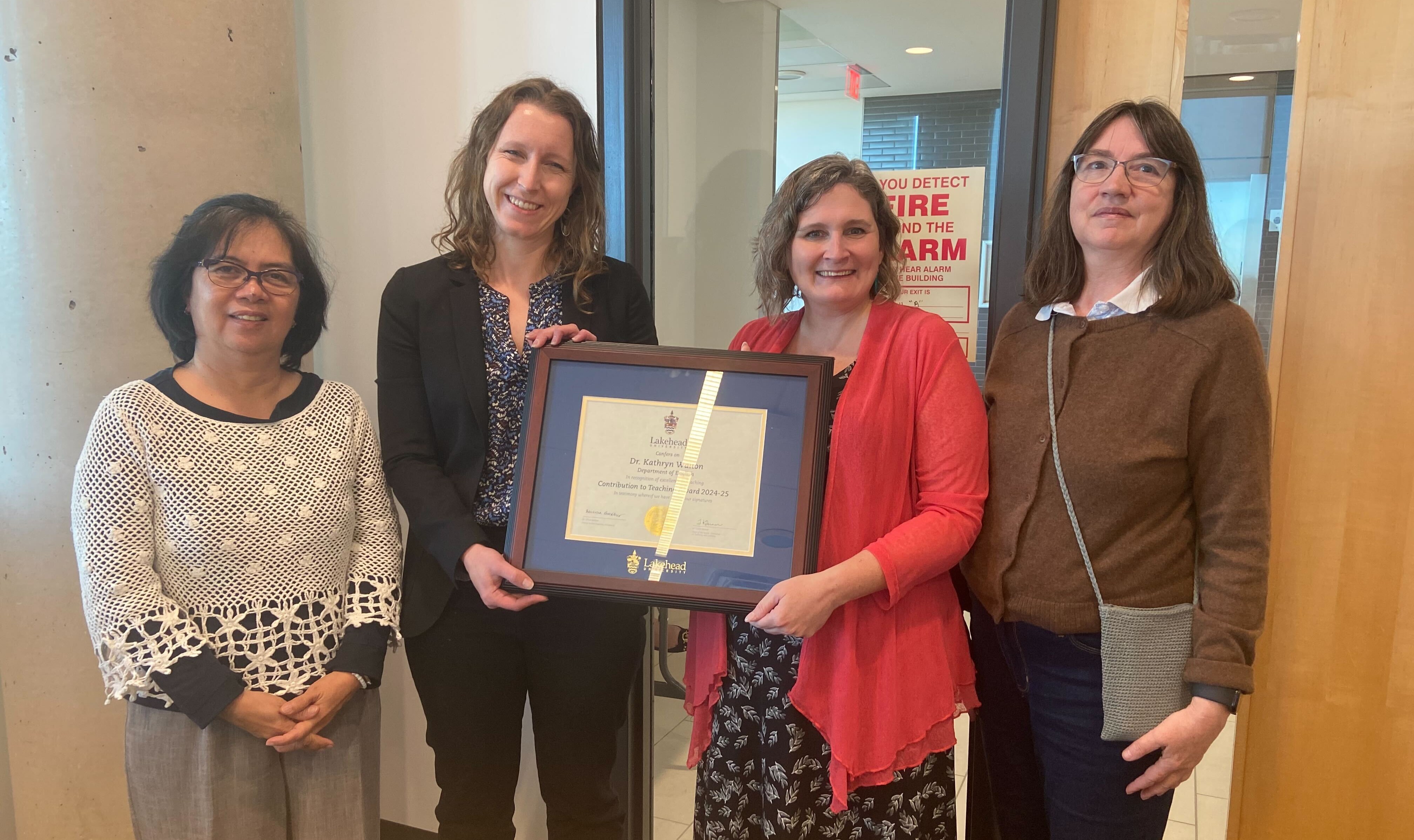
Dr. Walton accepts her 2025 Contribution to Teaching Award. Left to right: Social Sciences and Humanities Dean Dr. Glenda Bonifacio, Dr. Kathyn Walton, Lakehead Orillia Principal Dr. Linda Rodenburg, and Social Sciences and Humanities Dean Dr. Jennifer Jarman.
A mastery of Middle English, Old English, and Latin is essential for any expert in medieval literature. Of the three, Middle English is the closest to modern English.
"I tell my students to squint and ignore the extra vowels," she laughs.
Being proficient in these languages allows Dr. Walton to bring more insight to her classes.
"Reading texts in the original language is invaluable. It helps readers appreciate a specific poetic structure that doesn't come through in translation, and grasp the culture of the time through archaic words."
Freke, for instance, means "knight."
What's it like to be Peter Pan or Alice in Wonderland?
Getting students fired up about diverse forms of literature drives Dr. Walton's teaching approach.
"I give students a lot of space to talk about what they're interested in and what they find good or bad about whatever we're reading," she explains.
"Then I give them the historical context to understand the text and to inspire them to make new connections—to themselves and to the material."
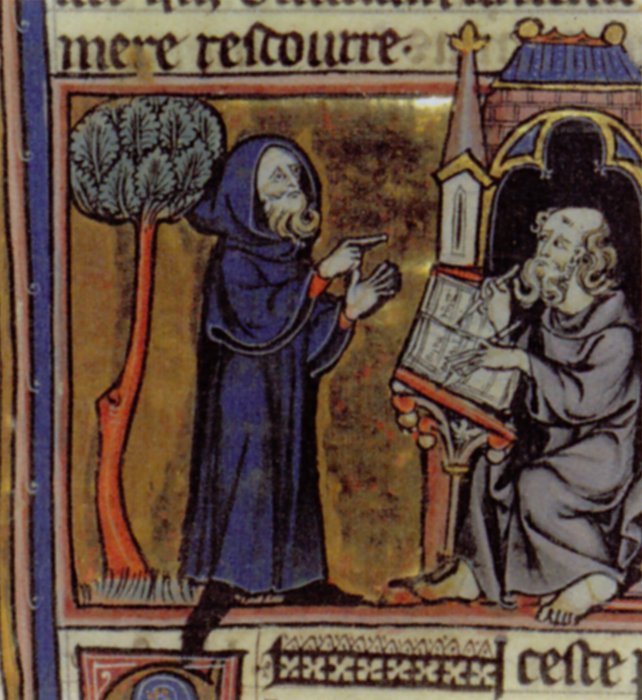
"In contemporary literature, magic is often splashy, with fireworks and explosions while in medieval literature, magic is more subtle but infused with a sense of wonder," Dr. Walton says. Right, a 13th-century illustration of Merlin dictating his prophecies to his scribe, Blaise.
Ingenious assignments further enrich students' comprehension.
For example, she'll ask students to transcribe a character from children's literature, such as Peter Pan, into contemporary realist fiction to show how the character would operate in the modern world.
"This allows them to use their brains in a different way because to write a character, you really have to know them."
Or, students may try their hand at writing a sonnet, sixteenth-century style, to truly come to grips with this form of poetry.
Dr. Walton's imaginative and immersive teaching continues to win her new fans, as well as Contribution to Teaching Awards.
"It's always extremely rewarding to know that students value my teaching and the experiences that they have in my classroom," she says.
If you'd like to dive into medieval or children's literature, Dr. Walton recommends: The Marrow Thieves by Cherie Dimaline, the Legendborn series by Tracy Deonn, The Canterbury Tales by Geoffrey Chaucer, and the poem Sir Gawain and the Green Knight.