


Nourishing Northwestern Ontarians
The work of the Indigenous Food Circle and other community partners is having a galvanizing effect in the region.
In times of crisis, vulnerable people in our societies often suffer the greatest hardships. This is proving to be true for Indigenous communities as the coronavirus continues to cause loss of life and economic upheaval.
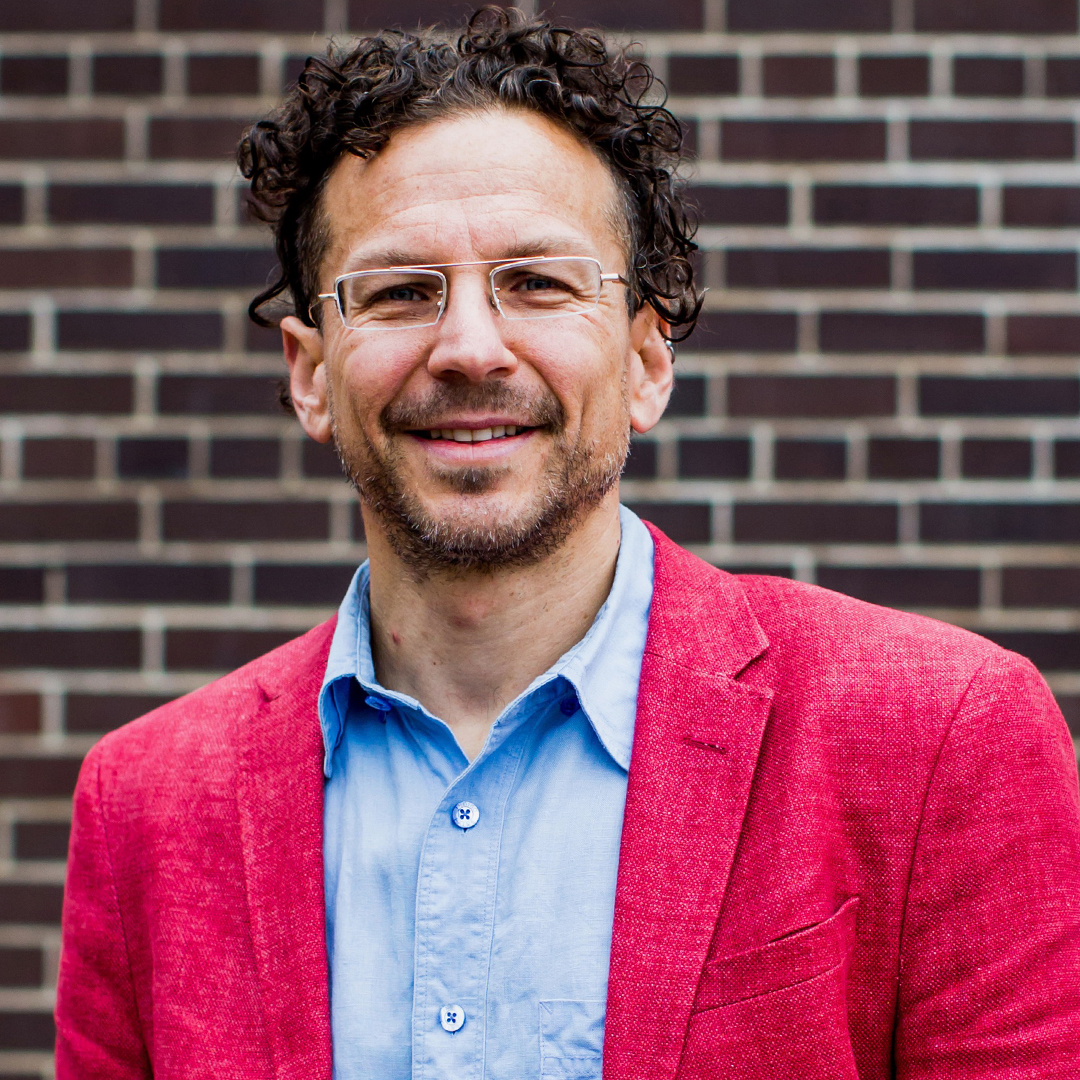
“Indigenous people in Northwestern Ontario have almost double the rate of food insecurity as the white settler population,” explains Dr. Charles Levkoe, the Canada Research Chair in Equitable and Sustainable Food Systems at Lakehead University.
The Indigenous Food Circle, one of the community partners Dr. Levkoe works with, is stepping up during the pandemic to secure money to provide nutritious food for Indigenous people in the region.
But this situation existed long before the pandemic arrived. Lack of access to healthy, affordable, and culturally-appropriate food has been a problem for Indigenous Canadians since European contact.
“Western countries have built food systems intended to maximize profit and reduce labour costs,” Dr. Levkoe says. “Underlying these systems are ideologies rooted in white supremacy, settler colonialism, and patriarchy. The result is inequality and injustice for large groups of people.”
Finding ways to create a more equitable food system drives Dr. Levkoe’s research, but he recognizes that real change comes from working together with communities and grassroots organizations who take the lead in creating solutions.
Locally, Dr. Levkoe collaborates with groups like the Thunder Bay and Area Food Strategy. It was through the Food Strategy that he met Jessica McLaughlin, the group’s Indigenous representative. After a meeting, she and Dr. Levkoe asked each other:
“How can Thunder Bay – the Canadian city with the largest per capita percentage of Indigenous people – respond to Indigenous food security issues if there’s only one Indigenous person on this council?”
This prompted them to start the Indigenous Food Circle as a sister organization with Jessica as the coordinator. Dr. Levkoe remains involved with this primarily Indigenous-run group as a member of the advisory team.
Their goal is to foster Indigenous food sovereignty.
“That doesn’t mean charity or opening more northern stores that receive government subsidies and then charge $12 for a litre of milk,” Dr. Levkoe says. “It’s about returning decision-making power to Indigenous people and communities.”
The Indigenous Food Circle has taken action on this front by developing and implementing food sovereignty visions with 14 First Nations in the Thunder Bay area, in partnership with Lakehead University and the Thunder Bay District Health Unit.