Barrie STEM Hub

Dr. Rob Stewart Spearheads Efforts to Protect Lake Superior

OVERVIEW:

  • Dr. Rob Stewart leads the Freshwater Coastal Management Research Group and coordinates Remedial Action Plans (RAPs) along the Canadian north shore of Lake Superior
  • Harbours along Lake Superior were heavily polluted as a result of mining and forestry operations and industrial development
  • The work of RAPs, combined with government regulation, has made Lake Superior harbours safe for swimming and a source of drinking water
  • Dr. Stewart, in collaboration with RAPs, is investigating emerging global threats to the health of Lake Superior
  • Lakehead researchers are also working with Indigenous communities with the goal of restoring Lake Nipigon's ecosystem

Communities are Coming Together to Clean Up Our Freshwater Lakes

"The best way to experience the magnificence of Lake Superior is to paddle to the last chain of islands before you hit open water," Dr. Rob Stewart says.

He's an associate professor of geography & the environment who feels most at home on the lake.

"It's amazing to be 10 km offshore in a kayak and have an otter pop up and hiss at you."

His career has been devoted to working with local communities to protect the watersheds and coastal environments of the Lake Superior Basin.

"Lake Superior is the headwater of all the Great Lakes, and its health determines the future of all the Great Lakes," he explains.

Dr. Stewart leads Lakehead's Freshwater Coastal Management Research Group and coordinates Remedial Action Plans (RAPs) along the Canadian north shore of Lake Superior.

"We identify environmental problems, monitor them, and then work on lake restoration," he says.

Through the determination of communities and researchers, there's been great success in removing pollutants from Lake Superior.

"When I was growing up, places like Thunder Bay, Nipigon, and Red Rock had working harbours. There was foam, oil, and tree bark floating on the water because industries like pulp mills and mines would discharge effluents directly into the lake.

Today, you can swim in these harbours and use them for drinking water because of intense government regulation and the clean-up efforts of RAP groups."

Now, Lake Superior RAPs are equally concerned with emerging threats to the lake that don't have simple solutions and that require cooperation between countries.

"We're investigating how to deal with invasive species, airborne mercury travelling from China and India, and climate change—Lake Superior is the fastest warming Great Lake."

Uncovering the Story of Lake Nipigon

Dr. Stewart's research extends beyond Lake Superior.

He's excited to be working with Indigenous communities in the Lake Nipigon area to trace the history of this freshwater lake and how it's changed over the past 200 years.

"Lake Nipigon was intensely developed in the 1940s. Large forestry and mining operations were set up near the lake's shoreline.

The provincial government also built a hydroelectric dam that diverted massive amounts of water from the Arctic watershed into Lake Nipigon. This changed the lake's ecosystem dramatically."

The high levels of silt and nutrients in the Arctic Watershed were too much for a freshwater body like Lake Nipigon to absorb.

"The silt covered up fish spawning grounds, and the overabundance of nutrients created toxic algae blooms. The dam also caused erosion and raised the level of the lake, which released more sediment and nutrients."

Until recently, Indigenous people were forced to stand by and see their lake degraded because they had no say over how it was developed.

"Now, First Nations want the full story of the lake's changes backed up with scientific data," Dr. Stewart says. "Our 'Lake Nipigon Cumulative Impacts Partnership' will help provide this information."

His research team is doing this by tracking the movement of fish in the lake and by taking sediment samples from the lake floor.

"We'll analyze the sediment to determine the nutrients, plants, aquatic life, and toxins present in Lake Nipigon at different time periods."

After all the evidence is gathered, communities will pinpoint areas of Lake Nipigon where the environment has been adversely affected by development and by pollution, such as arsenic contamination from mills. Then, they'll advocate to have them restored.

"They want to build healthy communities with clean water and land for their youth," Dr. Stewart says.

Save Our Remarkable Lakes

He encourages local citizens to get involved in sustaining our region's waterways by joining an environmental community group or by becoming a member of one of the north shore's Remedial Action Plan groups.

"The number-one thing, though, is to connect with our lakes in your own way. Go for a canoe ride with a friend, take your kids fishing, or walk along one of the beaches."

Dr. Stewart's Lake Nipigon Cumulative Impacts Partnership research is funded by an NSERC Alliance Grant, the Indigenous Guardians Network, the First Nations Environmental Contaminants Program (Health Canada), and by Biinjitiwaabik Zaaging Anishinaabek. He has received funding for his Lake Superior research initiatives from the Great Lakes Freshwater Ecosystem Initiative, which is part of the Government of Canada's Freshwater Action Plan.

Alumni Spotlight: Chief Michele Solomon is an Inspiring Changemaker

Chief Michele Solomon has led Fort William First Nation since 2023, but she's spent decades caring for her community.

Before entering the political arena, she had a successful social work career specializing in mental health and addictions.

"I was drawn to the helping field because I wanted to strengthen my community, and because social work seemed like a natural fit, given my life experiences," Chief Solomon says.

Chief Michele Solomon stands in front of flags in her office
"I had great experiences with all of my Lakehead teachers," Chief Solomon says. "Professor Dennis McPherson and his Indigenous Canadian World Views course had an enormous impact on me."

She earned a Social Service Worker diploma from Confederation College and began working with Thunder Bay organizations, including as a team leader and manager with the Dilico Adult Residential Treatment Centre and as a manager with the White Cedar Healthcare Centre.

A Winding Journey

After she received her diploma, Chief Solomon began considering university.

"I was trying to advance to management positions, and not having a degree was held against me," she says.

She decided to enrol full-time in Lakehead's social work program.


Chief Michele Solomon wafts smoke over her head with her hand during a smudging ceremony


"If my story can inspire anybody, then it's worth sharing. It might motivate a young mother who feels overwhelmed by the prospect of getting an education." Above, Chief Solomon takes part in a smudging ceremony.

"It was a struggle, though, to go to school with four young children," Chief Solomon says. "So I ended up dropping out before returning to Lakehead part-time in the Bachelor of Arts in Indigenous Studies program.

The program really resonated with me as a non-status Indigenous person growing up on a reserve—the challenges of identity and the hardships that came with that. It allowed me to understand these issues more deeply and from a different perspective."

Chief Solomon received her Bachelor of Arts in 2017, with the support of her family.

"My eldest daughter helped a lot with her younger siblings, and my children's father backed my efforts to be in school."

A Caring Political Leader

Chief Michele Solomon embraces a fellow community member at the Lakehead presidential installation ceremony of Dr. Gillian Siddall at Anemki Wajiw on Fort William First Nation


Above, Chief Solomon hugs a fellow community member at the installation ceremony of Lakehead President Dr. Gillian Siddall in 2024.

As her children grew older, Chief Solomon was able to devote more of her time to helping her community at the systemic level.

In 2015, she successfully ran for the position of Fort William First Nation councillor and served in that role for eight years before being elected Chief.

Chief Michele Solomon sits at her desk in her Fort William First Nation office

"I've had the privilege of representing the Fort William First Nation in the Robinson-Superior annuity court case since 2018, including giving testimony," Chief Solomon says.

By 2018—as well as serving as a councillor—she was working for the groundbreaking Ontario Native Women's Association, managing their Indigenous women's leadership programs.

That year, she also deepened her Lakehead connection. She taught the Indigenous Perspectives class at the university's Bora Laskin Faculty of Law.

"It was wonderful to be part of a dialogue with students," Chief Solomon says. "I was able to engage with up-and-coming law professionals who opened their hearts and minds to that learning experience."

Carving Her Own Path

"I'm dedicated to advancing the Fort William First Nation's wellbeing, prosperity, and economic development, and finding ways to inspire our youth," Chief Solomon says.

"It's also important to me to represent the community in a positive way and to act as a bridge between the Indigenous and the non-Indigenous community."

Chief Michele Solomon stands outside with Dr. Gillian Siddall and other participants in Dr. Siddall's presidential installation ceremony
Chief Solomon (fourth from the left) spoke at Dr. Gillian Siddall's May 2024 installation ceremony, during which Dr. Siddall was installed as Lakehead's president & vice-chancellor. The ceremony was held at Anemki Wajiw (Mount McKay) on the lands of the Fort William First Nation.

While Chief Solomon was embracing these new roles, she was quietly continuing her university education to earn an Honours Bachelor of Arts in Indigenous Studies.

"I painfully chipped away at the degree, taking a course here and there," she says.

In 2025, things came full circle.

She gave opening remarks on behalf of the Fort William First Nation at Lakehead's May 29 convocation ceremony.

The following day, she attended another Lakehead convocation ceremony. This time, she sat with fellow graduating students before walking across the stage to accept her HBA degree.

Chief Michele Solomon speaks at a podium during Lakehead Thunder Bay's May 29, 2025 convocation ceremony
Chief Solomon speaks at Lakehead's May 29, 2025, convocation ceremony. "When I was in college, my children were very young. When I was in university, my kids were adolescents. Now, I've graduated with my HBA, and I'm a grandmother with eight grandchildren."

Chief Solomon encourages other community members to consider post-secondary education.

"It brings Indigenous voices and understandings to places where they might not otherwise be heard. Education allows us to be stronger. It opens the doors to a good life, and it makes a difference to the lives of your family."

CIHR & SSHRC Undergraduate Student Research Awards

CIHR & SSHRC Undergraduate Student Research Awards (USRA) are meant to nurture your interest and fully develop your potential for a research career in health or social sciences and humanities. These awards are also meant to encourage you to undertake graduate studies by providing research work experience that complements your studies in an academic setting.

At the present time, CIHR and SSHRC USRAs are exclusively for student researchers who self-identify as Black.

Lakehead Leader Winner Kylee Henson Takes it to the Mat

This Judo Athlete and Kinesiology Student Strengthens Communities

If the idea of meeting a black belt martial artist seems intimidating, Kylee Henson will put you at ease.

Kylee Henson Stands Outside the University Centre on Lakehead's Thunder Bay Campus

Kylee received her Honours Bachelor of Kinesiology, with a minor in Health and Aging, in 2023, and will complete her Master of Science in Kinesiology in December 2025.

Kylee—a judo athlete and Lakehead kinesiology student—is an active community volunteer and one of the friendliest people you'll meet on the Thunder Bay campus.

"For me, volunteering is about respect and giving back," says Kylee, who received a 2025 Lakehead Leader Award for Community Engagement from the university.

"There's a golden rule in judo: People invest in you, so you invest in others."

She's been practicing judo since she was five years old, and competed nationally and internationally until 2022.

"My signature move was an arm bar. I would grab hold of my opponent's arm to lock and hyperextend it when we were grappling on the ground."

A Black Belt with a Keen Research Mind

Kylee's passion for judo has carried over into her academic studies.

"My knee and ankle injuries got me interested in kinesiology and biomechanics," Kylee says.

"Biomechanics is about applying forces to the body and studying how the body reacts. It's physics for your joints."

Kylee is currently finishing a master's thesis focused on reducing judo athletes' risk of concussion.

"Beginners are at the biggest risk of concussion," Kylee says. "More experienced athletes know how to fall."

Kylee Henson demonstrates judo moves to children during a judo class

Above, Kylee (wearing a blue judo gi) teaches a children's judo class at Thunder Bay's Mountainside Judo Club.

She wants her research to spur the development of a standardized judo under-mat system—also called a sub-floor—that will diminish the blunt-force impact when athletes' heads hit the judo mat.

"There's no regulated under-mat system anywhere in the world," Kylee explains. "I'm comparing the systems I've played on to see if some are better than others."

Kylee Henson, wearing a judo gi, stands between her father and her uncle in a judo studio

Kylee was a highly ranked judo athlete, and she still practices judo recreationally. It's a sport that's a family tradition. "My dad and my uncle were both big martial artists," she says. Left, Kylee celebrates the day she earned her black belt with her father (left) and uncle (right).

Judo clubs use everything from wall insulation and rubber hockey pucks to pool noodles as cushioning beneath judo mats.

Kylee's interest in keeping people healthy extends well beyond judo. As a master's student, she was hired by the City of Thunder in 2023 to create its Keep Moving Toolkit.

"It helps people dealing with complicated health issues—like stroke, cerebral palsy, and diabetes—build social connections and engage in physical exercise," Kylee says. The toolkit has been adopted across northern Ontario since it was released in February 2025.

Mentoring the Next Generation

It was Kylee's work on and off campus that earned her a Lakehead Leader Award. The Student Success Centre presents these awards to students who embody the spirit of excellence, innovation, and dedication.

Kylee Henson stands with members of Lakehead's women's varsity wrestling team at an OUA event

Kylee (far right) with the Lakehead women’s varsity wrestling team. Kylee initially planned to become an occupational therapist. “I wanted to adapt elderly people’s homes to keep them independent, but I changed my focus after I began doing postsurgery rehab with Lakehead varsity wrestlers.”

Some of the initiatives that earned Kylee her award include getting Lakehead involved in National Biomechanics Day—an annual worldwide event that introduces this STEM field to high school students and teachers.

"With the support of my supervisor, Dr. Carlos Zerpa, I invited Grade 11 students to campus to learn about biomechanics through different activities and exercises." Kylee's enthusiasm not only got students excited about biomechanics—it boosted enrollment to Lakehead's kinesiology program.

She also mentored St. Ignatius High School students in the fundamentals of kinematics research, showing them how to analyze sport performances using Kinovea video software.

Self-Defence Skills Nurture Self-Confidence

Kylee is a certified judo instructor, and she draws upon her skills to empower community members. "I've adapted what I've learned to teach women and police officers self-defence."

Kylee Henson teaches a self-defence class to Lakehead students at a gym on campus

Kylee (third from left) teaches a self-defence class to Lakehead students. 

More recently, she volunteered with the Elizabeth Fry Society to offer self-defence classes to at-risk female inmates about to be released from prison. "The purpose was to help them feel safe on the street after being incarcerated."

Kylee is now busily planning for the future. She already has her own kinesiology business—called Boreal Health, Bodies in Motion—that provides in-home fascia stretching services. Her long-term goal, however, is to provide health programming at the municipal level to create flourishing communities.

"I always encourage people to stay active throughout their lives—it will keep you strong and independent."

Co-op Work Permit Workshop

Have you recently been accepted into a co-op work term for Spring 2026? If so, you will require a co-op work permit to complete this work in Canada. This is separate from your study permit. If you don't already have one, we recommend applying online right away. Work permit processing is very delayed in Canada so please apply early. You can join this workshop to go over the online application with your International Student Advisor (RCIC).

Darla Oja Left a Distinguished Military Career to Return to School

Darla OjaThis Lakehead Student’s Commitment to Serve Others Remains Strong

Lieutenant Colonel (Ret’d) Darla Oja’s journey—from small-town Saskatchewan to international deployments—reflects a lifelong commitment to serving others. Now a Lakehead University student, she transforms decades of military leadership into service rooted in education, empathy, and community impact.

Oja joined the military at the age of seventeen. She grew up in a Métis community in northern Saskatchewan. “It’s a town of about 350 people, and I was related to most of them,” she says with a laugh. “A recruiter came to our school and picked up four of us in Grade 11. We all went to basic training that year. That was an option—and I chose it.”

Her decision launched a career that spanned positions ranging from Mobile Support and Equipment Operator to Lieutenant Colonel, culminating in her command of the 38 Service Battalion, which oversaw units across three provinces. She also served in Bosnia-Herzegovina, held numerous training and leadership roles, and spent decades living and serving in Thunder Bay.

“Decide what you want to be, and do it. If that’s what your heart tells you, then become that. Don’t let people tell you you can’t.”

“I’ve always loved learning,” Oja says. “To progress through the ranks, there was always training involved—it was like being in school all the time. I think that’s part of why I enjoyed it so much.”

When she reflects on her career, Oja speaks most about the people she has met. “Leadership isn’t just about example,” she says. “It’s about leading how you would like to have been led—helping others become their best possible selves.”

Oja was commissioned as an officer after a Thunder Bay commanding officer, Lieutenant Colonel John Groves, recognized her potential. “If you’re looking for someone who shaped my approach, it was him,” she says. “He helped me understand what an officer should exude in command and leadership.”

Over time, she found her own style. “The military forms people into a certain way of thinking and doing,” she explains. “As I matured into my leadership role, I became more of my authentic self. Who I was was able to emerge more as I went up in rank.”
Honouring Indigenous Veterans

Each year on November 8, Canadians observe National Indigenous Veterans Day—a day of remembrance, reflection, and recognition. It honours the thousands of First Nations, Inuit, and Métis people who served in the First and Second World Wars, the Korean War, and in peacekeeping missions worldwide. It also acknowledges the families and communities who carried the burden of absence and loss with strength, pride, and love.

For Oja, the day underscores the importance of awareness and education. “Canada has a long history of Indigenous people serving, but for many decades that service wasn’t widely recognized,” she says. “This day helps make sure those stories are seen and heard—not only by Indigenous communities, but by all Canadians.”

That recognition, she adds, is also about progress. “It’s about understanding the sacrifices that were made and the stories that weren’t told for so long,” she says. “And it’s about asking what more we can do today to ensure they’re never forgotten.”

Helping Young People Understand and Embrace Our History
These days, Oja channels that commitment to remembrance and learning into classrooms across Thunder Bay. By sharing her dog tags, uniforms, and grandfather’s service medals, she helps students connect personally to history. “The kids under ten are my favourite,” she says. “They’re just curious—there’s no hesitation. They just want to touch everything.” Her visits spark discussions about Indigenous contributions and foster respect in students who might not otherwise learn these stories firsthand.

She believes postsecondary institutions play an essential role in carrying these stories forward and shaping student perspectives. “As an academic institution, Lakehead has an important responsibility,” she says. “Ceremonies like National Indigenous Veterans Day remind students that this is part of our shared history, and that it’s inclusive of everyone. But students should also be encouraged to stay curious—to expand their knowledge beyond what’s in a textbook.” Oja views her academic contributions as a means to raise awareness and foster meaningful dialogue about Indigenous experiences.

From Command to the Classroom

Returning to school herself, Oja is now in her third year at Lakehead, where she is completing concurrent degrees in social work and Indigenous learning, as well as a Certificate in Expressive Arts. “People are surprised when they find out I went back to school,” she says. “But it fits. I’ve always been drawn to education—now it’s about how I give back in a different way.”

Since retiring from the military, Oja has received notes from colleagues and former soldiers thanking her for her leadership and support. “I didn’t realize how much people felt that until after I retired,” she says. “They thanked me for believing in them, for contributing to their careers. These are things anybody can do—you just have to be a good person.”

Her advice to others is simple: “Decide what you want to be, and do it. If that’s what your heart tells you, then become that. Don’t let people tell you you can’t.”

After thirty years of service and a lifetime of learning, Oja remains focused on what’s next. “There are so many amazing Indigenous veteran stories out there,” she says. “Part of why I agreed to this interview was to open that up—to encourage those other stories to be told.”

Oja’s journey, in and out of uniform, is defined by learning, service, and connection. Every chapter of her life—in the field or in the classroom—builds toward her central goal: making a difference. National Indigenous Veterans Day, for Oja, is about honouring the past and inspiring others to serve, learn, and lead with purpose.

Everyone is invited to attend the Indigenous Veterans Day Ceremony on November 10 at 9:30 am in the Agora on the Thunder Bay campus. You can also watch the ceremony online by clicking here to register.

Visit the Indigenous Veterans Day exhibit on display from November 10-14 in the Agora to learn more about the service and the sacrifices of Indigenous soldiers and veterans.


Lakehead University Named Ontario’s Top Primarily Undergraduate University in 2026 Maclean’s Ranking

As Lakehead celebrates its 60th anniversary, the university continues to lead in student awards, student-to-faculty ratios, scholarships, and research excellence.

Lakehead University maintained its position as Ontario’s top primarily undergraduate university in the 2026 Maclean’s University Rankings. 

The university continues to be recognized for its exceptional education, research excellence, and outstanding student outcomes. Among Ontario universities in the primarily undergraduate category, Lakehead ranked first in student awards and student-to-faculty ratio, second in scholarships and bursaries, and third in total research dollars.

"Lakehead has always been a place where students achieve their full potential through transformative, world-class education," said Dr. Gillian Siddall, President and Vice-Chancellor. "Our rising rankings and the success of our graduates reflect the quality and impact of the learning experiences we offer. Equally important, we provide unique pathways and supports for students from diverse backgrounds, ensuring that everyone with potential has the opportunity to thrive. This recognition in Maclean's celebrates the dedication of our faculty, staff, and partners in creating an environment where excellence and inclusion go hand in hand."

As Lakehead marks its 60th anniversary, students continue to benefit from hands-on learning and collaborative research experiences that contribute to strong retention, high graduation rates, and employment outcomes that exceed the provincial average.

The annual Maclean’s rankings categorize Canada’s universities into three groups — primarily undergraduate, comprehensive, and medical/doctoral — and Lakehead stands out in its primarily undergraduate category, shining a light on its deep commitment to student success.

“This recognition also reflects the strength and scope of the research happening across Lakehead,” said Dr. Siddall. “Our researchers and students are tackling issues that matter — from sustainability and health to social equity and innovation — work that continues to raise the university’s national and global profile.” 

According to the Ontario University Graduate Survey (OUGS 2021), 93 per cent of Lakehead graduates find employment within six months of graduation. Within two years, that figure rises to 96 per cent, and 93 per cent report working in roles directly related to the skills gained through their undergraduate studies. These results demonstrate how Lakehead’s distinctive educational approach helps graduates transition successfully into the workforce.

Lakehead’s growing reputation for excellence continues to gain international attention. In the Times Higher Education World University Rankings 2026, released last week, Lakehead placed second in Ontario and second in Canada among primarily undergraduate universities. Together, the Maclean’s and Times Higher Education results reaffirm Lakehead’s position as one of Canada’s top primarily undergraduate universities.

Building on six decades of innovation and community engagement, Lakehead continues to shape the next generation of changemakers who will strengthen the north, Canada, and the world. Prospective students can learn more by joining one of our upcoming fall recruitment events, such as the Orillia Open House on Nov. 8, 2025, or the Explore the North VIP Experience in Thunder Bay on Nov. 14, 2025. Details are available at lakeheadu.ca/admissions/events

Ingenuity Ascend Accelerator-Up to $5000 in Funding for Your Business Idea

Important Dates

  • Application close: December 2,2025
  • Interviews to be held during the Week of December 8, 2025
  • Program starts: January 26, 2025 (8-10 week duration)
  • Application Link: https://forms.gle/ZXUNtZdzFhf5aMRw7


The Ingenuity Ascend Accelerator is a 10-week business development program designed for entrepreneurial-minded Lakehead University students and recent alumni. Whether you're in the idea stage or working on an early-stage startup, Ascend helps you transition from concept to viable business.

Each cohort accepts up to four business ideas, and selected ventures are eligible to receive up to $5,000 in funding to support business development activities.


The program is designed to:

  • Support the launch and growth of student-led ventures
  • Offer hands-on business training and mentorship
  • Provide a collaborative, resource-rich environment

What We Offer:

  • Weekly mentorship and milestone meetings
  • Business workshops covering marketing, IP, revenue models, business structure, and more
  • Access to Ingenuity's Makerspace, Media Room, and co-working space
  • Connections to community partners and local entrepreneurs

What to Expect as a Participant

Throughout the 10-week program, early-stage companies can expect to:

  • Participate in networking events
  • Attend business development workshops
  • Connect with experienced entrepreneurial mentors
  • Join milestone meetings with Ingenuity staff to track progress
  • Access up to $5,000 in non-repayable funding (restrictions apply)

Eligibility Requirements:

  • At least one founder must be a current Lakehead student or alumni (within one year post-graduation)
  • Must be willing to commit to the program for 10 weeks
  • Must participate in all workshops, events, and pitch competitions
  • Must have decision-making authority for the venture
  • Must meet the legal requirements to start and run a business in Canada

Frequently Asked Questions

Q: Does it cost anything to join the program?
A: No. The Ascend Accelerator is completely free for eligible Lakehead students and recent graduates.

Q: Do I need to have a business already running to apply?
A: No. We welcome applications from all stages, including early idea development.

Q: What is the time commitment like?
A: The program includes one milestone meeting per week (up to 1 hour), plus several scheduled workshops. Ingenuity works with participants to find mutually agreeable times that respect academic and work obligations.

Q: Is this program only for business students?
A: Not at all! Ingenuity supports students from all academic backgrounds.

Q: Does Ingenuity take equity in my company?
A: No. Ingenuity does not take equity or royalties from any participant.

Q: Who can I contact for more information?
A: Please reach out to info.ingenuity@lakeheadu.ca for all general inquiries.

Apply today and take the next step in turning your idea into a business!

Lakehead launches President’s Public Lecture Series celebrating 60 years of learning and community

Thunder Bay and Orillia, Ont. – Lakehead University thought leaders and changemakers are headlining a free public lecture series celebrating learning, discovery, and community.

Launching later this month in honour of Lakehead’s 60th anniversary, the President’s Public Lecture Series brings timely, thought-provoking conversations to the university’s campuses and communities in northwestern and central Ontario, supporting access and encouraging broad participation.

The series also invites community members to reconnect with Lakehead in person — to visit campus, engage with faculty and ideas, and celebrate the spirit of discovery that defines our university.

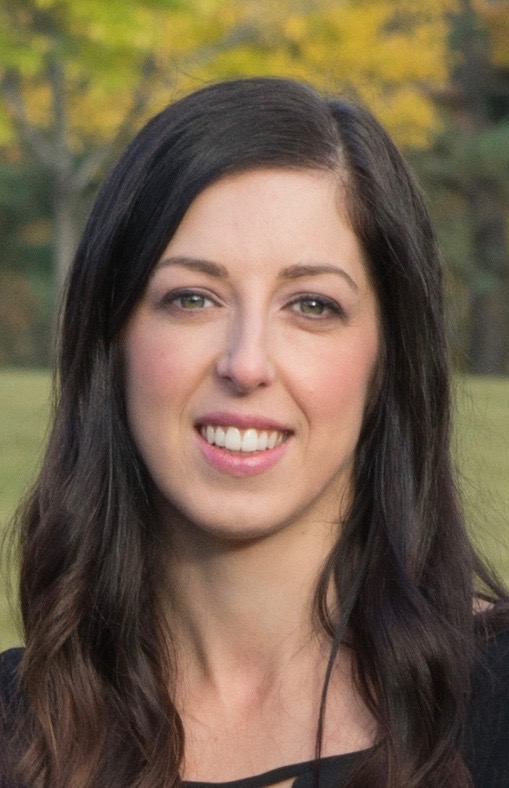
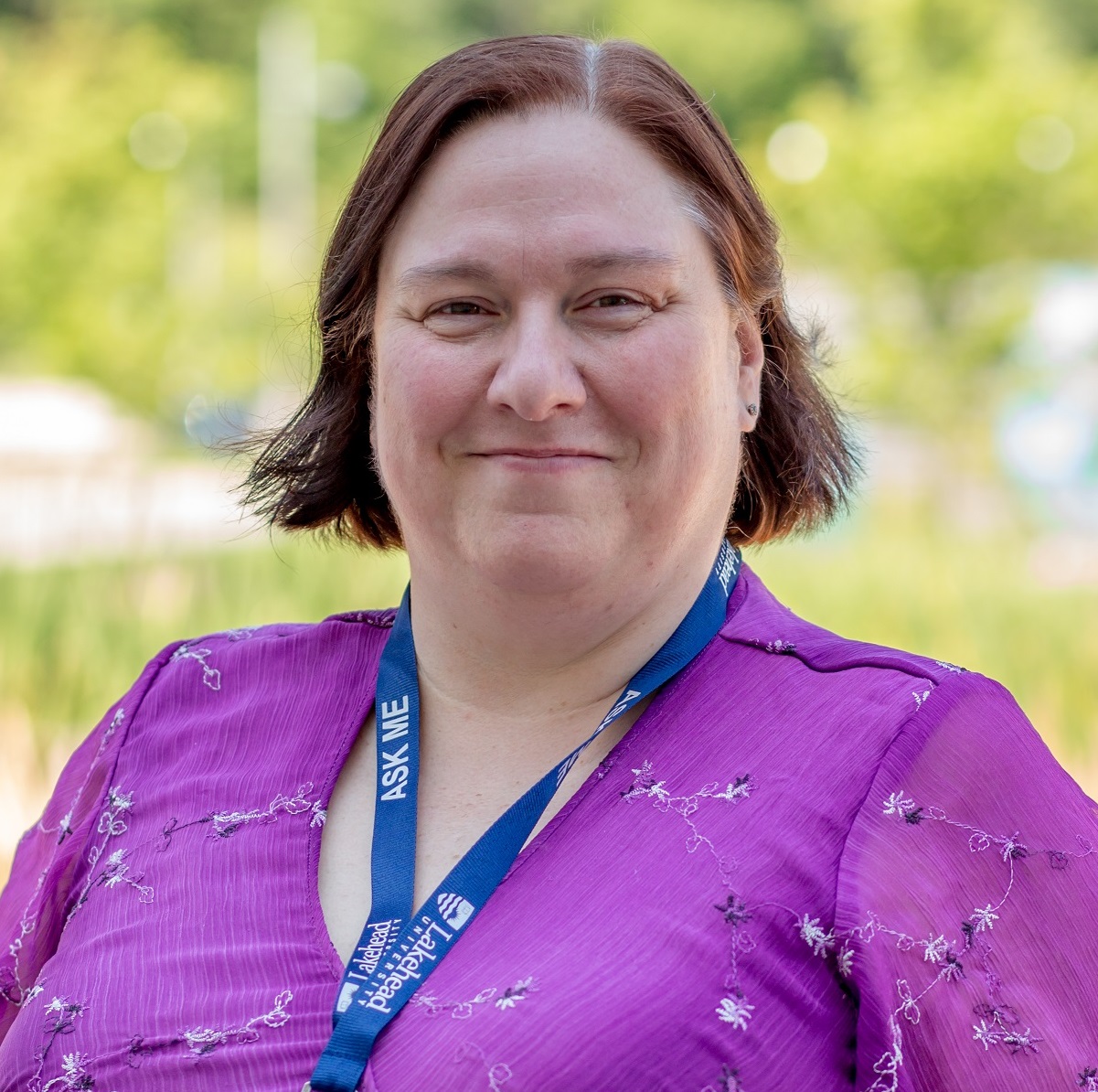
Cynthia Wesley-EsquimauxThe six-part series will run from October through June and will feature world-renowned speakers, including Dr. Cynthia Wesley-Esquimaux, Chair on Truth and Reconciliation, and Faculty of Education professors Dr. Gerald Walton and Dr. Sonia Mastrangelo, with more to be announced. Events will alternate between Lakehead’s Thunder Bay and Orillia campuses, with all lectures available via live stream and posted online for on-demand viewing. Most lectures will be held outside of regular business hours to encourage broad community participation.

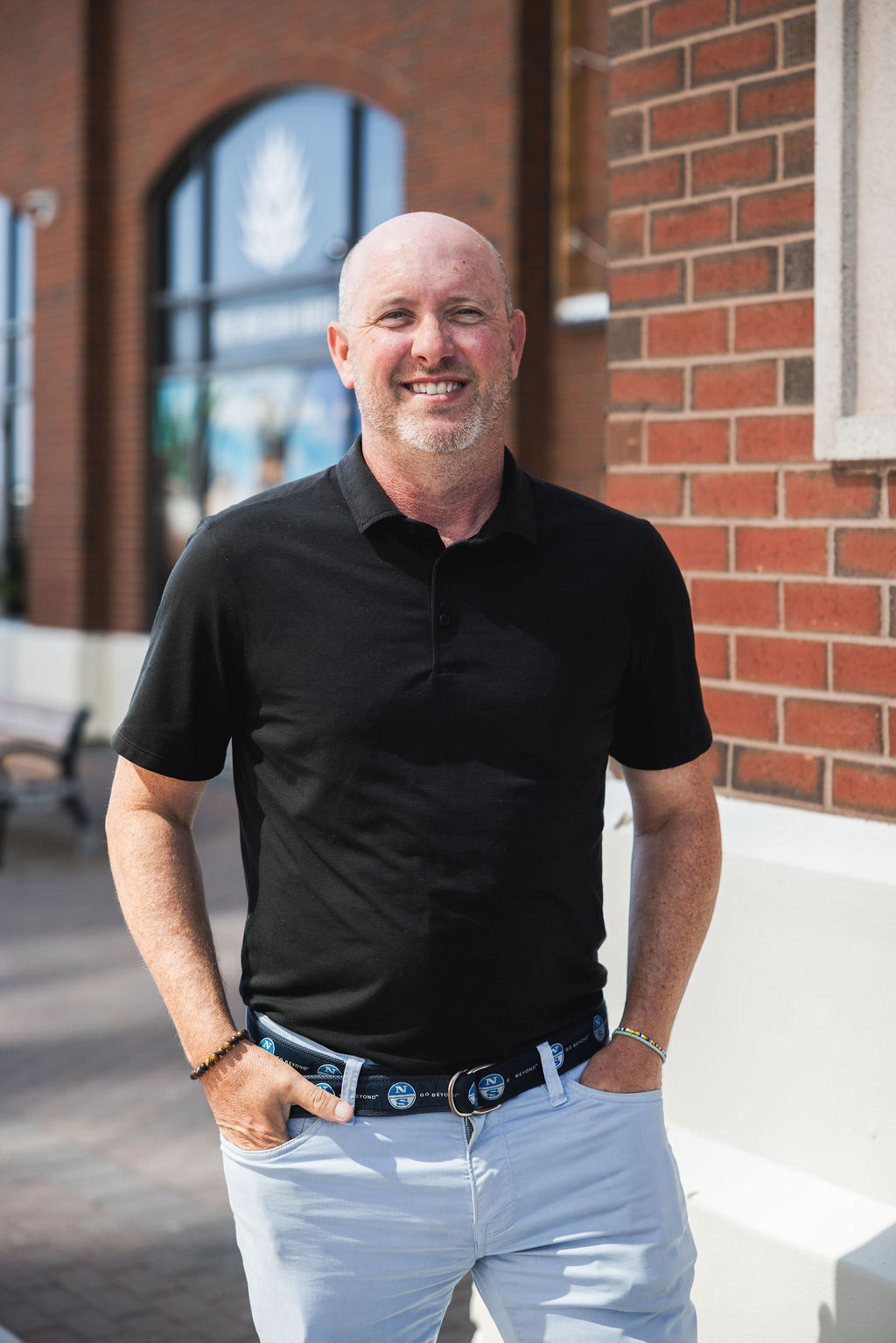
Gerald Walton“We’re marking our 60-year history in a way that centres and celebrates those who have supported us from the beginning—by opening our doors, sharing ideas and knowledge, and most importantly, saying thank you to the communities who built us,” stated Dr. Gillian Siddall, President and Vice-Chancellor. “Lakehead’s story has always been one of partnership –– of what’s possible when people come together to imagine a brighter future. This series is an open invitation to the communities we serve to re-engage, reconnect, and imagine what’s possible when knowledge is shared freely and widely.”

Since 1965, Lakehead University has been deeply rooted in the belief that education should uplift communities. Over the past six decades, Lakehead has grown into a university known for research excellence, student success, and meaningful engagement with the regions it serves.

Sonia MastrangeloWhile an estimated 95 per cent of Lakehead’s domestic students face barriers to attending university, such as financial need, coming from a rural or remote community, or being the first in their family to pursue post-secondary education, Lakehead’s strong graduation rate — the second highest among Ontario’s primarily undergraduate universities — changes the life trajectory of its graduates.

“Last year, Lakehead was recognized by Maclean’s as Ontario’s top primarily undergraduate university — an honour that reflects the outstanding teaching and learning led by our dedicated and talented faculty,” explained Dr. Siddall. “Through this lecture series, I’m delighted to introduce the public to some of those individuals. I’m confident you will enjoy these talks — may they spark new ideas, inspiration, and conversation.”

The President’s Public Lecture Series is open to anyone interested in learning, challenging, and exploring. Attend in person or virtually.

Dr. Cynthia Wesley-Esquimaux will host our inaugural lecture live from Lakehead Orillia on Friday, Oct. 24 at 10 a.m. Then, on Thursday, Nov. 20, Dr. Gerald Walton will untangle the roots of bullying and offer advice on addressing these behaviours live from The Agora at Lakehead Thunder Bay.

For more information or to register, visit www.lakeheadu.ca/presidentslectureseries

Pages

Subscribe to Barrie STEM Hub