
Research in Action: Cloverbelt Co-Op Offers Insight for Northwest Agriculture
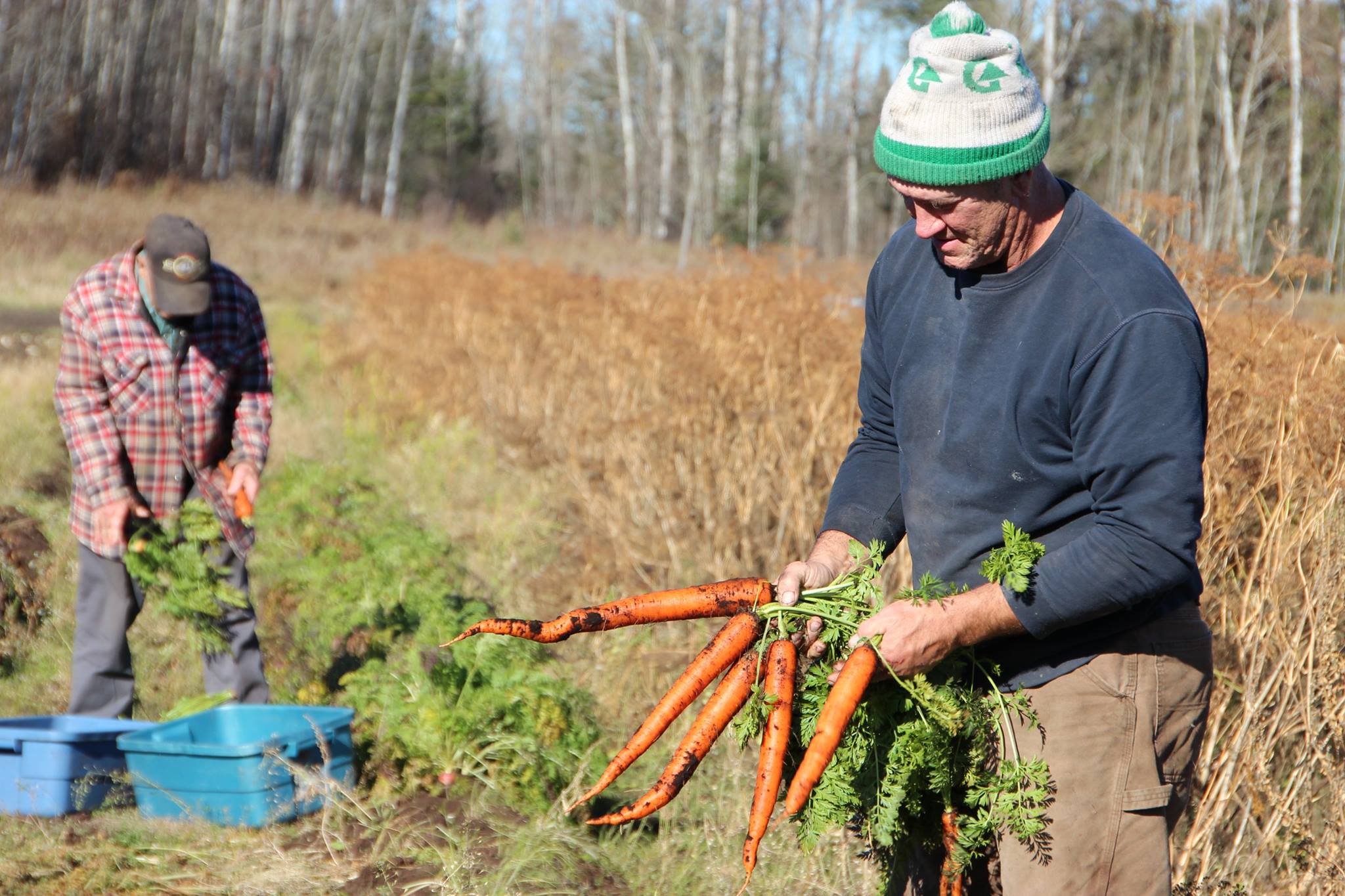
Tim and Bob Wall
Photo cutline: From left, Bob and Tim Wall run Wall’s farm, just south of Oxdrift. The farm is a
member of the Cloverbelt Local Food Co-Operative. photo credit to Cloverbelt Local Food Co-Operative

Chronicle Journal November 8, 2017.

Dryden-based Cloverbelt Local Food Cooperative is a non-profit distribution network that connects 130 local food producers to consumers across the region.

As co-op members, consumers can browse and order a producer’s wares online, and then pick
them up at one of five distribution points. But Cloverbelt does much more than distribute
food—the typical function of a food co-op—which is why it is so interesting to Dr. Charles
Levkoe, Canada Research Chair in Sustainable Food Systems and Assistant Professor of Health
Sciences at Lakehead University.

Cloverbelt, under the direction of President Jen Springett, has built a community greenhouse
and revitalized an abattoir, and is working to find ways to bring fresh food to remote First
Nation communities, among other projects. Because it’s unique, Cloverbelt was included as one
of four case studies in Dr. Levkoe’s research on informal and under-recognized contributions of
food initiatives in the region, funded by the Social Sciences and Humanities Research Council of
Canada.

“Our work on this project is coming out of the needs of the region, not from us as researchers. I
am interested in how research can help to fill gaps and build capacity,” said Dr. Levkoe.
In partnership with Cloverbelt and others, Dr. Levkoe has worked closely with Dr. Connie
Nelson, Professor Emeritus of Social Work at Lakehead, among others, to support the
development of a regional food charter for Northwestern Ontario. A food charter would
recognize the right of every individual to have access to enough safe and nutritious food to stay
healthy and have energy for daily life, and provide policy recommendations to ensure this right.
“The food charters project is a synergy of researchers and co-op members,” Springett said. “We
know the food landscape in the region, and we’re good at outreach and talking to people about
food, but it would be difficult for an organization like ours to write a charter. Working with the
university has allowed us to develop evidence to support what we already know from our work
on the ground.”

In addition to developing the food charter, Dr. Levkoe’s team gathered more information about
producers’ experiences of being part of the co-op. Allison Streutker, who recently completed
her Honours Bachelor of Psychology at Lakehead, was one of four research assistants who
worked on the project. Streutker’s interest in the project came partly from her experience
growing up on a dairy farm in Slate River Valley, Ont., just outside Thunder Bay. She conducted
interviews to find out how Cloverbelt benefits individuals, businesses, and the environment.

“There is only so much you can learn in a classroom versus hands on. I liked that I was able to
build a relationship with Cloverbelt members,” said Streutker, adding that she also explored
Cloverbelt’s greenhouse project.
“Allison – as an outside researcher – was able to validate the importance of the work being
done through Cloverbelt and identify some of its challenges,” Dr. Levkoe said.
Springett said that Streutker’s feedback has been valuable, and that they will use the
information to plan future education and services for their members.
You can learn more about Cloverbelt at http://cloverbeltlocalfoodcoop.com/
Research in Action: Lac Seul/Ecuador Exchange Offers New Insights Into Tourism Potential

Frederico Oliveira

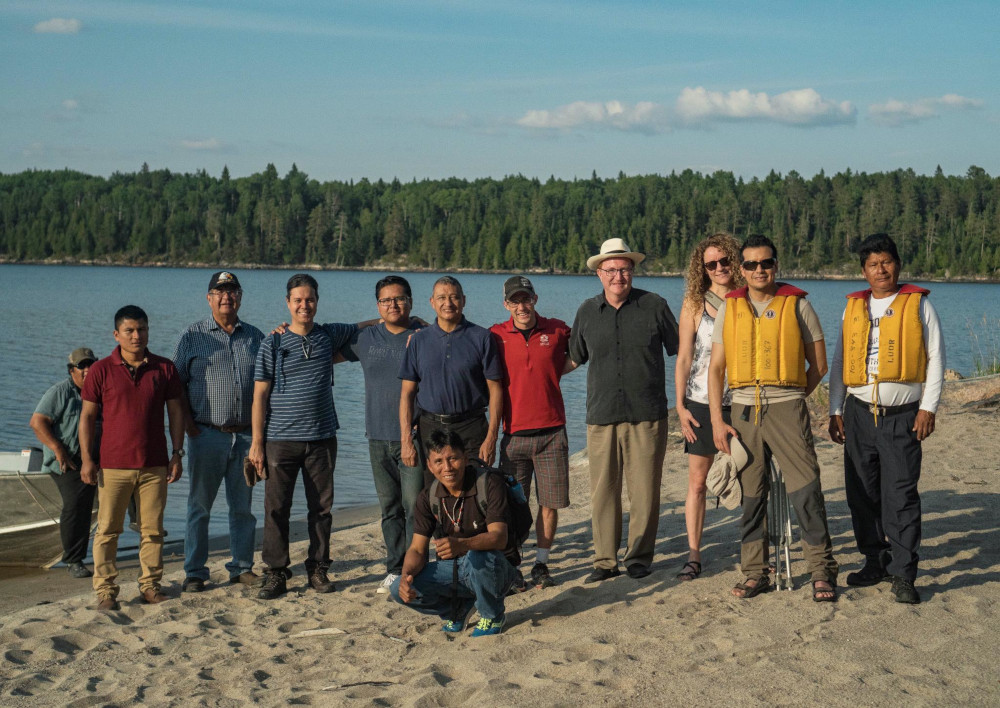
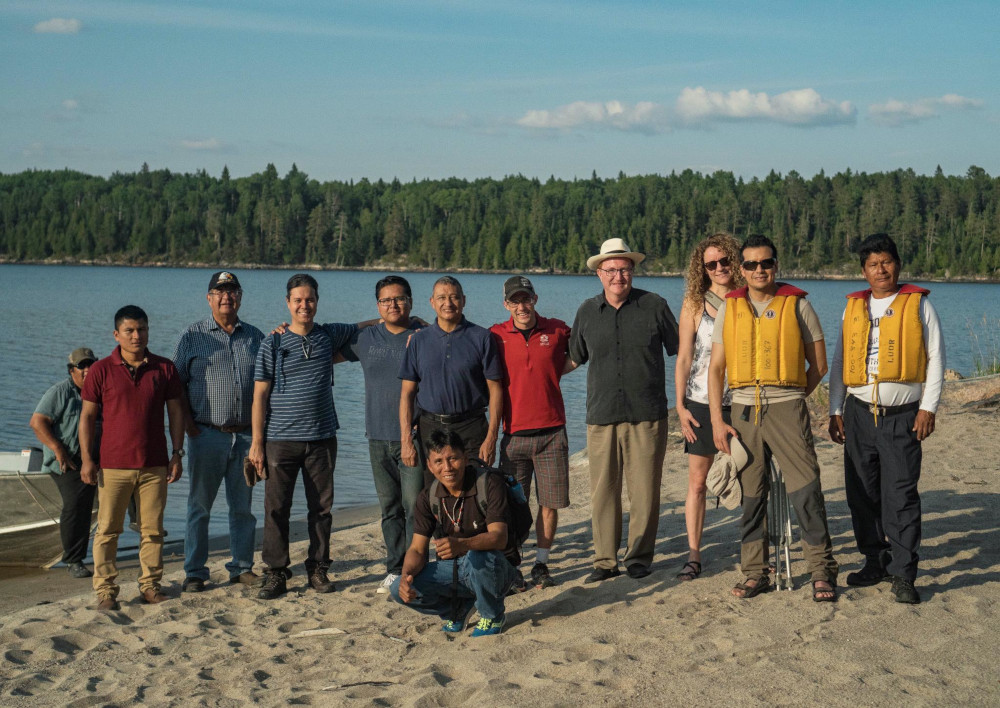
Photo Cutline: In Lac Seul, from left, Jairo Calapucha, Tom Chisel, Frederico Oliveira, Jeremy Capay, Fernando Romero, Gavin Shields, Brian McLaren, Rhonda Koster, Patricio Lozano, and José Calapucha. Sitting in front of the group is Paul Shiguango.

 Published in the Chronicle Journal Monday, April 1, 2019.

In 2018 Lakehead University researchers and students had a unique opportunity to facilitate and take part in an exchange between two Indigenous communities: Lac Seul First Nation in Ontario and Verde Sumaco in Ecuador. The goal of this project, funded by the Social Sciences and Humanities Council, was to compare experiences of nature- and culture-based tourism in the two communities’ traditional territories. Both communities are looking to land-based tourism as an economic opportunity that may also serve cultural and ecological preservation goals.

 The team from Lakehead University included Drs. Frederico Oliveira (Associate Professor, Anthropology) and Brian McLaren (Associate Professor, Natural Resources Management) as leaders of the project, Drs. Rhonda Koster (Associate Professor, Outdoor Recreation, Parks and Tourism), Rosemary Coombe (Canada Research Chair, Anthropology, York University), and Martha Dowsley (Associate Professor, Anthropology/Geography), Lakehead students Caleb Kutcha, Benjamin Bohemier, and Gavin Shields, and Lac Seul Elders Tom Chisel and Kaaren Dannenmann.

 The exchange involved two trips: During the study break in February of 2018, the Lakehead team went to Ecuador. Then in July of 2018, a team of researchers from partner university Escuela Superior Politécnica de Chimborazo (ESPOCH), including professors Fernando Romero and Patricio Lozano, and three Verde Sumaco community members, Jairo Calapucha, José Calapucha, and Raúl Shiguango, visited Lac Seul for one week.

 Gavin Shields, a fourth year student in Indigenous Learning and Philosophy, emphasized the value of being part of the project. “It was completely different getting an experience in the field with an Indigenous community compared to being in the academic environment, because of what you learn from human interactions and building relationships, but then back in the classroom, you can connect what you learned in the field,” he said.

 While visiting each other’s communities, the teams from Canada and Ecuador engaged in a series of discussions and workshops to develop mapping skills, varied concepts of land stewardship and tourism products and itineraries. Over the course of the visits, the groups travelled on foot and by boat through the traditional territories, telling their stories of the places they visited. They discussed which of these stories might be shared with visitors as part of cultural tourism, and which are sacred and should be kept private within the community.

 “What really caught our attention and became clearer was how strongly connected to the land the communities were, in similar ways despite different cultures and languages,” said Dr. Oliveira.  “The communities understood each other very quickly despite a language barrier. They both see tourism as a way to provide some income for their communities while maintaining a sense of identity,” he said.

 Lac Seul Elder Tom Chisel reflected on parallels between the two cultures as well. “We each share similar values and beliefs about taking care of the land for future generations and being able to continue to use the land in a good way,” he said.

Jairo Calapucha, a member of Verde Sumaco, noted the importance of traditional knowledge in establishing tourism initiatives.

 “Indigenous peoples such as the Kichwas of the Amazon in Ecuador and Anishinaabe in Canada have an invaluable legacy, which, through the use of their ancestral knowledge and scientific technical knowledge, promote respect and recognition of their rights to strengthen conservation strategies and sustainable tourism based on natural and cultural heritage in their territories,” he said.

 Both communities felt that the exchange was valuable and hope to keep the relationship going. A report featuring pictures of the exchange will be published soon, and the team is also using footage taken in both Verde Sumaco and Lac Seul to put together a documentary film.

Lac Seul/Ecuador Exchange Offers New Insights Into Tourism Potential

Research in Action: Research Provides Direction for School Food Environments

School Food Environments

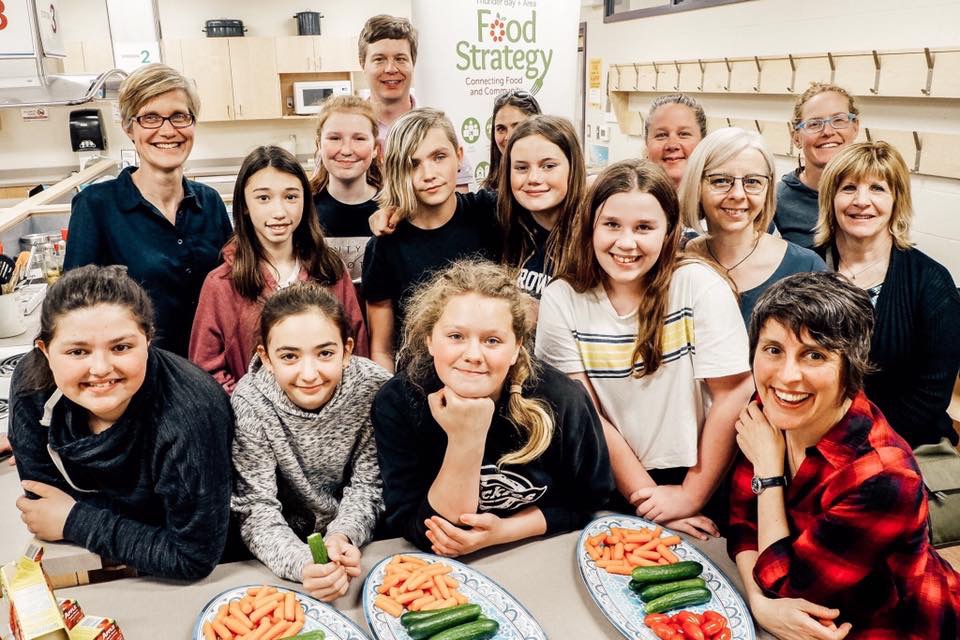
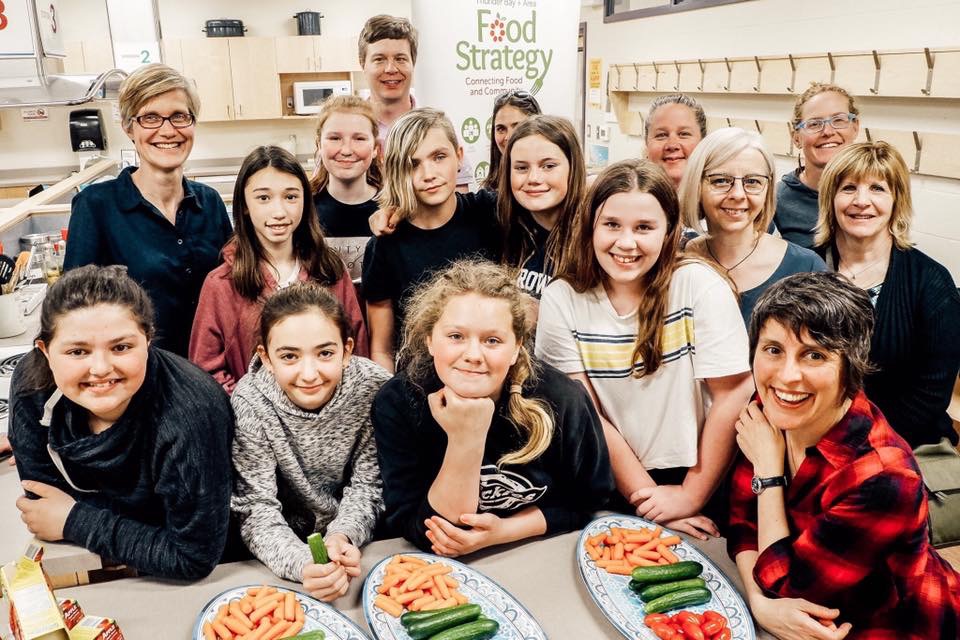
Photo cutline: Celebrating the launch of the school food inventory report. Front row left to right: students Jordyn Jones, Brooklyn Hawkins, Danika Banning, Emma Sloss, and parent Jessica Carfagnini.  Top row left to right: Karen Kerk (Food Strategy), students Kya Zechner and Phoebe Shaw, Dan Hobbs (Red Cross), students Jade Roberts Danni Gale, and Dawn Teepell, Barbara Parker (Lakehead University),  Erin Beagle (Roots to Harvest), Gladys Berringer (Our Kids Count). 

 Published in the Chronicle Journal Tuesday, October 22, 2019.

By: PhebeAnn Wolframe-Smith

Children’s access to and knowledge about food has an enormous impact on their wellbeing. Healthy food environments are places where children have access to nutritious foods, are learning about food and food systems, and are able to use eating, cooking and/or growing food to help build community among students, teachers, staff, and parents.

 Recognizing the importance of healthy food environments, the Thunder Bay and Area Food Strategy’s School Foods Environment Working Group set out to do a school foods inventory. The purpose of this project was to assess the current food environments of Thunder Bay and area schools, to understand where improvements could be made. The Working Group is comprised of representatives from community organizations engaged with food school programs, including the Thunder Bay Catholic District School Board and the Lakehead Public School Board.

Karen Kerk is a member of the Working Group and the Coordinator of the Thunder Bay and Area Food Strategy. “We learned a lot about how research works and about reaching out to the community. Once we started asking questions, it led to more questions we wanted to ask. It was a great process to see it come together from the initial idea to the surveys, to bringing the results back to the community and thinking about next steps,” she said.

Dr. Barbara Parker, Assistant Professor in Sociology at Lakehead University, is a member of the Working Group and led the research along with then-undergraduate student Mario Koeppel, who completed his honours thesis on the project.

 Koeppel, from Switzerland, is a Master’s student in Sociology at Lakehead who is studying student food insecurity.

 “Two important things I learned were the value of connecting with community – the Working Group was there for me to get perspectives on the work throughout the research process. The second thing was as a sociologist I got to put the methodologies I’ve learned into action, and to see how research could benefit the community,” Koeppel said.

 Key findings of the inventory are that most schools don’t have a formal philosophy or policy around food, but have informal underlying principles, such as that no child should go hungry. There are Red Cross nutrition programs in all schools in Thunder Bay, but there are inequities among schools in terms of delivery: most rely on volunteers, and some schools have greater numbers of helpers than others. Some schools are able to provide a granola bar and a fruit, while other schools serve hot breakfasts and even lunches. Some schools have initiatives like community gardens, cooking programs, and Indigenous traditional food teachings, while others do not. Disparities in resources contribute to these differences. The results of the survey were launched in a report in May of 2019, which can be found at tbfoodstrategy.ca/resources/

 Currently, the Working Group is helping school boards put the recommendations that came out of the inventory into action. Some of these recommendations are that schools develop food philosophies with their students, and that food programs be expanded. Dietician interns working with the Red Cross – a member of the School Foods Working Group – are developing tool kits to help teachers and principals create school food programs not just focused on nutrition, but also on the social and cultural context of eating.


“Around the world parents struggle to provide a healthy lunch their kids will eat or to provide a lunch at all. Food is about connection and relationships, but can also work to set individuals apart from one another and maintain difference. We want to use food and food policy to bring people together,” Parker said.

School Food Environments

Pages