



People are Going Hungry and Farmers are Struggling
Dr. Jennifer Jarman Wants to Fix a Canadian Food System in Crisis
Abundant and affordable food is something Canadians once thought they could always count on.
But this is no longer true for many of us.
"We're experiencing multiple food crises as more families are plunged into food insecurity," says Lakehead Interdisciplinary Studies Chair Dr. Jennifer Jarman.
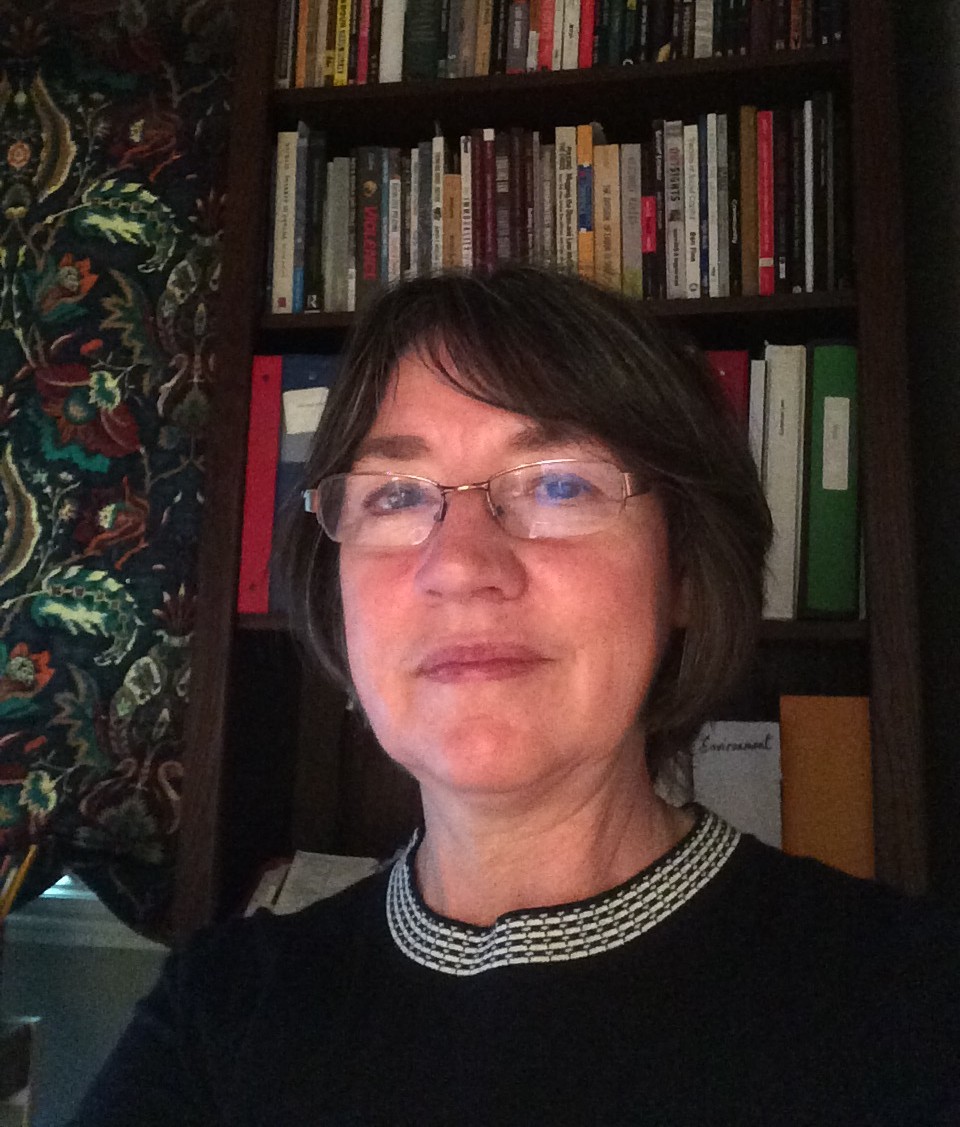
Dr. Jarman's research is centred on social inequality and social justice. "I became interested in rural employment issues when I joined Lakehead," she says. "This led to the book 'The Right to Be Rural,' which I co-edited with Karen Foster at Dalhousie University in 2022.
"This situation has been steadily deteriorating since the pandemic, which was one of the factors that triggered rising grocery prices."
Dr. Jarman is a sociology professor who studies social inequality and its effects. She is also on the board of directors of the Sharing Place Food Centre, a food bank in Orillia.
"We're seeing disturbing trends at the centre," she says.
"More people are becoming homeless, and people with full-time jobs and housing don't have enough money for groceries. Many are paying their rent first and then having to skimp on food."
Food Insecurity is Not Inevitable
Dr. Jarman is part of a movement to change this state of affairs.
She and fellow Lakehead professor Dr. Charles Levkoe are co-investigators with the Common Ground Network—a Social Sciences and Humanities Research Council (SSHRC) project led by Dalhousie University.
They've received research funding to establish a national research network of social sciences and humanities (SSH) researchers focused on supporting sustainable agriculture, forestry, fisheries, and food systems in Canada.
"The goal is to harness social sciences and humanities expertise to create affordable and ecologically sustainable paths for producing and distributing food. For example, growing more food locally," Dr. Jarman says.
.jpg "Hand Planting Crop")
"More local agriculture could help address food insecurity," Dr. Jarman says. "There's a debate about whether the problem is food prices or insufficient income." Photo Credit: Unsplash/Zoe Richardson
"When tackling food and agricultural issues, input is generally sought from scientists and agricultural experts," she adds.
"Unfortunately, many are often unaware of social sciences and humanities researchers doing related agriculture and food systems work.
That's why we're bringing these researchers together with community stakeholders to create strong teams and networks that make both SSH and community-based research more visible, impactful, and reflective of local and regional needs and realities."
Currently, Common Ground has over 200 SSH researchers.
This is in addition to hundreds of agricultural, fisheries, forestry, community, and industry organizations as well as government partners and Indigenous and settler communities.
Helping Canadian Farmers and Food Producers
For the past year, Dr. Jarman has been a co-lead of Common Ground's 'Relationships Across and Between Rural Communities' pillar.
She—along with PhD student and Lakehead Farm Lab Coordinator Jacob Kearey-Moreland—have been investigating whether smaller Canadian agricultural producers have the necessary infrastructure to get their food to market locally.
This infrastructure encompasses storage warehouses, distribution methods, and secondary facilities such as grinding mills for grain farmers.
.jpg "Farmer in Greenhouse")
A tool assessing the needs of Ontario agricultural producers will be tested in Thunder Bay and Simcoe County. It's being developed by Dr. Jarman and Common Ground collaborators including Dr. Charles Levkoe—a Lakehead health sciences professor and a Canada Research Chair in Equitable and Sustainable Food Systems. Photo Credit: Unsplash/Zoe Richardson
Dr. Jarman is also working with Dr. Levkoe, the Food Action Network of Northwestern Ontario, the Sharing Place Food Centre, Sustain Ontario, and the Food Communities Network on a pilot project to create an assessment tool for Ontario municipalities.
The tool will allow municipalities to engage their stakeholders in building more equitable and sustainable food systems.
"Canada needs more baseline information about its agricultural producers and their needs," Dr. Jarman explains.
"We want to identify these needs before making policy recommendations and engaging in lobbying.
We're particularly interested in infrastructure for socially just food systems for vulnerable people."
Coming Together at the Common Ground Food Forum
Dr. Jarman is excited to be helping coordinate the Common Ground Food Forum taking place June 15-19 on the Lakehead Orillia campus.
.jpg "Vegetable Stand")
"The Common Ground Food Forum will be an opportunity to share experiences from diverse regions," Dr. Jarman says. "Food distribution looks very different depending upon which part of the country you live in." Photo Credit: Unsplash/Peter Wendt
The forum will welcome delegates from the Common Ground Network, the Canadian Association of Food Studies, the Food Communities Network, and Food Secure Canada.
The theme of the conference is "Building a Bigger Table."
"We want to introduce people who've never met before to find common areas of interest and forge research and policy alliances," Dr. Jarman says.
.jpg "Cargo Ship")
"From the 1970s onwards, food systems have become globalized," Dr. Jarman says. "This has caused carbon emissions to soar because we're shipping food halfway around the world. It's better to switch back to older ways of doing things—growing food locally and eating food in season." Photo Credit: Unsplash/Andreas Dittberner
She believes that shifting away from globalized food production monopolized by large grocery chains is critical to ensuring food security and the long-term health of the planet.
"People have lived on this continent for thousands of years with sustainable food systems," she points out. "Vegetable crops like potatoes, tomatoes, squash, and berries flourish here and so do wild game, fish, and livestock.
Everyone in Canada should have access to healthy food at affordable prices."
Click here for more information about the 2026 Common Ground Food Forum running from June 15-18 at Lakehead Orillia.
The Common Ground Network was launched in 2024 and is being funded by a five-year Social Sciences and Humanities Research Council (SSHRC) grant led by Dalhousie University in partnership with Agriculture and Agri-Food Canada (AAFC).
Other Common Ground partners include Lakehead University, Arrell Food Institute, Canadian Association for Food Studies, Canadian Centre for Food and Environment, Centre for Studies in Food Security, Centre for Sustainable Food Systems, Collège Boréal, Dalhousie University, Ecology Action Centre, Farmers' Markets of Nova Scotia, Farm to Cafeteria Canada, FarmWorks Investment Co-operative Ltd, Food Communities Network – Réseau Communautés Nourricières,Food for All NB / Ailments Pour Tous NB, Food Secure Canada, HSI Canada, JustFOOD (Ottawa), National Farmers Foundation, National Farmers Union, Northern Ontario Farm Innovation Alliance, Organic Agriculture Centre of Canada, Organic Nova Scotia, Reimagine Agriculture, Selkirk College, Territorial Agrifood Association, The Sharing Place Food Centre, Thunder Bay and Area Food Strategy, the University of Alberta, and Wilfrid Laurier University.