



Raising Up the Voices of People Affected by the Opioid Crisis
SSHRC Storyteller Sydney Ambury Advocates for Care and Compassion
The opioid epidemic is taking a toll on families and communities across the country.
In northern Ontario alone, 324 people died from opioids in 2024.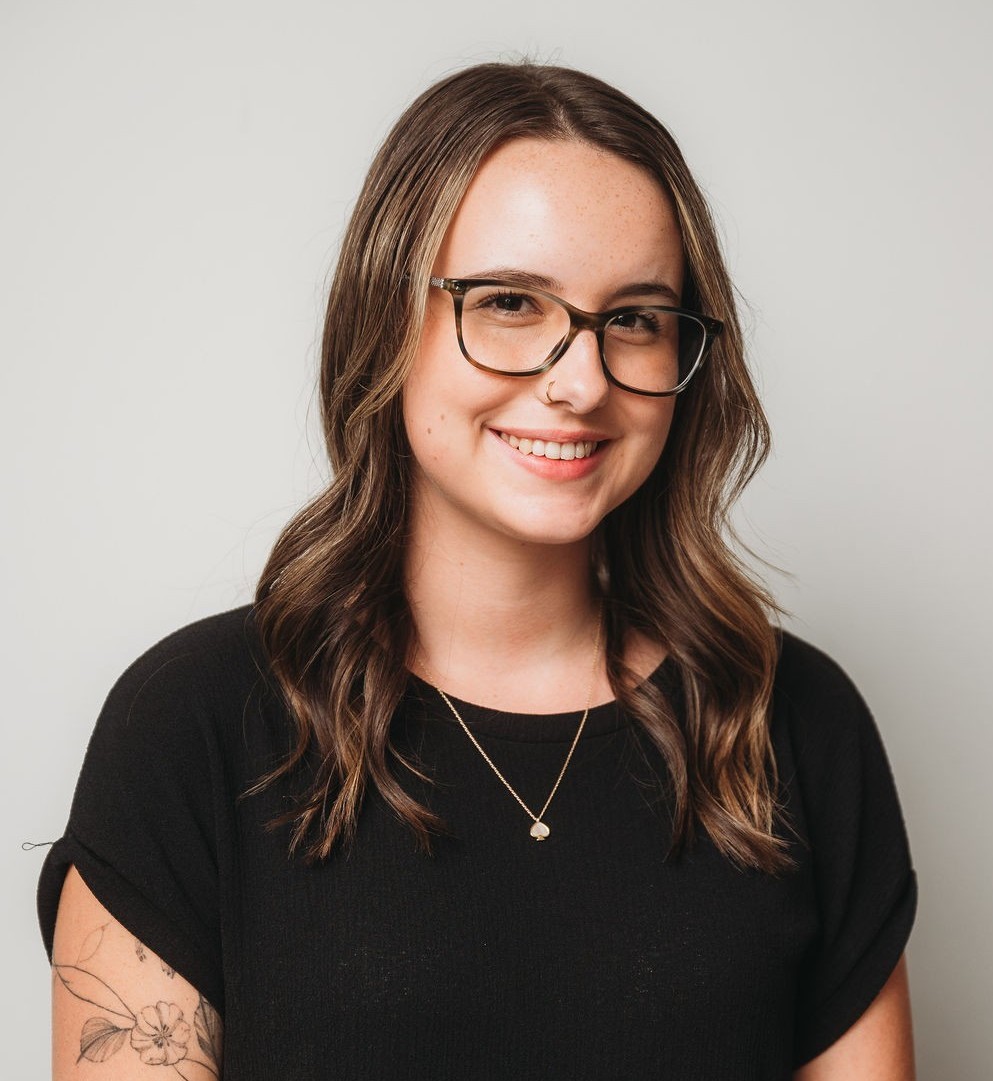
“Being able to showcase my SSRHC-funded research is huge,” says Sydney, who just successfully defended her master’s thesis. “It’s important to show how we transform grant money into research.”
"Watching this crisis unfold and seeing how people who use drugs are treated as less deserving of care sparked my research," says Master of Social Work student Sydney Ambury.
In 2024, she became a research assistant on a project funded by a Social Sciences and Humanities Research Council (SSHRC) Institutional Grant and led by Lakehead social work professor Abigale Sprakes.
The research—done in partnership with Thunder Bay's Safer Supply Program (SSP)—documented the impact of accessing opioid alternatives.
Safer Supply prescribed alternative drugs to people with opioid-use disorders, allowing them to avoid the unregulated toxic drug supply.
A key component of Sydney's research involved inviting Safer Supply clients to share their experiences in short videos they created together.
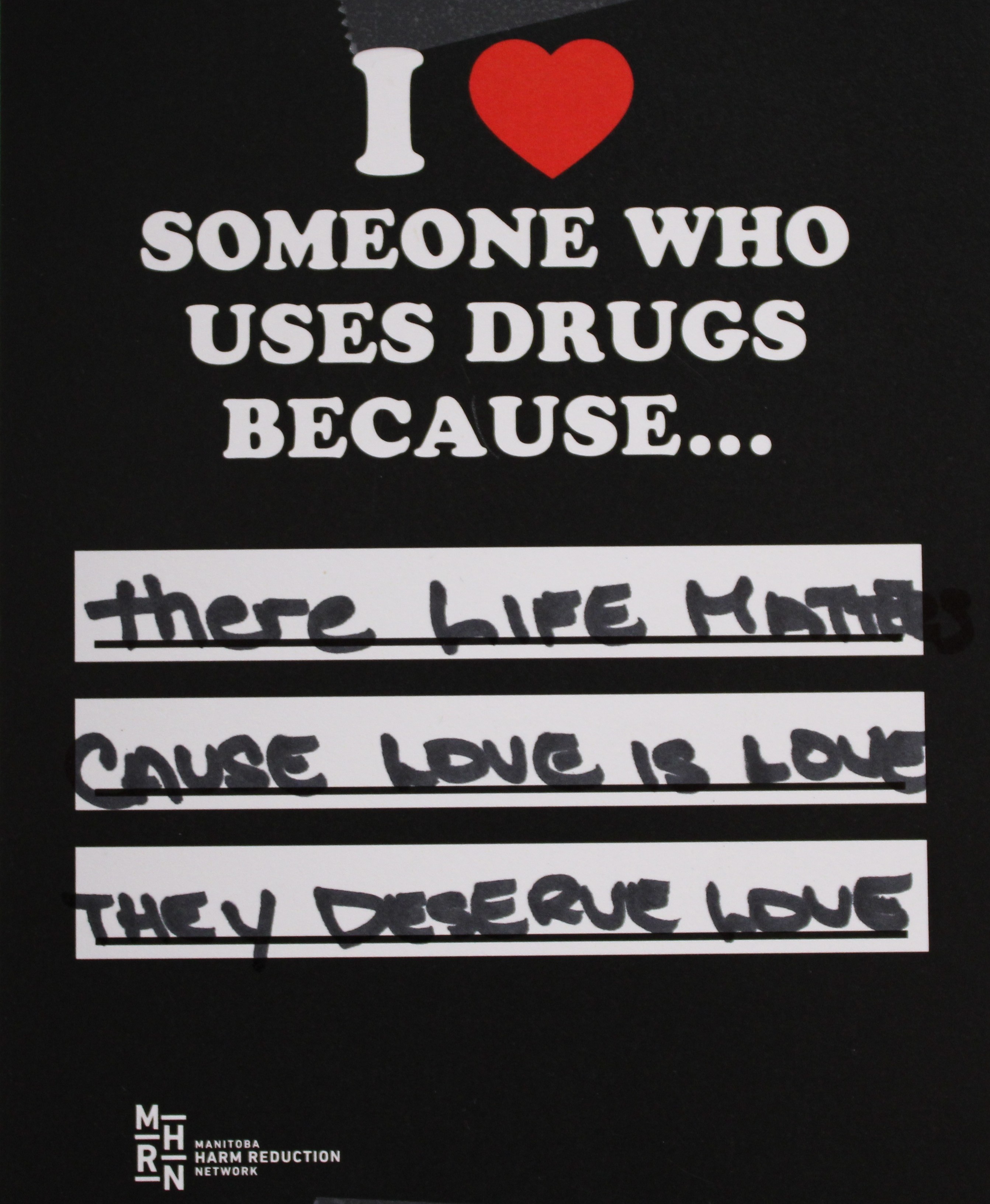
"The digital stories are an important piece of advocacy calling for evidence-based and compassionate systems of care," Sydney says. "We need to remind community members that the lives of people who use drugs matter."
"We wanted these digital stories to spotlight the real human beings who relied on the program and to show how the program changed their lives," she says.
This powerful research project led SSHRC to select Sydney as one of 20 national finalists in the 2026 SSHRC Storytellers Challenge.
"It was very exciting to learn I was a finalist," Sydney says. "SSHRC's research funding has allowed the voices of people who are often dismissed to be heard."
A Life-Changing and Life-Saving Program
Thunder Bay's Safer Supply Program had an impressive track record.
It was responsible for a 92% reduction in drug poisonings for participants enrolled in the SSP and a significant decrease in their Fentanyl use, one of the deadliest drugs contributing to the opioid crisis.
"Not a single program participant died the entire time that Safer Supply was running," Sydney reports.
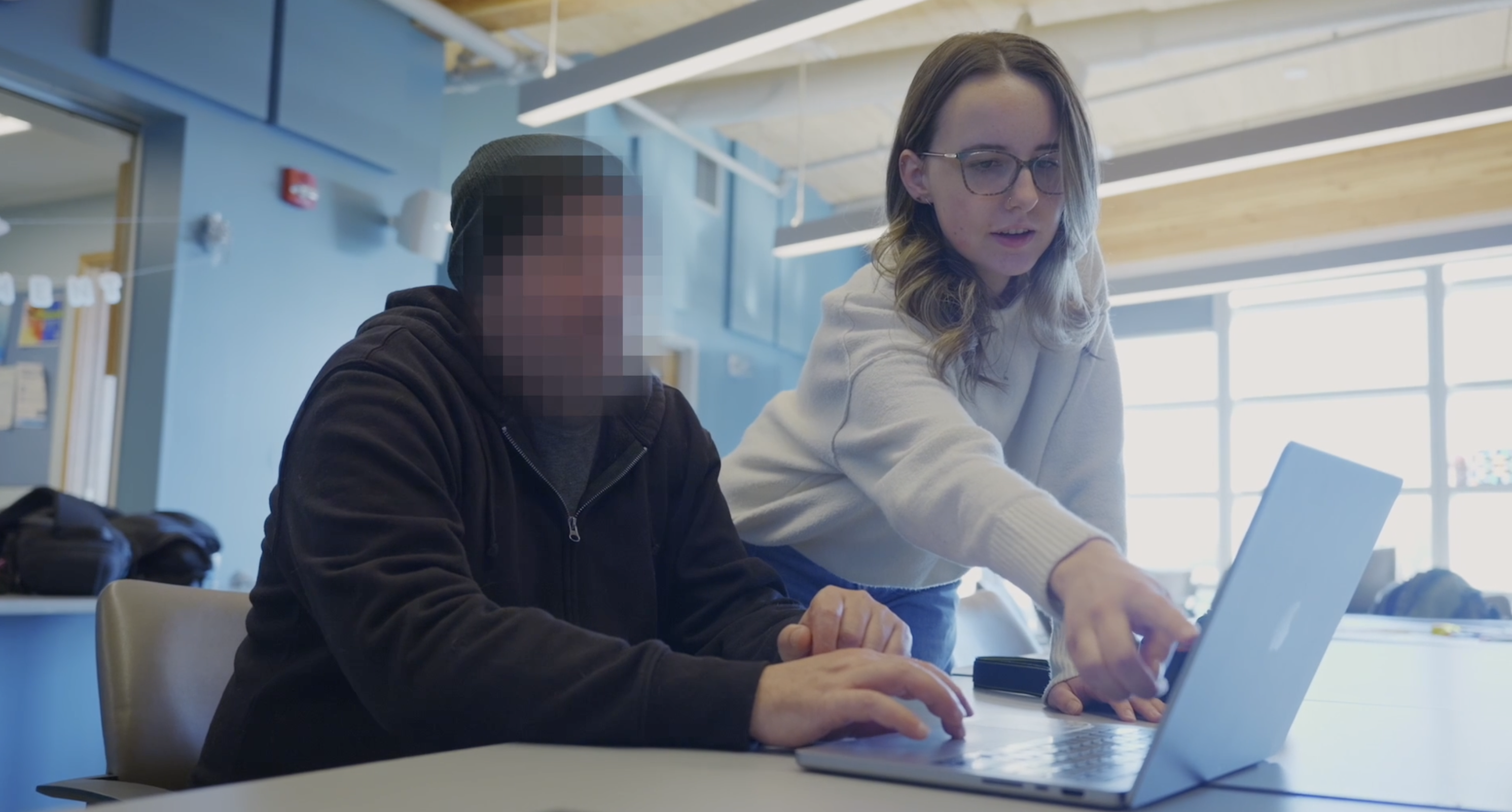
Safer Supply increased clients' connection to family, friends, and the larger community. The program's wraparound services also had a huge positive impact. Safer Supply's support led to an 86% increase in housing for its clients and reduced the amount of time they spent in hospital emergency rooms by 50%.
Many other participants reduced their drug use or stopped using drugs entirely.
But SSP's impact went far beyond reducing the harms of drug use.
"The staff did a great job of being welcoming and inclusive," Sydney says. "Safer Supply provided meals if clients were hungry, a place to nap, and connected them with health and social services, including housing."
Vulnerable People are Falling through the Cracks
"I am healthier, happier, and loved because of Safer Supply," says Peanut, one of the digital storytellers.
"Before Safer Supply, I wanted to die," adds Solo. "Safer Supply helped me want to live."
Unfortunately, the federal government stopped funding Safer Supply Programs in March 2025—putting the people who relied on them in jeopardy.
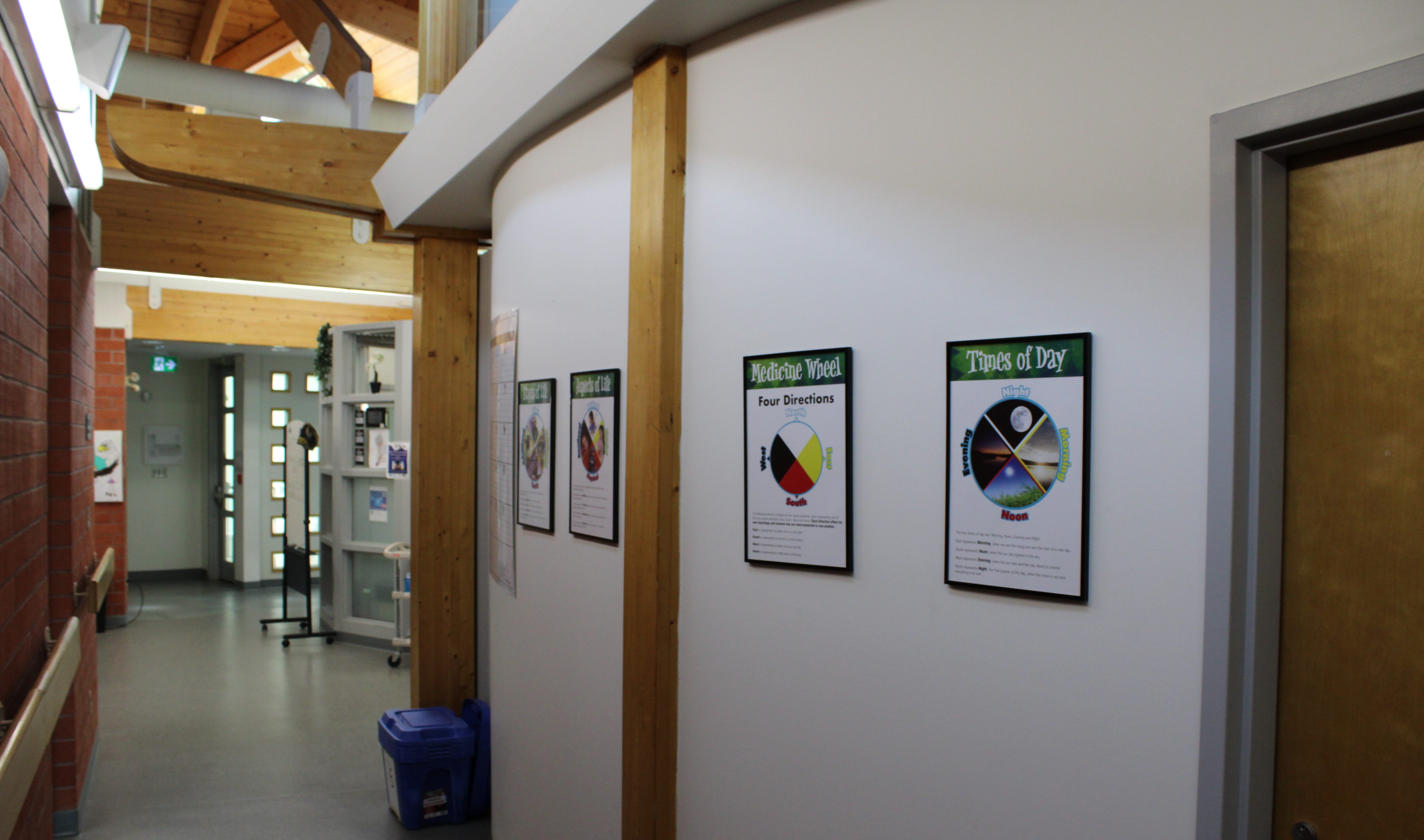
Thunder Bay's Safer Supply Program was shut down while Sydney was conducting her research in 2025. "I saw how cared for and valued Safer Supply participants felt, and their grief and fear when they learned that the program was closing," she says.
"Provincially, there's been a shift to an abstinence model when it comes to treating drug use," Sydney says.
"It ties into the misguided idea of expecting people to pull themselves up by their bootstraps, without taking into account all the factors affecting them."

As an undergraduate student, Sydney conducted opioid research with Lakehead social work professor Abigale Sprakes. "I was part of the Thunder Bay Safer Supply program evaluation team. During the evaluation, some of Safer Supply's clients and staff said they wished they could show people what was happening at Safer Supply.
While there's no typical substance user, clients of SSP were more likely to be struggling with challenges like homelessness and food insecurity.
Now, their primary treatment option is the new Homelessness and Addiction Recovery Treatment (HART) Hubs.
"These hubs focus entirely on abstinence and offer no harm-reduction services," Sydney says.
"But we need both approaches to provide the full scope of care required, rather than trying to force people who use drugs into societal beliefs about what they 'should' want."
She believes that the decrease in harm-reduction approaches makes it even more crucial to share the stories of Safer Supply clients with educators, healthcare providers, and policymakers.
As Sydney says in the closing of her SSHRC finalist video:
"These stories advocate for compassion. They are people asking to be heard. Are you listening?"
SSHRC's Storytellers Challenge asks postsecondary students to show Canadians how social sciences and humanities research is impacting our lives, our world, and our future for the better. In June 2026, Sydney, and 20 other national SSHRC Storytelling finalists, will present their research at the Science Writers and Communicators of Canada conference in Montreal. Based on their presentations, five winners will be chosen.