



Alumni Spotlight: Community Leader Erin Beagle
She's Helped Create a Place Where Everyone Knows Your Name
"I love people," says Lakehead alum Erin Beagle (BEd'05).
Anyone familiar with her long history of community work can attest to this fact.
Erin joined Thunder Bay's Roots to Harvest when it was founded in 2007 and now serves as its executive director.
It's a grassroots organization—now known as Roots Community Food Centre—that uses food to connect people and to foster dignity through meaningful programs, initiatives, and advocacy.
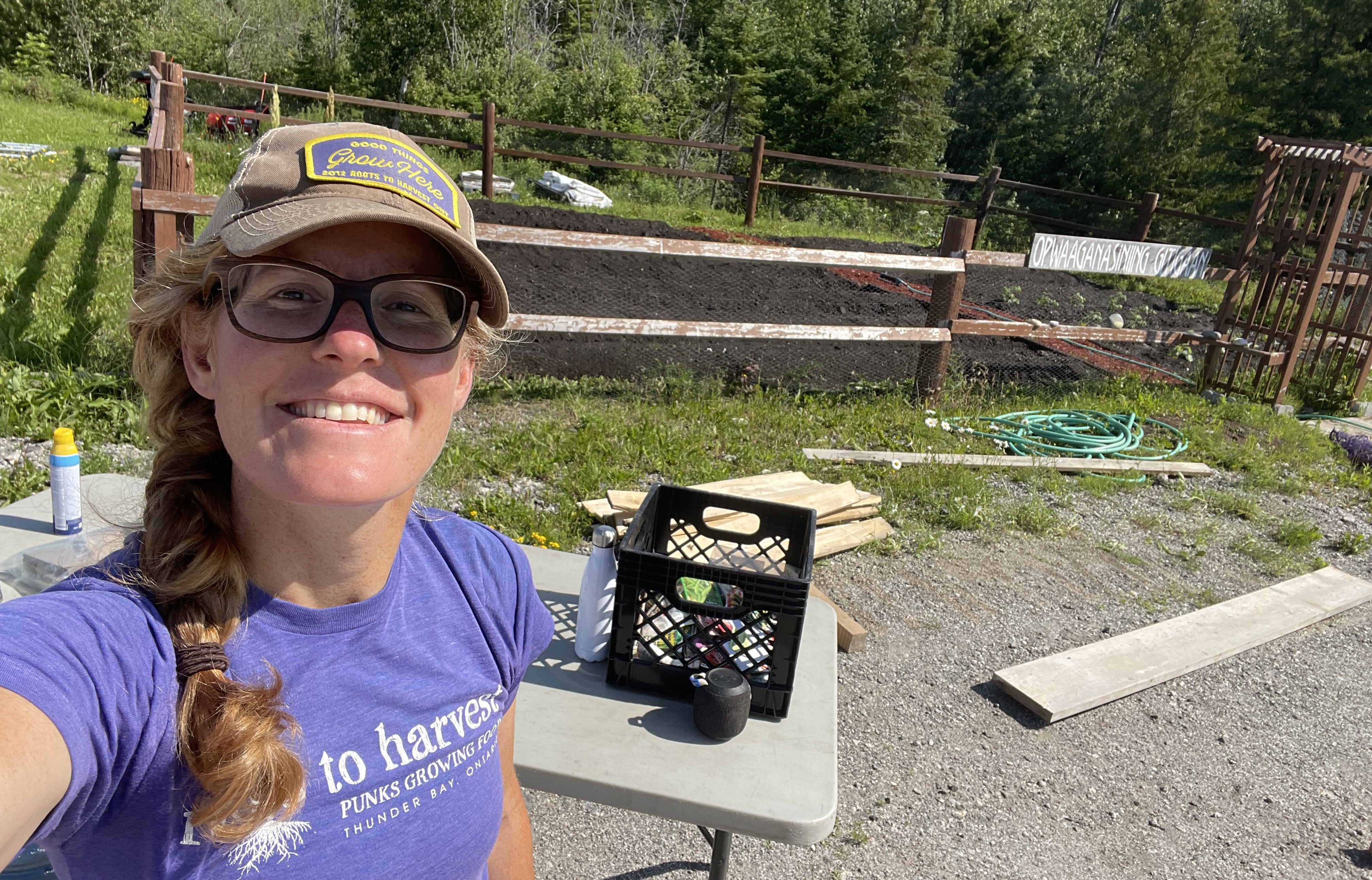
Erin (above) says that one of her favourite dishes prepared in the Roots kitchen is their whitefish chowder. "We serve it at the Empty Bowls fundraiser that benefits Shelter House and the Thunder Bay Food Bank."
"People are what keeps me coming back," Erin says. "I get inspired by my staff, colleagues, and the people we serve."
She's also energized by the sheer variety of her work.
"One day I might be writing a grant, the next day I might be changing a car battery, giving a talk at a school, or beekeeping.
"Right now we're learning maple syrup production and accessing local foods to use in school classrooms and the Roots kitchen."
Taking a Walk on the Wild Side
Erin grew up in Prince George, British Columbia, and spent her summers at the Educo Adventure School, which gave her a passion for outdoor education.

"All of my classmates in Lakehead's OE3 program were interested in alternative models of education," Erin says. "Through OE3, I did placements at Churchill High School teaching problem-based learning in science. It was a great way for kids to learn, and I treasured my time there."
Later, as a young adult, she ran Educo's wilderness experience program.
This sparked a desire to open her own experiential school and enrol in Lakehead's Faculty of Education.
At the time, Lakehead was one of only two Canadian universities to offer the Outdoor, Ecological, and Environmental Program (OE3) to prospective teachers.
"I went to Lakehead's website for more information," Erin says.
"When I clicked on it, there was a photo of the OE3 program head, Dr. Tom Puk, rappelling off a cliff. I thought, 'Oh, these are my people.'"
The Start of Something Big
A couple of years after graduation, Erin was working for the United Way on its national Action for Neighbourhood Change initiative.
"I collaborated with residents in the Simpson-Ogden neighbourhood to build engagement and address issues like crime from a neighbourhood level."
Around the same time she connected with Lakehead social work professor Dr. Connie Nelson and political science professor Dr. Doug West. They'd received a grant for an exciting new project called Roots to Harvest.
"The goal was to engage students from grades 6-12 in food security projects," Erin explains.
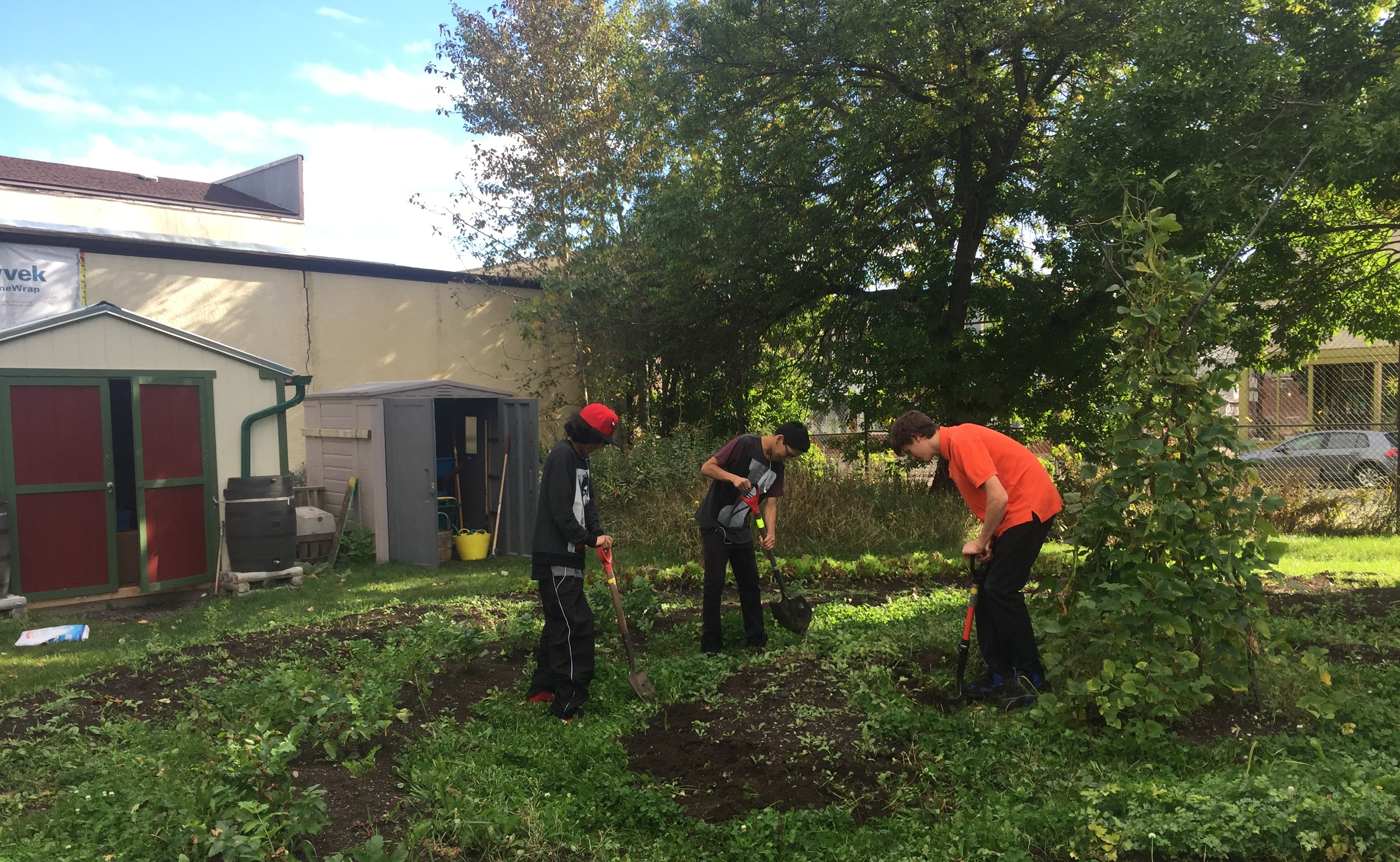
Roots has two large urban farms—the Volunteer Pool Garden on Martha Street and the Lillie Street Garden.
Erin became one of Roots to Harvest's first team members and wasted no time getting her hands dirty.
"We started a community garden at the corner of Algoma and Cornwall and promoted farming and food systems at the local level," she says.
She realized that she'd found her calling.
In 2012, Roots to Harvest became a non-profit organization and in 2021, it became part of Community Food Centres Canada, changing its name to the Roots Community Food Centre.
Food, Friendship, and Belonging
Roots excels at delivering transformative programs and services.
Their community food markets in Thunder Bay, Kiashke Zaaging Anishinaabek First Nation, and Whitesand First Nation are improving food security in the region by selling below-cost fruits and vegetables.
In addition, they provide free community meals twice a week to seniors over 60 and—in partnership with the Indigenous Friendship Centre—host a free monthly lunch featuring wild food like moose, berries, and rice.
Roots' urban farm program, which offers employment and skills training to youth aged 15-30, holds a special place in Erin's heart.
"I love that teenager spirit," she says. "Being a young person isn't easy and they meet that challenge."
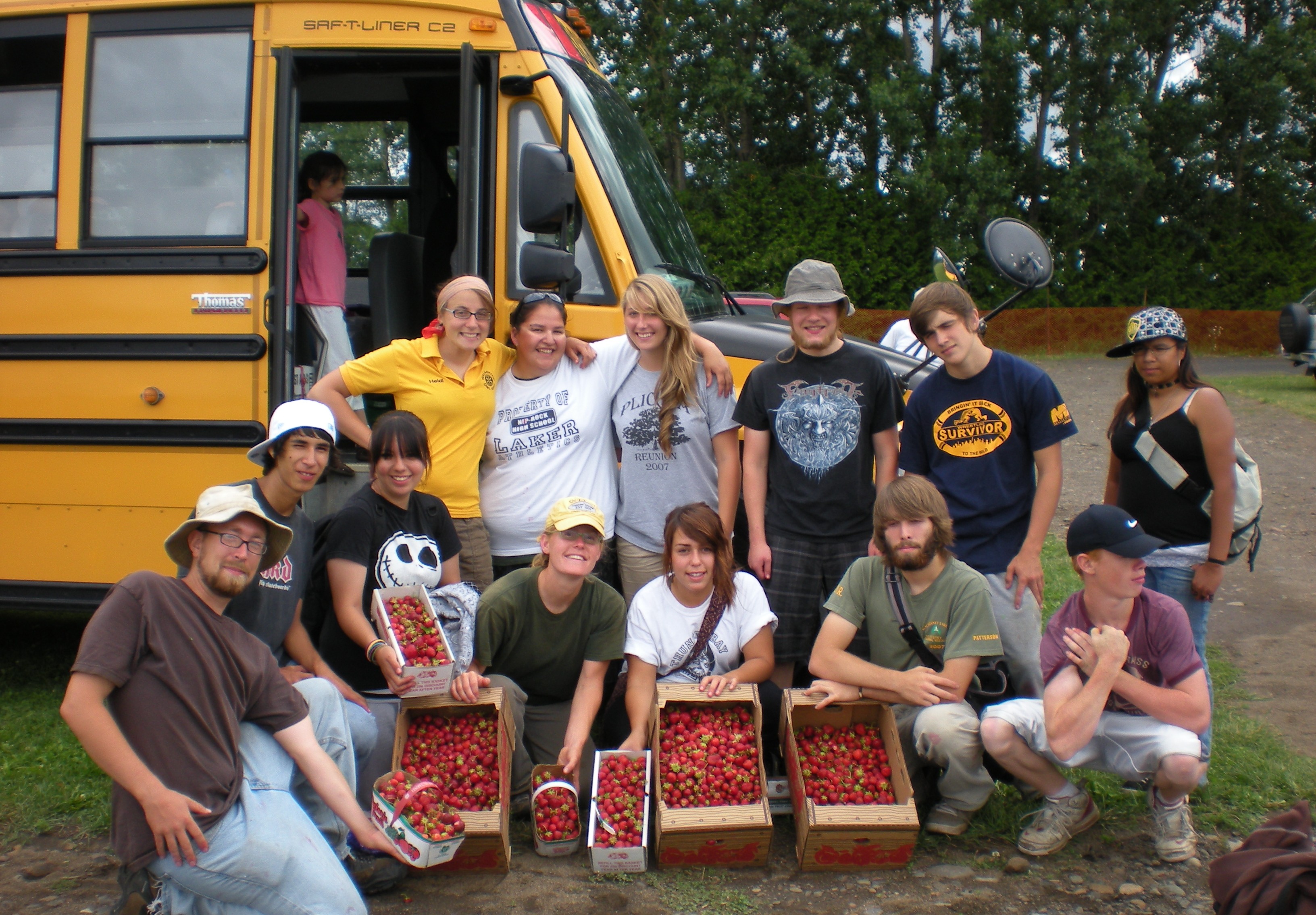
Roots contributes to the community in a multitude of ways, including improving food security and providing services like free income tax clinics open to people with simple taxes whose income is less than $50,000 per year.
Roots also supports aging in place for seniors, senior wellness and fitness programs, and many advocacy programs in partnership with community organizations.
For instance, they recently held a basic ID clinic to help people get documents such as birth certificates and social insurance numbers.
"Roots is so much more than farming and gardening," Erin says. "It's a place that lifts up everyone from elementary school kids to seniors.
Community members have made Roots their own, and northwestern Ontario is more resilient because of it."