



PhD Research Internship Experiences
Hear from some of our PhD candidates and their experiences during the PhD research internship.
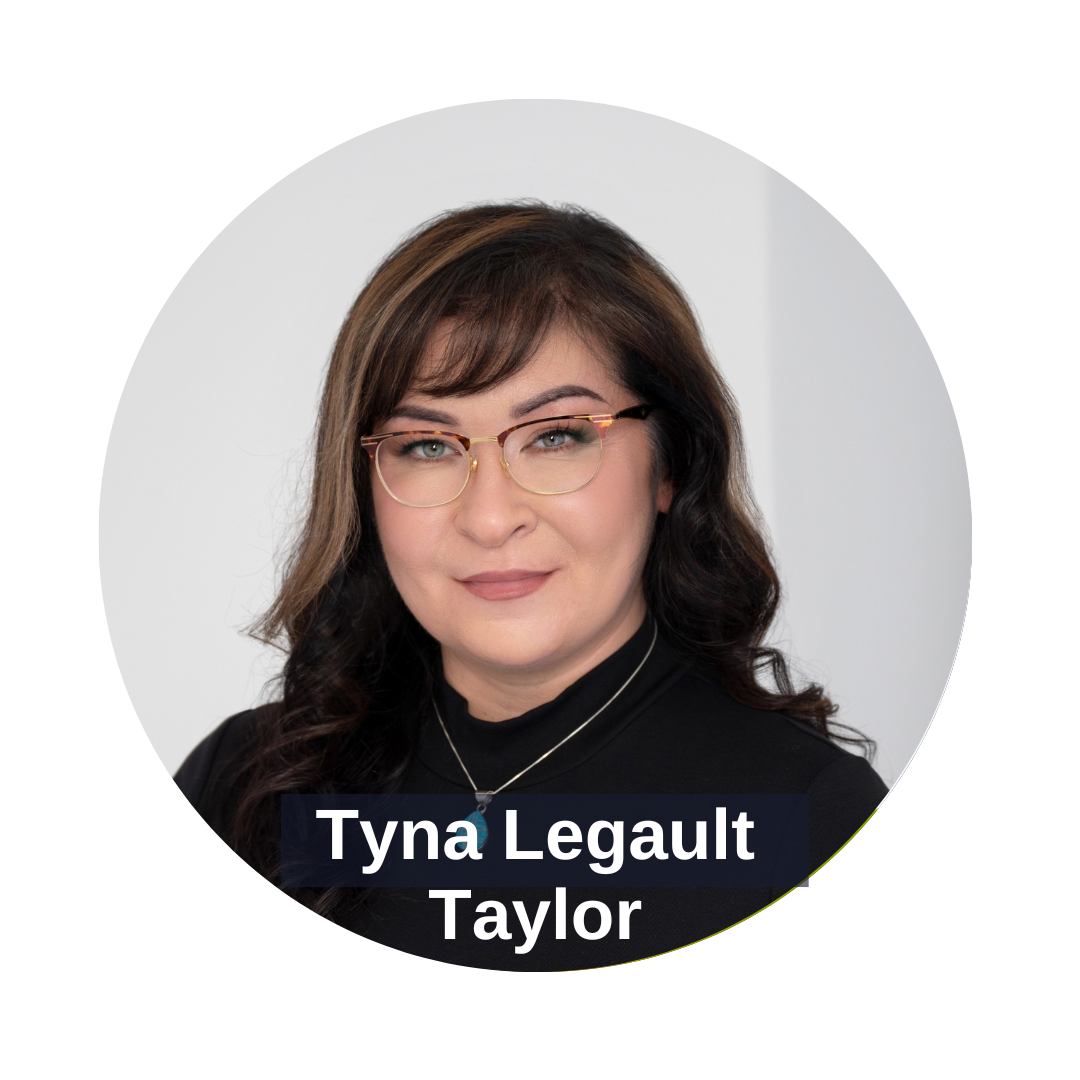 "The Keewaytinook Okimakanak Tribal Council (KOTC) was the host organization for my research internship under the supervision of Dr. Dan Duckert, Director of the Treaties, Lands, and Resources department. The department supports Keewaytinook Okimakanak (KO) First Nation members through research related to land use planning, youth engagement, social justice, and well-being. Keewaytinook Okimakanak means ‘Northern Chiefs’ in Oji-Cree and is a non-political Chiefs Council serving Fort Severn First Nation, Keewaywin First Nation, McDowell First Nation, Deer Lake First Nation, Poplar Hill First Nation, and North Spirit Lake First Nation located on Treaty 9 territory in Northern Ontario. As an intern my research focused on effective community engagement methods with First Nations’ communities and contributed to the production of original research within the Community-Based Land Use Planning project. Part of my role and responsibilities involved the facilitation and taking notes in a series of experiential learning Land Use Planning Landscape/mapping activities with students at Lakehead University, with McDowell First Nations’ Youth, and through a three-day KOTC Summit in Thunder Bay with KO member First Nation communities, the Ministry of Natural Resources (MNR), Ministry of Mines, and non-government organizations (NGOs) such as Ocean’s North, World Wildlife Fund (WWF-Canada), and the Wildlife Conservation Society (WCS). The purpose of the KOTC Summit was to provide an opportunity to build relationships with KOTC member First Nations and facilitate discussions related to their shared concerns, interests, and priorities in relation land use planning and how it can be used as a process to benefit and support the story, vision, and self-determination of KOTC First Nations. Throughout the three-day Summit, activities included roundtable introductions, facilitated group discussions, panel discussions, and an interactive mapping exercise highlighting Cultural Keystone Species (CKS) and Cultural Keystone Places (CKP). Cultural Keystone Species (CKS) and Cultural Keystone Places (CKP) refer to cultural values, sense of place, identity, connection to land, water, forests, plants, animals, and fish, and the importance of protecting them.
The research internship allowed me to further develop my interpersonal skills, work collaboratively as part of an interdisciplinary research team, and community relationship building. This experience also enhanced my understanding of working in good ways with First Nations peoples and communities, by ensuring research is culturally relevant and beneficial to First Nations, research is First Nations-led, by listening to all the voices of a community including all genders and generations, and the importance of collaborating with other communities through nation-to-nation communication and engagement. Many communities have historically shared lands, waters, and ecosystems. It is essential that land use planning of one First Nation does not affect another’s ability to access healthy lands and waters and practice their way of life. Strengthening nation-to-nation communication and working together can allow communities to form alliances to protect homelands and waterways. Chi miigwetch to Dr. Dan Duckert, KOTC Treaties, Lands, and Resources department, and to KO member First Nations for sharing your knowledge, concerns, stories, experiences, and priorities."
-Tyna Legault Taylor, PhD in Health Sciences Candidate
Coalition for Healthy School Food
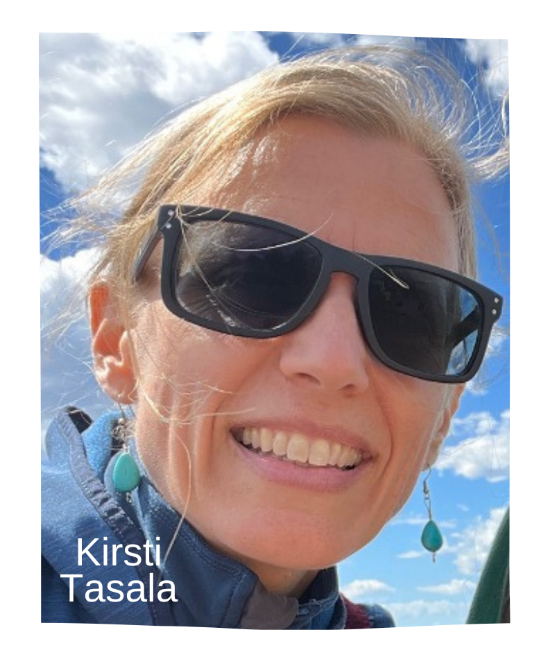
“In early 2022 I carried out my PhD Research Internship with the Coalition for Healthy School Food (the Coalition). I began this internship with the desire to continue building my understanding of how Canadian civil society organizations engage in food systems governance. The Coalition is a network of over 200 non-profit organizations across Canada (in every province and territory), and I was interested in how they facilitate participation by diverse members of society in food governance processes, both across the Coalition network and at a policy advocacy level. This internship exposed me to an area of health and food related work that I previously knew very little about – school food programs (SFPs) – and also provided me with the opportunity to engage with an enormous and diverse civil society network collectively working together for the shared goal of a universal school food policy for Canada.
During my internship I carried out several projects to support the Coalition including research on school food programs worldwide and Indigenous-led school food programs. I also produced several knowledge mobilization pieces such as blog posts and an interactive map of SFPs. I have come to learn that school food is an area of research that has a lot of gaps in Canada, but also one with several committed academics working alongside a very engaged and motivated civil society. I have been able to tap into this impressive network and have made strong connections with a national Coalition having conversations to impact national policy around school food programs. This is very exciting and timely work and my research internship has led to additional opportunities to stay engaged in this area of research.”
Kirsti Tasala, PhD Candidate
Department of Health Sciences