Indigenous

Elder in Residence - Elder Beatrice Twance - Hynes

The Indigenous Student Services Centre is honoured to welcome Elder Beatrice Twance-Hynes, who is available to meet with students, staff, and faculty for individual or small group teachings.

Elder Beatrice is a member of Biigtigong Nishnaabeg First Nation. A traditional women’s dancer who crafts her own regalia, she also carries the grandmother pipe and serves as a sacred circle facilitator, songwriter, singer, and drummer. She generously shares teachings on Hand Drumming, the Medicine Wheel, Sacred Medicines, and the Seven Grandfather Teachings. 

Jared Visitor Helps Indigenous Youth Find their Place and their Power

His Leadership is Building Bridges and Fostering Hope in the North

Lakehead student Jared Visitor has had many transformative moments in his life.

One of them was interviewing the trailblazing Indigenous leader, The Honourable Murray Sinclair.

The interview took place just months before the former Senator and Chief Commissioner of the Truth and Reconciliation Commission of Canada passed away in November 2024.

It was part of Jared's work with The Gord Downie & Chanie Wenjack Fund, which aims to foster reconciliation between Indigenous and non-Indigenous peoples. Chanie Wenjack was only twelve years old when he escaped from residential school in 1966 and died trying to walk 600 km back to his family. This tragedy sparked an investigation into Canada's residential school system.

Jared Visitor on the grounds of Lakehead University's Sweat Lodge Site with Outland students in the distance

"Working with youth has set me on a good path and the right direction," Jared says. Above, Jared teaches experimental archaeology to high school students in the Outland Youth Employment Program.

Jared came away from his encounter with The Honourable Murray Sinclair with a deeper knowledge of himself.

"He gifted me with advice and new perspectives to consider," Jared says. "During our conversation, he told me that my spirit name, Rainbow, may mean that my role in life is to bring people together. He said that each colour of the rainbow is distinct and unique, but that these colours merge at the ends."

A Winding Journey

Jared, a member of Sachigo Lake First Nation and a great-nephew of Chanie Wenjack, grew up in Moose Factory, Ontario, and Thunder Bay before his family moved to Pickle Lake, Ontario.

Education is not just desks and fluorescent lights. Learning happens everywhere—in the forest, in your backyard, and with your friends.

It was in Pickle Lake, at the age of 15, that Jared was hired to work for a Ministry of Natural Resources fire base, getting supplies ready for firefighters. When he was 18, Jared became a firefighter himself.

"I thought that firefighting was a waste of time in terms of figuring out my career path, but it taught me a lot," Jared says.

Jared Visitor seated in a living room getting ready to play a drum

Jared has given back to the community in many ways, including volunteering with The New Hope Youth Centre and Urban Abbey. "When I work with youth, I always try to help them figure out what makes them feel alive. For me, that's music."

In the firefighting off-season, Jared began working one-on-one with special education students.

"I had a job as the custodian at the Moose Factory Academy of Christian Education, but I began filling in as an education assistant because they were short-staffed."

The experience made Jared realize that education was his calling. Working as an education assistant at Joy Ottereyes Rainbow Memorial School in Quebec only confirmed this insight.

For Jared, education is deeply intertwined with Truth and Reconciliation.

"We have to reconcile with ourselves, our families, and our communities," he says. "Once you reconcile these relationships, then you can begin reconciling between different peoples—education is integral to this process."

A Leader on the Rise

Jared enrolled in Lakehead's Honours Bachelor of Arts in Psychology and Bachelor of Education concurrent program in 2021.

On campus, he found work as a Department of Anthropology lab assistant and as a mentor with the Niijii Indigenous Mentorship Program. Niijii provides educational programming to Indigenous youth throughout northwestern Ontario and gives them the confidence to consider postsecondary education.

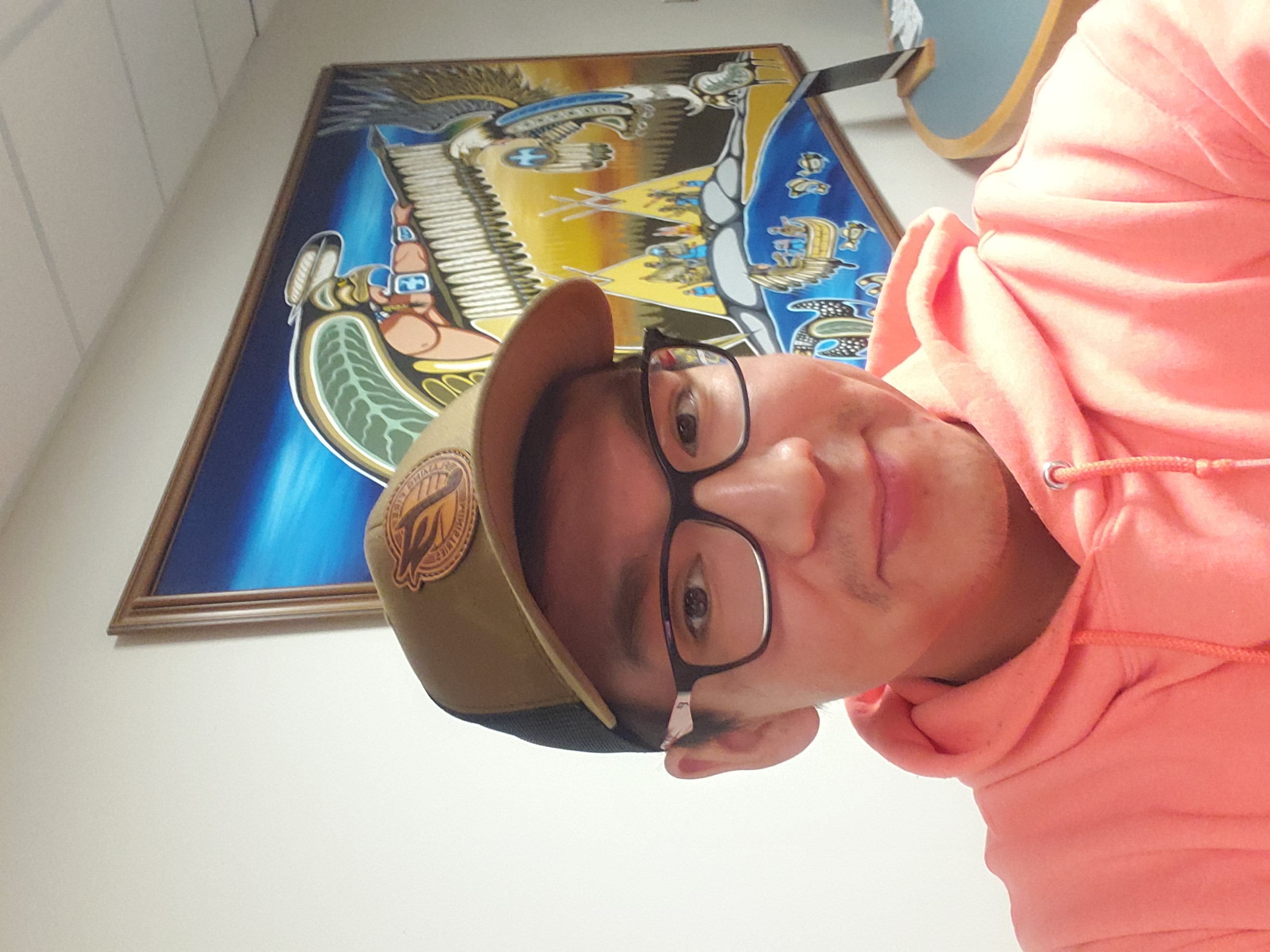
Jared Visitor stands in front of a Woodland Style painting

"My parents' instilled their love of education in me," Jared says. "As a kid, I remember riding the bus with my mom to Lakehead's Thunder Bay campus where she was studying for her education degree."

Jared is now Niijii's outreach coordinator, something that surprises him. "I used to be very shy and walled off, but young people helped heal me. That's why I want to see them fly as much as I can."

Part of helping them fly has meant shifting his career goals. "I planned to be a teacher and then a special education coordinator. Now, I want to change the minds of people who dictate what education is.

Education is not just desks and fluorescent lights. Learning happens everywhere—in the forest, in your backyard, and with your friends."

Click here to watch Jared's 2024 interview with the Honourable Murray Sinclair.


Honouring the Legacy of Jean Engholm: A Dedicated Supporter of Indigenous Education

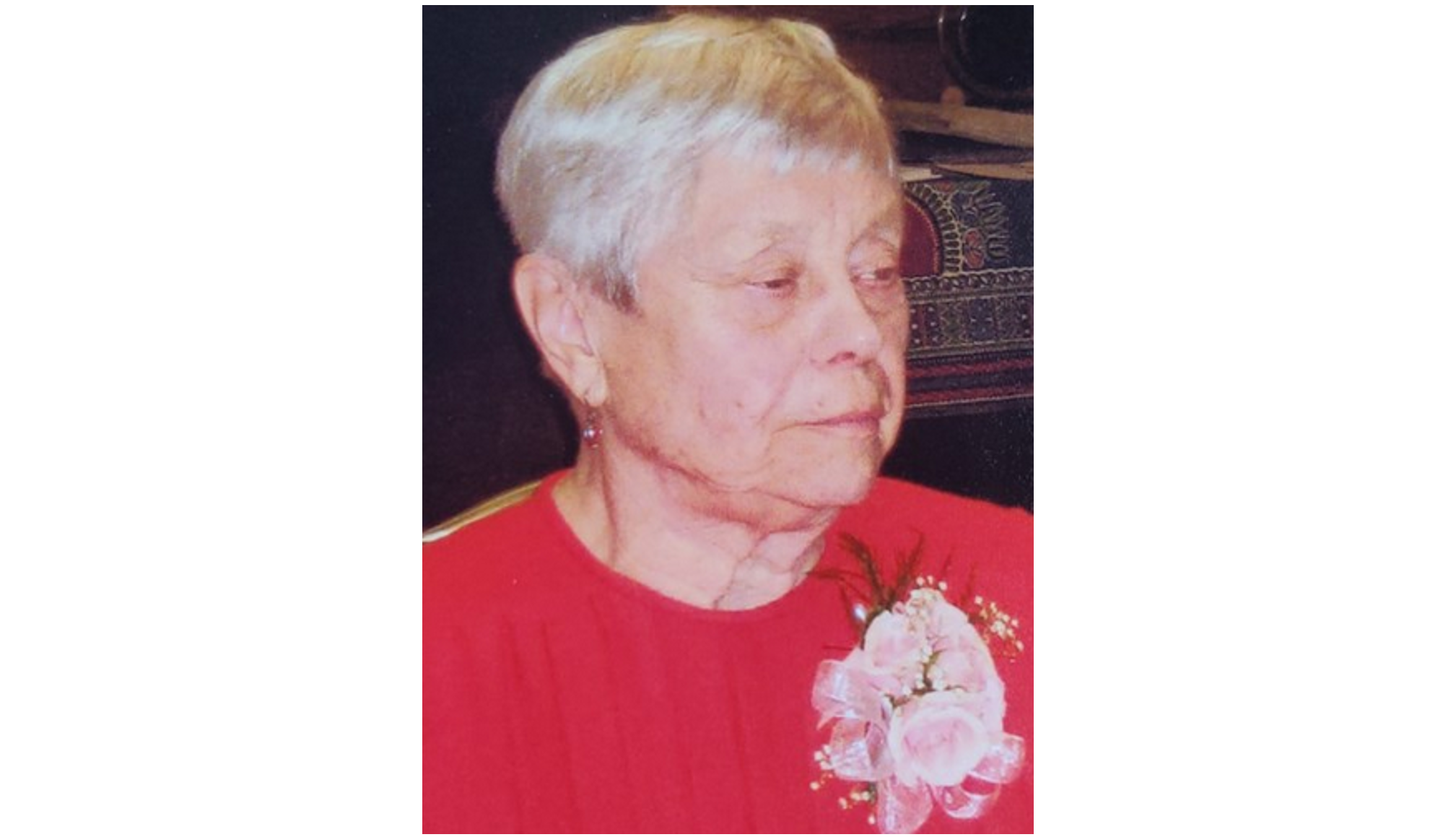
It is with sadness that we share the passing of Jean Engholm in September 2025, at the age of 93.

The Faculty of Education extends its sincere gratitude for Jean’s enduring commitment to the Faculty and its mission. Jean’s generous support and belief in the transformative power of education have left a lasting legacy at Lakehead – particularly in her support of Keewatinase Indigenous Education and advancing Indigenous education.

Through her contributions, Jean helped strengthen Keewatinase’s capacity to carry forward its commitments to revitalizing Indigenous programming and responding meaningfully to the Truth and Reconciliation Commission’s Calls to Action. Her support reflected a deep respect for inclusive, community-based learning and a commitment to reconciliation. The Faculty is deeply grateful for her vision and generosity.

As noted in her obituary, Jean’s connection to Lakehead University extended beyond philanthropy. A lifelong learner, she earned her Bachelor of Arts in Economics from Lakehead in 1984, pursuing higher education later in life as part of her enduring intellectual curiosity.

Jean was born near Manchester, England, in 1932. She trained as a nurse at age 17 and later served as Nursing Sister in charge of Student Health Services at Makerere University College in Uganda. Though she did not practise nursing in Ontario, her career spanned a remarkable range of roles – from bookkeeper and research assistant to conference coordinator and volunteer.

Her volunteerism was inspiring. From assisting with evacuated children during WWII as a Red Cross Cadet, to supporting Save the Children in Uganda and Canada, and advocating for individuals with developmental challenges through Community Living Thunder Bay, Jean dedicated her life to helping others. In her later years, as she faced the challenge of vision loss and became deeply involved with the CNIB, continuing her lifelong example of community engagement.

The Faculty of Education remembers Jean Engholm with deep appreciation for her generosity, her spirit of service, and her lasting impact on education and reconciliation. 

Treaty Recognition Week - Library Displays

All Lakehead University Libraries on the Thunder Bay campus (Chancellor Paterson, Education, and Law) and the Orillia campus (Harvie Legacy and Education Library), will set up displays in honour of Treaties Recognition Week which is being held November 3-7, 2025.

New Study Identifies Biggest Threats to Maintaining Fat Bike Trails: Climate Change and Volunteer Burnout

Outdoor recreation voluntary associations (ORVAs) play a crucial role in creating, maintaining and managing trail systems across North America. New research conducted by researchers from the University of Eastern Finland and Lakehead University highlights how climate disruption and volunteer burnout threaten the long-term sustainability of winter trail-based recreation, particularly fat biking.

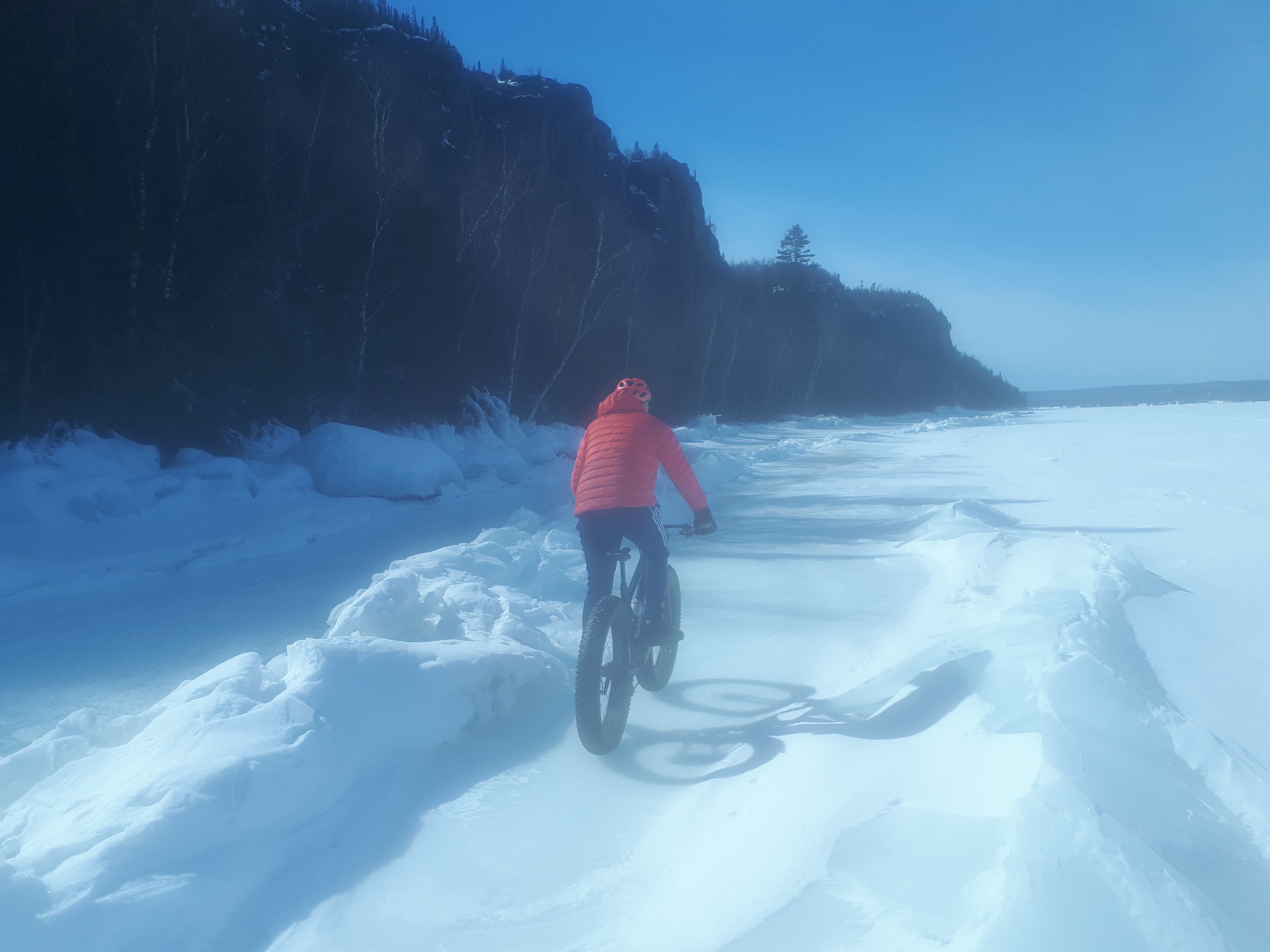
Rider on Fat BikeFat bikes are off-road bicycles with extra-wide tires built for soft terrain like snow and sand. Fat biking lets riders enjoy trails year-round and is quickly becoming a popular winter recreation and tourism activity both in North America and the Nordic countries. 

Published in the Journal of Outdoor Recreation and Tourism, a new study explores how fat biking has unexpectedly emerged as a climate-adaptive strategy for year-round recreation and tourism engagement, and event hosting, in Northwestern Ontario and Northeastern Minnesota. The study surveyed and interviewed fat bikers and outdoor recreation volunteers in both regions. 

“Although a relatively new sport, fat biking, like most winter recreational sports, now faces similar challenges associated with climate change-induced shifts in seasonal weather patterns, like snow accumulation, and following increasingly frequent one-off severe weather events,” says Professor Harvey Lemelin of Lakehead University’s School of Outdoor Recreation, Parks and Tourism.

According to Dr. Lemelin, these unpredictable events strain volunteer resources, and in the absence of effective management solutions to address increased demand, infrastructure growth, and trail maintenance and grooming pressure, they directly contribute to volunteer burnout.

Research shows that while fat biking participation is growing, volunteer support lags. In interviews, volunteers reported increasing strain during heavy snow years, citing higher demands on their time, pressure to maintain trails and lack of effective volunteer recruitment and retention strategies. This is juxtaposed against the fact that, although fat bikers appreciate the work of volunteer trail groomers and event organizers, over 40 per cent of those surveyed said they were unlikely to volunteer with local ORVAs. Volunteer burnout is therefore a growing risk, and without new management strategies, climate disruption and unpredictable weather events risk overwhelming the small pool of dedicated volunteers who sustain trail networks.

The study therefore calls for ORVAs to develop seasonal trail grooming and volunteer recruitment strategies, rotate co-hosting duties for fat bike events to distribute workload, create binational or biannual events to showcase trails while reducing local volunteer strain, and implement volunteer recognition programs and succession planning to strengthen long-term sustainability.

These strategies, the authors argue, are vital to ensuring safe, well-maintained trails and the continued growth of fat biking in regions facing climate disruption.

“While based on research conducted in North America, our study’s findings have implications for regions with similar climates and comparable snowsport development and engagement histories, such as the Finnish Lakeland Region, Jämtland and Västerbotten in Sweden, and the Nordland and Troms regions of Norway,” says Postdoctoral Researcher Kelsey Johansen of the University of Eastern Finland.

“Implementing our recommendations, irrespective of where an ORVA operates, will help ensure their ability to deliver high-quality winter recreational and tourism experiences, including safe, well-groomed trails and regularly occurring events.”

This research received financial support from the UEF Water research program, which is jointly funded by the Saastamoinen Foundation, the Jenny and Antti Wihuri Foundation, and the Olvi Foundation.

Dr. Chris Southcott - Arctic and Northern People are Fighting for Sustainable Communities.

OVERVIEW:

  • Dr. Chris Southcott studies the social, environmental, and economic challenges confronting Arctic and northern communities
  • His groundbreaking research over the last 40 years has helped give people in the north greater control over natural resource development in their traditional territories
  • Dr. Southcott was recently named a Chair of Resources and Sustainable Communities at the University of the Arctic

Dr. Chris Southcott Helps Northerners Build Futures on their Terms

In May 2025, Sociology Professor Dr. Chris Southcott made a two-day journey to Inuvik in the Northwest Territories. "I flew from Thunder Bay to Toronto, Vancouver, Whitehorse, and Old Crow to get there," he says.

He's visited the Arctic countless times as part of his trailblazing research work.

Dr. Chris Southcott in the Arctic wearing a parka and toque

Dr. Southcott visits the Arctic about twice a year. "The hardest parts are the eight plane trips it takes to get there and travelling by snowmobile in the cold, but the warmth of the communities definitely makes up for any discomfort."

"My two largest projects covered all of the Far North, from Labrador to the Yukon," Dr. Southcott says. This involved collaborating with communities and researchers across the Circumpolar North, including Greenland, Norway, Russia, Finland, and Alaska.

Throughout his 40-year career, Dr. Southcott has emerged as an international leader in promoting sustainable natural resource development that benefits communities in northern Canada and the Arctic.

His northern research initiatives have secured major grants and advanced the university's research agenda. Dr. Southcott's contributions, and those of researchers across our faculties, have helped build Lakehead into a top-ranked Canadian research university.

In the late 1980s, Dr. Southcott was approached by Indigenous organizations in northern Ontario, including Dennis Cromarty, an Indigenous activist and former Grand Chief of Nishnawbe Aski Nation (NAN).

"They were very worried about the lack of control they had over resource development happening in their communities," Dr. Southcott says. "They wanted me to provide information about impacts and alternative ways of approaching resource extraction that solved challenges shared by northern communities."

Dr. Chris Southcott, his son, and his daughter stand beside a monument on the shore of a lake near Iqaluit

"Lakehead was just becoming a research university when I arrived in 1986," Dr. Chris Southcott says. "It adopted a research agenda focused on northern Ontario—in the north for the north." Above, Dr. Southcott and his children near Iqaluit.

Dr. Southcott founded the Social Economy Research Network for Northern Canada in 2006 to look at how community-based organizations in the north could deal with issues linked to resource-extraction industries and other economic drivers in the region.

People in the Far North Seek a Fairer Future

From 2011 to 2019, Dr. Southcott and his research team explored the social, environmental, and economic matters confronting Arctic communities in Canada and the circumpolar world.

This is a crucial issue as global demand for minerals, oil, and gas soars, and a warming climate enables Arctic resources to be extracted on a previously unimaginable scale.

Northern communities, many of them Indigenous, are caught in the crosshairs of this push. Historically, these communities have been almost entirely excluded from both the profits and the jobs that natural resources industries bring to regions. These operations have also damaged the fragile Arctic environment that Indigenous people depend upon for survival.

Lake and rocky shoreline near Iqaluit

Inuit communities have modern comprehensive land-claim agreements that give them significant control over resource development, but they still have an uphill battle when it comes to securing fair resource development. "Mining companies come armed with teams of lawyers and experts," Dr. Southcott says.

To overcome these challenges, Dr. Southcott established an international research network called Resources and Sustainable Development in the Arctic (ReSDA).

ReSDA was funded by a $2.5 million grant from the Social Sciences and Humanities Research Council (SSHRC). At the time, it was the largest social science grant for northern research in Canada.

"Our mandate was to develop strategies, policies, and tools to keep a larger share of resource development benefits in the Arctic while protecting the environment."

A Unique University Focused on the Circumpolar North

Dr. Southcott's expertise was most recently recognized in 2025 when he was made a Chair of Resources and Sustainable Communities at the University of the Arctic (UArctic).

"My role is to foster research that contributes to the long-term sustainability of people in the north and to advise organizations on circumpolar matters."

He's been closely connected with UArctic since its beginning. "Lakehead hosted the first international meeting of circumpolar universities in 1988, which later grew into the University of the Arctic," Dr. Southcott says.

Dr. Chris Southcott stands outside in the Arctic with Prince Albert II of Monaco

The University of the Arctic is an international network of 200 universities, colleges, research institutes, organizations, and community partners. In 2012, Dr. Southcott (l) hosted Prince Albert II of Monaco (r) on a visit to the Eastern Canadian Arctic as part of University of the Arctic's Knowledge and Dialogue initiative.

He's currently doing research with the University of Laval, in partnership with the Inuit Circumpolar Council of Canada, investigating whether inequalities increase when mines open up. On his last trip to Inuvik, he presented his findings to local organizations working on issues such as poverty, housing, and substance use problems.

"Carrying out research that northern communities think is useful—and that helps them make informed decisions—is what I'm most proud of having achieved over the last 40 years," Dr. Southcott says.

The support of the Department of Sociology and Faculty of Social Sciences and Humanities has made Dr. Southcott's work possible. He has also received funding for his research from the Social Sciences and Humanities Research Council of Canada (SSHRC), the Canadian Foundation for Innovation (CFI), The Government of Canada's New Frontiers in Research Fund, Employment and Social Development Canada, and the National Science Foundation of the United States.

Rock Painting Workshop

Join Métis students for a creative afternoon.

Wednesday, November 4, 2025

12:00 pm to 1:30 pm

Gakina Nindinawemaaganag - UC1007A

All supplies are provided — just bring your creativity!

Enjoy free pizza and drinks while you create.

Everyone is welcome to attend!


Don’t miss this chance to learn, create, and connect with the community.

Arctic and Northern People are Fighting for Sustainable Communities

OVERVIEW:

  • Dr. Chris Southcott studies the social, environmental, and economic challenges confronting Arctic and northern communities
  • His groundbreaking research over the last 40 years has helped give people in the north greater control over natural resource development in their traditional territories
  • Dr. Southcott was recently named a Chair of Resources and Sustainable Communities at the University of the Arctic

Dr. Chris Southcott Helps Northerners Build Futures on their Terms

In May 2025, Sociology Professor Dr. Chris Southcott made a two-day journey to Inuvik in the Northwest Territories. "I flew from Thunder Bay to Toronto, Vancouver, Whitehorse, and Old Crow to get there," he says.

He's visited the Arctic countless times as part of his trailblazing research work.

Dr. Chris Southcott in the Arctic wearing a parka and toque

Dr. Southcott visits the Arctic about twice a year. "The hardest parts are the eight plane trips it takes to get there and travelling by snowmobile in the cold, but the warmth of the communities definitely makes up for any discomfort."

"My two largest projects covered all of the Far North, from Labrador to the Yukon," Dr. Southcott says. This involved collaborating with communities and researchers across the Circumpolar North, including Greenland, Norway, Russia, Finland, and Alaska.

Throughout his 40-year career, Dr. Southcott has emerged as an international leader in promoting sustainable natural resource development that benefits communities in northern Canada and the Arctic.

His northern research initiatives have secured major grants and advanced the university's research agenda. Dr. Southcott's contributions, and those of researchers across our faculties, have helped build Lakehead into a top-ranked Canadian research university.

In the late 1980s, Dr. Southcott was approached by Indigenous organizations in northern Ontario, including Dennis Cromarty, an Indigenous activist and former Grand Chief of Nishnawbe Aski Nation (NAN).

"They were very worried about the lack of control they had over resource development happening in their communities," Dr. Southcott says. "They wanted me to provide information about impacts and alternative ways of approaching resource extraction that solved challenges shared by northern communities."

Dr. Chris Southcott, his son, and his daughter stand beside a monument on the shore of a lake near Iqaluit

"Lakehead was just becoming a research university when I arrived in 1986," Dr. Chris Southcott says. "It adopted a research agenda focused on northern Ontario—in the north for the north." Above, Dr. Southcott and his children near Iqaluit.

Dr. Southcott founded the Social Economy Research Network for Northern Canada in 2006 to look at how community-based organizations in the north could deal with issues linked to resource-extraction industries and other economic drivers in the region.

People in the Far North Seek a Fairer Future

From 2011 to 2019, Dr. Southcott and his research team explored the social, environmental, and economic matters confronting Arctic communities in Canada and the circumpolar world.

This is a crucial issue as global demand for minerals, oil, and gas soars, and a warming climate enables Arctic resources to be extracted on a previously unimaginable scale.

Northern communities, many of them Indigenous, are caught in the crosshairs of this push. Historically, these communities have been almost entirely excluded from both the profits and the jobs that natural resources industries bring to regions. These operations have also damaged the fragile Arctic environment that Indigenous people depend upon for survival.

Lake and rocky shoreline near Iqaluit

Inuit communities have modern comprehensive land-claim agreements that give them significant control over resource development, but they still have an uphill battle when it comes to securing fair resource development. "Mining companies come armed with teams of lawyers and experts," Dr. Southcott says.

To overcome these challenges, Dr. Southcott established an international research network called Resources and Sustainable Development in the Arctic (ReSDA).

ReSDA was funded by a $2.5 million grant from the Social Sciences and Humanities Research Council (SSHRC). At the time, it was the largest social science grant for northern research in Canada.

"Our mandate was to develop strategies, policies, and tools to keep a larger share of resource development benefits in the Arctic while protecting the environment."

A Unique University Focused on the Circumpolar North

Dr. Southcott's expertise was most recently recognized in 2025 when he was made a Chair of Resources and Sustainable Communities at the University of the Arctic (UArctic).

"My role is to foster research that contributes to the long-term sustainability of people in the north and to advise organizations on circumpolar matters."

He's been closely connected with UArctic since its beginning. "Lakehead hosted the first international meeting of circumpolar universities in 1988, which later grew into the University of the Arctic," Dr. Southcott says.

Dr. Chris Southcott stands outside in the Arctic with Prince Albert II of Monaco

The University of the Arctic is an international network of 200 universities, colleges, research institutes, organizations, and community partners. In 2012, Dr. Southcott (l) hosted Prince Albert II of Monaco (r) on a visit to the Eastern Canadian Arctic as part of University of the Arctic's Knowledge and Dialogue initiative.

He's currently doing research with the University of Laval, in partnership with the Inuit Circumpolar Council of Canada, investigating whether inequalities increase when mines open up. On his last trip to Inuvik, he presented his findings to local organizations working on issues such as poverty, housing, and substance use problems.

"Carrying out research that northern communities think is useful—and that helps them make informed decisions—is what I'm most proud of having achieved over the last 40 years," Dr. Southcott says.

The support of the Department of Sociology and Faculty of Social Sciences and Humanities has made Dr. Southcott's work possible. He has also received funding for his research from the Social Sciences and Humanities Research Council of Canada (SSHRC), the Canadian Foundation for Innovation (CFI), The Government of Canada's New Frontiers in Research Fund, Employment and Social Development Canada, and the National Science Foundation of the United States.

Thunderwolves Basketball @ U of Waterloo (Waterloo, ON) - EVENT CANCELLED

The Thunderwolves are travelling to Waterloo, ON to challenge the University of Waterloo Warriors!

The women's game starts at 6 p.m., and the men's game starts at 8 p.m.
 
Tickets are $5+ HST and are open to alumni and their families, courtesy of the Alumni Association of Lakehead University.


Pages

Subscribe to Indigenous