Indigenous

Research in Action: Making mathematics more meaningful through culturally responsive education

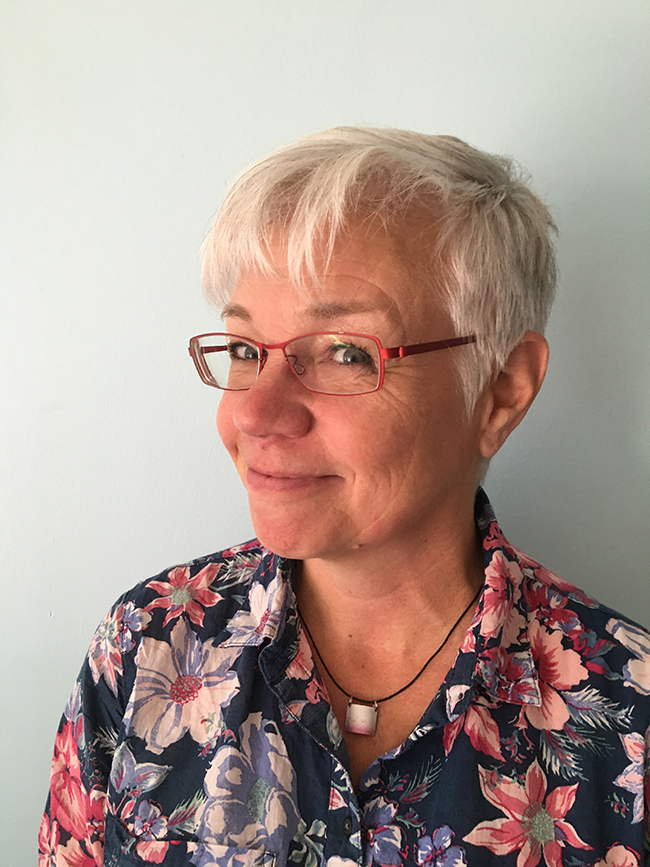
Women smiling wearing pink frame glasses and a blue flowered shirtMath is not a four-letter word. But to those with rampant math phobia, it certainly feels like it. Dr. Ruth Beatty, Associate Professor in the Faculty of Education at Lakehead University’s Orillia campus often sees students who actively dislike or even fear math. To her the problem isn’t with math itself, it’s with how the subject traditionally has been taught.

She started her research career looking at how children understand math and how educators can best teach the subject. She found that by looking beyond numbers and symbols and by taking a more holistic approach to what it means to think “mathematically” teachers could make math more accessible and fun.

Nine years ago, while teaching in the Master's program at Lakehead’s Thunder Bay campus, Beatty made a fascinating connection that has guided her work since then.

“Some of my students were First Nations educators or had been teaching in First Nation schools and we were talking about the disconnect between Indigenous culture and mathematics education in Ontario curriculum,” said Beatty. “I started visiting communities to learn more.”

While working with the Elders she realized that math is naturally embedded in Indigenous cultural practices like beadwork or birch-bark basket-, snowshoe- and moccasin-making.

“Take a beaded bracelet, for example,” says Beatty. “There's so much math in it. There is patterning and algebraic reasoning, there’s geometric transformations, proportional and spatial reasoning. There's number sense and numeration.”

With that cultural connection in mind, Beatty began a study in 2012 with the Algonquins of Pikwakanagan First Nation and teachers from the Renfrew County District School Board at a school with 20 per cent Indigenous students and 80 per cent non-Indigenous students. The project partnered community members, artists, Elders, and Knowledge Keepers with Indigenous and non-Indigenous educators to co-plan math instruction for Grade 3 and 6 students based on Algonquin loom beading. Cultural and language teachings were also integrated into the math unit.

The results were overwhelmingly positive. Indigenous students got to share their heritage and gain a sense of pride in their own knowledge systems that were valued on the same level as Western curriculum. Non-Indigenous students gained an appreciation of Indigenous culture. Most importantly, both groups learned exciting new math skills in a fun and engaging environment.

Perhaps the best endorsement of the math classes came from the students themselves. At the end of a session, with students working in their designs, making calculations to determine how many beads they would need, the teacher told them to wrap it up, math class was over. They looked up in surprise. Wait? What? Math? They had spent three hours absorbed in their learning with no idea they were, in fact, doing math.

Beatty and her team have collaborated with nine more communities around the province including The Chippewas of Rama First Nation and Simcoe County District School Board. Her work shows that math doesn’t belong to Eurocentric culture or scholars. Math is all around us and if taught in inventive, positive, and culturally responsive ways, no one needs to be afraid of it.

Faculty of Education professor Dr. Ruth Beatty and her school board partners received funding from the Social Sciences and Humanities Research Council of Canada, CanCode, and the Council of Ontario Directors of Education to carry out this important research.

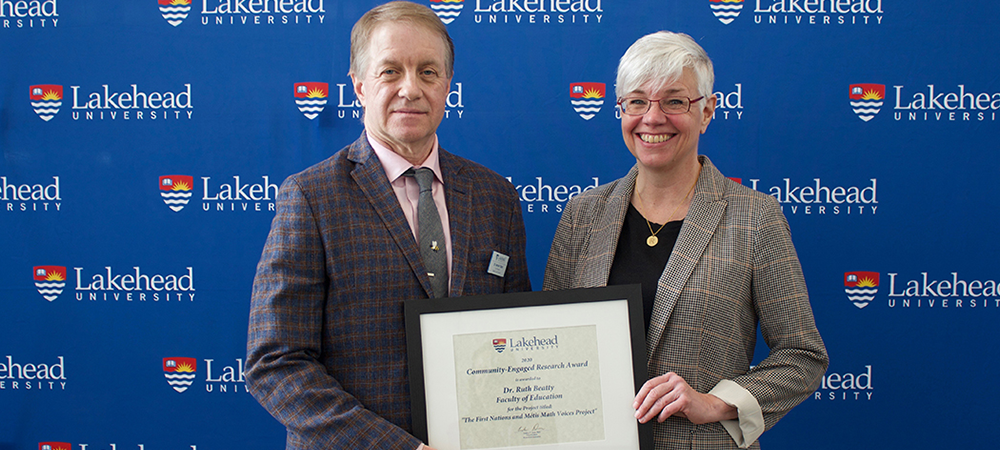
Man presents black framed award to woman during award ceremony

Research in Action: Research helping to improve the efficiency of motors

As the negative climate effects of fossil fuel-based energy sources become more apparent, governments, scientists and industries around the globe are putting more resources into developing sustainable and environmentally friendly alternatives.

Locally, Dr. Mohammad Nasir Uddin is contributing to the effort with his research, funded through Natural Sciences and Engineering Research Council of Canada (NSERC) Discovery Grants, on optimizing the efficiency of wind energy and electric motor drives.

A professor in the Department of Electrical Engineering at Lakehead University, Uddin and his graduate students are working on wind energy conversion systems to achieve maximum power extraction from the wind and maximum output from wind generators. They do this by creating intelligent algorithms that mimic the human brain by telling the system what to do in any given circumstance.

To illustrate what an algorithm is, Uddin gives the example of a commuter on the way to work in Toronto. “As she heads down the highway, her brain has planned out the shortest and fastest route. That’s an algorithm. Then she hears on the radio that there is an accident up ahead. Her brain takes that new information and creates an alternate route. That’s another algorithm.”

Uddin’s team has also developed control algorithms that improve the power quality and dynamic performance of wind generators by responding appropriately and quickly to unpredictable abnormal variations of wind speeds or power system fault conditions. Thanks to this kind of research the creation of a cost effective and sustainable wind energy system can be achieved.

Another area of Uddin’s research involves loss minimization in electric motors. “Fifty-five per cent of the total electric energy produced in the world is consumed by electric motors,” says Uddin. “If we use the algorithms to force the motor to follow certain conditions so that voltage and current give the minimum loss, then we can improve the overall efficiency of the system and achieve the best motor performance.”

Uddin has shared his findings in 228 papers that have published or accepted in refereed journals and conferences including 53 papers in IEEE Transactions which is considered the top ranking journal in his area of research. In 2010 he won the Lakehead University’s Distinguished Researcher Award.

Uddin’s impact in the field of Electrical Engineering goes beyond his own research. After more than 25 years of teaching and research experience at various universities in Canada, the United States, Bangladesh, Japan and Malaysia he has mentored and inspired many students. They include 50 highly qualified engineers (nine Ph.D., 24 Master’s, 14 Research Associates and three Postdoctoral fellows) and 82 undergraduate students. Most have gone on to work for companies like General Motors, Mercedes Benz, Rockwell Automation, AMEC, Caterpillar and Schneider Electric where they continue to develop optimization algorithms that improve efficiencies in motor drives used in transportation, robotics, automotive and oil industries.

Dr. Mohammed Nasir Uddin is a professor in the Department of Electrical Engineering at Lakehead University; Coordinator of the Electrical Engineering program under the Lakehead-Georgian Partnership; and the Director of the Renewable Energy, Power Systems and Drive Research Lab located in Barrie.

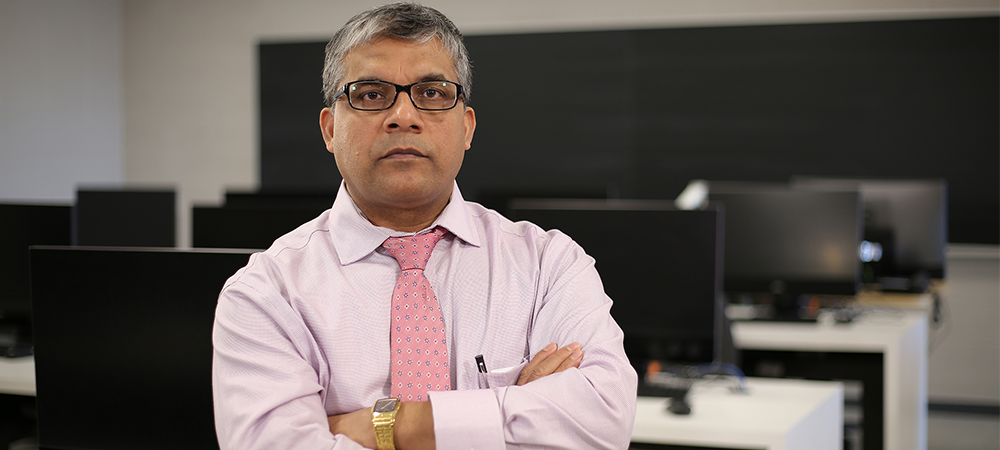
A man stands facing the camera in a computer lab

Research in Action: Community-led study aims to reduce childhood stress, boost learning

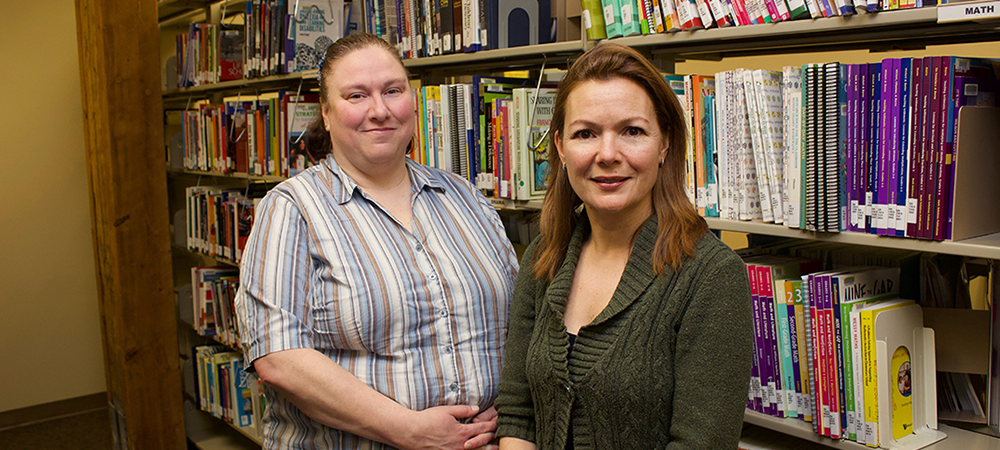
How do you come back to calm? This question is the powerful message driving a new community-based project by Lakehead University professors Drs. Sonia Mastrangelo and Meridith Lovell-Johnston.

Based in the Faculty of Education at the University’s Orillia campus, Mastrangelo and Lovell-Johnston use the concept of self-regulation to engage young children in learning and literacy. Over the next three years, they’re working in partnership with six First Nations community schools in northern Ontario, focusing specifically on self-regulation in kids Kindergarten-age to grade three.

“As the foundation of healthy social development, self-regulation can be learned and is vital to helping us become resilient and cope with the stressors of daily life,” says Mastrangelo, a specialist in child exceptionality and self-regulation. “When our coping mechanisms are derailed, so is our ability to learn new skills, like reading and writing.”

“We always stress that self-regulation in the classroom is as important for teachers as it is for students,” adds Lovell-Johnston, whose expertise spans literacy, language learning and teaching methods. “Offering local teacher workshops and professional development is a key way we’ll support the development of self-regulation and practices that foster literacy and learning.”

Through classroom observation, interviews, focus groups, sharing circles and storytelling, the project will explore how to identify and reduce sources of stress and provide different strategies that help kids return to calm. Anything from dimming lights, using lavender scents and offering safe spaces to regroup can all create stable, homeostatic classrooms says Mastrangelo, adding that what works for one child may not necessarily be effective for another.

While the current work is based in northern Ontario, Mastrangelo notes that the principles of self-regulation apply to any classroom, and any child. “It’s trial and error to find what works for each student, but they eventually learn to communicate and regulate their feelings independently, so that they can get back on track for learning.”

The children will also lend a hand in making videos, pictures and stories in English and their community language, Oji-Cree, that capture their experiences including “what makes them feel happy and safe and want to learn,” says Lovell-Johnston. At the end of the project, each child will have helped create their own e-book; a documentary-style film will also be produced and shared with the public and other education scholars.

Mastrangelo and Lovell-Johnston’s project launched in January of 2020 with the first of several planned spaghetti-dinner and information nights for parents, underscoring their community-led and partnership approach to setting research objectives and sharing knowledge.

“We work together to address challenges and offer supports in the places the communities themselves have told us they need it most,” says Mastrangelo. “This partnership work is essential to empower northern educators and communities to support their children with culturally relevant practices for lifelong learning, resiliency and achievement.”

Faculty of Education professors Drs. Mastrangelo and Lovell-Johnston work in partnership with the Kwayaciiwin Education Resource Centre in Northwestern Ontario community schools. Their three-year Partnership Development Grant is funded by the Social Sciences and Humanities Research Council.

Research in Action: Bringing new life to 17th century choral music

If you haven’t heard of Henry Aldrich, the famous 17th century composer, architect and Oxford dean, you’re likely not alone.

But Lakehead University music professor and Orillia campus principal Dr. Dean Jobin-Bevans wants to convince you to tune in.

“I was immediately drawn to his work as it’s the music I love to hear and perform myself,” says Jobin-Bevans, who came across Aldrich’s archived manuscripts in 2013 during a sabbatical researching in the Christ Church Library, Oxford. “There is also a modern appeal to his music – it’s still accessible and relevant all these centuries later.”

Aldrich’s music, most of which are anthems composed for the cathedral at Christ Church, was written for both unaccompanied choirs or those singing with an organ accompaniment. Typically thought of as an English style of church music, choral anthems have a long history of performance in the Anglican tradition and are almost exclusively sung in English.

Henry Aldrich collected, transcribed and composed as many as 8,000 scores of choral music for cathedral performances during his career at the University of Oxford’s Christ Church college, as a way to inspire his own creative work and religious musical expression. A prolific 17th century English writer, theologian, philosopher, composer, and architect, he also served as Dean of Christ Church and as the University of Oxford’s Vice-Chancellor.

Intrigued by Aldrich’s unique approach to choral music, Jobin-Bevans set out to transcribe select pieces from the 300-year old collection, editing and creating musical scores for contemporary church choirs, instrumentalists, and music scholars. Working his way through original leather-bound, handwritten manuscripts, Jobin-Bevans spent six years editing and digitizing 20 different scores, updating elements such as time signatures and adding musical bars and vocal clefs.

A CD of the new editions was released in November of 2019 and some of Aldrich’s original manuscripts are also captured on the project website. Jobin-Bevans says that hearing the music performed for the first time by the Cathedral Singers of Christ Church, who also recorded the music for the CD, was hugely rewarding and speaks to the lasting quality of Aldrich’s work.

Viewing history through the late composer’s musical lens is another takeaway of the project, says Jobin-Bevans. “Aldrich grew up, was educated and appointed Dean during the period of the English Restoration, a time of great upheaval, politically and socially. His work reflects that history and tells us a lot about what his creative mind was thinking concerning the role and function of Restoration church music and liturgy.”

Jobin-Bevans also agrees a parallel can be drawn between himself and Aldrich that goes beyond the music.

“He was passionate about connecting architecture, logic, and math through music to both teach and inspire,” reflects Jobin-Bevans. “His work has been an inspiration to me and has kept me engaged in new ways to teach, lead as a principal, and continue building this lasting digital archive of his legacy.”

Dr. Dean Jobin-Bevans’ research is a partnership with the Christ Church Library, Oxford. Samples of the music are available at:https://www.chch.ox.ac.uk/library-and-archives/henry-aldrich-project. The full album, Henry Aldrich: Sacred Choral Music, can be purchased on iTunes or borrowed from the NAXOS Music Library through your local library.

Nominate a Lakehead Leader

Do you know a Thunderwolf who has made extraordinary contributions to their community this year? If so, you might want to nominate them for a Lakehead Leader Award. Lakehead leaders and luminaries are engaged contributors both on-campus and within their communities, they recognize and celebrate diversity and inclusivity, and they strive to achieve academic excellence.

Information and the nomination form are available at lakeheadu.ca/leader. Deadline to submit your nomination is March 11.

Visit lakeheadu.ca/leader to nominate a deserving student today!

Lakehead University celebrated exceptional researchers at R and I Awards of Excellence

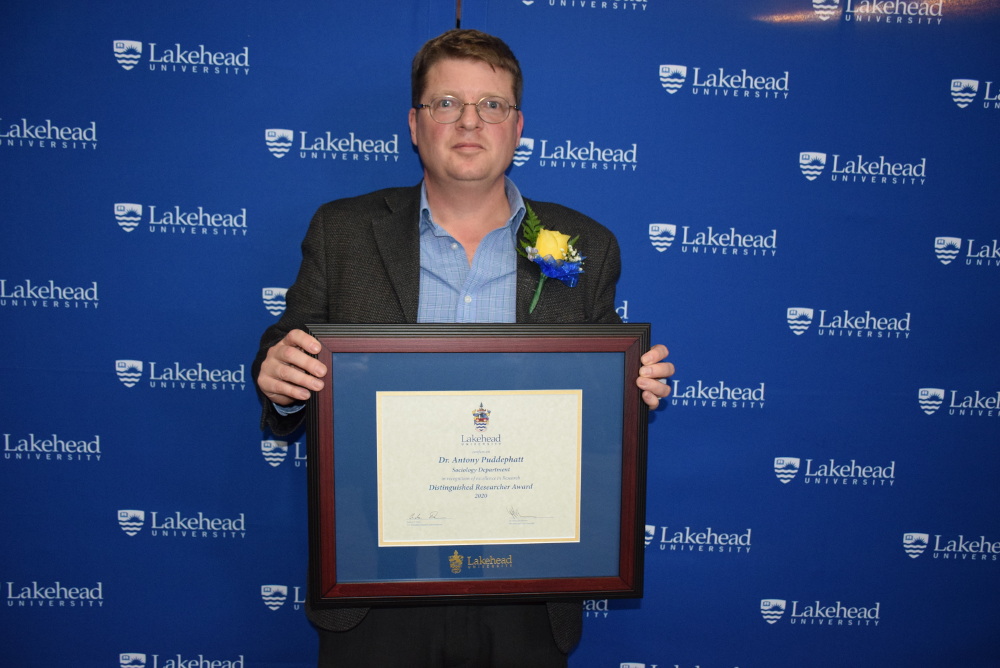
Photo of Dr. Antony Puddephatt

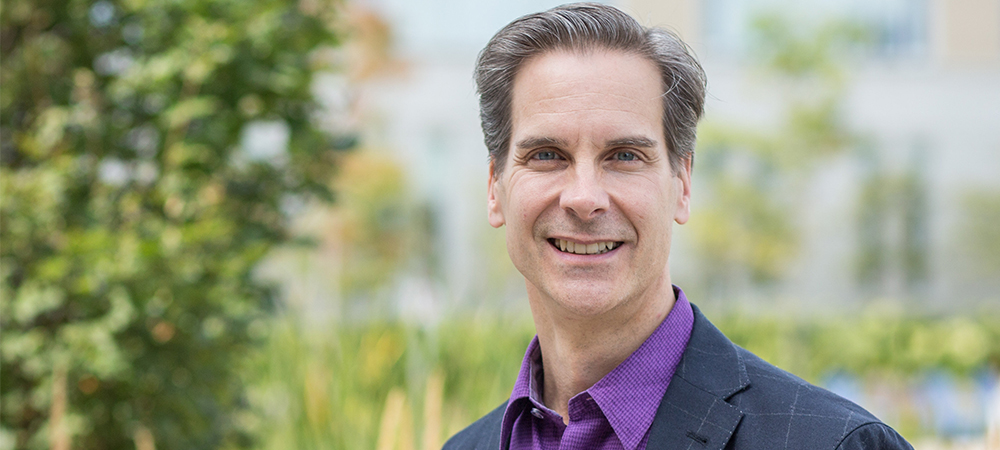
Dr. Antony Puddephatt

March 5, 2020 – Thunder Bay, Ont.

Lakehead University held its Research and Innovation Awards of Excellence reception on Thursday, March 5 to celebrate the exceptional achievements of professors and students.

Lakehead named Dr. Alla Reznik and Dr. Antony Puddephatt the 2020 Distinguished Researchers for their work in science and social science, respectively.

Dr. Reznik, a Physics professor and the Canada Research Chair in Physics of Radiation Medical Imaging, joined Lakehead in 2008, specializing in novel materials and technologies used for radiation medical imaging detectors.

The major focus of her work is on solid-state technology for molecular breast imaging with Positron Emission Tomography (PET). The goal is to improve resolution and sensitivity over commercially available PET imagers.

When Dr. Reznik joined Lakehead University, no one paid much attention to molecular breast imaging technology.

“At that time it was believed that the only necessary technology to fight breast cancer was conventional mammography, although it was already clear that mammography works well for only half of all women,” Dr. Reznik said.

With Dr. Reznik starting her research at that time, it gave her a chance to work on the science and develop the technology with her students.

“And these young and talented students started to ask me questions: ‘What is the point of working on health technology if the only place it is going to work is your lab?’” she said.

“These so-called troublemakers are confident in the high potential of their research and push you to deploy the results of their work in clinics.”

Dr. Reznik has received more than $11 million in research funding as a primary investigator or a co-applicant. She used her grants to establish a state-of-the-art material science lab for fabricating and testing new semiconductor materials and technologies for medical imaging devices and to supervise a large number of undergraduate and graduate students and post-doctoral fellows.

Her crowning achievement is the development of a new Positron Emission Mammography, an advanced imaging device that can detect early breast cancer. Clinical trials are currently underway at the Princess Margaret Cancer Centre.

Dr. Puddephatt, a Sociology professor who is the department’s chair, also started at Lakehead 12 years ago.

His research contributions are wide ranging, and his work contributes both to ongoing theoretical debates in the discipline as well as to innovative research strategies.

Most centrally, he has studied the work of George Herbert Mead, a central Sociological theorist, and has applied his pragmatist philosophy to deal with a range of problems in contemporary theory.

Such topics include the nature of knowledge, science and technology studies, language, meaning and social action, the nature of power and domination, and environmental sociology.

He has done qualitative research on topics that have ranged from the social organization of amateur chess, to open-access publishing, to the culture of higher education. He has also weighed in on disciplinary debates about the future of Sociology in Canada.

He is currently working with Dr. Chris Sanders on a SSHRC-funded project about post-diagnostic identity issues among adults with high functioning autism.

Dr. Puddephatt has generously shared his research insights and advice with junior faculty to help further their projects.

He has also been able to publish with a number of Lakehead’s graduate students in the past few years, including Lisa Alaimo, Rebecca Collins-Nelsen, Taylor Price, and Bailey Tuffin. This has given students the opportunity for professional development, while affording Dr. Puddephatt a chance to learn about new research areas and topics.

“I am really delighted and humbled to win this prestigious award,” he said.

“The faculty, staff, and students at Lakehead have provided so many great opportunities over the years to foster my research, and I couldn't have done this without them.

“Lakehead continues to be a small university that punches over its weight in terms of internationally recognized research, and I am a small part of a really great group of bright scholars here.”

The Distinguished Researcher Award is the highest honour conferred by Lakehead for research and scholarly activity. 

Dr. Andrew P. Dean, Lakehead’s Vice-President, Research and Innovation, said the University’s researchers make him proud.

“Congratulations to both of our Distinguished Researchers and to all Lakehead University researchers,” Dr. Dean said. “Whether they are students or professors, everyone in attendance should be proud of their work and this pride should fuel them to excellence and even greater achievements.” 


Award Recipients

Three-Minute Thesis

People’s Choice Award:

Michaela Bohunicky – Master of Health Sciences
Confronting Settler Colonialism in Food Systems: Exploring Food Movement Organizations in Canada and Australia
Supervisor: Dr. Charles Levkoe

Second Place:
Jade Ross – MSc Archaeological Science
Identifying Origins of Individuals Through Isotopic Analysis: Royal Naval Hospital Cemetery, Antigua
Supervisor: Dr. Tamara Varney

First Place:
Jessica Allingham – PhD Chemistry and Materials Science
Design, Synthesis and Characterization of a PET Diagnostic Agent for Neuronal Trauma
Supervisor: Dr. Michael Campbell

Graduate Studies Research Excellence Awards

Natural Sciences and Engineering Category

Chen Chen, PhD Forest Sciences, Supervisor: Dr. Han Chen, Faculty of Natural Resources Management


Graduate Student Conference Poster Winners

Winner Engineering Category:

Meljin Madvana Paul
MSc Environmental Engineering
Supervisor: Dr. Leila Pakzad

Winner NSERC/Science Category:

Amber Fredenburg

MSc Natural Resources Management

Supervisor: Dr. Don Henne

Winner SSHRC Category:

Beverly Bannon

Masters of Education

Supervisor: Dr. Paul Berger

Winner CIHR Category:

Sadman Sakib
MSc Computer Science
Supervisor: Dr. Zubair Fadlullah


Postdoctoral Fellows Poster Awards

Health Category:

Dr. Guillem Dayer
Department of Biology
Supervisor: Dr. Ingeborg Zehbe


Natural Sciences and Engineering (two winners):

Dr. Ayyoub Salaghi

Department of Chemical Engineering

Supervisor: Dr. Pedram Fatehi


Dr. Bartosz Gajderowicz

Department of Computer Science

Supervisor: Dr. Vijay Mago


Indigenous Partnership Research Award

Dr. Vicki Kristman, Department Health Sciences, and Audrey Gilbeau, Executive Director, Nokiiwin Tribal Council.  The award recognizes their numerous collaborative projects, which include key roles for Indigenous peoples, mutually beneficial outcomes for the researchers and Indigenous partners, contributing to the education of Indigenous students and unique dissemination of research results that takes into account individual/community needs.


Innovation Awards

Student Innovation Award Winner (two winners)

Niloofar Alipoormazandarani
Chemical Engineering Program

Supervisor: Dr. Pedram Fatehi

Yurii Shepelytskyi
Chemistry and Material Science Program

Supervisor: Dr. Mitchell Albert


 Faculty Innovation Award

  • Dr. Mitchell Albert and Tao Li, Chemistry Department

Community-Engaged Research Award

“The First Nations and Métis Math Voices Project.”
Faculty: Dr. Ruth Beatty, Faculty of Education, Orillia Campus
Partner: Colinda Clyne, Upper Grand District School Board


Building Research Capacity Award

  • Dr. Pauline Sameshima, Faculty of Education and Canada Research Chair in Arts Integrated Studies

Canada Research Chair (CRC) Awards

  • Dr. Alla Reznik, Canada Research Chair in Physics of Radiation Medical Imaging
  • Dr. Maryam Ebrahimi, Canada Research Chair in Low-dimensional Nanomaterials

Senate Research Committee Awards

Contributions to Research Award

  • Dr. Sandra Jeppesen, Interdisciplinary Studies, Orillia Campus
  • Dr. Thomas (Chris) Sanders, Sociology Department
  • Dr. Lori Chambers, Women’s Studies Department

  Distinguished Researcher Award

  • Dr. Alla Reznik, Physics
  • Dr. Antony Puddephatt – Sociology


– 30 –


Media: For more information or interviews, please contact Brandon Walker, Media, Communications and Marketing Associate, at (807) 343-8177 or mediarelations@lakeheadu.ca.


Lakehead University is a fully comprehensive university with approximately 9,700 full-time equivalent students and over 2,000 faculty and staff at two campuses in Orillia and Thunder Bay, Ontario. Lakehead has 10 faculties, including Business Administration, Education, Engineering, Graduate Studies, Health & Behavioural Sciences, Law, Natural Resources Management, the Northern Ontario School of Medicine, Science & Environmental Studies, and Social Sciences & Humanities. In 2019, Maclean’s 2020 University Rankings, once again, included Lakehead University among Canada’s Top 10 primarily undergraduate universities, while Research Infosource named Lakehead 'Research University of the Year' in its category for the fifth consecutive year. Visit www.lakeheadu.ca.

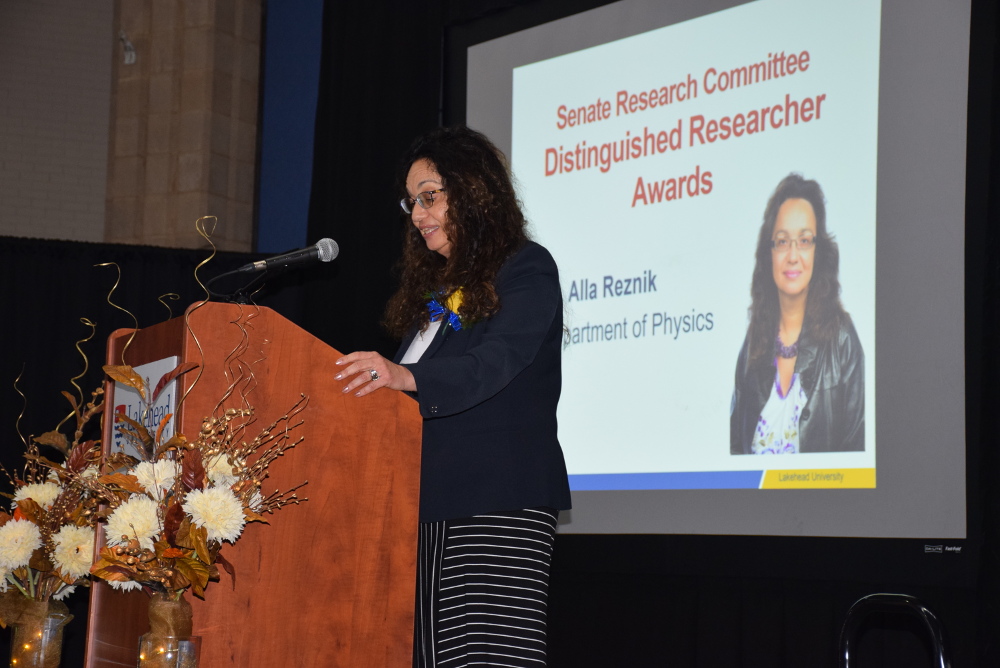
 Dr. Alla Reznik

Lakehead University opens new Career Zone

January 29, 2020 – Thunder Bay, Ont.

Lakehead University held a ribbon cutting to open the new Career Zone on Wednesday, Jan. 29.

Career Zone will offer a variety of supports and services such as resume review, interview and job searching skill development, and an alumni mentorship program.

Staff from the Career Zone office will also organize networking events such as the four annual career fairs, career exploration resources, and a variety of skill building workshops.

“The Career Zone showcases Lakehead University's commitment to career readiness for all students and alumni,” said Dr. Moira McPherson, Lakehead’s President and Vice-Chancellor.

“This will allow for the continued development of career services at Lakehead University as well as the expansion of employer relations, which will be beneficial for our students and graduates when they begin searching for a career,” Dr. McPherson added.

Located next to a study space on the lower level of the University Centre building, Career Zone’s multi-purpose office will offer supports and services provided by staff members and part-time students.

“This new space creates a more visible presence of career supports available for students,” said Sarah Lewis, Director of the Student Success Centre. “We believe this increased visibility will bring even more students to use our services and will help increase their chances of success when searching for a career.”


– 30 –


Media: For more information or interviews, please contact Brandon Walker, Media, Communications and Marketing Associate, at (807) 343-8177 or mediarelations@lakeheadu.ca.


Lakehead University is a fully comprehensive university with approximately 9,700 full-time equivalent students and over 2,000 faculty and staff at two campuses in Orillia and Thunder Bay, Ontario. Lakehead has 10 faculties, including Business Administration, Education, Engineering, Graduate Studies, Health & Behavioural Sciences, Law, Natural Resources Management, the Northern Ontario School of Medicine, Science & Environmental Studies, and Social Sciences & Humanities. In 2019, Maclean’s 2020 University Rankings, once again, included Lakehead University among Canada’s Top 10 primarily undergraduate universities, while Research Infosource named Lakehead 'Research University of the Year' in its category for the fifth consecutive year. Visit www.lakeheadu.ca.


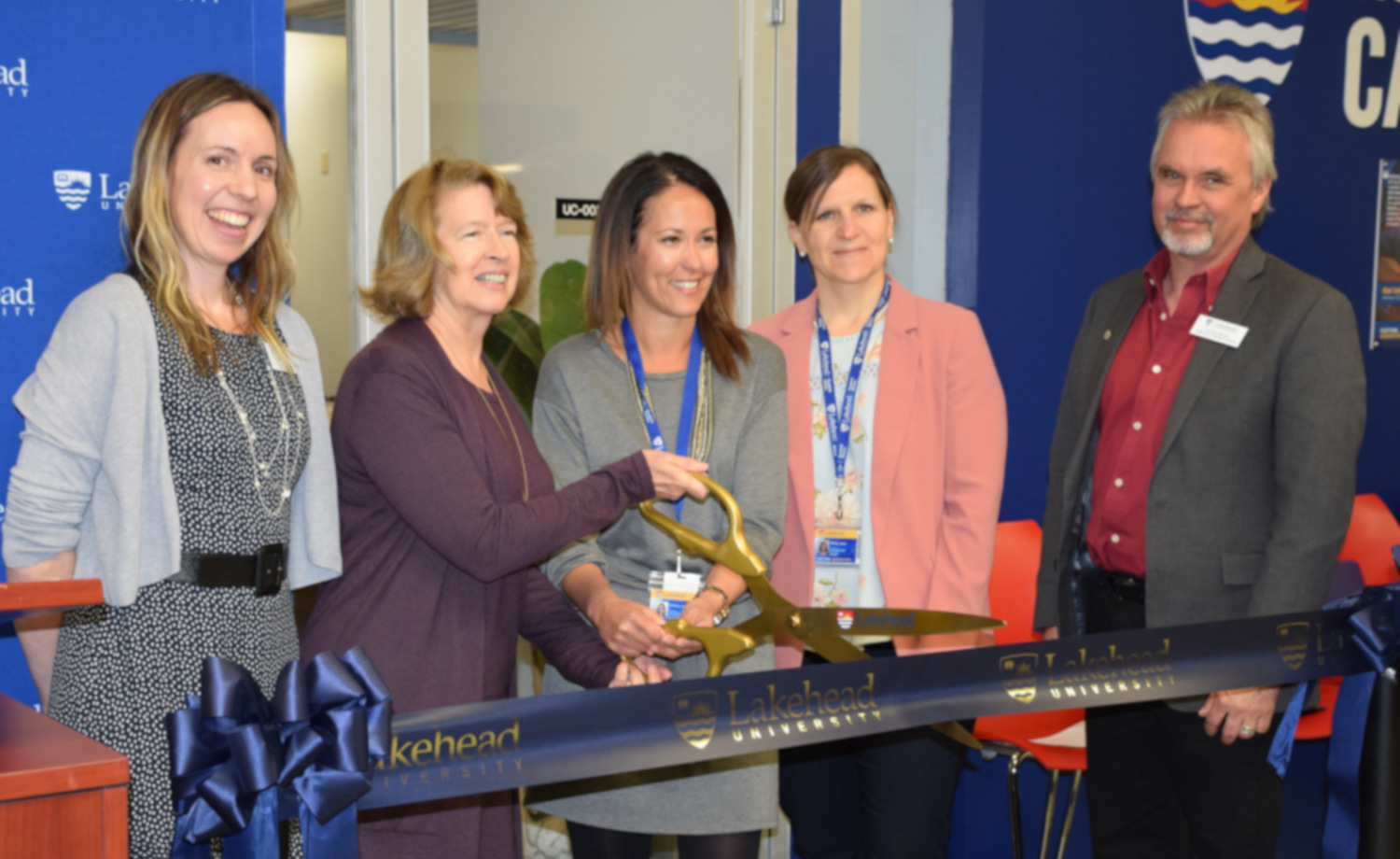
From left, Sarah Lewis, Director, Student Success Centre; Dr. Moira McPherson, President and Vice-Chancellor; Andrea Tarsitano, Vice-Provost (Students) and Registrar; Aimee Jaun, Associate Vice-Provost (Students); and Dr. David Barnett, Provost and Vice-President (Academic) participated in a ribbon cutting to open the new Career Zone at Lakehead University.

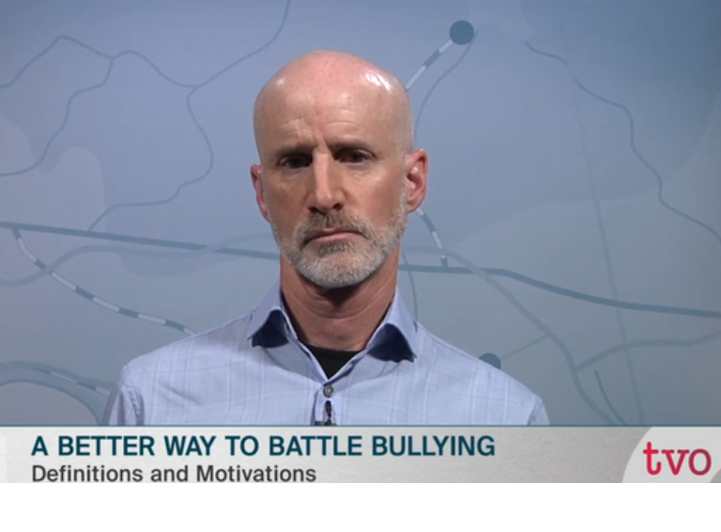
“A Better Way to Battle Bullying”: Dr. Gerald Walton Participated in Panel Discussion on The Agenda with Steve Paikin

Dr. Gerald Walton (Professor, Faculty of Education) participated in a panel discussion on TVOntario’s current affairs program The Agenda with Steve Paikin, exploring why bullying remains pervasive in Ontario schools and what can be done to address it.

As a part of his contributions to the panel, Dr. Walton noted that bullying — which he described as “a systemic problem that targets people who are marginalized or who present themselves as different” — must be understood as an abuse of power that connects to feelings of pleasure in the bully.

“There’s research that has looked into brain chemistry of kids who bully and how the pleasure centres are being stimulated when acts of bullying are going on … there’s an adrenalin rush that happens … it’s what motivates bullying in the first place.”

He suggests educators can use societal examples where bullying is normalized and even validated to discuss its effects.

Other panelists on the show included Katie Cole (Thames Valley District School Board), Annalisa Varano (Catholic Principals’ Council, Ontario), Claire Crooks (Western University), and Julie Schaafsma (Co-founder, Voices Against Bullying).

The show can be viewed here.

Pages

Subscribe to Indigenous