
Indigenous

Research in Action: Charting a Course to Treat Issues Stemming From Childhood Trauma

BY JULIO HELENO GOMES

Originally published in The Chronicle Journal on August 7, 2020
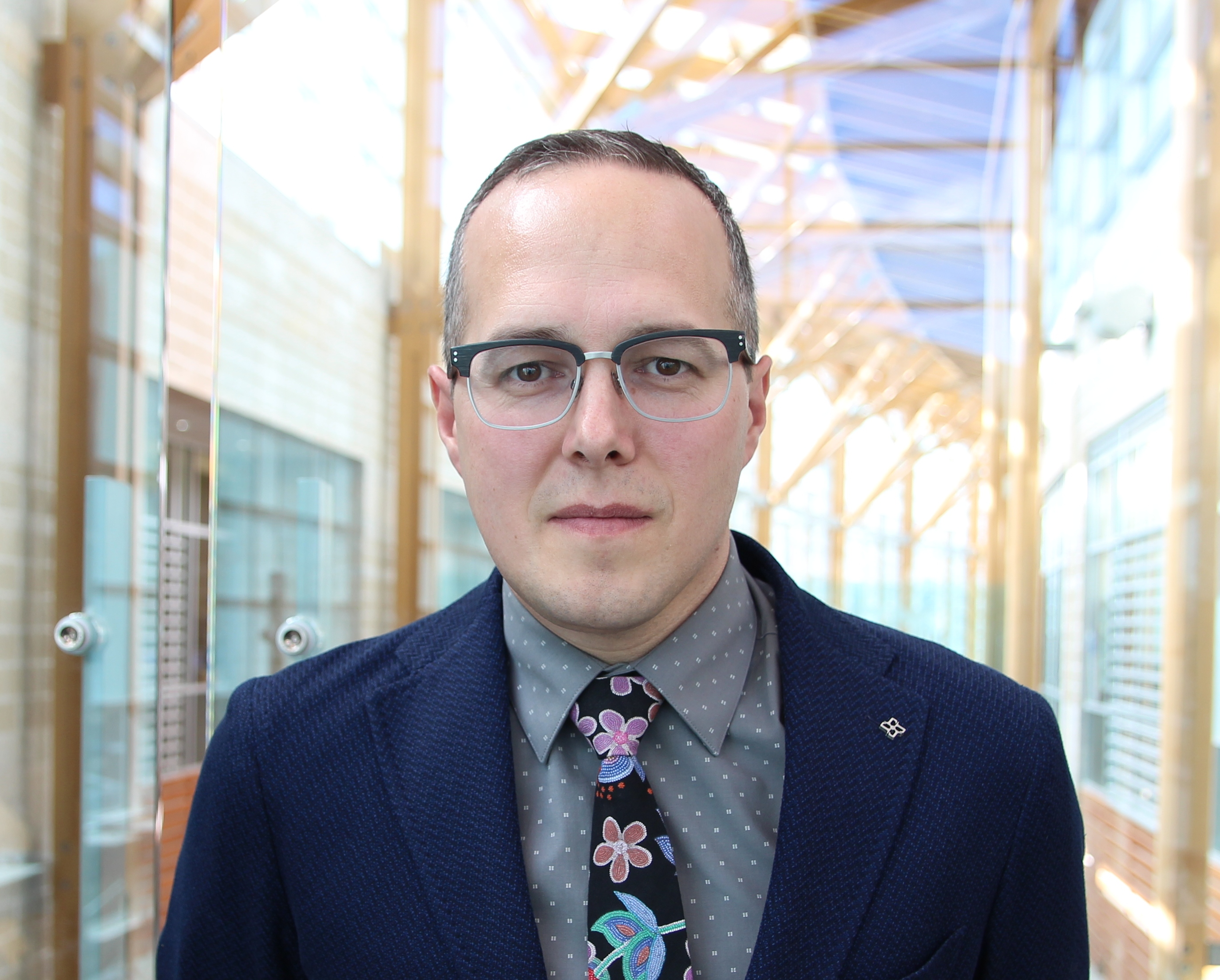
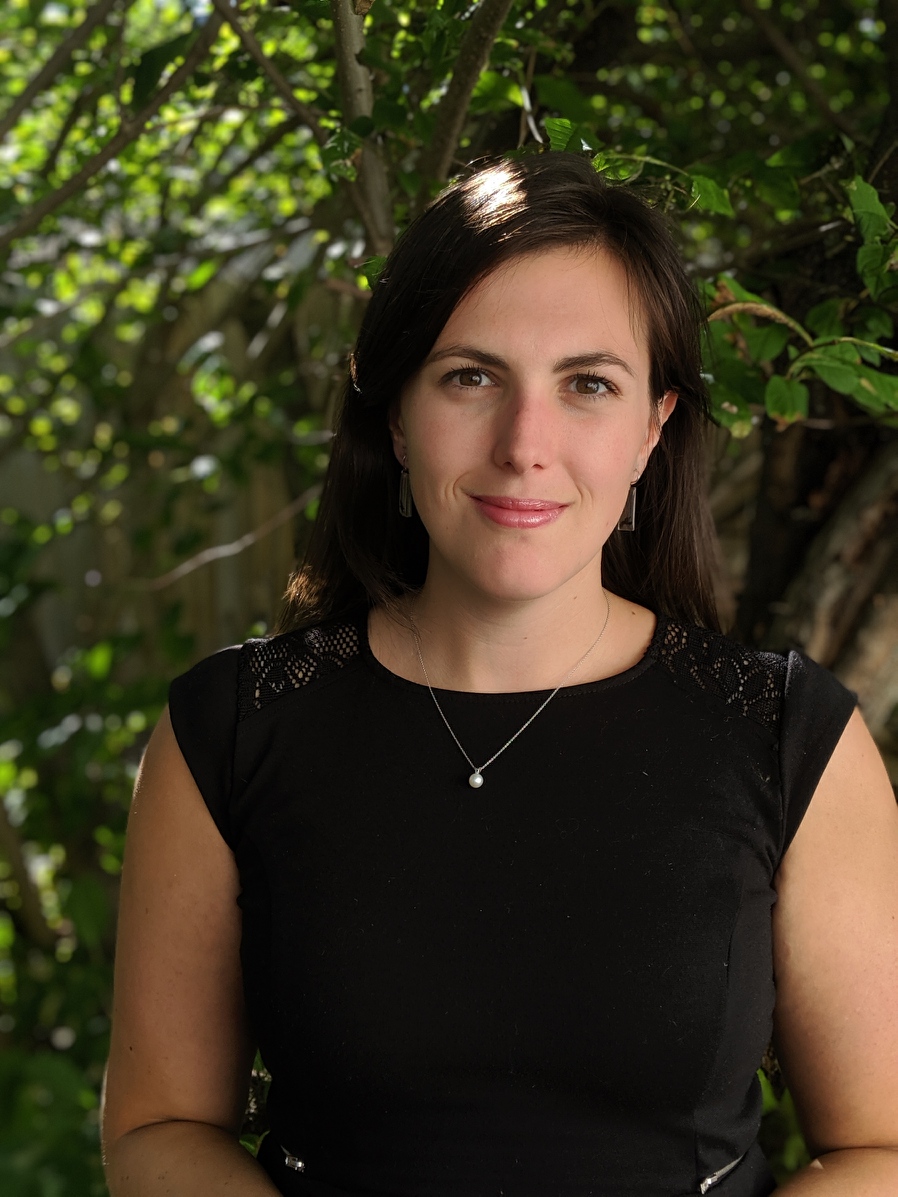
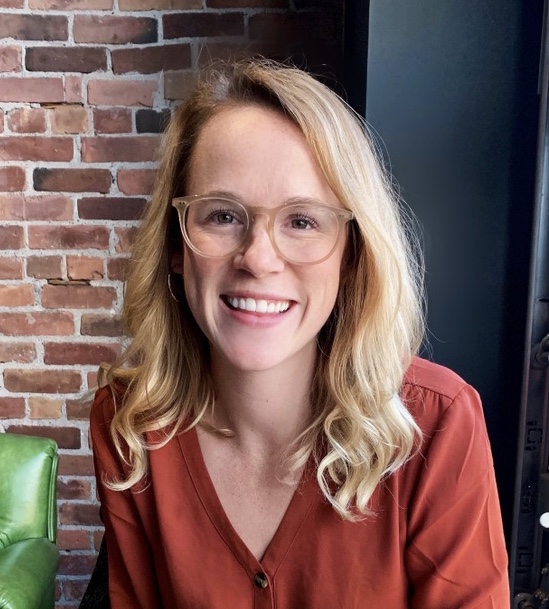
Dr. Chris MushquashElaine ToombsJessie Lund

(left to right) Dr. Chris Mushquash, Lakehead University professor and a registered clinical psychologist, is overseeing research with Dilico Anishinabek Family Care. photo credit: Thunder Bay Regional Health Sciences Centre; Elaine Toombs is a PhD student in Clinical Psychology. submitted photo; Jessie Lund is a PhD student in Clinical Psychology. submitted photo.


 A partnership between Lakehead University and a First Nations organization that is examining the links between childhood trauma and adult physical and mental health issues may lead to wellness programs that could improve the lives of clients from all walks of life.

The collaboration with Dilico Anishinabek Family Care is looking at the areas of abuse, neglect, and the resulting personal challenges. The aim is to develop appropriate services for treatment.

“We know adverse childhood experiences contribute to a range of social, emotional and physical difficulties,” says Dr. Christopher Mushquash, Canada Research Chair in Indigenous Mental Health and Addiction at Lakehead University, Interim Executive Vice President Research at Thunder Bay Regional Health Sciences Centre, and Chief Scientist at Thunder Bay Regional Health Research Institute.

“These are well-established relationships in the research literature. However, these specific relationships have not been examined within a First Nations addiction treatment setting.”

The project involves the Adult Residential Treatment Centre, located on the Fort William First Nation. Two graduate students are working on this venture, which consists of interviews with staff and more than 100 clients, as well as data collection and analysis.

“This is truly community-based participatory research, as all study activities are completed with support and collaboration from multiple people,” says Elaine Toombs, who has been working with Dilico over five years and is completing her PhD in clinical psychology.

Co-investigator Jessie Lund is entering the third year of her PhD program. She hopes the research will provide a better understanding of how traumatic childhood experiences increase the risk of substance use problems, particularly how it relates to the impact of colonization on Indigenous peoples.

“We hope this research will inform prevention and intervention efforts, including how best to support individuals seeking treatment for substance use through consideration of the different pathways between early adverse experiences and substance use problems in adulthood,” Lund says.

A registered clinical psychologist, Dr. Mushquash says the goal is to assist clients in understanding the nature of their pain and “how trauma can affect a number of experiences people have in their life, but also look at pathways for healing.”

Mushquash, who is also director of the Centre for Rural and Northern Health Research, has a decade-long relationship with Dilico that encompasses various research initiatives. With its head office on the Fort William First Nation, Dilico provides child welfare along with health and mental health and addiction services to First Nation members in Thunder Bay and the 13 member communities within the Robinson Superior Treaty area along the north shore of Lake Superior.

Mushquash, who is Ojibway and a member of Pays Plat First Nation, says the partnership with Dilico is focused on research and evaluation. While the studies by students Lund and Toombs should wrap up in the coming months, other work continues — part of the mandate to meet community needs and priorities in a way that acknowledges the unique cultures and history of First Nations people in Northwestern Ontario.

“Our plan is to continue collecting data and further understanding what the nature of adverse childhood experiences is within our client group,” he says. “As we begin to understand the core issues, we’ll be able to tailor appropriate culture- and psychological-based supports for clients and then hopefully begin to measure those outcomes across the long term.”

The Adult Residential Treatment Centre is part of a network of addiction treatment facilities catering to both Indigenous and non-Indigenous clients. Mushquash says the latter also find this model of cultural connectedness to be meaningful on their journey to recovery.

Dilico has research partnerships with the Thunder Bay Regional Health Sciences Centre and the local branch of the Centre for Addiction and Mental Health (CAMH). The work with Lakehead University, explains John Dixon, Dilico’s director of mental health and addiction services, is done in accordance with the wishes of its member communities and the First Nations principles of OCAP (ownership, control, access and possession) of data collection processes in their communities.

“Our long term hopes are to facilitate the creation of Indigenous knowledge and research that is of benefit to the peoples we work with and that it assists the leadership of the communities to make informed decisions about addictions and mental health program development,” Dixon says.
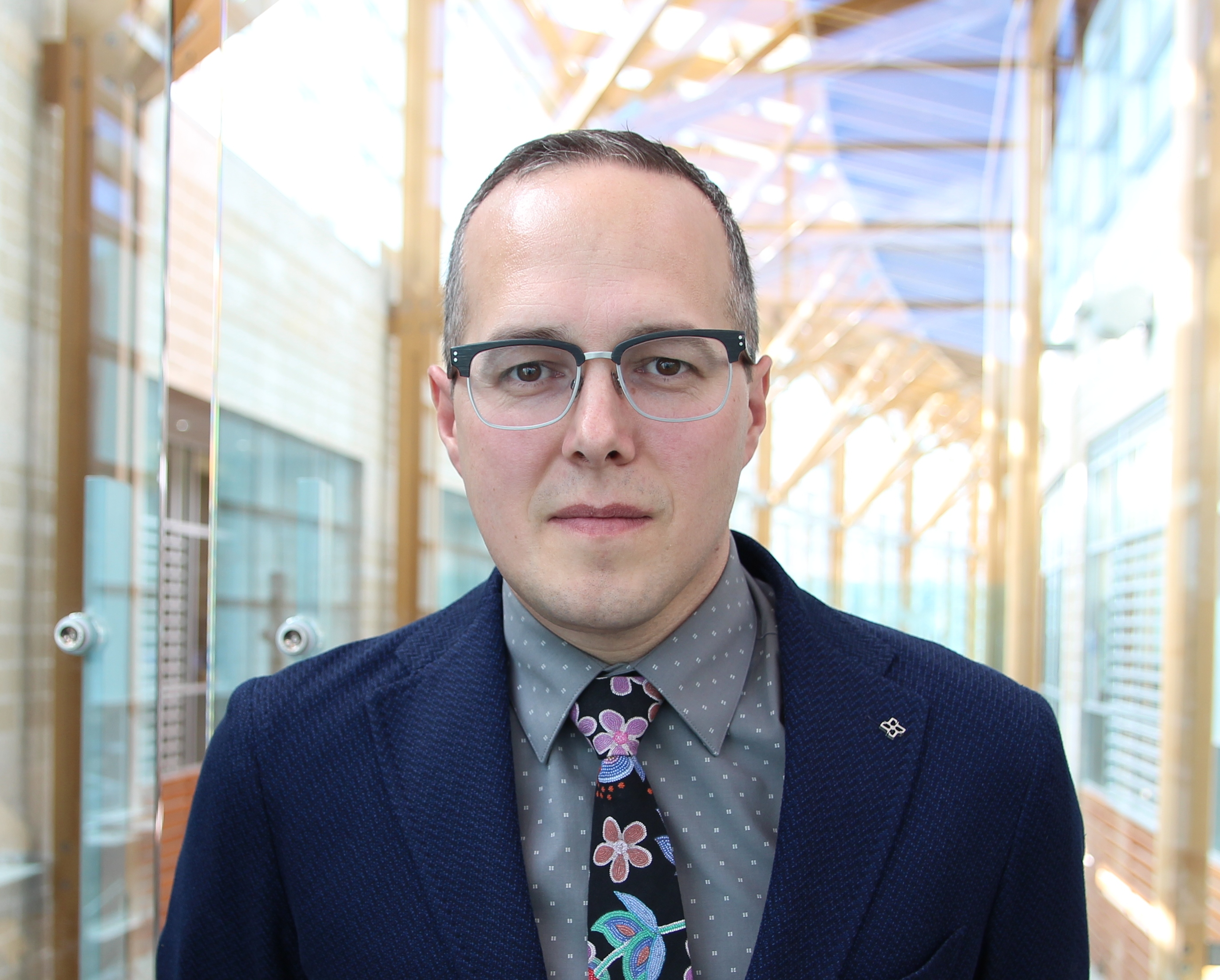
 

Dr. Chris Mushquash, Lakehead University professor and a registered clinical psychologist

2020 Lloyd Dennis Award recipient connects people, food, and learning on campus

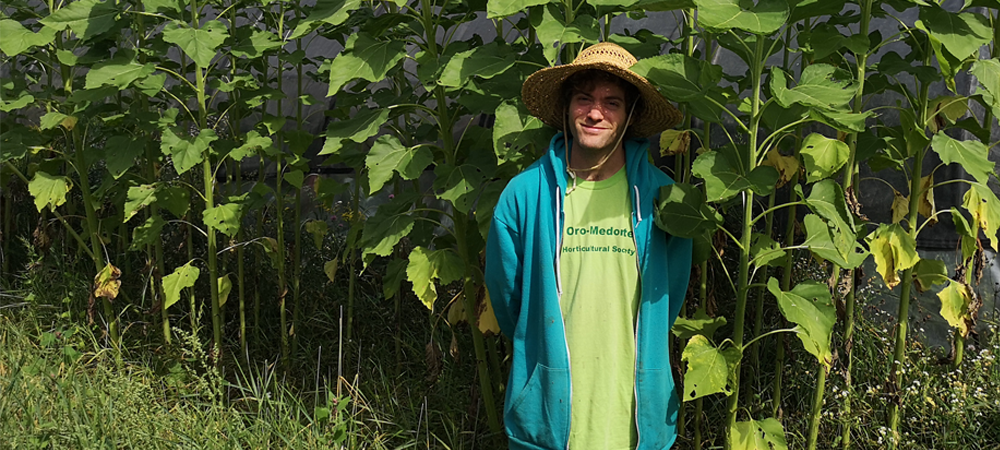
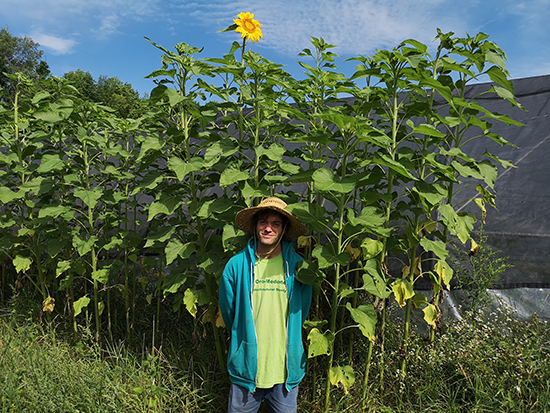
Jacob Kearey Moreland stands in front of a crop of sunflowers on his farm in Oro Medonte

Jacob Kearey-Moreland was contributing to campus life long before he was a Lakehead University student.

This year’s recipient of the Lloyd Dennis Award for outstanding citizenship, Kearey-Moreland has been a driving force behind local community gardening initiatives for over a decade – from Toronto during his undergraduate degree, through community advocacy in Orillia, and now as a graduate student at Lakehead.

A grassroots champion for social and ecological justice, he’s helping secure people’s right to collectively produce and access food, while also preserving public, multi-generational spaces to gather, learn, exercise, and interact.

“Community gardening is as much about growing a community as it is producing food,” says Kearey-Moreland, who grew up on a farm in Simcoe County and now co-owns Bass Lake Farms in Oro-Medonte. “It’s like a communal outlet people can plug into, where social and ecological action can happen together.”

On the Orillia campus, a number of community efforts Kearey-Moreland has helped bring to life are easily spotted: the butterfly garden, the traditional Three Sisters garden, the Four Directions teaching garden, and the community and allotment vegetable gardens are all in view from the large windows of the central Learning Commons. In the background, he also dedicates countless hours to fundraising, event planning, public speaking, advocacy, and outreach. Making good use of social media, strategic networking, and farming-based puns, he’s adept at rallying volunteers with enthusiasm, humour, and information.

And the benefit to students, faculty, staff, and the wider community is clear: university classes, Indigenous ceremonies, and community tours all regularly take place in the gardens, food is produced all summer, and the seeds generated are made freely available in the library. The Lakehead Farm Club Kearey-Moreland founded is now one of the largest student clubs on campus, which he says speaks to gardening’s broad appeal.

“A lot of students face food insecurity, isolation and poverty, and they want a more sustainable campus with more recreation opportunities – gathering outside to socialize and produce your own food solves all those problems.”

Kearey-Moreland’s current focus is his Master of Education – a program with online, flexible formats that allow him to continue farming. His thesis on garden-based learning complements the ideas he pilots on his farm, including hosting school groups and creating youth employment opportunities.

“I want to be part of the societal shift where we teach kids about climate change and food insecurity but also give them the tools to feed their families and communities and work together to sustain life and ecosystems.”

Looking ahead, Kearey-Moreland hopes to translate his degree and community service into making the Lakehead Orillia campus an influential hub for garden-based learning. In the meantime, his initiatives are in even higher demand in the new reality created by COVID-19.

“Community gardening certainly isn’t new – it’s something humans have been doing for 10,000 years or longer. But this pandemic has been an opportunity for many of us to reflect on what is important to healthy societies, ecosystems and economies, and ultimately how we want to be able to grow and access our food.”

Lakehead University’s Lloyd Dennis Award for outstanding citizenship is presented annually to a full-time student at the Orillia campus in recognition of their contributions to the welfare of the university through their student activities. The award is named in honour of the late Lloyd Dennis, an Officer of the Order of Canada and Order of Ontario. He was a highly respected educator and author, best remembered for the 1968 landmark report that shaped the future of education in Ontario – Living and Learning: The Report of the Provincial Committee on Aims and Objectives of Education in the Schools of Ontario, known as the Hall-Dennis Report. An enthusiastic proponent of the Lakehead Orillia campus, in 2009 Dennis was honoured with Lakehead’s Civitas Award and then in 2012 with a Doctor of Laws (posthumously).

Jacob Kearey-Moreland is pictured at his farm in Oro-Medonte.

Semie Sama Appointed Assistant Professor at the Bora Laskin Faculty of Law

The Bora Laskin Faculty of Law is pleased to announce that Semie Sama has received a limited term appointment as an Assistant Professor, effective July 1, 2020.

Semie Sama has been a Postdoctoral Scholar with the Canada Research Chair in Human Rights and the Environment, where she researched legal and policy solutions to climate change, natural resource curse, land-grabbing, deforestation, among other environmental issues.   She holds a Ph.D. in law (University of Ottawa, Canada); an LL.M. in global sustainability and environmental law (University of Ottawa, Canada); an M.Sc. in ecotechnology and sustainable development (Mid Sweden University, Sweden); an M.Sc. in environmental governance (Stockholm University, Sweden); and an LL.B. (University of Buea, Cameroon).

Before her postdoctoral work at McGill University, Semie was a UN Global Environment Outlook 6 Fellow (during which she contributed to the Sixth Global Environment Outlook GEO-6: Healthy Planet, Healthy People). She also worked for the Centre for International Governance Innovation, Waterloo, as a Postdoctoral Fellow.

Dr. Sama has received numerous awards and honors, including the Social Sciences and Humanities Research Council (SSHRC) of Canada Award, the IUCN Academy of Environmental Law Scholarship, the University of Ottawa’s International Admission Scholarship and the Minister of Higher Education Honours Prize of the Government of Cameroon.

“Semie is a very welcome addition to our Faculty. The Bora Laskin Faculty of Law’s special mandate in Environmental and Natural Resources Law will get a wonderful boost from her teaching and research,” says Dean Jula Hughes. Welcome Dr. Sama!

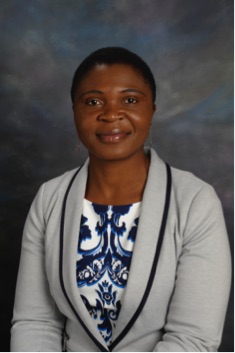
Semie Sama

Dr. Ellen Field Joins Faculty as Assistant Professor

Dr. Ellen Field (Orillia campus) has joined the Faculty of Education as an Assistant Professor in Educational Leadership and Administration.

Ellen notes: “I am thrilled to join the Faculty. For me, this position is full circle as I graduated from the Bachelor of Education program in Thunder Bay in 2005 and I know firsthand the impact the program had on my teaching career and trajectory.

My research is focused on reorienting learning within formal education to ensure that educational institutions are responsive to authentically addressing the socio-ecological challenges facing communities in the 21st century. Looking into the next few decades, there is little certainty of what the future holds in our rapidly changing world—climate shifts, technological shifts, resource shifts, migration shifts, and demographic shifts—and within this nexus of uncertainty, the need for adaptive and transformative leadership has never been more certain.

Most recently, I completed a SSHRC postdoc at Lakehead (May 2018-May 2020) which focused on climate change education and resulted in a nationwide study of 3200 Canadians’ (approximately 1200 teachers, 600 parents, 500 students, and 900 members of the general public) views on climate change and climate change education. The results show that there is strong support for schools to be doing more to educate young people about climate change from all respondent groups. The survey also provides the first comprehensive snapshot of climate change education practices in Canadian classrooms—in terms of hours of instruction, subjects, teacher self-reported preparedness, and instructional strategies used. The data is being shared through knowledge mobilization sessions, in which senior policy-makers are brought together along with youth, teachers, education associations, faculties of education, educational foundations, and non-profits to review the data and then develop action plans for addressing gaps in climate change education policy and practice.

As an educator, I bring experience in facilitating experiential inquiry and community-focused learning processes, which are embedded within social dimensions of education, such as leadership, democracy, citizenship, diversity and equity. I have worked as a contract lecturer in the Faculty since January 2017, and have also worked as a professional development consultant for Learning for a Sustainable Future since 2017, leading climate inquiry workshops for over 800 teachers across Canada. While the challenges facing schools are myriad, there are so many passionate and critically-minded teachers and administrators working hard to prepare young people for the complex world they are inheriting that I remain stubbornly optimistic of our education systems’ capacity to pivot to emerging dynamics as they unfold. I look forward to this continued opportunity to teach and learn with students and colleagues at LU!”

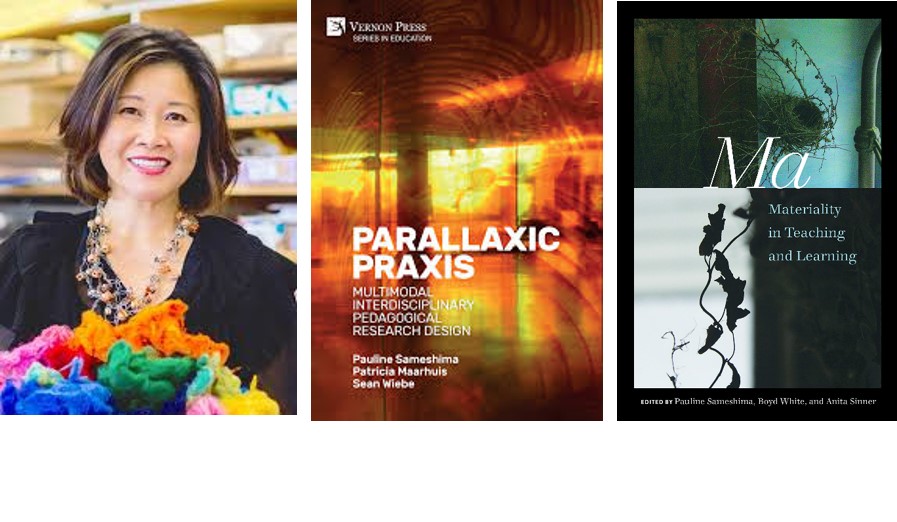
Recent Books by Dr. Pauline Sameshima Win an Award and an Honourable Mention

Two books published last year by Dr. Pauline Sameshima (Professor and Canada Research Chair in Arts Integrated Studies) have been recognized by the Society of Professors of Education—with one winning an Outstanding Book Award and the other, an Outstanding Book Award Honourable Mention.

Parallaxic Praxis: Multimodal Interdisciplinary Pedagogical Research Design, which Pauline co-authored with Dr. Patricia Maarhuis (Washington State University) and Dr. Sean Wiebe (University of Prince Edward Island) was awarded the 2020 Society of Professors of Education Outstanding Book Award. This book outlines the extensive research possibilities of the “parallaxic praxis” framework for interdisciplinary partnerships, cross-sector collaborations, and scholars undertaking research projects in social justice, community engagement, teacher education, Indigenous research, and health and wellness.

Ma: Materiality in Teaching and Learning was awarded a 2020 Society of Professors of Education Outstanding Book Award Honourable Mention. The book, co-edited with Dr. Boyd White (McGill University) and Dr. Anita Sinner (Concordia University), explores the Japanese concept of ma as “the interval between two markers,” as a threshold space where new understanding and learning can occur. 

Statement from Canadian Law Deans on anti-Black Racism

Members of the Council of Canadian Law Deans stand in solidarity with all who mourn and have denounced examples of systemic racism in Canadian and other societies, and, in particular, violence perpetrated against racialized people in Canada. We recognize and acknowledge the pain and anguish experienced by many of our racialized students, staff and faculty, and we are grateful for the leadership of BLSA chapters across the country. 

We know that law schools can play a critical role in dismantling systems of institutionalized racism in our society. As legal educators we can contribute productively to the ways in which these issues are addressed in the curriculum and in the legal system more generally. We want all our graduates to appreciate that racism has no place in a society governed by the rule of law, and that as members of the legal profession they must play a role in ameliorating the damage caused by racist practices in the Canadian legal system. This goal is vitally important because we know that law is not inherently neutral or progressive; we are regretfully aware that graduates of our faculties – many of whom have held positions of leadership in Canadian society – have played significant roles in the development and perpetuation of colonial and systemically racist policy and practices. This is a history we must work to correct. 

We commit to continuing the efforts in each of our law schools to focus on issues of racism, particularly anti-Black racism, and the role of law in maintaining those systems, as we teach and learn with our students and as we examine and develop our curricular offerings. We also commit to finding more opportunities to consider the ways in which law can be a force for change in unsettling embedded racism. We will seek to advance the goal of removing racism from the operation of the legal system through the clinical and extra-curricular opportunities we provide to our students, in our student recruiting and faculty hiring, in our support for the research communities examining these issues and in our engagement with the broader legal community. 

Joan Braun Appointed Assistant Professor at the Bora Laskin Faculty of Law

The Bora Laskin Faculty of Law is pleased to announce that Joan Braun has been appointed as an Assistant Professor, effective August 1, 2020.

Joan Braun is a PhD candidate at the Peter A. Allard School of Law.  Her doctoral research has a socio-legal focus and examines the implementation of laws intended to protect vulnerable adults from harm. She holds two Masters’ degrees, one in law and one in social work. Her L.L.M. research focused on ethical issues in elder mediation and her M.S.W. research examined on strategies used by mediators when resolving child protection disputes. Prior to her doctoral studies Joan worked as a mediator in private practice and as a lawyer in the social justice sector. Her accomplishments include founding western Canada’s first legal aid clinic for older adults as senior counsel at the BC Centre for Elder Advocacy and Support. Her recent teaching experience includes courses in public law at the University of Northern BC and in restorative justice at the University of the Fraser Valley.

“We are thrilled to have Joan join our faculty, “says Dean Jula Hughes. “Her research positions put her at the forefront of the emergent and growing field of Elder Law, a high need in a society with an aging population, and her practical, interdisciplinary expertise in ADR and clinical education will be of great benefit for our students.”


Joan Braun 

Lakehead Research Team Adapts eHealth App to Serve Maternal Health Needs in the North

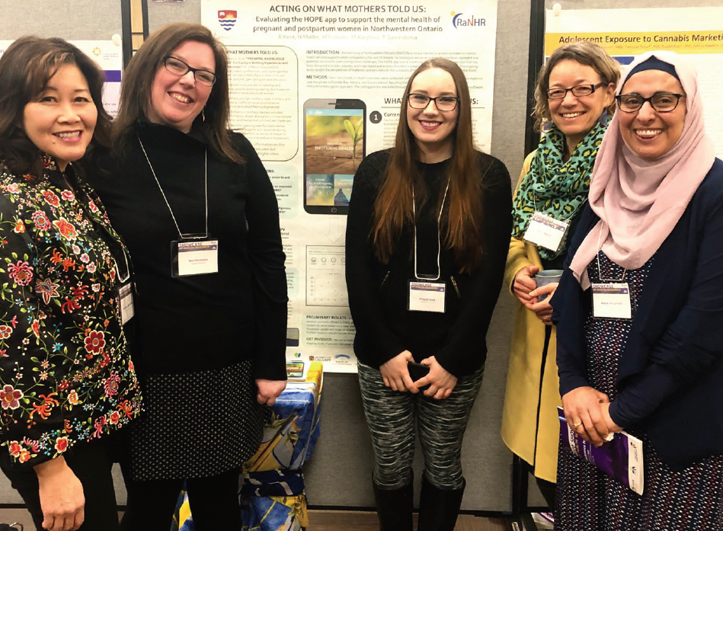
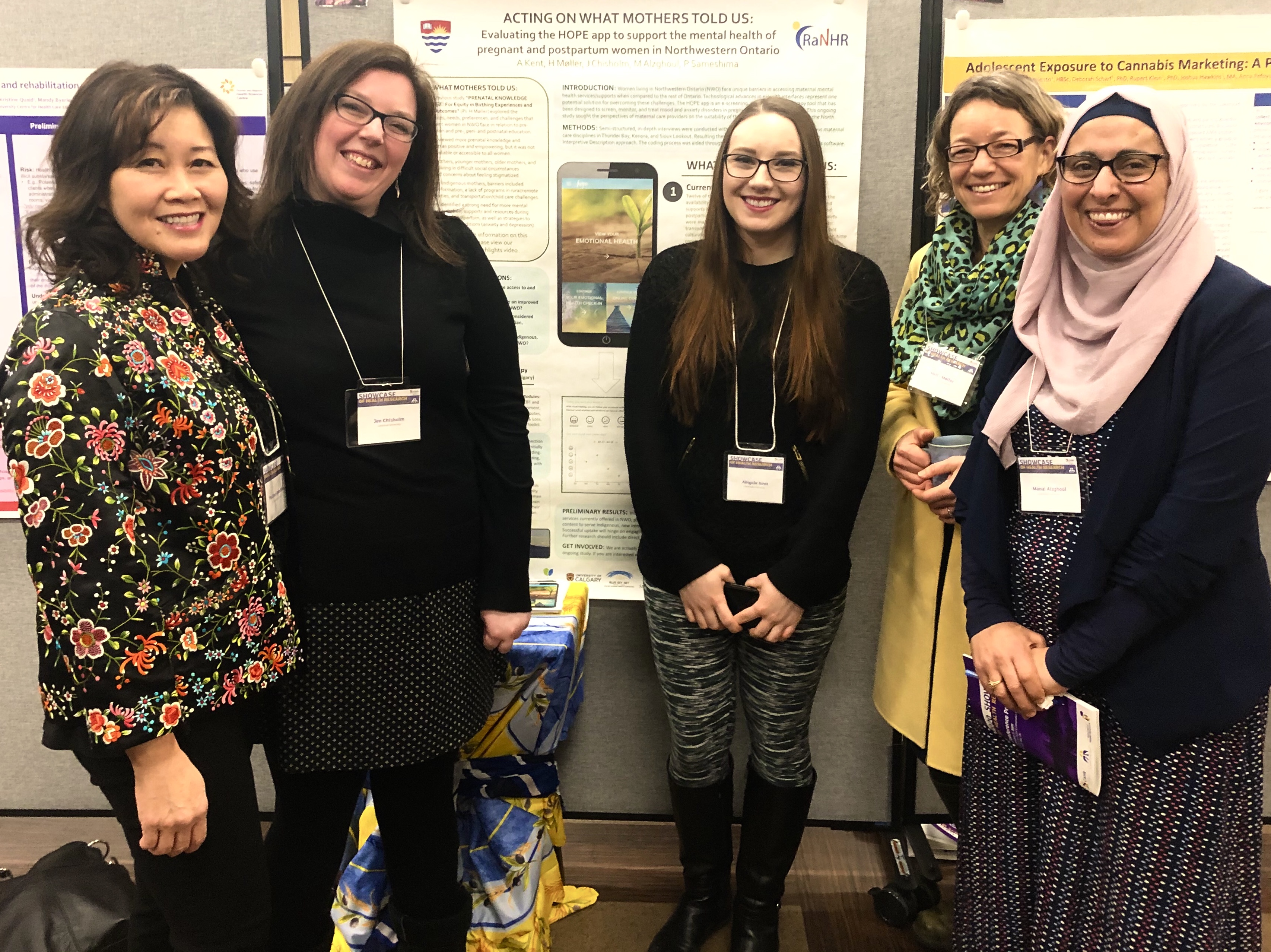
Dr. Pauline Sameshima (Canada Research Chair in Arts Integrated Research, Faculty of Education) and a team of Lakehead University researchers including Principal Investigator Dr. Helle Moeller, Dr. Jennifer Chisholm, Dr. Manal Alzghoul, and Master of Health Sciences student Abigale Kent have been working on a research project focusing on maternal health care for Indigenous and immigrant women in Northwestern Ontario.

Their research was recently featured in The Chronicle Journal, in relation to their plans to customize a software application to provide women in the region with access to maternal supports, including mental health education care during the pregnancy and post-partum period.

In particular, the eHealth app is being customized to fit the needs of Indigenous and immigrant women, who often do not have the same level of pre- and post-natal care and education as other women. The lack of support they experience may be due to socioeconomic, linguistic, and cultural differences—or, for those living up North, not being close to where programs are offered.   

The team is funded by Women’s Xchange of Women’s College Hospital, Toronto, and the SSHRC Explore Research Development Fund.

Pictured below, from left to right: Dr. Pauline Sameshima, Dr. Jennifer Chisholm, Abigale Kent, Dr. Helle Moeller, and Dr. Manal Alzghoul.

eHealth app for Northern maternal health care being developed

Lakehead University researchers — from left, Dr. Pauline Sameshima, Dr. Jennifer Chisholm, Abigale Kent, Dr. Helle Moeller and Dr. Manal Alzghou — have been working on a research project focusing on maternal health care for Indigenous and immigrant women in Northwestern Ontario.

A program for mobile devices may provide access to the health care and education that mothers-to-be in Northwestern Ontario feel they often don’t receive. Supported by the Thunder Bay District Health Unit, an eHealth app is being adapted by researchers at Lakehead University to fit the needs of women in this region, particularly Indigenous and immigrant women. This will hopefully help close this gap in maternal care and education.

“We know from interviewing women in this area that there is a need for mental health care and services in our region,” says Dr. Helle Moeller, an associate professor in Lakehead’s department of Health Sciences. “We also know few women, compared to the rest of Ontario and nationally, access pre-natal education. So we would like to offer an alternative tool for mental health education care, and support for women in their pregnancy and post-partum period.”

Moeller, who is also associate director of the Centre for Rural and Northern Health Research, has a long-standing interest in equity in access to health and health care as well as Northern, Indigenous and women’s health.

A project started in 2013 looked at the birthing experience of women in Thunder Bay. Interviews with diverse women, including Indigenous women and women from refugee and immigrant backgrounds, reported being less well-treated in the health-care system, and provided with less information about the pre-natal education and care options available to them than the broader community. Many perceived birth to be inherently risky and Indigenous women felt the primary care providers reinforced this perception. They felt providers considered them “high risk,” and were often not informed about the option of midwifery care.

In 2017 the project was expanded to focus on pre-natal education. It involved interviews with another 40 women from varied backgrounds. The results revealed vast differences in access to pre-natal care and education.

“Women in Northern communities and women that come from diverse backgrounds do not have access to the same level of pre- and post-natal care and education as other women,” Moeller says. That is primarily due to: socioeconomic, linguistic and cultural differences, and the perception of racism and discrimination. Also, being on one or the other end of the age spectrum and not living close to where the programs are offered poses challenges.

“That issue of travel really prohibits women in northern communities from participating” in pre-natal programs, says Moeller.

Importantly, nearly half the participants indicated there was not enough mental health support services, in outlying communities as well as in Thunder Bay, Sioux Lookout and Kenora.

“Fifty per cent of women that we interviewed stressed that they had mental health needs they felt were not met during pregnancy and post-partum,” Moeller says.

A team in Alberta has successfully piloted a software application that provides educational mental health modules, online screening for depression and anxiety, and access to counselling and support during pregnancy and post-partum. The Thunder Bay team hopes to customize the app for women in this region to use.

“Social service and care providers see that the app has great potential,” Moeller states. “But there will need to be some adaptation in terms of language, culture, how the curriculum is put together.”

Abigale Kent, a master of Health Sciences student, has been the research co-ordinator on the project. In addition to supporting the efforts of the team generally, her thesis has focused on one leg of the project, interviewing providers servicing predominantly Euro-Canadian women and their perceptions on the suitability of an eHealth app for maternal mental health in the Northwest.

“I work with a fantastic and supportive team in building community connections, setting up interviews and putting together the building blocks that are going to ensure this app and the project succeeds,” Kent says.

When she graduates in August, Kent hopes to enroll in medical school having just been interviewed at NOSM.

Along with Moeller and Kent, the current team consists of: Dr. Manal Alzghoul, assistant professor in Nursing; Dr. Jennifer Chisholm, assistant professor in the department of Women’s Studies; and Dr. Pauline Sameshima, professor in Graduate Studies & Research in Education and Canada Research Chair in Arts Integrated Studies. The team has been funded by Women’s Xchange of Women’s College Hospital, Toronto, and the SSHRC Explore Research Development Fund.

Written by Julio Heleno Gomes

Story originally appeared in The Chronicle Journal on June 12, 2020

BEd Graduate Rupinder Grewal Awarded Ontario Secondary School Teachers’ Federation Faculty of Education Award

Congratulations to Rupinder Grewal (graduate of the BEd program, 2020), who has received the Ontario Secondary School Teachers’ Federation (OSSTF) Faculty of Education Award, valued at $1,000. The award is granted to a graduating Intermediate/Senior Teacher Candidate who is seeking employment with a public secondary board and who exemplifies values of importance to the OSSTF, including being an advocate of unionism, engaging in social activism to promote the professional nature of teaching, and showing leadership among Teacher Candidates.

Rupinder’s dedication to activism and the teaching profession is evidenced by her leadership and support shown in various capacities, such as school breakfast programs, teachers’ unions, the Climate Strike Rally in Thunder Bay, and the Ontario Teacher Candidates’ Council.

One of Rupinder’s Associate Teachers noted in a letter of support that Rupinder is “passionate about equity in education. She is an extremely hard worker, but more than that, she is extremely caring. She has a wonderful persona that makes students and colleagues feel at ease around her. She was firm with student behavior but had the natural ability to flip from discipline to cheerleader, showcasing conflict resolution strategies that many seasoned colleagues have developed over a career. She is a natural teacher who is warm, caring, humorous and patient. She will be an asset to any school lucky enough to hire her, and will no doubt be a force within our union to support our colleagues and lead by example.”

Rupinder is currently seeking employment with a public school board, and will be pursuing a Master of Education program at Lakehead starting in Fall 2020.

Congratulations Rupinder on this achievement!

Pages

Subscribe to Indigenous