Indigenous

AI in Practice

Join us for this session as an introduction to the role of AI in the healthcare and wellness sector. Led by emergency physician Dr. Chris Zanette alongside Sohaib of Medozai, this session will demystify the hype, look at where AI genuinely works today, and where it doesn't yet - and explore practical uses in your workday (email, documents, research, templates) and in your clinic: scribing, patient communications, and administrative drafting.

Dr. Zoe Michano-Furlotte Conquered Self-Doubt and Found her True Passion

This Alum's Path to Being a Psychiatrist Started at Lakehead

"No one in my family went to university, so the idea that I would go seemed farfetched," says alum Dr. Zoe Michano-Furlotte (BScN'11, MD'16).

Despite her skepticism, she completed 10 years of medical school and residency training to become a psychiatrist who excels at helping people in crisis.

Dr. Michano-Furlotte—a member of Biigtigong Nishnaabeg First Nation—grew up in the small town of Caramat in northwestern Ontario.

She says that without her family's belief in her, she'd never have embarked on her postsecondary journey. "My mom, dad, sister, and my husband have been very supportive. And my two grandmothers have been my constant cheerleaders—I think they've told everyone they know that I'm a doctor."

A Leader in Mental Health Care

Dr. Michano-Furlotte is a staff psychiatrist offering acute care psychiatric services and outpatient therapy to people throughout northwestern Ontario.

"I've been working with an amazing team at the Thunder Bay Regional Health Sciences Centre for the past four years. They provide emergency psychiatry as well as other forms of acute psychiatric care," she says.

"I feel extremely grateful to do what I do—I continue to learn every day."

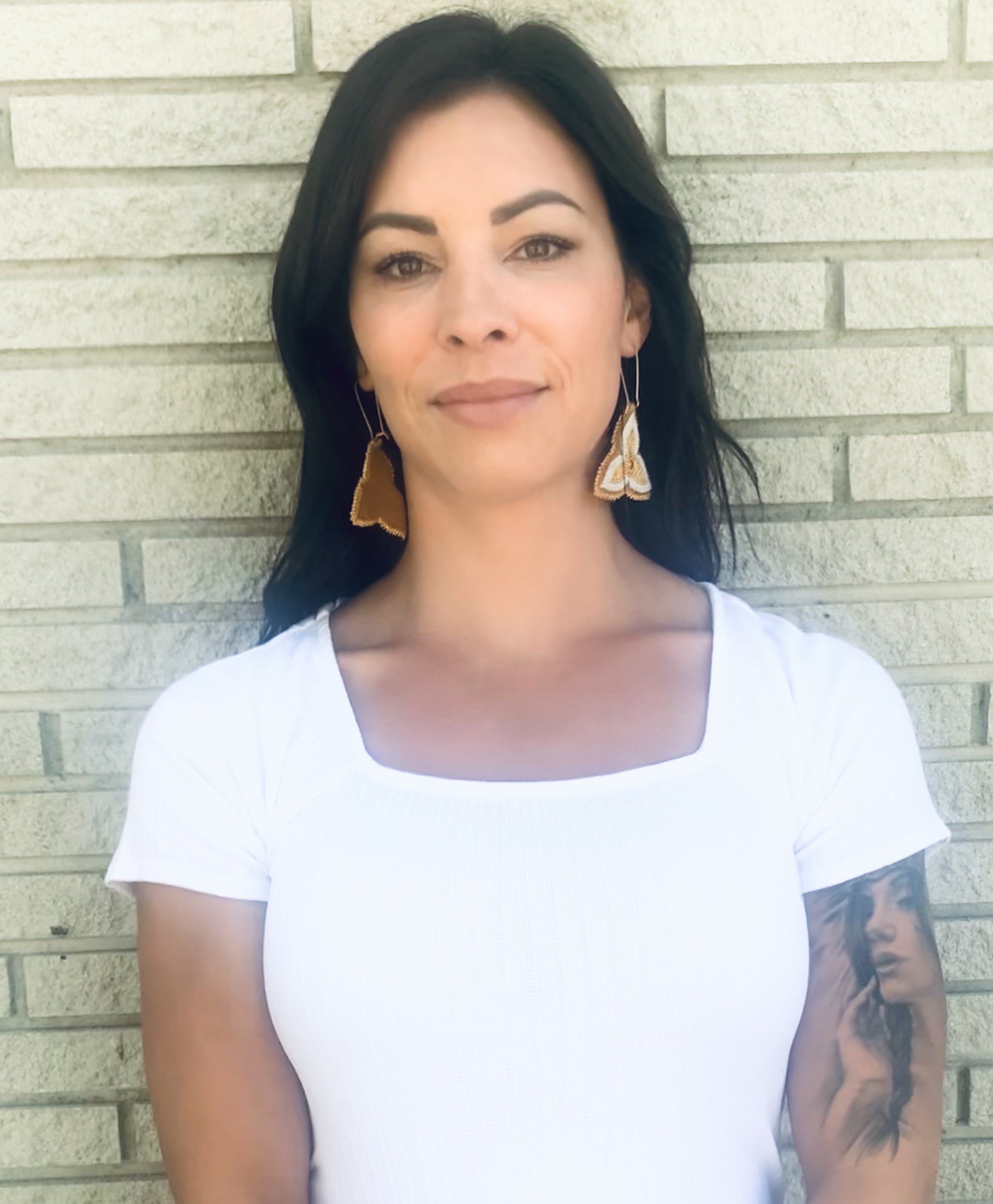
A head-and-shoulders photo of Dr. Zoe Michano-Furlotte, wearing a white t-shirt and beaded earrings, standing in front of a white brick wall“My mom was my main supporter and provided balance in my life,” says Dr. Michano-Furlotte (pictured left). “She was a hard worker who was an early education assistant and a labourer at the local paper mill. Her resilience and determination drove me to do what I wanted to do.”

Although her road to medical school wasn't straightforward, Dr. Michano-Furlotte's decision to stay in the north was.

Early on in her Lakehead education, she resolved to provide care to Indigenous people and communities, especially remote communities contending with challenging conditions.

"A lack of clean water, nutritious food, adequate housing, and schools has had damaging effects on their mental and physical wellbeing," she says.

The situation is compounded by the fact that community members must travel great distances to get basic health care, and mental health counselling is often entirely out of reach. "I wanted to help change that."

Stepping into the Unknown

In 2007, a university education was the furthest thing from Dr. Michano-Furlotte's mind. Instead, she'd applied to nursing and social work programs at a college in Thunder Bay.

It was while waiting to hear if she'd been accepted that fate intervened.

"My mom handed me a copy of Wawatay News and pointed to an ad in the newspaper for Lakehead University's Indigenous Nursing Entry Program. She said, 'You should apply,'" Dr. Michano-Furlotte recalls.

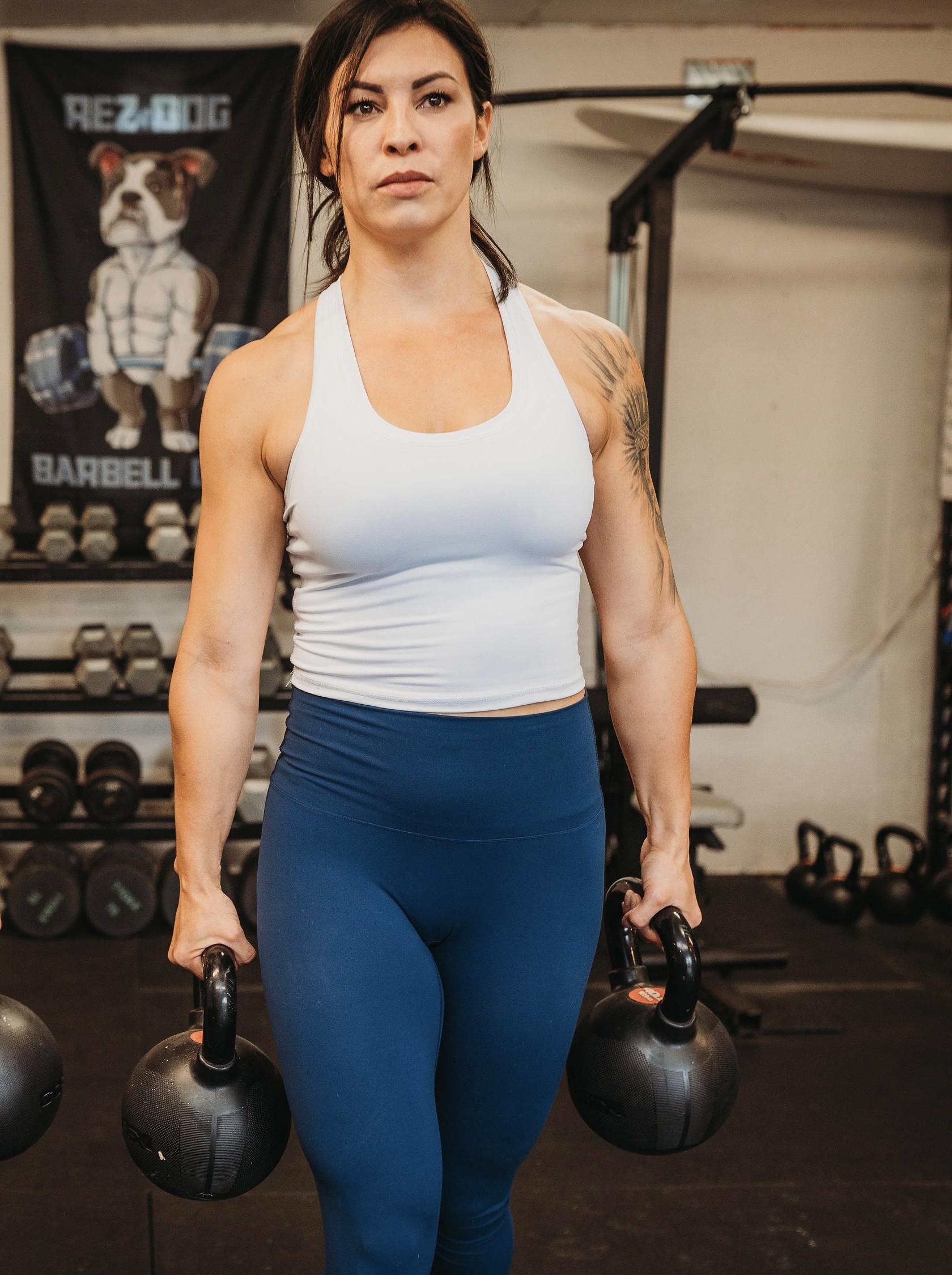
Dr. Zoe Michano-Furlotte, wearing workout clothes and holding a kettlebell in each hand, stands in a gym with a rack of weights and gym equipment in the background

Dr. Michano-Furlotte's interest in health is longstanding. As a child, she loved sports and exercise and by the time she was in high school, she hoped to be a nurse or a social worker. She also earned a Fitness and Health Promotion diploma from Fanshawe College before coming to Lakehead.

The Indigenous Nursing Entry Program (INEP) is an eight-month bridging program for First Nations and Métis students who'd like to become nurses, but who don't yet meet all the requirements for Lakehead's Bachelor of Science in Nursing (BScN) program.

The purpose of INEP is to give students the skills and qualifications to transition into the BScN program and ensure that successful graduates are guaranteed a spot in the nursing degree program.

Even though she was afraid she didn't have what it took to be a university student, Dr. Michano-Furlotte decided to enrol.

A first-year introductory psychology elective changed her mind about her abilities. She went into the course almost certain she'd fail, but when final grades were released, she discovered she'd earned 94%.

The experience gave her confidence, and she went on to join Lakehead's nursing program, completing her degree in three years.

After graduating, she was hired as an acute care nurse at the Thunder Bay Regional Health Sciences Centre. A year later, she applied to the Northern Ontario School of Medicine (NOSM), which at the time was part of Lakehead University.

NOSM recognized her talent and her commitment to helping others, and she got in on her first try.

Hope and Support for People at their Most Vulnerable

Dr. Michano-Furlotte chose NOSM's family medicine stream and did several clinical placements in northern Ontario, including Summer Beaver, Attiwasipkat, her hometown of Greenstone, and Sioux Lookout.

"During my training, I became more connected with my culture, and being with other Indigenous students was transformative for me," she says.

She spent extra time in Sioux Lookout doing obstetrics, concerned by a huge gap in pregnancy care. "I loved it and I delivered 42 babies, however, my life path led me in another direction."

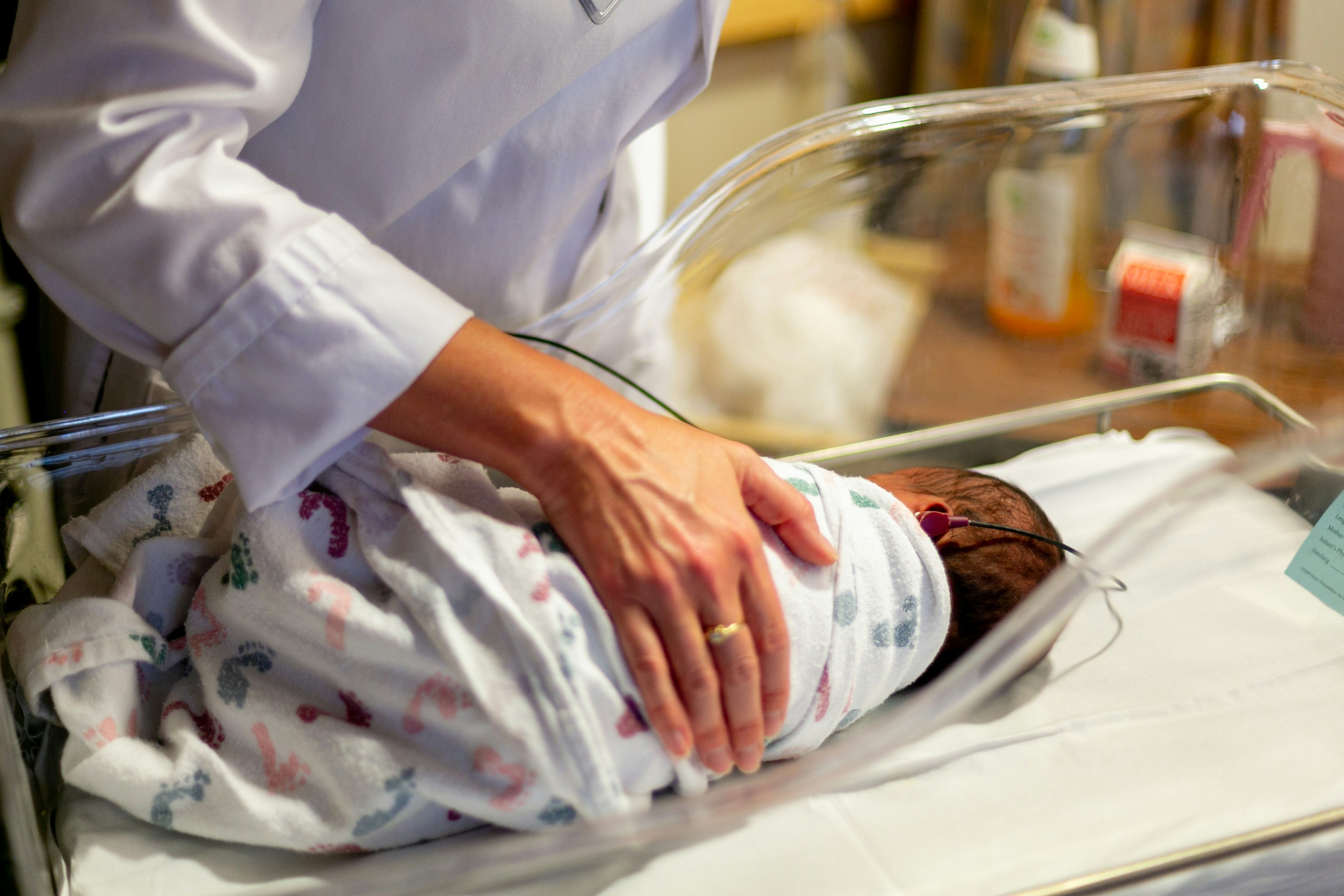
A woman wearing a white medical coat stands over an incubator with her hand on an infant swaddled in a blanket

Mental health struggles in her family background was one of the reasons Dr. Michano-Furlotte wanted to practice psychiatry. More recently, motherhood has been a new source of inspiration. "It makes you want to give back so that your children can have a better world." Even before becoming a mother, providing prenatal and postnatal mental health care for women was an important part of Dr. Michano-Furlotte's practice. "Motherhood is a huge transition hormonally, emotionally, and physically, especially if you already have mental health issues," she says. Photo Credit: Unsplash/Solen Feyissa

She was within six months of qualifying as family doctor when she did a rotation with psychiatrist Dr. Diane Whitney.

"I'd seen a lot of mental health struggles during my placements, and I was blown away by the therapeutic alliance Dr. Whitney formed with her patients and by the art of her words. I switched to psychiatry because I knew that I'd found my calling."

Now, Dr. Michano-Furlotte treats patients who come to her with conditions like acute psychosis, bipolar disorder, addiction, PTSD, and severe depression.

"It's a very stressful, but very rewarding profession," she says. "I wouldn't do anything else."

Local Farmers Count on Agricultural Expert Dr. Tarlok Singh Sahota

This Canadian Society of Agronomy Award Winner is Eager to Help

When northwestern Ontario farmers need advice, they turn to Dr. Tarlok Singh Sahota.

He's the director of the Lakehead University Agricultural Research Station (LUARS).

"I search throughout Canada for ideas to help local farmers and agribusinesses flourish," he says. "Rural communities have really rallied behind us."

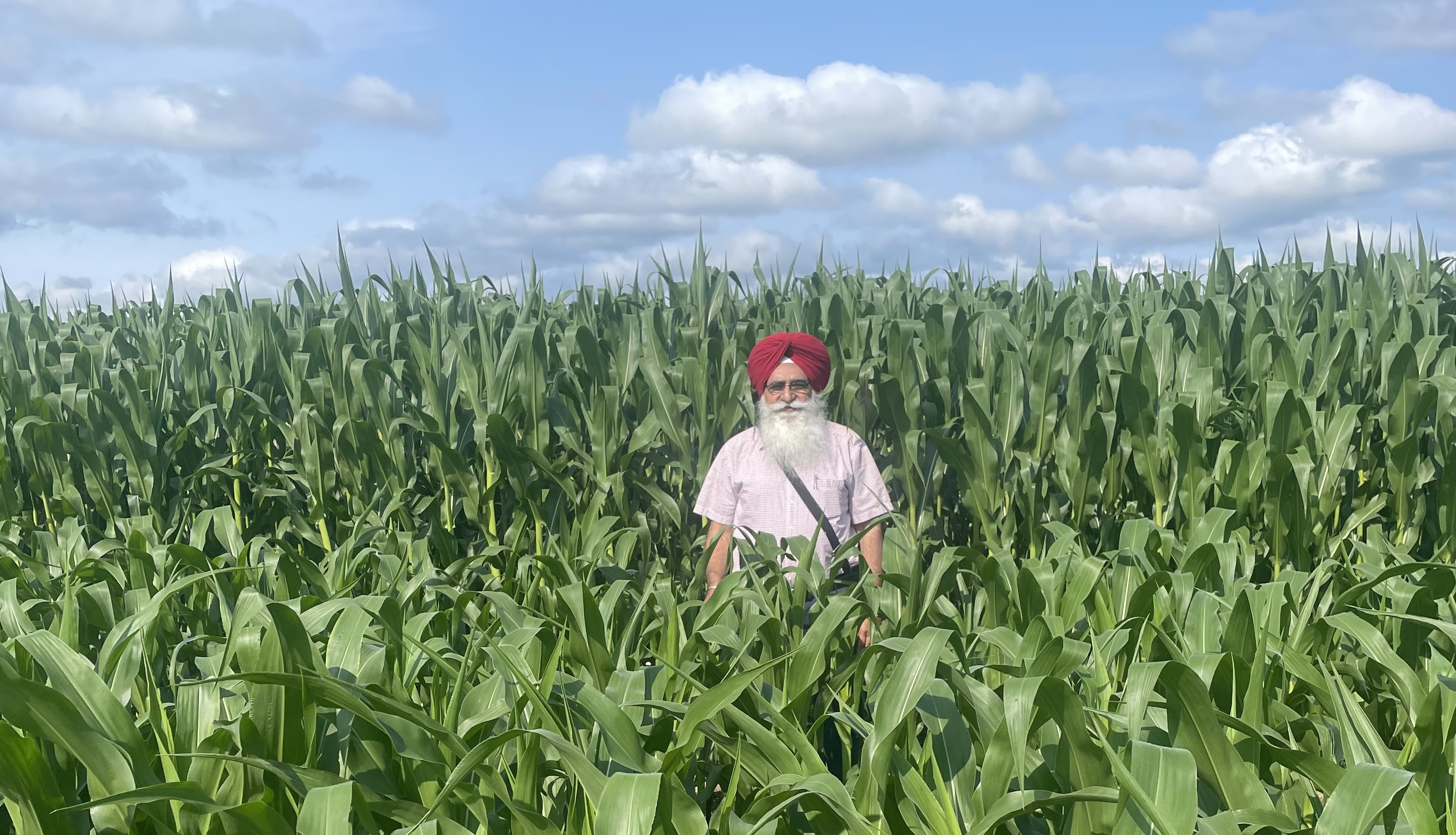
Dr. Tarlok Singh Sahota stands in a green cornfield on a summer day

Above, Dr. Singh Sahota demonstrates how plastic mulch can increase the yield of corn crops. The shorter corn plants in front of him were grown without plastic mulch while the taller plants behind him were grown with plastic mulch.

Dr. Singh Sahota has been with LUARS since 2004.

It's there, on the outskirts of Thunder Bay surrounded by the Nor'wester Mountains, that Dr. Singh Sahota conducts experiments and crop testing. He also takes the time to co-supervise graduate students in Lakehead's Faculty of Natural Resources Management and offers students experiential research opportunities.

If he's not at LUARS, he is likely to be out visiting farmers, assisting them with crop planning and troubleshooting.

A Farm Boy at Heart

Dr. Singh Sahota's love of agriculture has deep roots. Growing up, his family had a 10-acre farm in India's Punjab state.

"We grew corn, wheat, rice, sugar cane, cotton, and some foraging crops for cattle," he says.

"I did fieldwork after school, cultivating the fields with a pair of oxen. When I was in university, we got a tractor and I would go home on weekends to help my father and brothers with farm work."

Since then, Dr. Singh Sahota has garnered three university degrees and over 40 years of agricultural experience on four continents.

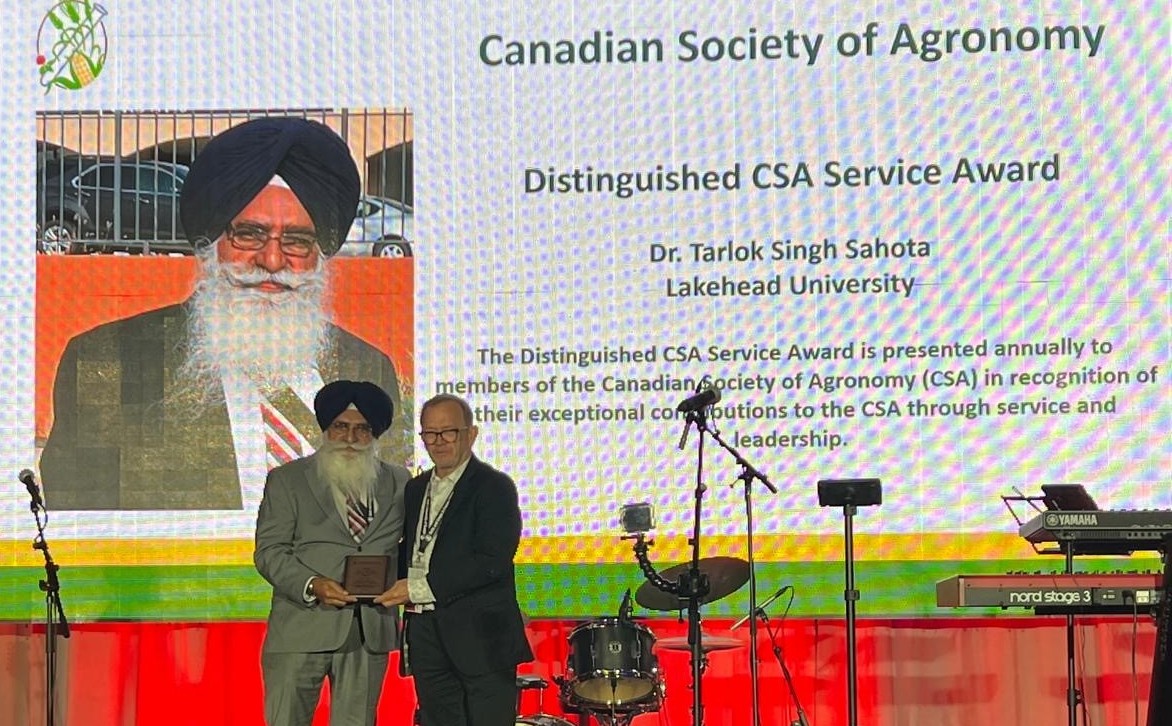
Dr. Tarlok Singh Sahota stands next to another man on a stage while holding an award plaque; behind them is a large screen with Dr. Singh Sahota's photo and text saying that Dr. Singh Sahota is the winner of the Distinguished CSA Service Award

 Dr. Singh Sahota at the 2026 Canadian Society of Agronomy award ceremony at the University of Guelph.

His achievements have earned him three awards from the Canadian Society of Agronomy (CSA).

He's the proud recipient of a 2018 CSA Fellow Award, a 2021 CSA Distinguished Agronomist Award, and on June 24, 2026, he received the inaugural Distinguished CSA Service Award.

The Distinguished CSA Service Award recognizes individuals who've demonstrated exceptional contributions to the CSA through dedicated service and leadership.

The North Faces Tough Agricultural Challenges

"Before I came to Thunder Bay, I knew the region had a short growing season because it's colder than other parts of Canada," Dr. Singh Sahota says.

Farmers also struggle with northwestern Ontario's shallow, rocky, and acidic soils.

That's why LUARS has two main focuses: improving fertilizer nutrient management and developing new high-yield disease-resistant crops varieties suited to the north.

"When I arrived, farmers were only growing foraging crops to feed their livestock," Dr. Singh Sahota says. "But I knew that by improving the soil fertility they could grow cash crops, too." Cash crops refers to crops that are planted with the intention of selling them after they've been harvested.

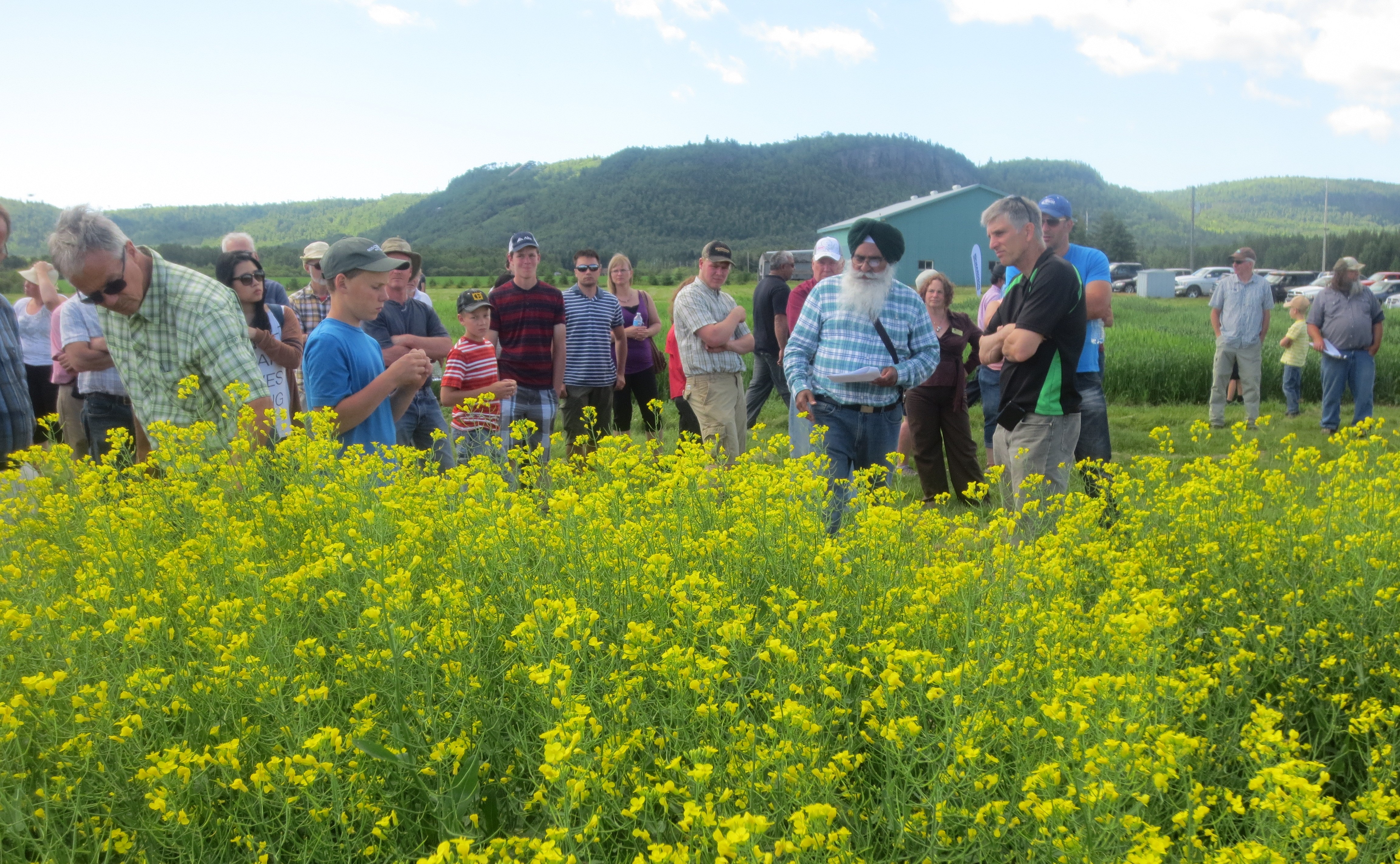
Dr. Tarlok Singh Sahota, holding sheets of paper, stands in front of canola plants with yellow flowers; a large group of casually dressed people surround him and mountains are visible in the distance

Dr. Singh Sahota has been responsible for many farming innovations in northwestern Ontario, such as encouraging disc harrowing in the fall and cultivation ploughing in the springtime. "Previously, farmers had been mouldboard ploughing in the fall," he explains. "By making this change, they were able to eliminate mouldboard ploughing in the fall and save 30-40% in fuel and time." Above, Dr. Singh Sahota gives farmers a tour of LUARS.

With Dr. Singh Sahota's guidance, local farmers have been successfully cultivating malting barley, winter wheat, winter rye, and canola among other cash crops.

"Winter wheat and winter rye are hardy crops that can be planted in September after the spring crops have been harvested. It's a way to create more income for farmers, and protect the soil," he adds.

Recently, Dr. Singh Sahota has been testing pink barley, black barley, and purple barley—varieties he chose because they don't have hulls and can be used as food for people.

If these varieties can adapt to northwestern Ontario's growing conditions, farmers will save time and money by eliminating dehulling from their harvesting process.

Healthy Soil Creates Healthy Crops

Nutrient deficiencies, which make crops unhealthy and more susceptible to disease, were a persistent problem that Dr. Singh Sahota has been able to address.

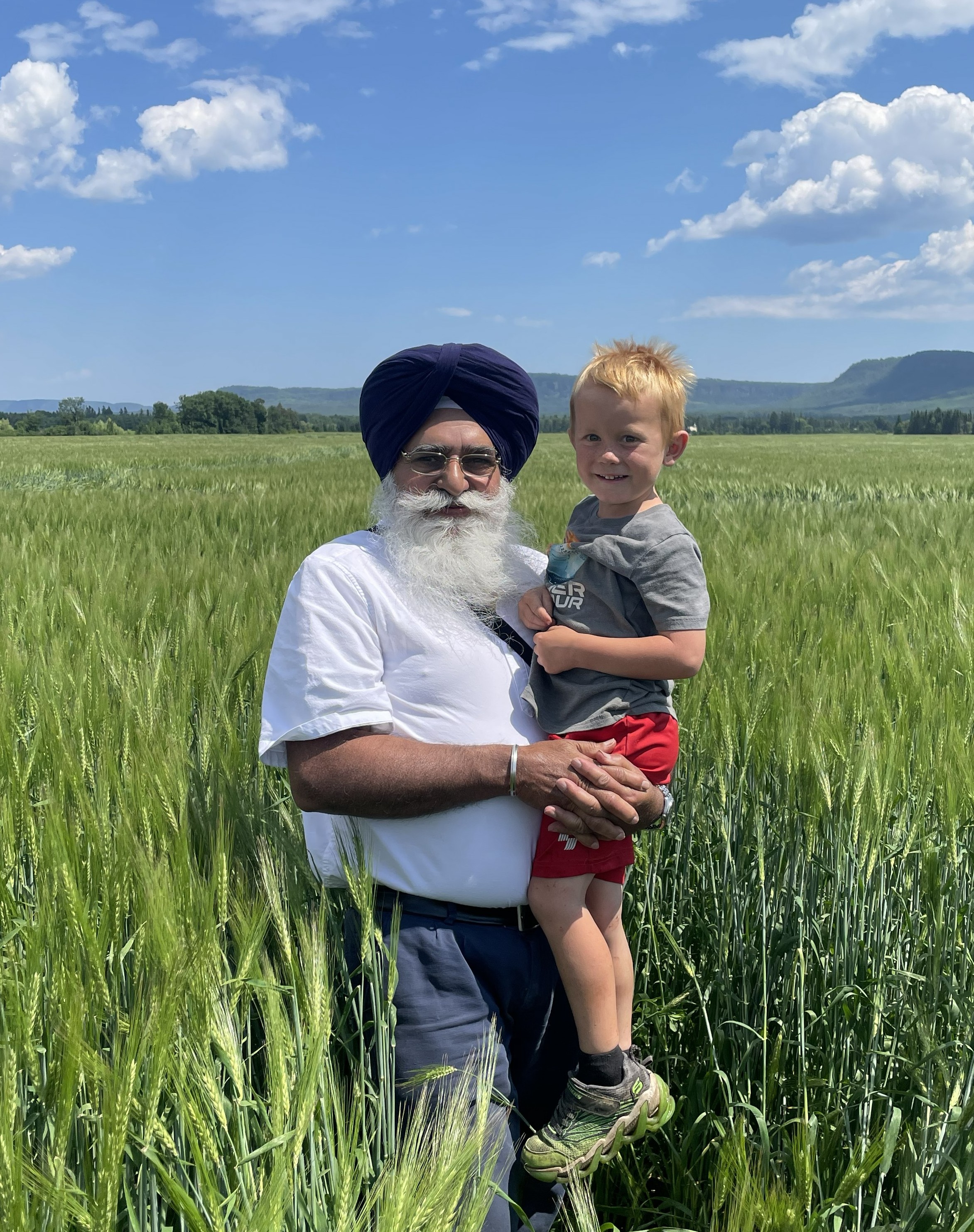
Dr. Tarlok Singh Sahota stands in a barley field on a sunny summer day and holds a small smiling boy in his armsDr. Singh Sahota convinced Richardson International, an agribusiness with grain elevators in Thunder Bay, to buy cash crops from local farmers. "I've found that western varieties of crops do better in Thunder Bay than southern Ontario varieties," he says. Above, he and a future farmer survey a barley crop at a local farm.

At his urging, farmers have switched to using an ammonium sulfate fertilizer to correct sulphur deficiencies, and they've improved their crop yields, especially for canola, by using a three-fertilizer blend developed by Dr. Singh Sahota.

They're also supplying their soil with micronutrients by spreading their fields with wood ash—an industrial waste product farmers acquire from Resolute Forest products.

"Our farmers now grow more than half a dozen crops, compared to southern Ontario where they usually grow just three crops: soybeans, corn, and winter wheat," Dr. Singh Sahota says.

The latest crop he's excited to be testing is called winter camelina. It's an oil-seed plant that can be used as sustainable jet-engine fuel, with the added benefit of protecting the soil in winter.

"My philosophy is that unless we try new crops, we'll never know if they can thrive here."

LUARS is funded in part by the Governments of Canada and Ontario under the Sustainable Canadian Agricultural Partnership (Sustainable CAP), a federal-provincial-territorial initiative administered by Agricultural Research and Innovation Ontario.

Watch Seeds of the North, a short documentary about the Lakehead University Agricultural Research Station.

Mohit Dudeja Part of National Team Awarded SSHRC Partnership Engage Grant

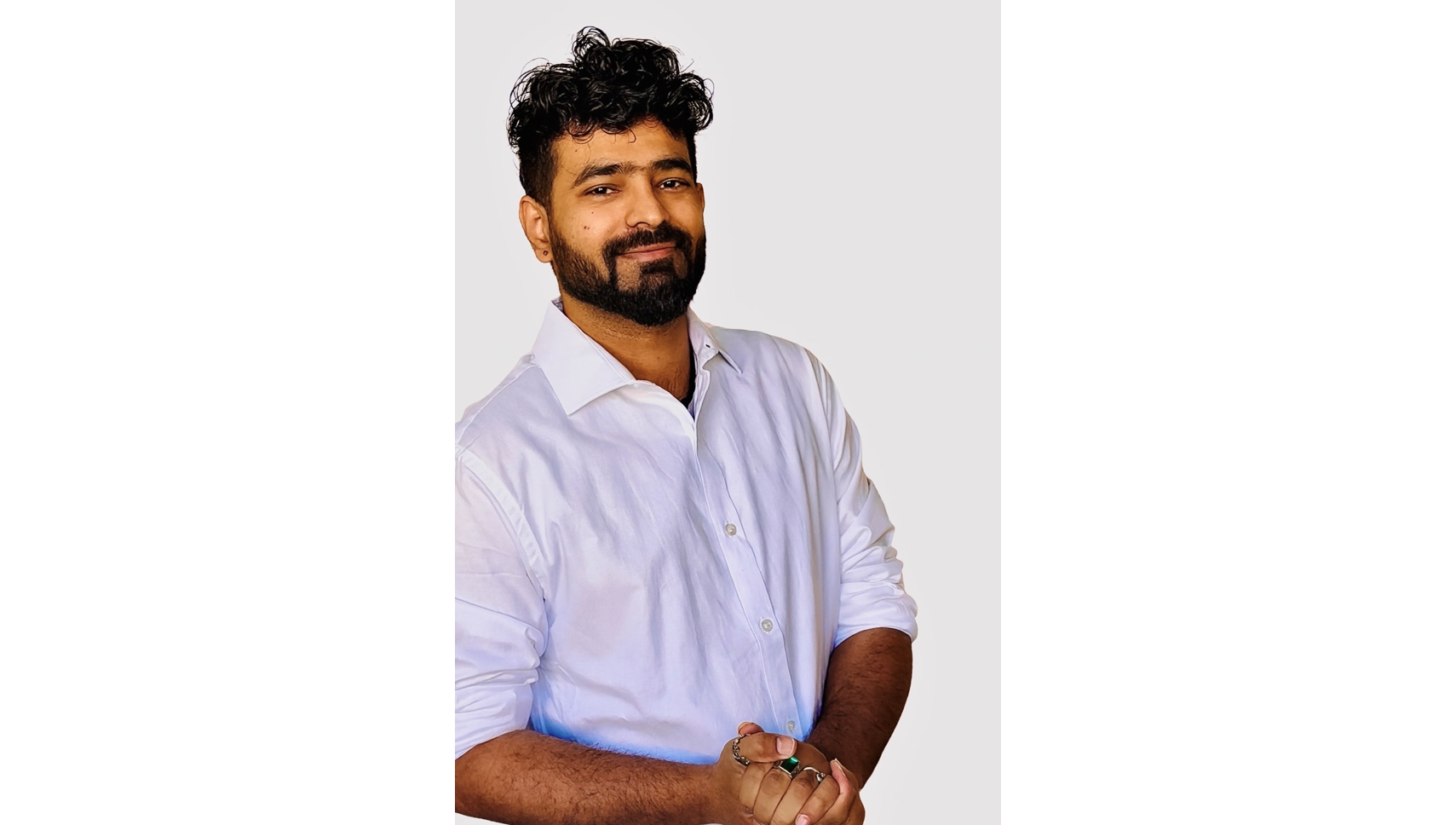
Dr. Mohit Dudeja (Contract Lecturer, Faculty of Education, Thunder Bay) is a collaborator and project lead on a national research team that has been awarded a Social Sciences and Humanities Research Council (SSHRC) Partnership Engage Grant. The one-year project will examine the experiences of racialized 2S/LGBTQIA+ international students in Canada and develop strategies to strengthen institutional supports for this student population.

The project brings together researchers and national partners from across Canada, working in partnership with the Canadian Bureau for International Education (CBIE) and supported by the Robarts Centre for Canadian Studies at York University. The research team includes Principal Investigator Dr. Jean Michel Montsion (York University); Co-investigators Dr. Kumari Beck (Education, Simon Fraser University), Dr. Ajay Parasram (History and International Development, Dalhousie University), and Dr. Roberta Soares (Education, University of Ottawa); and Collaborators Dr. Mohit Dudeja (Education, Lakehead University); Vedanth Govi (Anthropology, York University); and Rachel Poko (International Development, Independent scholar).  

The project will draw on findings from the 2025 CBIE International Student Survey and a series of stakeholder roundtables to identify the challenges faced by racialized 2SLGBTQIA+ international students. In Fall 2026, the research team will host a series of online public panels across Canada to discuss the survey findings and to engage higher education professionals, community organizations, student leaders, and other community members in discussions to understand the experiences of racialized queer and trans international students, and how institutions can better support this group of students as they navigate postsecondary education and life in Canada.

Although Canada is widely recognized as a welcoming destination for international students, many continue to encounter barriers that affect their sense of belonging, access to services, and overall well-being. Existing support systems often focus on providing either queer/trans-friendly services or ethnocultural community supports, leaving a gap for students whose experiences intersect across multiple identities in relation to racialization, ethnicity, gender identity and sexuality.

The project will produce practical resources to inform future policy and practice, as the research team will create a training workshop and policy brief for policymakers and higher education administrators interested in learning how to best support this group and foster more equitable and inclusive learning environments.

As the project lead, Dr. Dudeja will contribute to all stages of the research project, including the design of consultations, the selection of speakers, the analysis of regional roundtable findings and the development of project outputs.  

HIV Poetry Collection “Holding HIV: Poems of HOPE” Named 2026 International Book Awards Finalist

The poetry collection Holding HIV: Poems of HOPE has been named a Nonfiction: Cross-Genre Finalist in the 2026 International Book Awards. Hosted by the American Book Fest, the International Book Awards are a major literary contest that annually evaluates thousands of entries from mainstream and independent authors worldwide.

Authored by Dr. Pauline Sameshima (Professor, Faculty of Education), Emily Turner (Master of Education graduate), and Dazié Grego-Sykes (California-based poet, performer, and multidisciplinary artist), the collection brings together the voices of 27 community members in San Francisco who are living with or affected by HIV. 

Developed through the HOPE Research Collaboratory’s Community Arts Integrated Research program, the collection is rooted in participants’ narratives from an HIV cure research study that intentionally bridged scientific inquiry with creative expression.

Participants engaged in hands-on artistic processes, including sculpting clay “holders” in response to the “Block-Lock-Stop” epigenetic strategy, and reflecting on what excites them about a potential HIV cure as well as fears it raises. These discussions were then translated into poetry, capturing both deeply personal testimony and broader social realities, including concerns tied to recent reductions in U.S. federal HIV funding.

This marks the book’s additional recognition, following its 2025 finalist placement in the Literary Global Book Awards in four categories: Nonfiction – LGBTQ;  Nonfiction – Social Change;  Nonfiction – Best Cover Design; and Poetry – Nonfiction.

Endorsements of the recently published book highlight its significance. Dr. Patricia Defechereux (Community Engagement Coordinator of the HOPE Martin Delaney Collaboratory) wrote: “This is an amazing book! Dive in! Listen to the collective voice that weaves together humanity, anger, community, a sense of belonging, a deep lasting resilience, and above all, love.”

Paul Edmonds (The City of Hope Patient, cured of HIV through a stem cell transplant) wrote: “I am blown away by this powerful collection of poems—raw, honest, and unapologetic reflections from the San Francisco HIV community. It is a must-read for anyone who wants to better understand the complexities of the HIV journey.”

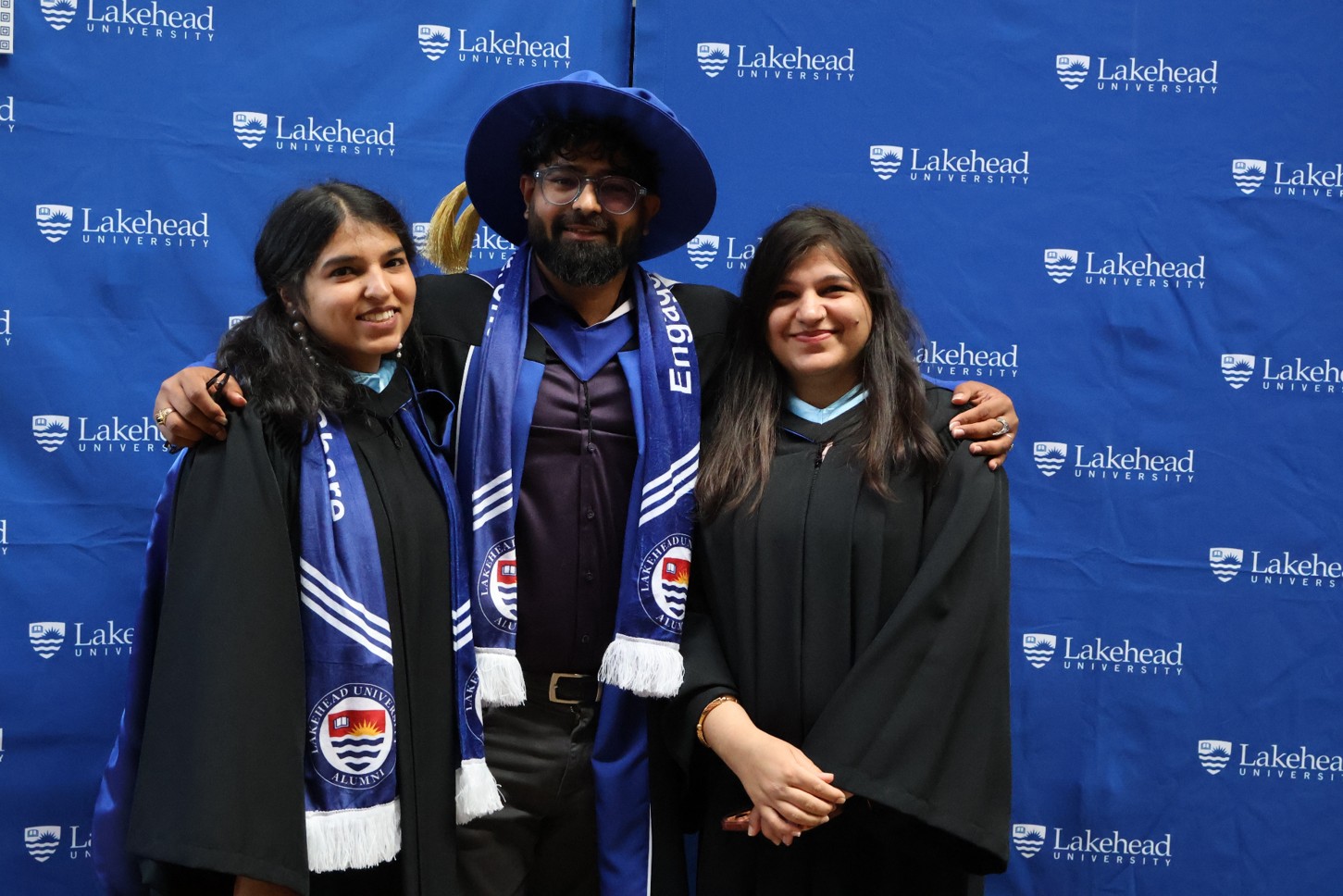
From Delhi to Lakehead: Three Siblings, One Faculty, and a Family Story Written Through Education

written by Sakshi and Manisha

For Sakshi, Mohit, and Manisha, graduating from Lakehead University’s Faculty of Education is not only an academic achievement. It is the continuation of a family story shaped by struggle, courage, sacrifice, and an unshakable belief in the power of education.

The three siblings were born in the slum communities of Delhi, India, into a financially marginalized family where daily survival often came before dreaming. Their father never had the opportunity to attend school. Their mother had to drop out of elementary school because she was a girl. In a family where formal education had been denied across generations, Sakshi, Mohit, and Manisha became the first generation ever to attend university.

“We could never imagine being where we are today, let alone seeing Mohit getting his doctorate and us getting our master’s degrees in Canada,” said Sakshi and Manisha.

Today, the three siblings share a remarkable connection: all three have graduated from Lakehead University’s Faculty of Education. Sakshi, the eldest, completed her Master of Education. Mohit completed his PhD specializing in Sociocultural and Political Contexts of Education. Manisha, the youngest, completed her Master of Education through the thesis route.

Their journey to Lakehead is a story of individual achievement, but even more deeply, it is a story of collective survival.

“We are a close-knit family and the biggest support for each other,” said Sakshi. “None of us could reach the point we are at today without each other.”

Mohit's Path

For Mohit, the road to education began early and without a map.

“I started working at the age of 14 and never stopped working since,” he said. “I had no guidance related to education and schooling, but I knew that the answer to my family’s and my struggles lay in education.”

That search eventually brought him to Lakehead University in July 2022.

"I came to Canada alone in July 2022 to begin my PhD. What began as excitement soon became loneliness, culture shock, and depression, and there were moments when the dream I had carried with me felt unbearably heavy. What helped me emerge from that darkness were exceptionally supportive people in our faculty and most specifically, my PhD supervisor, Dr. Gerald Walton, who not only pushed me forward during my most difficult days, but also became a constant source of motivation, care, and encouragement. From there, I began to find my location for healing in community and activism," said Mohit.

At Lakehead, Mohit became involved with Pride Central through the Lakehead University Student Union, served as Coordinator of the Multicultural Centre, and later became President of the Lakehead University Graduate Students’ Association. His advocacy grew into a broader commitment to international students, queer and trans students, and others navigating isolation, housing challenges, mental health concerns, and the transition to life in a new country.

That activism became inseparable from his scholarship. His doctoral research, titled “Canada-Here”: A Narrative Inquiry Into Queer International Students’ Experiences in Small-City Ontario, reflects his commitment to studying belonging, migration, gender, sexuality, and higher education. His academic and community work has been recognized through numerous honours, including Lakehead University’s President’s Award, the Teaching Innovation Award, the Ontario Graduate Scholarship, the OCUFA Henry Mandelbaum Graduate Fellowship, and Lakehead Leader Awards for three years in a row.

He is now teaching in the Faculty of Education as a lecturer while preparing for the next stage of his academic career.
graduation photoSakshi: Building a New Life

Mohit’s Lakehead journey did not end with his own degree. In many ways, it opened a door for his sisters.

Sakshi arrived in Thunder Bay in May 2024 with her husband and daughter to pursue her Master of Education. Many international students arrive in Canada alone and face uncertainty around housing, belonging, employment, and community. Sakshi said Mohit had already created a foundation for her family.

“It is only because of my brother that I could come to Canada, study at Lakehead, and achieve so much more,” she said. “We had a home ready to welcome us right on arrival.”

Before coming to Canada, Sakshi had been working as an Administrative Manager. Upon arriving in Canada, she began learning about Indigenous histories, cultures, and lived realities, learning that she described as powerful and humbling.

While balancing graduate studies, motherhood, part-time work, and family responsibilities, she served in leadership roles, participated in committee discussions, and gained insight into university governance, collaboration, and community engagement. She is now working as an administrative assistant with a Thunder Bay-based organization and has also started her own business providing products and services to local businesses in the city.

Manisha: Following the Path

Manisha’s path to Lakehead was shaped by curiosity, hesitation, and eventually, love for the place she would come to call home.

Before arriving in Canada, she completed a Bachelor’s degree in Philosophy and a Master’s degree in Philosophy from the University of Delhi, followed by a Master of Arts in History. While studying history, she also worked as a Business Development Manager before deciding whether to fully commit to an academic path.

“I was not sure if I wanted to move to Canada,” Manisha said. “My brother Mohit invited me in June 2024 as a visitor to experience it first, and I fell in love with Thunder Bay. I am forever grateful to my brother for carving this path for me.”

As the youngest sibling, Manisha sees her journey as one made possible by the care and sacrifices of Sakshi and Mohit.

“I am the youngest, and my siblings always cared for me in such a way that I never had to face the challenges they did,” she said.

At Lakehead, Manisha completed the Master of Education thesis program. She arrived with the intention of eventually pursuing a doctorate in education, a goal that remains central to her future. She credits Lakehead with strengthening her as a researcher and especially acknowledges her thesis supervisor, Dr. Lori Chambers, whose mentorship, patience, and feedback helped her complete her thesis successfully.

“The best thing Lakehead gave me was Dr. Chambers’ guidance,” Manisha said. “Her patience and regular feedback helped me grow as a researcher and strengthen my research.”

A Shared Achievement

Across their three journeys, Sakshi, Mohit, and Manisha represent different dimensions of education: education as survival, education as research, education as activism, education as family responsibility, and education as a pathway to dignity.

What began in Delhi, in a family where dreams were often constrained by daily survival, has now reached Lakehead University’s Faculty of Education in Thunder Bay. One sibling earned a PhD. Two earned master’s degrees. All three found, in education, a language for transformation.

For Sakshi, Mohit, and Manisha, Lakehead became more than a university. It became a place where a family’s long journey through struggle, migration, scholarship, and love could be recognized as something powerful: a shared achievement, a collective graduation, and a reminder that education can change the future of an entire family.

“What was especially an honour for us was that our mother witnessed us graduate on the same day, all together.”  

LivingWorks safeTALK Workshop

LivingWorks safeTALK is an in-person workshop where you’ll learn how to be more alert to someone thinking of suicide, how to reach out to them, and how to help them keep safe by promptly connecting them to further support.

Grow Your Own Lecture Series

Are you interested in learning more about how to grow your own food both indoors and outdoors? If so, this fully online lecture series is for you! The Grow Your Own Series, as heard last year on CBC's Ontario Morning with Mary Ito, had a successful first run in the summer of 2025. Take advantage of our competitive pricing and explore various concepts, ranging from physical science to design and creative innovation, with an overarching goal of empowering participants to grow their own food within the context of a changing Canadian climate.

National Indigenous Peoples Day Powwow

Come visit the National Indigenous People Day Powwow on June 21, 2026 at Anemki Wajiw Powwow Grounds (Mount McKay).

Sunrise Ceremony  with Elder John Gagnon - 5:30am

Opening Ceremonies - 12pm

Grand Entry - 1pm

Feast - 5pm

Parking is located at Fort William First Nation Arena with Bus Services to the Powwow grounds

Pages

Subscribe to Indigenous