


Dr. Zoe Michano-Furlotte Conquered Self-Doubt and Found her True Passion
This Alum's Path to Being a Psychiatrist Started at Lakehead
"No one in my family went to university, so the idea that I would go seemed farfetched," says alum Dr. Zoe Michano-Furlotte (BScN'11, MD'16).
Despite her skepticism, she completed 10 years of medical school and residency training to become a psychiatrist who excels at helping people in crisis.
Dr. Michano-Furlotte—a member of Biigtigong Nishnaabeg First Nation—grew up in the small town of Caramat in northwestern Ontario.
She says that without her family's belief in her, she'd never have embarked on her postsecondary journey. "My mom, dad, sister, and my husband have been very supportive. And my two grandmothers have been my constant cheerleaders—I think they've told everyone they know that I'm a doctor."
A Leader in Mental Health Care
Dr. Michano-Furlotte is a staff psychiatrist offering acute care psychiatric services and outpatient therapy to people throughout northwestern Ontario.
"I've been working with an amazing team at the Thunder Bay Regional Health Sciences Centre for the past four years. They provide emergency psychiatry as well as other forms of acute psychiatric care," she says.
"I feel extremely grateful to do what I do—I continue to learn every day."
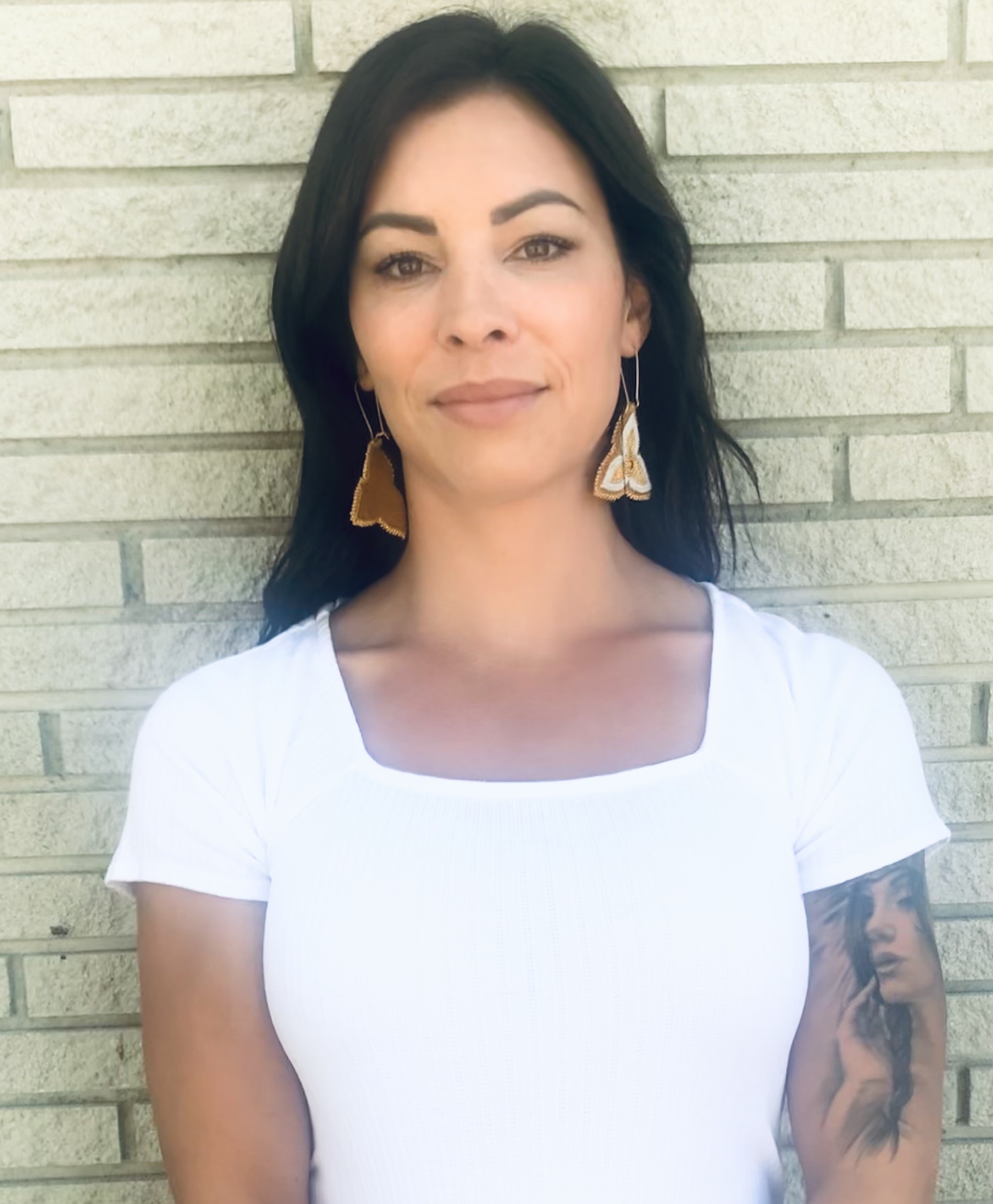 “My mom was my main supporter and provided balance in my life,” says Dr. Michano-Furlotte (pictured left). “She was a hard worker who was an early education assistant and a labourer at the local paper mill. Her resilience and determination drove me to do what I wanted to do.”
Although her road to medical school wasn't straightforward, Dr. Michano-Furlotte's decision to stay in the north was.
Early on in her Lakehead education, she resolved to provide care to Indigenous people and communities, especially remote communities contending with challenging conditions.
"A lack of clean water, nutritious food, adequate housing, and schools has had damaging effects on their mental and physical wellbeing," she says.
The situation is compounded by the fact that community members must travel great distances to get basic health care, and mental health counselling is often entirely out of reach. "I wanted to help change that."
Stepping into the Unknown
In 2007, a university education was the furthest thing from Dr. Michano-Furlotte's mind. Instead, she'd applied to nursing and social work programs at a college in Thunder Bay.
It was while waiting to hear if she'd been accepted that fate intervened.
"My mom handed me a copy of Wawatay News and pointed to an ad in the newspaper for Lakehead University's Indigenous Nursing Entry Program. She said, 'You should apply,'" Dr. Michano-Furlotte recalls.
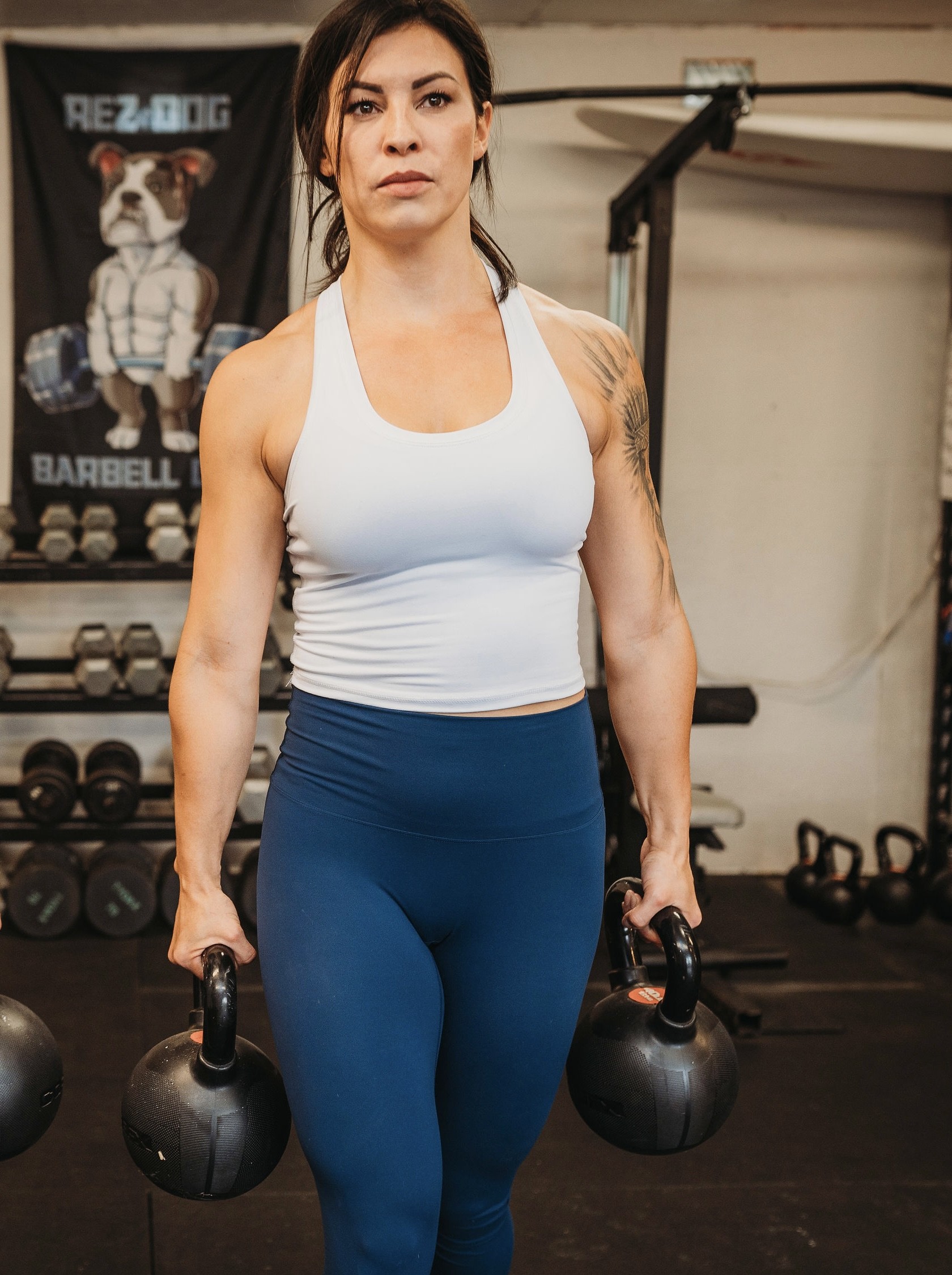
Dr. Michano-Furlotte's interest in health is longstanding. As a child, she loved sports and exercise and by the time she was in high school, she hoped to be a nurse or a social worker. She also earned a Fitness and Health Promotion diploma from Fanshawe College before coming to Lakehead.
The Indigenous Nursing Entry Program (INEP) is an eight-month bridging program for First Nations and Métis students who'd like to become nurses, but who don't yet meet all the requirements for Lakehead's Bachelor of Science in Nursing (BScN) program.
The purpose of INEP is to give students the skills and qualifications to transition into the BScN program and ensure that successful graduates are guaranteed a spot in the nursing degree program.
Even though she was afraid she didn't have what it took to be a university student, Dr. Michano-Furlotte decided to enrol.
A first-year introductory psychology elective changed her mind about her abilities. She went into the course almost certain she'd fail, but when final grades were released, she discovered she'd earned 94%.
The experience gave her confidence, and she went on to join Lakehead's nursing program, completing her degree in three years.
After graduating, she was hired as an acute care nurse at the Thunder Bay Regional Health Sciences Centre. A year later, she applied to the Northern Ontario School of Medicine (NOSM), which at the time was part of Lakehead University.
NOSM recognized her talent and her commitment to helping others, and she got in on her first try.
Hope and Support for People at their Most Vulnerable
Dr. Michano-Furlotte chose NOSM's family medicine stream and did several clinical placements in northern Ontario, including Summer Beaver, Attiwasipkat, her hometown of Greenstone, and Sioux Lookout.
"During my training, I became more connected with my culture, and being with other Indigenous students was transformative for me," she says.
She spent extra time in Sioux Lookout doing obstetrics, concerned by a huge gap in pregnancy care. "I loved it and I delivered 42 babies, however, my life path led me in another direction."
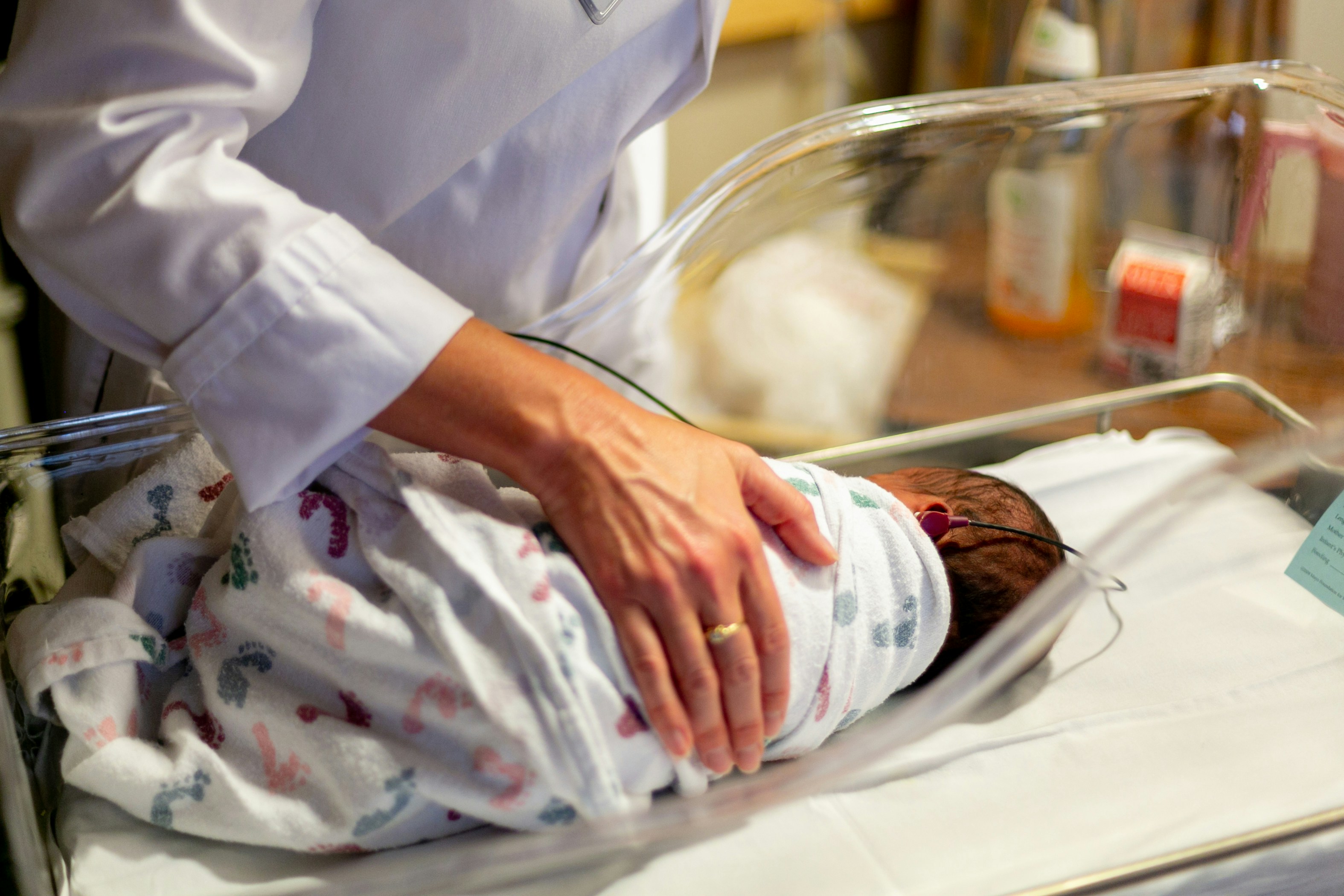
Mental health struggles in her family background was one of the reasons Dr. Michano-Furlotte wanted to practice psychiatry. More recently, motherhood has been a new source of inspiration. "It makes you want to give back so that your children can have a better world." Even before becoming a mother, providing prenatal and postnatal mental health care for women was an important part of Dr. Michano-Furlotte's practice. "Motherhood is a huge transition hormonally, emotionally, and physically, especially if you already have mental health issues," she says. Photo Credit: Unsplash/Solen Feyissa
She was within six months of qualifying as family doctor when she did a rotation with psychiatrist Dr. Diane Whitney.
"I'd seen a lot of mental health struggles during my placements, and I was blown away by the therapeutic alliance Dr. Whitney formed with her patients and by the art of her words. I switched to psychiatry because I knew that I'd found my calling."
Now, Dr. Michano-Furlotte treats patients who come to her with conditions like acute psychosis, bipolar disorder, addiction, PTSD, and severe depression.
"It's a very stressful, but very rewarding profession," she says. "I wouldn't do anything else."
