
Weston Family Foundation: Information Webinar (Rapid Response 2026: Biomarkers Program)
|
| |||||||||||||||||||
|
| |||||||||||||||||||
Message to researchers:
In response to the growing need for responsible artificial intelligence (AI) and resilient supply chains, and to support sustainable growth in emerging technologies, the Natural Sciences and Engineering Research Council of Canada (NSERC) and the National Science and Technology Council of Taiwan (NSTC) are pleased to launch a new joint call for proposals on semiconductors and AI.
This call aims to promote collaborative research projects that address fundamental challenges and explore cutting-edge applications at the intersection of semiconductors and AI. Through these joint projects, NSERC and NSTC will leverage the unique expertise and resources of the academic research communities based in both Taiwan and Canada.
Proposals should focus on at least one of the following areas of research:
Please refer to the NSERC-NSTC call for proposals on semiconductors and AI for more information. NSERC will be managing the peer-review process for this initiative. Through a lead agency model, the Canadian principal applicants must submit a letter of intent to NSERC on behalf of the Canada-Taiwan team by March 25, 2026, before 8 pm (ET).
NSERC will host information sessions on how to submit your application for this call. Please note that we are using MSTeams and that you must register for the session ahead of time using the links below.
These information sessions will cover the objectives and the scope of the call, the application and evaluation processes, as well as the timelines to submit.
If there are questions you would like addressed during the session, submit them in your registration form, at least one week in advance.
Due to security and privacy concerns, the use of AI chatbot technology will not be permitted during these meetings.
English Session: Wednesday, February 18th, 2026; 1:00 pm – 2:00 pm Eastern Time (ET) https://events.teams.microsoft.com/event/7d66a2f4-5150-412e-8f17-d969209f1502@fbef0798-20e3-4be7-bdc8-372032610f65
French Session: Tuesday, February 17th, 2026; 11:00 am – 12:00 pm (ET) https://events.teams.microsoft.com/event/fd7db274-c310-4e2d-9210-ea7069175030@fbef0798-20e3-4be7-bdc8-372032610f65
If you have any questions, please contact taiwan@nserc-crsng.gc.ca.
Public Safety Canada just announced their 2026 Safeguarding Science training series from January through March. These aren't your typical compliance webinars—they address the real-world scenarios you're probably already facing in your research partnerships and grant applications.
Who Should Attend: Faculty, postdocs, graduate students, research staff, and administrators across all disciplines. These sessions provide knowledge that protects your grants, partnerships, and intellectual property.
Full details on all Safeguarding Science Training Modules can be found on their website, along with details for attending the French language versions of each module.
Questions about which modules apply to your research? Contact Andrew (security.research@lakeheadu.ca)
CIHR will be hosting the following webinar to support participants with the requirements of the funding opportunity “Team Grants: Healthy Youth (2025)” and to answer questions on how to apply.
When: Thursday, January 29, 2026, at 12:00 PM ET | Join
Duration: 90 minutes
Language: English presentation followed by a period of questions and answers in both official languages, English and French

This presentation examines how cross-institutional collaboration shaped the development of Thunder Bay’s Community Indicator Framework (CIF). Led by the City through CityStudio, the CIF aligned municipal, academic, and community partners to build a shared evidence base supporting Community Safety and Well-Being priorities and coordinated responses to complex community challenges. This event is hosted by NOSM University, Lakehead Health Sciences & Confederation College.
Dr. Helle Møller is an Associate Professor in the Department of Health Sciences at Lakehead University. Her work spans the determinants of health, social justice, and equity, with particular attention to perinatal people, people on the female continuum, and Indigenous communities in northern, rural, and remote regions.
Gustavo Petterle is a Professor of Health Informatics and Healthcare Administration at Confederation College and a PhD candidate in Health Sciences at Lakehead University. His work focuses on AI-enabled evaluation, analytics strategy, and participatory governance, including the co-development of a Community Indicator Framework (CIF) to support evidence-informed planning, innovation, and community impact.
Christina Foresto is a professor of Health Informatics at Confederation College. With a background in health analytics and biostatistics, her passion lies in leveraging data and digital tools to support evidence-based decision making in healthcare settings. Most recently, her work has centred around community-based data initiatives in Northwestern Ontario.
Louisa Costanzo is the Community Safety and Well-Being Manager for the City of Thunder Bay. Her work centres relationships, shared learning, and the thoughtful use of data and lived experience to support equity-informed, human-centred approaches that help communities turn insight into action.

This presentation shares lessons from the CityStudio Thunder Bay pilot, highlighting the “magic” behind effective Community Service Learning. Drawing on faculty, student, and community experiences, it demonstrates how well-designed CSL projects enhance student learning while delivering meaningful, real-world value for community partners. This event is hosted by Karen Kerk, CityStudio Thunder Bay, NOSM University.
Karen Kerk (MSW) is the CityStudio/CCE Coordinator for the City of Thunder Bay, where she leads collaborative projects between the City, post-secondary institutions, and community partners. Through CityStudio, she supports experiential learning and community-based research that engages students and faculty in addressing real-world municipal priorities across sectors.
Dr. Helle Møller is an Associate Professor in the Department of Health Sciences at Lakehead University. Her work spans the determinants of health, social justice, and equity, with particular attention to perinatal people, people on the female continuum, and Indigenous communities in northern, rural, and remote regions.
Kristina Baraskewich is a marketing and communications leader with industry and academic experience. Formerly with Comark Inc. and Firedog Communications, she specializes in strategy, project management, and training. Now a post-secondary instructor and Program Coordinator of Business Marketing at Confederation College, she contributes through leadership, advisory roles, and community service across Northern Ontario and beyond.
Louisa Costanzo is the Community Safety and Well-Being Manager for the City of Thunder Bay. Her work centres relationships, shared learning, and the thoughtful use of data and lived experience to support equity-informed, human-centred approaches that help communities turn insight into action.

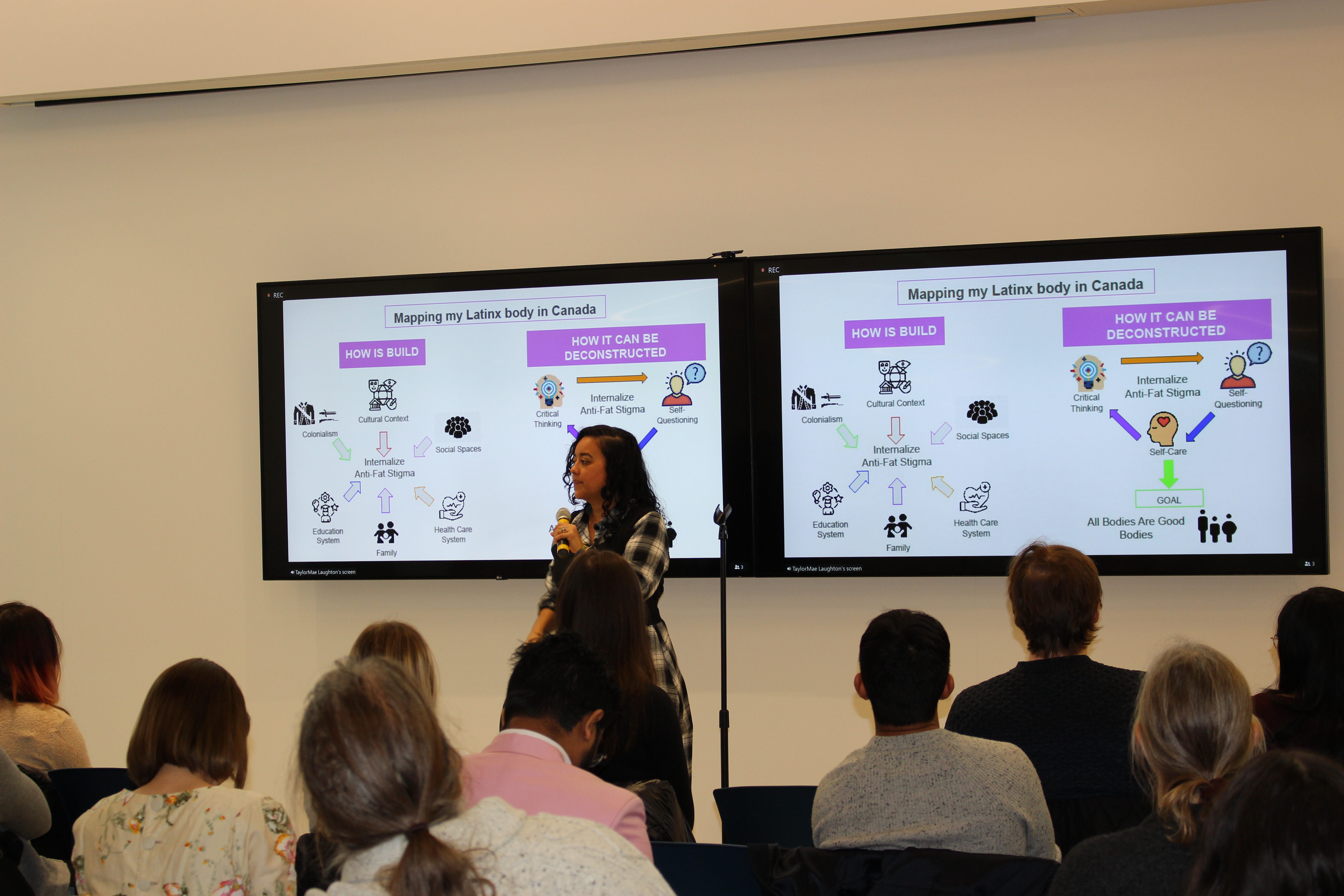
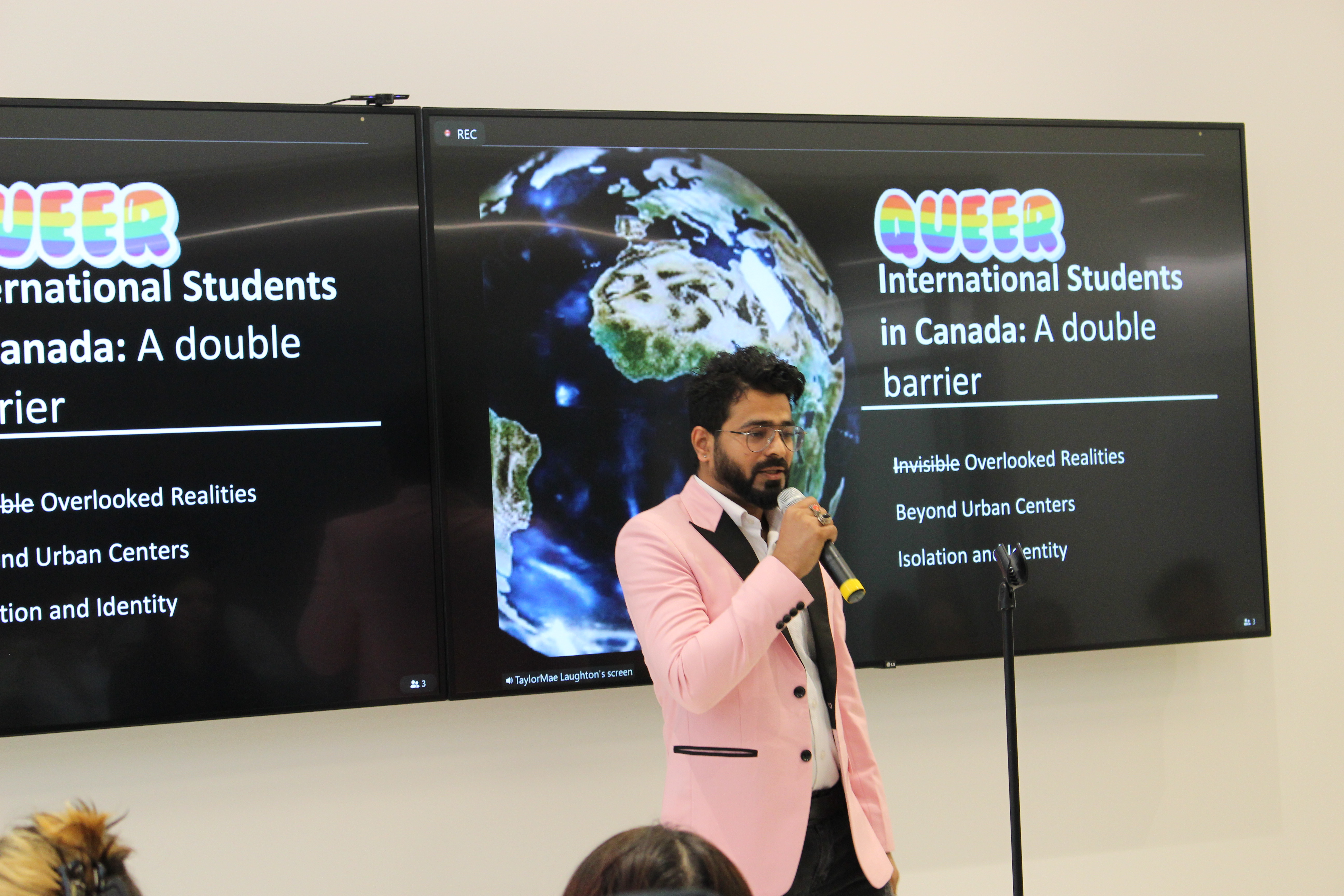
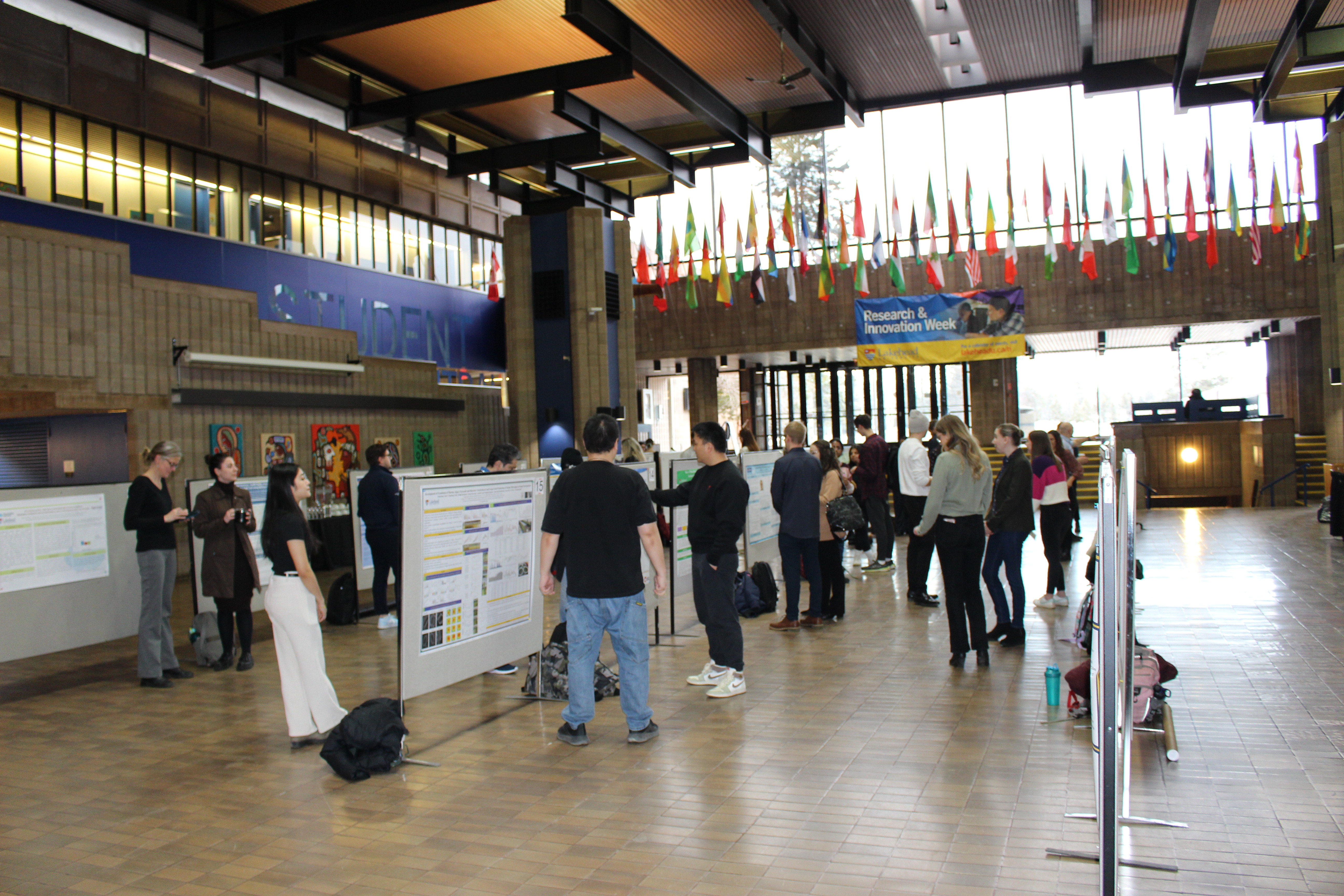
Students from all graduate programs are invited to present their research and compete with their program colleagues in a poster presentation in person on the Thunder Bay campus. Date of Competition: Tuesday, February 24, 2026 from 9:00 AM - 11:00 AM
To register for this event (by February 6, 2026), please click here.
CIHR is hosting the following webinar to support participants with the requirements of the funding opportunity “Spring 2026 Project Grant” and to answer questions on how to apply.
Duration: 60 minutes
When: Thursday, January 22, 2026 at 11:00 AM ET | Join
Statistics Canada is pleased to host a virtual webinar on data analysis and access related to 2SLGBTQI+ data, in support of the Canadian Institutes of Health Research's (CIHR) "Advancing 2SLGBTQI+ Health Through Research" funding opportunity.
Participants will hear directly from Statistics Canada's subject matter, access, and methodology experts, who will discuss approaches to measuring and reporting on the 2SLGBTQI+ population. Topics will include key variables, data sources, terminology, and existing data gaps. The session will also provide guidance on options for accessing both aggregate data and microdata.
When: January 14, 2026, 1:00-2:30 PM ET | Register
Duration: 90 minutes
Language: English presentation