



Lakehead Researchers Welcome Community Members to Practice Anishinaabe Law and Governance
Published in The Chronicle Journal on February 18, 2026
By EMILY DONTSOS
Over the course of a weekend in early October 2025, more than 75 people—knowledge holders, students, faculty members, and community members—gathered at Lakehead’s Bora Laskin Faculty of Law in downtown Thunder Bay on the traditional territory of Anemki Wajiw (Fort William) First Nation.
Together, they spent the weekend processing a moose hide, creating jewellery from bone, rendering bear fat, engaging in storytelling, and learning about Indigenous languages. But above all, they were invited to simply be there: to drop in, share food, and be part of a community.
For Assistant Law Professor Larissa Speak and Dr. Leigh Potvin, who organized the event, the gathering was at the heart of their latest collaborative research project to explore and practice the principles of Anishinaabe law and governance.
In fact, the gathering itself was the research.
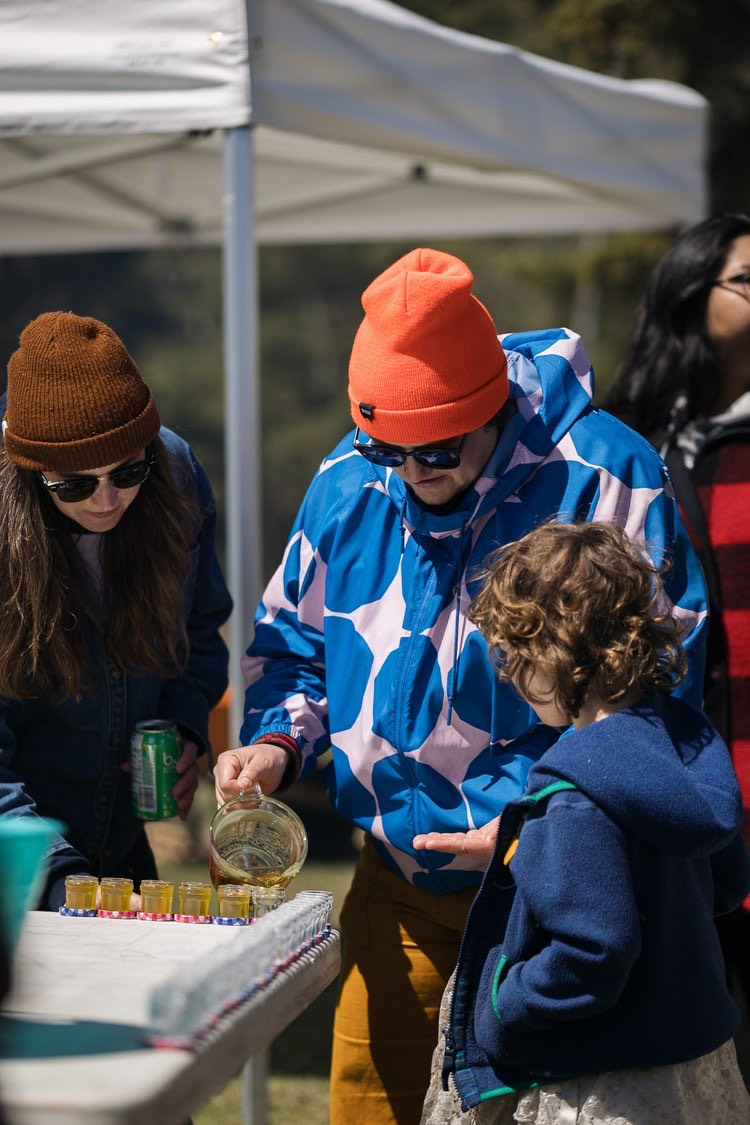
Larissa Speak, left, and Dr. Leigh Potvin, right, pour poplar bud salve into jars at a hide gathering. Photo credit: Patrick Chondon, Chondon Photography
“Our deliverables are to cultivate relationships, provide opportunities for students to learn from knowledge holders, and build community,” says Dr. Potvin, an associate professor and director of Lakehead’s School of Outdoor Recreation, Parks, and Tourism. “It’s about elevating Anishinaabe ways of knowing and doing.”
The project also provides an example of collaboration between Anishinaabe and settler researchers. Professor Speak is Anishinaabe and a member of Fort William First Nation. Dr. Potvin is a settler of French and British ancestry who also has roots in Thunder Bay.
Building Relationships as an Expression of Indigenous Law
The October event was the second hide tanning gathering hosted by Professor Speak and Dr. Potvin as part of an ongoing research collaboration funded by the Social Sciences and Humanities Research Council (SSHRC).
As friends and colleagues, the two scholars share the goal of decolonizing research and education by creating opportunities for students, faculty, and community members to engage in land- and relationship-based learning—principles that are core to Anishinaabe law and governance.
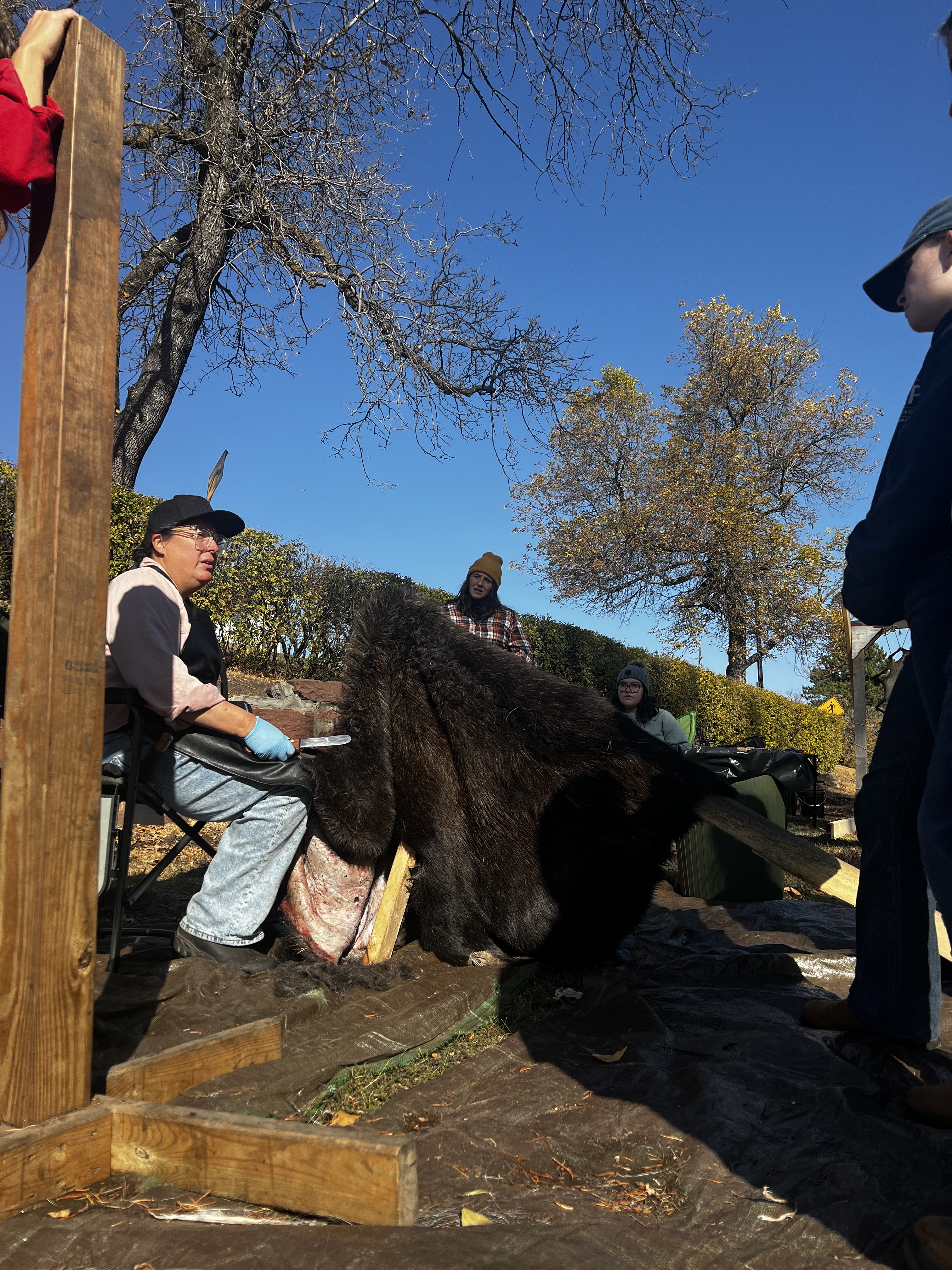 The idea took root when Professor Speak, who is also the co-director of the Faculty of Law’s Mino-waabandan Inaakonigewinan Indigenous Law and Justice Institute, began attending community hide tanning camps at Fort William First Nation and saw these principles in practice.
“Hide tanning gatherings aren’t just cultural events; they’re expressions of Anishinaabe law and governance, which is about relationships—including with our animal relatives,” says Professor Speak. “They’re about caring for each other, for the land, and for the moose.”
Together, Professor Speak and Dr. Potvin—who is particularly interested in decolonizing outdoor recreation programs by collaborating with Indigenous partners—secured support from SSHRC to bring the power of hide tanning to the Lakehead community.
Jean Marshall teaching with a hide.
Doing, Listening, and Creating Together
The 2025 event was held at the same site as last year’s event to honour a key principle of Anishinaabe law and governance.
“You always return to the same place to continue strengthening relationships and to make your presence known to the land,” explains Professor Speak.
The urban location was also intentional. “We wanted to show that cities are Indigenous lands too, that Indigenous law, culture, and governance belong everywhere. We don’t only have to go to the bush to practice our laws.”
With a moose hide offered by Jeordi Pierre, a hunter, Fort William member, land-based educator, and friend, hide-tanning activities were led by local knowledge holders and hide tanners Jean Marshall and Shelby Gagnon. The gathering was also supported by elders Charlotte Marten and Andrew Mandamin, as well as hide tanner Belmo.
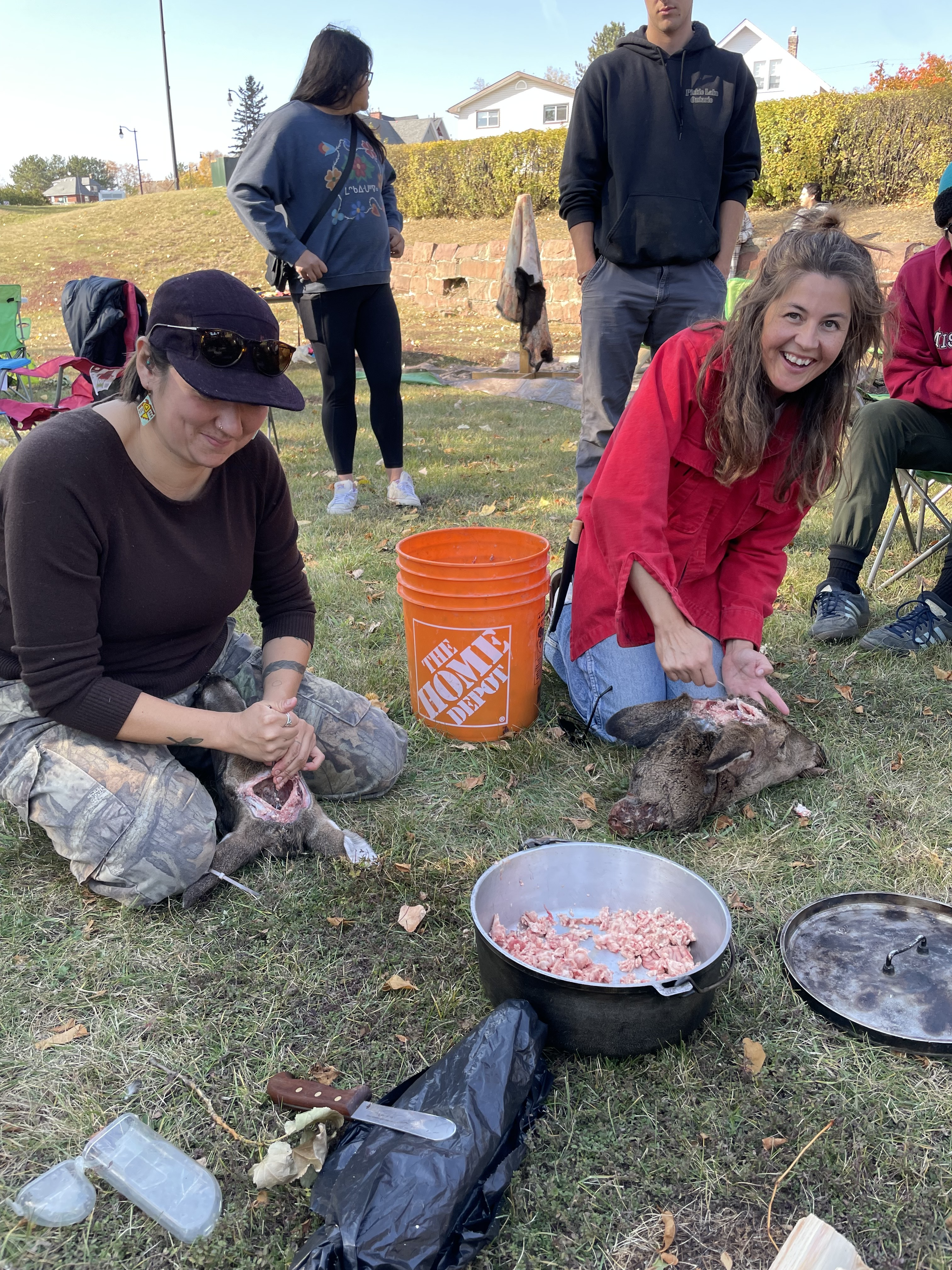
Hide tanner, Shelby Gagnon with Speak
Participants were invited to move between different stations to engage with the hide-tanning process, sit in circle with elders, and learn through doing, listening, and creating.
“This work is not possible without the generosity of knowledge holders. Charlotte, Andrew, Jean, Shelby, and Belmo are all so knowledgeable and they are open to sharing with everyone,” Professor Speak says. “At these gatherings, these individuals breathe life into Anishinaabe practices and traditions. Leigh and I are so happy to work with them and to have them as friends.”
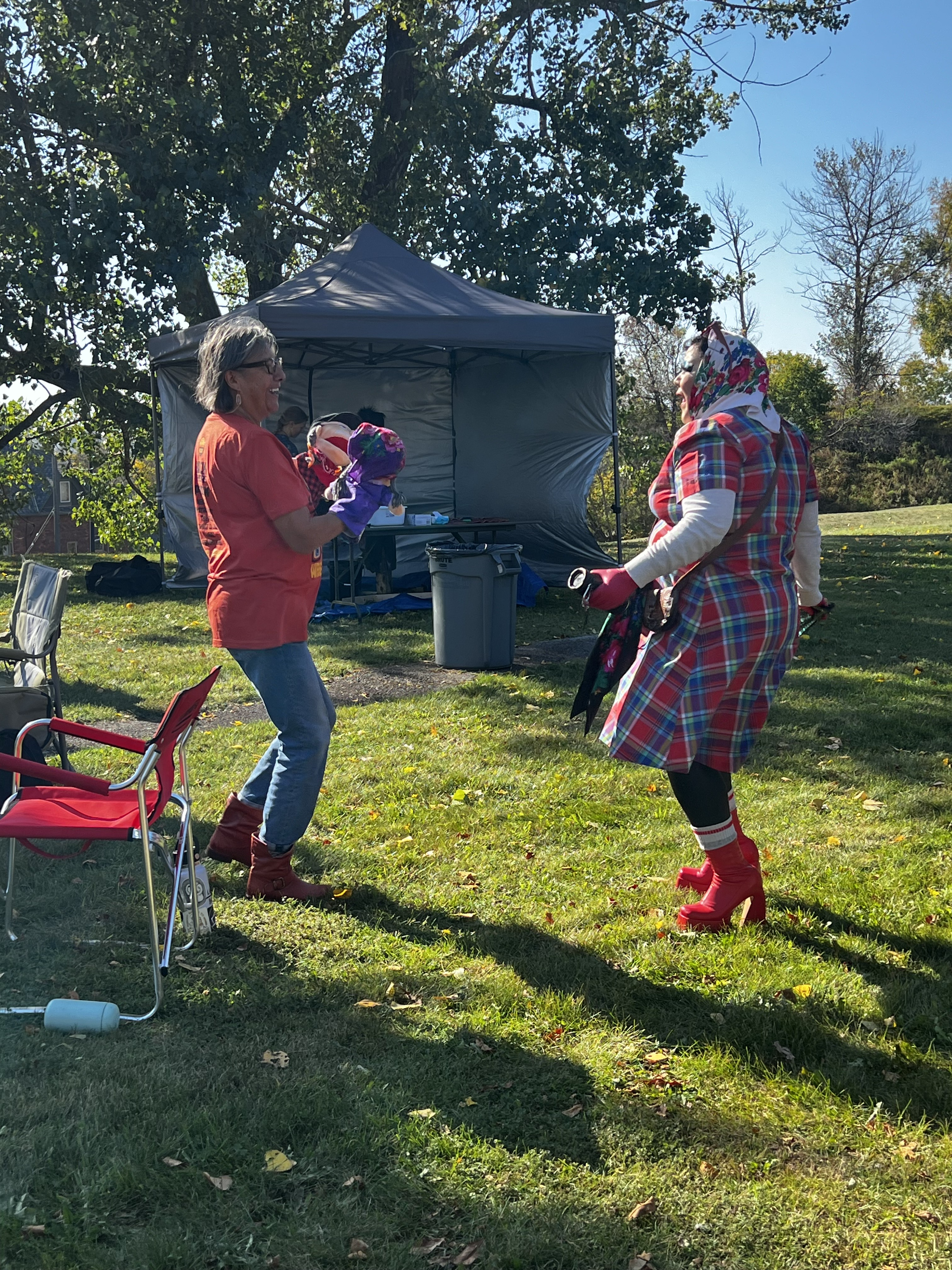 People of all ages and from all walks of life attended, including drag performer Olive Boogits, who worked on the hide-tanning process for a full day.
“It’s not something you see every day, and it was powerful, joyful, and inclusive,” Dr. Potvin says. “It was also a reflection of the fact that this resurgence in hide tanning as an expression of Anishinaabe governance is being led by women, non-binary, and queer people. It’s profoundly beautiful.”
Elder, Charlotte Marten with Olive Boogits in drag
Fostering New Perspectives on the Path to Decolonization
In the months ahead, the researchers will host a sharing circle to gather reflections from participants as they plan for their next gathering. They say the sharing circle will be more than just a necessary activity in their research process.
“It’s part of the law,” says Professor Speak. “How people feel, what they experience, what they need—that all matters in Anishinaabe law and governance.”
The researchers hope their work will ultimately inspire students and faculty alike to rethink how we learn, what we learn about, and what’s valued in higher education.
“When we see students, knowledge holders, faculty, and community members all working together, it changes how they think about what’s possible in education,” says Professor Speak. “If we really taught from within Anishinaabe pedagogies, learning would happen in context—on the land, with many teachers—not just one person at the front of a lecture hall.”
This ongoing research project closely aligns with several United Nations Sustainable Development Goals (SDGs), including #3: Good Health and Well-Being, #4: Quality Education, #10: Reduced Inequalities, and #12: Responsible Consumption and Production.
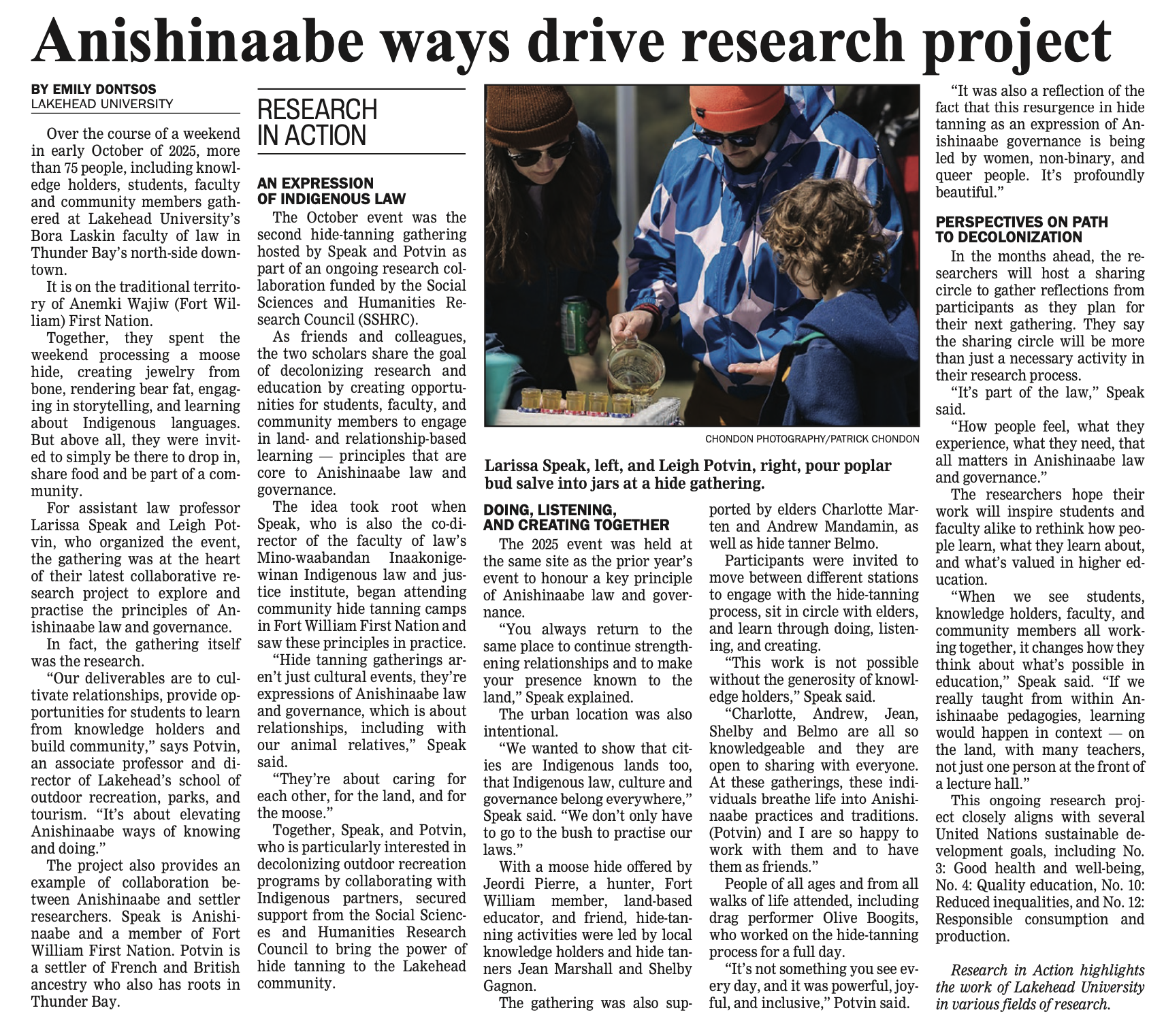
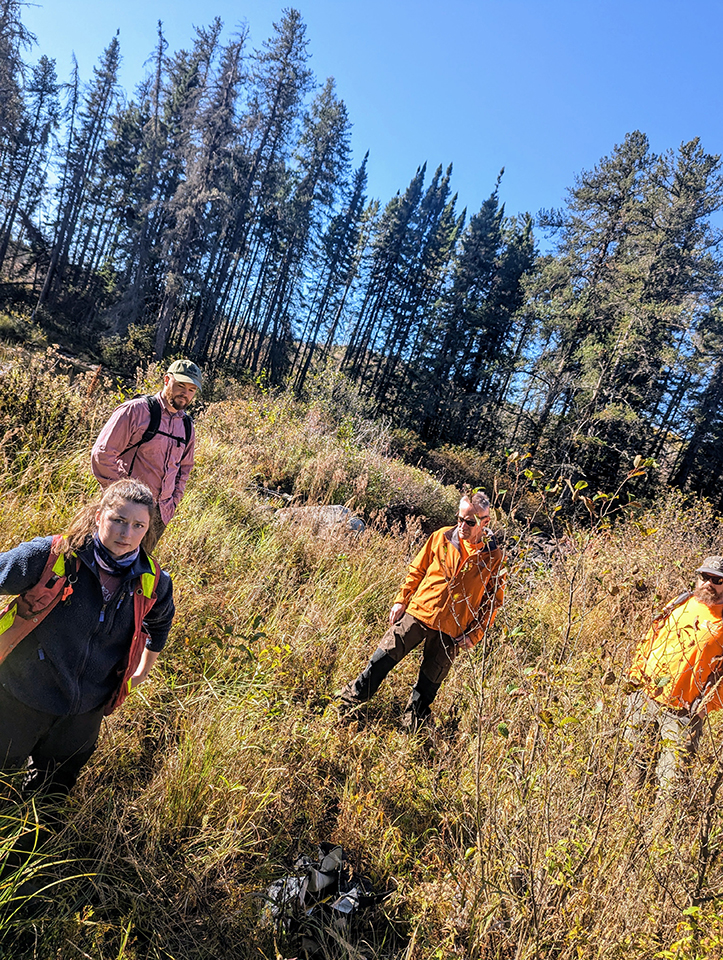 Dr. Basiliko and a team of student researchers will do hands-on fieldwork in forests, wetlands, and watersheds across northwestern Ontario and cutting-edge lab research to uncover how microorganisms, i.e., the bacteria and fungi in soil, water, and plants, affect an ecosystem’s response to climate change.
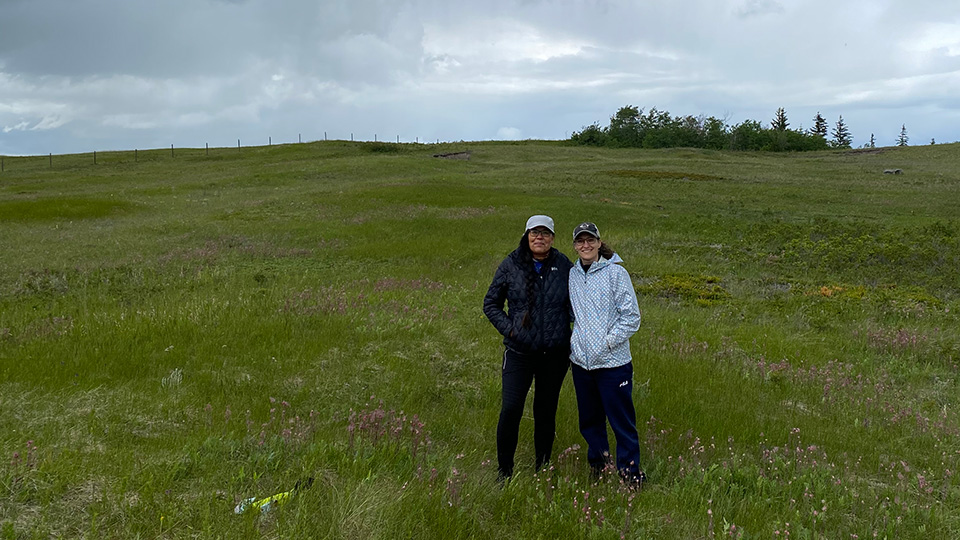 Dr. Jessica Metcalfe is a researcher in the Department of Anthropology is pictured with Tsattine research partner Victoria Wanihadie.