
“My practicum has been very valuable to my future career goals. I am looking to begin a career in public health research, which will likely be very transformative as almost all of my previous work experience has been focused around the primary and acute health setting as a healthcare provider. 

The practicum helped to shape my research experience and has provided me with a strong skillset in designing and carrying out research surveys. It has helped me to better understand all of the steps in the research process, including getting ethics approval for an actual survey, understanding the overall workflow within a research team, and how to organize my approach and time to meet each smaller goal or challenge throughout a project.”

- Alexander Nosrat, Master of Public Health with Specialization in Northern and Indigenous Health, 2026


Photo of Dana De Benneti“My practicum experience has been an excellent opportunity to apply knowledge from my studies, develop practical skills, and experience public health in a real-world setting. 

I am currently employed as a Registered Nurse and visit patients in the community. While clinical work has been meaningful and essential to my growth as a health professional, my goal is to move outside of direct care and to work in a more public health-focused setting. I aspire to work in a role that focuses on upstream approaches, promotes health, and ideally also has an element related to my specialization of Social-Ecological Systems, Sustainability and Health. There were several areas of my practicum placement that I felt aligned with these goals.

Firstly, I appreciated the qualitative research component of this placement. I have always enjoyed reading qualitative articles and been interested in the qualitative research process. It was a great experience to see all that goes into early stages of this work including ethics review, planning, surveys and participant recruitment. I valued interacting with research participants and learning more about their experiences, insights and knowledge. This work reinforced that I like working with people, working with the community, and making connections. I did not see myself in a research role previously, but this experience has influenced that perspective and allowed me to be more open to it as a possibility.


Another area of practicum that I appreciated was the opportunity to contribute to the various resources being developed by my placement organization. I found it rewarding to be one step in a bigger process and to see the ways in which the work continues to change and progress. I liked spending the time reading, editing, reflecting and making my own recommendations on content. I also was grateful for the opportunity to contribute to tasks such as creating a booklet and developing presentation slides. I have always been drawn to health promotion, education and creative ways of conveying information and this work has reinforced this interest.

Furthermore, I found it inspiring to be part of an organization that is focused on the intersections of climate change and health. It was uplifting to learn of the amazing work that is being done and engage with people working in this space. I am very appreciative of this opportunity, and I am excited for my future work in public health as a new graduate. This work will begin with my placement site who has offered me a contract position to stay on with them and continue with this project!”

- Dana De Benneti, Master of Public Health with Specialization in Social Ecological Systems, Sustainability and Health, 2025
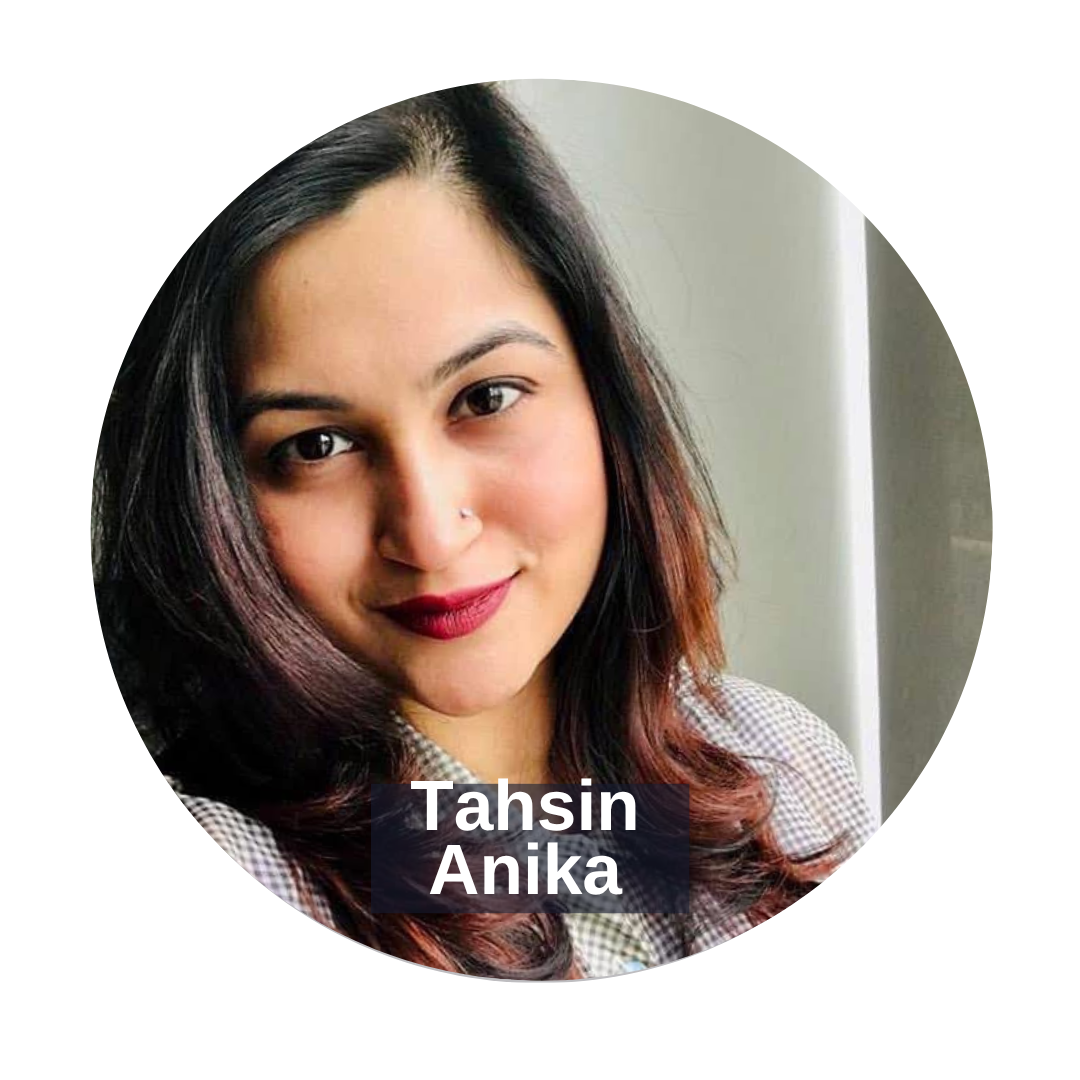
 

Photo of Tanya Woodhouse“This practicum experience supported my career goals as a public health nurse leader by strengthening my skills in developing evidence-informed practice guidance resources and translating research into practice. Through contributing to knowledge translation activities, resource development, and collaboration with public health nursing experts, I gained valuable experience and confidence to identify gaps between evidence and practice. The placement expanded my desire to continue to support building PHN capacity, promote consistent and high-quality care, and improve health outcomes for individuals and families. This positive experience reinforced my interest in seeking greater leadership roles that focus on advancing public health nursing practice, supporting system-level improvement, and ensuring that evidence is effectively integrated into policy and practice.”

- Tanya Woodhouse, Master of Public Health with Specialization in Nursing, 2026


Photo of Tasin Anika“My practicum had important implications for my long-term career goals by clarifying a strong interest in equity-focused public health practice, policy-informed planning, and organizational capacity-building. The experience demonstrated that meaningful public health work can occur not only through direct service delivery, but also through strategic internal processes such as staff education, framework development, communications review, and evidence-informed planning. It also confirmed the value of working at the intersection of health equity, systems improvement, and community-responsive public health decision-making.

My placement strengthened several career-relevant competencies, including evidence synthesis, stakeholder communication, environmental scanning, and the translation of equity concepts into operational recommendations. These are skills that are highly relevant to future roles in health promotion, public health planning, health equity strategy, community health assessment, and program development. The practicum also reinforced the importance of working collaboratively with interdisciplinary teams and community-informed partners when addressing complex health issues shaped by structural inequities.

For future professional direction, the experience suggested a particular interest in roles that combine analysis with action. Work related to anti-racism, health equity frameworks, culturally responsive planning, and plain language communication was especially meaningful because it connected public health values with practical system change. The practicum therefore served not only as a program requirement, but as an important step in defining a career path focused on advancing equitable public health policy and practice within community and institutional settings.”

- Tahsin Anika, Master of Public Health with Specialization in Epidemiology, 2026


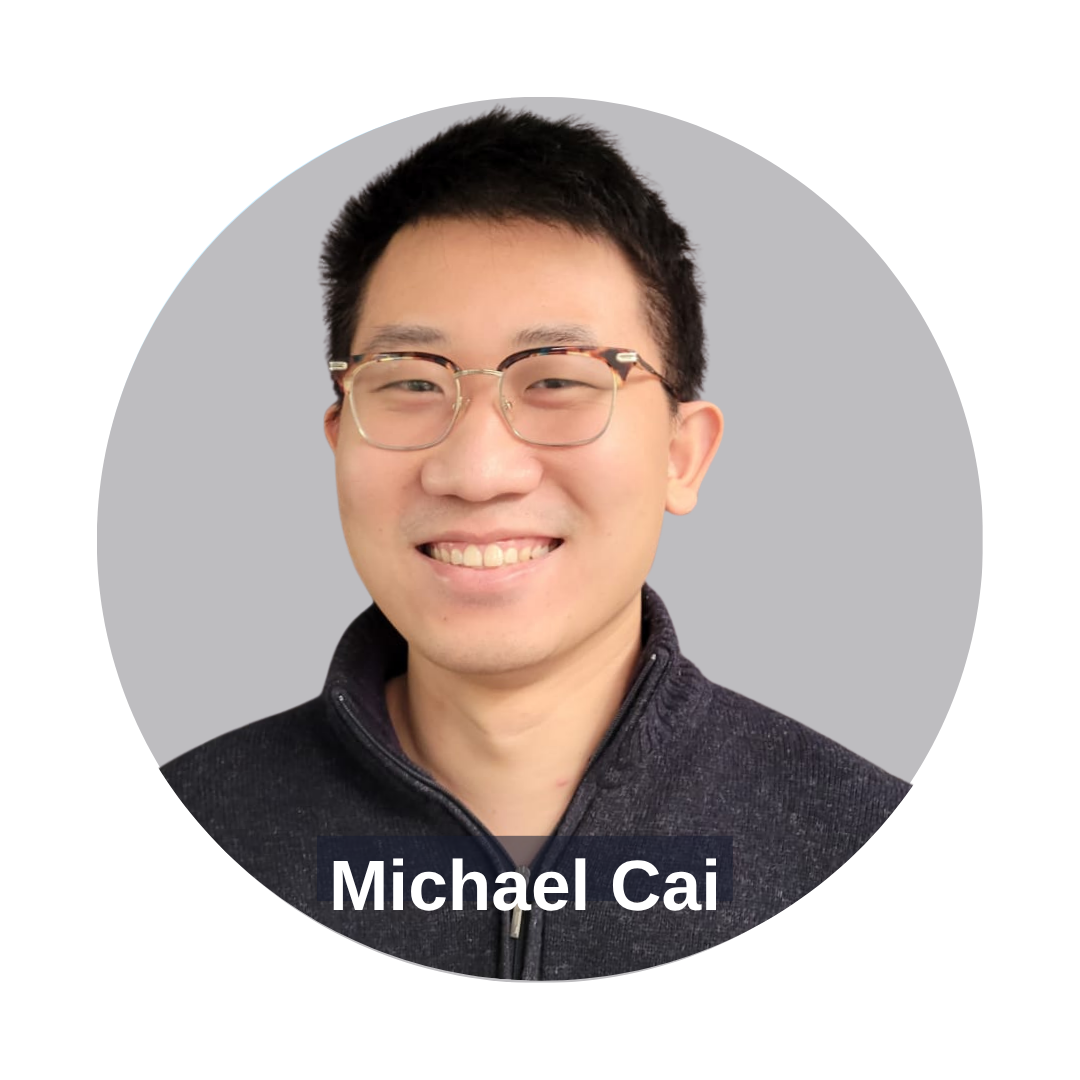
Photo of Michael Cai“My practicum experience had a meaningful impact on my understanding of potential career pathways in public health and helped clarify my professional interests. Through working on emergency preparedness planning and risk assessment activities, I gained practical exposure to the types of work conducted within local public health agencies and the role these organizations play in protecting population health. Before beginning the practicum, I had a general interest in working in public health, particularly in areas related to infectious disease prevention and health protection. During the placement, my involvement in developing components of the emergency response plan—including conducting a literature review of emergency preparedness plans, contributing to a Hazard Identification and Risk Assessment (HIRA), and developing hazard-specific guidance for avian influenza—allowed me to see how evidence-based planning supports preparedness and response activities within a public health system. 

Overall, this practicum experience helped refine my career goals by confirming my interest in pursuing a career in public health practice. In particular, it strengthened my motivation to seek roles related to emergency preparedness, infectious disease prevention, or health protection within public health agencies. The knowledge and skills I developed during this placement will help support my transition from academic training to professional practice in the field of public health.”

- Michael Cai, Master of Public Health with Specialization in Epidemiology, 2026


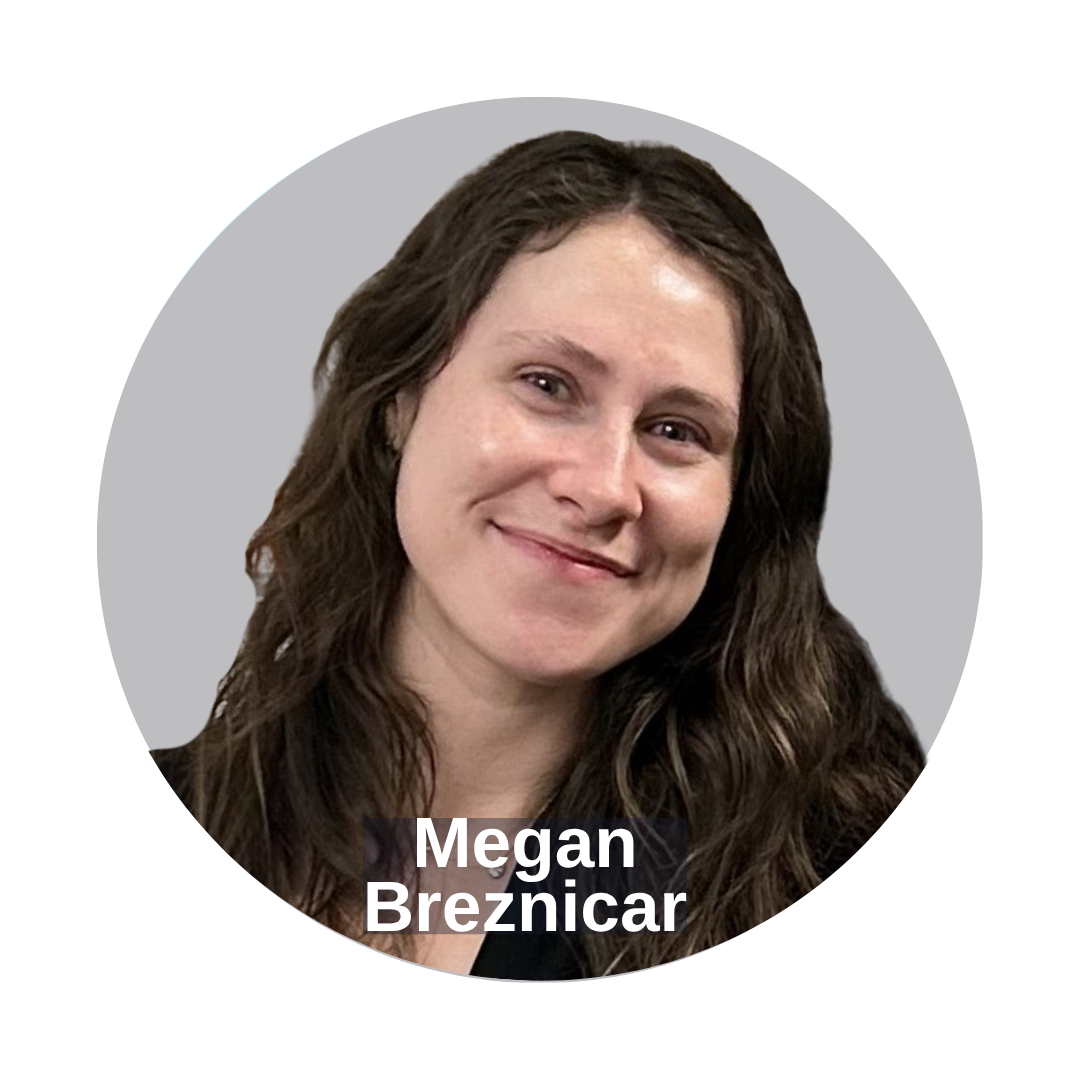
Photo of Megan Breznicar“I believe this practicum was extremely useful to my personal career goals. 

As I completed my practicum at my current place of work, it allowed me to make connections with other internal and external City partners whom I would have not otherwise had the ability to work with. I was able to network, learn about other City programs in more detail, and strengthen my professional position within the division as an individual who has a broad range of skills and expertise.

This practicum confirmed that I want to spend my career working within municipal government. Prior to this practicum, I was considering a provincial or federal public health agency as a potential long-term career option, however I am certain now that municipal politics is a fulfilling and inspiring career path. It was inspiring being able to visit a local program on-site, and witness the real improvements that this program had in the lives of my local community members. The ability to carry out programs that have a tangible impact in my own community was very rewarding. 

I also learned a lot about what data management looks like in practice. My field supervisor, a former epidemiologist and Public Health employee for 20 years, spent one hour with me on a weekly basis to teach me about data management best practices, how to navigate municipal politics while staying true to your ethics, and taught me a high level of technical skills within MS excel.

Overall, this practicum was incredibly fulfilling and I am very grateful to both Lakehead University and the City of Hamilton for this opportunity.”

- Megan Breznicar, Master of Public Health with Specialization in Epidemiology, 2026


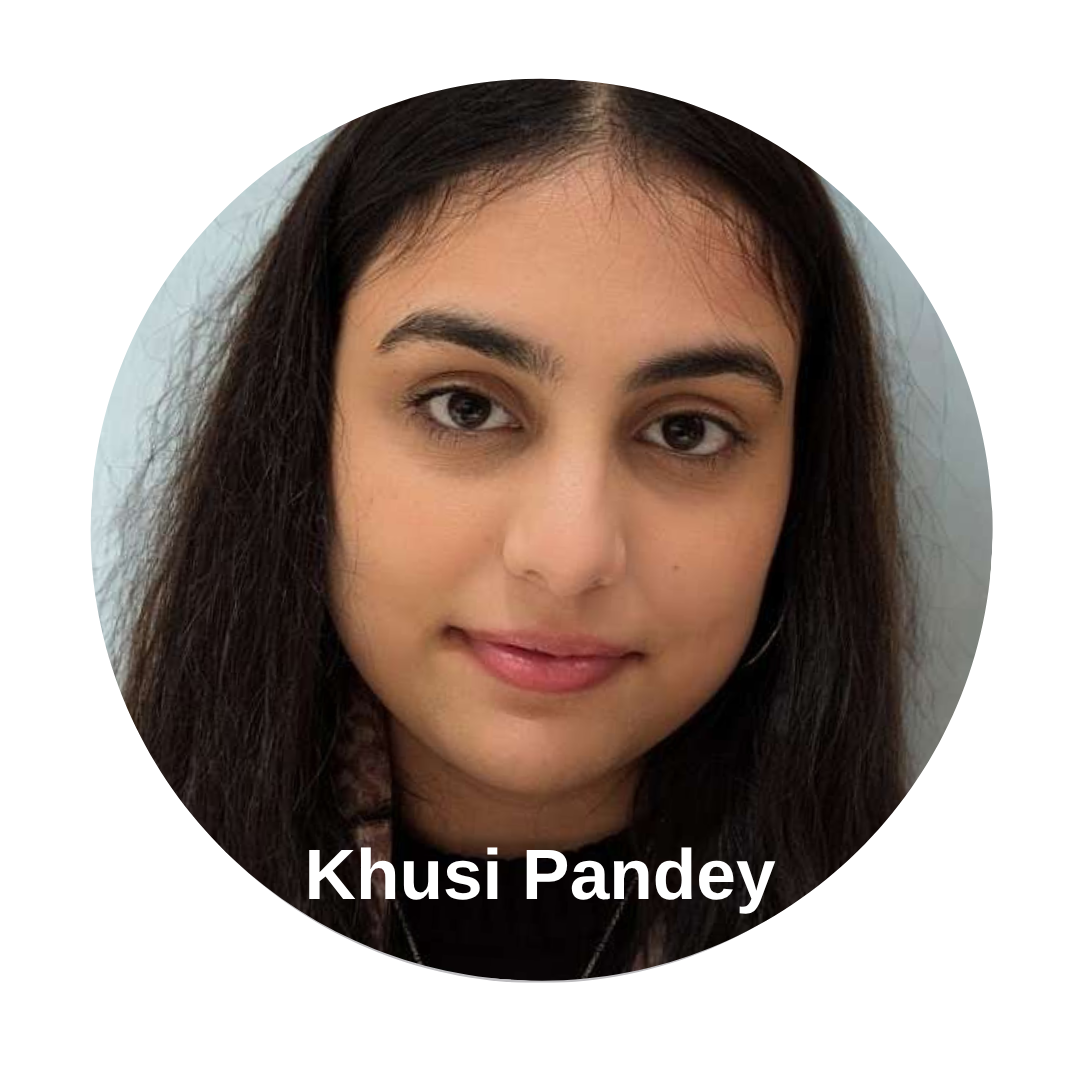
Photo of Khushi Pandey“When I applied for an MPH at Lakehead University, I was looking for an opportunity that would not only deepen my knowledge of public health but also provide me with practical, real-world skills. Looking back, that’s exactly what I got from this journey. I completed the program part-time while working full-time as a program officer at the Canadian Institutes for Health Research. I appreciated the flexibility that the program offered for working professionals. 

I am grateful for the opportunity to do my practicum at the Public Health Agency of Canada, specifically in the Centre for Foodborne, Environmental and Zoonotic Infectious Diseases. This division plays a critical role in coordinating national responses to enteric disease outbreaks and collaborating with provincial and territorial partners to protect public health across Canada. My primary role was supporting a national Salmonella case-control study. I contributed to epidemiological analyses exploring relationships between food consumption, food handling behaviours, animal contact, and Salmonella infection risk. This experience allowed me to strengthen my ability to use statistical tools to analyze and interpret complex public health data and consider its real-world implications.

I also had the opportunity to participate in Outbreak Investigation Coordinating Committee meetings, which provided me with valuable insight into routine surveillance work and how epidemiologists, laboratorians, and public health professionals collaborate across jurisdictions during active enteric outbreaks. A key highlight of my practicum was developing and delivering a project presentation to my team, where I communicated my findings, methodological approaches, and recommendations. This experience strengthened my ability to translate technical epidemiological concepts into clear, actionable insights for professional audiences.

Overall, my time at Lakehead has solidified my passion for applied epidemiology and public health surveillance. I learned how much I enjoyed looking for trends and analyzing gaps in data, and finding ways to better translate complex health data into concise, informative products that are accessible to knowledge users and the public.  I leave the program feeling inspired to innovate and improve health outcomes for Canadians.”

- Khushi Pandey, Master of Public Health with Specialization in Epidemiology, 2026


Photo of Jack Xia“I had the opportunity to complete my Master of Public Health, with a specialization in Epidemiology, at Lakehead University. I chose the specialization because I was interested in using population-level data and evidence to understand health challenges, and I wanted a practicum where I could apply those skills in a community setting.

I completed my practicum with the Ottawa Cancer Foundation, a community-based charity that provides free supportive care programs to people living with and beyond cancer in Ottawa. My role focused on researching and strengthening the evidence base supporting these programs. Throughout the placement, I drew directly on what I had learned in Epidemiology, Biostatistics, Social and Ecological Determinants of Health, and Program Planning and Evaluation.

Before my practicum, I primarily understood cancer care through screening, diagnosis, and treatment. The experience helped change my perspective and showed me how important supportive and psychosocial care can be across the cancer continuum. I also gained a greater appreciation for the challenges community organizations face in securing funding while responding to the needs of the populations they serve.

The experience helped give me a clear direction for my career: oncology, epidemiology, psychosocial cancer care, and health equity. I am continuing my work with the Foundation, where I have the opportunity to apply my MPH training in program planning and evaluation.

I am grateful to the professors, mentors, and staff at Lakehead University whose teaching, guidance, and continued support helped prepare me for this next stage of my career.”

-Jack Xia, Master of Public Health with Specialization in Epidemiology, 2026


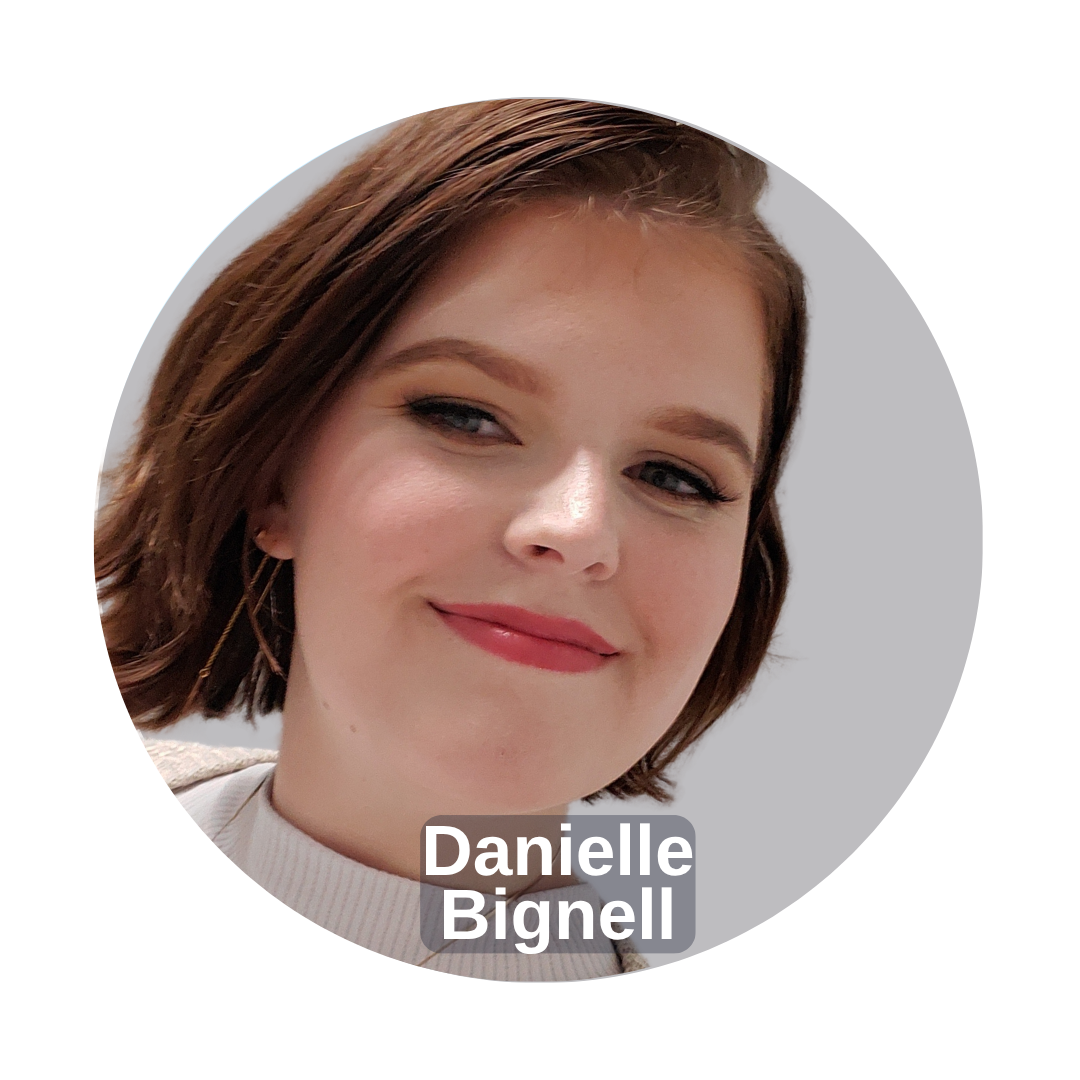
Photo of Danielle Bignell“These last three years at Lakehead University have been quite a journey. While working towards a Master of Public Health with a Specialization in Epidemiology, I was also employed full-time as an Infection Control Manager at a Long-term care home. This program was altogether an amazing and flexible experience that I would not have been able to do otherwise.

For my practicum I worked with the City of Thunder Bay to analyze and visualize data within the Community Safety and Well-Being survey. I was able to create summaries of the data and learn more about an individual's lived experiences in the community, which is always eye-opening. Additionally, working with a municipality helped me gain experience with what to expect in the future if I do work for the government. To be specific, this included some delays in getting started, frequent restructuring occurring in the department, and changes in deadlines or some of the tasks required with the deliverable. All in all, this was an incredible experience, and I feel that with what I learned I am able to apply to any sector of public health.”

- Danielle Bignell, Master of Public Health with Specialization in Epidemiology, 2026 

Image of Abbey Hunter“The past two years have been filled with successes, challenges, and meaningful connections. My experience completing my Master of Public Health at Lakehead University has been both rewarding and gratifying. With smaller class sizes, I had the opportunity to form close connections with my peers and professors, which took my learning to another level. Throughout my time at Lakehead, I was also fortunate to work with Dr. Elaine Wiersma as a Graduate Assistant on various projects, including Dementia in the Outdoors, EnACT DEM, and supporting the Northwest Dementia Working Group. Prior to beginning my master’s degree, I viewed research more conventionally—as publications in academic journals, quantitative measurements, textbooks, and other scholarly outputs. Looking back, the word “research” holds much more meaning and power from my perspective.

Research projects supported by Lakehead and driven by people with lived experience, Dr. Wiersma, Dr. Nisha Sutherland, students, and community supporters, have contributed to the development of community programs that support people living with dementia in Thunder Bay. Programs such as Dementia Café have made a tremendous impact on people living with dementia and their families within the community. You can read my blog post here on the EnACT DEM website.

Reflecting on my time supporting projects, programs, and people with lived experience, I walk away with immense gratitude and valuable skills that I will carry into my career. I have gained a new perspective on how research can be leveraged to improve health outcomes, build relationships within communities, and highlight the importance of qualitative research.

In addition to my role as a Graduate Assistant, I was fortunate to attend two Canadian Public Health Association conferences with Nana Nyarkoa-Oduro, a fellow MPH student, representing Lakehead University. We were both immensely grateful for the unique opportunity to attend, network, and learn through these conferences.

The practicum component of my MPH was another invaluable and enriching learning experience. My practicum took place at St. Joseph’s Care Group (SJCG) in Thunder Bay, within Regional Programs, where I worked with Program Director Lauren Ritchie. My time as a student at SJCG was dynamic, allowing me to gain experience in program planning and evaluation, operations, and research across various health-care programs. Throughout my practicum, the skills I acquired through the MPH program were an asset. I learned to lead with an equity lens, identify upstream solutions, and apply evidence-based tools and methods to address complex health challenges.

Now, as I begin my career in Change Management at SJCG, I hope to carry forward the invaluable skills, lessons, and connections I gained throughout my time at Lakehead University. I am deeply grateful for the experiences and opportunities provided through the Master of Public Health program and look forward to applying what I have learned to my career and the communities I serve.”

-Abbey Hunter, Master of Public Health, 2026


Pages