



Help in Hand Initiative to Support Youth Mental Health in Northwestern Ontario
Connecting Young People With the Right Care
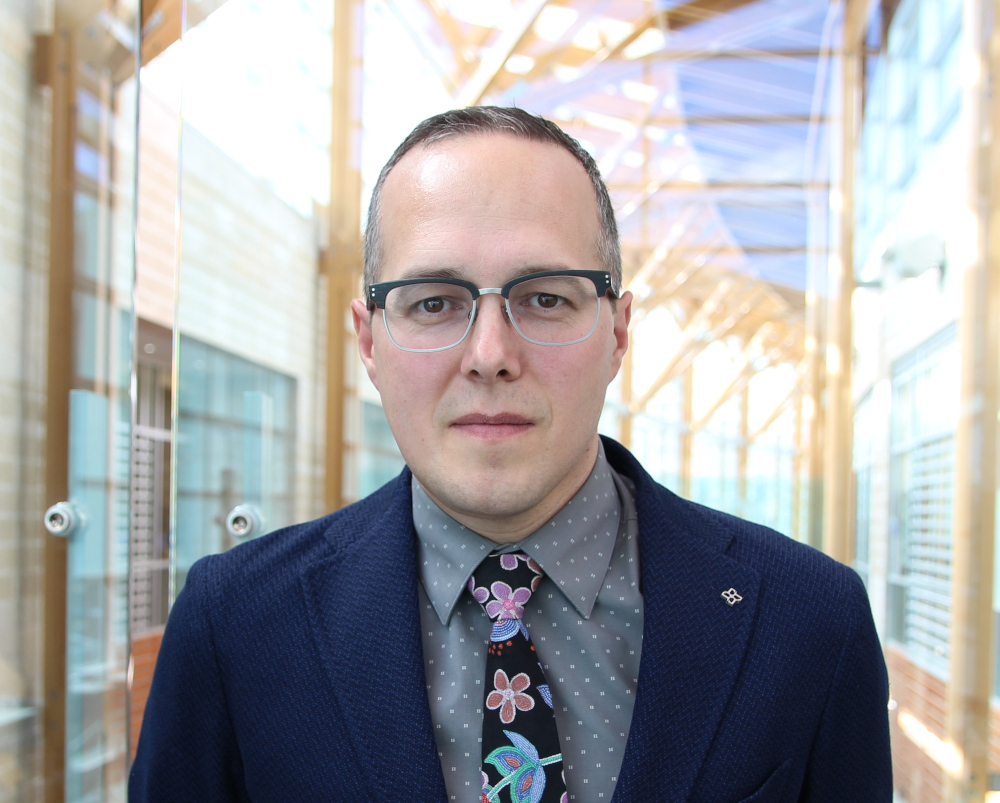
The Help in Hand initiative is part of Dr. Aislin Mushquash's (pictured) broader research program focused on helping young people thrive in an increasingly digitally connected world.
Thunder Bay, Ont. – For youth in northwestern Ontario, timely access to mental health care is a significant challenge. To fill this service gap, researchers at Lakehead University are launching the Help in Hand initiative in partnership with community mental health agencies and School Mental Health Ontario.
With a $2 million investment from Health Canada's Youth Mental Health Fund, the initiative expands access to youth mental health supports in schools across northwestern Ontario. Help in Hand will bring digital mental health tools directly into schools—where young people spend much of their time—and create stronger links to additional care when it is needed.
Led by Dr. Aislin Mushquash, a clinical psychologist and Lakehead’s Research Chair in Youth Mental Health, the initiative is part of her broader research program focused on helping young people thrive in an increasingly digitally connected world. Designed to complement, not replace, existing mental health services, Help in Hand adds another layer of support to help young people connect with the right level of care based on their current needs.
“I’ve worked as a clinical psychologist in our community for 13 years and have seen how young people often face unique barriers to accessing support,” said Dr. Mushquash. “Help in Hand is about providing practical, evidence-based tools while strengthening links to the broader mental health system. Our hope is that this initiative will lead to a better understanding of the impact of digital spaces and technologies on youth mental health.”
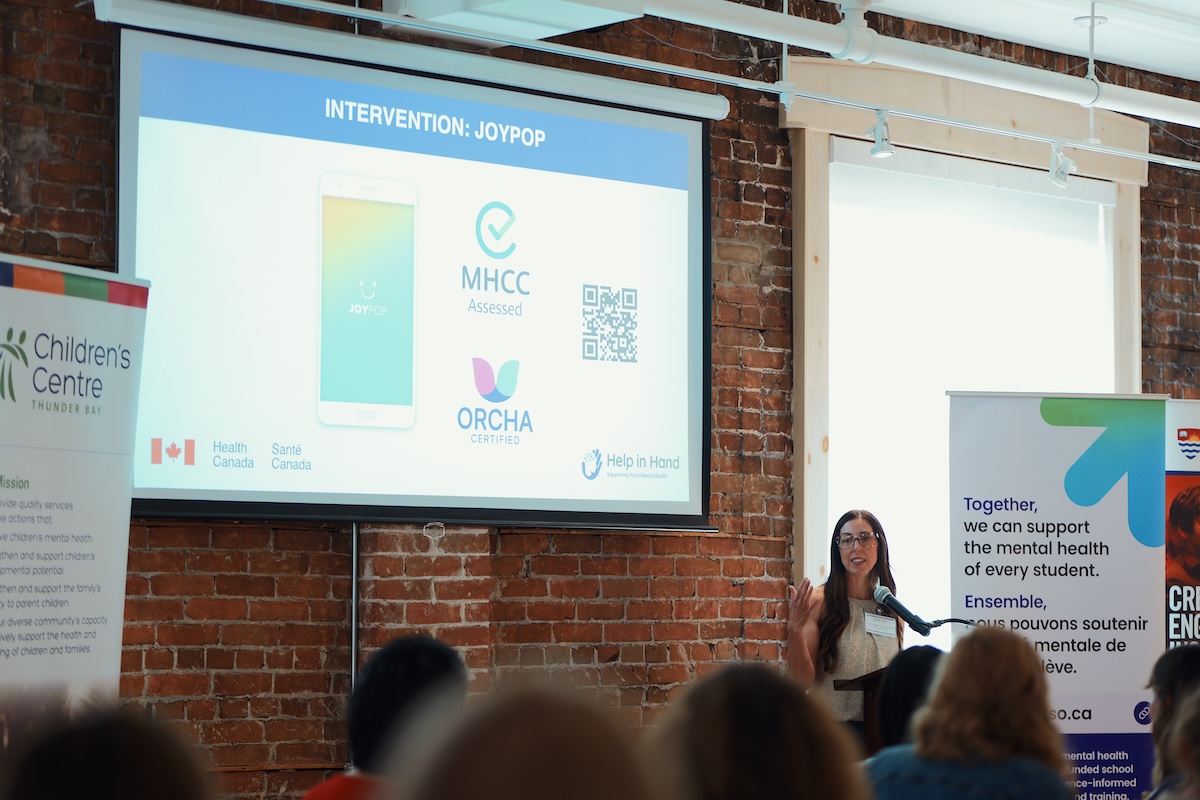
Recognizing that educators are often the first point of contact when youth experience challenges, Help in Hand will provide school communities with specialized training and resources to navigate the evolving digital mental health landscape, find high-quality tools, and measure their impact. Participating students will have access to JoyPop, a research-backed app that helps youth strengthen their emotion regulation skills and improve overall well-being.
Dr. Mushquash and her research team are working closely with a network of community partners, including Dilico Anishinabek Family Care, Children’s Centre Thunder Bay, Thunder Bay Counselling Centre, School Mental Health Ontario, and McGill University’s Ludic Mind Studio, to improve the effectiveness, timeliness, and cultural appropriateness of integrated mental health care for youth and their support systems.
Help in Hand will directly benefit youth, families, and schools across the region, while the knowledge generated will help inform how education and healthcare systems make decisions about the integration of digital technologies nationwide.
Quotes
“Community organizations, like Lakehead University, are key to strengthening youth mental health because they understand the needs and realities of young people in their communities, especially those facing the greatest barriers to care. Through Health Canada’s Youth Mental Health Fund, our government is helping young people access mental health care where they feel safe and supported. Supporting young Canadians today means building a Canada strong for generations to come.”
The Honourable Marjorie Michel
Minister of Health, Government of Canada
"When young people have access to the right supports at the right time, they are better able to thrive at school, at home, and in their communities. The Help in Hand initiative reflects the innovation and collaboration that Northwestern Ontario is known for, bringing together educators, researchers, and community organizations to improve access to mental health supports for youth. I'm proud to see partners across our region leading this important work."
The Honourable Patty Hajdu
Member of Parliament – Thunder Bay Superior North
Minister of Jobs and Families and Minister responsible for the Federal Economic Development Agency for Northern Ontario (FedNor), Government of Canada
“The Help in Hand program demonstrates Lakehead University’s commitment to social responsibility in interactive online systems and the mobilization of research into real-world solutions that directly serve the needs of our community. By expanding mental health support within our local educational framework, Lakehead continues to lead in research that fosters thriving, resilient communities.”
Dr. Langis Roy
Vice-President, Research and Innovation, Lakehead University
“The Help in Hand project is an important step forward in improving access to mental health supports for youth across Northwestern Ontario. By increasing digital mental health literacy, providing evidence-informed tools, and strengthening pathways to care, the project will help youth and families find support sooner and more easily. Dilico is proud to partner in this work and to help ensure that Indigenous youth and their caregivers have access to resources and services that support wellness, resilience, and positive mental health outcomes.”
John Dixon
Director of Substance Health and Special Projects, Dilico Anishinabek Family Care
“Helping young people thrive means ensuring they have access to evidence-informed mental health supports that reflect the realities of their lives today. The Help in Hand initiative brings together digital mental health literacy, practical supports, and strong partnerships with schools to help students, educators, and families build confidence and wellbeing. We are excited to partner on this important work and help bring it to school communities across Ontario.”
Dr. Kathy Short
Executive Director, School Mental Health Ontario
 Dr. Mushquash, Canada Research Chair in Indigenous Mental Health and Addiction; Professor in the Department of Psychology at Lakehead University; Vice President Research at Thunder Bay Regional Health Sciences Centre; and Chief Scientist at Thunder Bay Regional Health Research Institute, and Dr. Srividya Iyer, Tier 1 Canada Research Chair in Youth, Mental Health, and Learning Health Systems and Professor in the Department of Psychiatry at McGill University, are co-leading the four-year project focused on building a trust-based learning network across Canada to support culturally-grounded mental health services for Indigenous youth.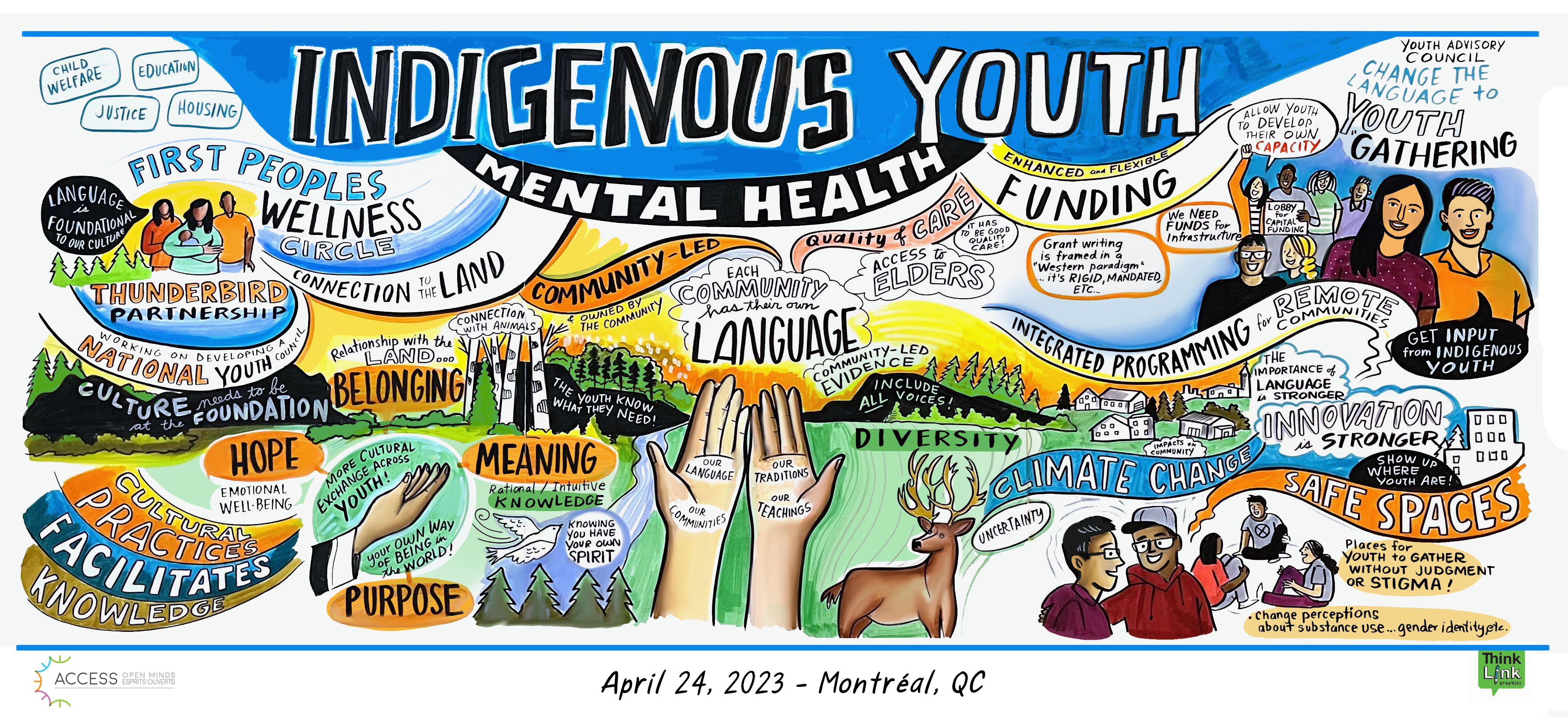
 Lakehead’s
  It brings together youth, Elders, family members, researchers, communities and leading Indigenous organizations, including the Thunderbird Partnership Foundation under the leadership of Dr. Carol Hopkins and the First Peoples Wellness Circle under the leadership of Dr. Brenda Restoule.
  Federal funding has been announced for the Canadian Network for Child and Youth Mental Health Trials (CYMH Trials Network), a new network to support clinical research that aims to improve mental health care for children nationwide.