Indigenous

Marilyn Ailey, Mohit Dudeja, and Steven Secord Named “WellU Champions for Mental Health”

Congratulations to Faculty of Education Contract Lecturers Marilyn Ailey, Mohit Dudeja, and Steven Secord for being recognized as “WellU Champions for Mental Health.”

Each year, WellU Champions for Mental Health are nominated by students for showing compassion, encouraging a sense of belonging, inspiring health-promoting behaviours, and promoting student well-being. To see what this year’s champions had to say about their role in student well-being on campus, visit lakeheadu.ca/welluchampion. Excerpts from their quotes are included below:

Marilyn Ailey: “Asking for help can be difficult, so I make it a priority to remove any barriers by being readily available and ensuring students have access to the resources they need to improve their well-being. I’m open and transparent with my students, letting them know that while I may not always have the expertise to address every challenge, I am committed to helping them find someone who can. I have also created a resilience challenge as a significant assignment in my physical and health education courses. I encourage students to look at an area of their life that could benefit from some attention—whether it is for their physical, mental, or social health. They set individual goals, track progress, and research and reflect on how prioritizing an area of life for themselves affects their overall well being.”

Mohit Dudeja: “I actively work to disrupt traditional power dynamics in the classroom. I encourage students to see me not just as a teacher, but as a multidimensional human being, fostering open communication and mutual respect. Recognizing the diversity of challenges students face, particularly international students navigating culture shock, academic transitions, housing instability, and language barriers, I take proactive steps to support their mental health. Through empathy, advocacy, and meaningful relationships, educators and staff can help students thrive not only academically but also emotionally and socially.”

Steven Secord: “Mental health is as important as our physical health and needs to be prioritized whenever possible. It is critical for effective learning and allowing us to reach our full potential. I try to create space in my classrooms that allow students to feel comfortable being themselves and where they know their well-being is a priority. Teaching in the Faculty of Education, it is important to model this for future educators so they too are able to visualize how they will accomplish this with their students.”

Below, left to right: Marilyn Ailey, Mohit Dudeja, and Steven Secord.

Indigenous Entrepreneurs Growth Stories: The Role of Indigenous Banking in Growing Business and Communities

A panel discussion featuring Indigenous business entrepreneurs and BMO Indigenous Banking Services. Learn about how Northwestern Ontario-based Indigenous business entrepreneurs created their business journey and the support Indigenous business banking can offer to advance the economic empowerment of Indigenous businesses and communities.

Lunch will be provided.

Elder In Residence - Beatrice Twance-Hynes

Indigenous Student Services Centre is pleased to have Elder Beatrice Twance-Hynes available to students, staff and faculty for individual or small group teachings.

Elder Beatrice, is a member of Biigtigong Nishnaabeg First Nation. Elder Beatrice is a traditional women’s dancer who makes her own regalia. She is a grandmother pipe carrier, a sacred circle facilitator, songwriter, singer and drummer. She shares teachings on hand drumming, the Medicine Wheel, Sacred Medicines, and the Seven Grandfathers Teachings.

Reclaiming Wild Rice: Helping Indigenous Communities Develop More Secure Food Sources

"Wild rice is culturally, nutritionally, and economically significant to the Anishinaabe people of the Great Lakes area," says Lakehead Adjunct Biology Professor Dr. Vincent Palace.

According to their creation story, the Anishinaabe migrated inland from the eastern seaboard to the place where food grows on the water—that food was wild rice, or "manoomin" in the Ojibwe language.

Dr. Palace—who is also the head research scientist at the International Institute for Sustainable Development-Experimental Lakes Area (IISD-ELA) research station about 60 km north of Kenora, Ontario—is part of an exciting research initiative focused on wild rice.
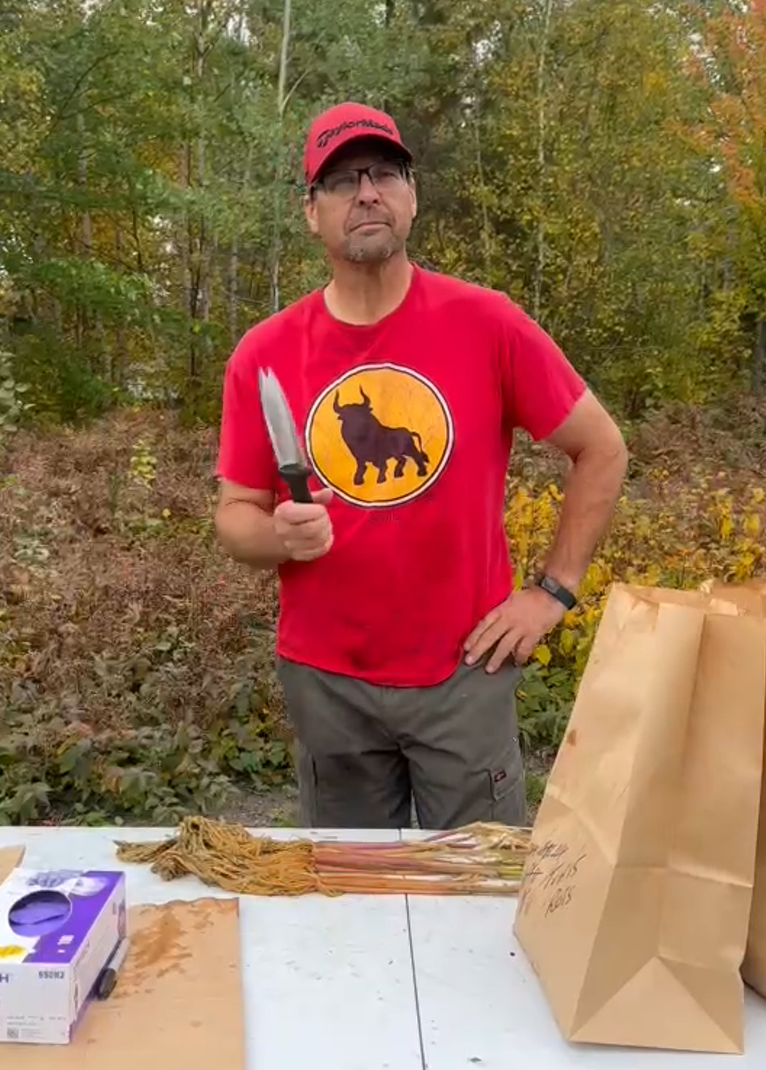
Dr. Vincent Palace at a table outdoors holding an implement for processing wild rice

 The MANOOMIN project, which stands for Multi-culture Agribusiness for Northern Ontario Managed by Indigenous Nations, is a collaboration between the Myera Group (an Indigenous-led biotechnology company committed to fostering Indigenous food sovereignty), IISD-ELA researchers, Lakehead University, and several Treaty #3 Indigenous communities in northwestern Ontario.

"The Kenora Chiefs' Advisory, a cooperative of eight communities from the Treaty #3 area, are part of this project, and they've been amazing to work with!" Dr. Palace says.

Dr. Vincent Palace (left) processing wild rice. Dr. Palace’s research group is currently examining the effects of competition from cattails on wild rice. They’ve also studied how water levels affect the productivity of wild rice.

"Traditionally, most communities harvest this sacred food by canoeing among stands of wild rice growing in lakes, pulling wild rice plants over their canoes, and rapping them with a stick to knock the rice into their boats. This harvesting method means that some of the rice grains fall into the water, allowing the plants to reseed themselves every year."
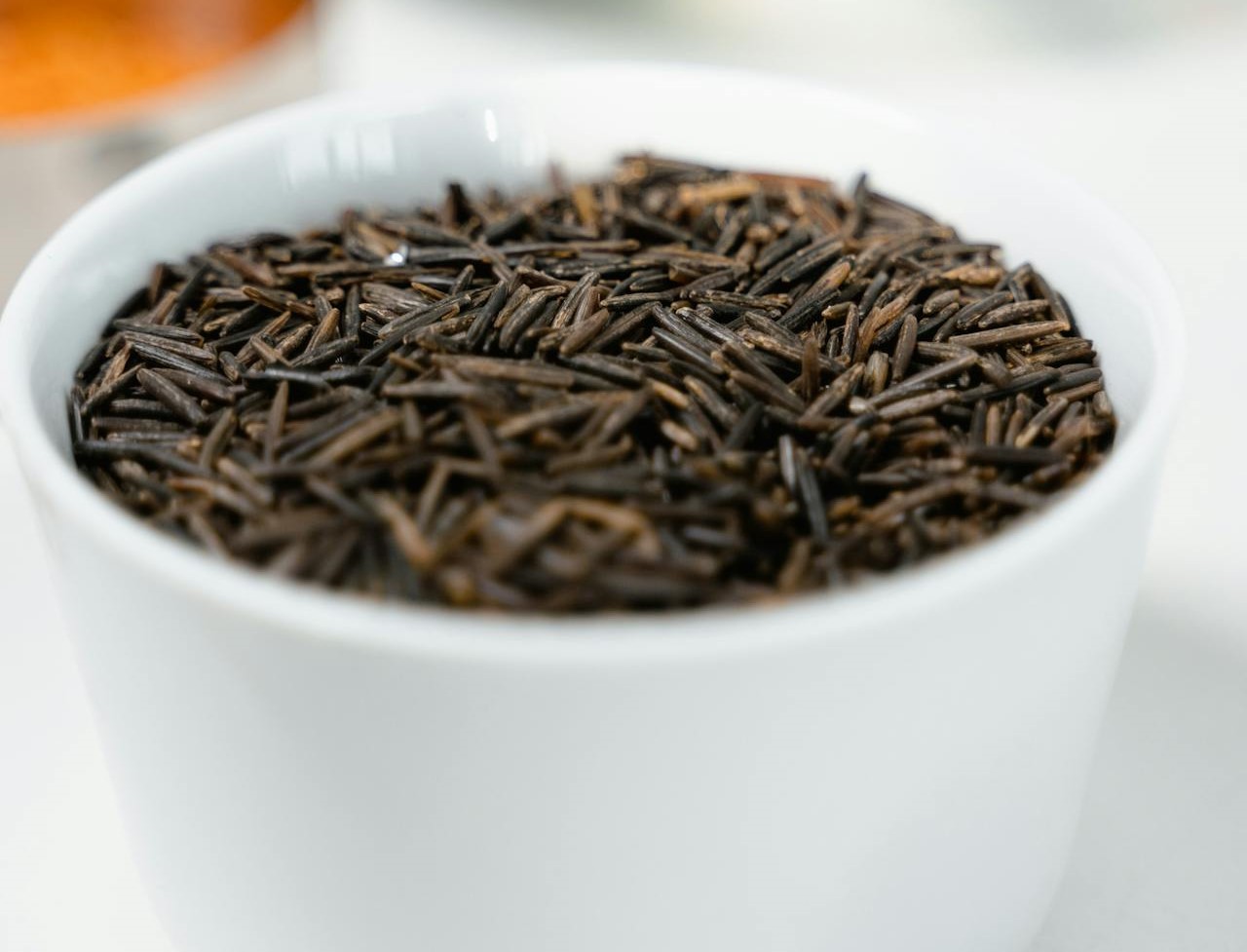
A small bowl of uncooked wild rice grains

Despite the importance of wild rice to Indigenous people, accessing and harvesting it has become more difficult. Hydroelectric production in northwestern Ontario's Rainy River system, for instance, has destroyed habitats where wild rice was typically harvested, and this destruction has been compounded by the spread of an invasive species of cattails that is choking out wild rice. An additional pressure comes from the increasing age of wild-rice harvesters and the growing danger that their knowledge will be lost. "The time to train younger generations to harvest rice and to remove the cattails is limited," Dr. Palace explains.

Wild rice is a nutritionally dense food that’s low in fat and high in fatty acids and fibre. Moreover, wild rice stands create higher-quality habitats for fish, birds, and other animals compared to habitats dominated by cattails.

The research team plans to strengthen these communities' food sovereignty by establishing fish farms in their territories that will be owned and operated by community members. The fish farms will have a dual purpose: the fish will provide an important food source and the solid and liquid waste they excrete will be used as a fertilizer to grow wild rice and traditional medicine plants. Fish waste contains ammonia and phosphorus—nutrients that wild rice plants need to grow. Myera will contribute its business expertise by helping the communities produce wild rice flour, rice cakes, protein shakes, bannock, and other foods for their own consumption, as well as for distribution and sale outside these communities.
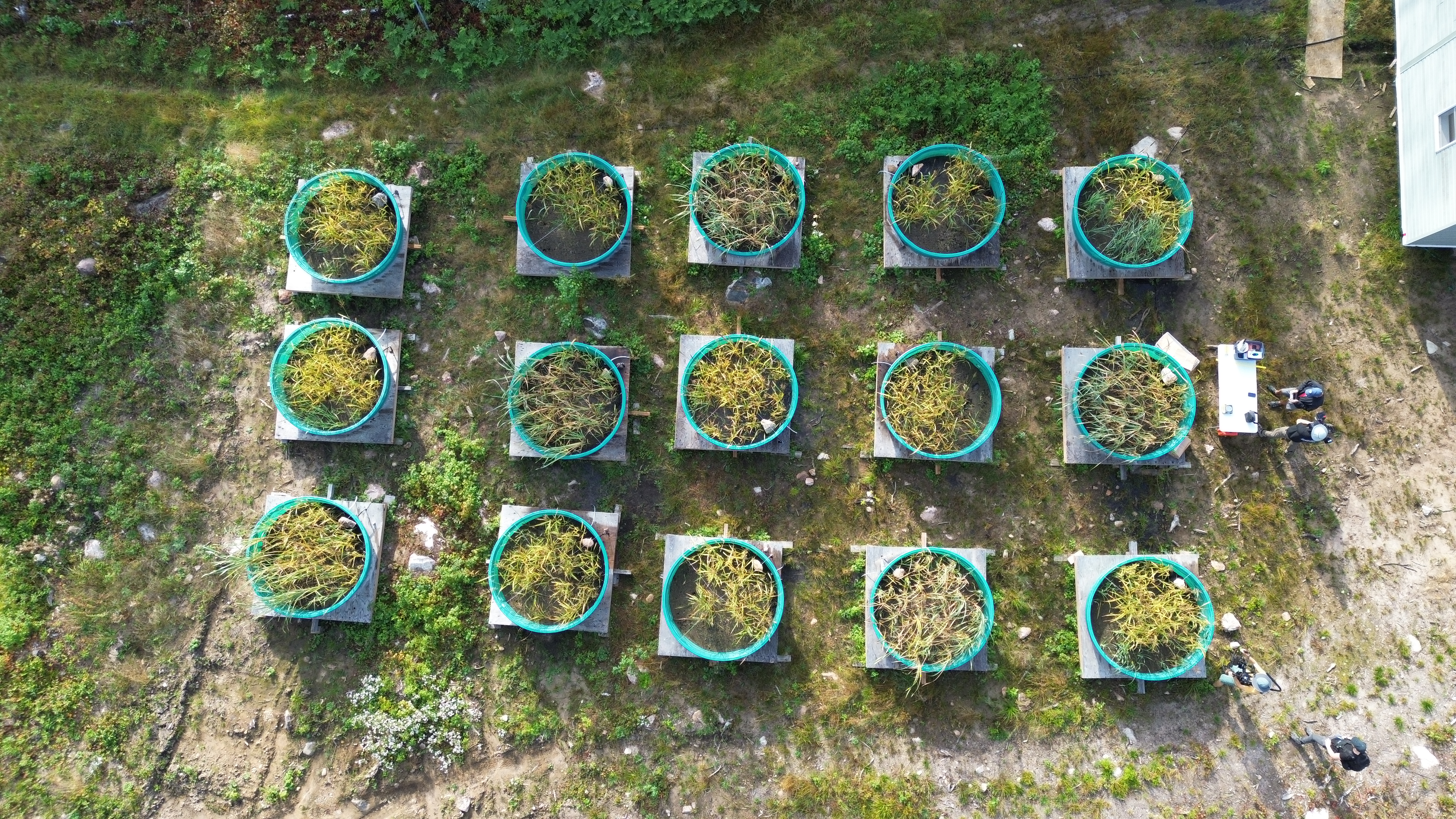
Aerial view of tubs of wild rice being grown outdoors as part of an experiment

Around 50 per cent of the wild rice consumed in Canada is, in fact, commercially cultivated wild rice imported from the United States. The flooded paddies this rice is grown in generates large amounts of methane gas. That's why MANOOMIN researchers are experimenting with growing rice in shallower water to reduce methane production. According to the IISD-ELA, a 10 per cent reduction in emissions would be equivalent to removing 10 million vehicles from the road.

"The overarching idea of marrying fish aquaculture and waste with wild rice production originated with Myera," Dr. Palace says, "although a lot of the work we're doing is based on the research of retired Lakehead biology professor Peter Lee."

MANOOMIN has just completed its third year and is now investigating how different wild rice varieties compete with cattails for nutrients. Next, they'll remove cattails and replace them with wild rice.

"As a scientist, doing research that will be useful to communities is very gratifying," Dr. Palace says.

The MANOOMIN project is possible because of the support of the Myera Group, Northern Ontario Heritage Fund, Protein Innovation Supercluster, and Lakehead University.

Pages

Subscribe to Indigenous