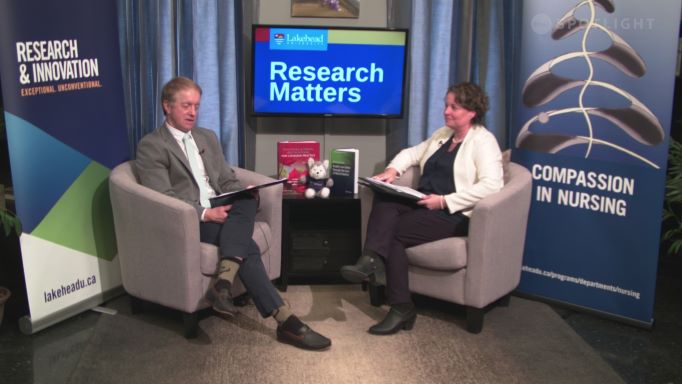
Supporting the Decolonization of Higher Education
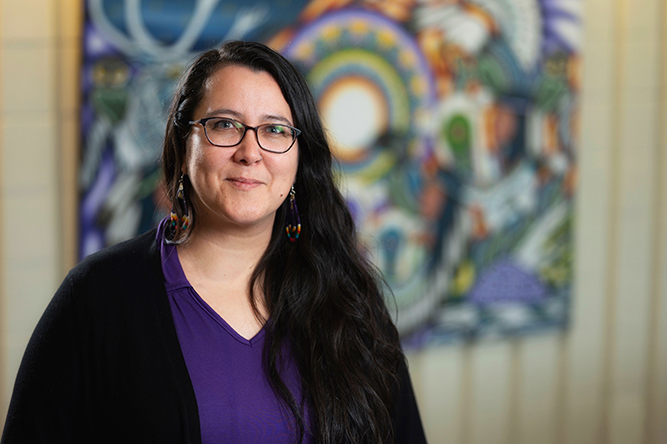
Lakehead's Jerri-Lynn Orr, Indigenous Curriculum Specialist with the Teaching Commons, is a founding member of the national Indigenous Curriculum Specialist Network.
By Rick Garrick
A group of Indigenous curriculum specialists from Lakehead University, the University of Ottawa, and Western University, have created the Indigenous Curriculum Specialist Network (ICSN) to share challenges, successes, strategies, techniques, tools and resources with others in their roles at post-secondary institutions across Canada.
Their roles involve supporting faculty and staff in engaging respectfully with Indigenous Peoples, Knowledges, Histories, and Ways of Knowing, Doing, and Being. This also includes working with all levels of the university towards decolonizing the academy and the road to truth and reconciliation. “The work that we do in universities is different from research and teaching,” says Jerri-Lynn Orr, Indigenous Curriculum Specialist at Lakehead and ICSN co-founder. “We just don’t close the door at the end of the day when we do these jobs, we carry this work into our everyday lives and sometimes that’s the challenging piece of it, because we’re consistently reading about the tragedies or what happened in residential schools.
I feel like we have to give the people we’re working with, the faculty and the staff, the foundation, which goes back to what happened pre-contact all the way up until residential schools and the policies and legislation that was put into place that led us to where we are. We’re consistently talking about that history so we can help people set their own foundation to be able to do this work in a good way.”
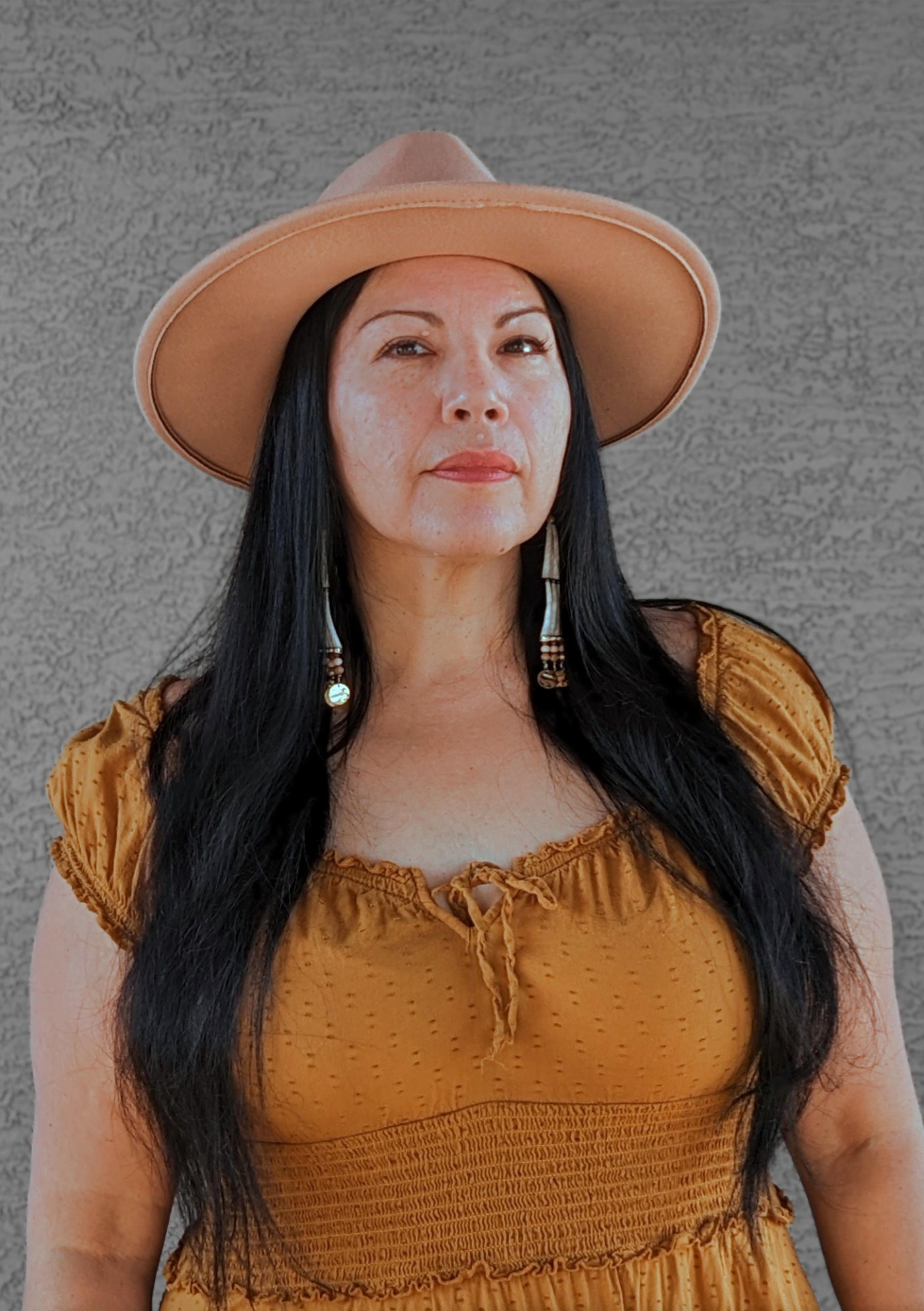 ICSN co-founder Mona Tolley, Indigenous Curriculum Specialist at the University of Ottawa, and ICSN member Sara Mai Chitty, Indigenous Curriculum and Pedagogy Advisor at Western University, add that the ICSN enables participants to share their perspectives with others.
“We’re all working towards this same vision of having Indigenous education be front and centre, but to come at it in a good way where we are building with it, not just having content or not just having a tokenistic approach,” Tolley says. “Being able to come together and having more people join … brings in all of these different perspectives. We’ve always been doing this, but now having more of a space to be able to do that and hear how other areas are working towards and trying new things, it’s really been a huge learning curve and I really appreciate hearing from everyone.”
“You get really good ideas and you want to share those with people that can kind of geek out about it, too,” Chitty says. “It helped me feel less alone when I was starting, because I’m like: ‘Oh, here are all these people across what is now known as Canada that have been in these roles or also were just starting.’ I’m not alone and they know some of the challenges and tribulations of the role.”
The ICSN, which has been meeting for about a year-and-a-half, includes a general meeting for all members to discuss their issues, obstacles and successes and to share their resources and materials and a Tea Time sharing circle for only Indigenous participants.
“This is a national network and we’re still trying to grow and get more people involved,” Orr says. “We’re listening to members trying to figure out what would work best, and how we can get more people involved in the planning side of it. We have a Facebook page where if we have questions or we need an extra resource for something we can post on there.”
Chitty says they have had about 20 to 25 participants in attendance at the ICSN meetings over the last year-and-a-half.
“It’s not always the same people and we know there are many more out there,” Chitty says. “A lot of the people that are attracted to it are people that are new in the role or new at the institution. We would love to have some seasoned vets in there because their expertise is invaluable.”
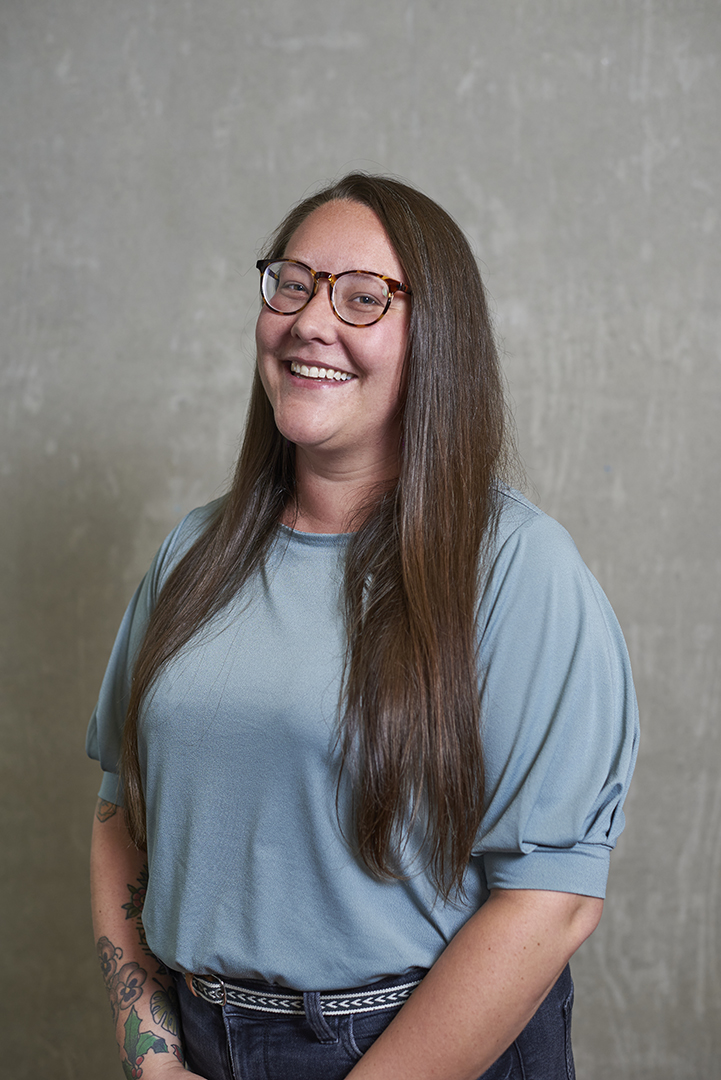 Chitty says her role at Western came out of the Truth and Reconciliation Commission Calls to Action #62.
“That is a huge responsibility because those are the Calls to Action from survivors and families of people who didn’t survive,” Chitty says.
The Indigenous Curriculum Specialist Network is planning to hold a three-day gathering to meet in person now that COVID-19 pandemic restrictions have lifted.
“We are talking about meeting in person, because we never have for the past two years, having this gathering would be ideal,” Tolley says. “We wanted to have a day on the land where we are learning so we come together as learners. We haven’t fleshed out the details, but we talked about how we want to be learners. On the second day we want to maybe be together in terms of what can we produce that’s going to help us in our positions and then the third day would be sharing with everyone what we have to say about this kind of work, so taking a different approach to coming together.”
Orr says the ICSN plans to continue holding their regular meetings over the Zoom platform because they are able to reach more participants.
“I think we're going to keep doing Zoom,” Orr says. “That’s the only way that we can stay connected in this day and age to be able to gather everybody from across the nation.”