Indigenous

Indigenous Graduate Speaker Series - Teagan Neufeld

Sharing Stories and Learning from Each Other

Indigenous Graduate Speaker Series 

The Indigenous Student Services Centre is pleased to share this inspiring student speaker series. 

Teagan Neufeld

Master of Clinical Psychology

Thursday, March 26, 2026

12 pm to 1 pm

Gakina Nindinawemaaganag - UC1007A

Light refreshments provided.

Indigenous Graduate Speaker Series - Rachel Johnson

Sharing Stories and Learning from Each Other

Indigenous Graduate Speaker Series 

The Indigenous Student Services Centre is pleased to share this inspiring student speaker series. 

Rachel Johnson

Master of Environmental Studies

Thursday, March 19, 2026

12 pm to 1 pm

Gakina Nindinawemaaganag - UC1007A

Indigenous Graduate Speaker Series - Abbey Radford

Sharing Stories and Learning from Each Other

Indigenous Graduate Speaker Series 

The Indigenous Student Services Centre is pleased to share this inspiring student speaker series. 

Abbey Radford

PhD Clinical Psychology

Thursday, March 12, 2026

12 pm to 1 pm

Gakina Nindinawemaaganag - UC1007A

Light refreshments provided.

Indigenous Graduate Speaker Series - Brandon Chevrier

Sharing Stories and Learning from Each Other

Indigenous Graduate Speaker Series 

The Indigenous Student Services Centre is pleased to share this inspiring student speaker series. 

Brandon Chevrier

Master of Education in Education for Change

Thursday, March 5, 2026

12 pm to 1 pm

Gakina Nindinawemaaganag - UC1007A

Light refreshments provided.


Meet Teaching Innovation Award Winner Mohit Dudeja

This Lakehead Instructor Helps Students Advocate for a Better World

"I love teaching because it enables me to transform learning into a creative, political, and collective experience," says Faculty of Education instructor Mohit Dudeja.

The PhD candidate, researcher, educator, activist and psychotherapist won a Lakehead University Teaching Innovation Award in November 2025.

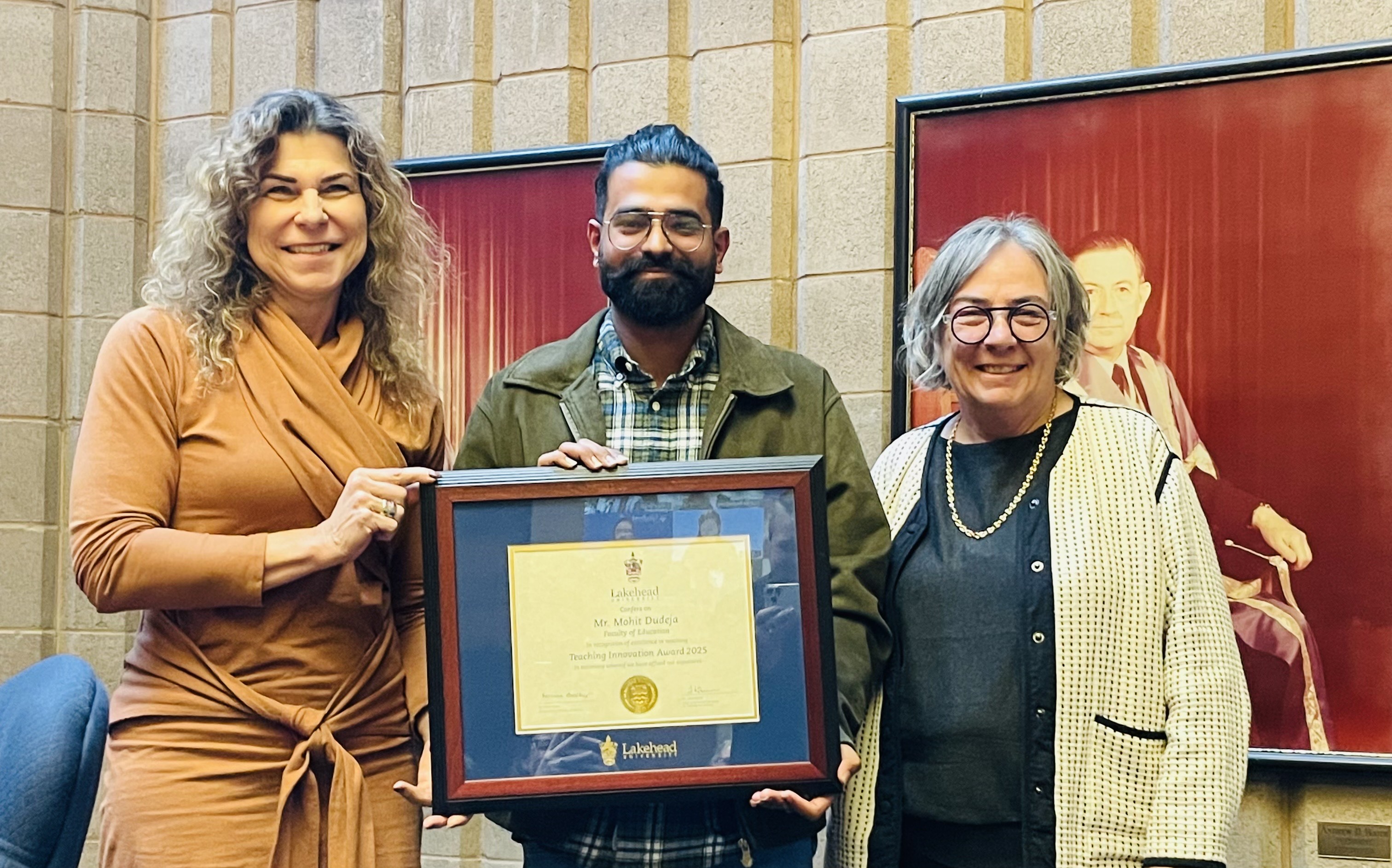
Mohit Dudeja, flanked by Dr. Gillian Balfour and Dr. Gillian Siddall, holds his framed 2025 Teaching Innovation Award in Lakehead's Senate Chamber

Mohit accepts his Teaching Innovation Award from Provost and VP Academic Dr. Gillian Balfour and Lakehead President Dr. Gillian Siddall.

The award celebrates Mohit's broader teaching accomplishments in the Department of Graduate Studies and Research in Education, as well as his inventive approach to the Activism in Education graduate course.

"It felt really amazing to win because Activism in Education is one of the best courses I've developed and taught," says Mohit, who moved to Canada from Delhi, India, to continue his studies.

Shaking Things Up

Mohit's ability to connect with his students is at the core of his methods.

"Everything I do, including my research and my teaching, comes from my own lived experiences," he says.

"As a child—and even as an undergrad and postgrad student in India—studying was a burden because it was boring and full of pressure. So, when I got an opportunity to teach, I thought, 'I want to make it fun.'"

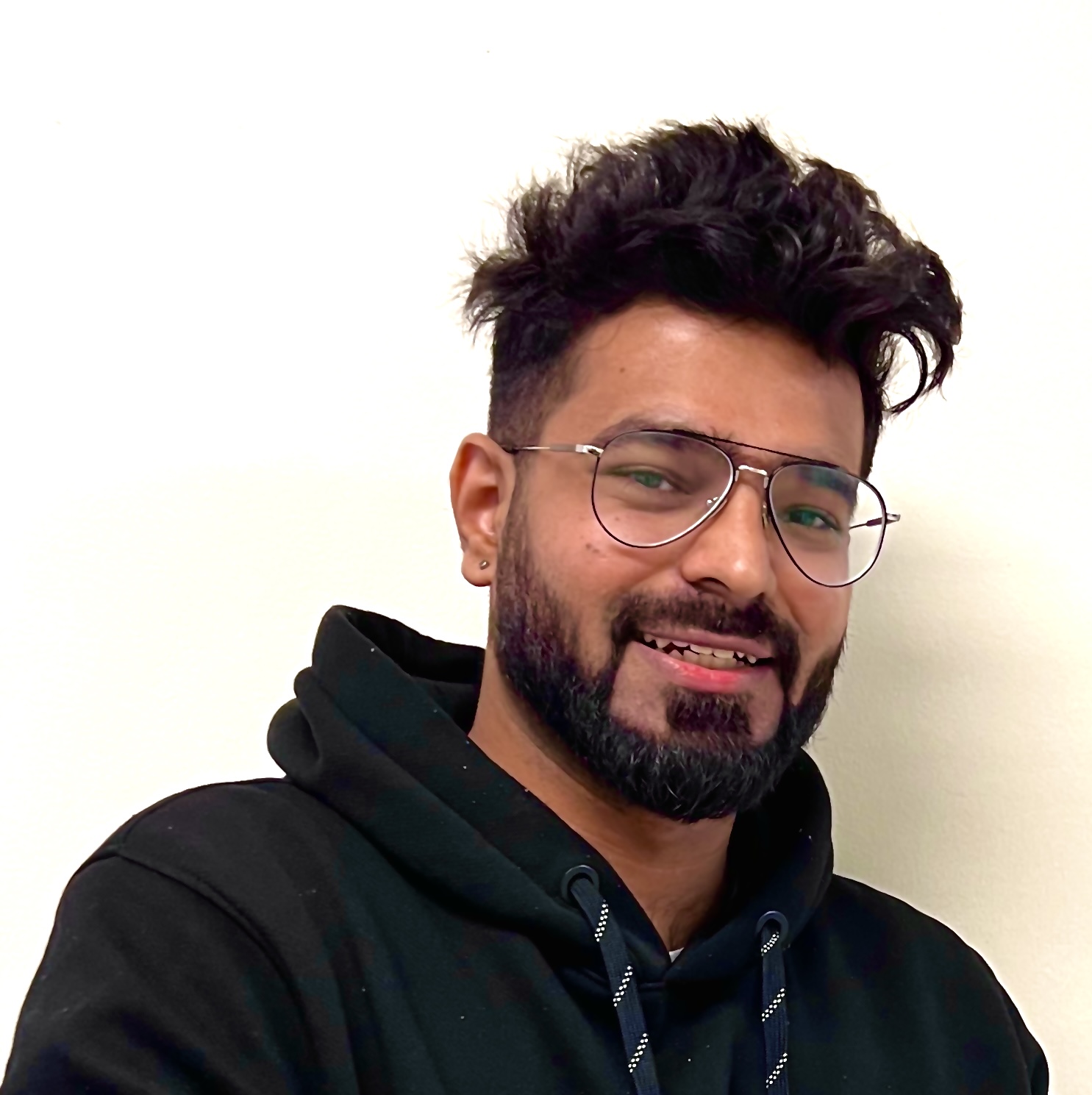
Mohit Dudeja wearing a black hoodie

"I have been a fighter from an early age, and the battles I have lived through shape how I teach," Mohit Dudeja says.

In the Activism in Education course—where all students come from outside Canada—Mohit deliberately designed learning experiences that extended beyond lectures and traditional assessments.

He blended theoretical concepts with practical experience by integrating arts, outdoor experiential learning, multimedia, and imaginative activities.

The goal was to give students a creative platform to examine topics such as gender equality, racism, and discrimination in Canada.

As a culminating project, Mohit proposed an ambitious idea: a collaboratively written and performed theatrical production that would bring students' analyses to life.

"I invited the students to create a script for a dramatic performance. Every one of them agreed. They were really excited to embark on an unconventional learning adventure."

An Award-Winning Performance

Mohit's students chose to put on a play exploring how Canada's changing immigration policies are affecting the lives of international students.

Education professor Dr. Gerald Walton nominated Mohit for the Teaching Innovation Award after sitting in on a dress rehearsal.

Lakehead students perform the last scene of their play for the Activism in Education play with images of the Canadian flag projected onto the wall of the auditorium

Above, students perform the last scene of the Activism in Education play. Their compelling performances brought the audience to its feet. "Knowing that my teaching helped students feel represented, validated, and less alone is something I carry with me and remain proud of," Mohit says.

Dr. Walton was impressed by both the performances he saw and the solutions the play proposed—solutions that can be implemented in classrooms, schools, and communities.

The production was performed in Lakehead's Bora Laskin Auditorium on November 21, 2025.

"When the play ended, the room echoed with claps," Mohit says.

"Many of us, including me, were in tears. Students had just seen their struggles and unspoken truths reflected back at them.

International students who weren't enrolled in the course came up to me and said, 'Thank you for highlighting the harsh realities that we live every day.'"

An Impassioned Advocate

Mohit's commitment to activism extends to helping people battling mental health challenges.

It was an area he became interested in when he faced his own mental health challenges.
His experiences spurred him to join Lakehead groups and community projects and volunteer with Thunder Bay Counselling.

Since then, he's helped countless students.

He has also served as president of the Lakehead University Graduate Students' Association. In that role, he pushed for inclusive initiatives such as a queer graduate student circle and a peer support program, as well as a listening and sharing circle at the Student Health and Wellness Centre.

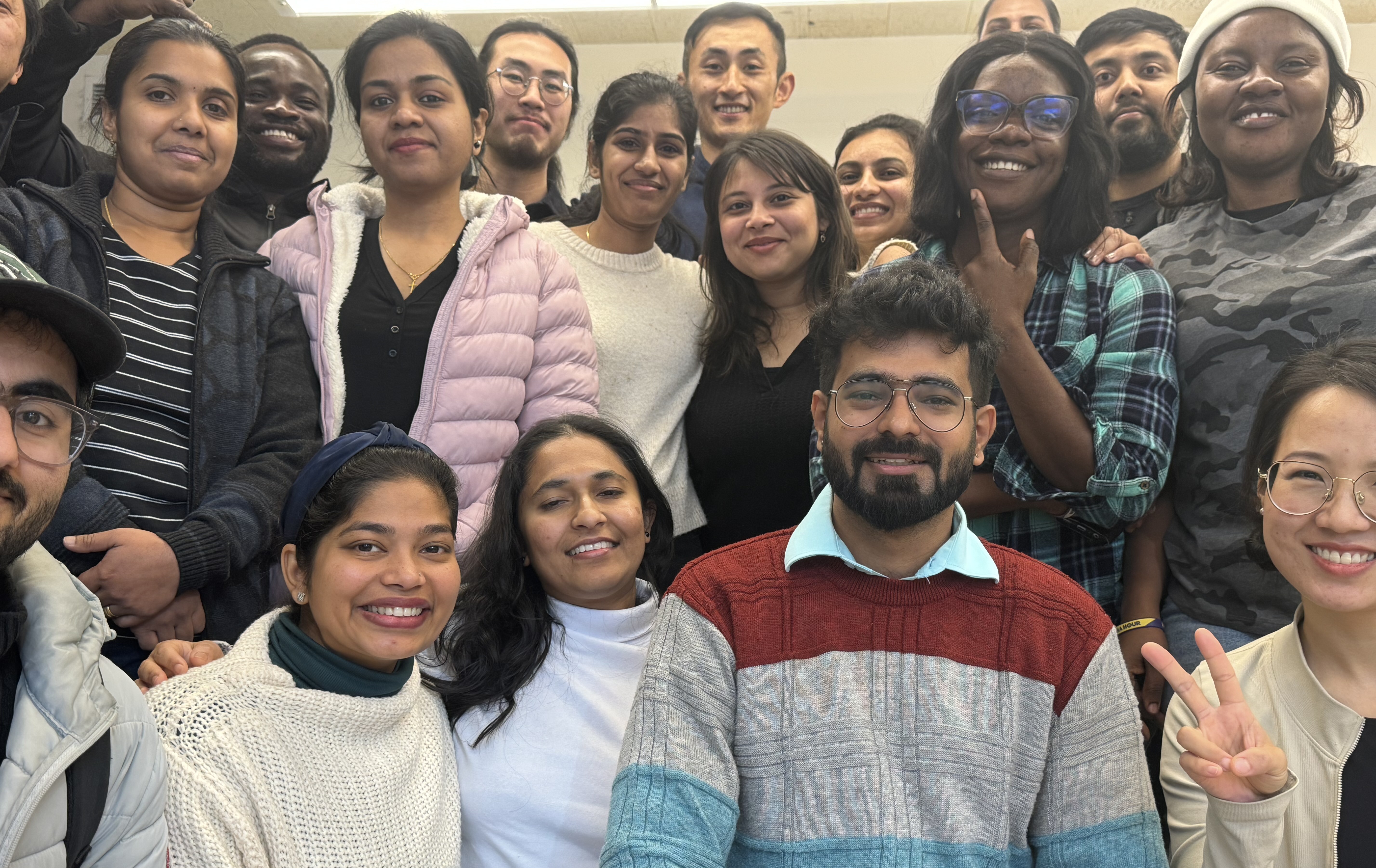
Mohit Dudeja and his Activism in Education students pose for a group photo

Mohit with his Activism in Education students.

"In the future, I see myself running a nonprofit and working for queer, BIPOC, and international student communities here in Canada and in India."

But Mohit has another, more immediate, dream.

"I come from a very humble background," he says. "I didn't have the resources to build something on my own. Becoming a tenure-track professor feels like the next step in continuing this work, and doing it sustainably."

Alumni Spotlight: Teigan Labor Fights for Canada’s Incredible Wilderness

This Conservationist and Freediver Documents Life in the Atlantic

"Lake Superior was definitely a big pull for me," says Teigan Labor of her decision to come to Lakehead University.

This recent grad (HBOR/BSc'24) is now the communications manager of the Nova Scotia chapter of the Canadian Parks and Wilderness Society (CPAWS-NS).

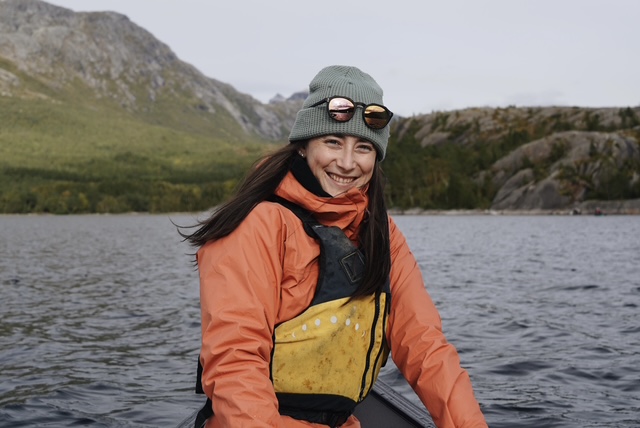
Teigan Labor, wearing a waterproof jacket and a life jacket, sits in a canoe on the water with rocky mountains in the background

Above, Teigan canoeing in Norway during the semester she spent at Nord University. "Northern Norway was a fantastic place to go as someone studying outdoor recreation and natural sciences because of the stunning landscape and the culture of friluftsliv, which translates to 'open-air life.'"

Choosing the university surrounded by boreal forest and a vast lake proved to be a good move for Teigan, who grew up exploring the wild waters and shores of Nova Scotia.

She was also encouraged by a glowing endorsement from her dad, Peter Labor.

He graduated from Lakehead in 1989 with Honours Bachelor of Outdoor Recreation and Bachelor of Science degrees, and went on to become the Government of Nova Scotia's director of protected areas and ecosystems.

"Growing up, my dad told me a lot of stories about Lakehead, especially his outdoor rec adventures—like joining the Mackenzie Expedition canoe trip across Canada," Teigan says.

"I saw how his time at Lakehead led him to an environmentally focused career and shaped him into someone I looked up to."

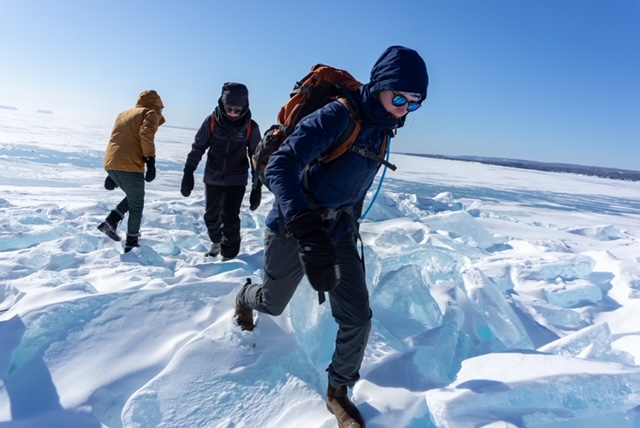
Teigan Labor, wearing winter clothing and a backpack, hikes with two other people across Lake Superior in the winter

"I chose Lakehead for its community-oriented mindset—smaller classes, knowing your profs—and the opportunity to do a double degree in Outdoor Recreation, Parks and Tourism and Natural Sciences," Teigan says. "This was unique from the other universities I was considering."

A Sailing Adventure and Studying Among Norway's Glaciers

Teigan packed a lot of living into her time at Lakehead.

She began a month-long stint as an environmental educator in 2022 after attending a campus presentation by Sea Change Expeditions, an educational organization.

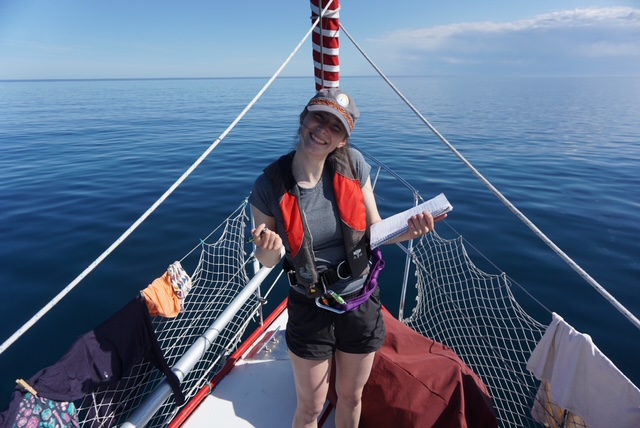
This entailed living aboard a 40-foot sailboat on Lake Superior and sailing to schools around the lake. She talked to kids about issues affecting the lake, like climate change, microplastics, and invasive species.

Teigan Labor on a sailboat holding a notebook and a pen

While sailing around Lake Superior in 2022, Teigan recorded water-clarity data as well as spoke to schoolchildren. "The schools we stopped at included Knife River and others on the North shore," she says. "We also stopped in Houghton, Michigan and Washburn, Wisconsin."

In her final year at Lakehead, she spent a semester at Nord University in Bodø, Norway, as part of Lakehead's North2North exchange program. "It was really eye opening, and one of the best decisions I made as a student," she says.

"I got to climb a glacier and learn how glaciers are being impacted by global warming—while standing RIGHT THERE in person."

The Pull of the Magnificent Atlantic Ocean

As an undergrad, Teigan worked as a summer student with CPAWS-NS, which works to conserve Canada's natural ecosystems.

She springboarded into a full-time role as CPAWS communications manager (she also does videography work for the organization) right after graduating from Lakehead.

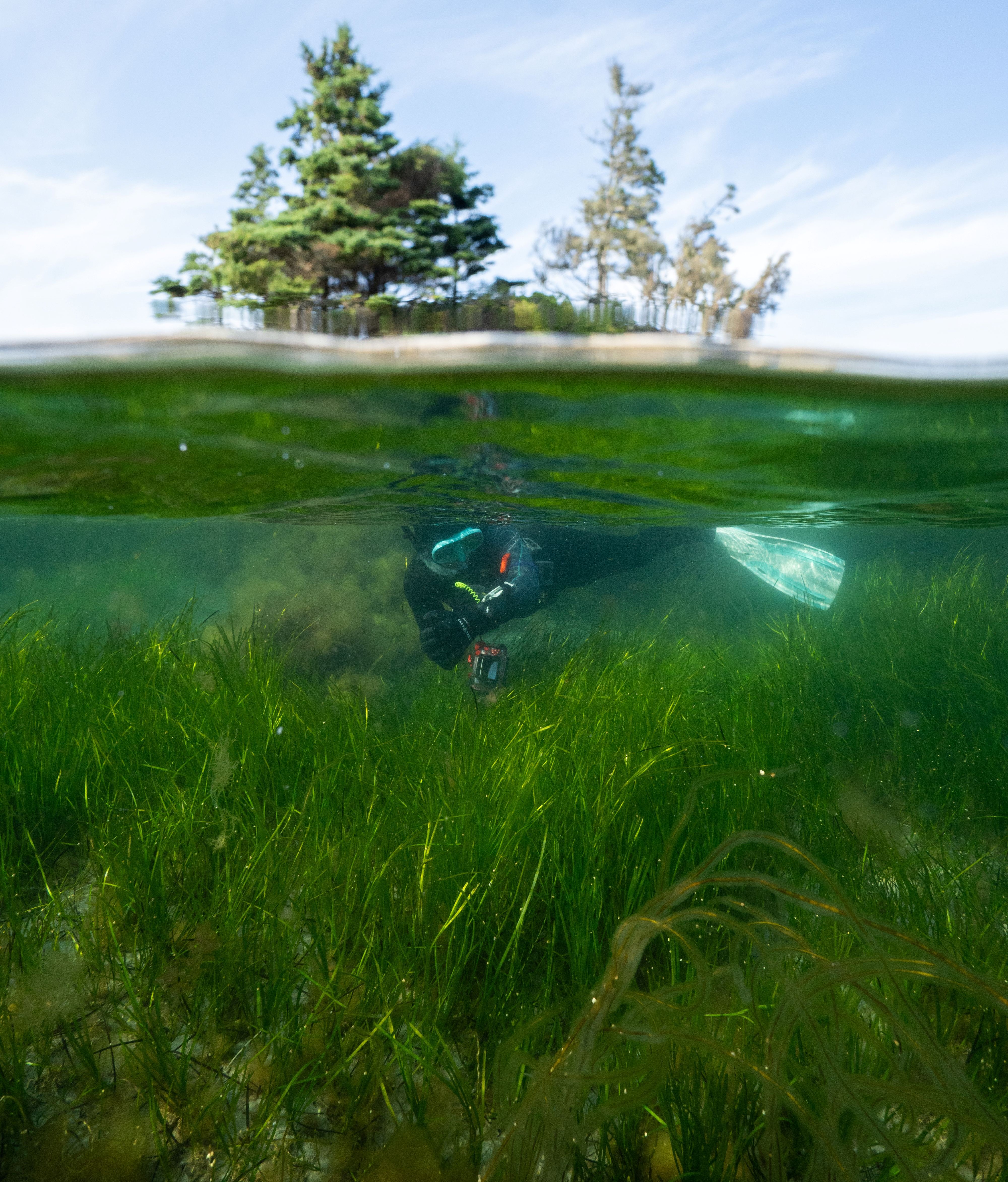
Teigan Labor, wearing a wetsuit and a snorkelling mask and with a video camera hanging from a wrist, swims among eelgrassTeigan during a conservation freedive among eelgrass. "Eelgrass meadows provide shelter and nursery habitats for juvenile fish, and other marine species," she says. "They also store and sequester carbon, reduce coastal erosion, and much more." Photo Credit: CPAWS-NS/Teigan Labor

Her path to this position was helped by her activities both in and out of class.

She was the Lakehead Outdoor Recreation Parks & Tourism Student Society information coordinator and a videographer of outdoor rec-related content used in Lakehead's digital recruitment campaigns.

"Outdoor rec is just such an incredible program because you get a lot of different perspectives, including a really strong Indigenous-led perspective," she notes.

"I got a strong grasp of the leadership and group dynamics side of outdoor rec, such as guiding people in the outdoors, and learning how to assess risk and liability for participants."

Another bonus was earning certifications for diverse skills as part of her coursework.

On a Mission to Conserve Nova Scotia's Unique Marine Life

Today, Teigan has a career that gives her a sense of meaning and purpose.

"There are islands all up and down the coast of Nova Scotia, so one of the coolest projects I've been working on lately is a documentary about those islands and their remarkable biodiversity," she says.

Part of her efforts include conservation freediving, which allows her to document marine environments with underwater photos and videos.

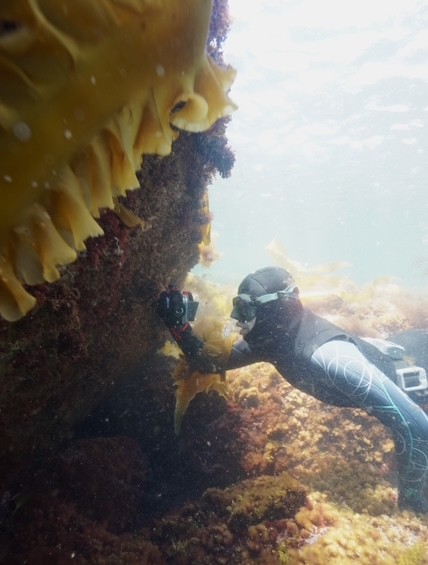
Teigan Labor films underwater footage of a coral reef while freedivingTeigan on a CPAWS conservation freedive at Sandy Cove, Terence Bay, in Nova Scotia. "We don't use the snorkel that much because we spend most of our time diving deeper than the surface!" Photo Credit: CPAWS-NS/Teigan Labor

"Conservation freediving looks a lot like spearfishing, but we replace the spear with a camera and strap a slate to our arms so that we can take down observations." Unlike scuba diving, freedivers don't use oxygen tanks.

Her department focuses on science communication to bring the public and communities into conversations. The goal is to inspire people to care about conservation and to talk to their policymakers about protecting the environment.

"I believe as humans we have a responsibility to take care of nature," Teigan says.

"I grew up canoeing, hiking, and playing in Nova Scotia's parks, protected areas, and coastlines. I want future generations to have the same opportunity."

English Professor Dr. Kathryn Walton is an Expert in Enchantment

Step Aboard a Golden Airship

If students hate to miss your classes, that's a sign you're doing well as a professor.

And if a student compares missing a class to "abandoning a once-in-a-lifetime voyage aboard a golden airship," that's a sign that your professor is Dr. Kathryn Walton.

With that kind of praise, it's fitting that she received her second Lakehead Contribution to Teaching Award in November 2025 (she was granted her first award in 2021).
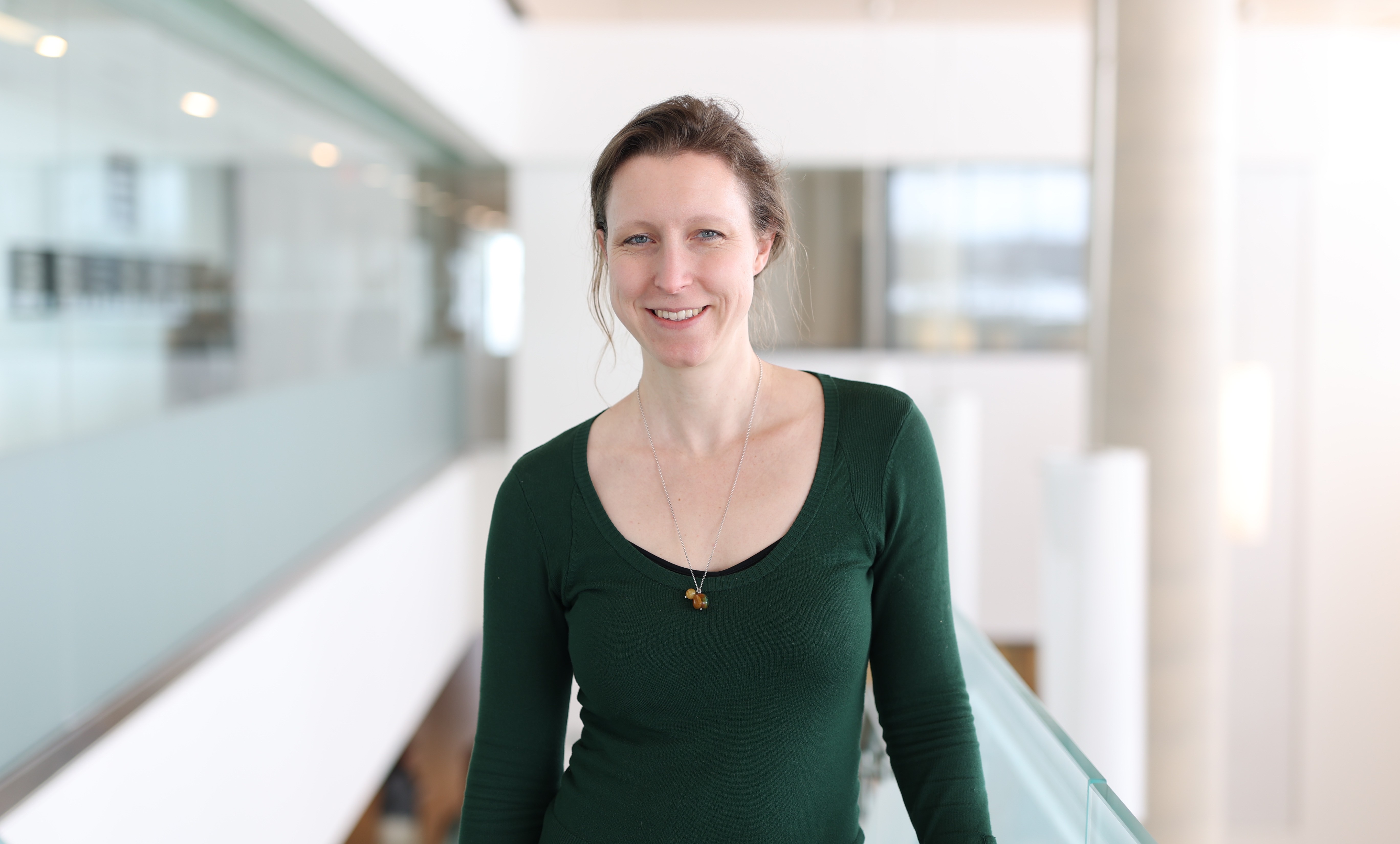
Dr. Kathryn Walton, wearing a green sweater and a pendant necklace, stands at the top of the staircase in Simcoe Hall

One student described Dr. Walton as "Lakehead Orillia's very own English-focused Ms. Frizzle. She's just missing the anthropomorphic chameleon and the magic bus."

This is a very special honour because it is students who nominate instructors for these awards, and it's their votes that determine who wins.

Dr. Walton, a professor in the English department at Lakehead Orillia, teaches sought-after courses in medieval literature, children's literature, and the history of English literature.

Literary magic, in particular, is one of her specializations. She's currently working on a book called Literary Magic in Medieval England to be published by the academic press Boydell & Brewer.

"That wonder, that excitement and engagement with the unreal and the supernatural in medieval literature has definitely influenced today's contemporary literature," she says.

Adventures into the Unknown

A lifelong lover of reading, Dr. Walton says her interest in the link between medieval literature and children's literature was sparked during her undergraduate studies.

"I was just absolutely fascinated by the way in which contemporary literary works have deep roots in the medieval era."

Heroes, quests, journeys, and magic that are common hallmarks of both forms of literature. Pseudo-medieval worlds—think Narnia, Middle Earth, and Hogwarts—abound in children's literature.
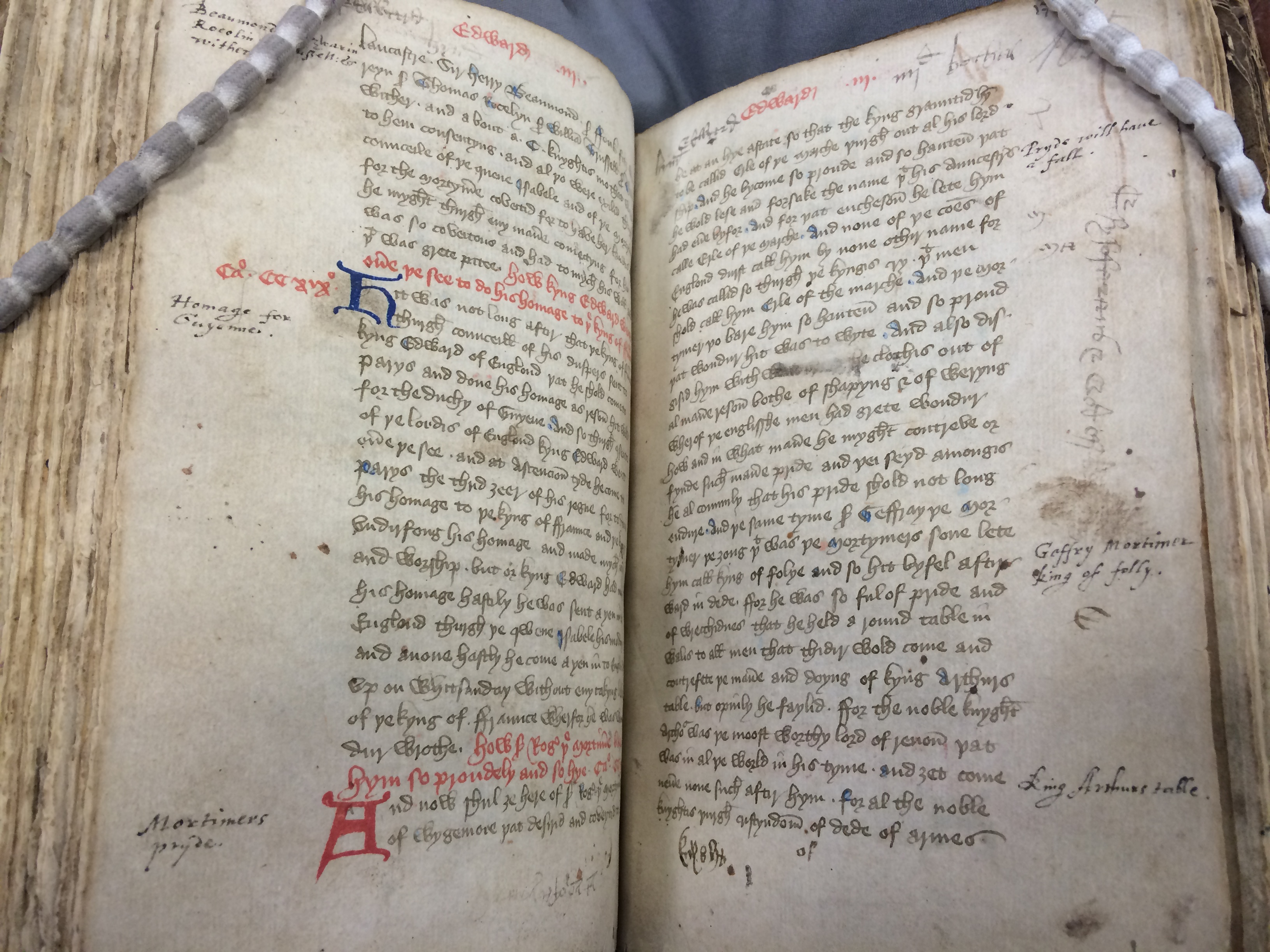
The Lincoln's Inn MS 150 medieval manuscript is opened up so that two facing pages are visible

Above is the Lincoln's Inn MS 150 manuscript created c. 1400. It features a mix of religious and romance texts from the medieval period. Dr. Walton discusses this book in her class Literary Magic in Medieval England.

In the Middle Ages, many literary works were conveyed orally, rather than written, so they're constructed in a way that appeals to the ear. Children's literature is similar, she points out.

But children's literature is unique in that it offers compelling and brilliantly written stories that are also easy to understand.

"That's incredibly powerful," Dr. Walton says. "Most people can remember books that they read as kids much better than they can remember anything they've read as an adult."

Old Languages Bring Literature to Life
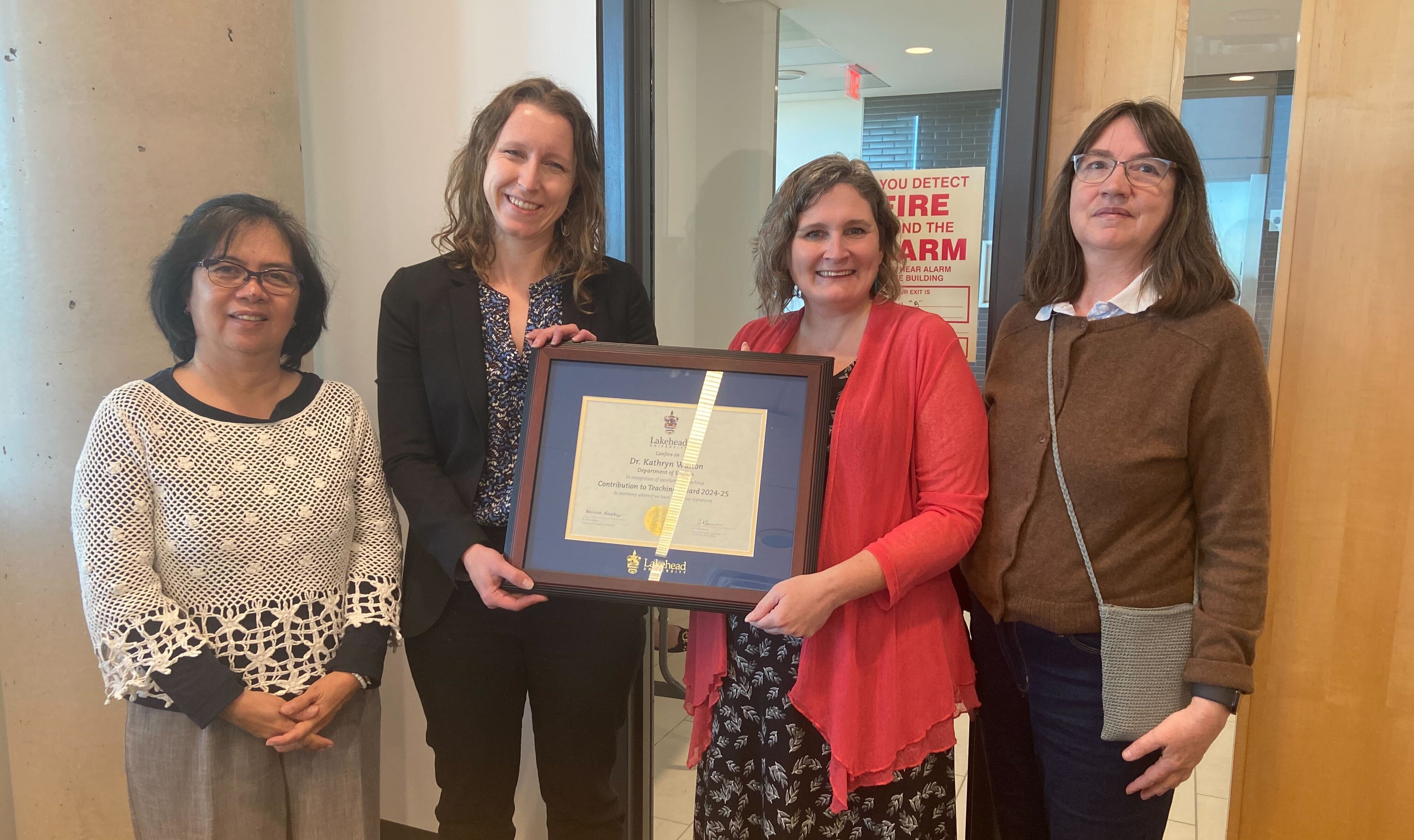
Dr. Kathryn Walton accepts her 2025 Contribution to Teaching Award

Dr. Walton accepts her 2025 Contribution to Teaching Award. Left to right: Social Sciences and Humanities Dean Dr. Glenda Bonifacio, Dr. Kathyn Walton, Lakehead Orillia Principal Dr. Linda Rodenburg, and Social Sciences and Humanities Dean Dr. Jennifer Jarman.

A mastery of Middle English, Old English, and Latin is essential for any expert in medieval literature. Of the three, Middle English is the closest to modern English.

"I tell my students to squint and ignore the extra vowels," she laughs.

Being proficient in these languages allows Dr. Walton to bring more insight to her classes.

"Reading texts in the original language is invaluable. It helps readers appreciate a specific poetic structure that doesn't come through in translation, and grasp the culture of the time through archaic words."

Freke, for instance, means "knight."

What's it like to be Peter Pan or Alice in Wonderland?

Getting students fired up about diverse forms of literature drives Dr. Walton's teaching approach.

"I give students a lot of space to talk about what they're interested in and what they find good or bad about whatever we're reading," she explains.

"Then I give them the historical context to understand the text and to inspire them to make new connections—to themselves and to the material."

A medieval illustration of Merlin, wearing a blue robe, points a finger towards a seated monk writing in a book

"In contemporary literature, magic is often splashy, with fireworks and explosions while in medieval literature, magic is more subtle but infused with a sense of wonder," Dr. Walton says. Right, a 13th-century illustration of Merlin dictating his prophecies to his scribe, Blaise.

Ingenious assignments further enrich students' comprehension.

For example, she'll ask students to transcribe a character from children's literature, such as Peter Pan, into contemporary realist fiction to show how the character would operate in the modern world.

"This allows them to use their brains in a different way because to write a character, you really have to know them."

Or, students may try their hand at writing a sonnet, sixteenth-century style, to truly come to grips with this form of poetry.

Dr. Walton's imaginative and immersive teaching continues to win her new fans, as well as Contribution to Teaching Awards.

"It's always extremely rewarding to know that students value my teaching and the experiences that they have in my classroom," she says.

If you'd like to dive into medieval or children's literature, Dr. Walton recommends: The Marrow Thieves by Cherie Dimaline, the Legendborn series by Tracy Deonn, The Canterbury Tales by Geoffrey Chaucer, and the poem Sir Gawain and the Green Knight.

EPID@Work: "Small Effort, Giant Impact. Translating Participant Voices: Developing and Evaluating Public-Facing Health Communications from Qualitative Research"

About the Event

This presentation demonstrates how qualitative research can inform public health communications. Employee interviews about workplace mental health experiences were translated into accessible materials—an animated video and tip sheets—showing how small compassionate gestures support struggling coworkers. The presentation explores the rigorous development process and evaluation, illustrating effective knowledge translation from research to practice.

Indigenous Students Association – 36th Annual Powwow

Indigenous Students Association – 36th Annual Powwow 

Join us for a powerful weekend of culture, community, and celebration at Lakehead University! All are welcome to come together in a good way. 

Location: Lakehead University Hangar
Dates: March 13–15

Master of Ceremonies: Todd Genno – Bligtigong Nishnaabeg
Arena Director: Dustin Gagne – Bligtigong Nishnaabeg
Spiritual Advisor: Carmela Moses – Bligtigong Nishnaabeg
Host Drum: Walking Bear – Ginoogaming First Nation

Head Dancers

Pages

Subscribe to Indigenous