Indigenous

"Youth on Reconciliation: Imagine a Canada" Legacy of Hope Foundation and Library and Archives Canada Exhibit

Come visit Lakehead University to view "Youth on Reconciliation: Imagine a Canada" Exhibit - Legacy of Hope Foundation and Library and Archives Canada, which will be on display in the Agora January 12, 2026 - January 23, 2026. This exhibition explores the concept of Reconciliation through artistic expression and what it means to youth in Canada. The banners feature artwork and poems by winners of the first Imagine a Canada competition, announced in March of 2016.

Pipe Ceremony & Teachings

Pipe Ceremony and Teachings

Friday, January 30, 2026

12:00 pm

Gakina Nindinawemaaganag - UC1007

Indigenous Student Services Centre is pleased to provide students with the opportunity to attend a pipe ceremony and teachings. Elder Gene Nowegejick will conduct a pipe ceremony and share his knowledge.

Everyone welcome.

Traditional Teachings with Elder Sheila De Corte

Traditional Teachings with Elder Sheila De Corte

Monday, January 26, 2026

12:00 pm to 1:00 pm

Gakina Nindinawemaagang - UC1007A

Elder Sheila De Corte will share a few teachings from the Medicine Wheel, highlighting specific medicines that support mental health and wellbeing, with a special focus on how we can use them in our own lives.

Light refreshments ~ Everyone Welcome!

Call the Midwife

Ensuring Equitable Maternity Care for All Northern Ontarians

OVERVIEW:

  • Many Northern Ontario communities have limited access to maternity and newborn care
  • Training more midwives can help solve the region's healthcare challenges
  • Dr. Kirsty Bourret and Dr. Helle Møller's research team offers timely maternity care solutions

Bringing a child into the world should always be a joyful experience, but for many northern Ontario families, pregnancy also brings stress and anxiety.

Women across the region report difficulties in finding adequate perinatal and pregnancy care.

"If a woman living outside of a major centre needs her baby delivered, she often has to travel an average of four or five hours," says Health Sciences Professor Dr. Kirsty Bourret.
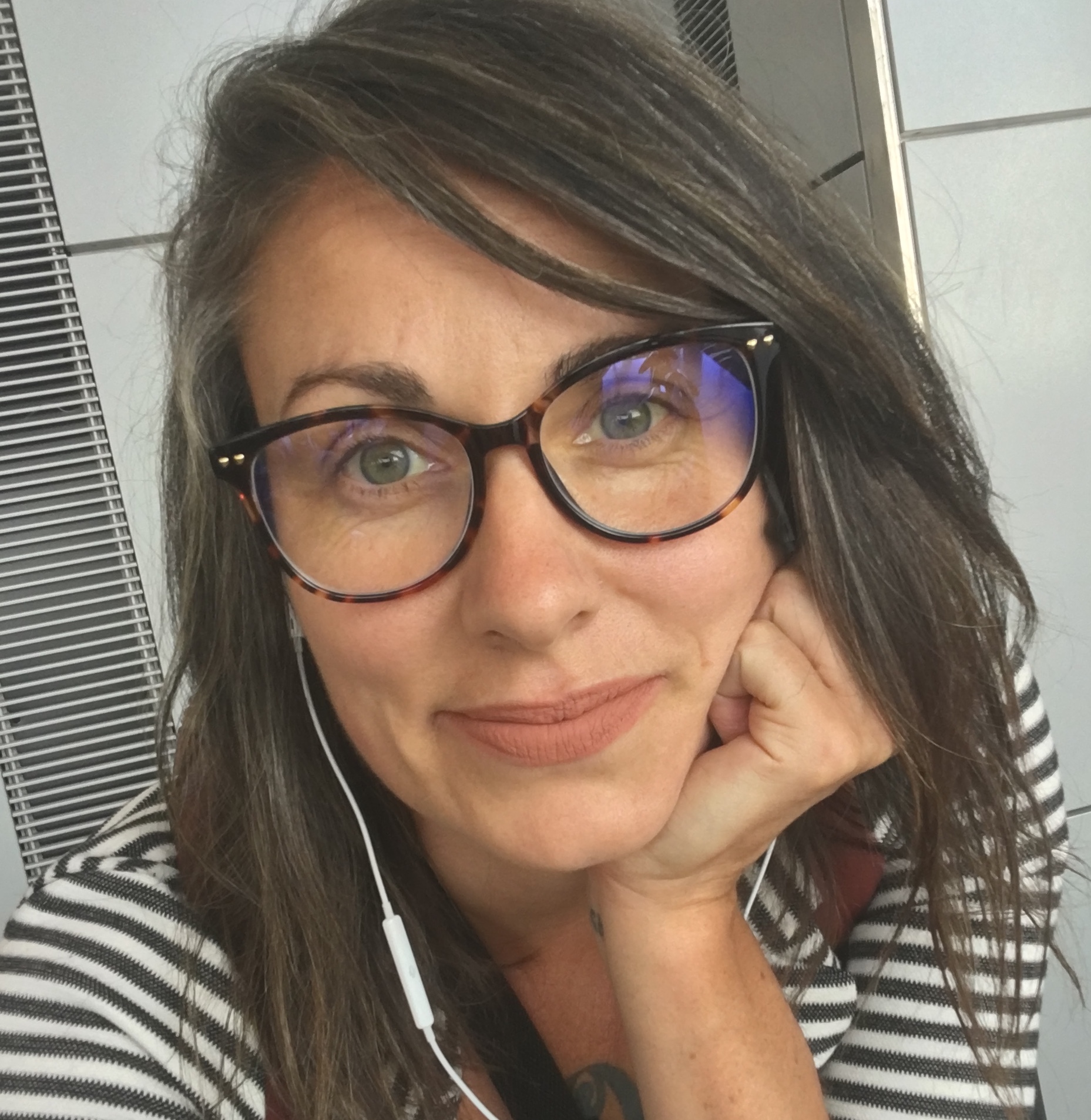
Dr. Kirsty Bourret

Dr. Kirsty Bourret (left) is a Francophone settler, midwife and researcher committed to advancing primary care, reproductive justice, anti-racism, and culturally safe care. She bridges clinical practice, policy, and implementation research to strengthen health systems that reflect the communities they serve.

Rural, Indigenous, and Francophone communities face the greatest challenges.

"Over the last five years, birth services in northern Ontario hospitals have been shutting down," says Health Sciences Professor Dr. Helle Møller. "Many of the remaining doctors don't have experience assisting with births, so they aren't offering maternity care."

"It was emotionally difficult to be separated from my two-year-old child for so long."
- Northern Ontario woman who had to leave her community to give birth
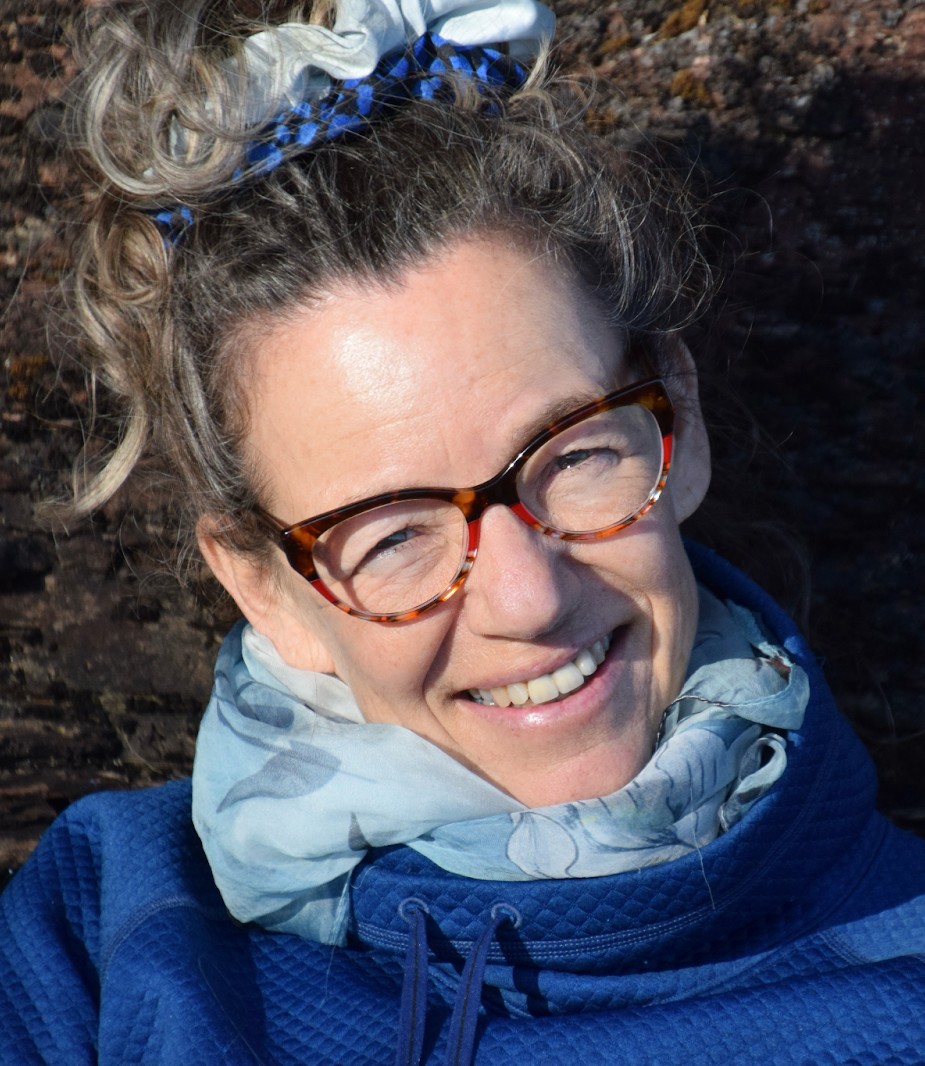
Dr. Helle MoellerDr. Helle Møller (right) studies the determinants of health, social justice, and equity in health, healthcare, and health education. In particular, she focuses on perinatal people, people on the female continuum, and Indigenous people in northern, rural, and remote regions.

For Dr. Bourret and Dr. Møller, the way to solve this concerning state-of-affairs is obvious. Train more midwives so that they can step into the gap.

Currently, midwives support approximately 40 per cent of all births in Thunder Bay, however, there aren't enough of them to meet demand in the region.

"Hundreds of northern Ontarians who want midwifery services are turned away because of a shortage of midwives," Dr. Bourret says.

What exactly does a midwife do?

Midwives are frontline healthcare providers whose services, which are free of charge, are comparable to those offered by doctors and nurse practitioners.

Prenatal, birth, and postpartum care is the focus of most midwives; however, they can also tend to every aspect of women's health and reproductive needs—from their teen years to menopause and beyond.

This care includes routine health screenings, contraception, early pregnancy loss and pregnancy care, care of mothers, and care of babies for the first two years of their lives.

They also allow women to choose where they will deliver their babies—at home, in a hospital, or at a birth centre.
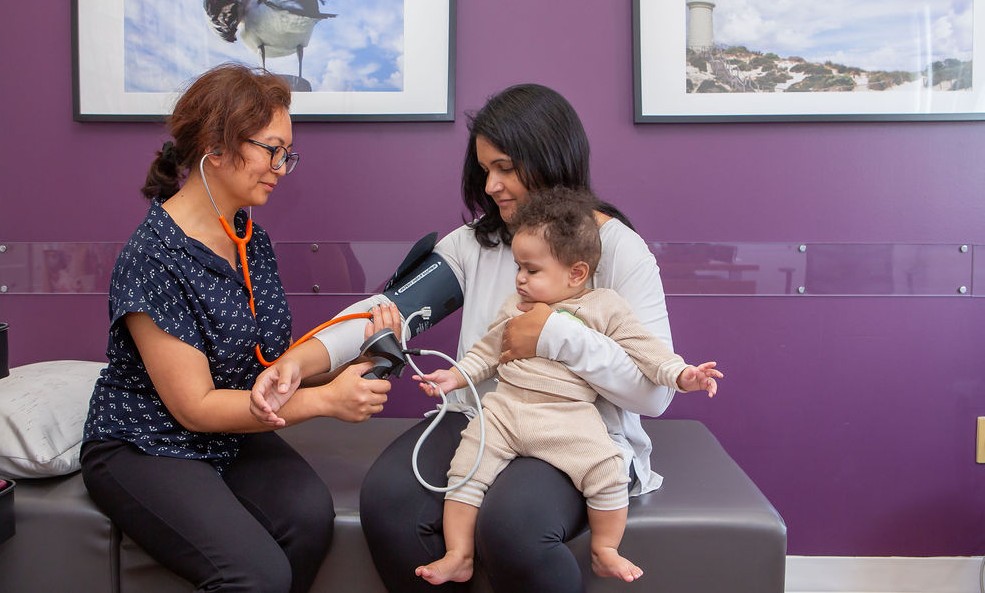
A midwife takes the blood pressure of a mother holding a baby

During home births, midwives bring clinical equipment including blood pressure cuffs, IVs, portable ultrasounds, and instruments for suturing, as well as medications to stabilize newborns and mothers. Some midwives travel up to 400 km to treat patients in rural northern communities. Photo Credit: Association of Ontario Midwives

"There are a lot of misconceptions about midwives, including that they're untrained and unregulated," Dr. Møller says.

"We want the public to know that midwives must complete a four-year university degree and that they are a regulated health profession governed by the College of Midwives of Ontario. They collaborate closely with specialists and are recognized by the province of Ontario as essential to interprofessional primary care teams."

Dr. Bourret is a midwife herself. "I came to midwifery in 2000 because I believe that everyone deserves equitable, safe, and respectful care."

"Midwives have a unique philosophy of care and a huge positive effect on their clients' mental health," agrees Dr. Møller.

They provide continuity of care, informed choice, are on call 24 hours a day for urgent concerns, and travel to clients' homes for postpartum care.

Standing Up for Women and Children
A woman seated upright in a hospital bed holds her newborn baby

Midwives help patients navigate a complex healthcare system by acting as advocates and by offering counselling and referrals. Currently, there are only about 1,000 midwives to serve Ontario's population of over 16 million. Photo Credit: Unsplash/Brian Wangenheim

Dr. Møller and Dr. Bourret are part of Northern Midwifery Care—an interdisciplinary research group committed to ensuring that every woman in northern Ontario receives culturally safe, equitable midwifery care.

The group is leading a large qualitative and quantitative midwifery research study called "Mapping Midwifery Care in Northern Ontario, an intersectional mixed methods study."

"Until now, there was no research showing where midwives are working in northern Ontario and how the midwife shortage is affecting access to primary healthcare," says Dr. Bourret, who is the study's lead investigator.

Dr. Møller is a co-investigator along with Laurentian University midwifery professor emeritus Dr. Susan James and Dr. Patrick Timony with the Centre for Rural and Northern Health Research. Their diverse research team also includes graduate students and northern Ontario client partner researchers with lived experiences, including midwives and doulas.

Midwives Make All the Difference
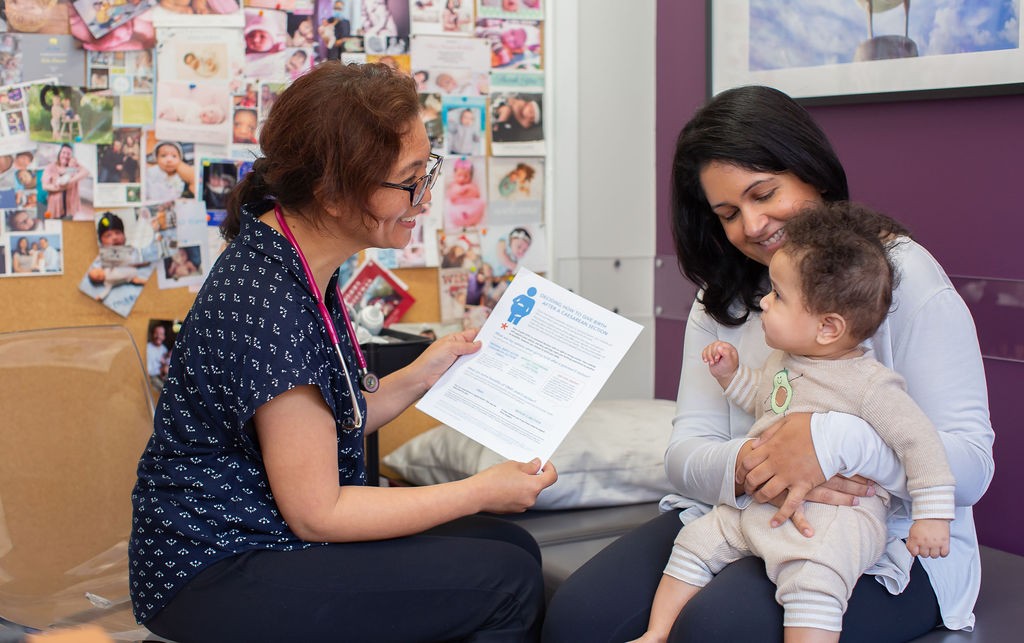
A midwife shares an information sheet with a mother holding a baby

Over 51 midwives, plus clients from every district in northern Ontario, were interviewed for the research study. "I come from Denmark where midwives provide 85 per cent of care to pregnant and birthing people," Dr. Møller says. Photo Credit: Association of Ontario Midwives

Preliminary results of the study have found that midwives provide timely and continuous primary care across rural, remote, and urban communities in the North and that they are one of the backbones of a good healthcare system.

They divert admissions to hospitals—including costly emergency department visits for women and newborns—and free up hospital resources for other patients.

That's why Dr. Bourret and Dr. Møller are organizing the Northern Ontario Midwifery Symposium this winter, to explore challenges, innovations, and collaborative solutions that will support sustainable midwifery care in northern Ontario.

"Midwives are change agents,"Dr. Møller says.

Make your voice heard by clicking here to register for the Northern Ontario Midwifery Symposium on February 5, 2026.

Dr. Bourret and Dr. Møller's research is funded by the Association of Ontario Midwives. You can learn more about the Northern Midwifery Care research group on Facebook and Instagram. You can also email them at northernmidwiferycare@gmail.com.

Winter Feast

Winter Feast

Wednesday, January 28, 2026

11:30 am to 1:00 pm

Everyone is invited to our annual Winter Feast. A variety of traditional foods will be available. Elder Beatrice Twance-Hynes will share traditional teachings.

Everyone is welcome to attend!

Dr. Nate Basiliko Explores Unseen Universes

Tiny Soil Microbes are Superheroes that Can Help Save the Planet

"In a small handful of healthy soil, there are billions of microorganisms—like bacteria and fungi—that's amazing!" says Lakehead Biology Professor, Dr. Nate Basiliko.

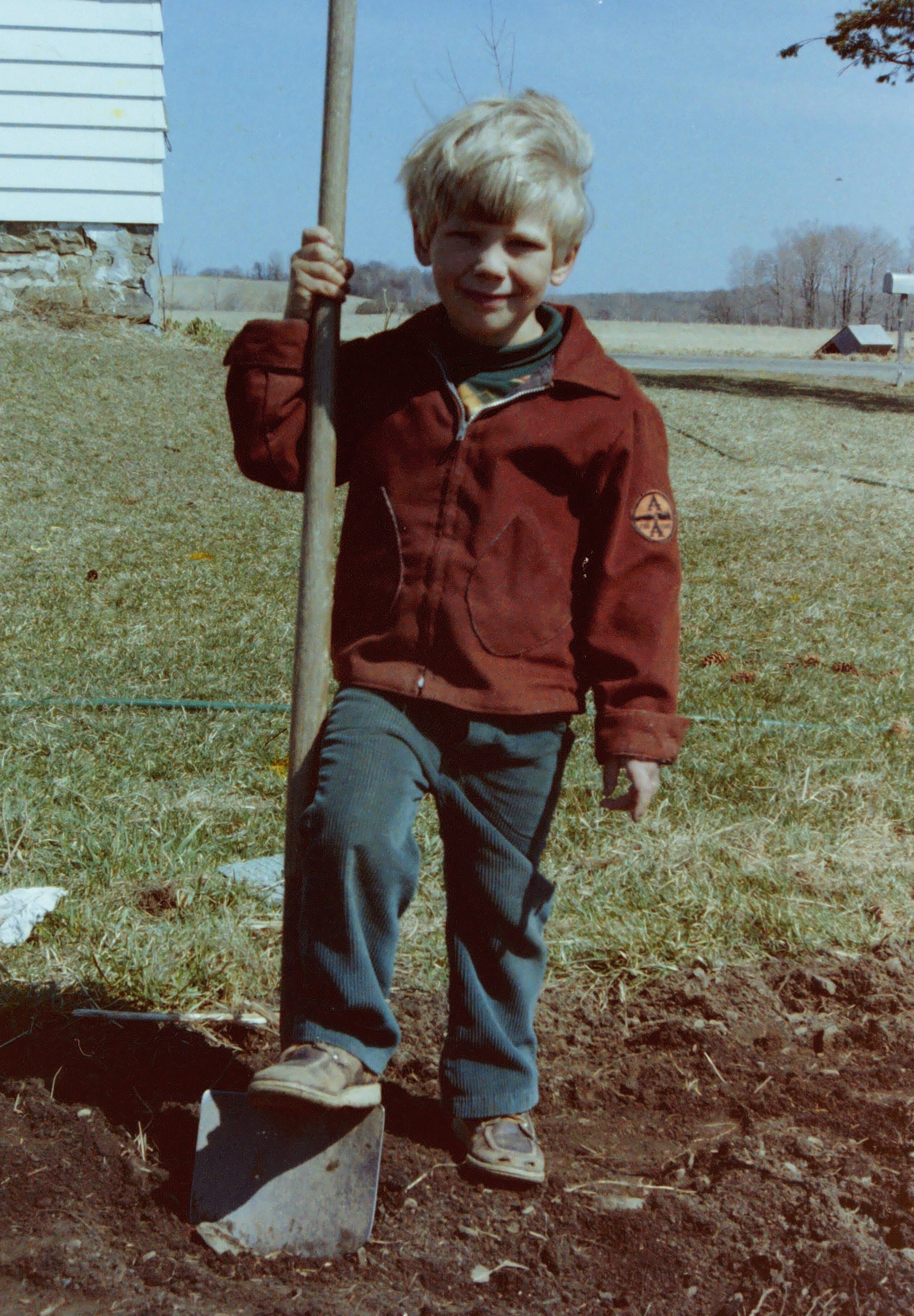
Five-Year-Old Nathan Basiliko stands with his foot on a shovel on a patch of dirt on his family farm

A love of soil began very early in life for Dr. Basiliko (right). He grew up on a 100-acre family farm in upstate New York. "There was a woodlot on our farm, and my brother and I occasionally tapped trees for maple syrup."

These microorganisms, also called microbes, can do everything from cleaning contaminated water to reducing the severity of wildfires.

Dr. Basiliko has been studying microbes since he was an undergraduate student working in a soil science laboratory at Cornell University.

"I started putting mud into jars and measuring what the microbes were doing, and I've never looked back," he says.

These microbes live in hyper-diverse communities called microbiomes.

"Microbiomes are everywhere—in soils, plants, wastewater, and in our bodies, particularly our lower guts. All living things are dependent on microbiomes."

Although soil science has been around for more than 100 years, a vast amount remains unknown.
"The tools to study soil microbiomes are still limited, but this makes it exciting for students and researchers."

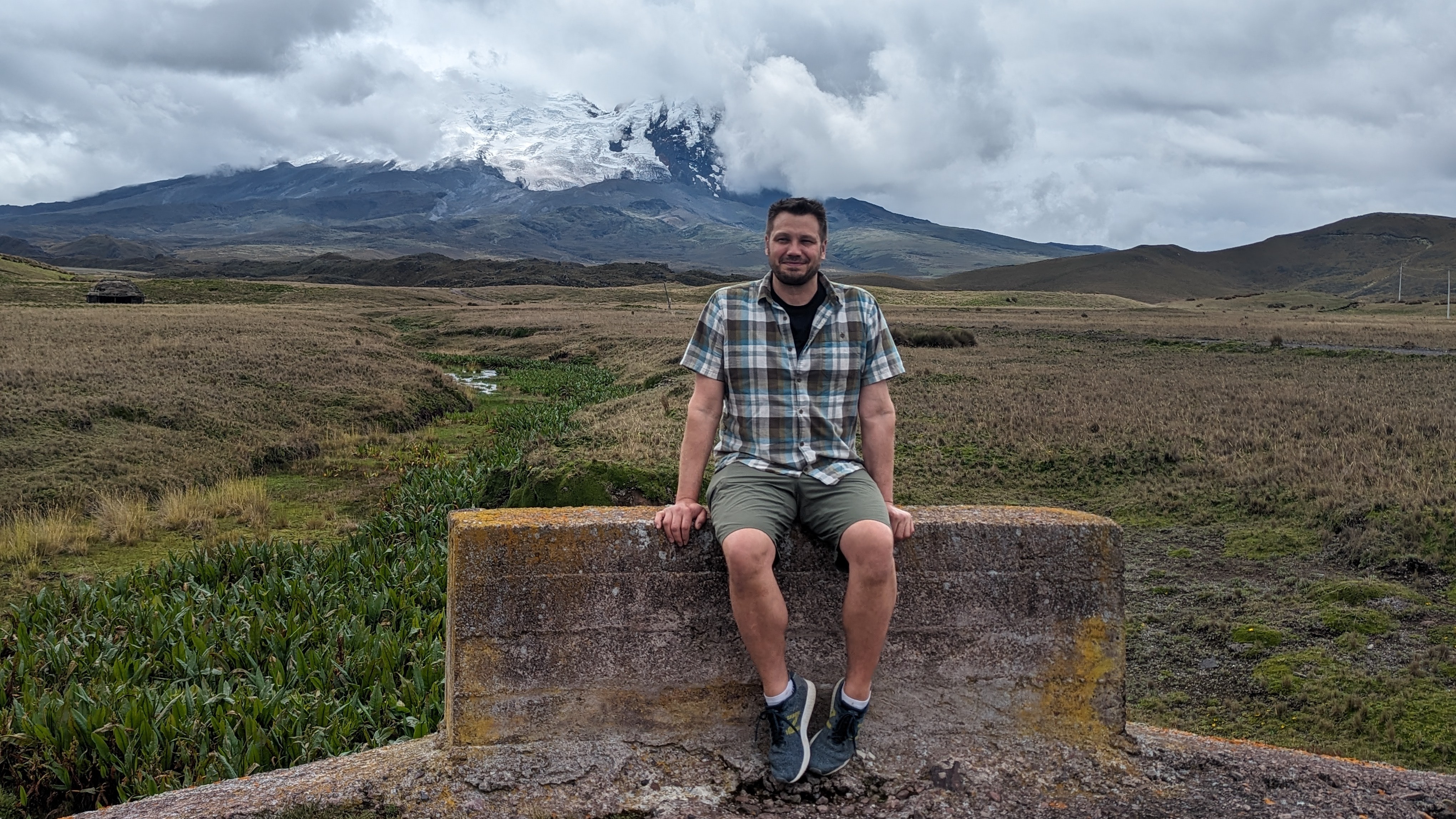
Dr. Nathan Basiliko sits on a stone wall near the Antisano Volcano in Ecuador

Dr. Basiliko typically studies soils and ecosystems in managed boreal environments in Canada, but occasionally he collaborates with researchers in other parts of the world. Above, he tours the Antisano Volcano in Ecuador.

Munching Microbes Can Get a Little Gassy

Dr. Basiliko is particularly interested in the connection between microbes and methane, a greenhouse gas.

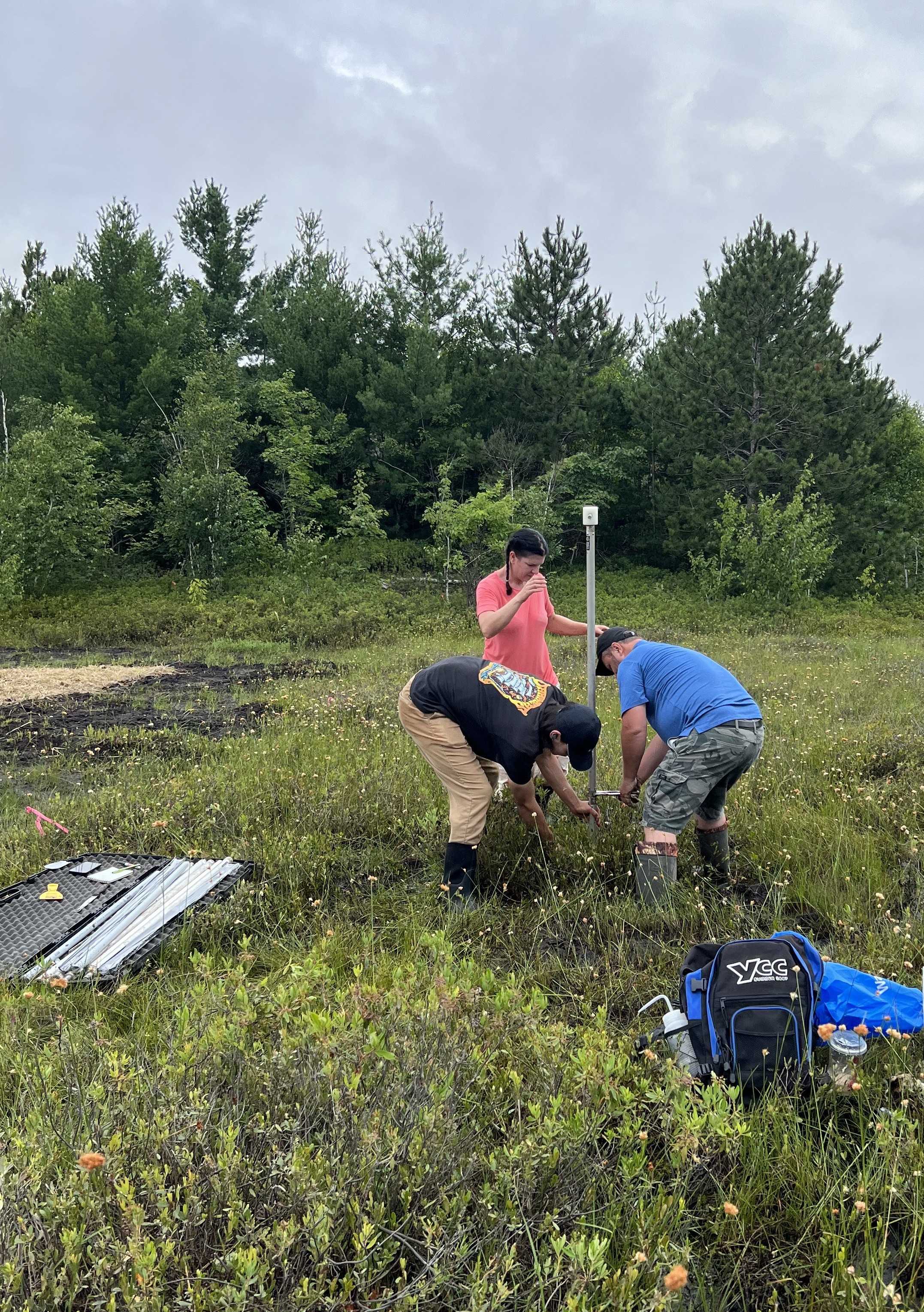
Three researchers collect a peat core sampleResearchers collect a core sample from a peat bog (left). "I love collaborating with students, colleagues, and communities, government, and industry partners," Dr. Basiliko says. Photo Credit: Steph Davidson
"Some microbes eat and break down stagnant organic matter, so scientists are constantly looking for new ways to use them in human-engineered systems like wastewater management and agro-ecosystems," he says.

There's a downside to all this decay, though. "Rotting organic matter without oxygen generates huge amounts of methane, which contributes to global warming."

Luckily, there are methane-eating microbes, called methanotrophs, that consume most of the methane produced in the world's stagnant soils.

Part of Dr. Basiliko's research concentrates on slowing climate change by harnessing these microbes' ability to destroy methane.

In landfills, for instance, putting a layer of healthy, well-aerated topsoil over areas that have been filled with waste prevents most of the methane from escaping into the atmosphere.

Bogs Have Ecological Superpowers

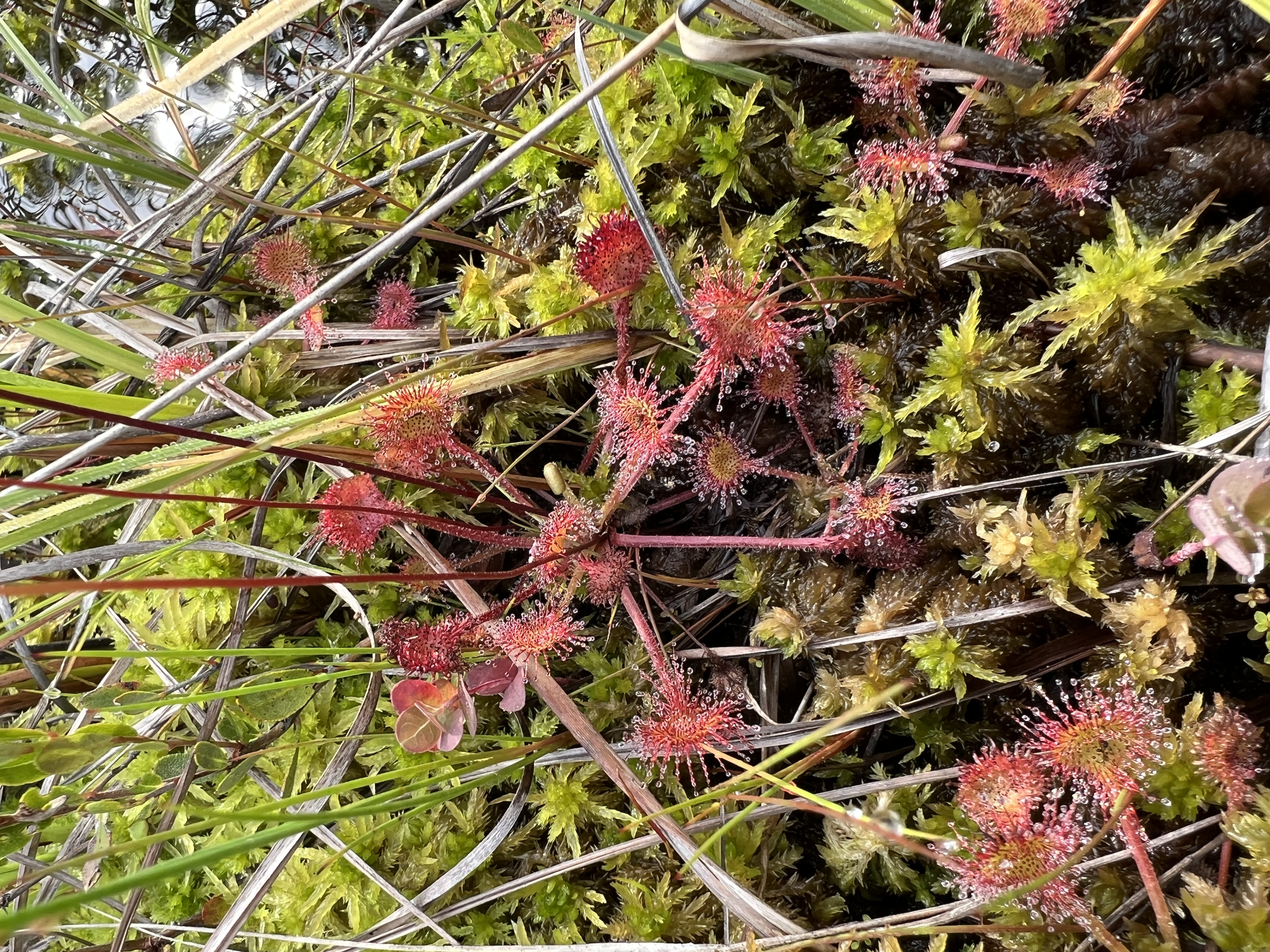
Red sundew plants in a bog

Sundew (right) and pitcher plants are two carnivorous plants found in nutrient-poor bogs. In Ontario, 30 per cent of the province are wetlands, making them critical to fighting climate change. Photo Credit: Samantha Mitchell

Currently, Dr. Basiliko is a member of a large research project led by Nipissing University focused on reclaiming wetlands affected by mining operations.

"We're studying wetlands, also known as bogs and fens, in the Sudbury area of Ontario," he says.

"Until the 1970s, nickel and copper smelters released toxic chemicals into the air, causing severe environmental damage."

Typically, bogs act as spongy filters. Their native plants and microbial partners work together to purify polluted water before it flows into lakes and rivers.

Around Sudbury, however, the sheer volume of pollutants released into the atmosphere for almost a century has damaged many wetlands.

A Bold Experiment to Regenerate Crucial Ecosystems

One group of plants that disappeared from bogs was peat mosses.

These plants are keystone species that support carbon sequestration, stable water levels, and a unique set of microbiomes, animals, and other plants—including carnivorous ones.

When they disappear, wetland ecosystems collapse.

For decades, the state of Sudbury-area bogs seemed irreversible. But peat mosses have begun to return, thanks to air quality regulations and large investments made by the mining sector.

The wetland research project is attempting to speed up peat mosses' recolonization of their former habitat. The hope is that if peat mosses flourish once again, microbial communities and other bog life will flourish, too.

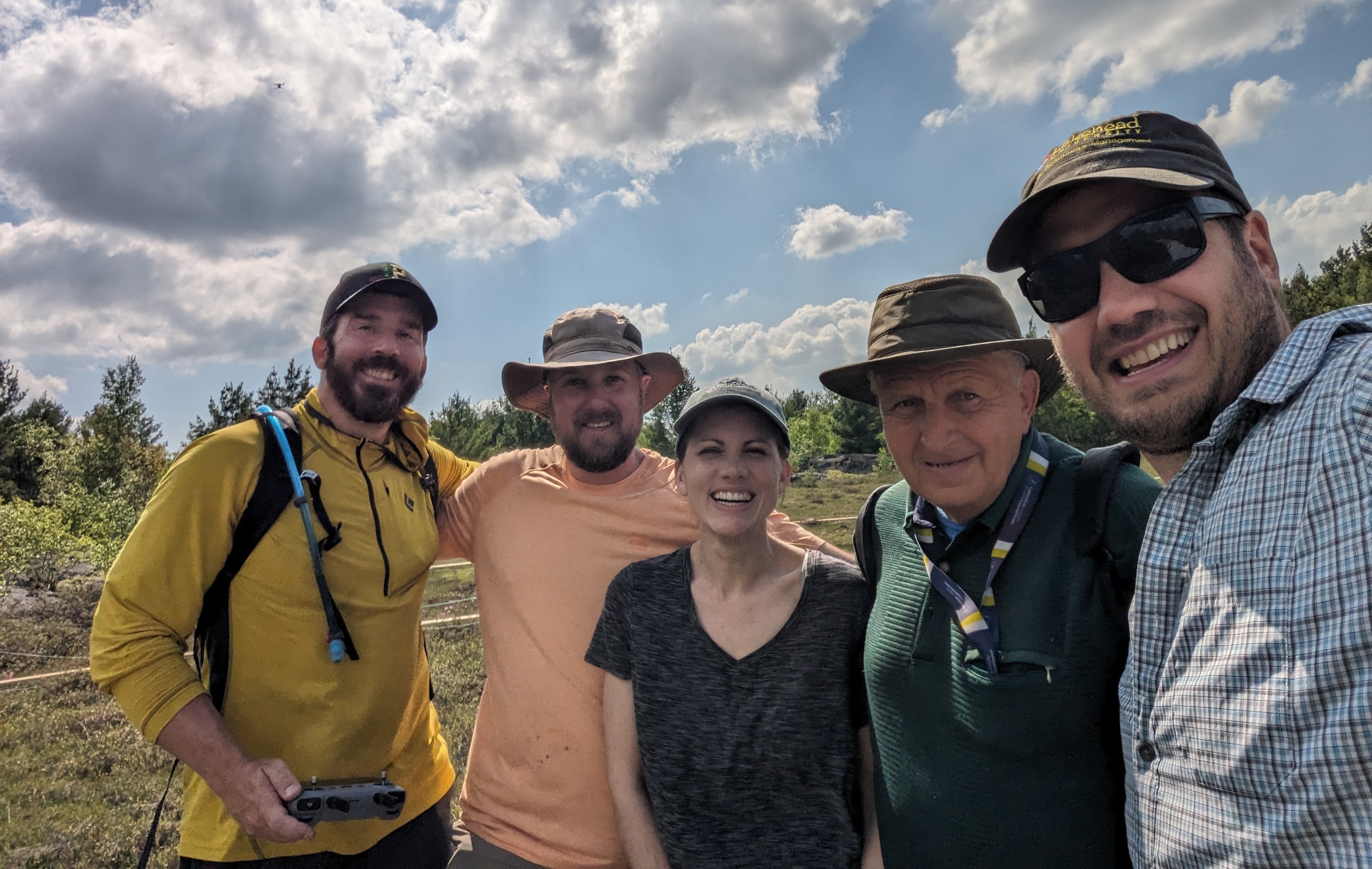
Dr. Nathan Basiliko stands with four other researchers in a Sudbury-area bog

Wetlands comprise only 2.5% of land surface area in the world, but hold one-third of its total carbon. They can also slow the spread of wildfires. Above, Dr. Basiliko (far right) with colleagues from Laurentian, Saint Mary's, Nipissing, and Brandon universities.

"Our research team is now planning the next stage of research, in collaboration with our industry partners," Dr. Basiliko says.

"We will sparingly take peat mosses from healthy wetlands that have been set aside for horticultural purposes. Then, we'll use drones to transplant them to degraded bogs and fens that could not otherwise be revegetated."

The mosses will be tracked by the researchers to see if they can successfully restore bogs.

"If this experiment works, we'd like to apply our results more globally. Creating practical solutions to serious problems is what inspires me as a researcher."

In 2025, Dr. Basiliko renewed his NSERC Discovery grant, 'Microbiomes Mediating Environmental Change Across Boreal Landscapes.' He is also one of the co-investigators in the wetland reclamation research project 'Mining atmospheric CO2: Assessing the efficacy of novel carbon sequestration strategies in smelter-damaged peatlands," which received an NSERC Alliance Missions grant. This project is led by Dr. Colin McCarter (Nipissing U) in collaboration with Dr. Ellie Goud (St. Mary's U), Dr. Pete Whittington (Brandon U), Dr. Peter Beckett (Laurentian U), and Dr. Florin Pendea (Lakehead Orillia).

Elder in Residence - Elder Beatrice Twance-Hynes

The Indigenous Student Services Centre is honoured to welcome Elder Beatrice Twance-Hynes, who is available to meet with students, staff, and faculty for individual or small group teachings.

Elder Beatrice is a member of Biigtigong Nishnaabeg First Nation. A traditional women’s dancer who crafts her own regalia, she also carries the grandmother pipe and serves as a sacred circle facilitator, songwriter, singer, and drummer. She generously shares teachings on Hand Drumming, the Medicine Wheel, Sacred Medicines, and the Seven Grandfather Teachings.  

Pages

Subscribe to Indigenous