Indigenous

Convocation 2026 (Orillia, ON)

Celebrating the Class of 2026

We will gather these days to honour the dedication, resilience, and academic excellence of our graduating classes. These ceremonies mark the culmination of years of hard work and the beginning of a new chapter of impact.

Convocation 2026 (Thunder Bay, ON)

Celebrating the Class of 2026

We will gather these days to honour the dedication, resilience, and academic excellence of our graduating classes. These ceremonies mark the culmination of years of hard work and the beginning of a new chapter of impact.

Alumni Spotlight: Kate Solbakk is Passionate about Protozoa

This Gifted Scientist and Artist Loves Unlocking their Mysteries

A YouTube video changed Kate Solbakk's life.

"The 'Story of Stuff' documentary exposed society's cycle of buying stuff and throwing it away and then buying more stuff and throwing it away," explains Kate (HBASc'14).

"As I was becoming a young adult, I didn't want to participate in that destructive loop.

Plus, I've always loved nature. I spent my childhood catching frogs and minnows, so learning that the animals I loved were under threat made me want to protect them."

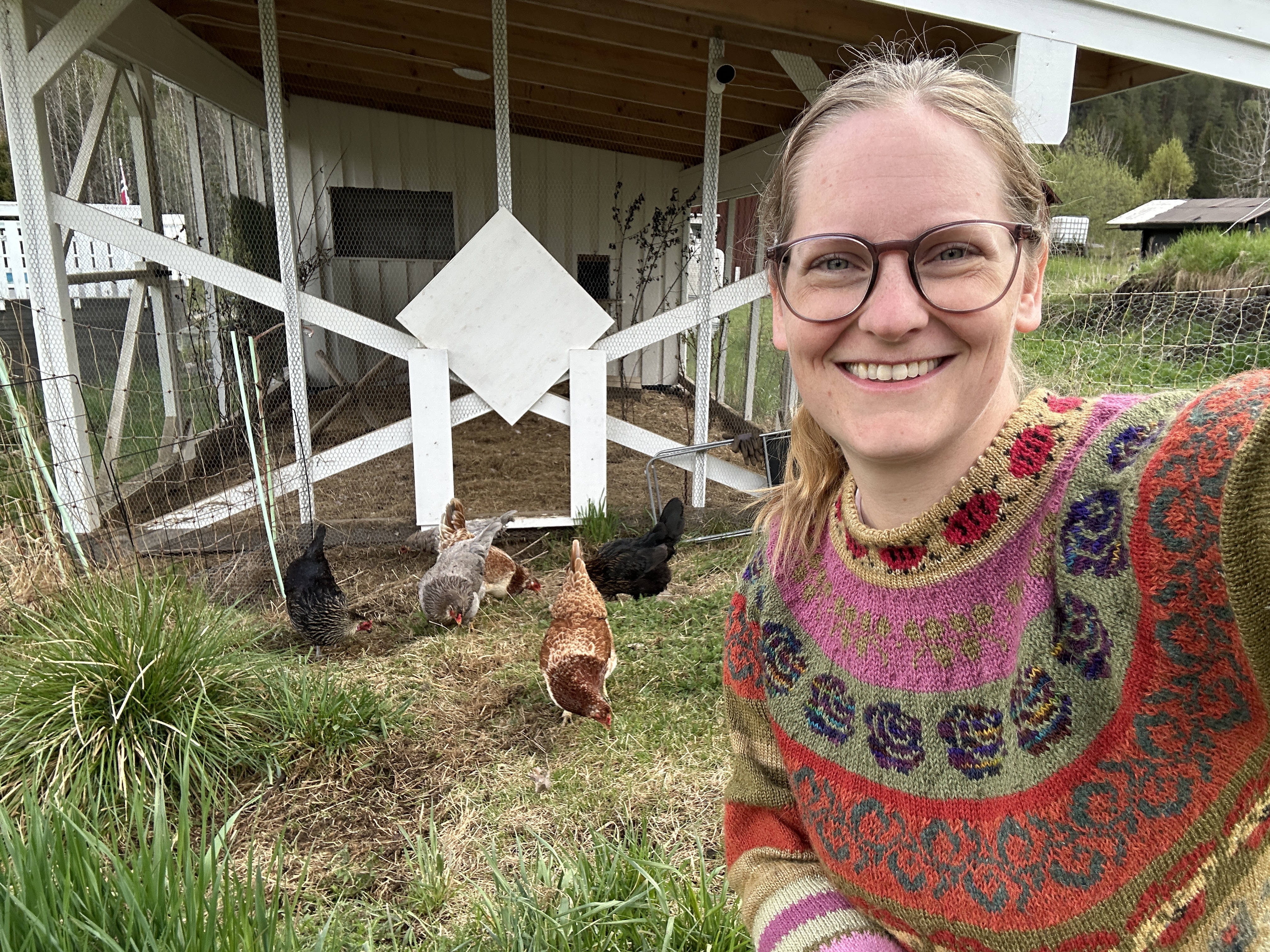
Kate Solbakk, wearing a colourful patterned sweater, takes a selfie of herself by chickens and a chicken coop

Kate grew up on a vegetable farm in Simcoe County, now she lives on a hobby farm with chickens outside the town of Drangedal in Norway.

A Young Environmentalist Finds Her Calling

Armed with this resolve, she joined the first group of students in Lakehead Orillia's Honours Bachelor of Arts and Science in Environmental Sustainability program.

When this degree launched in 2010—the year Kate enrolled—it was the first of its kind in Canada.

"There were just six students, which made us feel like collaborators," she says. "The faculty were always asking what we thought of various aspects of the program."

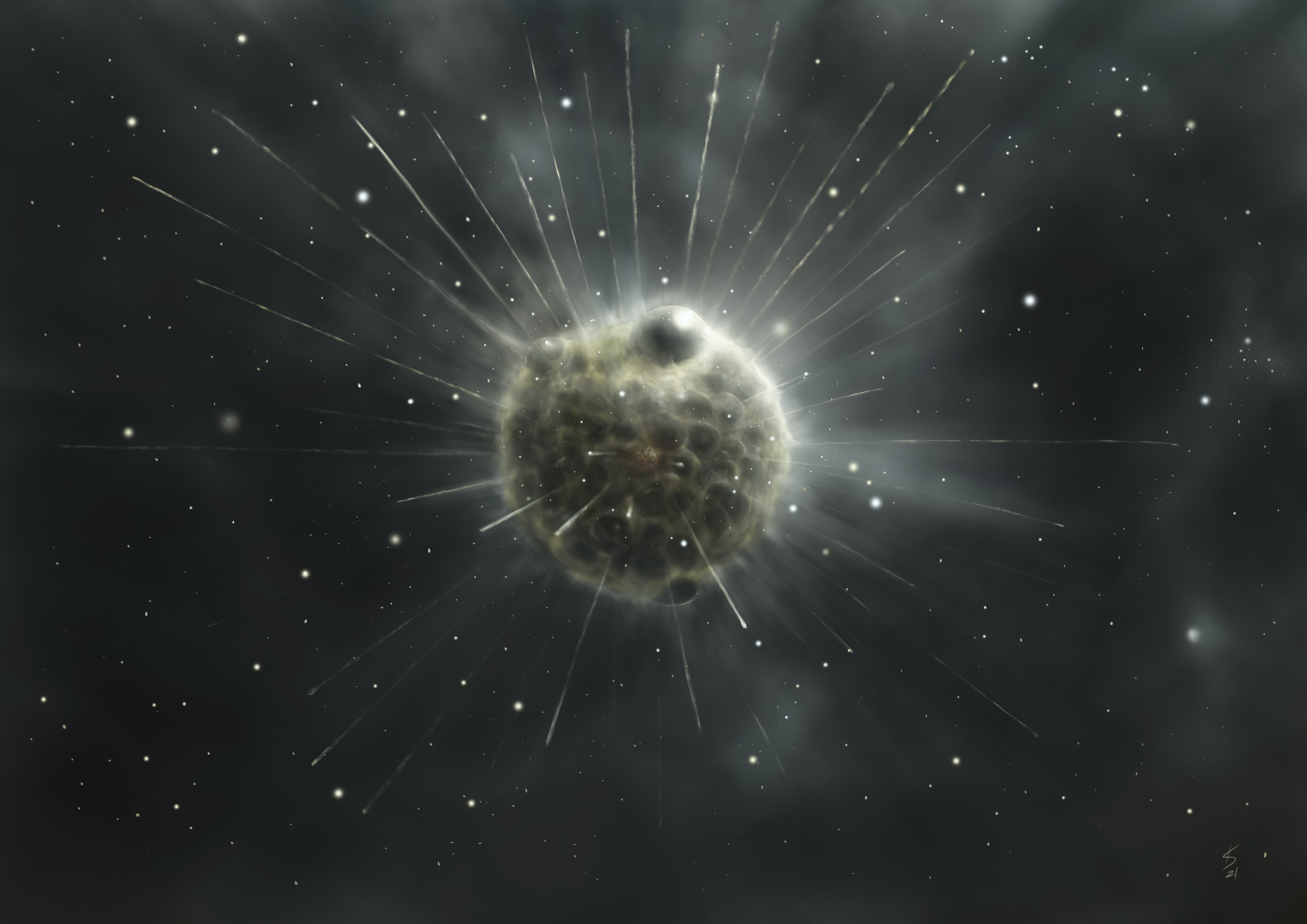
Heliozoan Protozoa Illustration

"I became fascinated with the incredible diversity of protozoa," says Kate Solbakk (née Weel). "They play beneficial roles in many ecosystems including encouraging plant growth, promoting soil formation, and stimulating plants' defense mechanisms to protect them against disease. Artwork Credit: Kate Solbakk

It was through her Lakehead studies that Kate found her professional path.

She was hired as a work-study research assistant for a project led by environmental sustainability professors Dr. Sree Kurissery and Dr. Nanda Kanavillil.

Her job was to analyze microscopic organisms in Lake Simcoe and Lake Couchiching.

"That's where I fell in love with protozoa—the charismatic megafauna of the single-celled world," Kate says. "They do all the things that animals do, but with just one cell."

An Adventure in Norway

The end of her third year at Lakehead marked another turning point for Kate.

It happened in Norway, where she'd travelled to visit her now-husband.

"While we were walking around a farmer's market at the Bygdøy Royal Farm in Oslo, I saw microscopes and a poster of protozoa in a display for the VitalAnalyse research company," she recalls.

VitalAnalyse studied how human activity affected microorganisms in agricultural soil. Their goal was to develop better fertilizers to feed the soil and prevent it from being depleted.

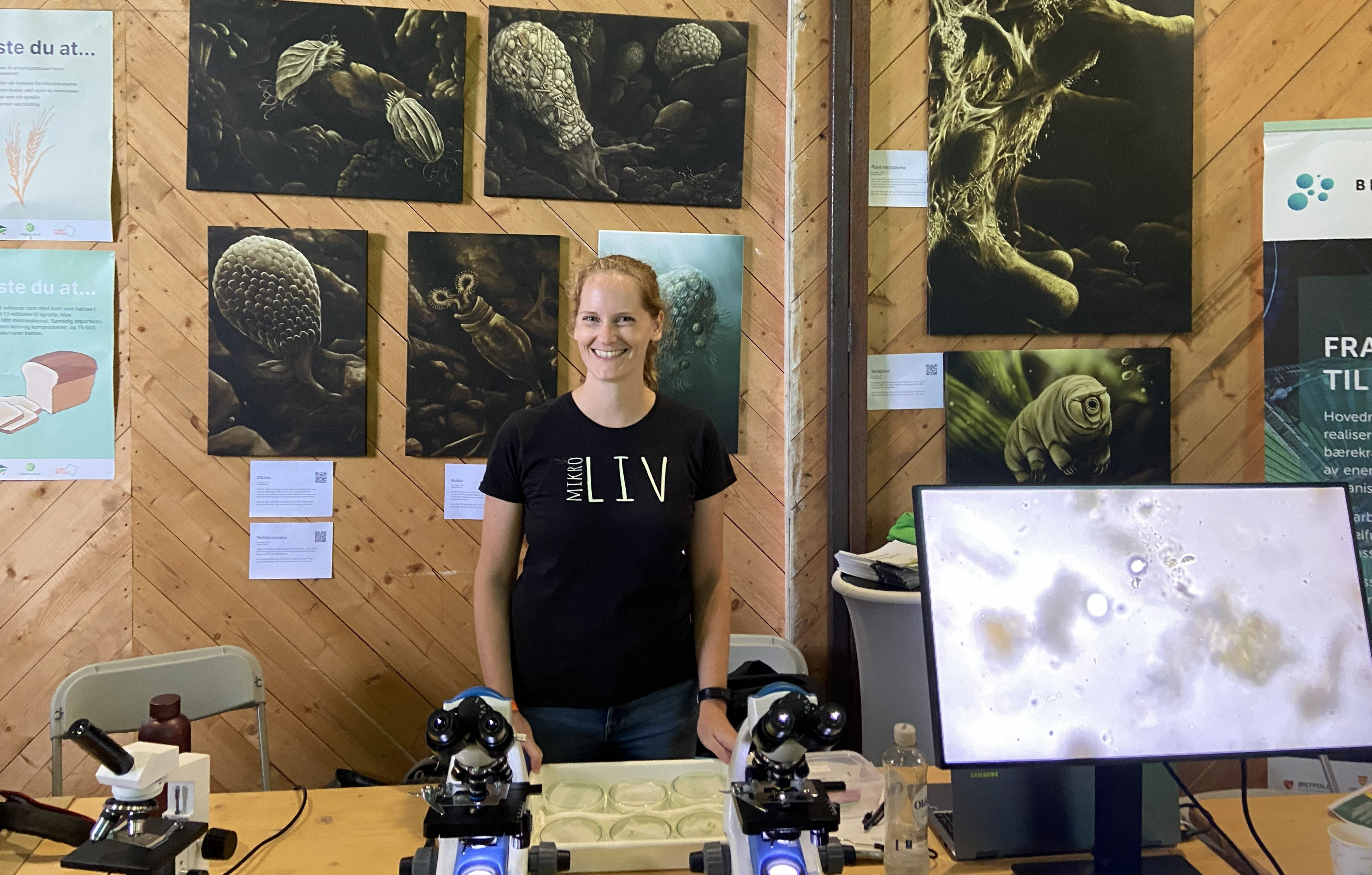
Kate Solbakk, wearing a black t-shirt with the words "Mikro Liv" on it stands behind a table with microscopes; microscopy illustrations hang on the wall behind her

Kate became the only scientist in northern Europe doing microscopy to help farmers and researchers understand agricultural soil ecology.

"I asked if they needed help for the summer and they hired me as a field technician."

In September, she headed back to Lakehead to complete her degree but returned to Norway after graduation to build a career at VitalAnalyse.

Revealing an Invisible Universe

Kate spent much of the following years peering into a microscope, but in 2016, she embarked on a journey that took her in an unexpected direction.

She had begun creating illustrations of protozoa to help bring attention to VitalAnalyse's public outreach efforts.

"There was a demand for illustrations because microscopy photos can be hard to understand. Images of the same creature look dramatically different in different lighting.

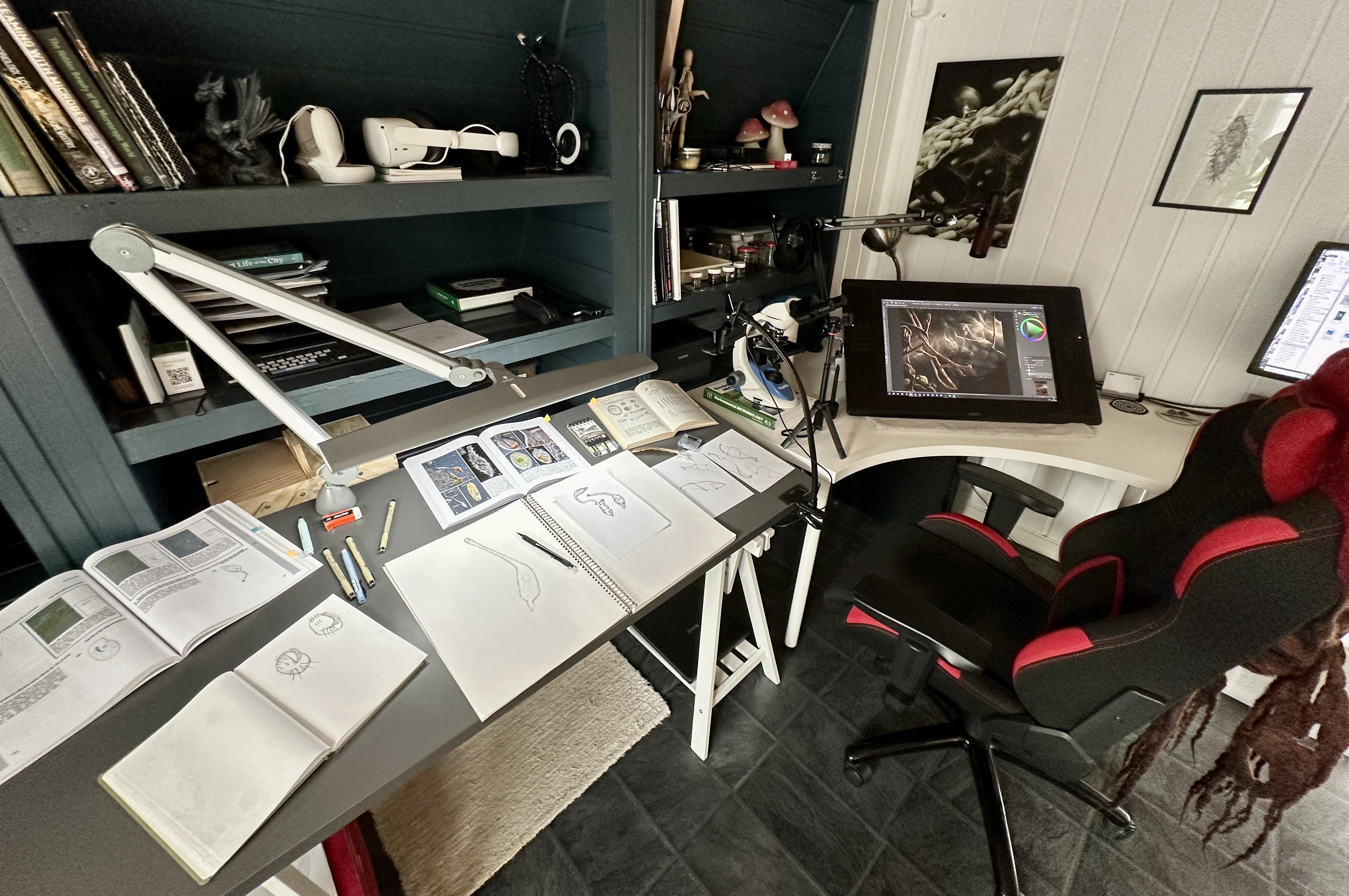
A desk with computer displaying a microscopy illustration stands beside a drafting table covered with open sketchbooks and books with drawings of protozoa; a bookcase stands behind the desks

"My husband encouraged me to do microscopy illustrations when he found out that I could draw," Kate says. "He was also interested in digital art and had bought a stylus pad. To create my illustrations, I use a stylus to draw on the computer in a process similar to oil painting." Everything is hand drawn, there's no AI involved."

As a kid, Kate was constantly drawing, so illustration work allowed her to reconnect with this part of herself.

"People started telling me they loved my drawings," she says. "They'd say, 'Ooh, it looks like it's from outer space!'"

In 2019, Kate started her own company, called Mikroliv.

Initially, Mikroliv offered both soil testing for researchers and microscopy illustrations, but she soon shifted exclusively to illustration.

"My drawings have appeared in gardening books, research papers, presentations, and websites. People can buy them as art prints and schools sometimes use them."

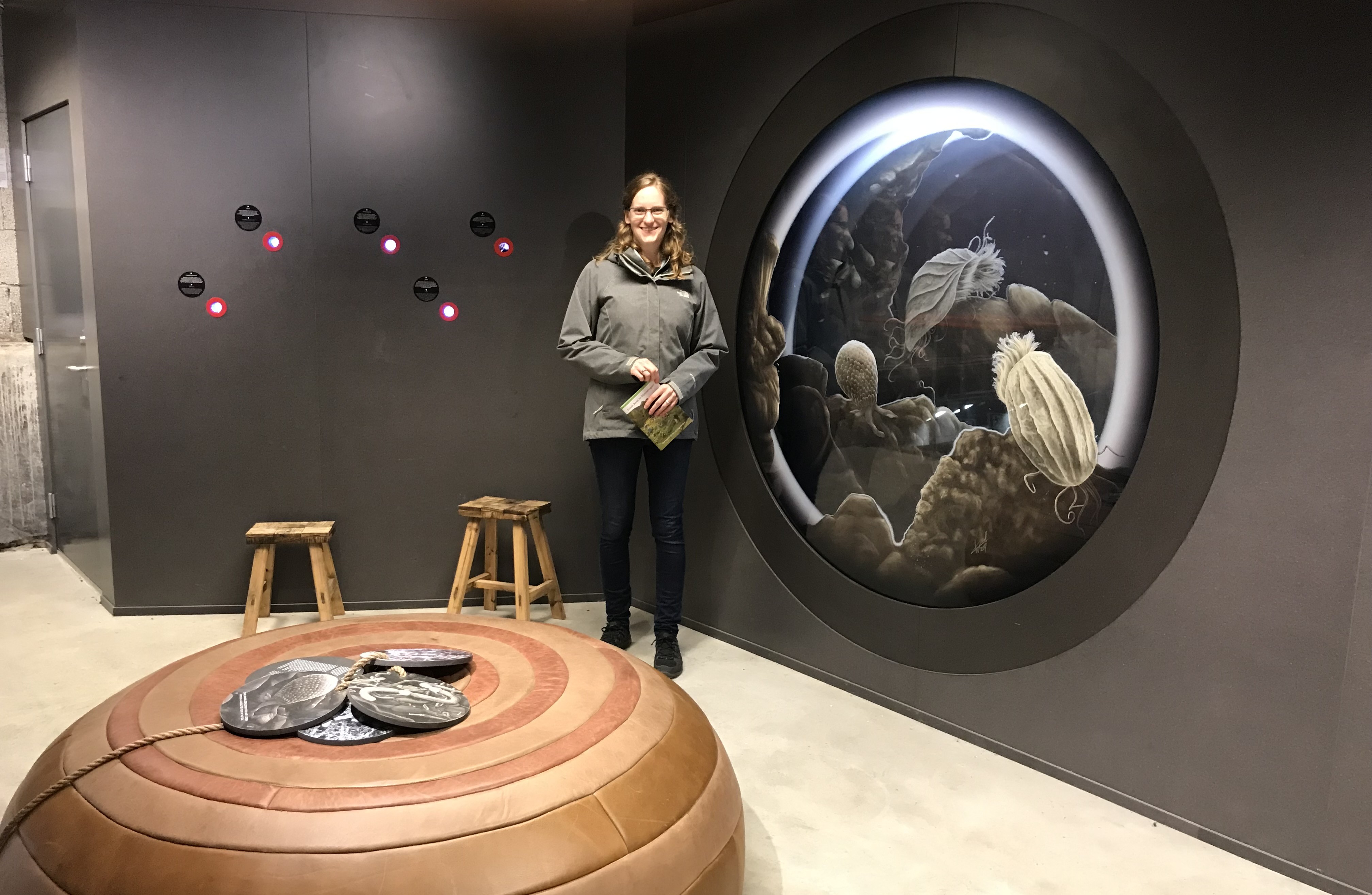
Katte Solbakk stands beside a very large wall-mounted circular illustration of protozoa; in front of her are smaller round protozoa images attached to each other by a cord sitting on a round cushioned object

The popularity of Kate’s illustrations led to an important commission to create soil life illustrations for the Levende Matjord (living soil) research project. After finishing the commission, Kate continued to create drawings and eventually expanded her subject matter to include pond life. Above, Kate at an exhibition of her illustrations. Artwork Credit: Kate Solbakk

Immersing Videogamers in the Micro World

Videogaming has always been a huge part of Kate's life. Now it's become the latest way for her to merge the worlds of art and science.

She's been developing Cellscape—a fun arcade-style survival game—which she hopes to release in late 2026.

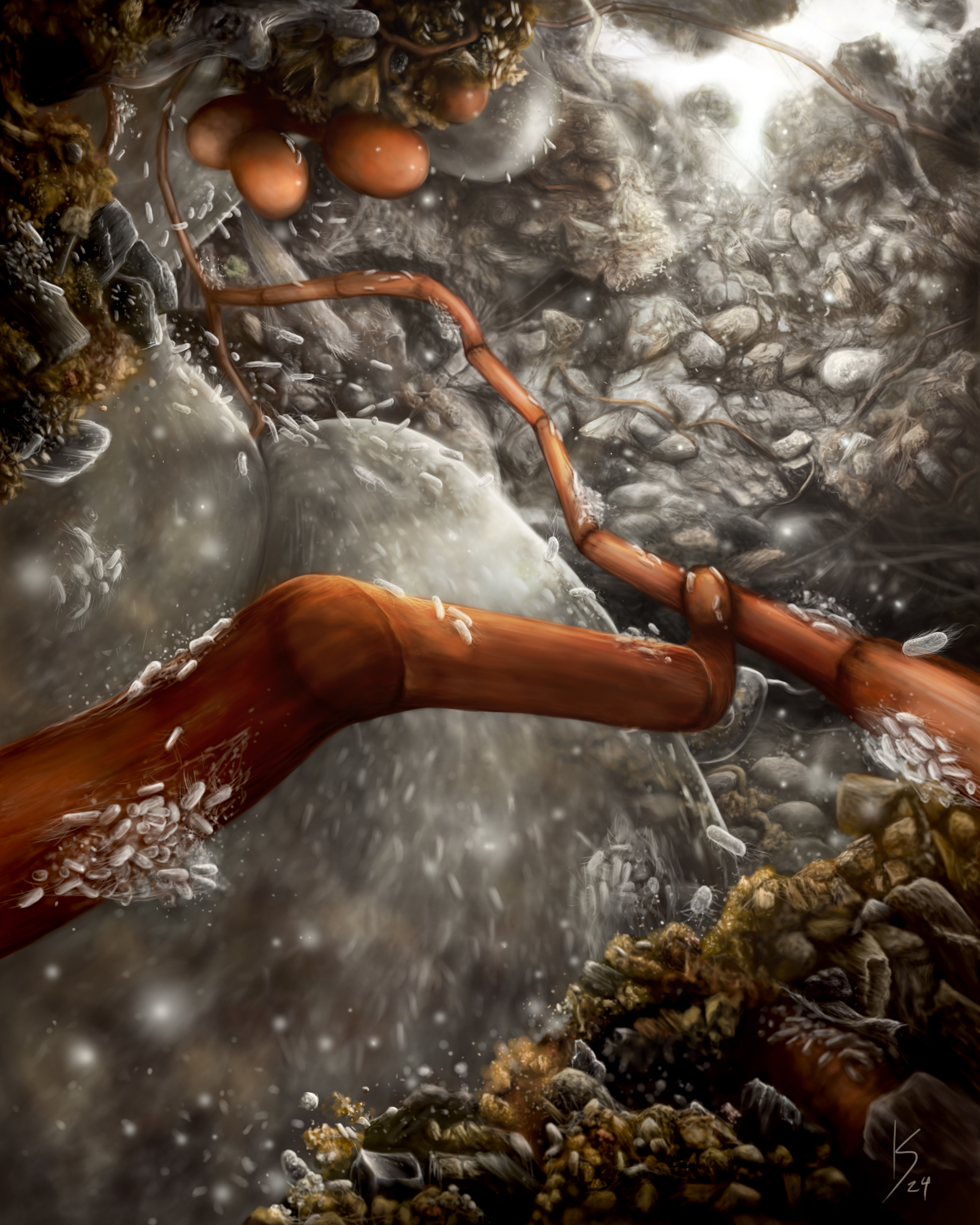
An intricate illustration of soil, roots, and microscopic organisms

Developing the Cellscape videogame has tapped into Kate's imaginative powers. "You play as a protozoa in a soil ecosystem where the creatures around you eat and divide depending upon who has eaten who," she says. Artwork Credit: Kate Solbakk

"It's the culmination of the last decade of my work," Kate says. "I want to make microbes more relatable and approachable."

Or in the words of Cellscape:

"Experience life as a microbe in a dynamic, living ecosystem. Hunt bacteria, dodge hazards and predators, and divide as many times as you can!"

Download a demo of Kate's Cellscape videogame and try it out for yourself.

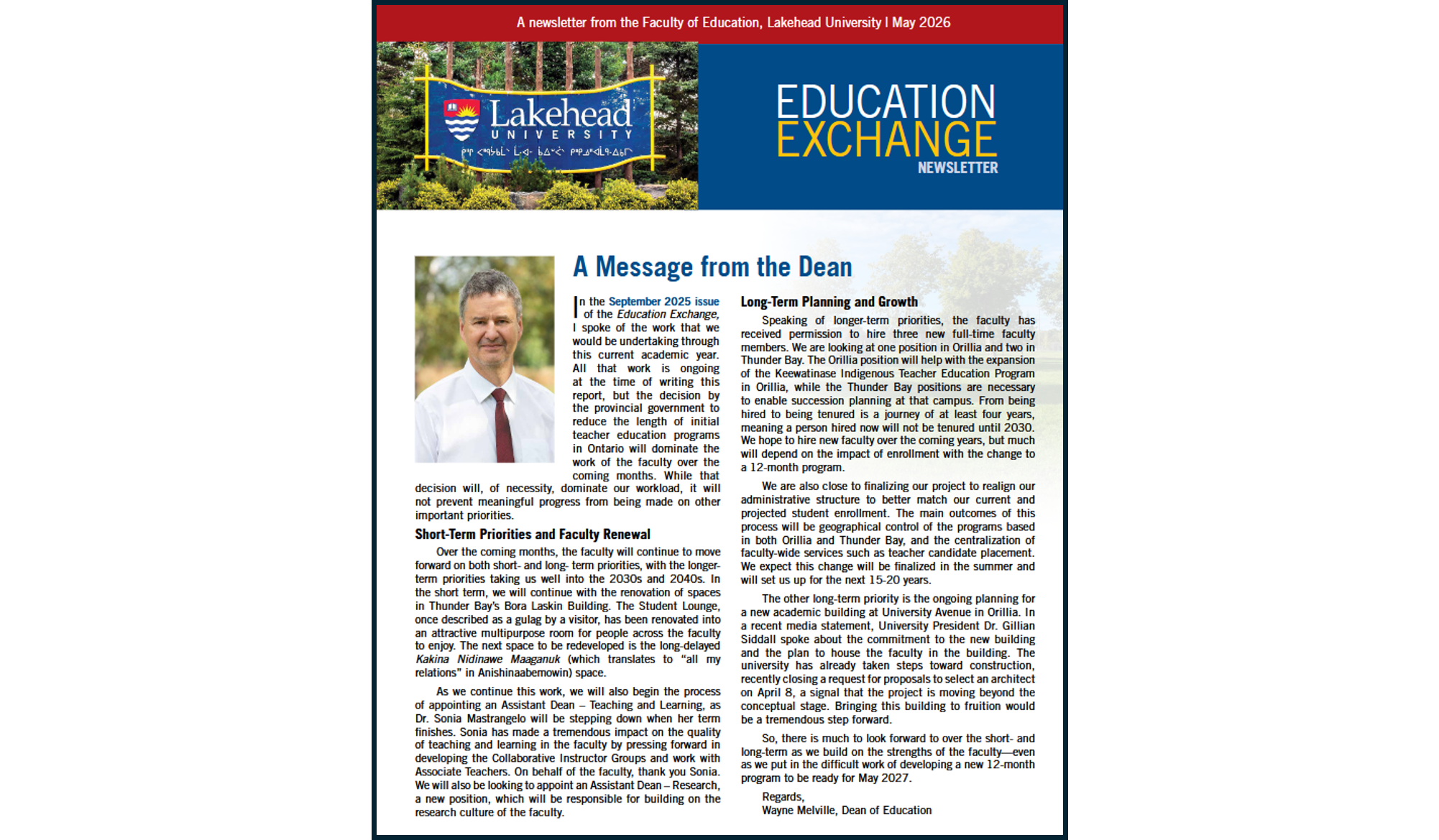
May 2026 Education Exchange Newsletter Published

The May 2026 issue of Education Exchange, the Faculty of Education’s newsletter, is now available. This issue features a Message from the Dean Wayne Melville; Dr. Sonia Mastrangelo’s lecture from the President’s Public Lecture Series, “Self-Regulation and its Role in our Mental Health and Well-Being," faculty news and awards, student and alumni spotlights, a recap of the World Indigenous Peoples' Conference on Education, and more.

To access this issue, click here.

Helping Indigenous Young People Flourish on Campus

SSHRC Storyteller Teagan Neufeld Seeks Better Mental Health Tools

Universities are familiar places to Teagan Neufeld.

But feeling welcome on campus was a long process for this accomplished researcher and psychology graduate student.

"I grew up Métis in northwestern Ontario," she explains. "Going to university in Sudbury meant moving 18 hours away from my hometown of Kenora."

The sudden disconnection from her family and her culture was challenging.

"It made me realize how crucial it is that Indigenous youth have access to culturally relevant mental health services," she says.

This insight helped shape the direction of Teagan's Master of Clinical Psychology research, which is now in the national spotlight.

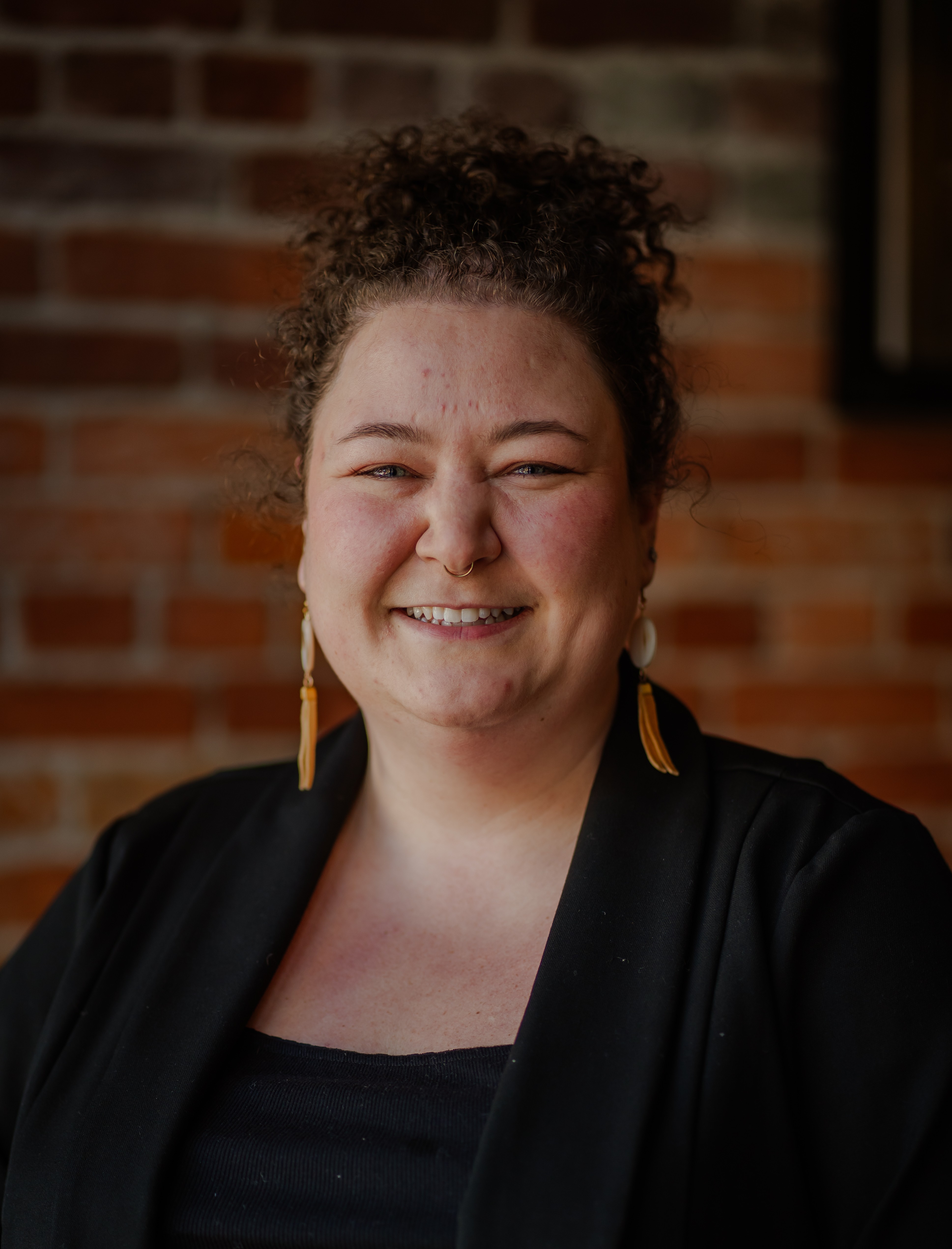
A head-and-shoulders photo of Teagan Neufeld smiling and wearing a black top and black blazer and standing in front of a brick wall

In September 2026, Teagan will begin a PhD in Clinical Psychology at Lakehead, supervised by Dr. Aislin Mushquash, where she will continue her mental health research. She previously gained hands-on experience helping young people as a childcare worker with Tikinagan Child & Family Services.

She has been chosen as one of 20 finalists from across Canada in the 2026 Social Sciences and Humanities Research Council (SSHRC) Storytellers Challenge.

"Learning that I was a storytelling finalist was very exciting," she says. "It feels good to translate knowledge in a way that's accessible to the broader public."

In her award-winning video, Teagan describes the alienation that Indigenous young people can feel as they adapt to life away from their communities.

"You reach out for help, and a counsellor hands you a standard questionnaire to assess your mood.

No one asks about your family, your culture, your language, or your connection to the land.

The support you truly need doesn't exist...yet."

Finding that support is the driving force behind Teagan's master's research, "Evaluating Acceptance of Aaniish Naa Gegii: The Children's Health and Wellbeing Measure."

A woman with braided hair wearing a red-and-yellow dress dances in a Powwow in front of an audience seated in bleachers

Central to Teagan's methodology is the embrace of two-eyed seeing—honouring both Indigenous and western ways of knowing.

Her research is being supervised by Lakehead Associate Professor Dr. Aislin Mushquash and is also supported by Dr. Christopher Mushquash, a Canada Research Chair in Indigenous Mental Health and Addiction at Lakehead.

Indigenous Students Are Often Overlooked

Psychologists and mental health professionals regularly use health and wellbeing measures to get a baseline assessment of an individual's wellbeing and to track their mental health over time.

"The problem is that virtually none of the existing measures are Indigenous," Teagan says.

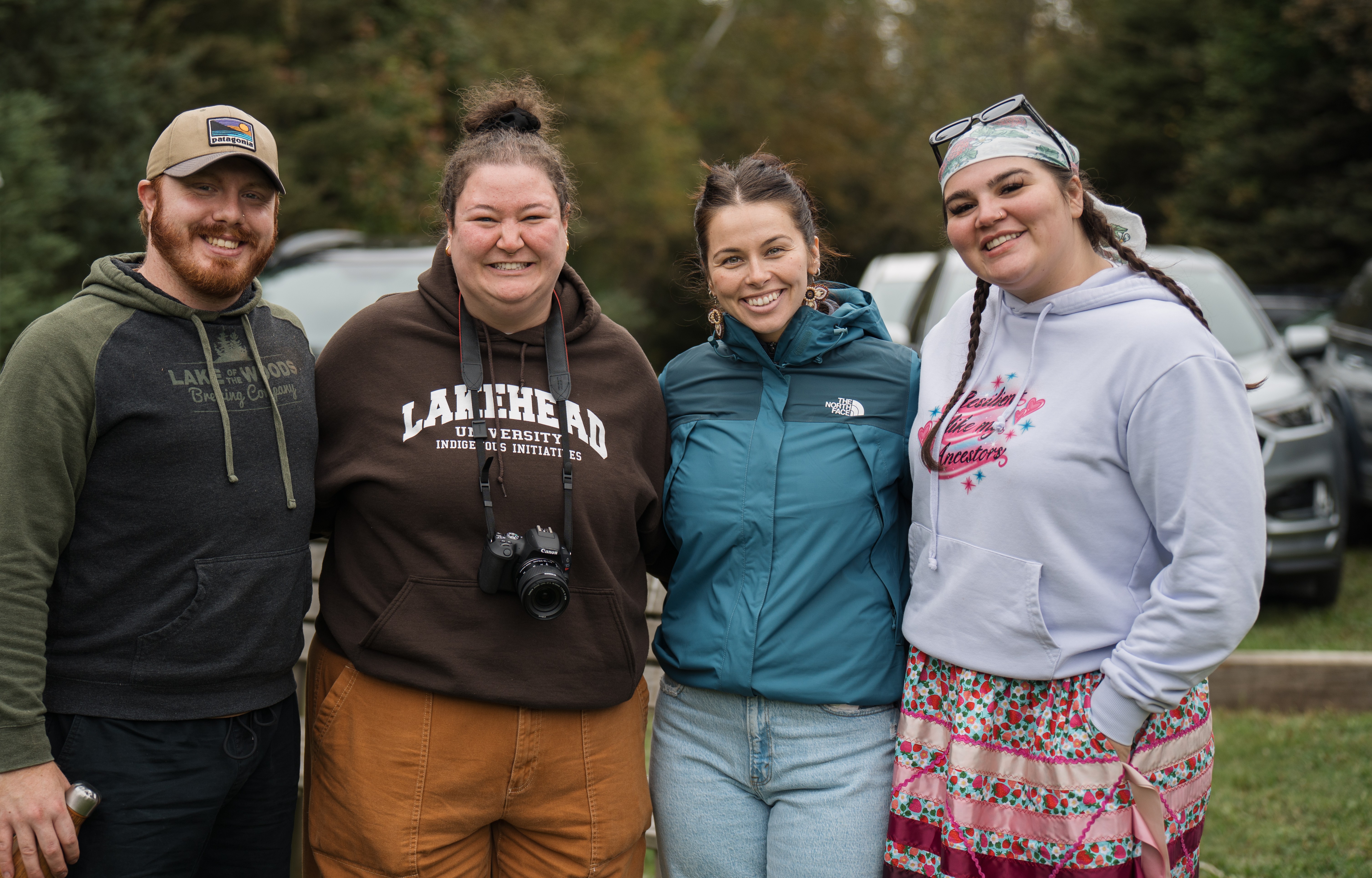
A young man and three young women stand side by side outdoors with cars visible in the background

Teagan (second from left) enjoys spending time with fellow students Joshua Wetendorf, Abbey Radorf, and Céline Wick at the 2025 Fall Harvest festival organized by Lakehead’s Indigenous Initiatives.

"Standard western measures don't take into account what it's like growing up on a reserve or in a small community. They also don't recognize the spiritual component of wellbeing, which is an essential part of life in Indigenous communities."

In 2011, this gap in care led researchers Mary Wabano and Dr. Nancy Young to design a new clinical tool.

They partnered with Indigenous children, youth, and communities to create Aaniish Naa Gegii: The Children's Health and Wellbeing Measure for Indigenous youth aged 8 to 18.

Aaniish Naa Gegii is a greeting in the Anishinaabemowin language that translates to: "How are you?"

Young people completing the assessment respond to questions based on the four quadrants of the Medicine Wheel to gauge their emotional, physical, spiritual, and mental wellbeing.

"It's been proven to accurately identify a person's strengths as well as areas where they need support. For example, becoming more involved in cultural events, getting additional help with schoolwork, or talking to a counsellor."

Drawing Strength from Community and Culture

"My research—which is funded by a SSHRC Indigenous Scholars Award—is looking at how to adapt Aaniish Naa Gegii for Indigenous postsecondary students," Teagan says.

Before embarking on her research, she went to Lakehead's Indigenous Student Service Centre (ISSC) to see if students had an interest in more culturally relevant mental health tools.

Both ISSC students and staff were enthusiastic about the proposal, and now they're collaborating with Teagan on the evaluation of Aaniish Naa Gegii.

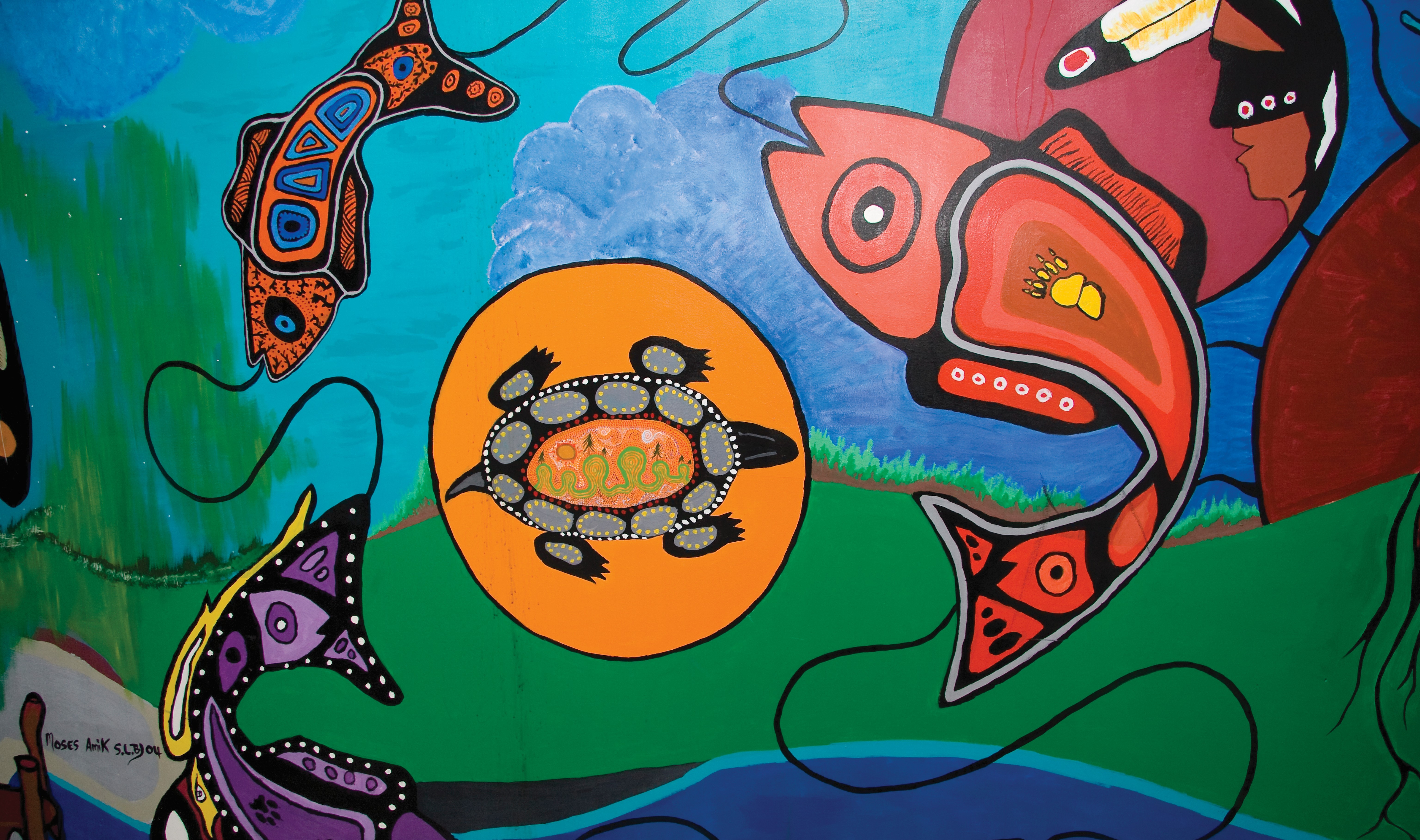
A brightly painted Woodland Style of Art wall mural featuring fish, a turtle, and a man

"My research follows the Cree and Metis principle of Wâhkôhtowin, which recognizes that everything and everyone is connected," Teagan says. Artwork credit: Moses Amik

"We're at the information-gathering stage, trying to determine how to adapt the measure to best reflect the students' experiences," Teagan says.

"It's important to me to take a participatory and community-based approach to my research," she adds.

The next steps will be to modify the measure and run a statistical analysis to see if Aaniish Naa Gegii is still valid and reliable.

"This research is where my heart goes because it affects the people in my life," Teagan says.

"The power of representation, and what it can do for Indigenous youth, is transformative."

SSHRC's Storytellers Challenge asks postsecondary students to show Canadians how social sciences and humanities research is impacting our lives, our world, and our future for the better. In June 2026, the national SSHRC Storytellers finalists, including Teagan, will present their research at the Science Writers and Communicators of Canada conference in Montreal. Based on their presentations, five winners will be chosen.

Meet the 2026 Robert Poulin Memorial Award Winner

Kinesiology Grad Madeline Fabiano Excels at Uplifting Others

Madeline Fabiano (HBK'23/MSc'25) is part of a generation of young people who've faced more than their fair share of struggles.

She was only a few months into her university studies when COVID hit, forcing everyone into lockdown.

This crisis affected students mentally, socially, and academically.

Madeline, though, rose above the pandemic's daunting challenges. She not only thrived, but she helped her fellow students thrive, too.

"I wanted to create supportive environments where people feel empowered and to foster a more inclusive, health-focused campus," she says.

"My goal was to address real student needs and promote a lasting culture of wellness."
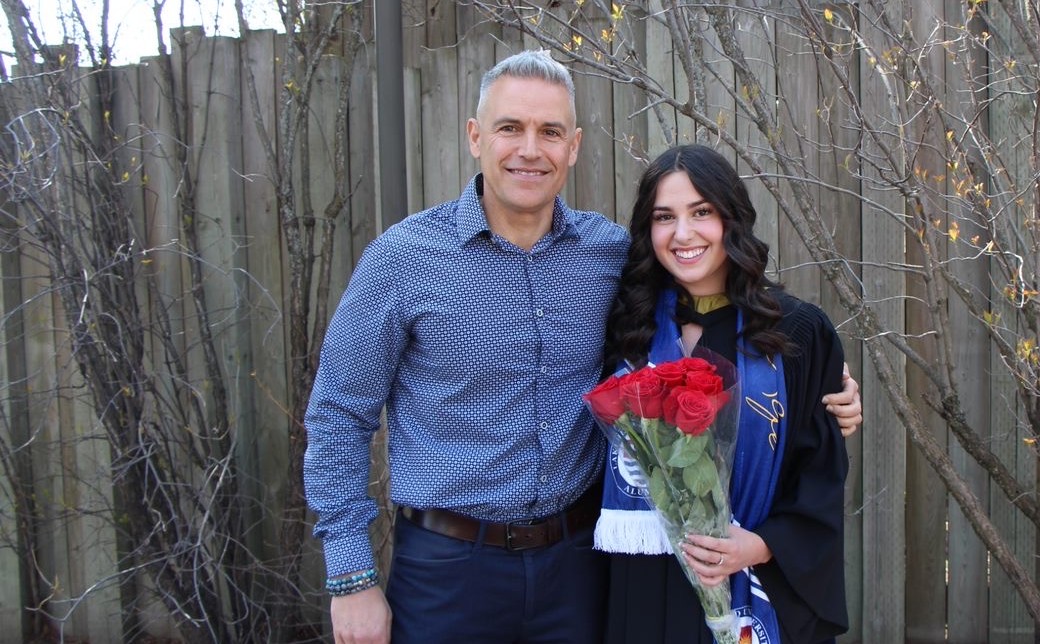
Enzo Fabiano stands with his arm around his daughter Madeline Fabiano who is wearing a black convocation robe and a blue scarf and who is holding a bouquet of red roses

Above, Madeline (right) and her father Enzo (left) at her 2023 undergraduate convocation ceremony.

Her diverse contributions have earned her the 2026 Robert Poulin Memorial Award for Outstanding Citizenship.

"Receiving the award is a wonderful culmination of my academic, research, and volunteer work at Lakehead," says Madeline, who has earned undergraduate and master's degrees in kinesiology.

"It's an honour to leave with such a meaningful award."

The Healing Power of Connection

To help students have the best university experience possible, Madeline joined several organizations—including the Kinesiology Association of Lakehead University (KALU) and Lakehead's Student Wellness Advisory Team (SWAT).

"I promoted awareness of campus services and connected students with critical resources, such as counselling," she says.
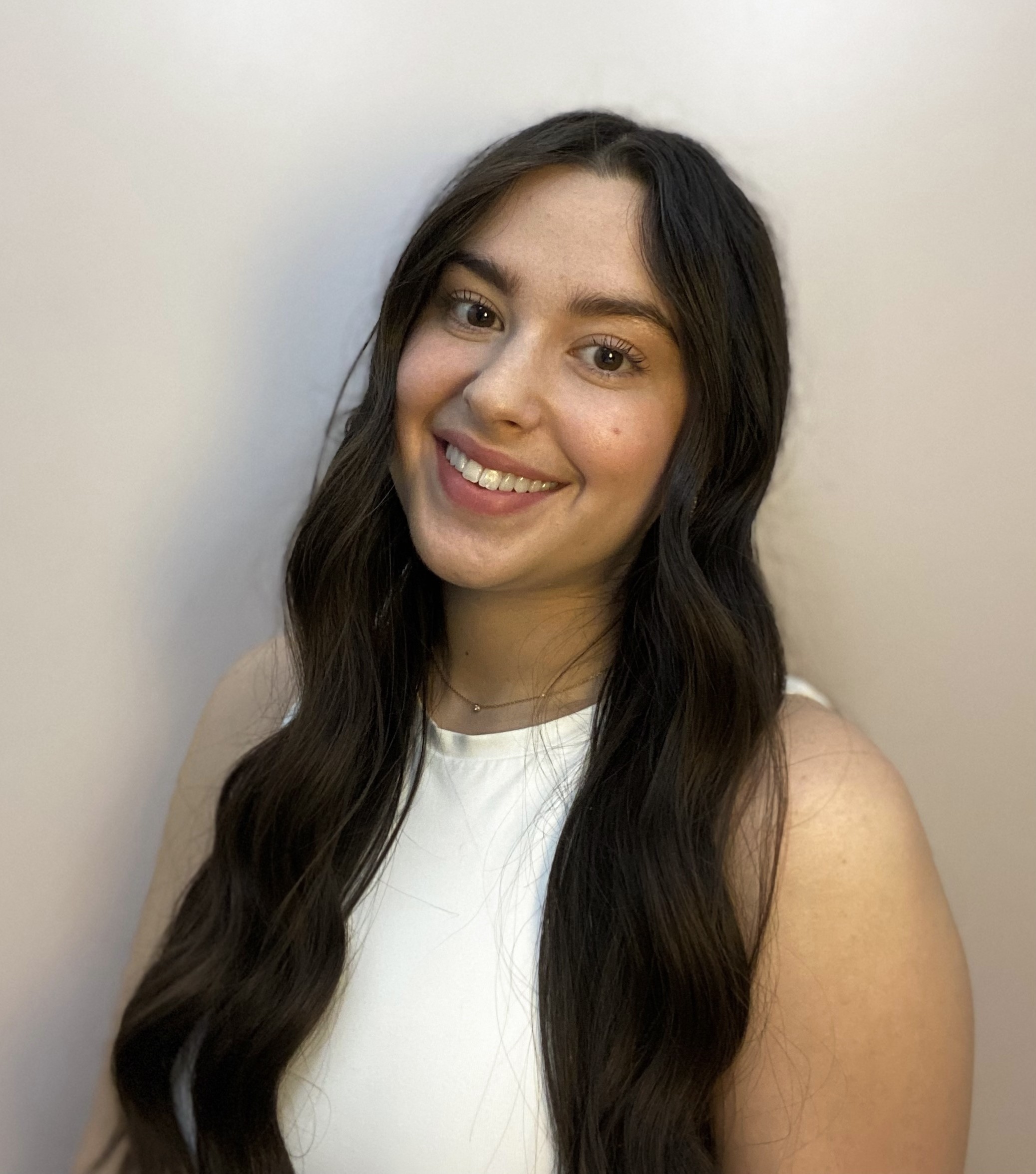
A head-and-shoulders image of Madeline Fabiano wearing a white sleeveless top and a small gold chain

Madeline’s approach to kinesiology is focused on the benefits of physical activity. “Even carving out 10 minutes makes a huge difference,” she says. 

Later, during her master's degree, Madeline joined the Lakehead chapter of the Cam's Kids Foundation, which assists youth dealing with mental health issues.

"My focus was on promoting exercise and healthy coping strategies and disseminating this knowledge through campus activities and social media."

Madeline's outreach efforts went far beyond campus.

She found time to volunteer with the Thunder Bay Regional Health Sciences Centre's Hospital Elderly Life Program and WE-Can patient assistant program.

Serving as a Camp Quality companion to children with cancer was another incredibly rewarding endeavour.

Get Up and Move

Madeline was drawn to kinesiology—the study of the body in motion—because physical activity has been central to her life.

"I did dance, gymnastics, soccer, and swimming as a young child because my parents wanted to introduce me to a broad range of activities," she says. "When I got older, I concentrated on competitive cross-country skiing and running."
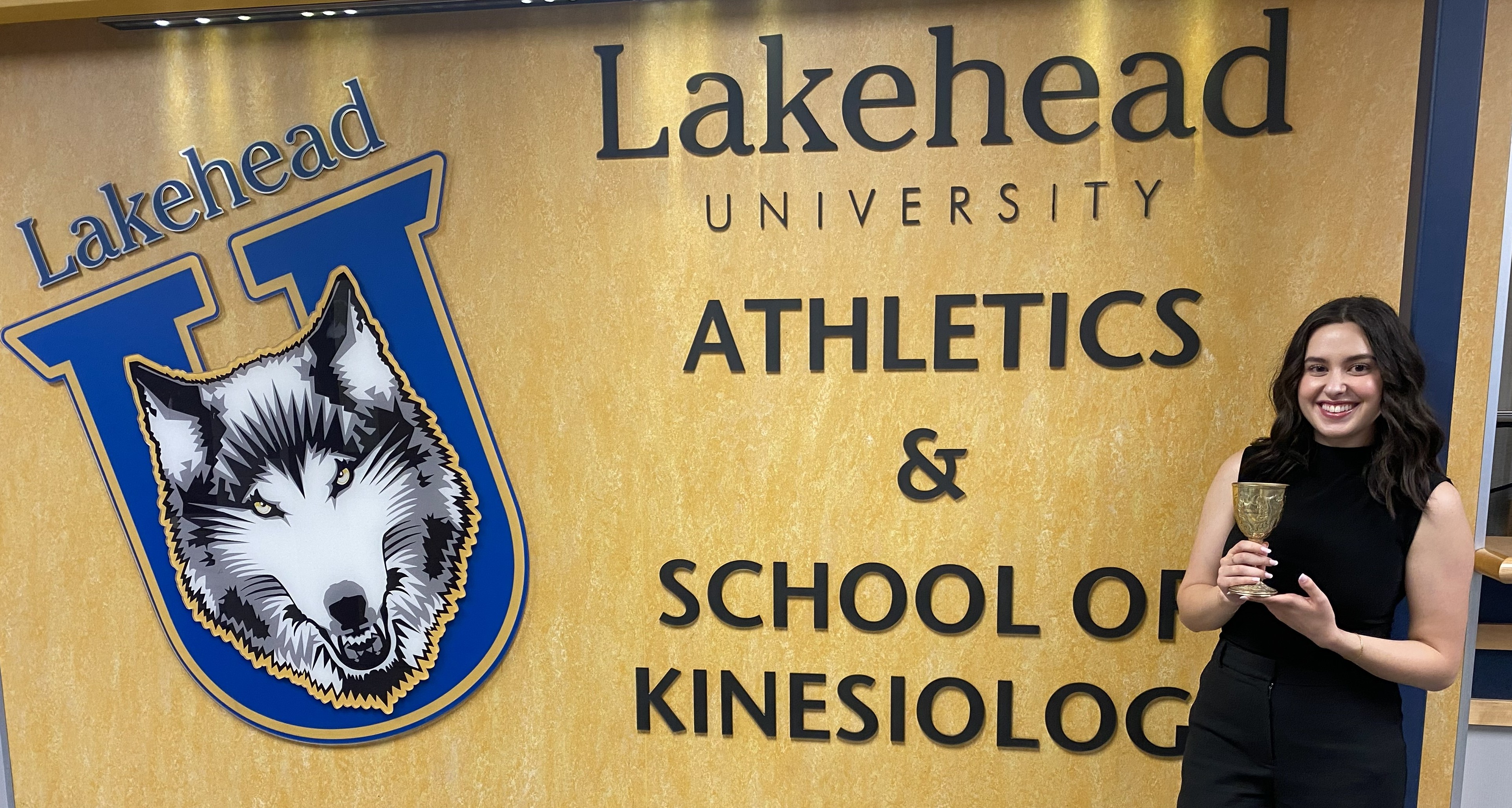
Madeline Fabiano, holding a gold-coloured chalice, stands in front of a wall with the Lakehead Thunderwolves logo and that bears the words Lakehead University Athletics & School of Kinesiology

Above, Madeline stands in front of the School of Kinesiology with the coveted Chalice of Knowledge. "You can only drink from it after you've defended your master's thesis!" she explains. This passion for athletics carried over into her university research.

Madeline zoned in on an overlooked aspect of the pandemic—the loss of opportunities for exercise and physical activity.

"After the lockdown ended, I noticed there weren't many young women in the gym," she says.

"They wanted to be more active, but because they hadn't had access to athletic facilities during COVID, they didn't learn the skills needed to feel confident in the gym."
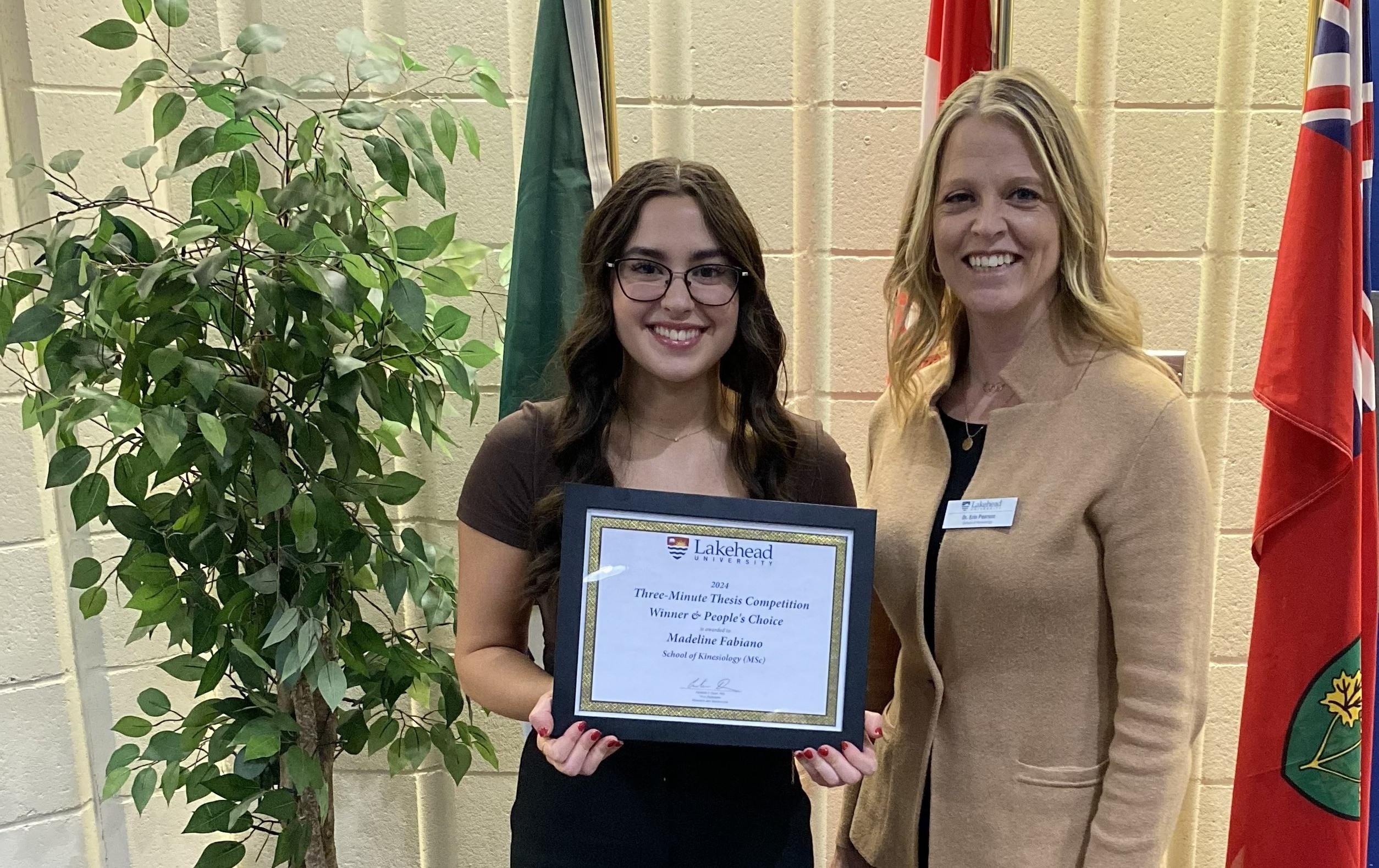
Madeline Fabiano, standing beside Dr. Erin Pearon, holds up a framed certificate with the words 2024 Three-Minute Thesis Competition Winner & People's Choice is presented to Madeline Fabiano School of Kinesiology (MSc)

"I had a lot of people in my corner at Lakehead—including my thesis supervisor Dr. Erin Pearson—who contributed heavily to my successes," Madeline says. Above, Madeline and Dr. Pearson (pictured right) at Lakehead's 2024 Research and Innovation Awards Ceremony after Madeline won the People's Choice Award and came first place in Lakehead's Three Minute Thesis (3MT®) competition. She later came third in the 3MT® provincial finals.

Madeline's undergraduate thesis studied these barriers to exercise and provided the foundation for her master's thesis—the development of the SHINE (Supporting Her In Navigating Exercise) program.

SHINE used peer support to enhance women's exercise behaviours and comfort level in the gym.

"Each student exercised once a week with a kinesiology student who acted as their mentor," Madeline explains. "It really improved their confidence and activity level."

Don't Let Fear Hold You Back

"I had countless opportunities at Lakehead," Madeline says, "from representing the university at a national undergraduate kinesiology research conference to competing in the provincial Three Minute Thesis (3MT®) graduate competition.

My Lakehead professors have been my cheerleaders for the past six years." Madeline Fabiano stands in front of a wooden podium (bearing the words "Faculty Club") with a microphone and gestures with one hand; beside the podium is a red banner with the words "Tomlinson Talks In honour of Dr. Richard H. Tomlinson

For her PhD research, Madeline will create exercise interventions aimed at reducing perimenopausal symptoms among inactive women. "There's not much research on perimenopause," she says. Above, Madeline gives a presentation at McGill University.

Since successfully defending her master's thesis in August 2025, she has been enrolled in McGill University's kinesiology PhD program. "My dream is to continue conducting health research as a university professor," she says.

Madeline urges Lakehead students to be unafraid of pursuing opportunities that come their way.

"My dad always tells me to have courage, he says, 'Be a lion.' It's advice that inspires me to take chances."

The Robert Poulin Memorial Award for Outstanding Citizenship is presented to a full-time undergraduate or graduate student on the Thunder Bay campus for their contributions to the welfare of Lakehead through their student activities.

Madeline's research was made possible by several scholarships and grants: a Canada Graduate Research Scholarship awarded by the Canadian Institutes of Health Research, an Ontario Graduate Scholarship, an Applied Health Research Scholarship from St. Joseph's Care Group, and funding provided by a Lakehead faculty member, through a Lakehead Faculty Research Grant, in support of Madeline's master's research.

Community and Volunteer Fair

Check in with local businesses and organizations as they share information about their products, services, volunteer, and work opportunities with you!


It's a great place to connect with the community, enjoy a snack, and walk away with some awesome swag!

Library Carnival

Come one, come all! The Library Carnival is coming to campus! 

Join us under the big top (aka the Library Courtyard) on Thursday, September 24th from 11AM–2PM for a fun-filled day of:
  →  Games
  →  Prizes
  →  FREE treats
  →  Library magic & more!

Come meet your ringmasters—our awesome library staff—and discover the incredible services the library has to offer. It’s fun, it’s free, and it’s the best way to get to know your library! 

Pages

Subscribe to Indigenous