



Wildland Firefighting: A High Impact Career Path
For students in Forestry and Environmental Management, wildland firefighting provides a hands-on entry into one of Canada’s most vital environmental protection sectors. In this article, we speak with Kevin Carreira, Fire Operations Supervisor with Aviation, Forest Fire and Emergency Services (AFFES) at the Ontario Public Service, to explore wildland firefighting as a meaningful and dynamic career path for those pursuing forestry and environmental management studies.
A Meaningful Career Path Supporting Canada’s Forests and Communities
Canada experiences over 8,000 wildfires each year, burning an average of 2.1 million hectares annually. These fires require a large and skilled workforce on the ground, in the air, and behind the scenes.
The career path in this field includes many stages, each offering new challenges and opportunities for growth. As Kevin explains, most people begin as fire ranger crew members before progressing into roles involving leadership, air‑attack coordination, fire planning, and overall incident management. Beyond frontline firefighting, there are also numerous supporting career avenues, including logistics, aviation operations, administration, radio communications, warehouse services, as well as supervisory and managerial positions.
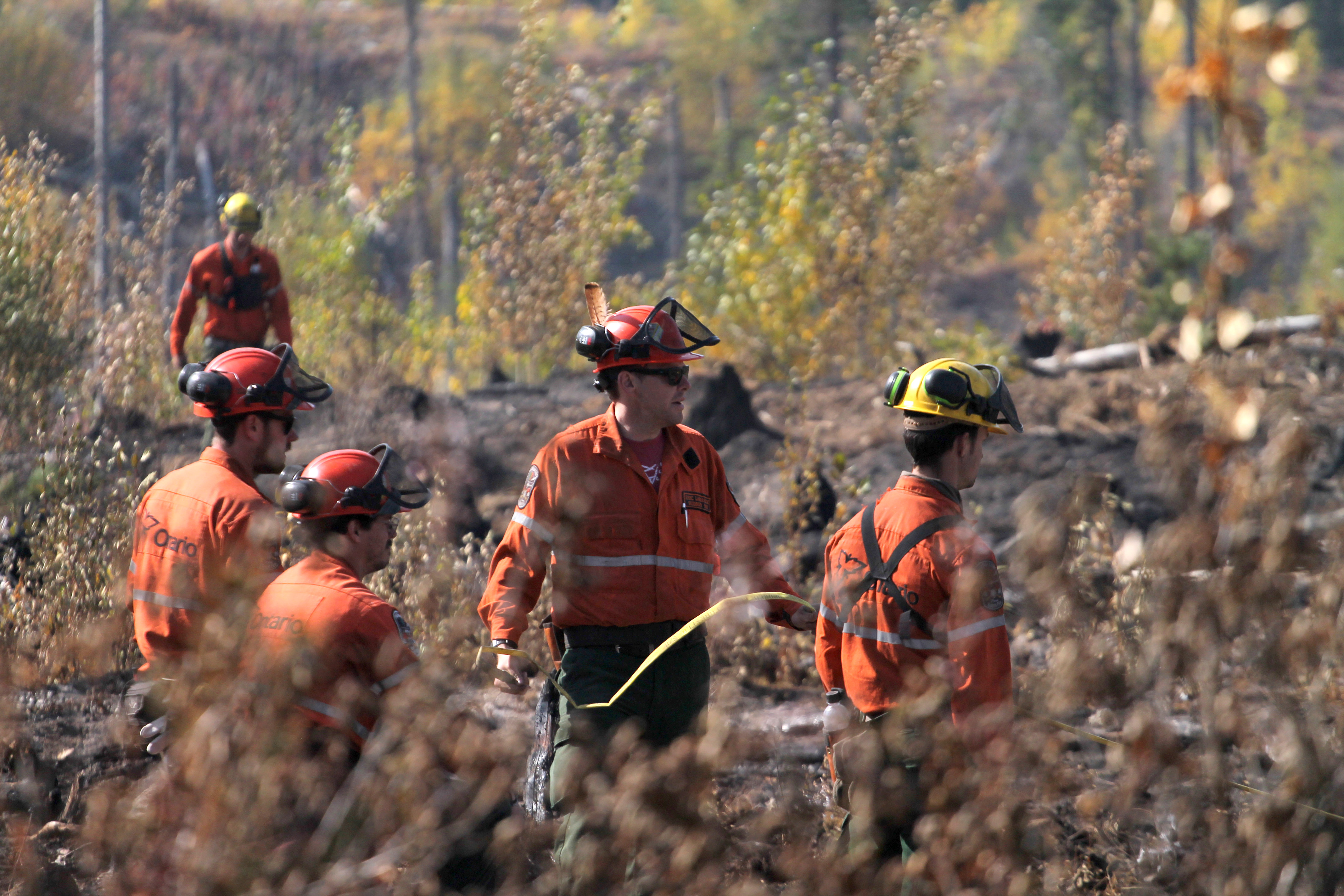
Fire Rangers working the fireline (Photo: provided by Kevin)
A Rewarding Career Protecting Communities
Wildland firefighting is not only technically demanding - it is deeply meaningful. In 2023, Canada recorded its most destructive wildfire season in history, with 14.6 to 16.5 million hectares burned, more than six times the historical average. At least 230,000 Canadians were evacuated due to fire threats in that single season.
Data shows that wildfire seasons in Canada are becoming longer, more intense, and more difficult to contain, driven by warming temperatures, lower snowpack, and drought conditions. Canada is warming twice as fast as the global average, resulting in longer fire seasons and more large fires.
In Ontario, fire season now consistently runs from April 1 to October 31 and requires yearly recruitment of new Fire Rangers to meet growing operational needs. Nationally, Canada continues to experience frequent large‑scale fire years. With fire seasons growing longer and severe events becoming more common, Kevin notes that the need for trained forestry and environmental graduates “is not going down in future years”.
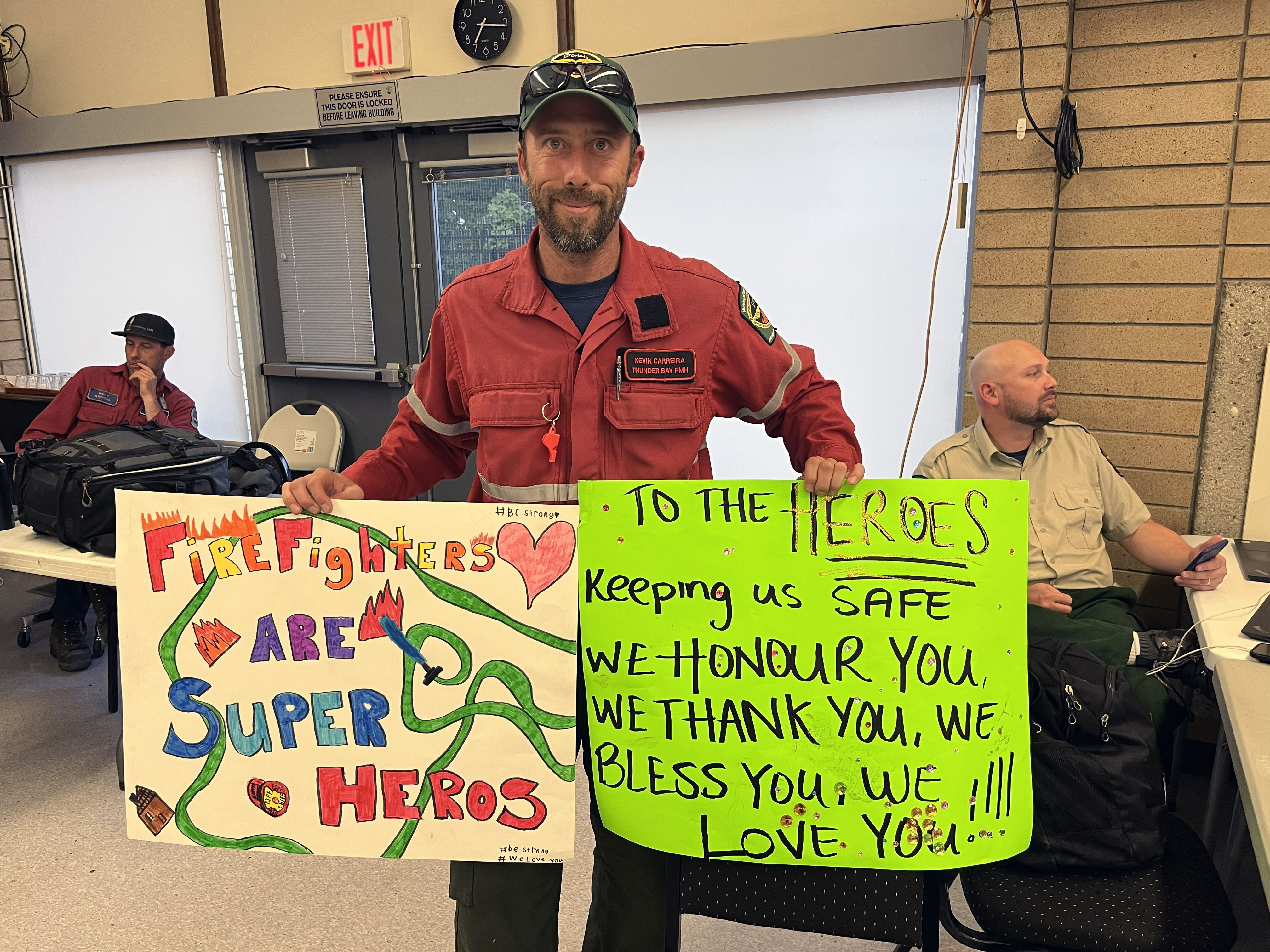
Kevin holding signs from the public while on a fire in Kelowna (Photo: provided by Kevin)
“We fight fires of all sizes and complexities during an average summer. The fire may be in the forest with nothing but forest around or it may be very close to structures, or even within communities that have forested areas in them”. Against this backdrop, Kevin highlights the emotional reward that comes with helping protect camps, homes, remote communities, and entire towns: “People are very thankful and appreciate the work we are doing”. Many who join unsure of their long‑term plans stay for decades because the work is purpose‑driven, team‑oriented, and impactful.
From Frontline Suppression to Air Attack and Fire Operations Planning
A wildfire career can evolve significantly over time, as demonstrated by Kevin’s 25‑year journey:
- Crew Member (2002): Setting up pumps, laying hose, suppressing fires.
- Senior Crew Member (2004): Supervising hose layout and leading chainsaw work.
- Initial Attack Incident Commander (2005): Leading a crew, ensuring safety, creating suppression plans, training staff, and completing reports and investigations.
- Tactical Flight Officer (2012): Directing water bombers and coordinating aerial and ground resources.
- Fire Operations Technician (2018): Creating action plans for large fires, training and supervising ranger crews.
- Fire Operations Supervisor (2022–present): Managing staffing, scheduling, HR issues, crew training, partnerships, and high‑level fire planning.
These roles respond to fires that range from remote forest ignitions to situations threatening homes and community infrastructure. Teams must also adapt to logistical challenges such as rugged terrain, limited water access, and rapid deployment needs, and they may be deployed across Canada or internationally when needed.
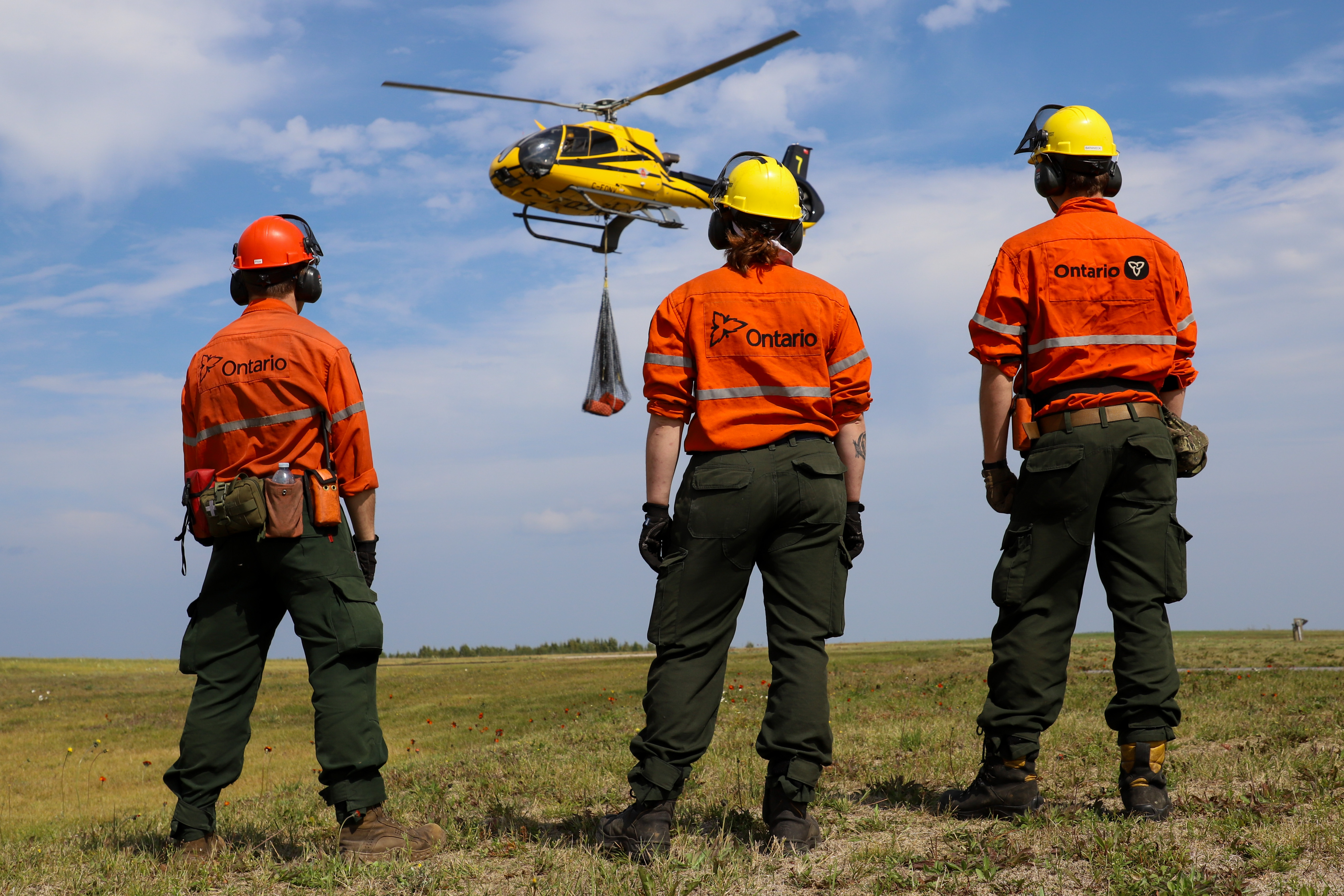
Fire Rangers taking part in sling training (Photo: provided by Kevin)
For the Next Generation of Forest Protectors
For students in Forestry and Environmental Management, wildland firefighting offers a meaningful way to apply your skills while helping protect forests, communities, and ecosystems across the province.
Kevin shares that “In the wildland firefighting world the typical pathway would be to become a crew member on a fire ranger crew, gain skills and knowledge and then become a Sr. Crew Member, then move to an Initial Attack Incident Commander (Crew Leader) then from there once you have gained sound skills and knowledge there are a variety of other positions that a person could apply for. Keep in mind there are many other jobs within Aviation Forest Fire Emergency Services (AFFES) aside from the fire crew system”.
He reflects, “If you are looking for a career that is exciting, fun, and hard work, I encourage you to give forest firefighting a try”. His 25‑year journey shows how this field can open doors to teamwork, leadership, and experiences you won’t find anywhere else.
If you’re looking for a career that combines forestry and environmental knowledge with real impact, this path may be the perfect place to begin.
Related information
Webinar: Remote Sensing and Forest Fire Research at NRM
Honours Bachelor of Science in Forestry (HBScF)
Honours Bachelor of Science in Forestry (HBScF) & MBA
Honours Bachelor of Science in Environmental Management (HBScEM)