



EPID@Work Featured in Local Newspaper Column on Diversity and Workplace Health
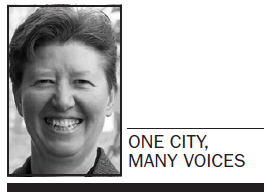
EPID@Work's Northwestern Ontario Workplace and Worker Health Study (NOWWHS) was featured in The Chronicle Journal's October 24, 2026 Weekend Edition through a guest column written by our Director and Senior Scientist, Dr. Vicki Kristman. The piece was published as part of a monthly series produced by Diversity Thunder Bay, an initiative dedicated to promoting race relations and fostering greater mutual understanding across Northwestern Ontario.
In her column, Dr. Kristman highlights the vital role that local worker experiences play in driving meaningful workplace changes throughout our region. Read it below!
Diverse perspectives sought for workplace health study
BY VICKI KRISTMAN
 As someone who has spent my career studying workplace health and safety, I know that the people of Northwestern Ontario have a story to tell. Our workforce is unique, resilient, and incredibly diverse. This diversity is one of our region’s greatest strengths, but it also reminds us that workers do not all experience the workplace in the same way.
Understanding these differences is essential to advancing equity, inclusion and a sense of belonging at work. Yet across many industries, workers are facing increasing psychosocial pressures that affect their health, well-being, job satisfaction, and ultimately, whether they choose to stay in their jobs. Understanding these experiences is essential if we want to build healthier workplaces and stronger communities.
That is why, in September 2023, the EPID@Work (Enhancing the Prevention of Injury and Disability) Research Institute at Lakehead University, with funding from the Ministry of Labour, Immigration, Training and Skills Development, launched the Northwestern Ontario Workplace and Worker Health Study (NOWWHS).
This is the largest workplace cohort study ever conducted in Northwestern Ontario, and it is designed to capture the lived experiences of workers across our region. Whether you work in healthcare, mining, forestry, transportation, retail, education, public service, construction or another sector, your experiences matter. Every voice contributes to a clearer understanding of what it means to work in Northwestern Ontario today—and how those experiences evolve over time.
One of the things that motivates me most is ensuring that our region is no longer overlooked in conversations about workplace health and safety. Too often, occupational health research focuses on larger urban centres, leaving Northern communities underrepresented. I believe that the unique realities of working in Northwestern Ontario deserve to be understood, recognized, and reflected in research, policy, and workplace practices.
By participating in this study, you are helping to ensure that Northern perspectives are heard. You are contributing to research that has the potential to improve workplaces not only today, but for years to come.
The findings we have gathered so far reinforce why this work is so important. Nearly 50 per cent of participants have told us they have repeatedly considered leaving their jobs during the past six months. That is a significant finding. It tells us that many workers are experiencing challenges that extend beyond individual workplaces and point to broader issues affecting employee well-being, retention, and organizational sustainability.
While these findings are concerning, they also present an opportunity. By better understanding what workers are experiencing, we can identify practical solutions that help organizations create healthier, more supportive workplaces.
Our commitment extends well beyond collecting data. At EPID@Work, we believe research should lead to action. We share our findings, develop practical resources, and work directly with employers to help translate research into meaningful workplace improvements. Organizations with 20 or more participants receive confidential workplace-specific reports that provide valuable insights and evidence-informed recommendations tailored to their organization.
The impact of this work also reaches beyond individual organizations. We collaborate with employers, policymakers, industry leaders, unions, and community organizations throughout Northwestern Ontario to strengthen workplace health across the region. By combining research, lived experience, and community partnerships, we hope to inform initiatives that support healthier workers, stronger organizations, and more resilient communities.
To date, more than 2,000 people from across Northwestern Ontario have already shared their experiences. I am grateful to every one of them. But there are many more voices we need to hear.
If you live and work in Northwestern Ontario, I encourage you to take part. Whether you participate as an individual or register your workplace, your experiences can help shape the future of work in our region.
To learn more or get involved, please visit www.workinghealth.ca or email workinghealth@lakeheadu.ca with any questions.
Your voice truly matters. By sharing our experiences, recognizing the barriers that workers face, and ensuring that diverse perspectives are heard, we can help build workplaces that are not only healthier and safer, but also more equitable, inclusive and welcoming for everyone across Northwestern Ontario.
Vicki Kristman is director and senior scientist for the EPID@Work Research Institute at Lakehead University. The views and opinions expressed in this column are those of the author.

