



A rare ecosystem has survived an ice age, but can it survive humans?
Researcher Dr. Gerardo Reyes is Working to Protect Alvar Landscapes
Ecologist Dr. Gerardo Reyes's curiosity has been captured by alvars—a habitat found in only a few places around the globe.
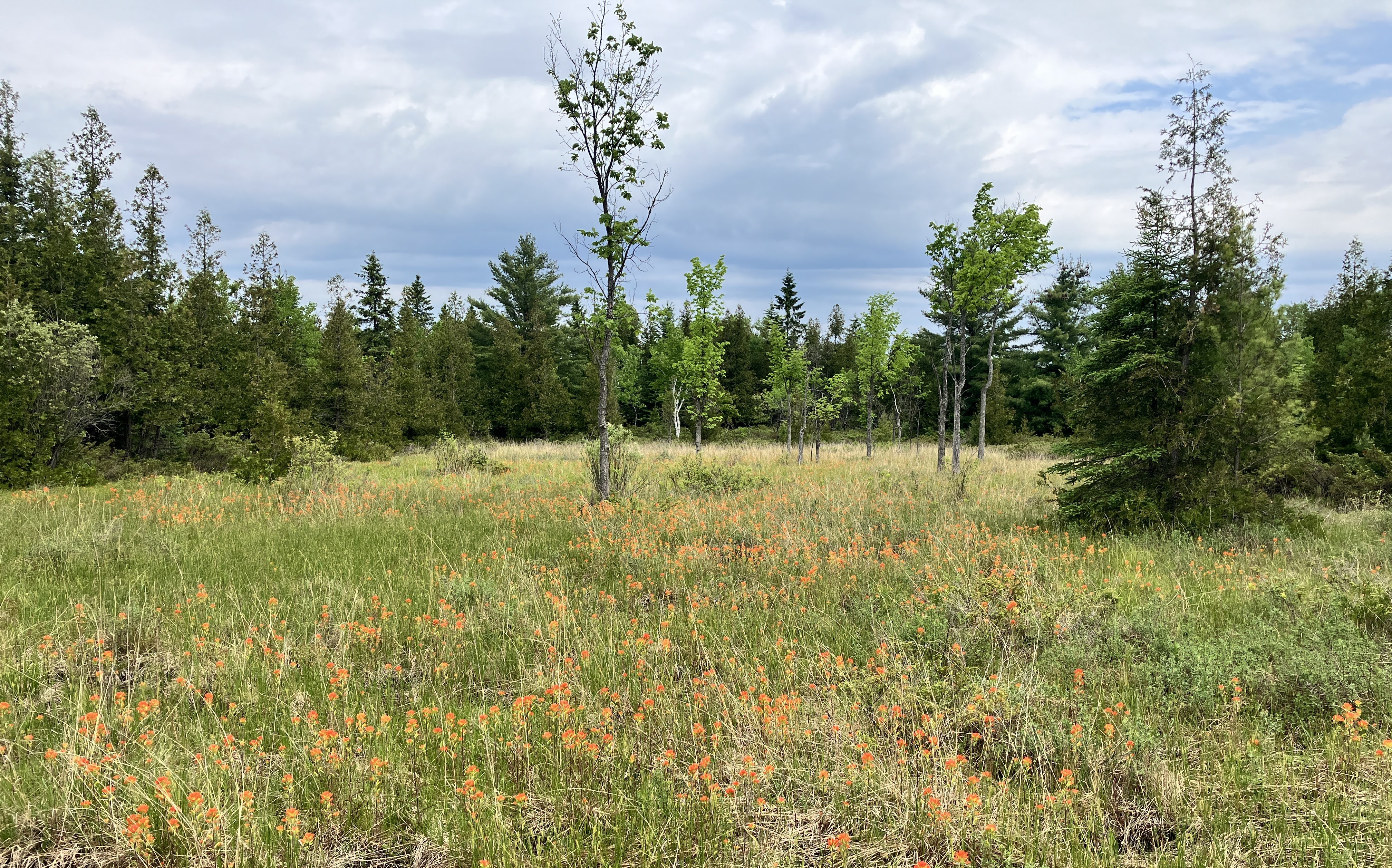
These unusual and biodiverse landscapes are characterized by exposed limestone bedrock and a patchwork of thin mineral-rich soils.
"Alvars are relics," says Dr. Reyes, a Lakehead Orillia Biology and Sustainability Sciences associate professor.
"They've remained virtually unchanged since the last ice age 12,000 years ago."
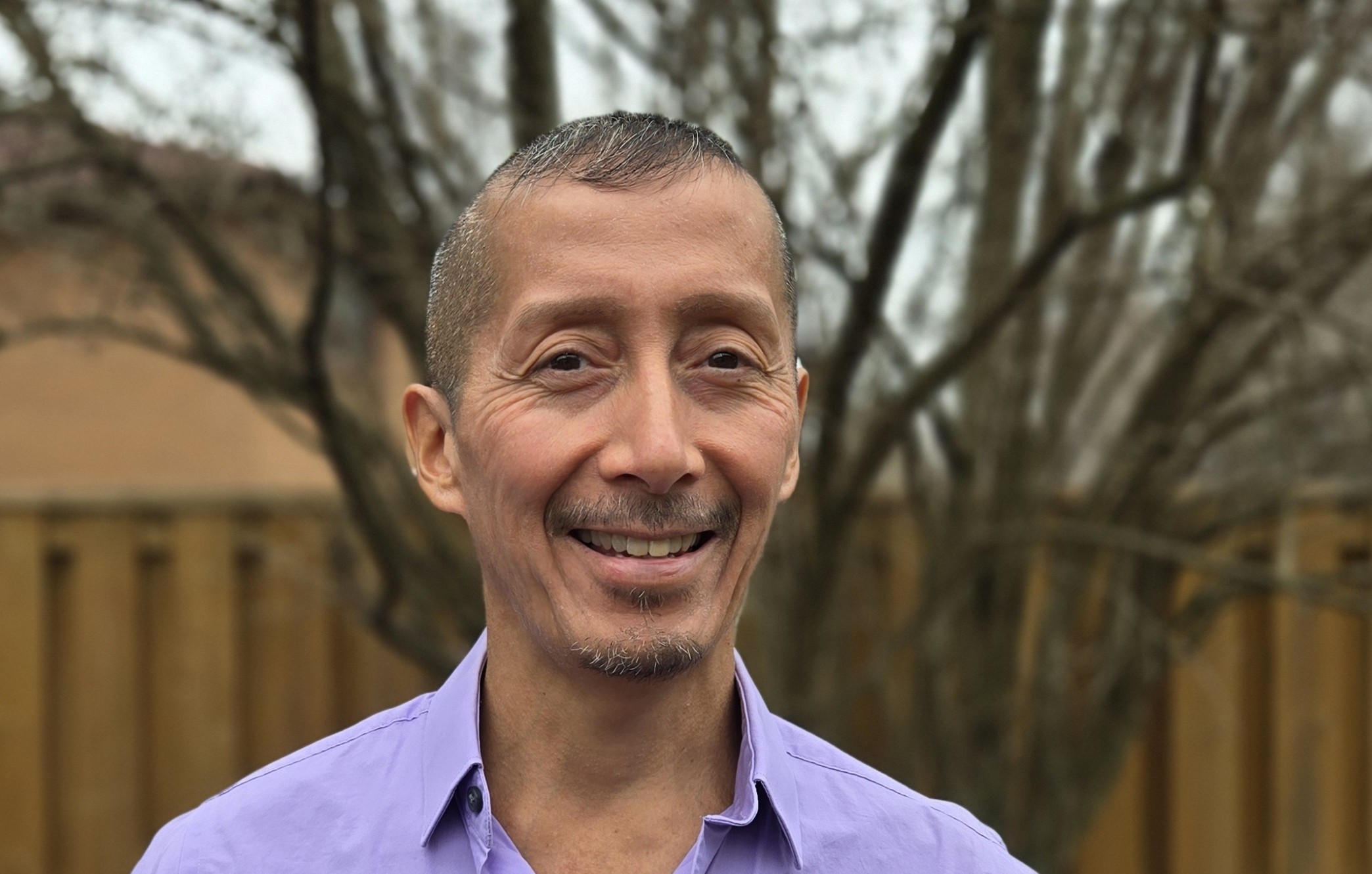
Dr. Reyes is a population and community ecologist focused on species conservation, socioecological resilience, and the scholarship of teaching and learning.
Dr. Reyes and his research team want to develop sustainable grazing practices to balance the needs of agriculture with the conservation of alvar ecosystems.
They're doing this through fieldwork analyzing the vegetation and abundance of alvar species and by mapping land use over time.
Endangered Species Thrive in Alvars
In the spring the alvars flood, in the summer they sizzle through drought, and the rest of the year they crack and heave with frost.
Much of the vegetation found in alvars is a mishmash of what would normally grow in alpine, grassland, or arctic conditions.
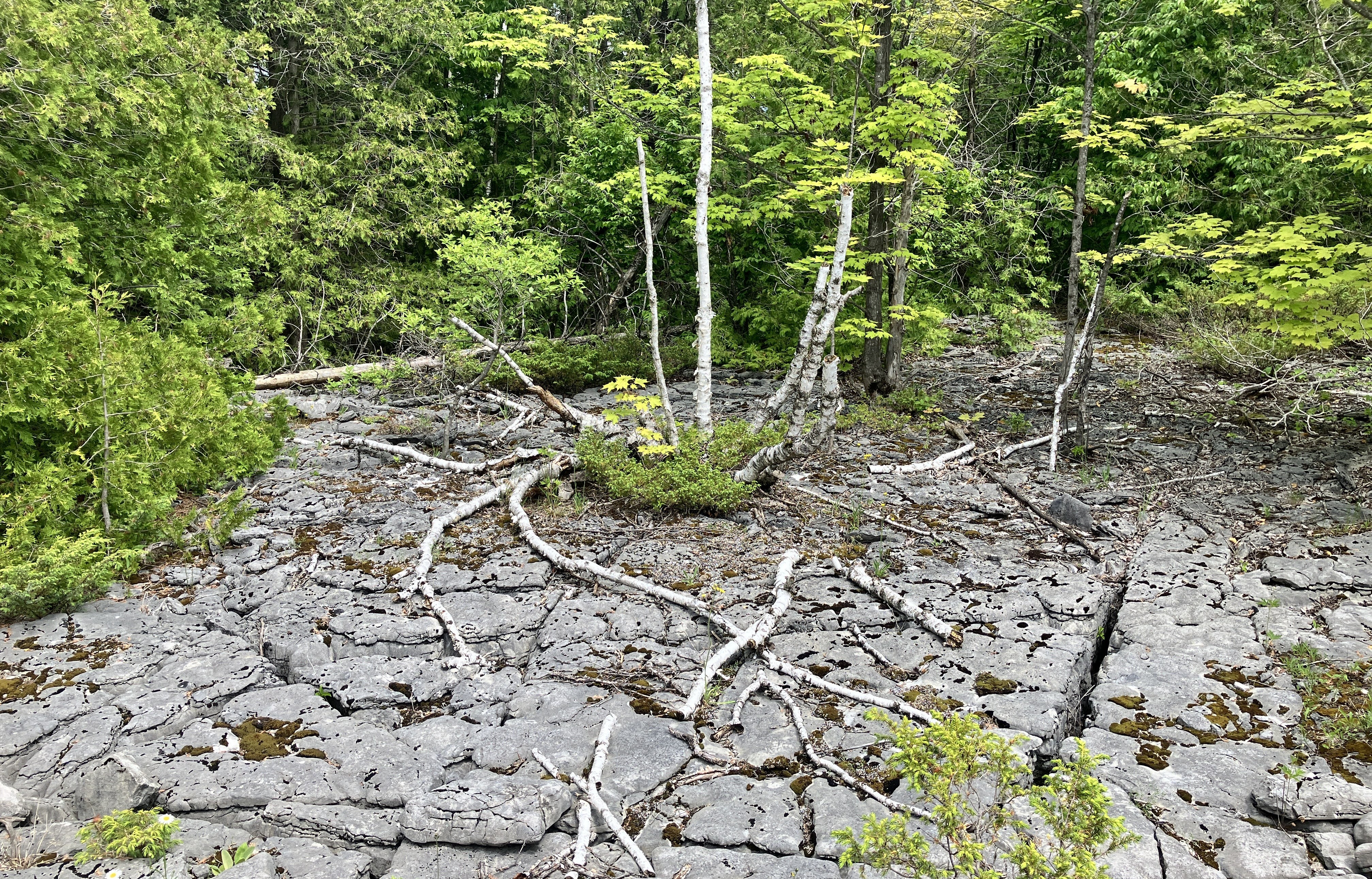
Trees such as white birch can grow in the fissures of alvars, provided enough soil and moisture is retained. Trees also deepen the fissures through root development. The microhabitats they help create can maintain vegetation cover during the drought periods of late summer.
Alvars are also the home of rare and endangered plants, as well as plant species that have been separated from other populations of the same species found further north or south.
Despite the rarity of alvars, Dr. Reyes doesn't have to venture far from his doorstep to study them.
Remarkably, 75% of the world's alvars are found in Ontario.
The Carden Plain, around the Kawartha Lakes region, is the site of Dr. Reyes's research.
It's there that native fauna including the juniper hairstreak butterfly and the bobolink songbird flit among dwarf lake iris, tiny mousetail, and juniper sedge.
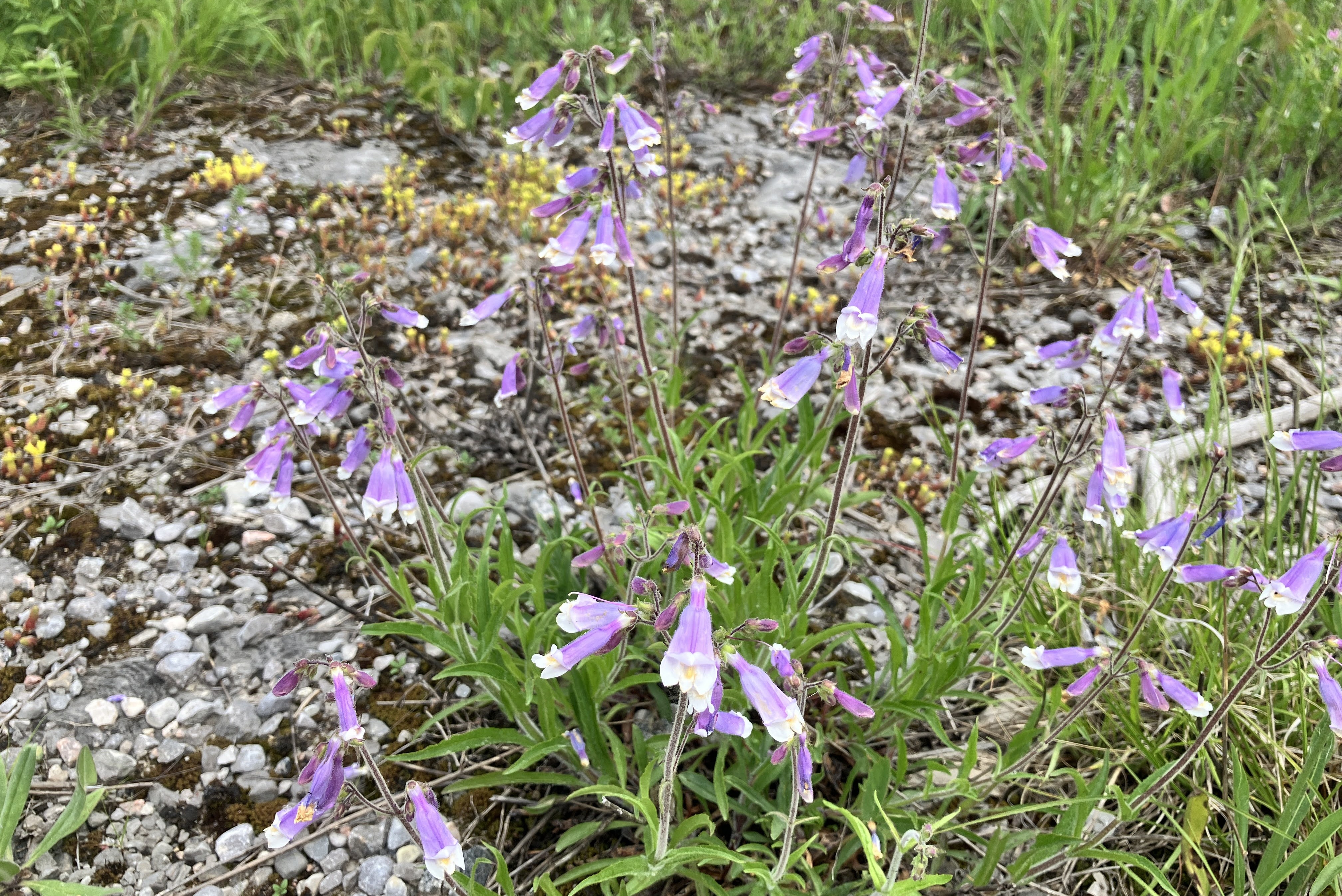
Beardtongue plant (Penstemon hirsutus) is a drought-tolerant native perennial that attracts native checkerspot butterflies and many bee pollinators, making it important for maintaining biodiversity.
Not surprisingly, areas like the Carden Plain are a popular spot for birders and nature lovers.
They are attracting unwelcome visitors, too, which concerns Dr. Reyes.
He says that the Carden Plain is under pressure from urban development, quarrying, livestock grazing, off-road vehicle use, and invasive species.
Can cows help save this fragile habitat?
Dr. Reyes—along with Biology and Sustainability Sciences professor Dr. Nanda Kanavillil and graduate student Brandon Guoth—are taking a closer look at these pressures, particularly at how cattle grazing affects this unique environment.
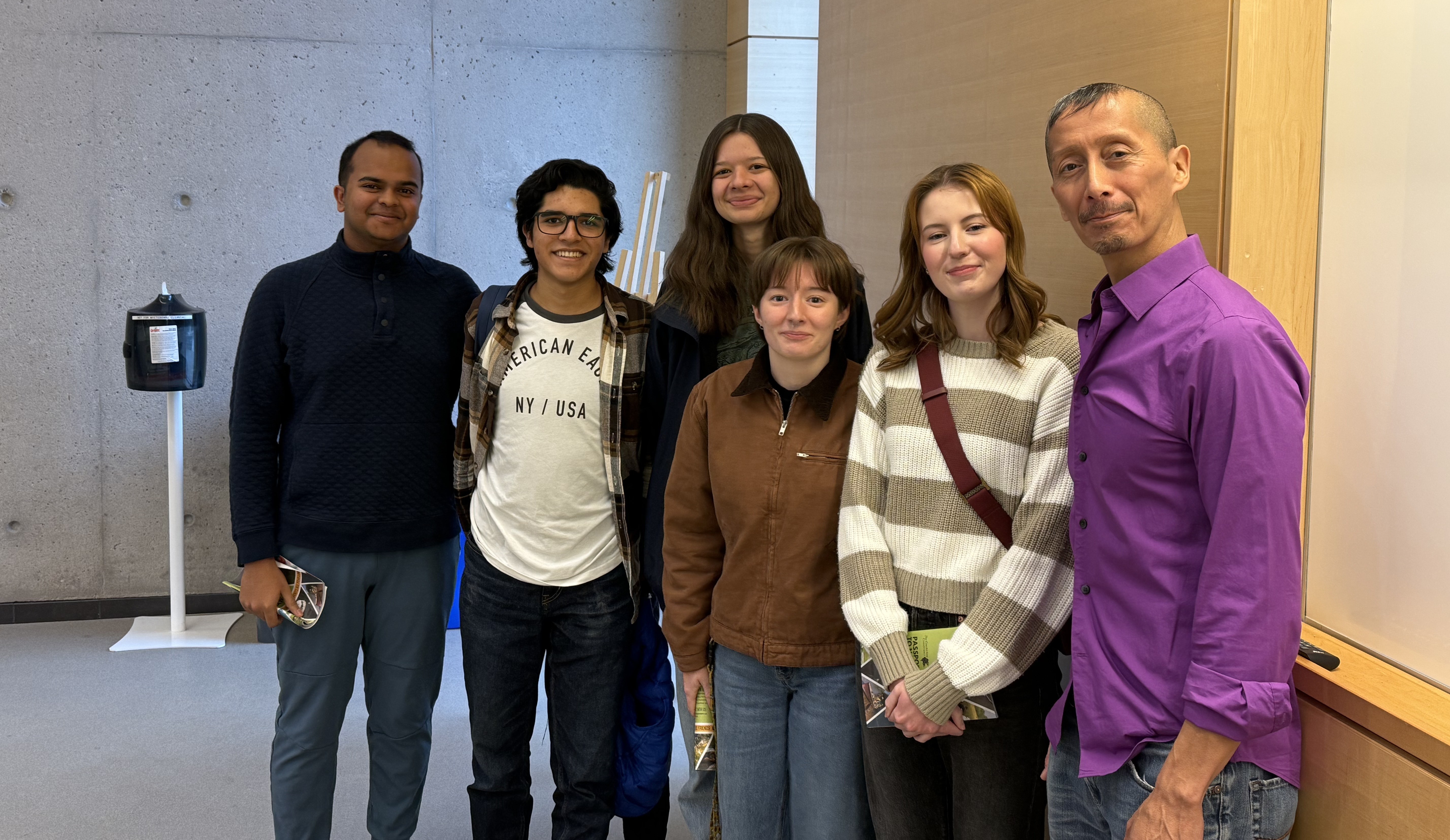
Dr. Reyes and Lakehead sustainability sciences students (left to right): Avi Balroop, Mateo Velasco, Emily De Geus, Holland Dunlop, and Mika Mackay. Emily and Holland are members of Dr. Reyes's alvar research team.
A portion of the Carden Plain is owned by conservation groups who lease it to ranchers so that groups of 50 to 100 head of cattle can graze there in the spring and early summer.
"We're trying to determine what level of grazing is okay to maintain biodiversity and natural conditions," Dr. Reyes says.
"At what point is it too many cattle for too long a period of time?"
Cattle may stop trees from encroaching on open alvar habitat. This could conserve grassland habitat for at-risk bird species like the bobolink and the eastern meadowlark.
One negative effect may be that the cattle are inadvertently spreading invasive species—or aggressive native species—by scattering seeds as they walk or via their droppings.
On the other hand, cattle grazing may protect alvars by enriching the soil and maintaining its open grassland structure and plant diversity.
Taking Action to Safeguard Biodiversity
Dr. Reyes's alvar research is a newer field of study for him, but it connects with his commitment to socioecological resilience.
"Historically, I've worked mostly in forests," Dr. Reyes explains.
"I study the impacts of harvesting practices such as clear-cutting and partial cutting on forest regeneration and look for ways to better manage our forest resources.
Alvars are a different ecosystem, but they face the same issue—trying to make sure that natural resource use is carried out in a sustainable way.
We want to ensure that we're stewards of our resources."
Dr. Reyes and Dr. Kanavilil's alvar research has received funding from Lakehead's Office of Research Services, the City of Orillia, and private donors. Research team member Brandon Guoth also received funding from the Orillia Fish and Game Conservation Club.
