



Indigenous
Lakehead University’s Support of Anishinaabe Law Offers a Powerful Path to Truth and Reconciliation
Law Professor Larissa Speak Helps Bring Communities Together
Legal scholar Larissa Speak says she practices Anishinaabe law because it offers her healing and a respectful way to live in the world that honours the dignity of all.
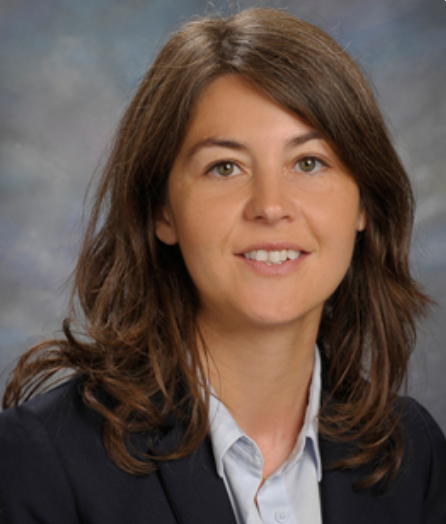
Professor Speak's skills as an educator have made her law school classes extremely popular. In 2025, she won a Contribution to Teaching Award—a student-nominated award that recognizes instructors who have demonstrated high levels of teaching performance at Lakehead University.
"I'm focused on promoting resurgence at the community level, which helps Lakehead University with its commitment to Canada's Truth and Reconciliation (TRC) Calls to Action," she says.
She adds that being an assistant professor at Lakehead University's Bora Laskin Faculty of Law and a member of Fort William First Nation has helped shape her perspective on resurgence and Truth and Reconciliation.
"We need to figure out respectful relationships between Indigenous and settler communities to live well together on Anishinaabe lands," Professor Speak says.
She's helping forge these relationships as a teacher, researcher, and co-director of the law school's Mino-waabandan Inaakonigewinan Indigenous Law and Justice Institute. She collaborates closely with co-director Robin Sutherland in her work with the institute.
The institute was established in 2021 in response to the Truth and Reconciliation Commission of Canada's Call to Action #50, which called for the creation of Indigenous law institutes across the country.
"The institute works with communities to revitalize Indigenous law and to increase access to justice for Indigenous Peoples," she says.
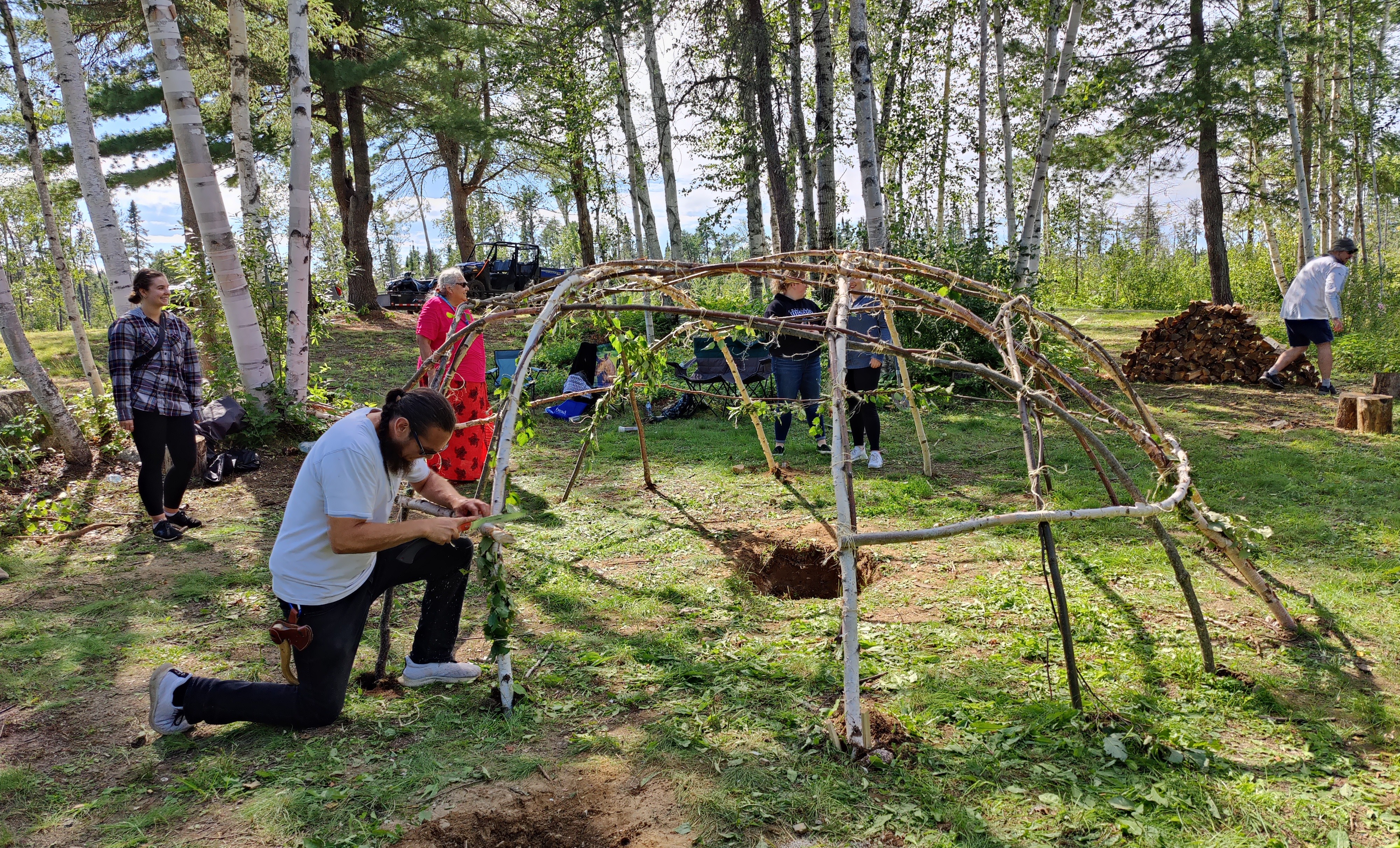
Professor Speak and Robin Sutherland are co-directors of the Mino-waabandan Inaakonigewinan Indigenous Law and Justice Institute, which means "seeing the law in a good way." Robin Sutherland is also the law school's Director of Indigenous Relations. Above, he helps first-year law students build a sweat lodge at the law school's first annual Law Camp.
It also offers important academic and outreach programming to law students, such as the annual Gaa-maada'ooniding Land-based Law Camp co-hosted with the School of Indigenous Learning (SOIL).
Gaa-maada'ooniding—Anishinaabe for "the place where we share together"—welcomes first-year students to the law school community and introduces them to Indigenous law through land-based practices, ceremonies, art, and sharing circles led by Indigenous knowledge holders.
A Leader in Indigenous and Aboriginal Law
Professor Speak's teaching, research, and advocacy are closely intertwined with the Bora Laskin Faculty of Law in other ways, too.
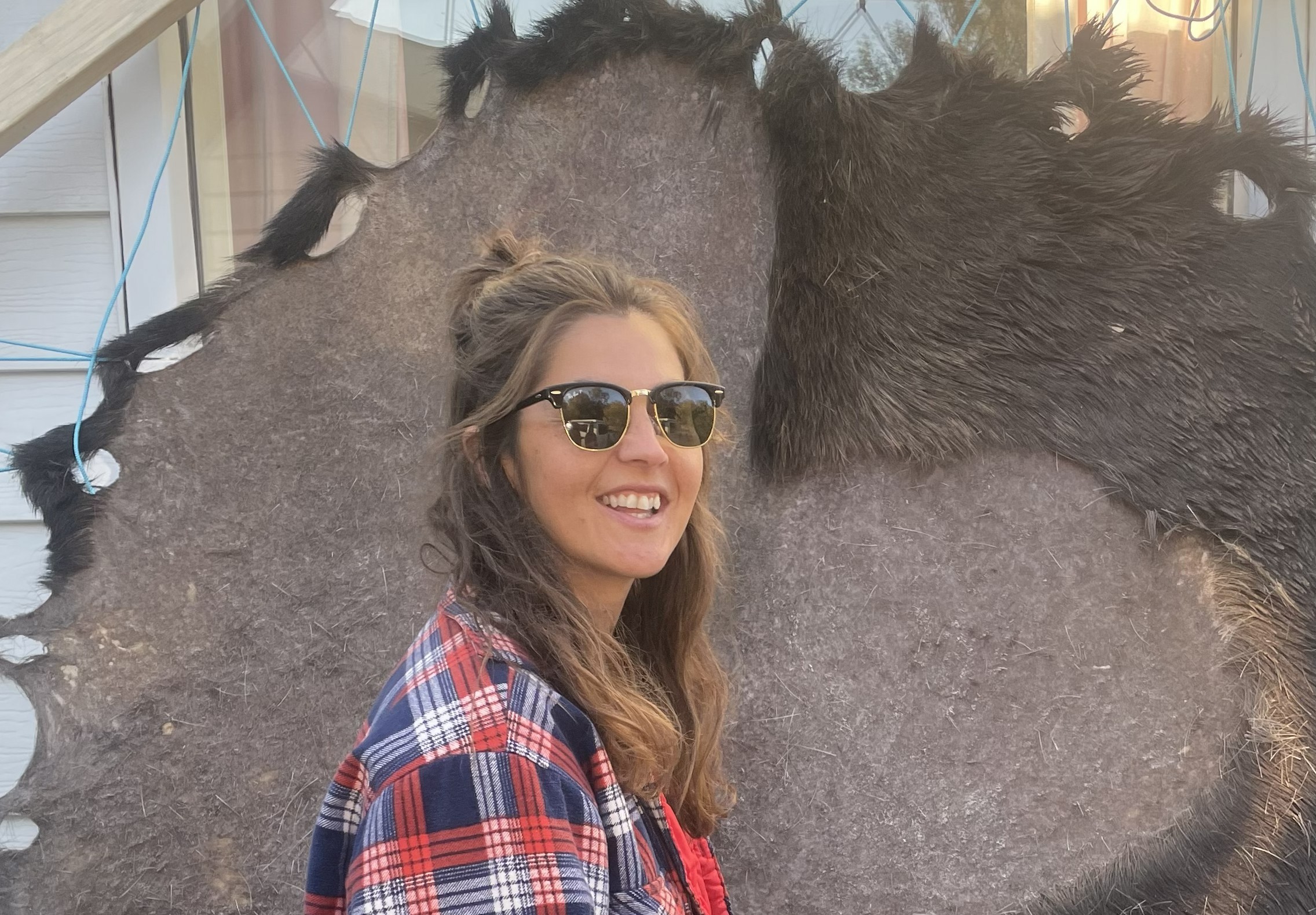
"We live in a very powerful place, and the Indigenous community wants to share that with people," Professor Speak says. "The sacred mountain—Anemki Wajiw—is the home of the Thunderbirds." Above, Professor Speak works on a moose hide after learning the practice from hide-tanners Jean Marshall and Shelby Gagnon.
She joined the law school as a contract lecturer in 2020, later becoming a professor, but she first stepped through its doors in 2013 as a student and a member of the law school's charter class.
"Studying at the Bora Laskin Faculty of Law helped me better understand my Anishinaabe identity and the responsibilities that it carries," Professor Speak says.
"My family had become disconnected from Fort William First Nation, but law school helped me establish relationships in my community and got me really interested in learning about Indigenous law, especially Anishinaabe law."
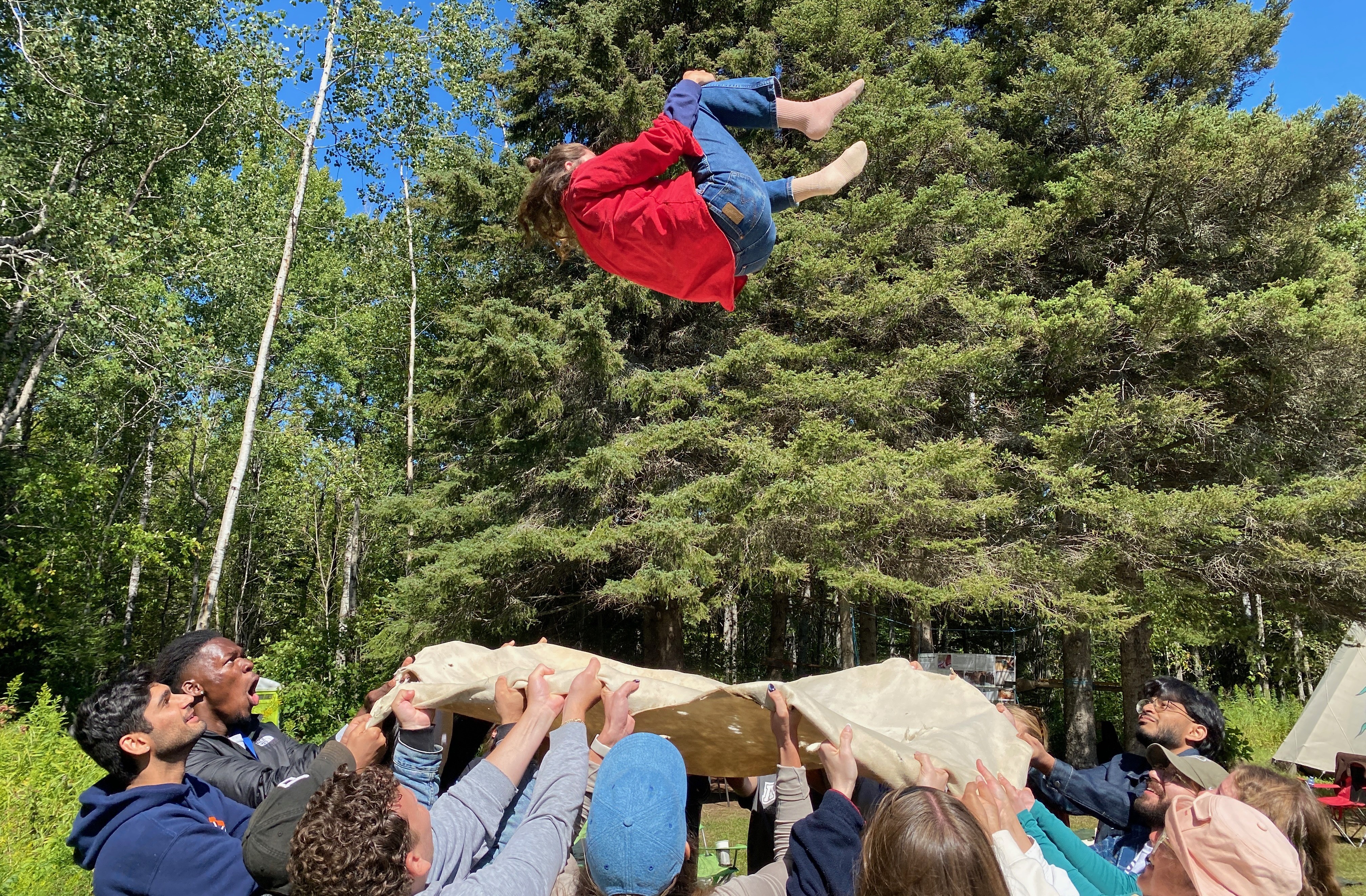
When students arrive at the law school's Gaa-maada'ooniding Land-based Law Camp, Professor Speak says they "set up the tents and stations, bring the Elders food, and help clean up, because if you're going to learn something, you also need to give something back." Above, students help soften a moose hide by tossing Professor Speak into the air at the Bora Laskin Faculty of Law's 2025 Law Camp.
Her exposure to these forms of laws wasn't accidental. One of the law school's three mandates is the teaching of Aboriginal and Indigenous law.
"Aboriginal law deals with how Canadian law applies to and affects Indigenous people, for example, treaty and hunting rights," Professor Speak explains. "Indigenous law refers to the law practiced by Indigenous people, which is separate and apart from Canadian law."
An Anishinaabe Worldview
Professor Speak specializes in the law practiced by Anishinaabe people and communities in northwestern Ontario. "It's an oral tradition based on protocols, relationships, and how to live and act in a good way so that you don't cause harm."
Fundamental to Anishinaabe law is a more inclusive version of personhood in which humans have no superiority over other living things—animals, plants, lakes, and trees are equal to humans and imbued with agency and spirit.
This conception of the world means that Anishinaabe law is often expressed through communal activities that happen on the land, such as respectful harvesting and hunting. For this reason, supporting Indigenous people being on the land is crucial to Professor Speak's teaching and research.
"I also try to broaden law students' understanding of what constitutes law through practices like deer and moosehide tanning," she says.
.jpg "Lakehead Students at Rainy River")
Last year, Professor Speak offered an upper-year elective course called "Anishinaabe Governance in Practice: Visiting and Learning at Kay-Nah-Chi-Wah-Nung." Students in Lakehead's Faculty of Law program and the Outdoor Recreation Parks and Tourism (ORPT) program went to the Manitou Mounds Historical Centre on Rainy River First Nations lands with ORPT Director Dr. Leigh Potvin. The course built on extracurricular trips to Manitou Mounds led by Robin Sutherland in previous academic years. "Robin established strong ties with Manitou Mounds and the local knowledge holders, setting us up for success. We visited a protected site with burial mounds, some of which were 8,000 years old, and the students were part of a ceremony to repatriate ancient remains," Professor Speak says. "They also learned Anishinaabe teachings about the stars and constellations." Above, as part of the course, Professor Speak and students look for "jumping name," also known as sturgeon, in the Rainy River.
In collaboration with Dr. Leigh Potvin, she has hosted two hide-tanning gatherings at Lakehead University, funded by a SSHRC SIG Community-Engaged Research Grant (CERG) and a Lakehead University Indigenous Research Capacity Development Grant. The gatherings were open to Indigenous and non-Indigenous students, and anyone from the wider community interested in participating. These kinds of gatherings strengthen Anishinaabe law and teach non-Indigenous people about the places where they live.
We All Have a Part to Play in Truth and Reconciliation
Professor Speak says that many of the TRC's calls to action remain incomplete.
"There's been backsliding and a resistance to decolonization at the institutional level. That's why I'd like to see non-Indigenous people step into leadership roles to support this work, including commemorating the National Day for Truth and Reconciliation on September 30."
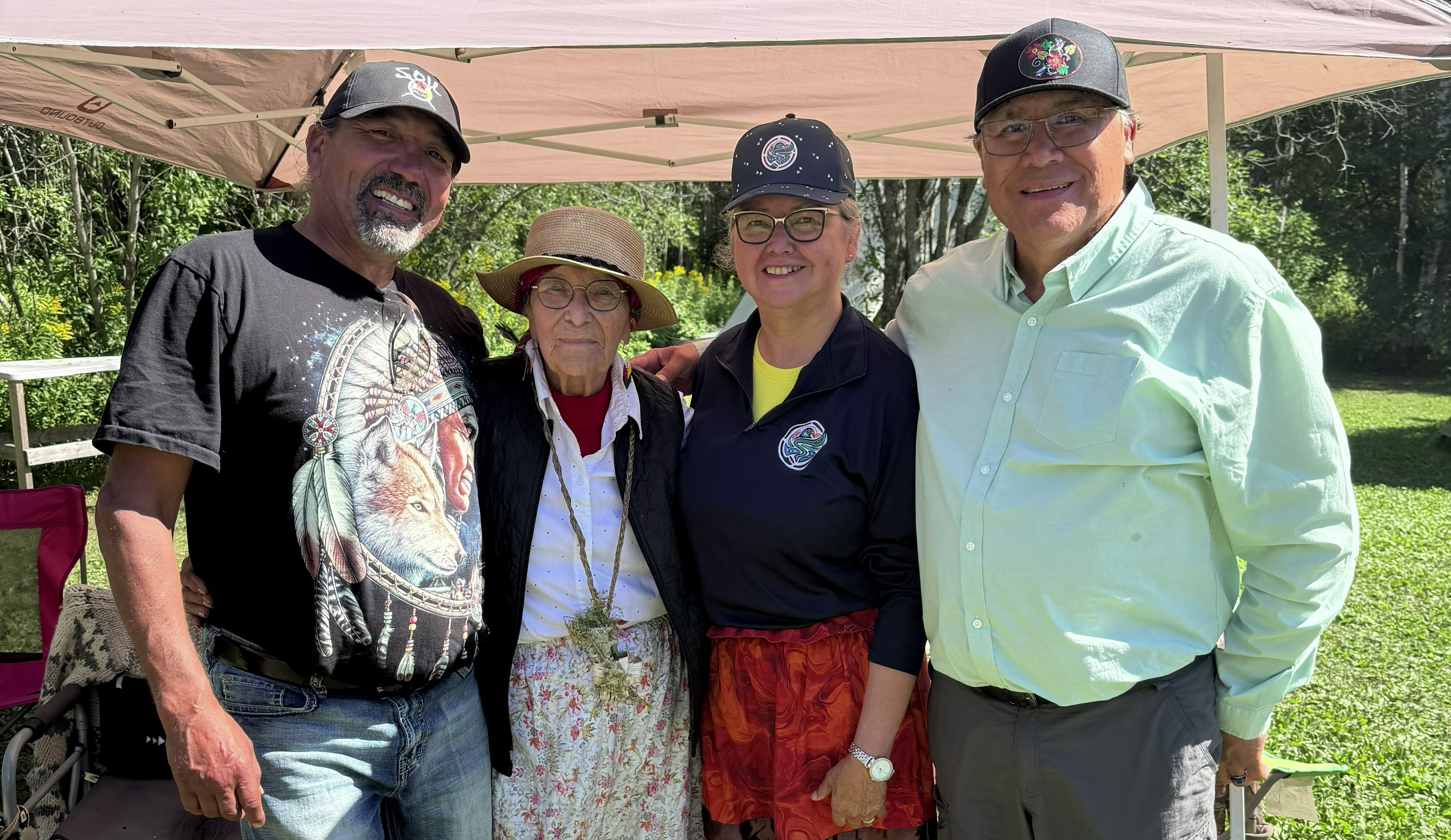
Professor Speak says that non-Indigenous students often arrive at law camp feeling very nervous, but that they soon relax. "They eat so much food at law camp, which is how I know they're becoming comfortable," she says. "In sharing circles at the end of the three days, many students describe it as an amazing experience." Above, Knowledge Holders Jeordi Pierre, Marlene Pierre, Irene Linklater, and Ron Linklater at the Bora Laskin Faculty of Law's 2026 Law Camp.
Professor Speak believes that the best way to begin engaging in Truth and Reconciliation is by attending Indigenous community events and getting to know people—whether it's a Powwow, an art exhibition, Lakehead University's annual Fall Harvest celebration, or other campus gatherings.
"Then think about specific calls to action you want to respond to, because this work is for all of us to do," she says.
How to Show Your Support on September 30:
- Attend National Day for Truth and Reconciliation events in your community
- Wear an orange shirt
- Watch the Phyllis Webstad - On Orange Shirt Day video
- Read the Truth and Reconciliation Commission of Canada's Calls to Action
- Support Indigenous-led businesses
- Use social media hashtags:
#OrangeShirtDay, #EveryChildMatters, #TruthAndReconciliation, #NDTR, and #ReconciliACTION
Elder-in-Residence Beatrice Twance-Hynes
Elder-In-Residence Beatrice Twance-Hynes
Elder-In-Residence with Beatrice Twance-Hynes - DATE CHANGE
Please note the date change from October 14th to October 19th
Elder-In-Residence with Beatrice Twance-Hynes
Sacred Fire & Pipe Ceremony with Elder Gene Nowegejick
Indigenous Student Services Centre is pleased to provide students with the opportunity to attend a Sacred Fire & Pipe Ceremony. Elder Gene will conduct a pipe ceremony and share his knowledge.
Rain Location - Gakina Nindinawemaaganag UC 1007
Everyone is Welcome to attend!
Researcher Céline Wick Embraces the Potential of Traditional Medicine
Meet an Emerging Leader Using Indigenous-Centred Care to Support Well-being
"The birth of my niece and nephew made me see myself as part of a long line of people," Céline Wick says.
It was a realization that led this Lakehead University PhD student and new Indigenous Learning professor on a transformative journey.
"An Elder told me that being an auntie means being a little mother," Céline says. "He also talked about our responsibilities to children as well as to our ancestors, our grannies, and our grandfathers.
That's why I'm committed to fostering healthy, bright, and loving futures for my community and my nation."
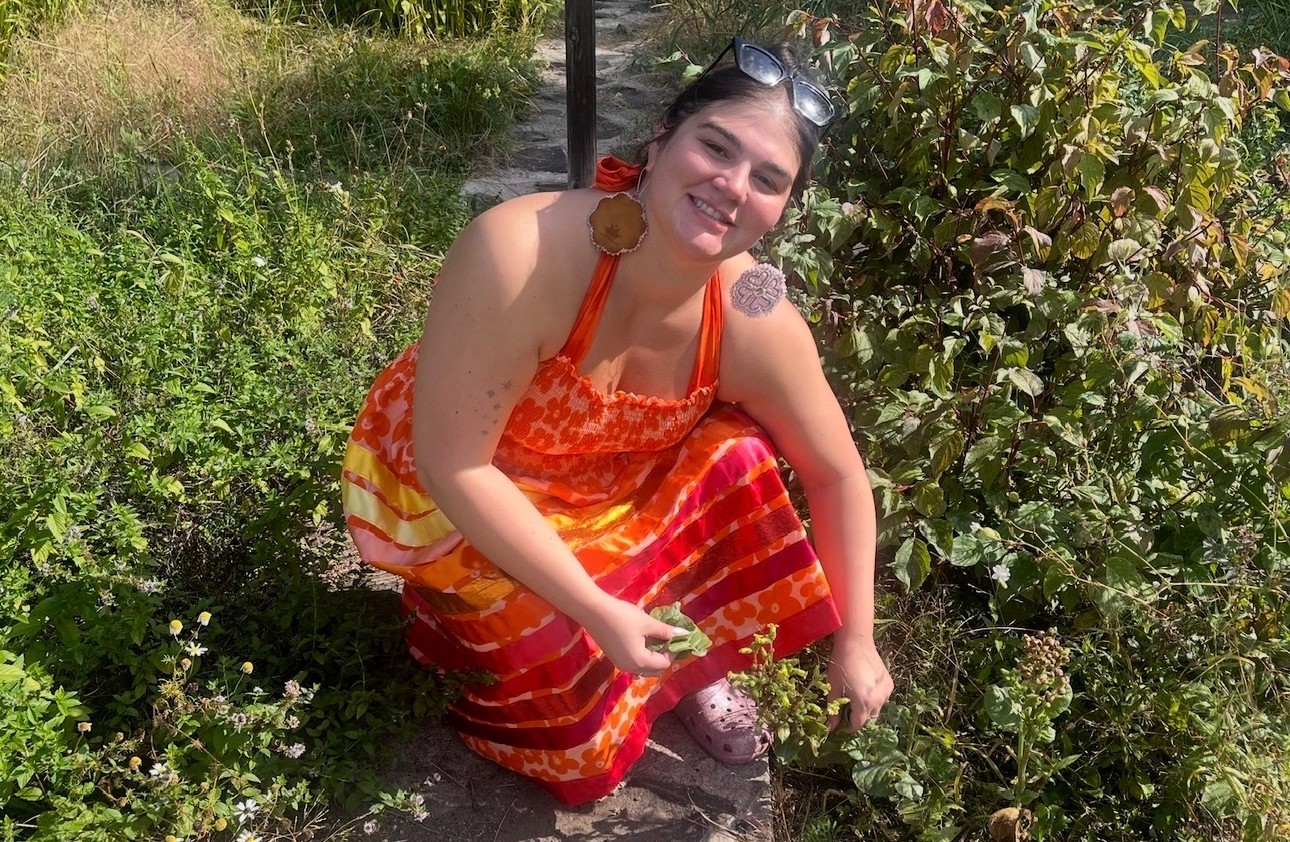
"I never saw myself pursuing a PhD, but having people like Lana Ray, Denise Baxter, and Kristin Burnett believe in me made me realize it was possible," Céline says. "Now I have my dream job as an Indigenous Learning professor. I love my colleagues and will keep finding ways to be useful to my people and my Nation, including through health research." Above, Céline collects plants from the Gitigaan Medicine Garden at Lakehead University's Sweat Lodge Site.
Finding Strength in Métis Culture
Céline has already earned two Lakehead degrees and is on the verge of completing her third—
a health sciences PhD focused on Indigenous well-being.
She credits her BA in Political Science and Government with introducing her to the postsecondary world and her Master of Social Justice degree with deepening her connection to her Métis heritage.
For her master's, Céline collaborated with her mother and her grandmother to document their experiences of being Métis women. Her resulting thesis provided insights into how relationships enable Métis women to sustain their cultural identity.
"It was through this degree that I began to see research as a useful way of bringing resources to my community," she says. "This, in turn, got me interested in Indigenous health."
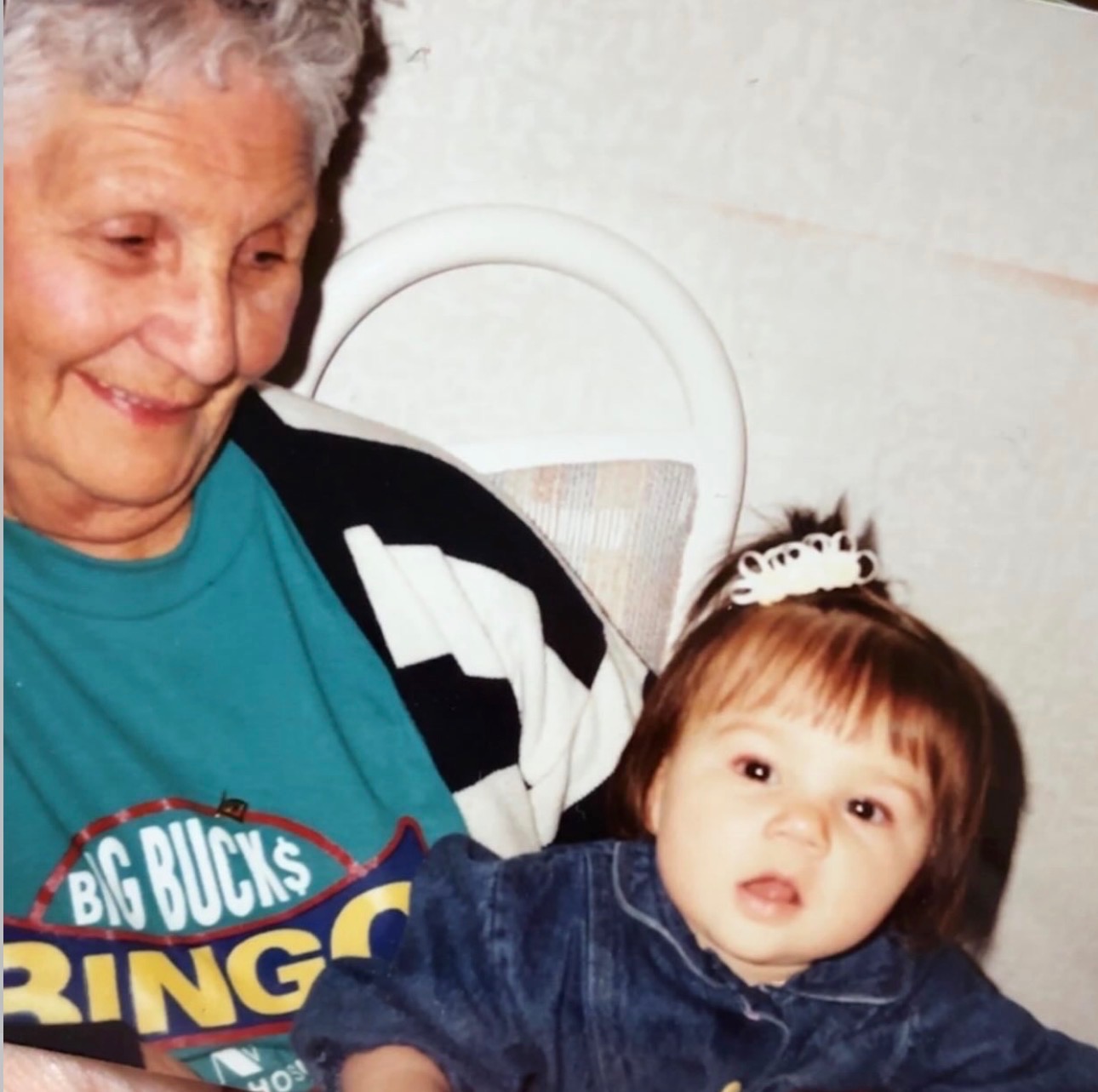
Céline's grandmother was born in a Métis road allowance community in southern Saskatchewan. These communities arose after the government displaced Métis people to make way for immigrant farmers from Europe. These settlements didn't have running water and houses were built with salvaged materials. "It was a really difficult time, but it was also a time of resource sharing and Métis values," Céline says. Left, a photo of Céline as a toddler with her great-grandmother Agnes (Bellerose) Bellamy.
Céline master's thesis supervisor Dr. Lana Ray— Lakehead's Anishinaabe Kendaasiwin Institute Director and the Canada Research Chair in Resurgent Methodologies for Indigenous Health with Athabasca University—played a pivotal role in this shift.
"I spent the year after my master's degree as a research assistant with Dr. Ray's Waasegiizhig Nanaandawe'iyewigamig Mino Bimaadiziwin (WNMB) project," Céline says.
"It explored how access to traditional medicine has the potential to support overall well-being and address high rates of cancer and other chronic diseases.
Her project helped prepare me for my PhD, and it helped prepare me as a human being."
The Power of Traditional Medicine
Céline's PhD dissertation, co-supervised by Dr. Ray and Dr. Anna Koné, is investigating how love and care can act as protective factors against the harms of settler colonialism.
"Colonization attacked our relationships to ourselves, each other, and the land, and this has been really detrimental to our health," she explains.
"My PhD is focused on how culturally responsive care can be an antidote to these harms by treating the whole of an individual's being."
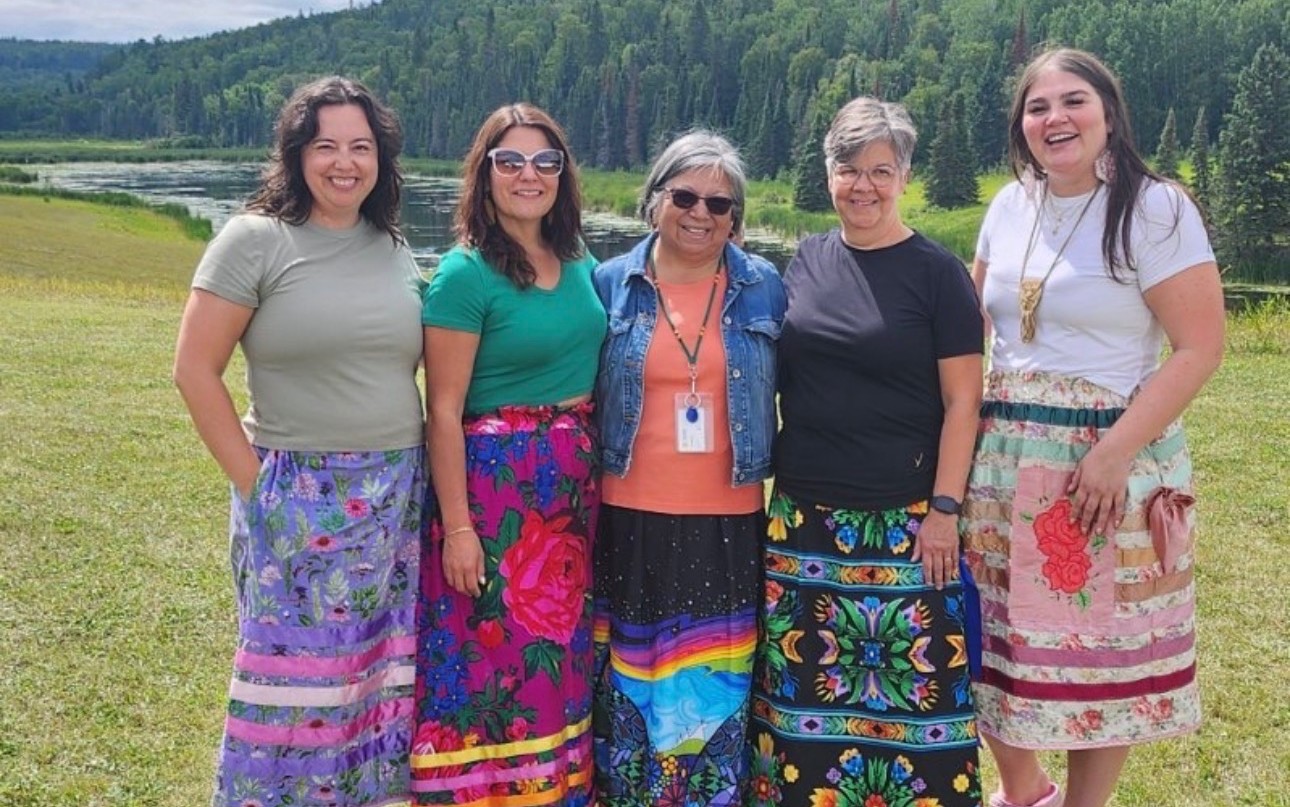
"Part of the process of my master's research was coming to understand the importance of unconditional love and how it helps you find your place," Above, Indigenous members of the WNMB research project. Left to right: Dr. Alanna Morgan (MD), Dr. Lana Ray, Ida Copenace, Dr. Cindy Peltier, and Céline Wick.
Traditional medicines and ceremony support health and good living because they are underpinned by love.
"Love is the fabric that holds everything together, and it's how my people survive impossible realities," she says.
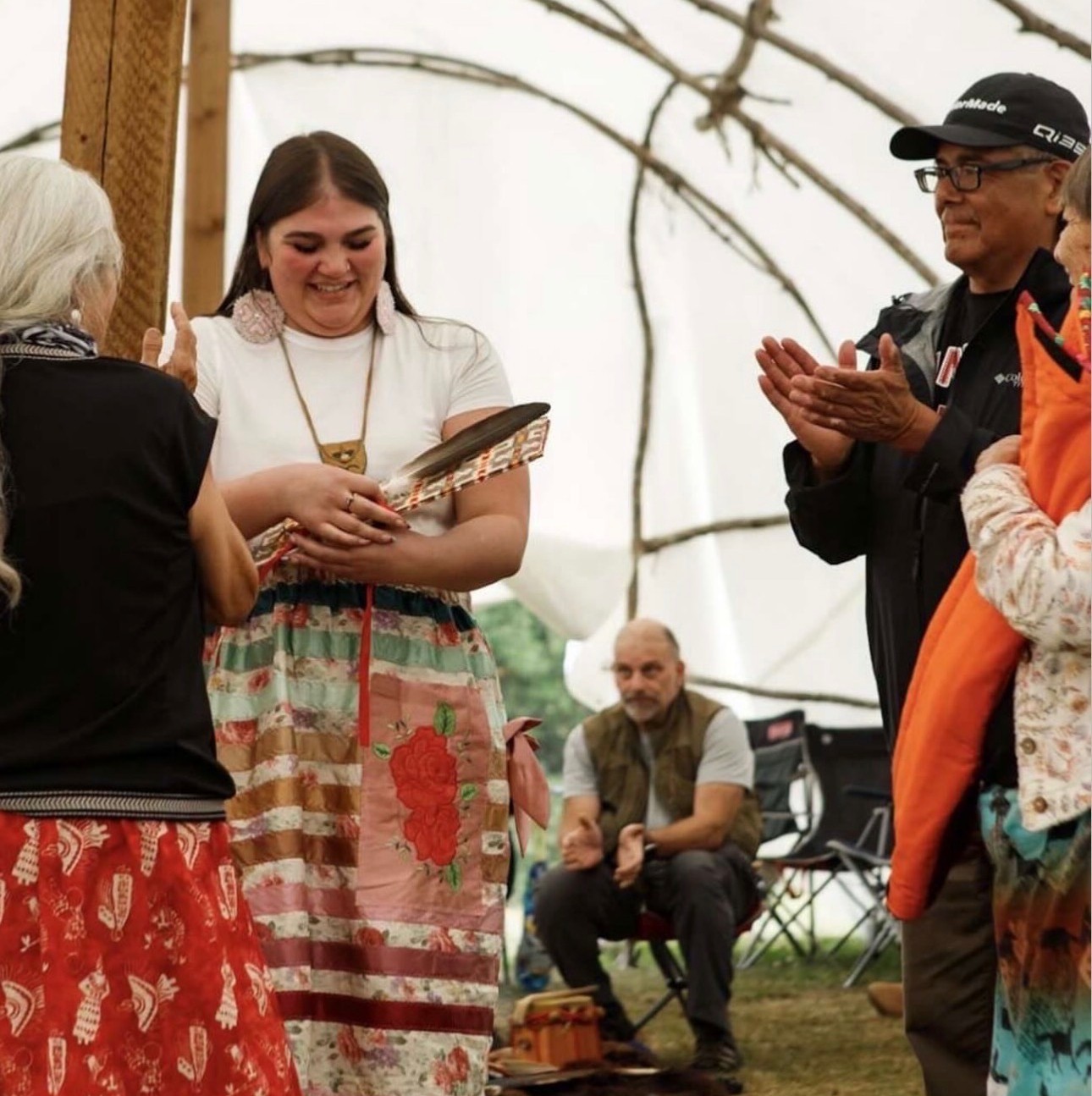
“Over the summer of 2025, after I was hired as an Indigenous Learning professor, I did a lot of reflecting on this new chapter,” Céline says. “I want my students to know that they’re brilliant and that they can do anything that's important to them.” Above, Céline is honoured with an eagle feather for her WNMB research work at a medicine camp teaching lodge.
"My goal is to tell the story of the important work being done in our communities to undo the ongoing harms of colonization. Both Indigenous and Western approaches to medicine have an important role in health and well-being, and it's important to ensure that both are respected."
Céline's work as a health research advisor with the Métis National Council reaffirmed her commitment to this area of research.
"I worked on a docu-series called "We Won't Be Ignored." We interviewed Métis people across the country about their experiences with diseases and other health issues because Métis health is very under-researched."
Mentors Inspire the Changemakers We Need
"Dr. Ray has been wonderful and much more than a master's and PhD supervisor," Céline says. "She's helped me grow into my community responsibilities and shown me what it means to be a strong Indigenous woman in an academic space."
When the position of Indigenous Learning professor opened up at Lakehead, it was Dr. Ray who encouraged Céline to apply.
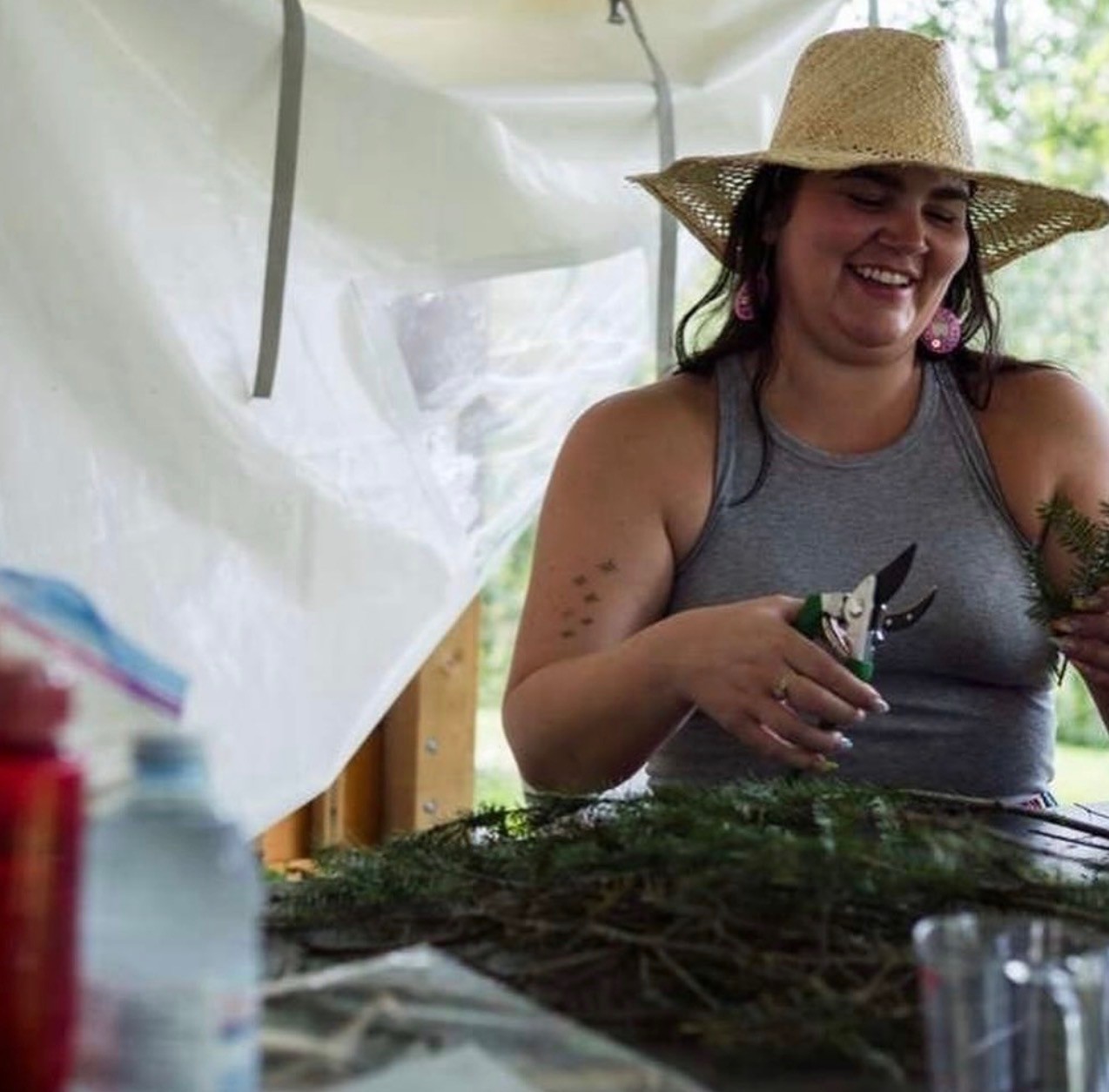
"Learning about traditional healing has been one of the most beautiful parts of being on Dr. Ray's research team," Céline says. "We worked with traditional knowledge holders and the Waasegiizhig Nanaandawe'iyewigamig Health Access Centre (WNHAC)." Above, Céline processes medicines harvested at a medicine camp near Kenora, Ontario, as part of the WNMB project.
"I was really nervous and didn't think that I'd get the position," Céline says. "Now, I'm just starting my second year of teaching. It's been amazing to see my students get excited about learning and research that can nurture their communities."
She's also grateful to Indigenous Learning professor Dr. Kristin Burnett for encouraging her to enrol in Lakehead's master's program and for the ongoing support of Indigenous Initiatives Vice-Provost Denise Baxter and the Indigenous Initiatives team.
"All the love that's been poured into me, I want to pass forward," Céline says. "I want to be the cheerleader and supporter that so many of my mentors have been to me."
Watch the "We Won't Be Ignored" video Céline helped produce about Métis people's experiences with cancer and their barriers to treatment.
Lakehead University thanks the Canadian Institutes of Health Research (CIHR) for their $1.2 million in funding in support of the Waasegiizhig Nanaandawe'iyewigamig Mino Bimaadiziwin research project led by principal investigator Dr. Lana Ray.
September 2026 Education Exchange Newsletter Published
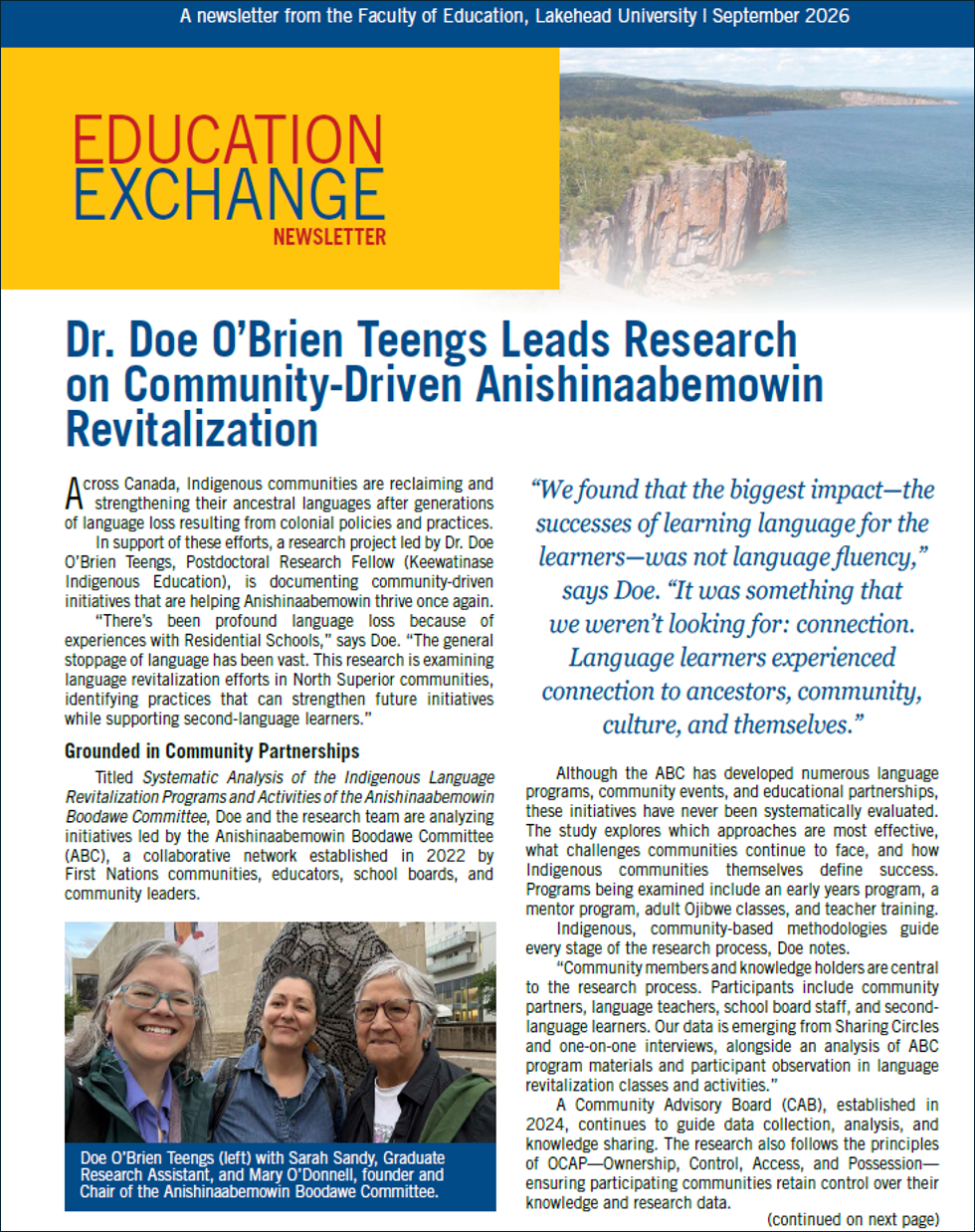
The September 2026 issue of Education Exchange, the Faculty of Education’s newsletter, is now available. This issue features Dr. Doe O'Brien Teengs's research on Anishinaabemowin revitalization, Dr. Leisa Desmoulins and Dr. Ruth Beatty's research on advancing Indigenous education in Simcoe County, faculty awards, profiles of alumni from the Technological Education program, and more.
To read this issue, click here.
Dr. Anna Koné Travelled to Kenya with Academics Without Borders
She Helped an East African University Improve its Research Program
Academics Without Borders (AWB) chose Dr. Anna Koné from applicants across the globe to go to Kenya in 2026 and boost the research capacity of Karatina University.
"I'm always looking for ways to contribute to social justice, and I wanted to give back," says Dr. Koné—an associate professor in the Department of Health Sciences and the first Lakehead University faculty member to volunteer in Kenya with AWB.
"I'd never been to Kenya before, and it was a new place to discover for me," she adds. "It also felt a bit like going back home since I'm from Ivory Coast."
"My background is in statistics, and my work is centred on access to care, health disparities, and social determinants of health," Dr. Koné says. "It's crucial that policymakers have accurate information to make evidence-based decisions. This is especially true when it comes to marginalized communities, who are often overlooked. In the public health field we say: 'If you are not counted, you don't count.'"
AWB is a non-profit organization that describes its mission as helping "people in low and middle-income countries realize their dreams through higher education because education is the key to a flourishing society and a sustainable world."
When Lakehead University joined AWB in October 2024, Dr. Koné was quick to respond to a call asking for faculty members willing to offer their time and talents to AWB initiatives. She became Lakehead's second AWB volunteer, following in the footsteps of former Research and Innovation Vice-President Andy Dean who volunteered in Uganda in 2025.
For their part, Karatina University and AWB were keen to harness Dr. Koné's expertise as a statistician, epidemiologist, and public health researcher.
Before travelling to Kenya, Dr. Koné developed an online course specifically for Karatina University faculty members, which she taught during the winter 2026 term.
Then, in May 2026, she spent almost two weeks in Kenya presenting workshops to the 15 course participants, who she was delighted to meet in person.
"I worked with faculty from across Karatina University, including the health, agriculture, and languages programs, because statistics and data analysis applies to every field of study," she explains.
Supporting East Africa's Economic Hub
The Karatina University project—called "Reigniting Research Excellence at Karatina
University"—was designed to strengthen the university's research capacity, enhance data-driven decision-making, and integrate emerging technologies into academic practice.
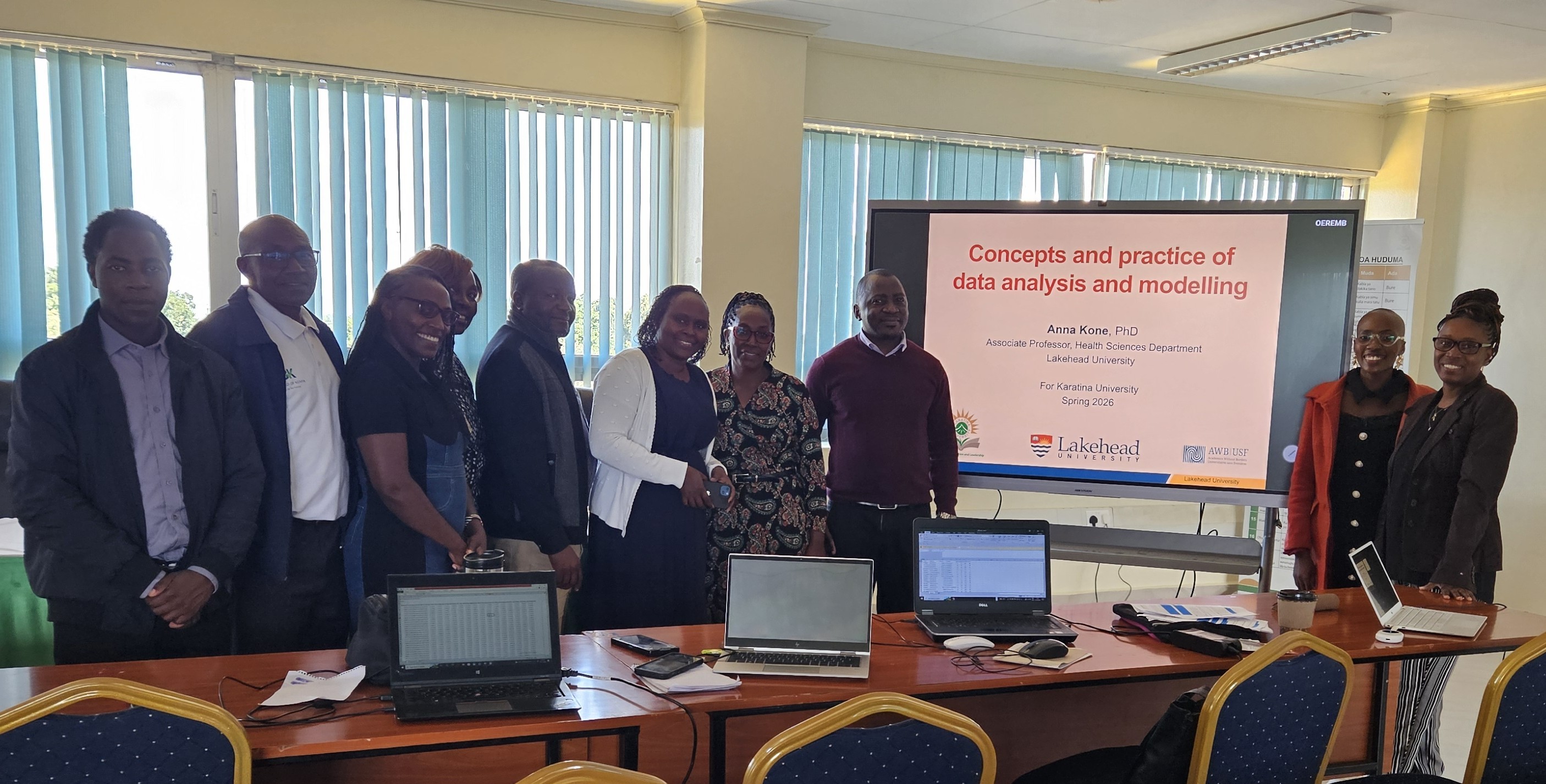
Karatina University asked Academics Without Borders for assistance with training in data analysis, data management, and machine learning. Above, Dr. Koné (far right) presents a workshop called "Concepts and practice of data analysis and modelling" to Karatina faculty members.
"I think that everyone should have educational opportunities wherever they are," Dr. Koné says. "Education has had a massive impact on my life. I was able to immigrate to Canada in 2000, and succeed, because of my education."
Dr. Koné earned a Bachelor of Engineering from the École Nationale de Statistiques et Économie Appliquée in Ivory Coast. Later, scholarships and awards enabled her to earn a Master of Science in Community Health and a PhD in Public Health and Epidemiology at the Université de Montréal.
"Thanks to my varied training and performance, I was able to start teaching and conduct research at a relatively young age," she says. "For instance, I was the only graduate student/non-faculty member involved in a training program offered by the Université de Montréal in collaboration with the Faculty of Medicine in Haiti."
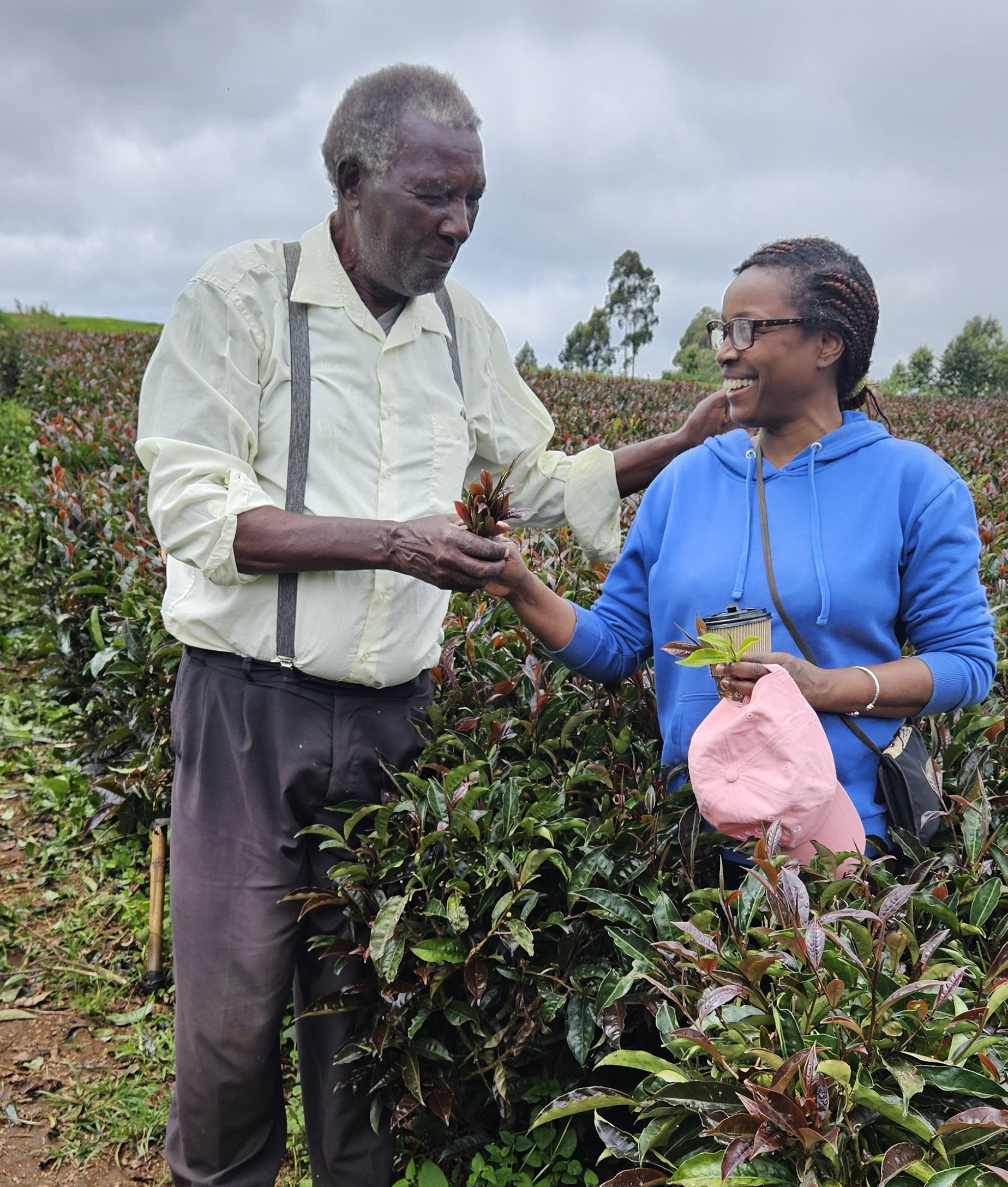
Visiting the Horera Forest Edge Tea Factory—a tea plantation near Karatina—was one of the highlights of Dr. Koné's time in Kenya. "The gentleman who owns it is in his 80s, but he's still passionate about tea farming," she says. "He also dries and packages his teas for sale."
Her passion for learning and sharing knowledge made the prospect of working with Karatina University an exciting one. She was also intrigued by Karatina's history and geography. Located in the foothills of Mount Kenya, the university initially operated as the Karatina Tea Training Institute.
"Tea farming is a big industry in Kenya," Dr. Koné says. "Many tea varieties are grown there including purple tea—a rare tea that's low in caffeine and extremely high in beneficial antioxidants."
Karatina's agricultural programs still support the tea industry, but it has been steadily expanding to give students many more educational paths to choose from, including the health sciences.
Empowering Transformative Research
Dr. Koné familiarized herself with each faculty member's project so that she could help them carry out their research more effectively.
Their projects, while diverse in nature, are aimed at making the lives of everyday Kenyans better.
"There was a PhD student trying to improve infant well-being by offering new mothers nutrition and food education training to keep their babies as healthy as possible.
Another faculty member was investigating factors that affect food production and supply in urban areas, while a third participant wanted to apply statistics to help tea farmers more effectively manage their crops."
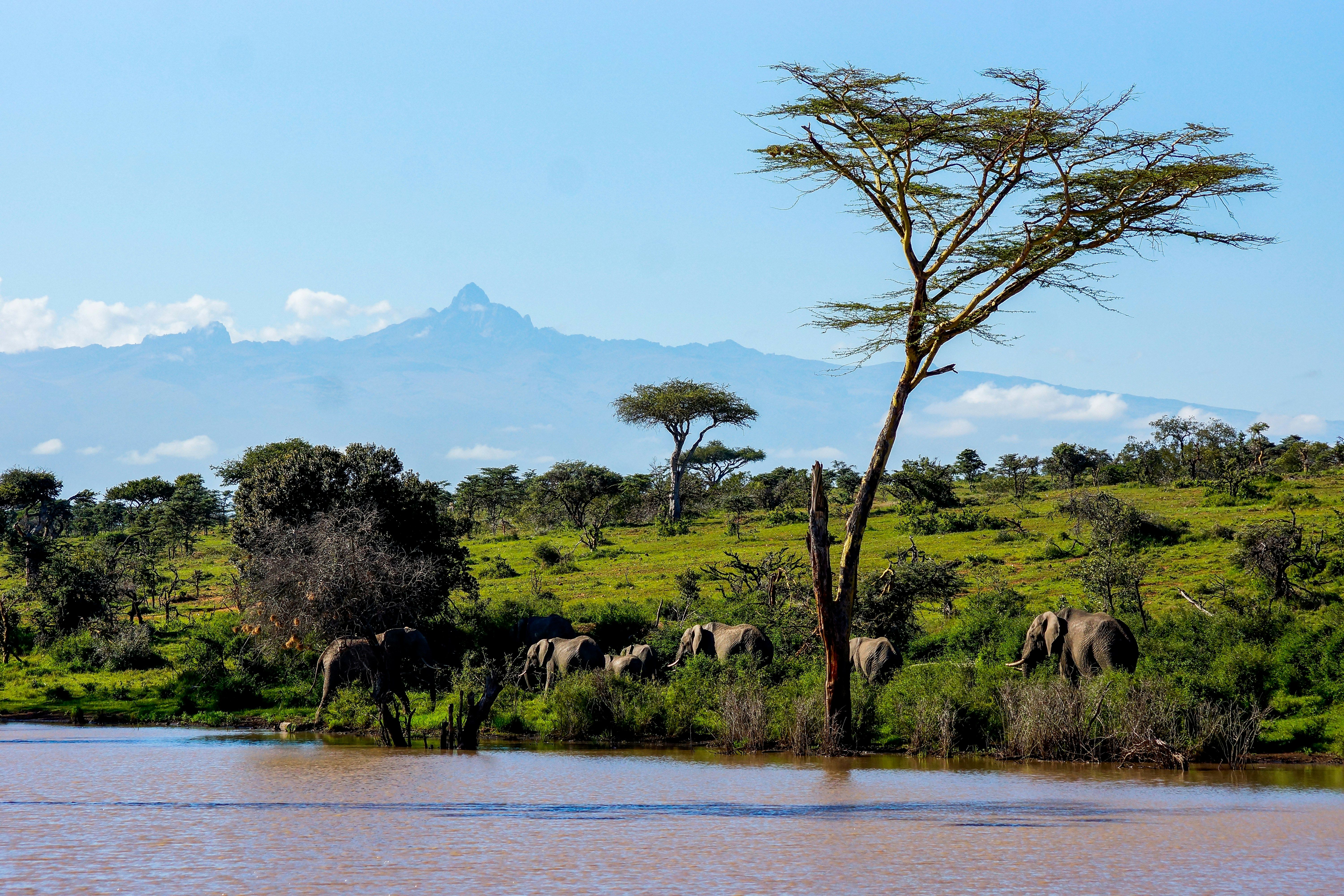
Dr. Koné had been hoping to go on one of Kenya's famous safaris, but her jam-packed schedule didn't give her much time for sightseeing. Above, elephants gather at a river near Mount Kenya, which is only a few kilometres from Karatina University. (Photo Credit: Unsplash/Leon Pauleikhoff)
Dr. Koné's collaboration with Karatina University helped further Academics Without Borders' fundamental purpose—sharing expertise where it's needed and doing so in a way that allows this expertise to be sustained once AWB volunteers leave.
"I didn't go to Kenya as a saviour," she says.
"I helped Karatina, and they helped me. I was able to challenge myself and develop my skills as a statistician, and the faculty were incredibly open to learning and wonderful to work with.
I even picked up a few words of Swahili, Kenya's national language."
The AWB Network is a consortium of Canadian post-secondary institutions that support AWB's mission to work with higher education institutions in low and middle-income countries on capacity building initiatives to drive development and improve the quality of life in communities around the world. AWB coordinates volunteer expertise to work with colleagues at institutes of higher education on priority initiatives in academic disciplines, teaching and learning, research support, and administrative functions. Lakehead University joined the AWB Network in 2024.
Dr. Kone's work addresses the following United Nations Sustainable Development Goals (SDGs): SDG 1: No Poverty, SDG 4: Quality Education, SDG 8: Decent Work and Economic Growth, SDG 10: Reduced Inequalities, and SDG 17: Partnerships for the Goals.
Pages
