His Inventions Have Saved Lives and Attracted Worldwide Attention
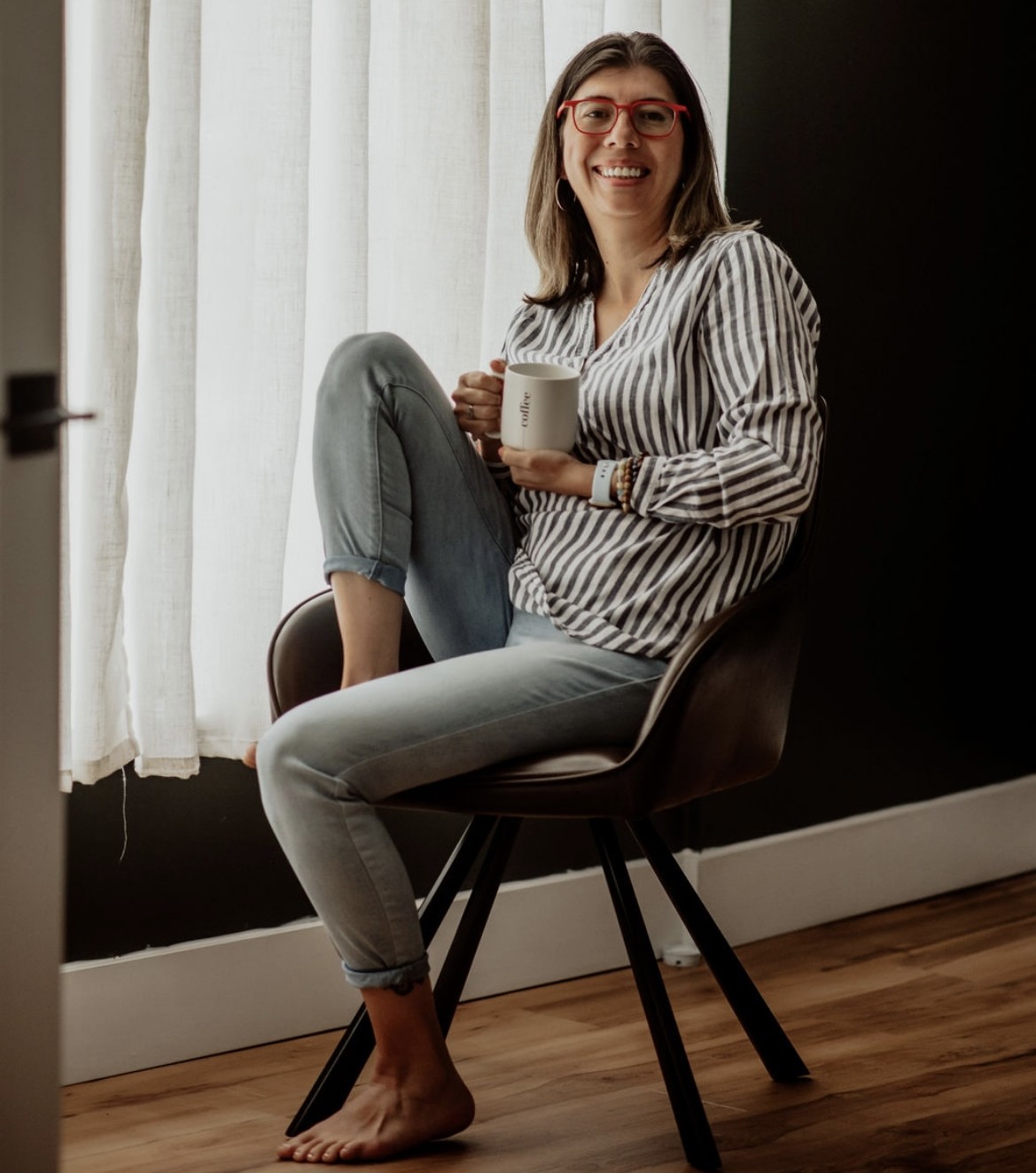
Despite being an inventor who holds 22 patents in the United States (U.S.)—and many more globally—Richard "Dick" Hembree (BEng'83) doesn't consider himself to be creative.
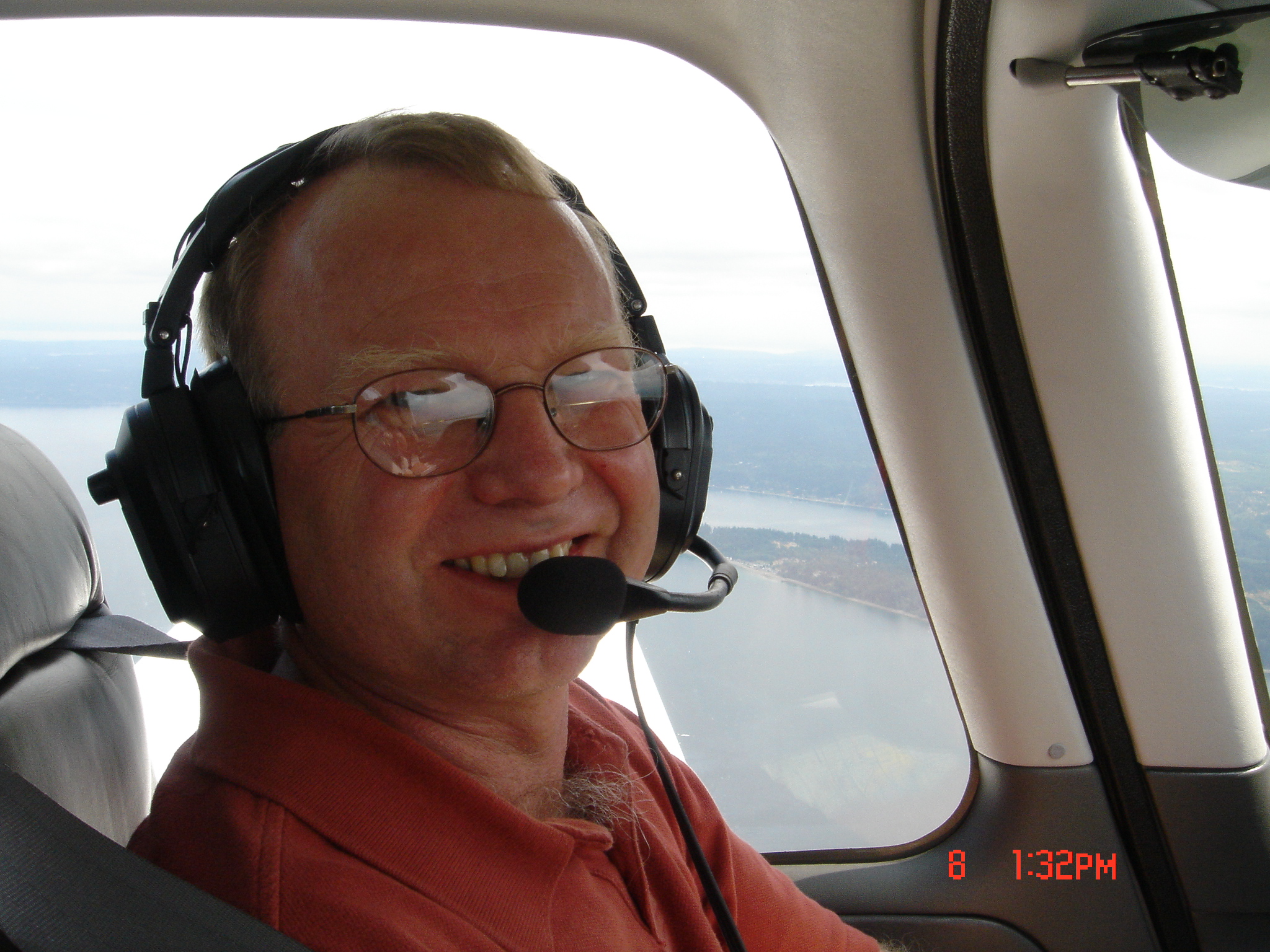
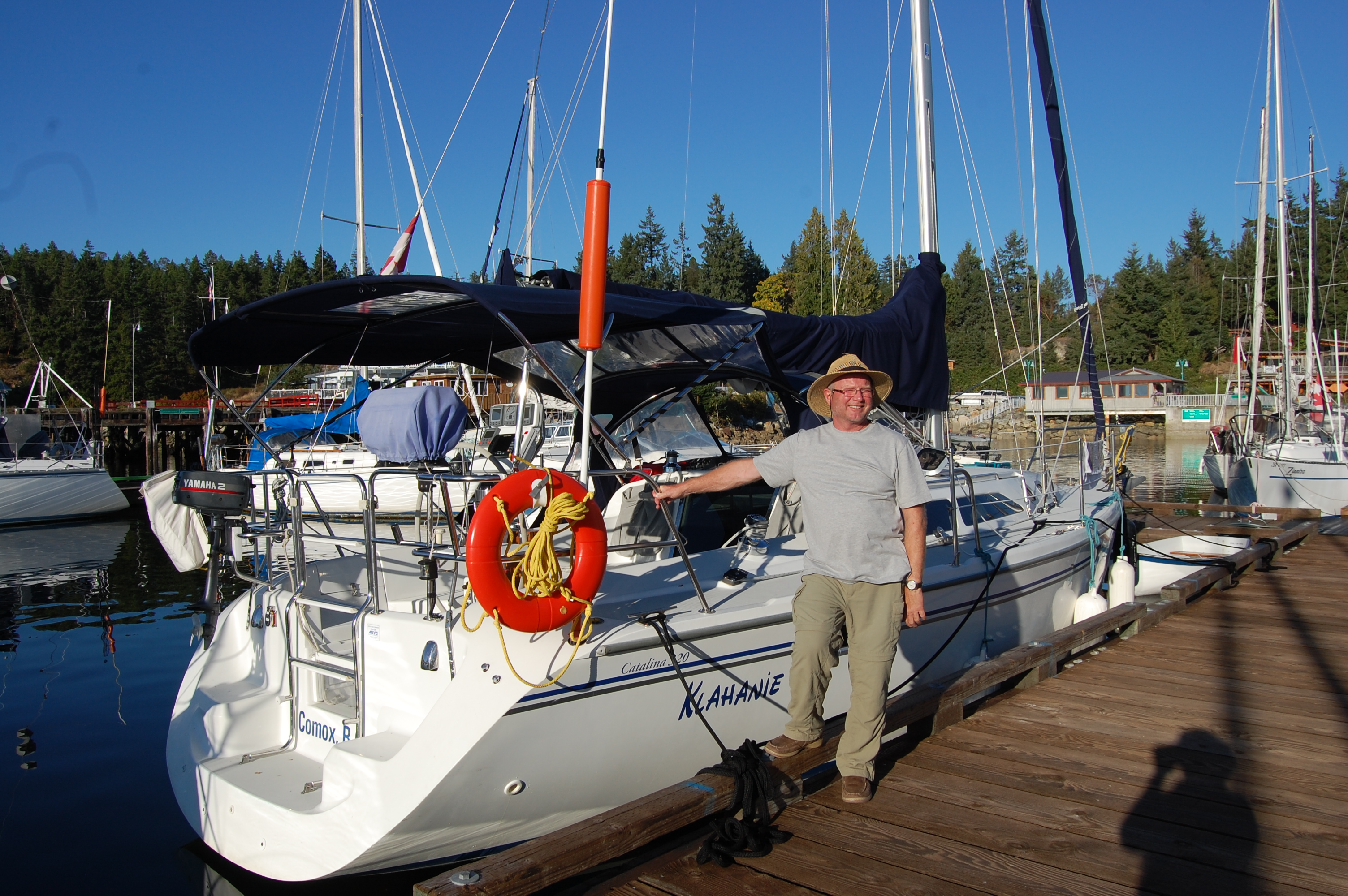
Dick is a born adventurer who loves flying and sailing.
"I see something that doesn't work, or doesn't do its job very well, and I think of a better way of doing it," says Dick, who lives in Port Coquitlam, British Columbia.
"A patent has to be useful, non-obvious, and unique, and most of the things I come up with are like that. It always starts with a problem I want to solve rather than a dream I want to accomplish."
A Daring Designer
Growing up in Burnaby, British Columbia, Dick always had hobby projects on the go.
"My dad was a do-it-yourself type of guy—he grew up on a farm and fixed things all the time, and as a young kid, I was taking things apart and making them do things they weren't made to do," he recalls.
"When I was 10, I made a little motorized contraption to close the drapes in my room—silly stuff like that."
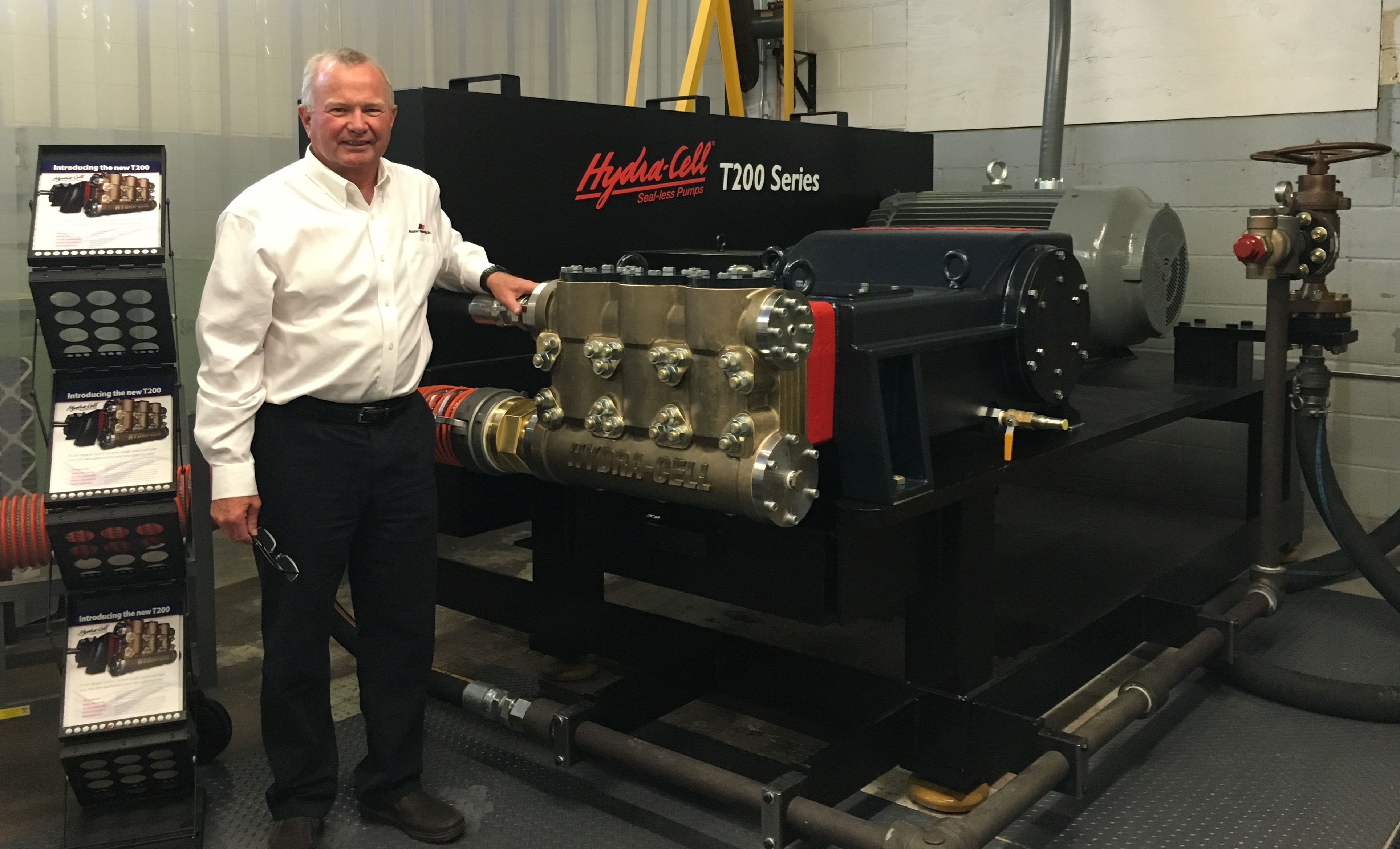
Dick with the Hydra-Cell Pump he designed for use in the oil and gas industries. Any liquid that runs through the pump is 100% contained, and eliminates VOC chemicals, emissions, and hazards.
In high school, he decided to become an automotive mechanic and machinist.
Long-time friend Don Middleton says he's always admired the way Dick's mind works.
"In high school, my neighbour gave us a compressor from a refrigerator, and we actually thought we could snorkel underwater with this as a breathing apparatus, but it was a big failure," he laughs.
"But that didn't stop Dick from carrying on. We altered a small open sailboat and added a 'cuddy cabin' so we could sleep in it and then sailed over to Vancouver Island. His bravery allowed him to tackle anything.
At 17, he tried to rejig and adapt a Volkswagen into a sports car. He was the kind of guy that would rip the whole body off and make a new one out of fibreglass."
Lakehead Lays the Groundwork
After graduating magna cum laude from the British Columbia Institute of Technology (BCIT) with a diploma in mechanical technology in 1979, he was recruited by Canada's Defense Research Establishment Pacific (DREP) in Esquimalt, British Columbia, as a technologist.
At DREP, he designed and built mechanical equipment used in ocean acoustic research.
"We had our own little engineering group, so I was machining parts and designing things like experimental underwater acoustic listening devices, pressure-vessel equipment with electronics, winches, and other equipment for ships," he says.
But while Dick enjoyed the work, he felt he could lead the design team, rather than follow other people's ideas, so after two years at DREP, he enrolled in Lakehead's post-diploma engineering degree program.
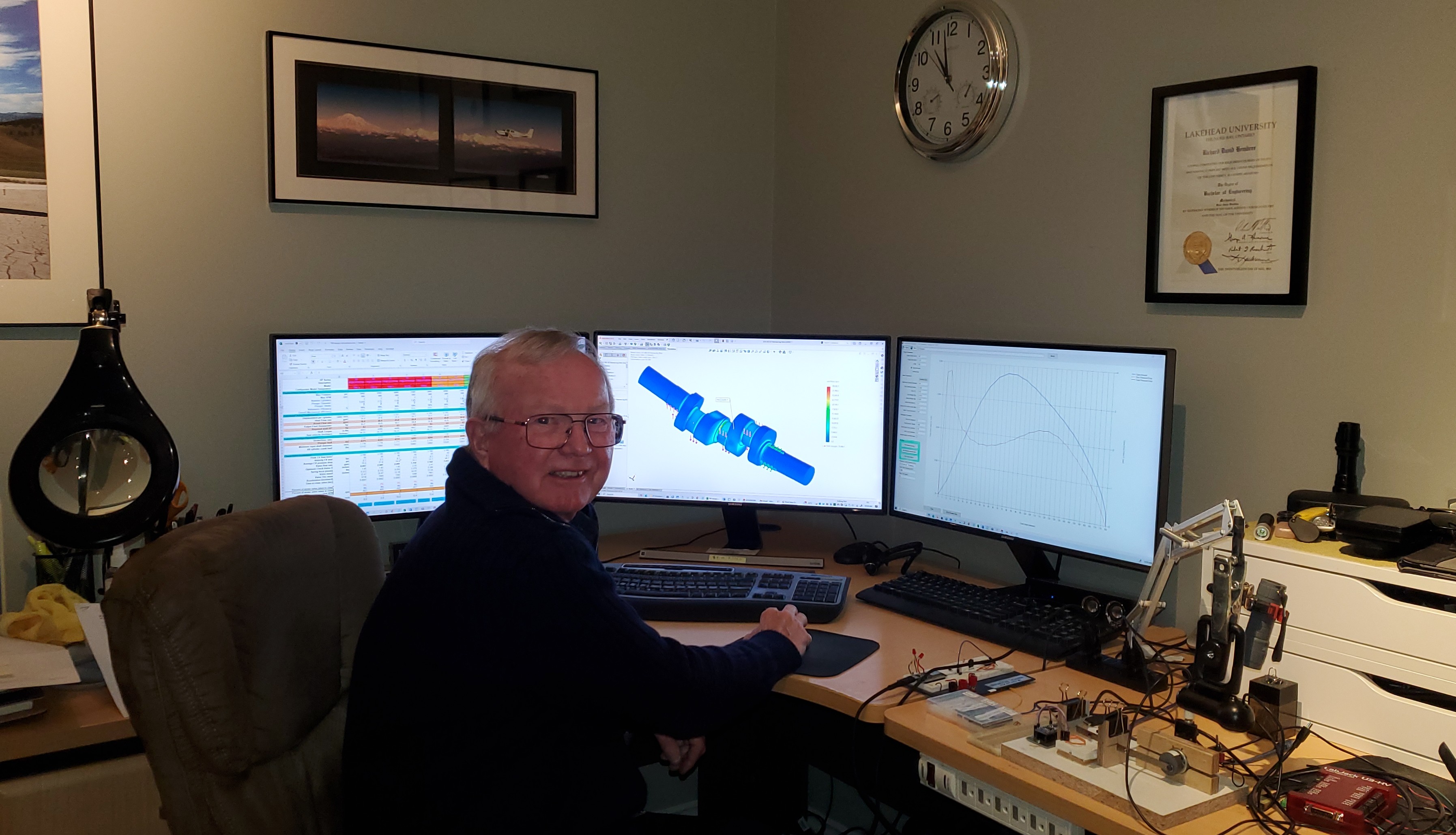
"One personal philosophy that has evolved over my life is that you should never stop learning," Dick says.
"Lakehead was one of my best choices because it had a good mechanical engineering transfer program for BCIT graduates, and it felt like a good fit for me," he says.
"I enjoyed those Lakehead years, and the professors were very good.
At BCIT, we learned about the practical application of science, but at Lakehead we went more deeply into the use of differential equations, which I found really interesting.
In high school, I never was able to connect the dots and see what I would do with things like calculus, but I felt that connection at Lakehead."
Creating the World's Smallest Seawater Desalinator
After graduating with first class standing, Dick was ready for a new chapter.
"I felt like I could get into any field and enjoy it. I wanted to design things, and I was interested in manufacturing and engineering," he says.
Dick was intrigued by Vancouver-based Seagold Industries, which was testing a hand-operated desalinator.
"I liked the idea of making drinking water from seawater with a little hand pump, and I was impressed with the concept of it, so I contacted the company and told them I thought I could add something to it," he recalls.
"They hired me."
As Seagold's newest design engineer, Dick did much more than just add something to it.
Working with their basic, larger pump, he designed the world's smallest seawater desalinator and became a leading global expert in the process.
Dick designed, developed, and put into production the first hand-powered pumps to purify seawater for use on life rafts, ships, and planes.
Seagold's reverse-osmosis water purification devices use energy-recovery technology, which allows users to purify seawater with little effort.
With Dick's input, the company quickly attracted the attention of the U.S. Air Force, which asked him to design a small desalinator to fit into its two-by-six-by-eight-inch ejection seat survival kits.
Soon afterwards, Minneapolis-based Wanner Engineering acquired Seagold's patents, installing Dick as chief engineer of their new spin-off company, Recovery Engineering, in 1986.
His new task: Designing and developing a small hand-operated desalinator for the U.S. Navy's 25-man life rafts.
"There were very few people working on hand-operated desalinators; that's why it was so unique to have a small one," Dick says.
"It was pretty scary at first; I was still a little inexperienced and suddenly I was doing a proposal for the U.S. Navy.
Then I designed a motorized version we could sell commercially and that did fairly well—it was the only 12-volt low-powered desalinator on the market."
Shipwreck Victims Survive Pacific Ocean Disaster
In 1989, a few years after Dick's team started Recovery Engineering, a Florida couple on an around-the-world voyage had their boat capsized by a school of pilot whales, forcing them onto their lifeboat.
Bill and Simone Butler were adrift for 66 days in the Pacific Ocean before they were miraculously rescued 1,200 miles off the coast of Costa Rica.
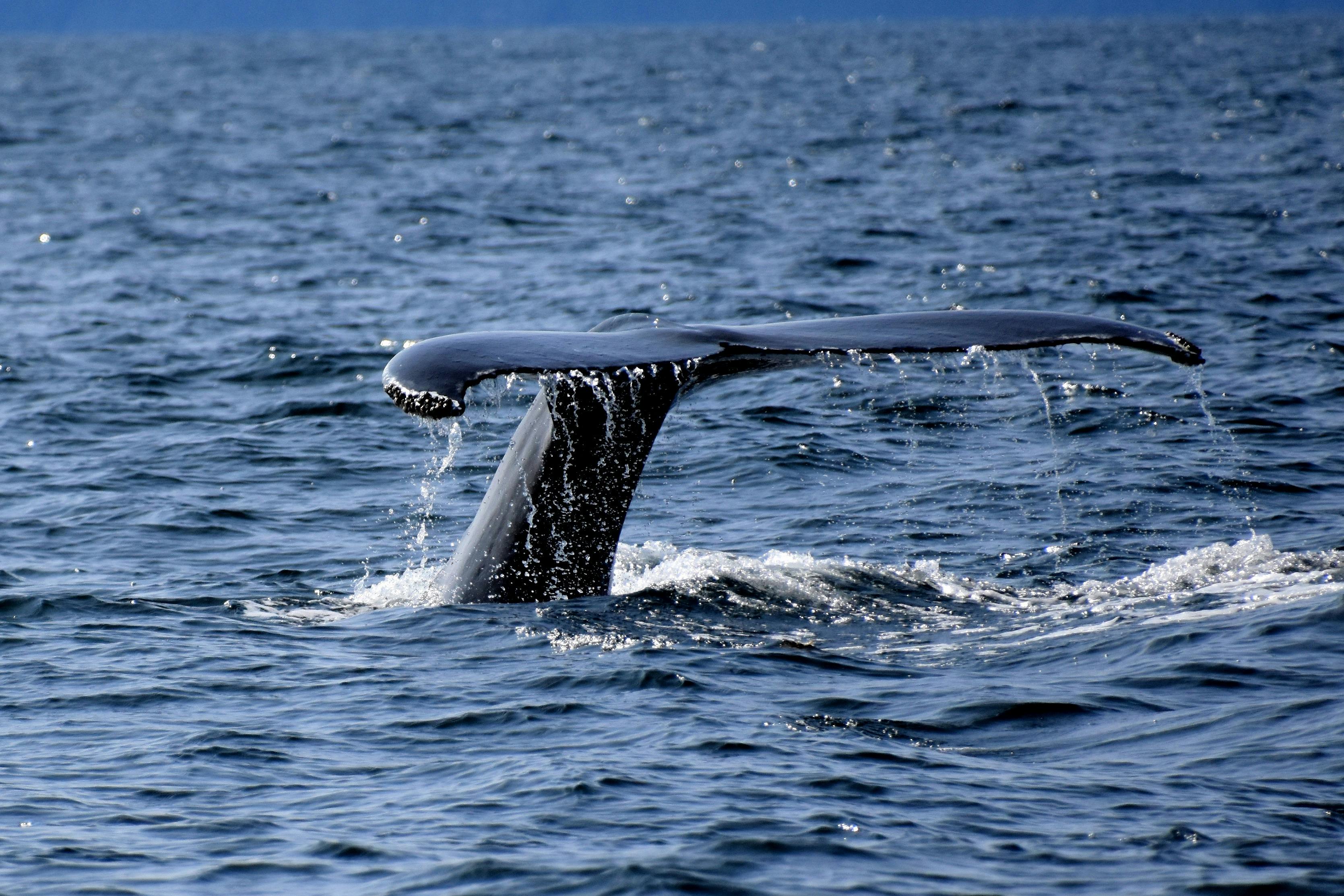
Pilot whales capsized Simone and Bill Butler's sailboat in 1989. Fortunately, Dick's desalinator provided them with drinking water during their ordeal. Photo Credit: Pexels/Jeffrey Eisen
They couldn't have survived that long if it weren't for Dick's invention—the Recovery Survivor-35 pump—which extracted three litres of freshwater from the ocean every day until they were rescued.
Coverage on CBS, People Magazine, and other news outlets boosted the company's reputation and its sales.
"I remember getting phone calls from people telling me to watch the news. There was a photo of the Butlers holding up the desalinator after their rescue. That notoriety really helped us build the company."
Procter & Gamble Come Calling for Dick's Water Purifiers
Dick went on to develop desalinators for other countries along with a line of hand-operated and low-power desalinators for a brand-new market—the recreational marine consumer.
From there, he designed and patented the first hand-pumped outdoor backpacking water purifiers under the PŪR brand and household faucet-mounted filters that sold so well, Procter & Gamble (P&G) bought the company in 1999.
Seeking consumer products with the potential for rapid growth, P&G hired Dick as the research and development director of their water purification division.
They were impressed by the way he had built up his engineering group from two to 500 employees, as well as his product-development processes.

Dick invented and patented the first hand pumps for hikers and backpackers so that they could purify water taken from lakes and streams.
"It's funny, I consider myself more of a mechanical designer than a water purification expert, but when I looked into what was on the market, the breakthrough came when I realized that companies couldn't make good on the claims of their household water purifiers to reduce lead levels," he says.
Dick discovered that by incorporating an end-of-life indicator into the purifier, the purifier could track how many gallons go through its filter and accurately measure chemical reduction levels.
"By doing that, we were able to get NSF (National Sanitation Foundation) International certifications."
By 2001, Dick's role had become more administrative, so he left P&G to form his own consulting firm.
He also became a major contributor to Wanner Engineering's unique high-pressure pumps and valves, which were designed to handle complex fluids for the oil and gas industries.
Always Keep Your Curiosity Alive
Dick's love of hobbies has never waned—he is an avid skier, and he piloted his own airplane for 10 years.
"I've sailed all my life, too," he says.
Dick's most important tip for young engineers and would-be inventors? Always stay curious.
"It's nice to specialize and get good at something, but it's amazing how much you can learn by delving into completely different areas.
Electronics has always been one of my passions, and although I'm not formally trained in it, I've learned to program in several languages and build things run by microprocessors I've programmed.
And when I hire employees, I look for people who have hobbies."