Indigenous

(OR) Sacred Fire

Join the Office of Indigenous Initiatives for a sacred fire for "Red Dress Day," a day held every year on May 5th to honour Missing & Murdered Indigenous Women, Girls & Two-Spirit Peoples. A table will be set up for participants to make red dress pins and light refreshments will be provided. 

TITLE CORRECTION - PhD Health Sciences Dissertation Proposal - K. Adduono

Kaitlin Adduono, a PhD in Health Sciences candidate in the Department of Health Sciences, will present their dissertation proposal, "The Status of Delirium Assessments by Providers in a Northern Ontario Adult ICU setting: a mixed method study," on:

DATE:                Monday, August 18, 2025
TIME:                 1:00 pm (EST)
LOCATION:       AT 3004

New collaborative veterinary program moves forward to serve northern Ontario

Veterinary CollegeThunder Bay, Ont. — Help is on the horizon for people in northern Ontario struggling to access veterinary care for their livestock and pets. With a signed agreement between Lakehead and Guelph universities in place, student recruitment underway, and a Request for Proposal process about to begin, the new Collaborative Doctor of Veterinary Medicine program is moving forward.

The innovative collaboration between the two institutions is designed to address the critical veterinarian shortage in northern Ontario, particularly in the growing agri-food sector.  Across the region, the shortage has also made it difficult for people to access medical care for their family’s pets. 

The Collaborative Doctor of Veterinary Medicine program leverages the Ontario Veterinary College at the University of Guelph’s world-renowned expertise in veterinary education, combined with Lakehead University’s nearly sixty-year history of supporting rural and Indigenous communities by breaking down barriers to education and graduating highly skilled people ready to deliver critical services and build economic resilience.

“People who live in northern Ontario deserve equal access to services found in the rest of the province, and that includes medical care for our pets and farm animals,” said Dr. Gillian Siddall, President and Vice-Chancellor of Lakehead University. “Solutions for the north need to be homegrown in the north to meet our unique needs. As an avid animal lover and champion for local economic growth, I am proud to enter this first-of-its-kind partnership with the University of Guelph to educate northern students who plan to build their practice in underserved communities. Help is on the way.” 

The unique partnership will recruit 20 northern students each year to enter the Ontario Veterinary College’s Doctor of Veterinary Medicine program. Eligible students will encompass residents of northern Ontario, including the Districts of Algoma, Cochrane, Kenora, Manitoulin, Nipissing, Parry Sound, Rainy River, Sudbury, Thunder Bay, and Timiskaming. The program will emphasize and incorporate Indigenous perspectives and approaches to animal care that honour Indigenous culture and connection to land.

Students will participate in experiential learning opportunities and work with local veterinarians in addition to completing core courses geared toward northern practice. Students will graduate with a Doctor of Veterinary Medicine degree from the University of Guelph. 
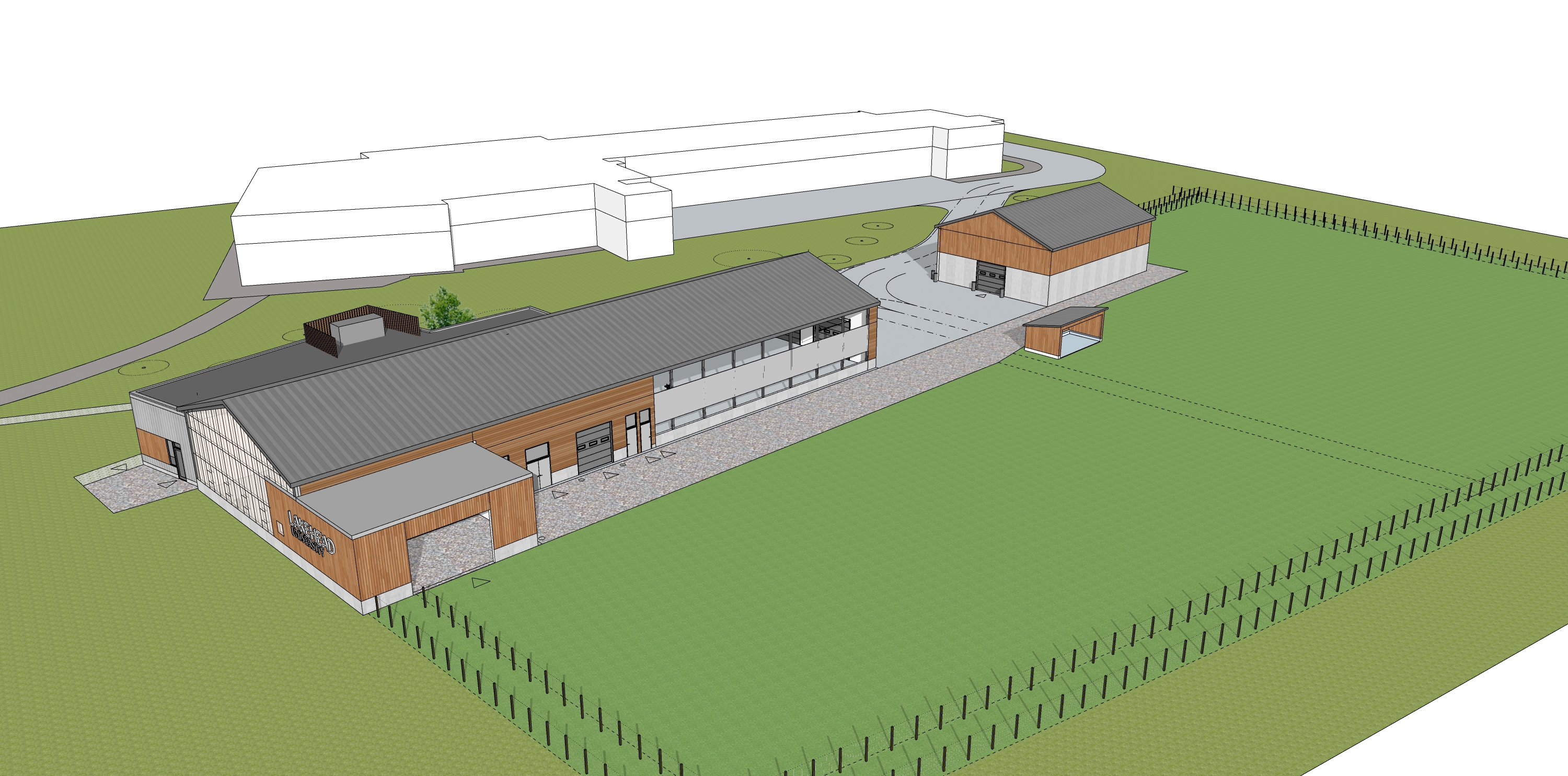
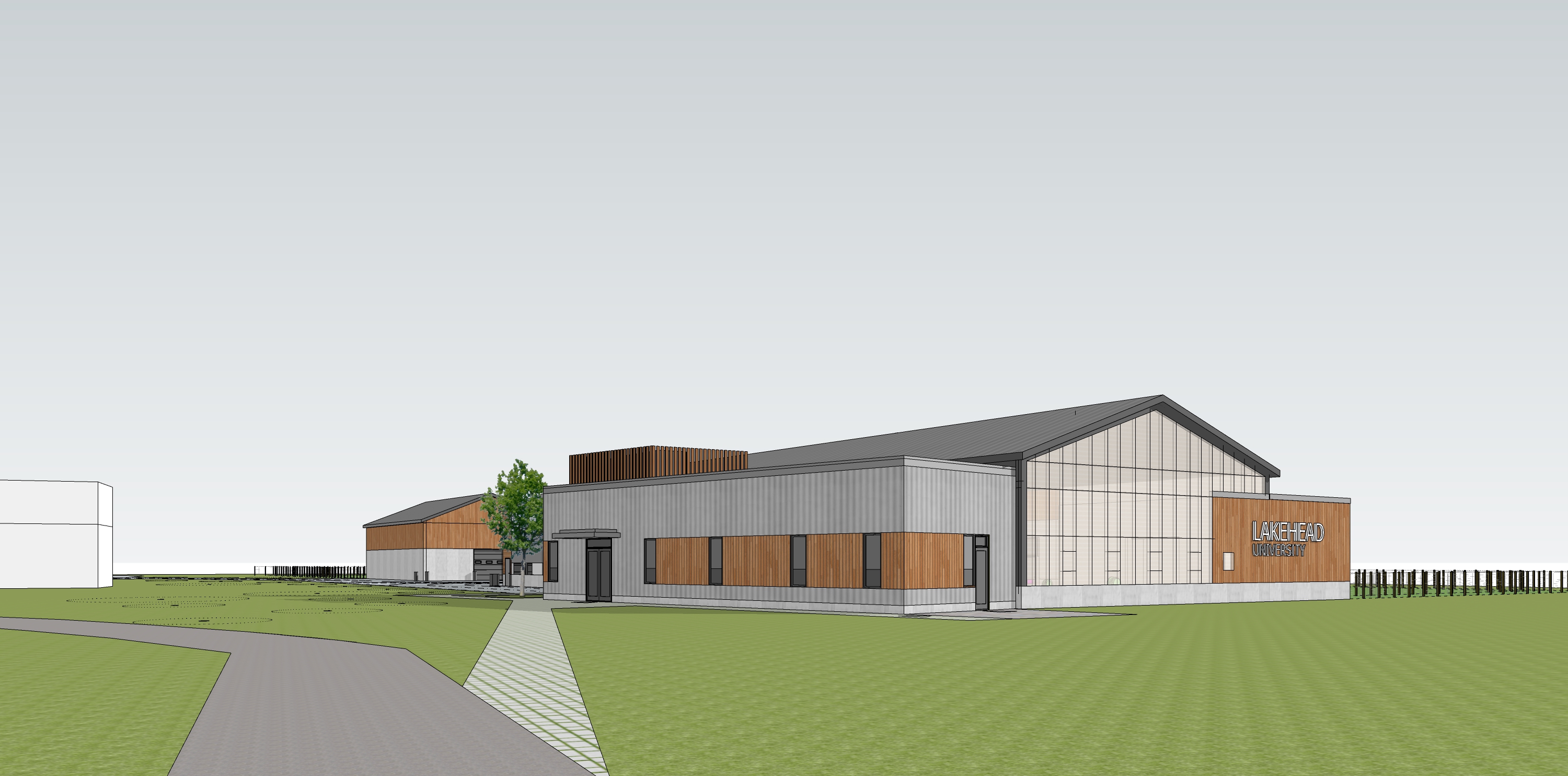
Lakehead University Veterinary CollegeLakehead University will be commencing a competitive Request For Proposal process to construct a large animal education facility and renovate existing space on the Thunder Bay campus to launch the new program. The university expects to break ground on construction in the early summer of 2025. The first two cohorts of northern students (2025 and 2026) will complete the entire program at the University of Guelph’s campus. Beginning in 2027, the northern cohort of 20 students will complete their first two years at Lakehead University’s Thunder Bay campus, finishing their final two years of the program in Guelph. 

Once the facilities are complete and the program launches, people will see cows, horses, sheep, dogs, and other live animals on campus, generating excitement and community pride to see the university supporting the region’s social and economic needs in this way.

“If you could materialize five full-time veterinarians right now in Thunder Bay, they would be fully booked tomorrow. Some people might say you’d want all those veterinarians at your clinic so that you get the business. But I don't even care about that right now—I just need help,” said Dr. Domenic Sanzo, veterinarian and partner at Thunder Bay Veterinary Hospital, speaking on the urgent demand for more veterinarians. “We should be working as a collaborative group to succeed because there's plenty of business for all of us. Let's make sure we have success for everybody involved here.” 

The new Collaborative Doctor of Veterinary Medicine program is supported by the Government of Ontario through an investment of $14.7 million—of which $4.5 million will support Lakehead’s capital build requirements with the remaining amount going to the University of Guelph—in addition to offering grants for graduated veterinarians through the Veterinary Incentive Program. 

The university is fundraising for this imperative initiative that will revolutionize how veterinary medicine is delivered in the north. 

For hopeful students who dream of becoming a veterinarian, Lakehead University will help prepare undergraduate students to apply to the competitive Ontario Veterinary College program through Lakehead’s many STEM-oriented programs.

Increasing the number of seats in the Ontario Veterinary College for northern students represents the first increase in the number of veterinarian graduates in Ontario in a generation. The University of Guelph—in partnership with Lakehead—is currently recruiting for the first cohort of northern students who will begin their studies in Guelph in the fall of 2025.



Photo Caption: Architectural renderings by mcCallumSather of the future Collaborative Doctor of Veterinary Medicine large animal facility at Lakehead University’s Thunder Bay campus. The space will support hands-on learning and research to help address the critical shortage of veterinarians in northern Ontario communities.

The Spring Ephemeral Wildflowers of the Oro Moraine

April Showers bring May flowers and wildflowers are at their peak during this small window of time. What better time to explore wildflowers than on the eve of the Flower Moon?!

Join Ontario Master Naturalist Program coordinator Bob Bowles for an afternoon hike on the Oro Moraine exploring the floral treasures present as a result of glacial deposits. During the hike, Bob will point out some of these wildflowers and you will come away from this workshop with an increased understanding of the ecological wonders of our local trails.

Red Dress Day Pin Beading

Join Us

Monday, May 5

National Day of Awareness

for

Missing and Murdered Indigenous Women, Girls, and 2SLGBTQI+ People

(MMIWG2S)

3 pm to 4:00 pm

Gakina Nindinawemaaganag Lounge - UC1007

All supplies provided.

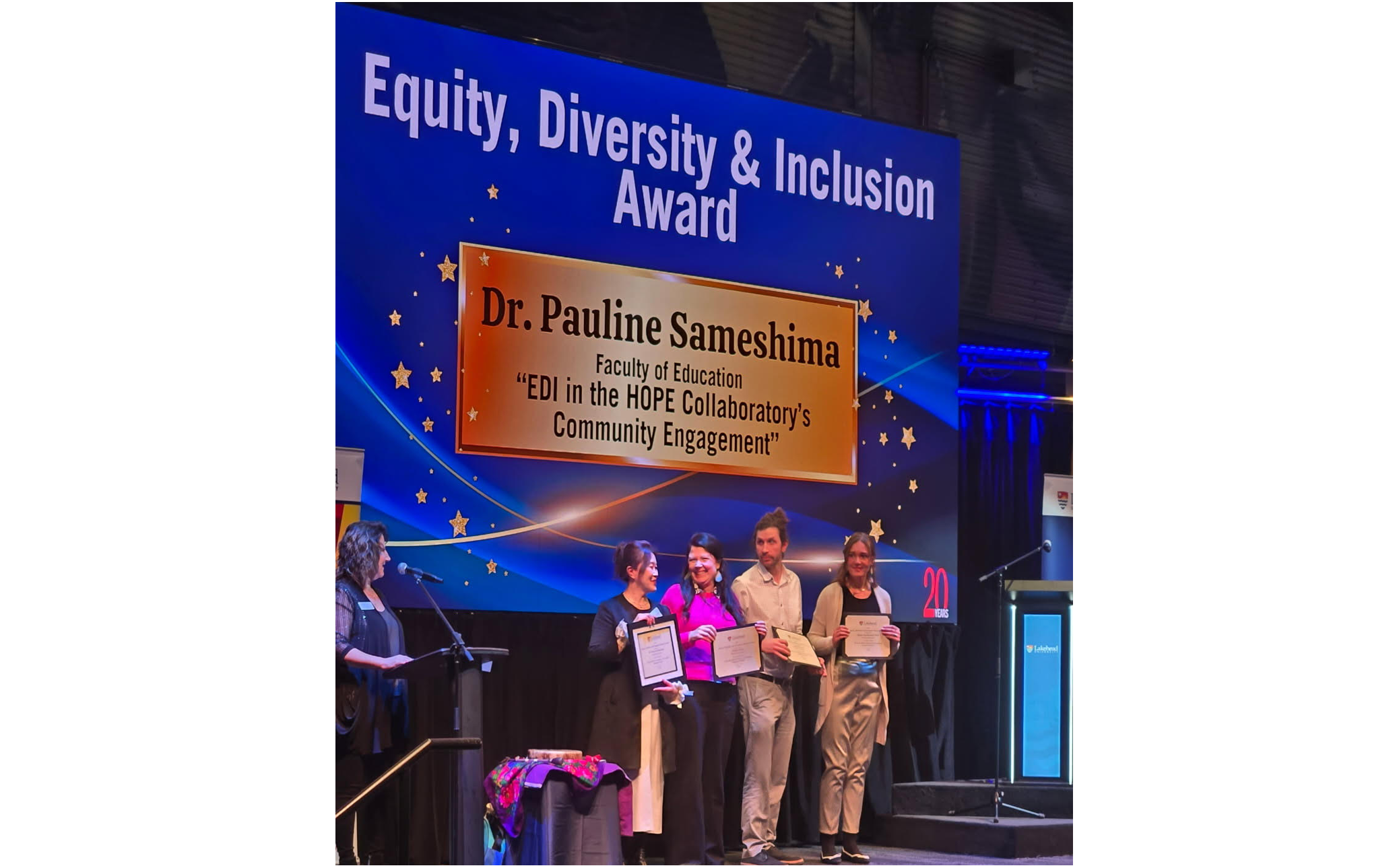
Dr. Pauline Sameshima and HOPE Team Honoured with Inaugural EDI Award for Community Arts-Integrated Research

Congratulations to Dr. Pauline Sameshima (Professor, Thunder Bay campus) for receiving the inaugural Equity, Diversity, and Inclusion (EDI) Award for her Community Arts-Integrated Research in the HOPE (HIV Obstruction by Programmed Epigenetics) Collaboratory.

This award was presented during Lakehead University’s 20th annual Research and Innovation Awards ceremony, which celebrated outstanding contributions to research and knowledge exchange.

HOPE is an innovative global research initiative focused on developing a cure for HIV. Supported by a $26.5 million grant from the U.S. National Institutes of Health, the project unites researchers from multiple institutions in developing a "block-lock-stop" approach to curing HIV (Block the virus from reactivating; Lock it in a dormant state; and Stop the virus by making it permanently ineffective through gene editing).

Community Arts-Integrated Research

A key component of HOPE’s mission—and a central focus of Dr. Sameshima’s contributions—is strong community engagement, in which the Community Arts-Integrated Research program plays an important role.

This creative approach facilitates dialogue between scientists and communities affected by HIV, ensuring that diverse voices shape the research process. CAIR activities include developing culturally relevant curricula, creating artistic and literary works to educate the public about HIV cure research, and organizing events to share findings.

Dr. Sameshima leads the Community Arts Integrated Research (CAIR) team alongside Dr. Patricia Defechereux (Community Engagement Coordinator, Gladstone Institutes, San Francisco), Sydney Norman (HOPE Collaboratory Program & Community Development Coordinator, Gladstone Institues, San Francisco), Ebony Gordon (San Francisco AIDS Foundation Representative), the HOPE Community Advisory Board, representatives from Brazil and Uganda, as well as community advocates and student researchers.

Working closely with scientists and community members, the team gathers insights, raises awareness about HIV cure strategies, and prepares the public for potential new treatments. The CAIR work also addresses crucial issues of acceptability, cultural safety, and ethics, ensuring research outcomes align with the needs of diverse populations.

Advancing Equity, Diversity, and Inclusion in Research

The Equity, Diversity, and Inclusion in Research Award recognizes projects that effectively integrate EDI principles and actively involve historically underrepresented groups in research. HOPE exemplifies this commitment through its global partnerships, including:

  • one of the largest transgender participant groups in HIV research history (Brazil team)
  • focus groups hosted by the San Francisco AIDS Foundation’s Black Health Program and the Elizabeth Taylor 50 Plus Network
  • collaborative efforts with researchers from 16 institutions worldwide to ensure a wide range of perspectives and cultural considerations inform the research.

Dr. Sameshima emphasizes that fostering trust, addressing power imbalances, reducing stigma, and integrating diverse perspectives are crucial to the team’s success. She also highlights the importance of continuing EDI efforts: “As Canadians, we stand and celebrate EDI. We will continue to build a world where everyone matters!”

Below, left to right: Dr. Pauline Sameshima accepts the award with three members of the research team: Tashya Orasi (PhD candidate), Colin Kutchyera (PhD student), and Emma Wurdemann-Stam (post-MEd Graduate Assistant).  

We Are Here To Stay

In collaboration with the Lakehead University Student Union (LUSU) and the Thunder Bay Multicultural Association (TBMA), the Newcomer Legal Clinic would like to invite you, and anyone who is interested in this, to join us for a Conference discussing the impact of immigration policies on our community members and how we can work together on strengthening this community during this time of change.
 
This conference, called We Are Here To Stay, will be held at the Outpost on Lakehead Main Campus on Saturday, May 3, 2025 from 10:00

Pages

Subscribe to Indigenous