
Indigenous

Lakehead Marks Ground Blessing with $2M Provincial Boost for New Northern Veterinary Program

The ground blessing celebrated a wave of support for the project, recognizing the generosity of community partners, individual donors, and government funders.
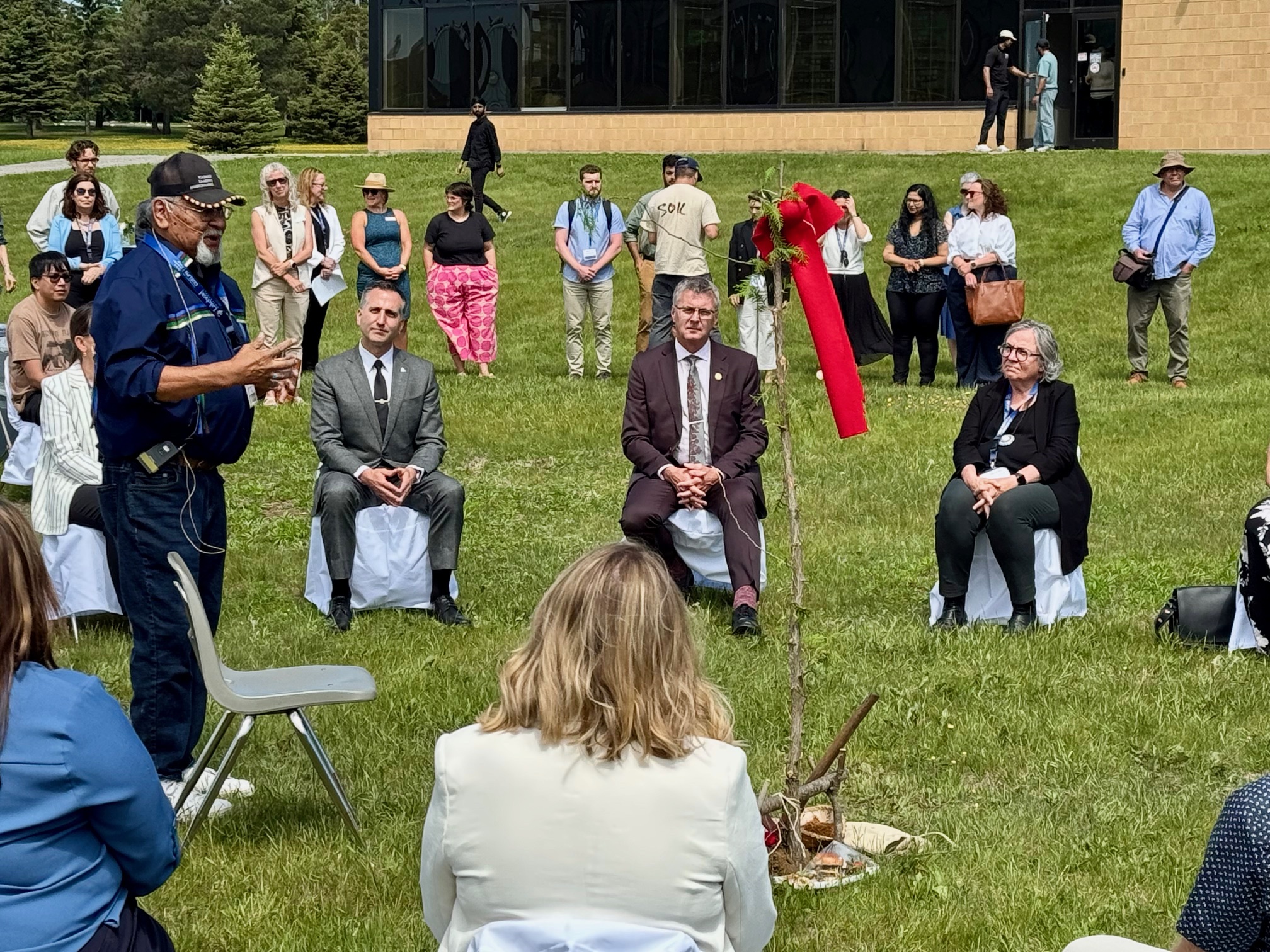
Lakehead University Ground Blessing of CDVMPThunder Bay, Ont. – Today’s ground blessing ceremony marks more than the beginning of construction—it symbolizes hope. In regions where farmers struggle to find veterinary care for their livestock and families drive hours to treat their pets, the Collaborative Doctor of Veterinary Medicine Program—delivered in partnership with the University of Guelph’s Ontario Veterinary College—provides a lasting solution to a critical need.

Building on the Government of Ontario’s previously announced investment of $14.78 million—of which $4.5 million will support Lakehead’s capital build requirements with the remaining amount going to the University of Guelph—today, the Hon. Trevor Jones, Minister of Agriculture, Food and Agribusiness on behalf of the Hon. George Pirie, Minister of Northern Economic Development and Growth, announced an additional $2 million from the The Northern Ontario Heritage Fund Corporation (NOHFC) to support Lakehead’s delivery of the program.

The event also welcomed supporters from across the province whose generous contributions have been vital to launching this much-needed program. Separate from government funding, Lakehead set a philanthropic fundraising goal of $12.9 million, and thanks to major gifts from individual donors, 95% of that goal has already been achieved. The final 5% will be raised through a public, community-driven campaign launching this fall, welcoming donations of all sizes to help bring veterinary care to northern Ontario.

“The Collaborative Doctor of Veterinary Medicine Program signifies something profoundly personal to northern communities—it’s about fairness, access, and addressing a critical issue,” said Dr. Gillian Siddall, President & Vice-Chancellor of Lakehead University. “We heard loud and clear from the north that more veterinarians should be trained where services are needed. Thanks to the Ontario Government, our partners, donors, and supporters, we’re answering that call—not with a temporary solution, but with a legacy that will serve generations of people and animals across northern Ontario.” 

A ground blessing ceremony led by Elder Gene Nowegejick and attended by university leadership, donors, and government partners on Lakehead's Thunder Bay campus signalled the ceremonial start of construction for a new animal education facility that will open in 2027. The event celebrated the newly confirmed Indigenous name for the future facility: Gakina Awesiinyag, from the Anishinaabemowin language, translating to All Animals (Place For).

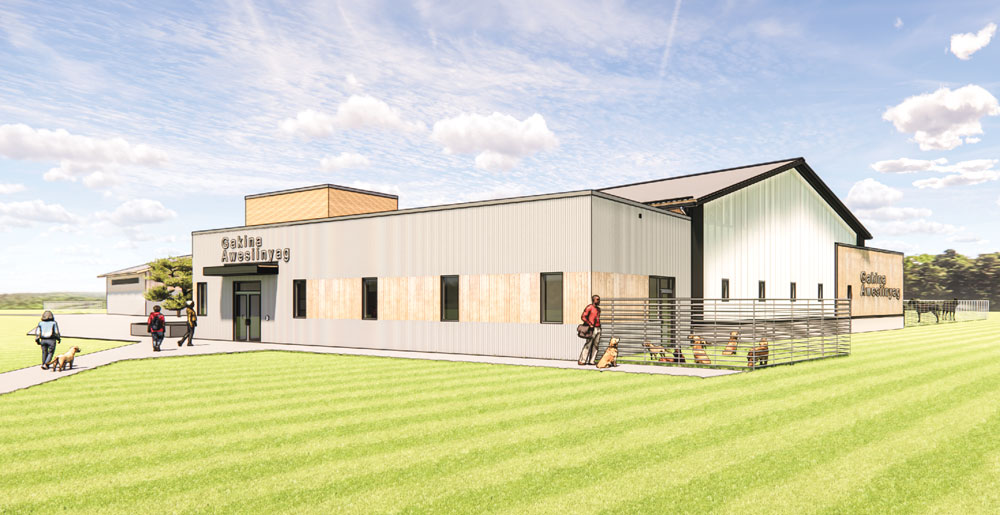
The event emphasized the innovative vision behind the Collaborative Doctor of Veterinary Medicine Program: to train and retain veterinarians who understand and serve rural, remote, and northern communities' unique needs. The new animal education facility, as designed by mcCallumSather, will feature large and small animal housing and clinical skills training space. Renovations to existing buildings will include combined anatomy/pathology and clinical skills labs, and other relevant training spaces.
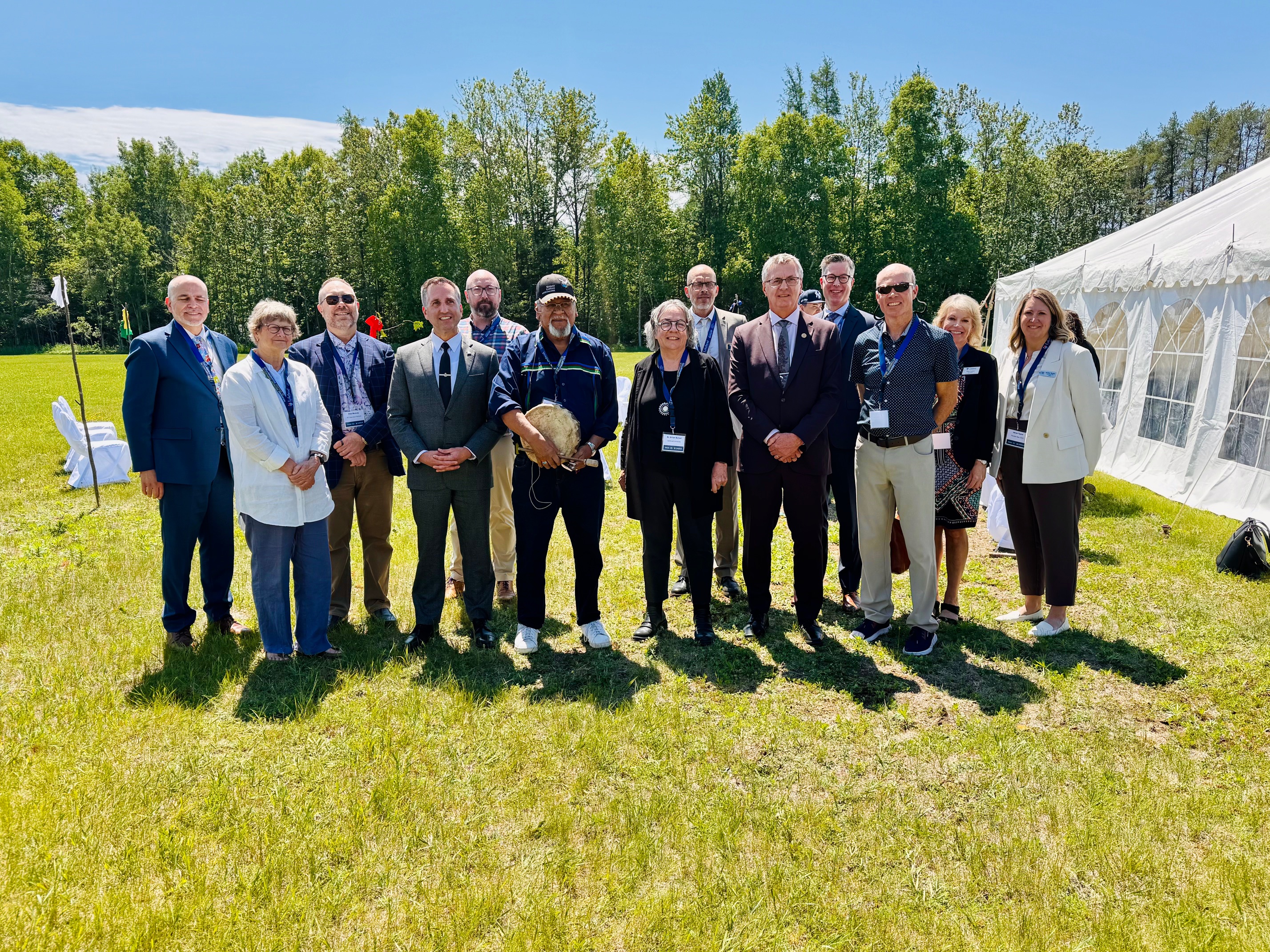
Lakehead University Ground Blessing of CDVMP“This milestone reflects a groundswell of support,” said Michael den Haan, Vice-President, University Advancement at Lakehead University. “Today, we celebrate and acknowledge the many philanthropic supporters, government funders, and community partners who have come together with a shared belief in this innovative solution to the complex challenge of veterinary access in northern Ontario. Their collective generosity is what makes this program possible. It’s more than funding—it’s a statement of confidence in Lakehead University, and the power of education to transform animal care and agriculture across northern Ontario.” 

The Collaborative Doctor of Veterinary Medicine Program will admit its first students in fall 2025, with the initial northern cohorts completing their studies at the Ontario Veterinary College in Guelph. Starting in 2027, the northern cohort will begin the program in Thunder Bay and complete the program in Guelph. This regionally distributed model will ensure that veterinary education is embedded in northern communities from day one.


Quotes:

Hon. Trevor Jones, Minister of Agriculture, Food and Agribusiness, Government of Ontario —
"Once completed, the animal education facility at Lakehead University will serve as a key hub to train future veterinarians serving northern Ontario,” said Trevor Jones, Minister of Agriculture, Food and Agribusiness. "By investing in this program, our government is helping address vet shortages across rural and remote communities while keeping the northern agri-food industry strong.”

Hon. George Pirie, Minister of Northern Economic Development and Growth, Government of Ontario —
"Lakehead University’s new program is a crucial step in expanding access to veterinary services in our northern communities," said George Pirie, Minister of Northern Economic Development and Growth. "This investment will bring more veterinary jobs close to home for Northerners and expand essential support for our agricultural producers." 

Hon. Nolan Quinn, Minister of Colleges, Universities, Research Excellence and Security, Government of Ontario —
“Veterinarians are paramount to the success of Ontario businesses’ and families’ wellbeing, and today marks a new milestone in building the veterinary workforce of tomorrow. This critical investment will ensure that students in Lakehead University’s Collaborative Doctor of Veterinary Medicine Program, delivered in partnership with the University of Guelph’s Ontario Veterinary College, gain the hands-on skills they need to thrive as veterinarians and meet the need for excellent animal care in Ontario’s north.” 

Hon. Kevin Holland, MPP - Thunder Bay–Atikokan, Associate Minister of Forestry and Forest Products, Government of Ontario —
“This groundbreaking project marks a transformative investment in the future of northern Ontario. By bringing veterinary education closer to home, we’re addressing critical gaps in care for livestock, pets, and wildlife needs that are essential to both our agricultural sector and the overall well-being of our communities,” said The Hon. Kevin Holland, MPP for Thunder Bay - Atikokan. “I’m proud that our government is supporting this first-of-its-kind program at Lakehead University, which will train skilled veterinarians and help strengthen the fabric of our rural and northern communities for generations to come.”

Dr. Jeffrey Wichtel, Dean, Ontario Veterinary College, University of Guelph —
“Every animal in Ontario deserves timely and accessible veterinary care,” said Dr. Jeffrey Wichtel, Dean of the Ontario Veterinary College. “Through U of G's partnership with Lakehead, we're responding to the urgent need for northern veterinary services by preparing the next generation of skilled veterinarians. This fall, we’re proud to welcome the first cohort of northern students into OVC’s Doctor of Veterinary Medicine program—future leaders who will help transform veterinary care across the province's rural, Indigenous, and agricultural communities.”

Doug Brooks, President and Chief Executive Officer, Ontario SPCA and Humane Society —
“The Ontario SPCA and Humane Society is proud to support this vital step forward for veterinary medicine in northern Ontario through this meaningful partnership with Lakehead University and our shared commitment to animal health and well-being,” said Doug Brooks, President and CEO of the Ontario SPCA and Humane Society. “By working together to help train more veterinarians, we’re investing in healthier communities, improved animal welfare, and greater access to care for animals and the people who love them.” 

The Tamblyn Family Foundation —
“The Tamblyn Family Foundation is proud to support the Collaborative Doctor of Veterinary Medicine Program at Lakehead University. This innovative partnership with the Ontario Veterinary College at the University of Guelph expands access to veterinary education in northern Ontario and supports the development of skilled veterinarians who will serve communities across the region and beyond.” 


Quick Facts:

  • Program Launch: Fall 2025 (at University of Guelph), Fall 2027 (at Lakehead University, Thunder Bay)

  • Annual Seats: 20 students from northern Ontario

  • Philanthropic Fundraising Goal: $12.9 million raised through individual donors/major gifts (separate from government funding)

  • Raised to Date: 95% of the philanthropic fundraising goal has been achieved through major gifts from individual donors

  • Remaining Fundraising Goal: A public, community-driven campaign will launch this fall, welcoming donations of all sizes to complete the campaign 

  • Project Features: Animal education facility, anatomy/clinical labs, culturally responsive learning spaces


About the Collaborative Doctor of Veterinary Medicine Program
The Collaborative Doctor of Veterinary Medicine Program is a partnership between Lakehead University and the University of Guelph’s Ontario Veterinary College. It is designed to help address the shortage of veterinarians in northern Ontario by providing location-based and culturally relevant education and training in the north, for the north.

About Lakehead University
Lakehead University is where ambition meets opportunity and where a degree leads to real-world impact. Known for small class sizes, hands-on learning, and unparalleled undergraduate research opportunities, Lakehead has earned national and international recognition for our student-focused approach–including being named Ontario’s #1 primarily undergraduate university by Maclean’s magazine in 2024, and ranked by Times Higher Education Impact Rankings as the top university in North America (under 10,000 students) for our commitment to sustainability and social justice.

With campuses in Thunder Bay and Orillia–and a new STEM Hub opening in Barrie in 2026–Lakehead offers a vibrant, close-knit, nature-rich environment for learning where students enjoy a uniquely balanced and enriching university experience. With more than 65 career-focused programs, Lakehead is a training ground for future leaders, entrepreneurs, and changemakers—graduates who think critically and drive meaningful impact in their communities and around the world.


Backgrounder

Lakehead University thanks its generous donors who are making this important initiative come to life. A public, community-driven campaign will launch this fall, welcoming donations of all sizes to help bring veterinary care to northern Ontario; however, those who wish to contribute now can do so by visiting Lakehead’s website at: https://ec.lakeheadu.ca/giving/fund-project

Acknowledging support from key contributors to the Collaborative Doctor of Veterinary Medicine Program at Lakehead University includes:

Kim & Stu Lang
$10,000,000

Government of Ontario
Ministry of Agriculture, Food and Agribusiness; Ministry of Colleges and Universities, Research Excellence and Security; $4,500,000 towards Lakehead University capital construction, as a part of a $14,780,000 provincial investment supporting infrastructure for the CDVMP at both Lakehead University and the University of Guelph

Northern Ontario Heritage Fund
$2,000,000

The Paterson Foundation
$750,000

Ontario SPCA and Humane Society
$500,000

Thunder Bay Community Economic Development Commission
$500,000 

John Andrews Foundation
$250,000

P3 Veterinary Partners
$100,000

Tamblyn Family Foundation
$100,000

Bruno's Contracting Ltd
$50,000

The Eric S. Margolis Foundation
$25,000


Sandy Lake First Nation Shows Courage during Crisis

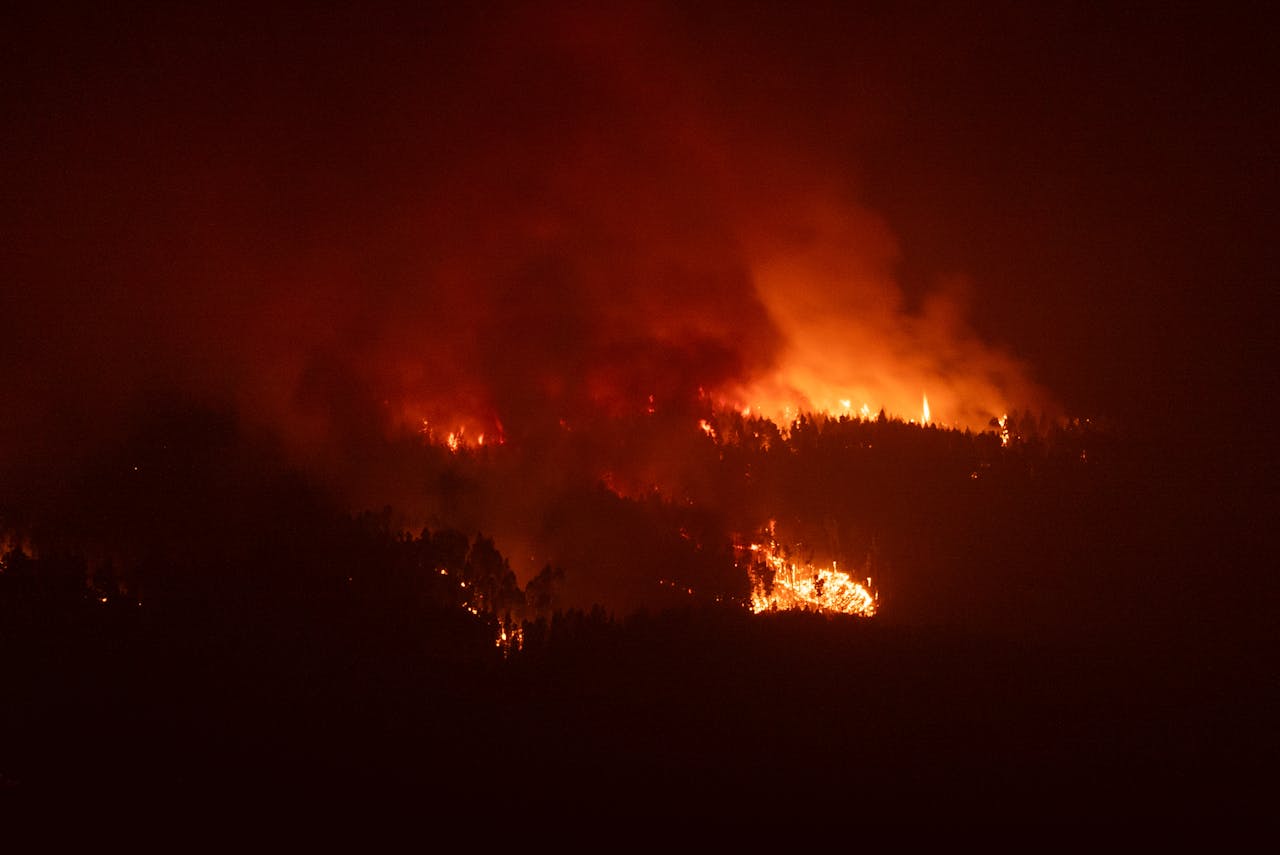
People across Canada are on edge as climate change threatens to make 2025 the second-worst forest fire season on record. In northwestern Ontario, fires are endangering humans, wildlife, and homes, as well as destroying forests.

Aerial view of forest fire burning at night

When the Red Lake 12 forest fire began spreading in early June, the Ministry of Emergency Preparedness and Response and the Provincial Emergency Operations Centre contacted Lakehead about hosting evacuees on its Thunder Bay campus. Photo: Pexels/Alex P

"Lakehead has an important role to play in the regional community as a good neighbour," says Indigenous Initiatives Vice-Provost Denise Baxter. "Any time a forest fire breaks out, there is a high risk to Indigenous communities because many of them are in remote areas far from services."

The Sandy Lake First Nation, almost 600 kilometres northwest of Thunder Bay, is one of these communities. The out-of-control Red Lake 12 fire has made it necessary for them to evacuate and find shelter elsewhere. Last week, Lakehead began providing temporary lodging for Sandy Lake residents—usually for 24 to 48 hours—until they can be flown to host cities in other parts of the province, where they will stay until it's safe to return to their community.

"Lakehead is happy to help Sandy Lake residents during this difficult time," says Residence Services Director Shannon Foster. Since early June, more than 700 members of the Sandy Lake First Nation had been hosted on campus.

Lakehead's residence, operations, catering, conference, and security services have been working together to make the evacuees comfortable and their time in Thunder Bay less stressful.

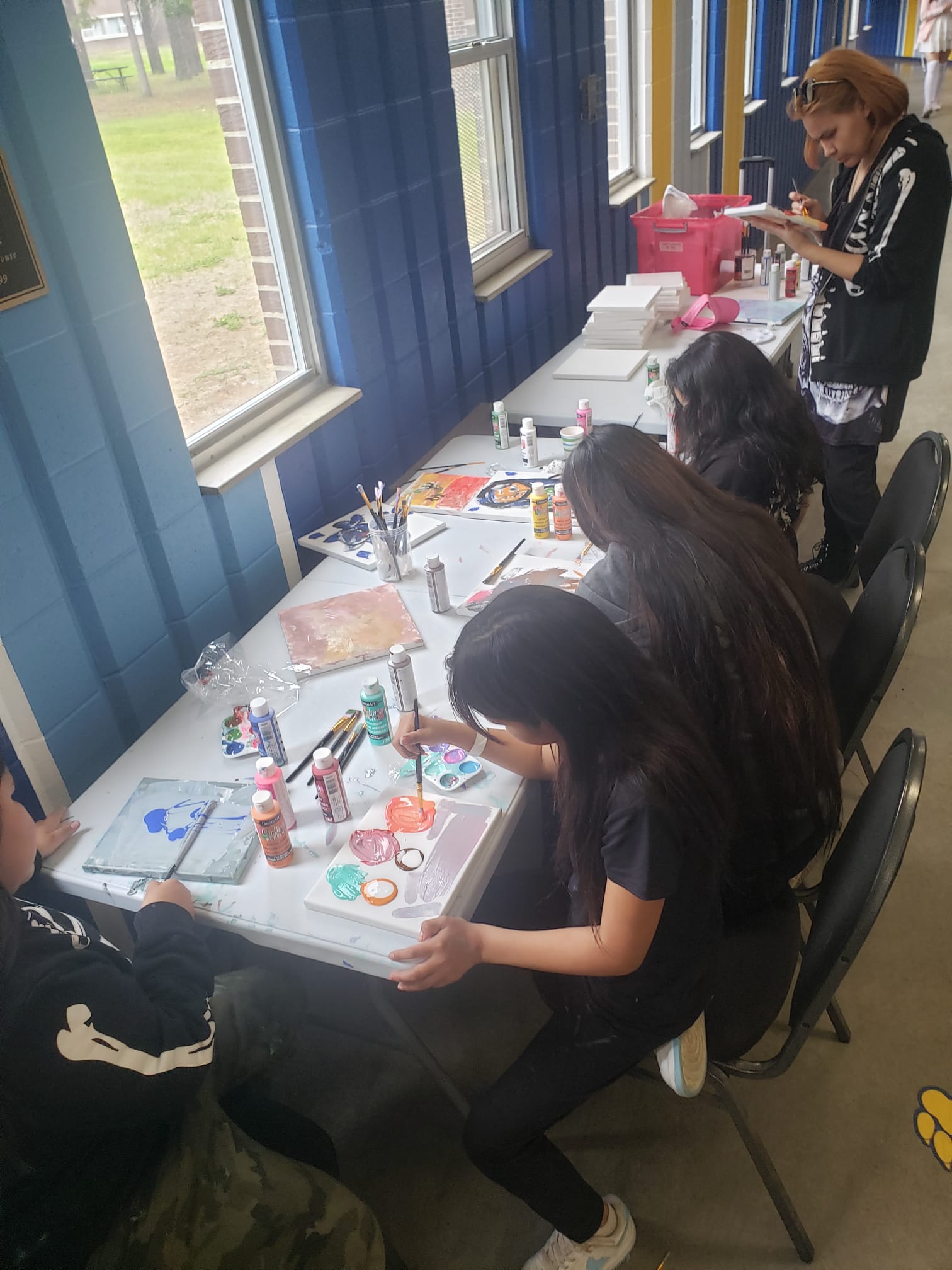
Children from Sandy Lake paint pictures at Bartley Residence

Children evacuated from Sandy Lake express their artistic side during a painting session at Lakehead. "Often, the communities most negatively affected by climate change around the world are Indigenous communities," Vice-Provost Denise Baxter says.

"School is being disrupted, their lives are being disrupted, and it's hard on elders with respiratory conditions," Vice-Provost Baxter says. "Sandy Lake residents are uncertain because they don't know what they'll return to once the wildfire has been extinguished. That's why it's important to pitch in—it's our responsibility as a fellow community member."

One of the ways that Lakehead has been helping is by arranging sports, arts, and cultural activities. Jared Visitor, a Lakehead psychology and education student, recently assisted with an arts session for Sandy Lake residents.

Jared is already familiar with Sandy Lake because he works for Lakehead's Niijii Indigenous Mentorship Program.

Niijii offers science and cultural programming to northwestern Ontario Indigenous high school students. It also matches these students with Lakehead student mentors to encourage them to consider postsecondary education.

"Through Niijii, we get to see all the amazing things that youth in places like Cat Lake, Kasibonika, and Sandy Lake are doing," Jared says.

He came away from the Sandy Lake arts session on campus feeling inspired.

"I loved the storytelling that happened while the kids were creating their artworks because I believe that storytelling is one of the most important things we can do for our youth. When you tell your story, you begin to understand yourself and others begin to understand you.

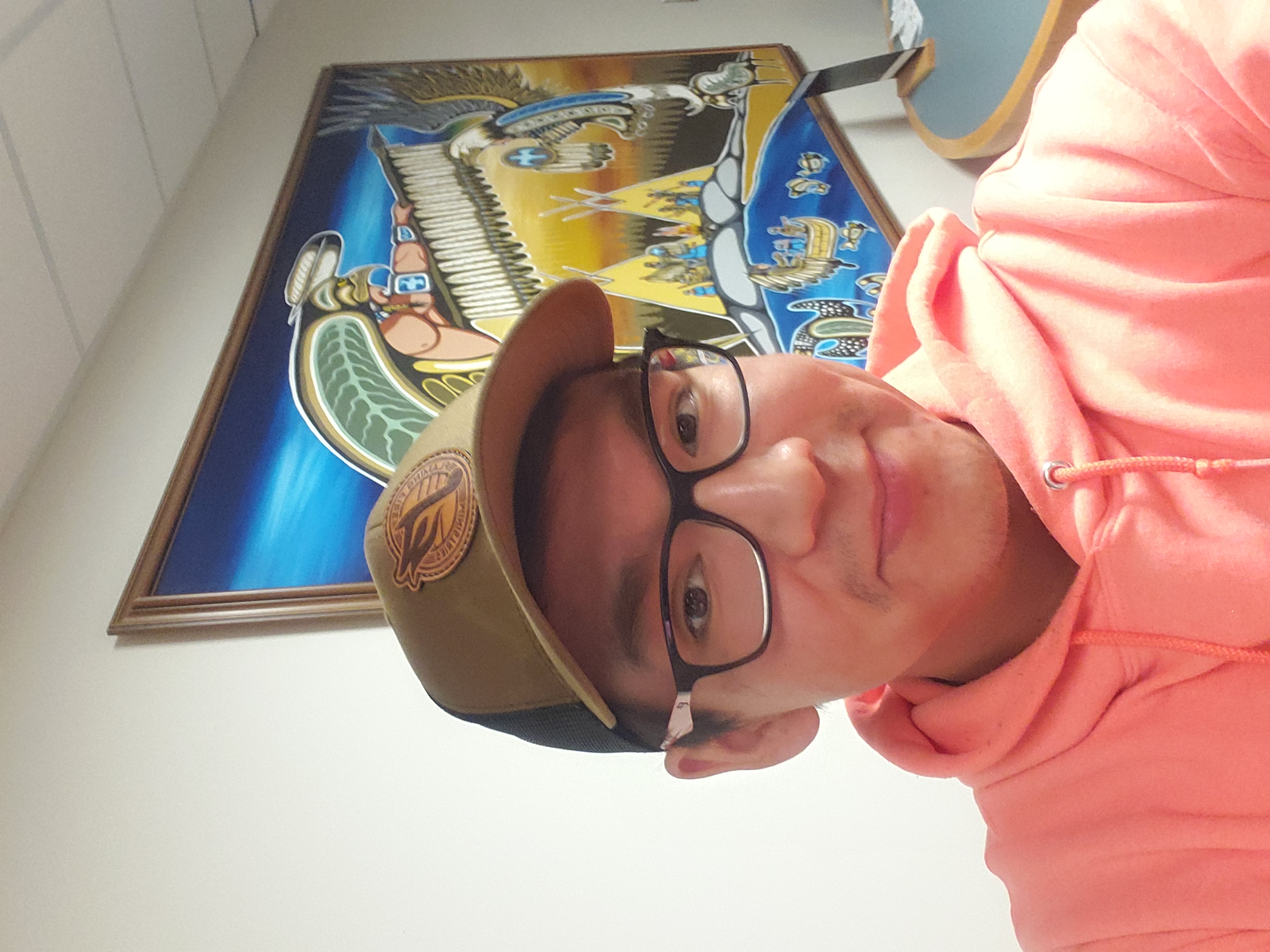
Lakehead student Jared Visitor with a Woodland painting in the background

And that's what happened at Lakehead's Bartley residence. The kids started pouring out their stories in paintings and drawings and talking to me about their stories—their school, their dreams, their community.

Their mothers came and painted with them, which was a beautiful thing to be part of. Their fathers and uncles were there, too. They made sure that the kids weren't getting paint on their clothes and that they were safe."

Jared Visitor completed his psychology degree this spring and will begin an education degree at Lakehead in the fall. He plans to become a primary/junior teacher. Jared says that "it's important that we tell all of our stories—the good and the bad—it makes us stronger."

The Lakehead University community is holding the Sandy Lake First Nation in our hearts. We hope that they will soon be able to return to their community and begin the healing process.

Historic $10M investment from Kim and Stu Lang propels new veterinary medicine program for northern Ontario

Artist rendering of Gakina Awesiinyag | Photo credit: mcCallumSather 2025

Artist rendering of Gakina Awesiinyag | Photo credit: mcCallumSather 2025

Thunder Bay, Ont. — A landmark $10 million investment from Kim and Stu Lang will support Lakehead University and the University of Guelph’s Ontario Veterinary College’s new Collaborative Doctor of Veterinary Medicine Program, helping to alleviate northern Ontario’s critical veterinarian shortage. 

The gift will help fund the construction of an animal education facility on Lakehead University’s Thunder Bay campus. The $10 million investment represents the largest philanthropic contribution in Lakehead University’s history. 

“When faced with a large-scale crisis like northern Ontario’s veterinarian shortage, we must be innovative when seeking solutions,” said Dr. Gillian Siddall, President and Vice-Chancellor of Lakehead University. “Kim and Stu Lang are visionaries—the innovative nature of this collaborative, solutions-based approach between Lakehead and Guelph universities spoke to their interests and values. We are deeply grateful for this groundbreaking gift that will move Lakehead University into a new chapter in our 60-year history of serving northern Ontario's social and economic needs.” 

In addition to celebrating this transformative gift, Lakehead University, together with Kim and Stu Lang, is pleased to announce the selected name for the new animal education facility: Gakina Awesiinyag, from the Anishinaabemowin language, which translates to All Animals (Place For). 

“As animal lovers and long-time supporters of many animal health programs, including the Ontario Veterinary College, we are delighted to support Lakehead University’s role in expanding access to veterinary medicine throughout northern Ontario,” said Kim Lang. “When considering a name for the new building that will house animals and educate future generations of veterinarians, it was important to us to choose an inclusive name that honours the land. We were grateful to receive guidance from Indigenous Elders from the north to choose this beautiful, fitting name. It is our privilege to play a part in building this lasting legacy for northern communities.” 

The Collaborative Doctor of Veterinary Medicine Program will help address northern Ontario’s veterinarian shortage, which has made it extraordinarily difficult for people to get care for their pets—especially in rural, remote, and Indigenous communities—and hindered the region’s growing agri-food sector. 

Lakehead University and the University of Guelph’s Ontario Veterinary College have entered an agreement to deliver the new Collaborative Doctor of Veterinary Medicine Program that will recruit and train 20 students from communities in northern Ontario each year. The first northern cohort will begin their studies this fall and complete all four years in Guelph while Lakehead constructs its new facilities. Construction begins this summer. Starting in 2027, the northern cohort will divide their time between Lakehead University and the University of Guelph to complete the four-year program. Students participate in experiential learning opportunities and placements with local veterinarians in the north and complete core courses geared toward unique northern practice.

“On behalf of Lakehead University, we extend our most sincere thanks for Kim and Stu Lang’s incredible support, belief in this project, and unwavering commitment to funding such an innovative and regionally responsive solution to the complex challenge of veterinary access in northern Ontario,” said Michael den Haan, Vice-President, University Advancement. “Through this generous investment, communities in the north will be forever changed for the better.”


Summer Garden Days

Join the Office of Indigenous Initiatives and Student Health & Wellness for Gardening Days throughout the summer. Every Thursday morning from 10 am - 12 pm. Drop-in to help weed, water, and tend to the gardens with love and care. Garden time is social time so enjoy taking a break with fellow volunteers to chat while gardening! Everyone is welcome. 

Lunch & Learn in honour of Indigenous Peoples Day

Join The Office of Indigenous Initiatives for a Lunch and Learn about the Wit'suwet'en peoples' fight to resist the construction of multiple pipelines on their traditional territory. There will be a screening of the documentary film 'YINTAH' followed by a pizza lunch.

Brass Roots: Music, Memory, & Community

Join us for Brass Roots: Music, Memory, & Community, an unforgettable evening of soul-stirring music and rich storytelling, presented by the Orillia Silver Band and the Orillia Museum of Art & History. Taking place on Thursday, July 17 from 7–9pm at St. Paul’s Centre, this special performance is hosted by the Office of Community Engagement & Lifelong Learning and celebrates the power of music to connect us through time, memory, and community.

AI In Action: A Hands-On Workshop Using ChatGPT

Ready to move beyond the AI hype and build your skills and confidence with AI? This 90-minute hands-on session, presented by Emily Baillie and the Office of Community Engagement & Lifelong Learning, is designed to help you explore the power of ChatGPT in a real, practical way - no matter your starting point.

Whether you’re brand new to AI or already using it in your work, this workshop gives you time and space to learn and build confidence. We’ll walk you through use cases, explore effective prompt writing, and guide you through a practical task using ChatGPT.

Summer Feast

Summer Feast

Monday, June 23, 2025

12:00 pm to 1:00 pm 

Gakina Nindinawemaaganag - UC1007A

Enjoy a traditional meal and celebrate the warmth, joy, and energy of the summer season!

EVERYONE WELCOME

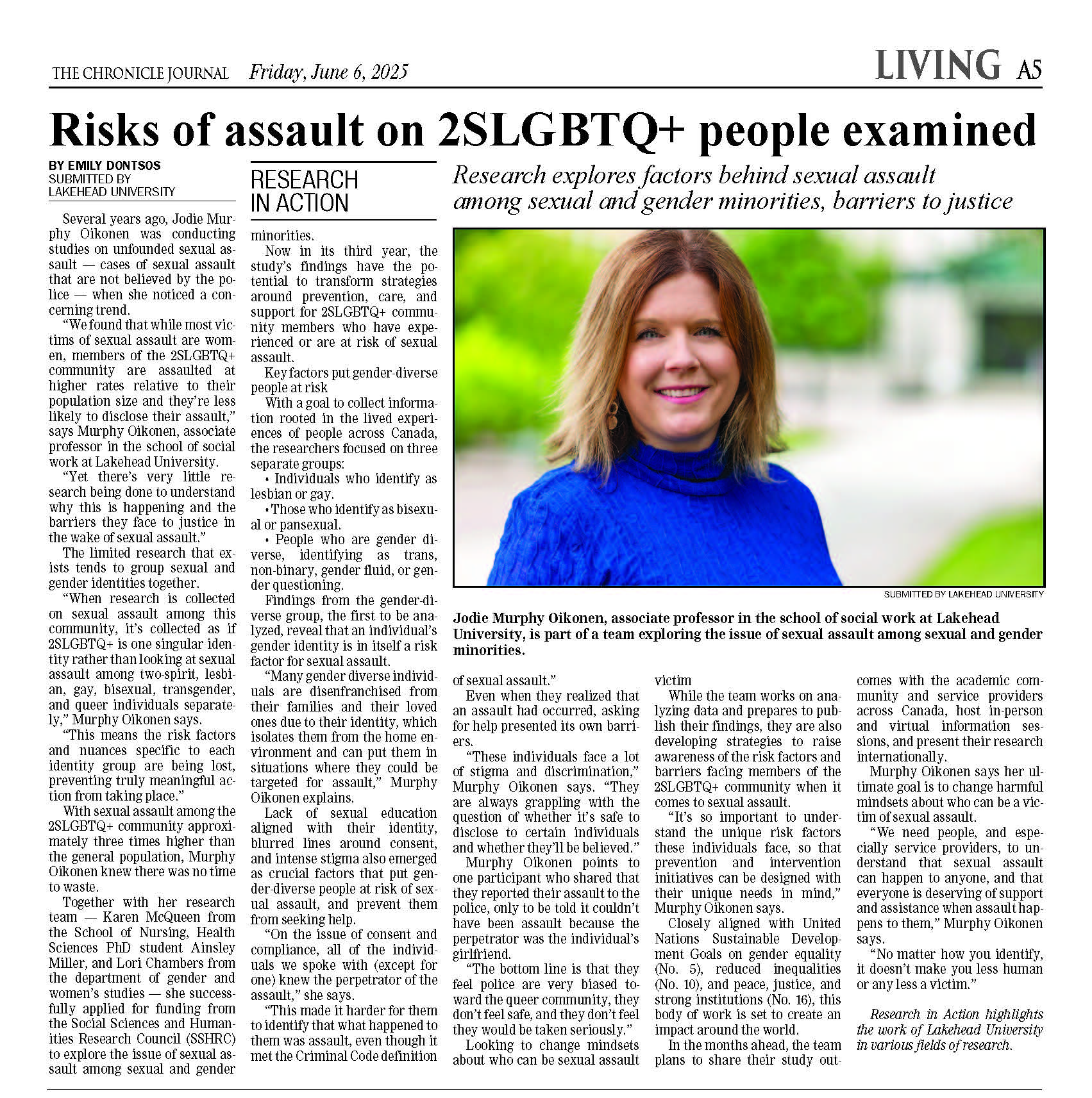
Research in Action: Risks of Assault on 2SLGBTQ+ people examined

Originally posted in The Chronicle Journal on June 6, 2025.

By EMILY DONTSOS

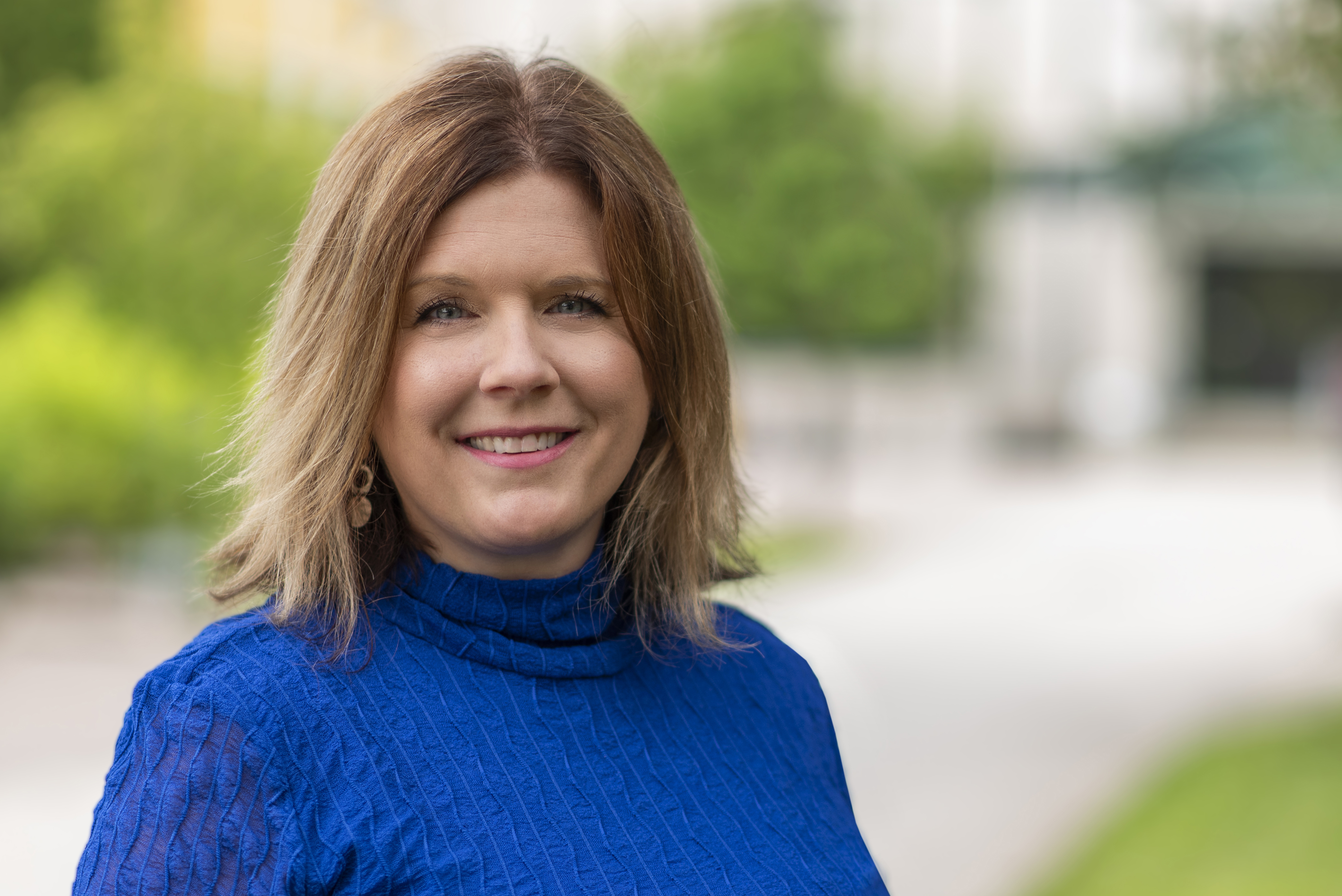
Several years ago, Dr. Jodie Murphy Oikonen was conducting a series of studies on unfounded sexual assault—cases of sexual assault that are not believed by the police—when she noticed a concerning trend. Headshot of Dr. Jodie Murphy Oikonen

“We found that while most victims of sexual assault are women, members of the 2SLGBTQ+ community are assaulted at higher rates relative to their population size and they’re less likely to disclose their assault. Yet there’s very little research being done to understand why this is happening and the barriers they face to justice in the wake of sexual assault,” says Dr. Murphy Oikonen, Associate Professor in the School of Social Work at Lakehead University.  

The limited research that exists tends to group sexual and gender identities together. 

“When research is collected on sexual assault among this community, it’s collected as if 2SLGBTQ+ is one singular identity rather than looking at sexual assault among two-spirit, lesbian, gay, bisexual, transgender, and queer individuals separately,” says Dr. Murphy Oikonen. 

“This means the risk factors and nuances specific to each identity group are being lost, preventing truly meaningful action from taking place.” 

With sexual assault among the 2SLGBTQ+ community approximately three times higher than the general population, Dr. Murphy Oikonen knew there was no time to waste. 

Together with her research team—Dr. Karen McQueen from the School of Nursing, Health Sciences PhD student Ainsley Miller, and Dr. Lori Chambers from the Department of Gender and Women’s Studies—she successfully applied for funding from the Social Sciences and Humanities Research Council (SSHRC) to explore the issue of sexual assault among sexual and gender minorities. 

Now in its third year, the study’s findings have the potential to transform strategies around prevention, care, and support for 2SLGBTQ+ community members who have experienced or are at risk of sexual assault. 

Findings highlight issues of identity, consent, and stigma 

With a goal to collect information rooted in the lived experiences of people across Canada, the researchers focused on three separate groups: individuals who identify as lesbian or gay, those who identify as bisexual or pansexual, and people who are gender diverse, identifying as trans, non-binary, gender fluid, or gender questioning. 

Findings from the gender-diverse group, the first to be analyzed, reveal that an individual’s gender identity is in itself a risk factor for sexual assault.    

“Many gender diverse individuals are disenfranchised from their families and their loved ones due to their identity, which isolates them from the home environment and can put them in situations where they could be targeted for assault,” Dr. Murphy Oikonen explains. 

Lack of sexual education aligned with their identity, blurred lines around consent, and intense stigma also emerged as crucial factors that put gender-diverse people at risk of sexual assault—and prevent them from seeking help. 

“On the issue of consent and compliance, all of the individuals we spoke with (except for one) knew the perpetrator of the assault,” she says. “This made it harder for them to identify that what happened to them was assault, even though it met the Criminal Code definition of sexual assault.” 

Even when they realized that an assault had occurred, asking for help presented its own barriers. 

“These individuals face a lot of stigma and discrimination,” Dr. Murphy Oikonen says. “They are always grappling with the question of whether it’s safe to disclose to certain individuals and whether they’ll be believed.” 

Dr. Murphy Oikonen points to one participant who shared that they reported their assault to the police, only to be told it couldn’t have been assault because the perpetrator was the individual’s girlfriend. 

“The bottom line is that they feel police are very biased toward the queer community, they don’t feel safe, and they don’t feel they would be taken seriously.” 

Working toward a future of equity and justice for all 

While the team works on analyzing data and prepares to publish their findings, they are also developing strategies to raise awareness of the risk factors and barriers facing members of the 2SLGBTQ+ community when it comes to sexual assault. 

“It’s so important to understand the unique risk factors these individuals face, so that prevention and intervention initiatives can be designed with their unique needs in mind,” Dr. Murphy Oikonen says. 

Closely aligned with United Nations Sustainable Development Goals on gender equality (#5), reduced inequalities (#10), and peace, justice, and strong institutions (#16), this body of work is set to create an impact around the world. 

In the months ahead, the team plans to share their study outcomes with the academic community and service providers across Canada, host in-person and virtual information sessions, and present their research internationally. 

Dr. Murphy Oikonen says her ultimate goal is to change harmful mindsets about who can be a victim of sexual assault.

“We need people, and especially service providers, to understand that sexual assault can happen to anyone, and that everyone is deserving of support and assistance when assault happens to them. No matter how you identify, it doesn’t make you less human or any less a victim.”  

Research in Action highlights the work of Lakehead University in various fields of research.

Picture of article that was published in The Chronicle Journal

Pages

Subscribe to Indigenous