FAQ On Orillia's Decision To Go Bottled Water Free

Bottled Water Free campus

I heard that Lakehead Orillia is phasing out the sale of bottled water on campus. Is this true?

Yes. In December, 2018, the Executive Team Working Group approved the Bottled Water Policy on the Orillia campus and improve access to free, clean, safe drinking water. This phase out will come into effect on January 10, 2019.


Why is Lakehead Orillia phasing out the sale of bottled water on campus?

The UN Committee on Economic, Social and Cultural Rights states that: "the human right to water is indispensable for leading a life in human dignity. It is a prerequisite for the realization of other human rights." (Source: un.org). As a leader in social responsibility and sustainability, Lakehead Orillia has enhanced free public access to drinking water, and the phase out will also help us reduce the waste associated with thousands of bottled water.


But aren't bottled water recyclable?

While bottled water are recyclable, they still require a significant amount of energy to manufacture, transport and eventually recycle. The use of durable water bottles is preferable in energy usage to recycling. Additionally, many bottles that should be recycled instead end up in the landfills, or worse, as litter that pollutes natural areas and watersheds.


Have other universities and institutions phased out the sale of bottled water?

Yes. Several Canadian universities and colleges have banned and/or encourage the elimination of bottled water.


Where on campus can I access free, safe drinking water?

There are two water refill stations and approximately eight public water fountains, located at University Avenue and Heritage Place. Refill stations and water fountains are cleaned daily. We will also be installing a water refill station in the Cafeteria.


What about access to water for people with disabilities?

All refill stations and public water fountains are accessible.


Is our tap water safe to drink?

Yes. Canadian municipalities are required to test drinking water multiple times a day. In fact, the quality control of municipal drinking water is much more rigorous than the testing for bottled water.


Where can I get a reusable container?

Reusable bottles are available for purchase from the Bookstore. They will be offering 15% off the purchase of reusable water bottles from January 10 to 18, 2019.


By inhibiting the sale of bottled water aren't you unfairly targeting bottled water and restricting individual choice?

Other beverages sold in bottles have similar environmental impacts as bottled water. However, those other beverages are not available from a tap or for free. By promoting tap water, we all help to expose the environmental, health, and socioeconomic impacts of bottled water. The choice in supporting public water and consuming tap water becomes clear.


Can I bring my own bottled water to campus?

Yes. However, you are encouraged to bring a reusable bottle and take advantage of the refill stations and public fountains available on campus.

Watch and Learn How the Braun Building Rain Garden Was Created

It may be winter now, but it was 31 degrees the day we planted the rain garden.

Here is a short video of the installation. Watch to learn more about our new rain garden on the Thunder Bay campus and bask in some virtual sunshine

Fall 2018 edition of the Sustainability Newsletter is out!

Volunteers hep install Braun Building Rain Garden

"Reciprocity—returning the gift—is not just good manners; it is how the biophysical world works. Balance in ecological systems arises from negative feedback loops, from cycles of giving and taking. Reciprocity among parts of the living Earth produces equilibrium, in which life as we know it can flourish....

How can we reciprocate the gifts of the Earth?

Ecological restoration is an act of reciprocity and the Earth asks us to turn our gifts to healing the damage we have done.... It is not just the land that is broken, but our relationship with land. We can be medicine for the Earth, partners in renewal." -- Robin Wall Kimmerer

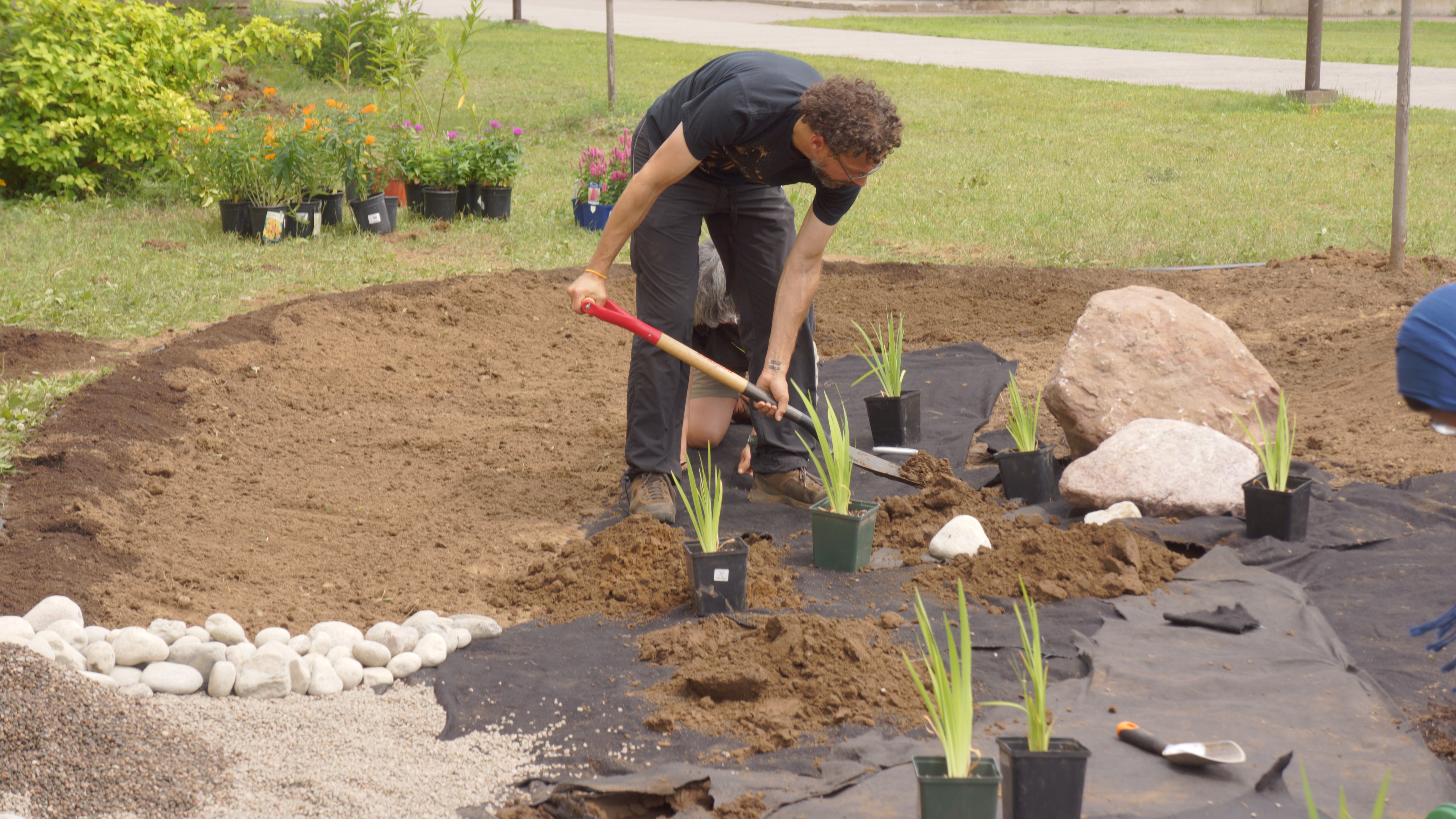
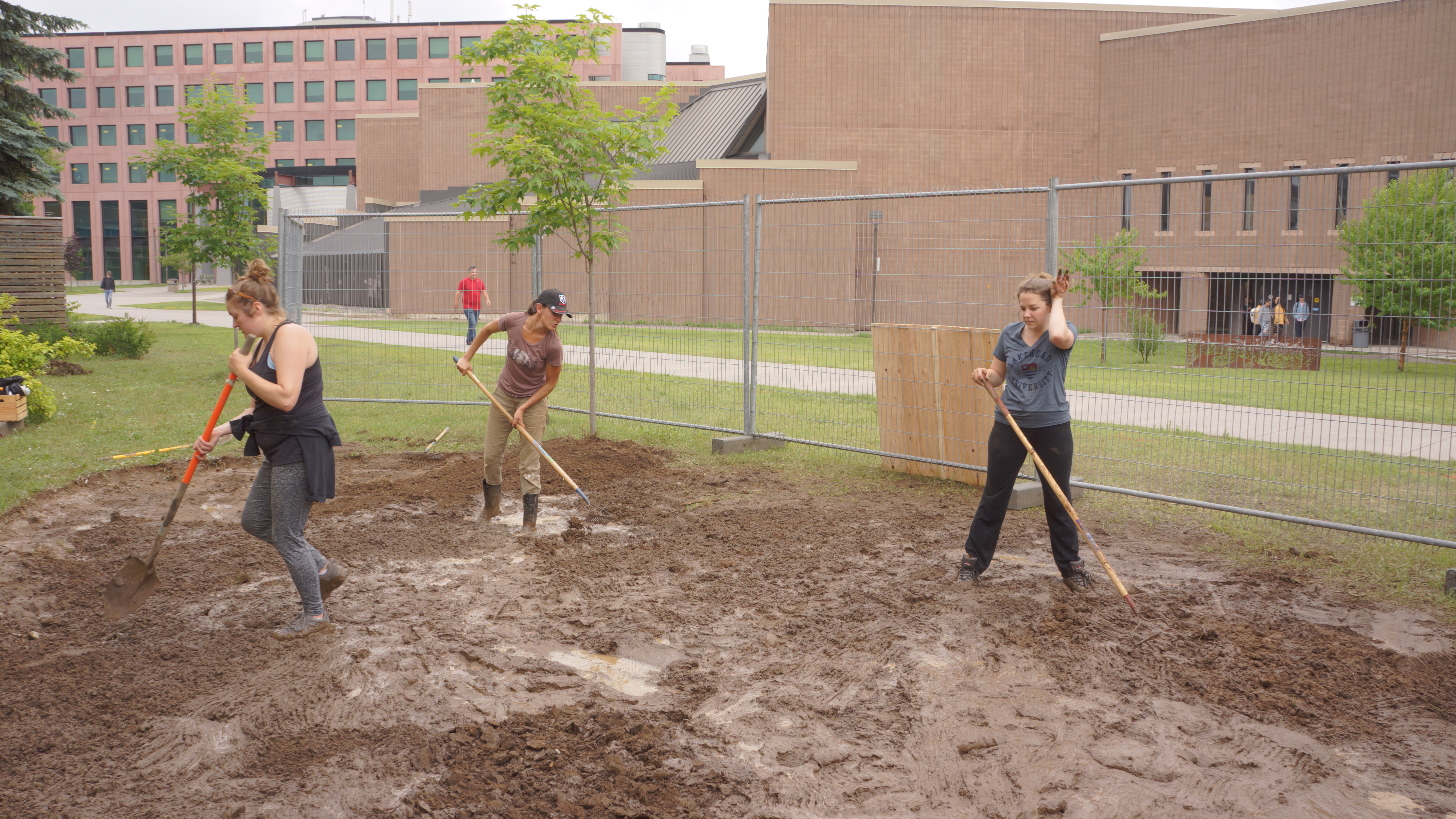
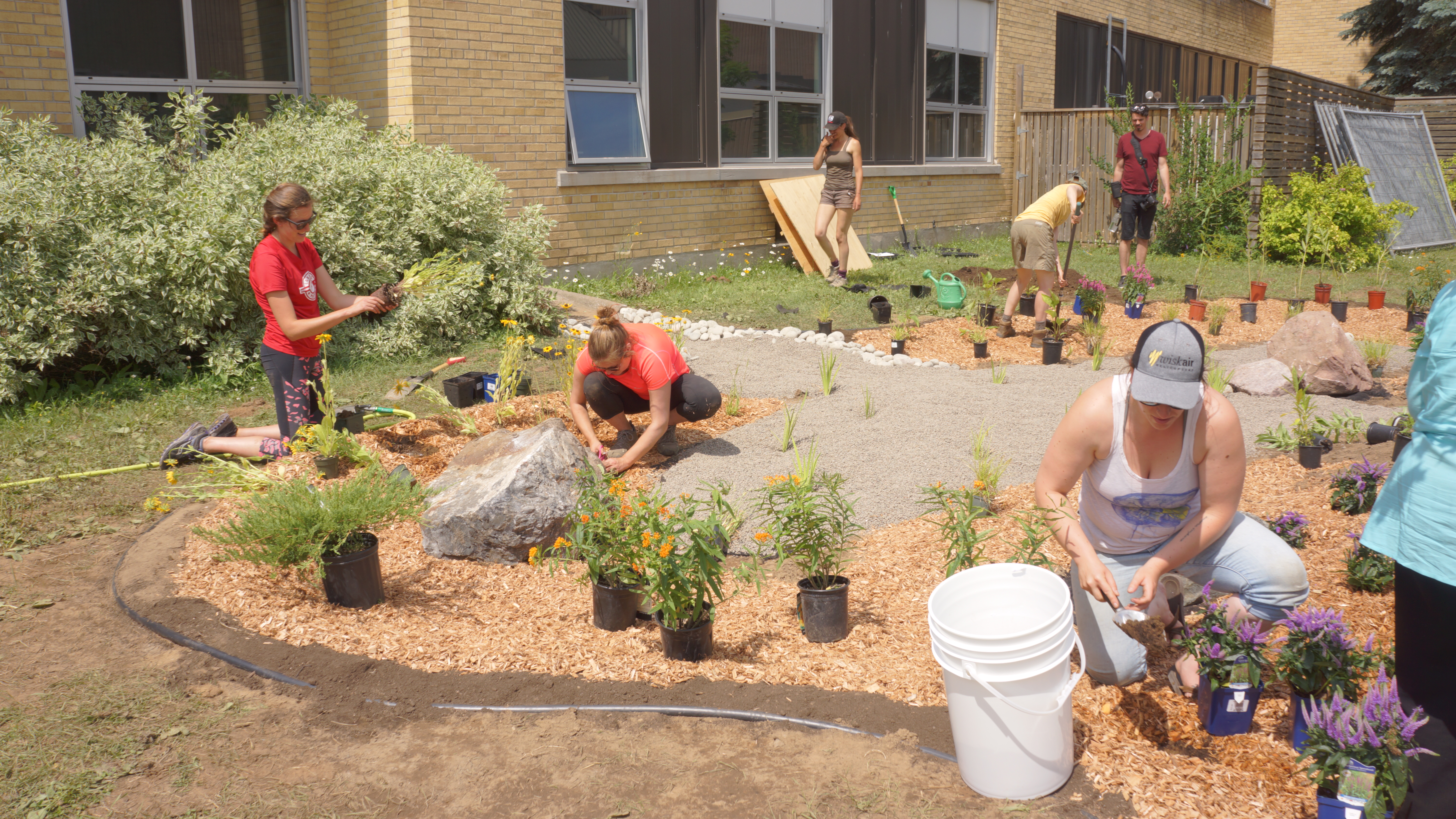
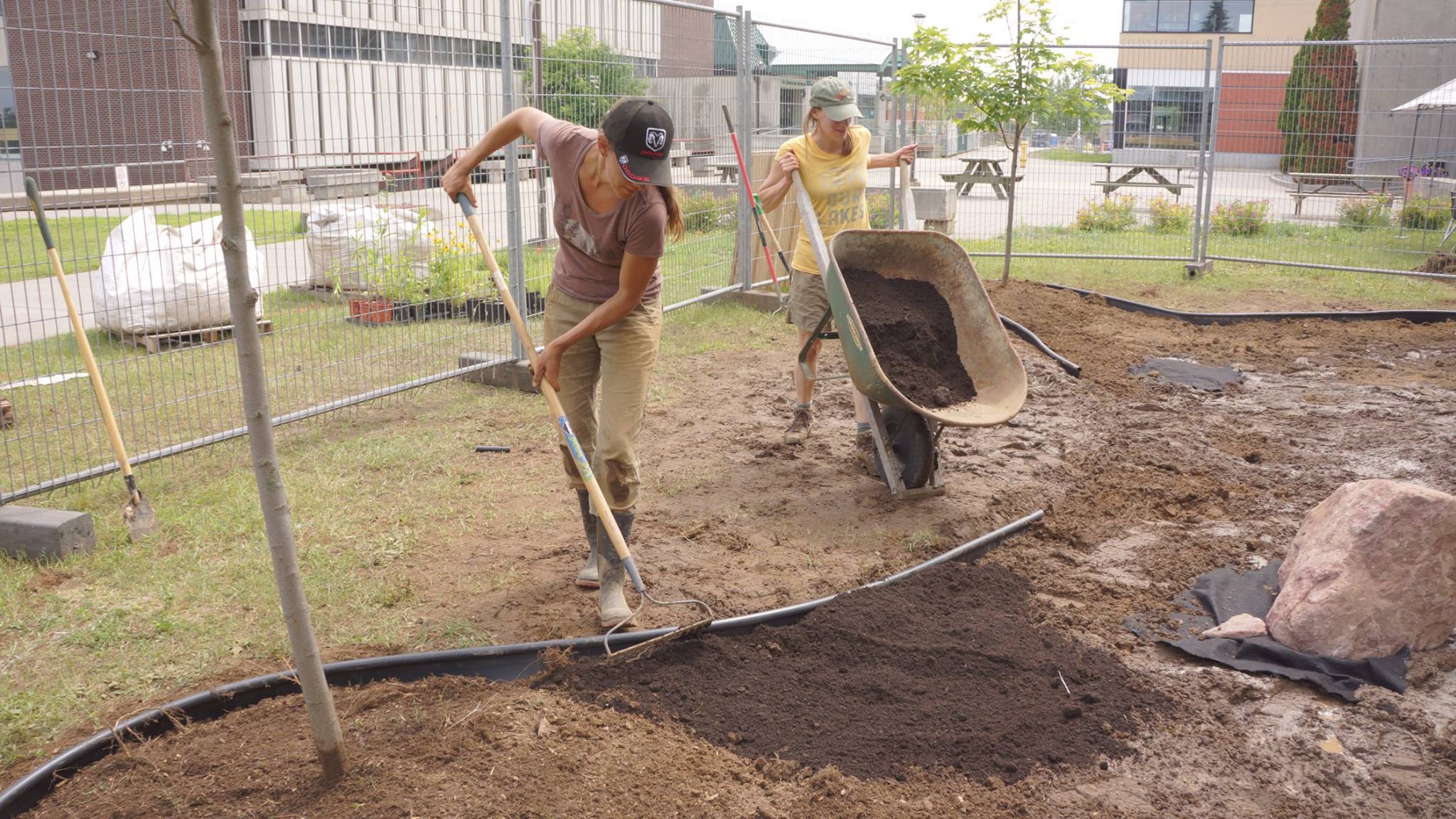
On Friday, our project team and eight student volunteers continued work on the rain garden in 30 + degree weather. Many of these students also contributed to the design of the rain garden. It was hot and tiring, but we began to see the fruits of our labour as the transformation revealed.

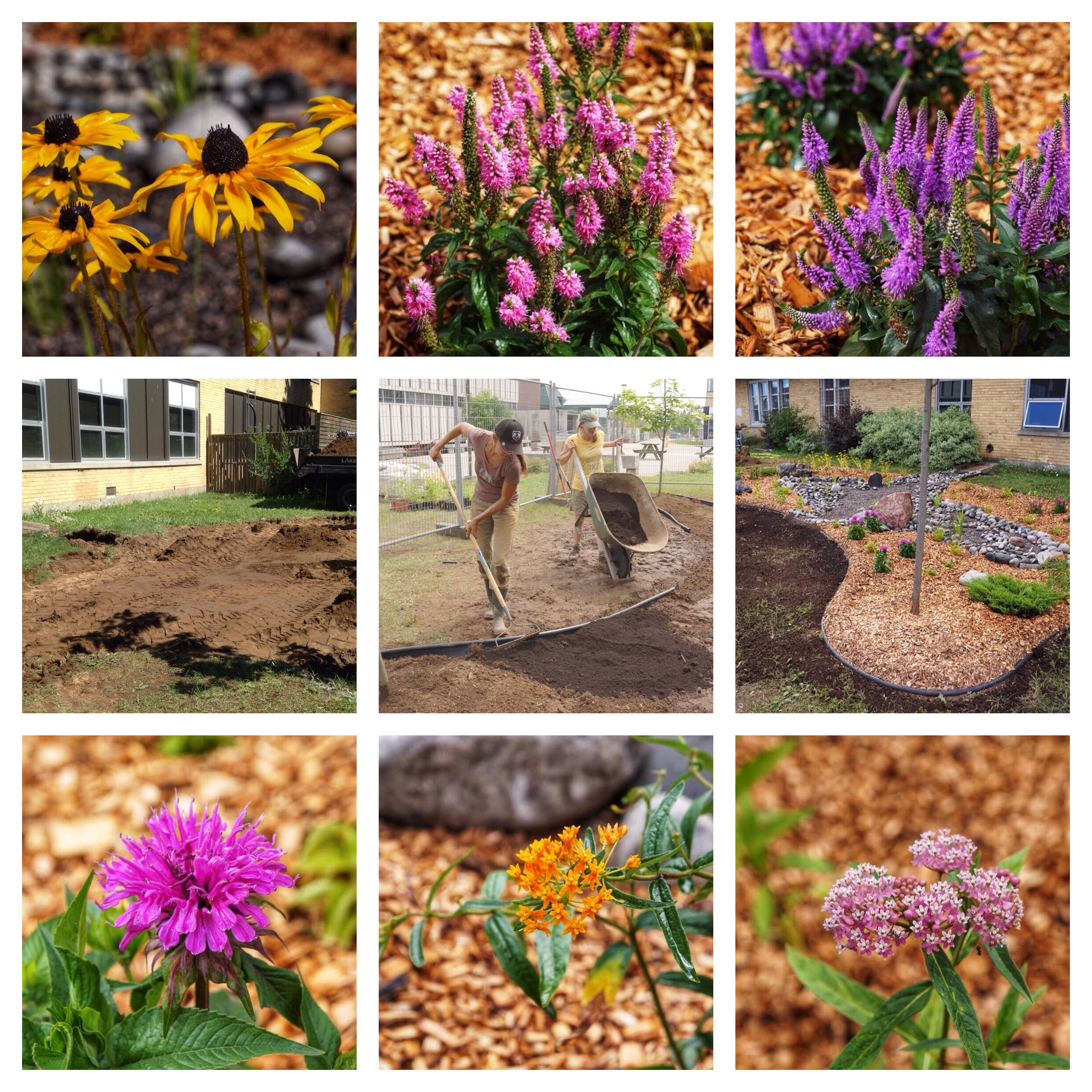
Building the rain garden outside the Braun Building is an act of ecological restoration, an act of reciprocity, indeed, an act of sustainability. This couldn't have felt truer when part way through the planting, a monarch butterfly fluttered over in delight of the new nectar buffet.

Many thanks to all our volunteers for their contributions to this project! Today we work on the finishing touches of the rain garden.

The Braun Building Rain Garden is complete!

The Braun Building Rain Garden is complete! Apart from seeding some grass, installing interpretive signage and a precipitation gauge, the garden is finished!

When speaking about rain gardens, we often focus on the technical benefits like stormwater management. The health benefits, however, are equally important.

-- Increasingly the evidence suggests that people benefit so much from contact with nature that land conservation can now be viewed as a public health strategy -- Howard Frumkin and Richard Louv

It was a pleasure talking to all the passersby about the rain garden. Many people were excited to see the rain garden, and of those people, many also expressed interest in taking part in Ecosuperior's rain garden rebate program and installing one in their own backyard. We have already begun to witness the positive impact of the rain garden on people's mood.

Take a virtual tour of the garden and see some of the native plants we put in.

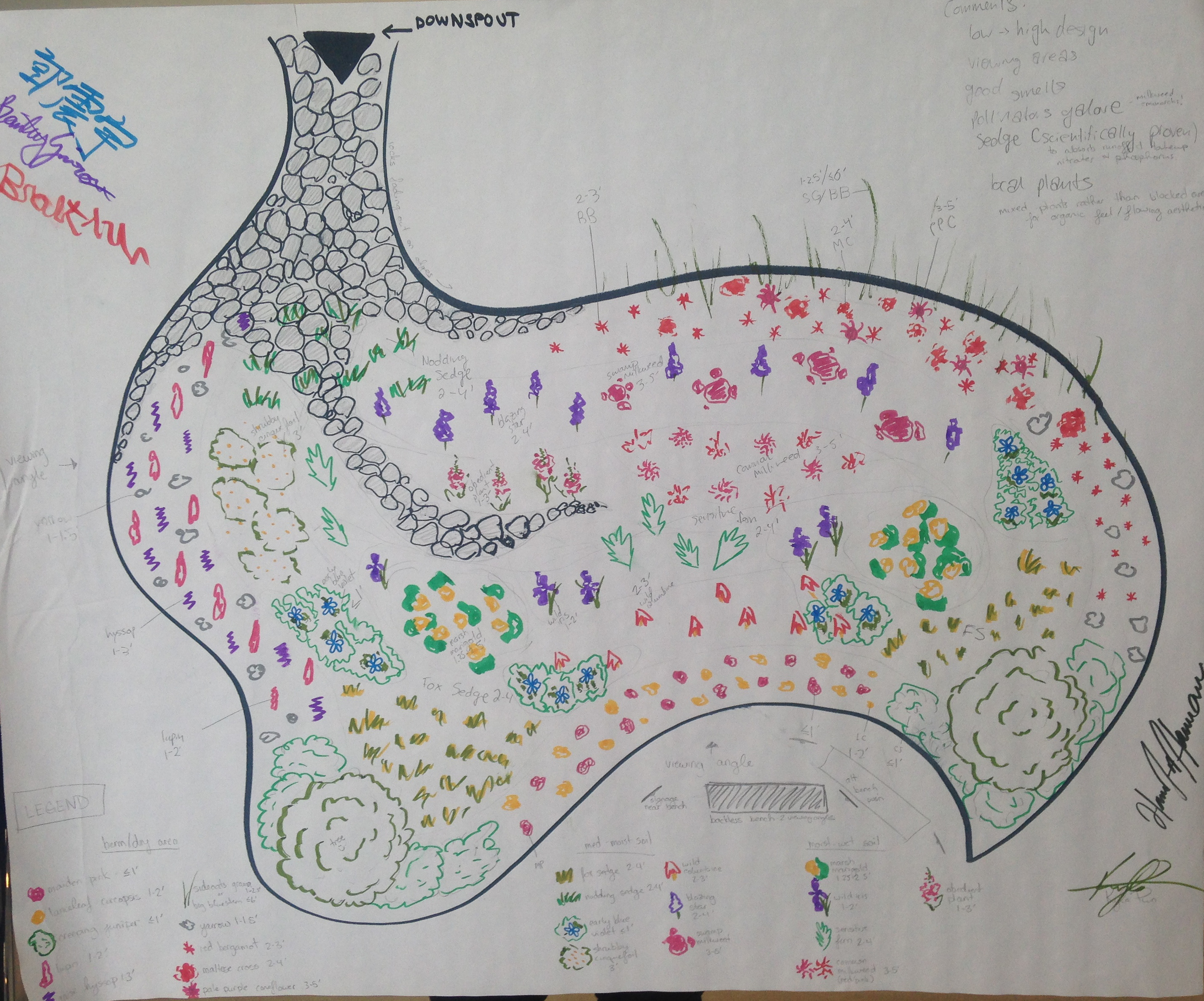
A massive thank you is in order for Julia Prinselaar at EcoSuperior for facilitating the rain garden workshops, drafting the final design for the rain garden based on student input, and guiding us in the installation. Her vision will impact our community for years to come!


Breaking Ground on the Braun Building Stormwater Management and Demonstration Site!

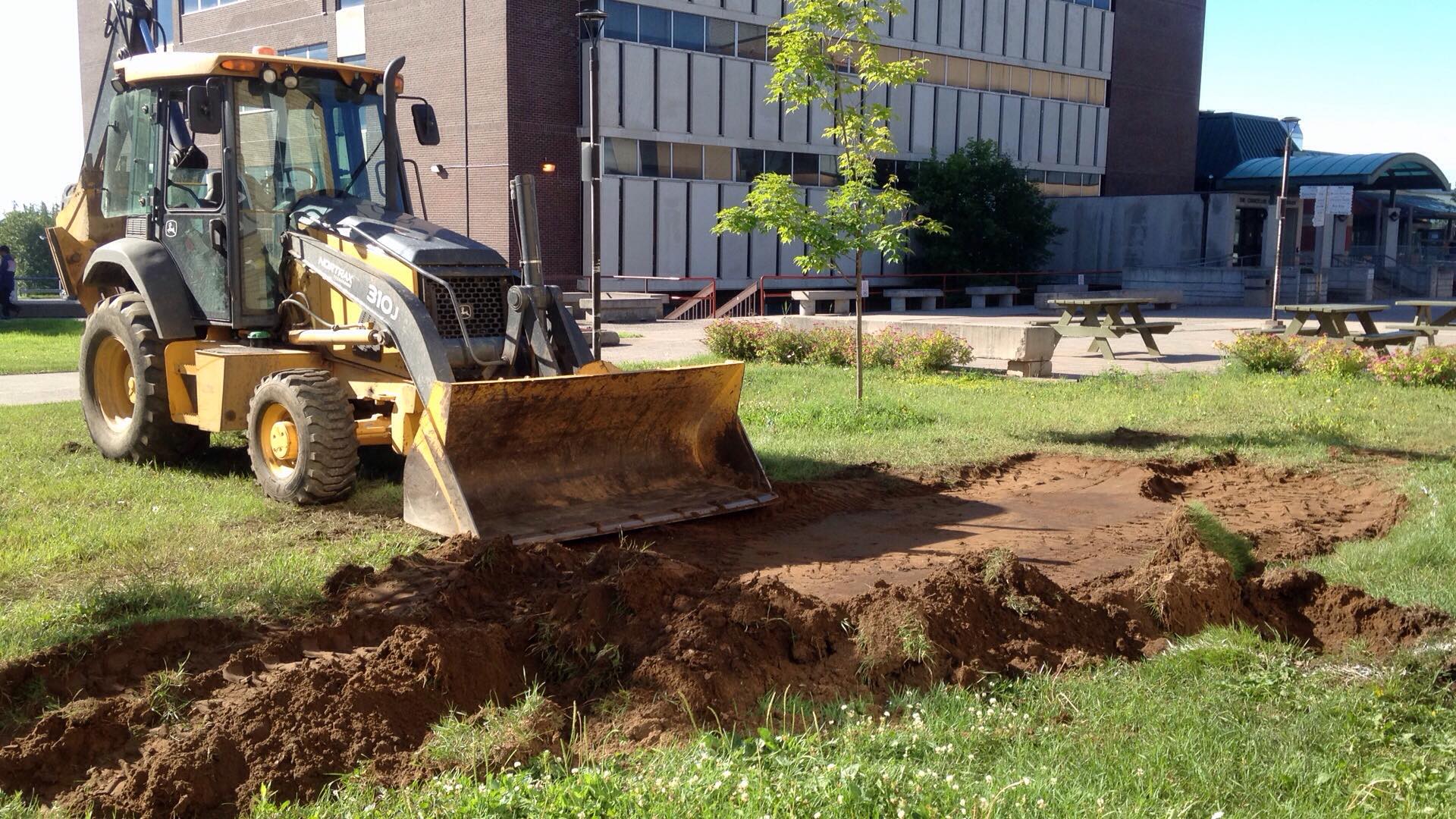
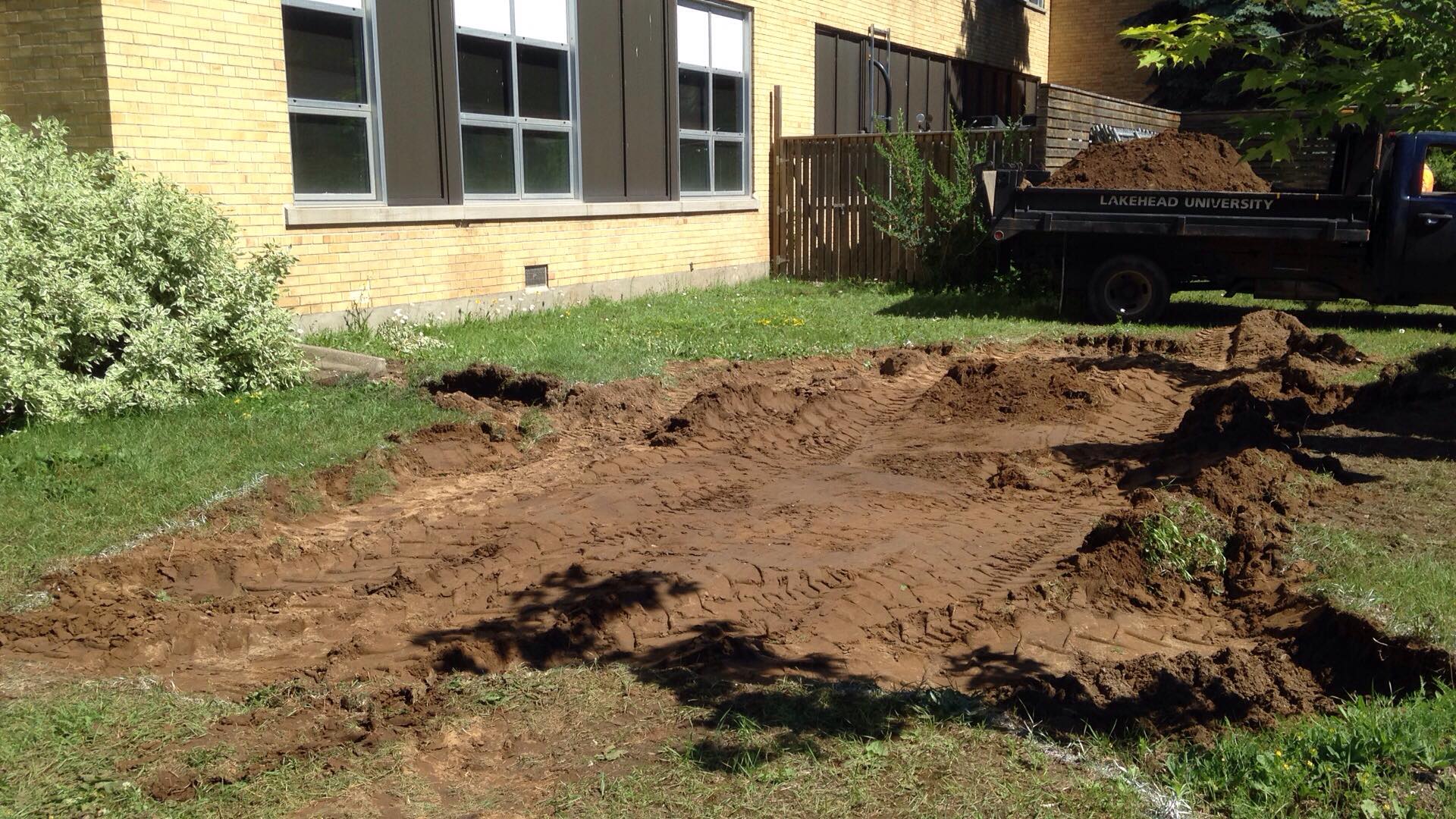
On Monday morning, July 9, our Physical Plant grounds crew broke ground on the new 34 square metre Braun Building Rain Garden. The Stormwater Management and Demonstration Site was funded by the MOECC and is a collaboration between staff, faculty, and students on campus. Dr. Lindsay Galway, the University's Sustainability Coordinator, Physical Plant, students, and EcoSuperior have all partnered together to help make this happen.

Thank you to Physical Plant for excavating the ground and removing materials at the rain garden site. This in-kind donation is greatly appreciated!

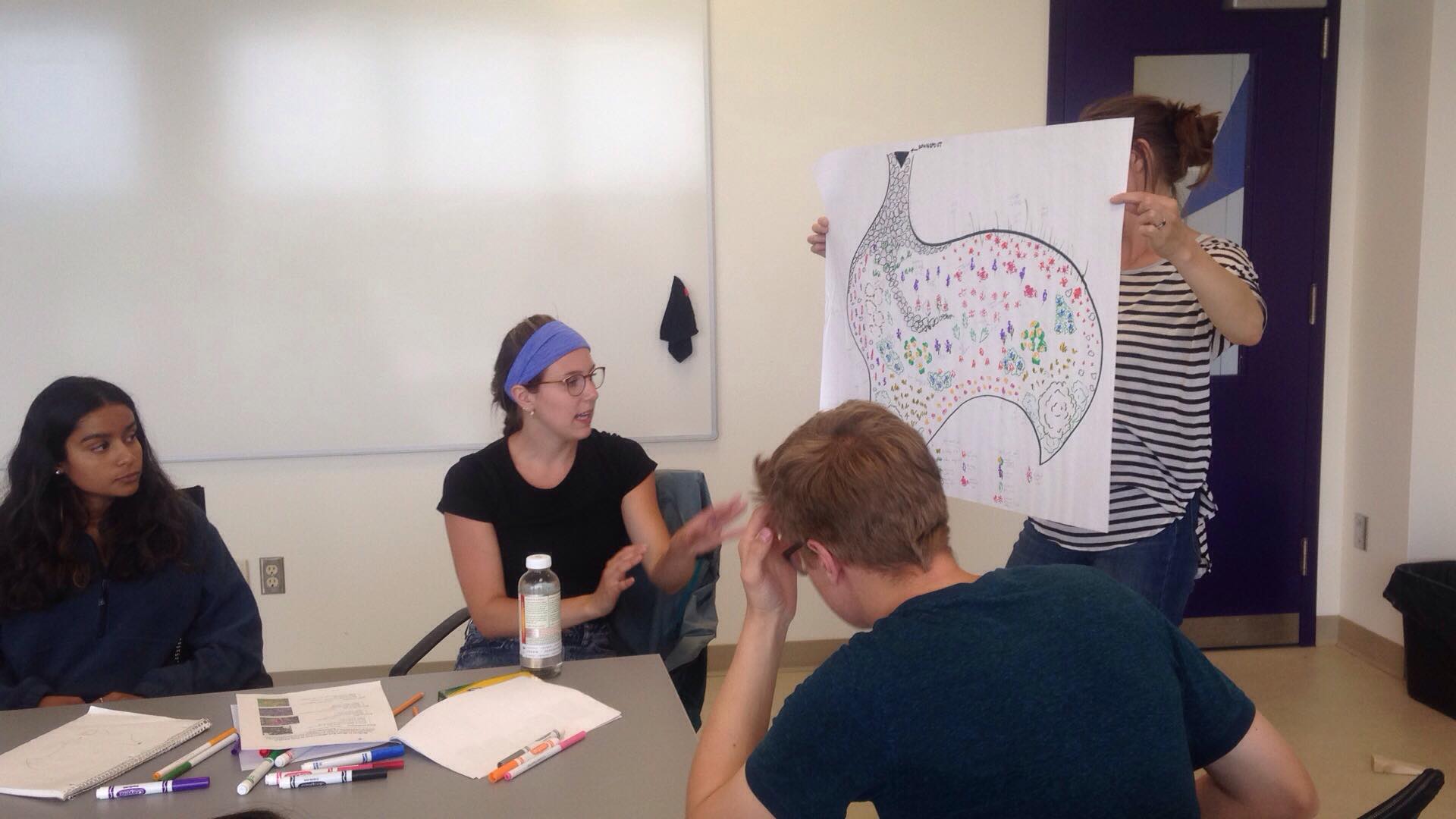
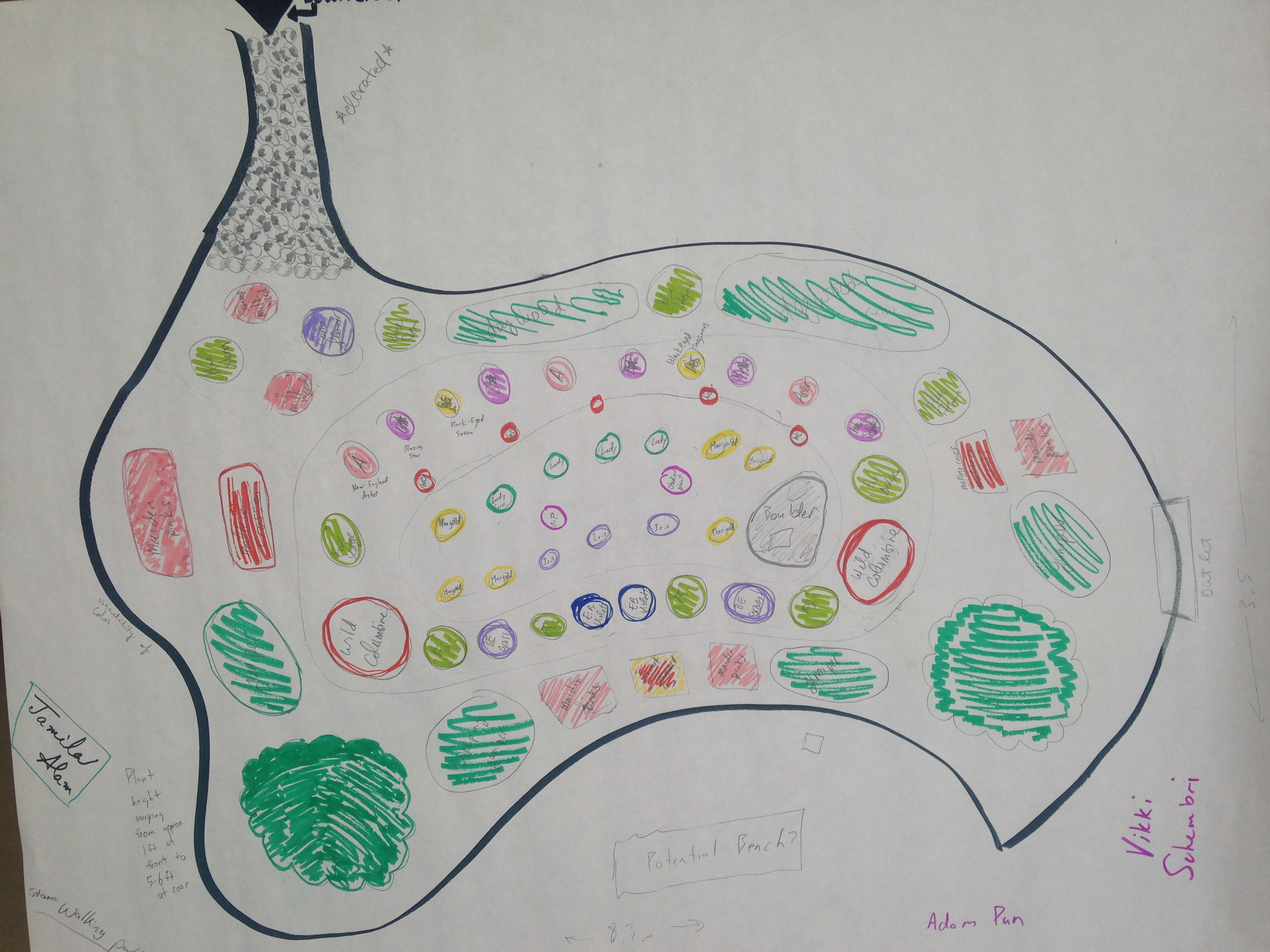
The site will feature a rain garden to reduce stormwater runoff, protect water quality, and provide habitat for pollinators. It will also feature interpretive signage to raise awareness about the importance of rain gardens as tools for improving stormwater management, and promote student and community engagement. A precipitation gauge will enable experiential learning opportunities. A group of ten university students participated in a three-part workshop series facilitated by EcoSuperior, where they learned about stormwater management and then applied these skills to contribute to the design of the Braun Building rain garden.

This rain garden is nested in a larger project that aims to use the campus as a living laboratory, or in other words work collaboratively at all levels, from staff, faculty, students, and community members, to help advance sustainability at the university both operationally and academically. The rain garden will provide opportunities for experiential learning and applied research in the built and natural environment to collaboratively advance sustainability at Lakehead University.

Stay tuned later this week when volunteers gather to install the rain garden!

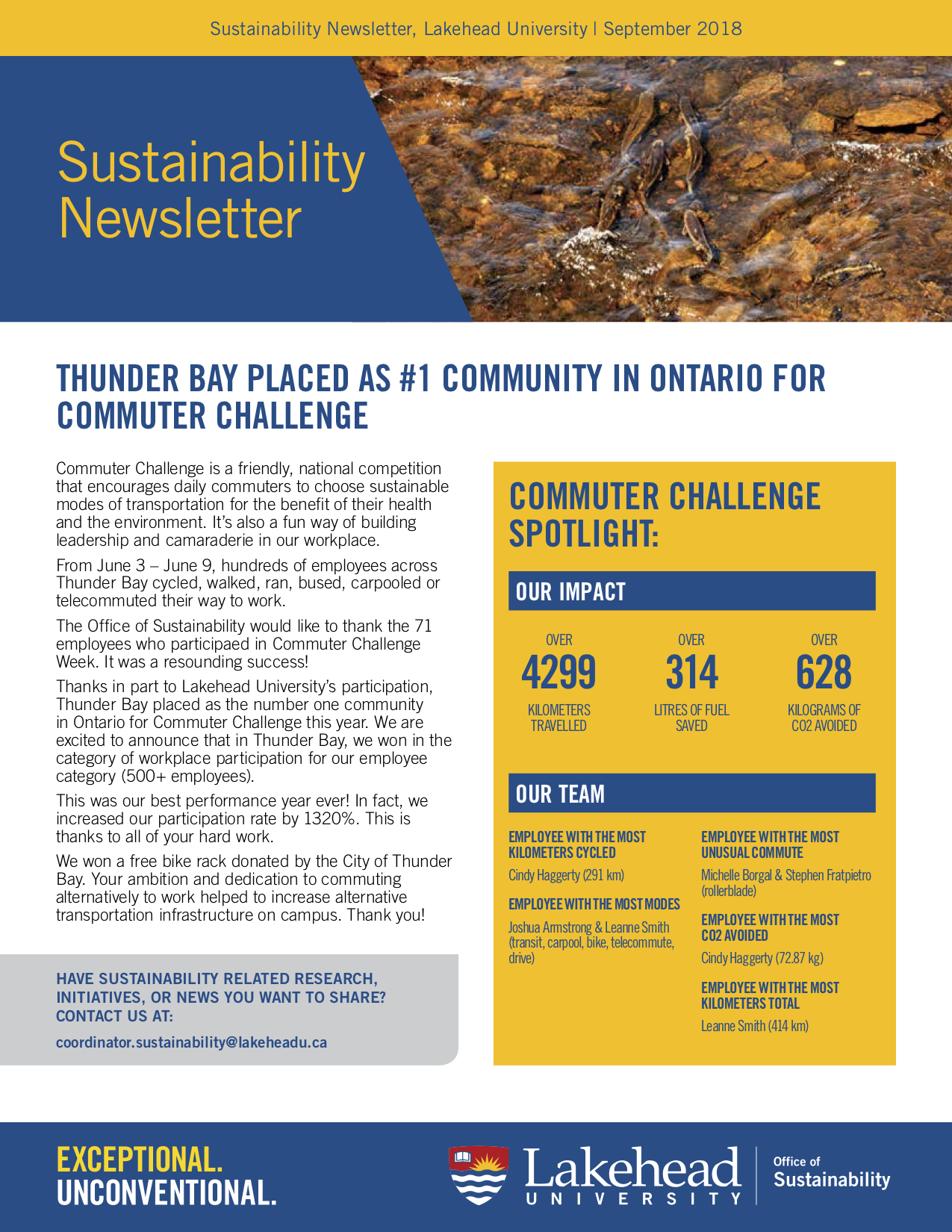
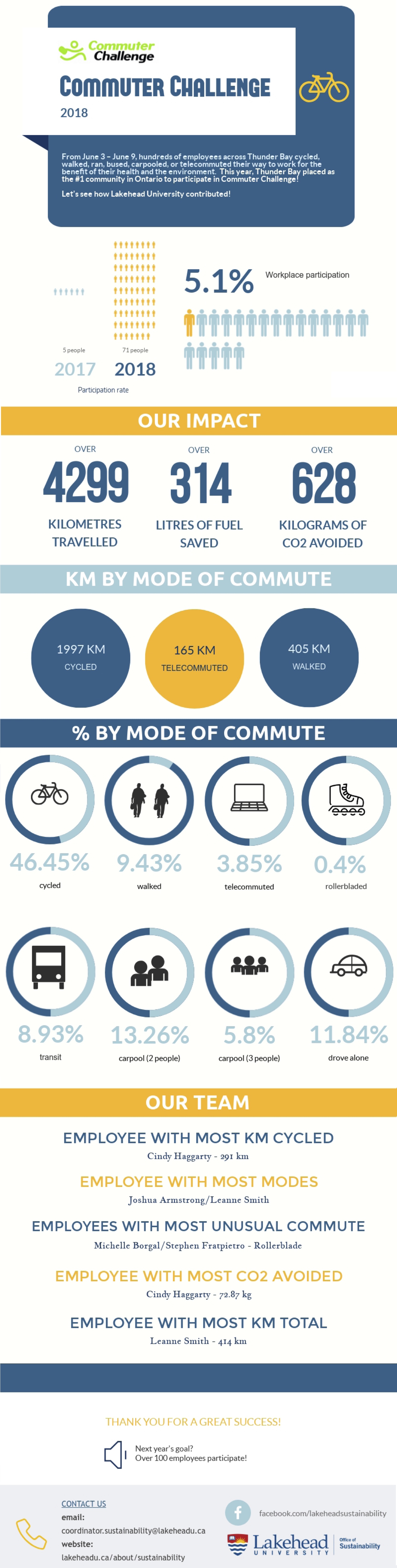
Commuter Challenge Highlights for 2018

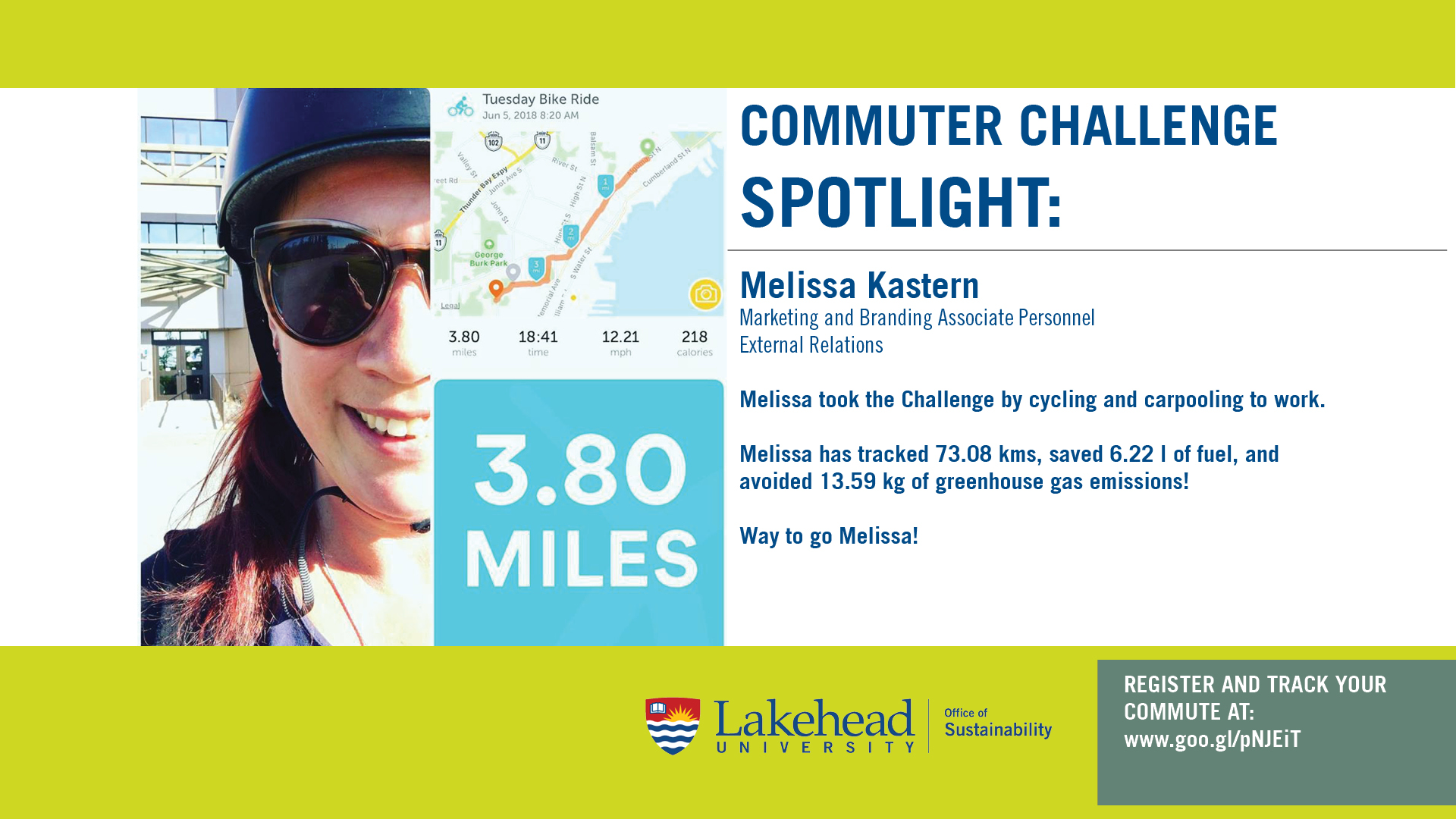
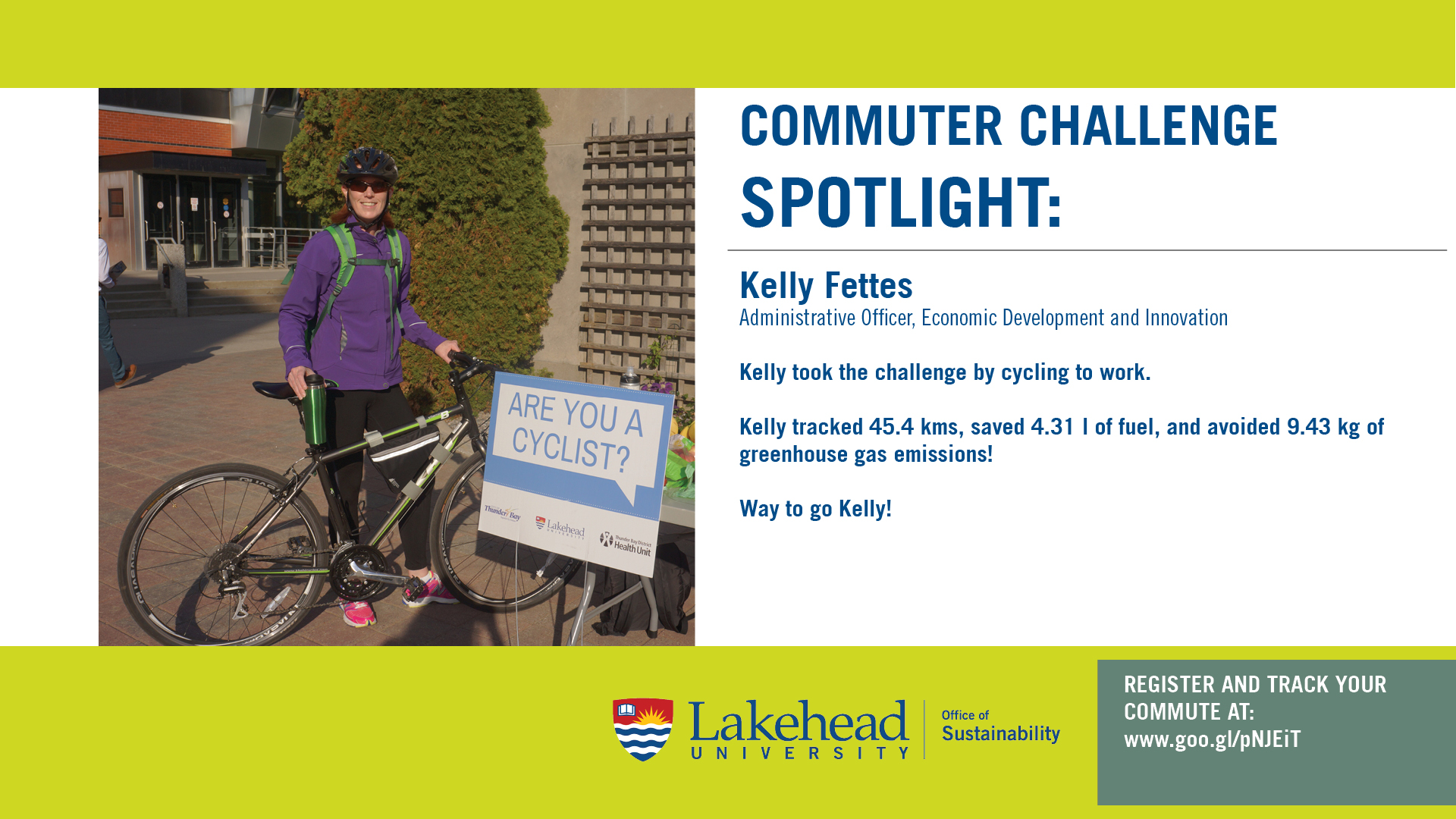
Commuter Challenge was a great success this year! Our workplace participation increased by 1320%!


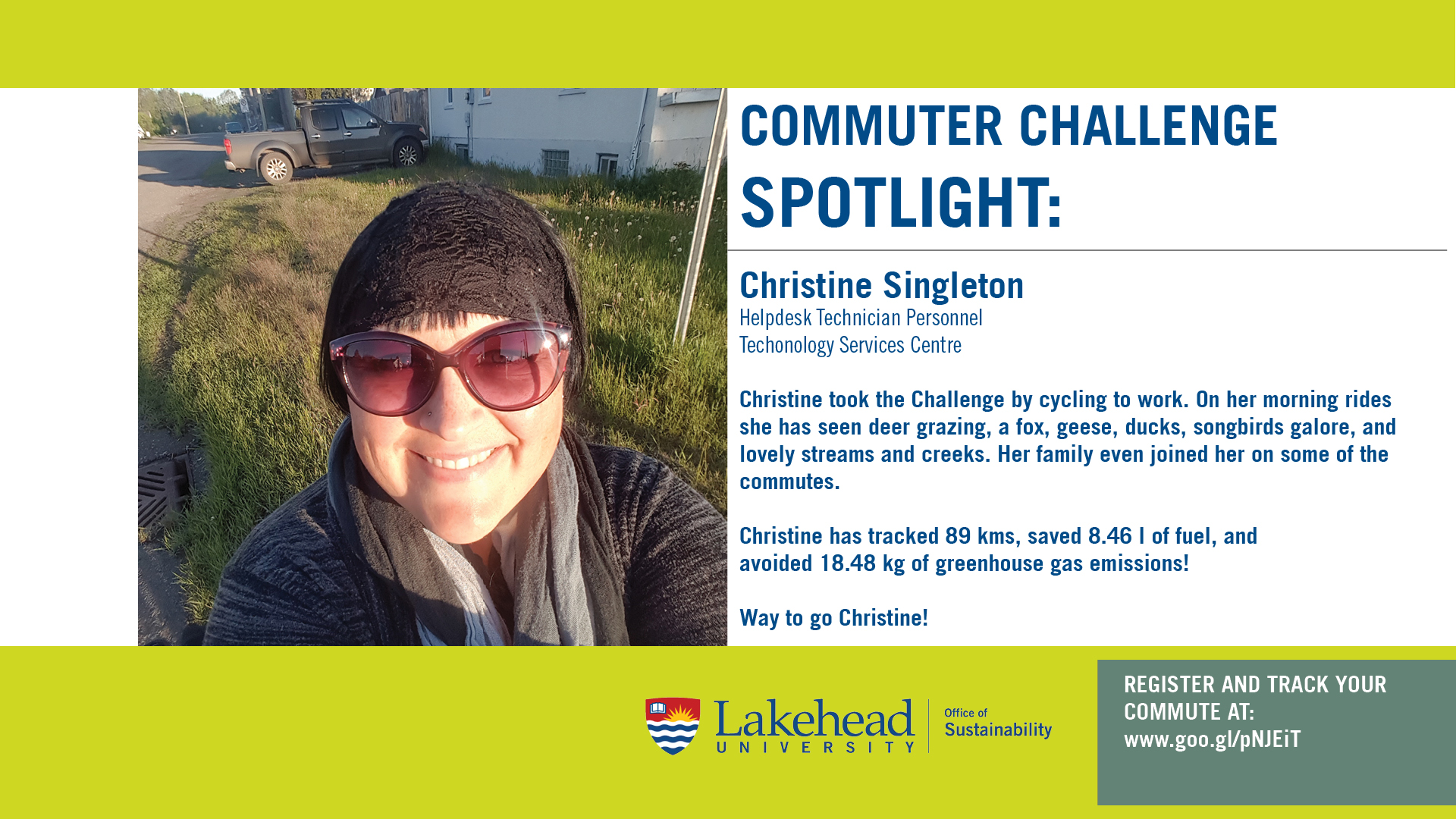
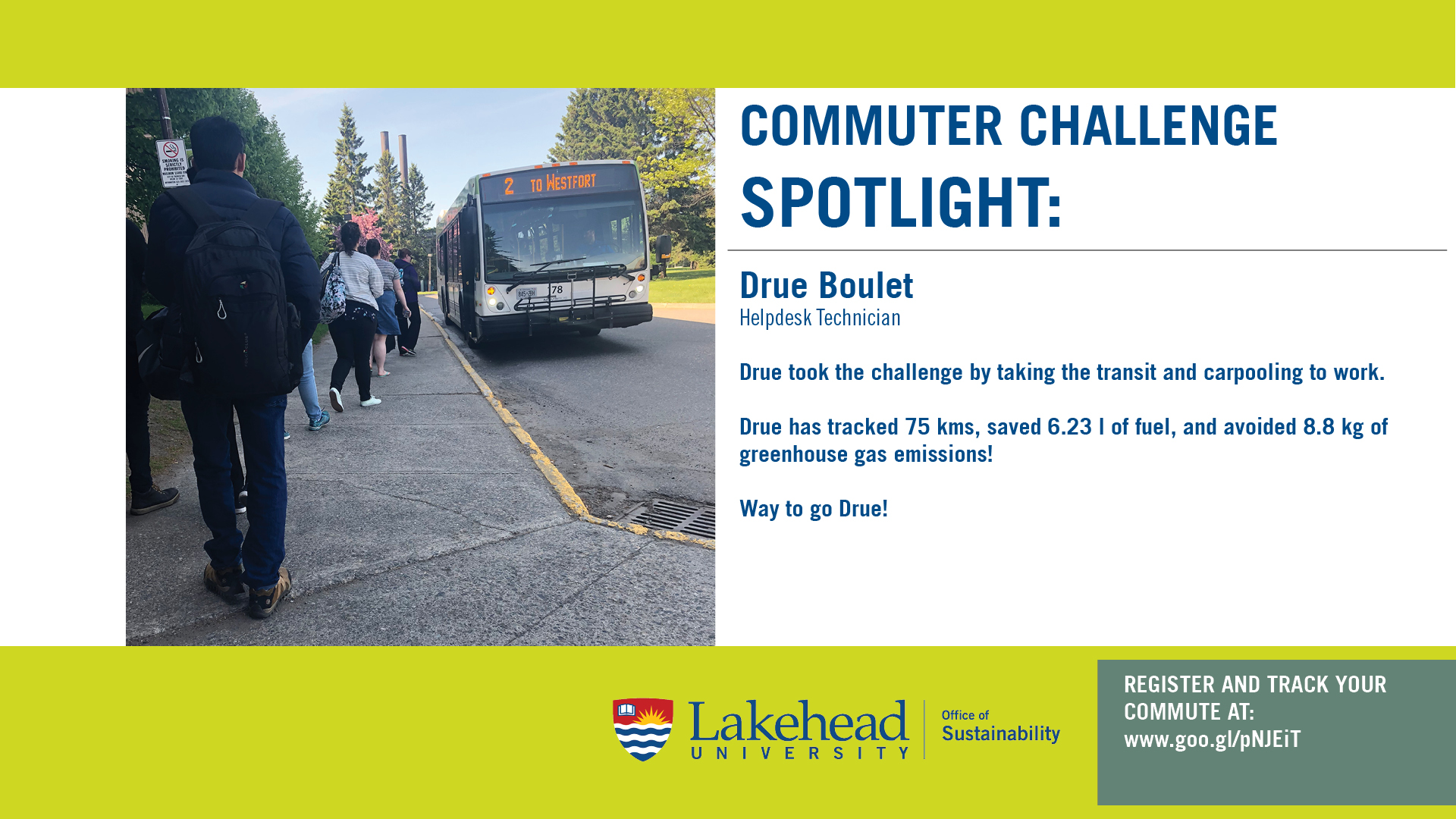
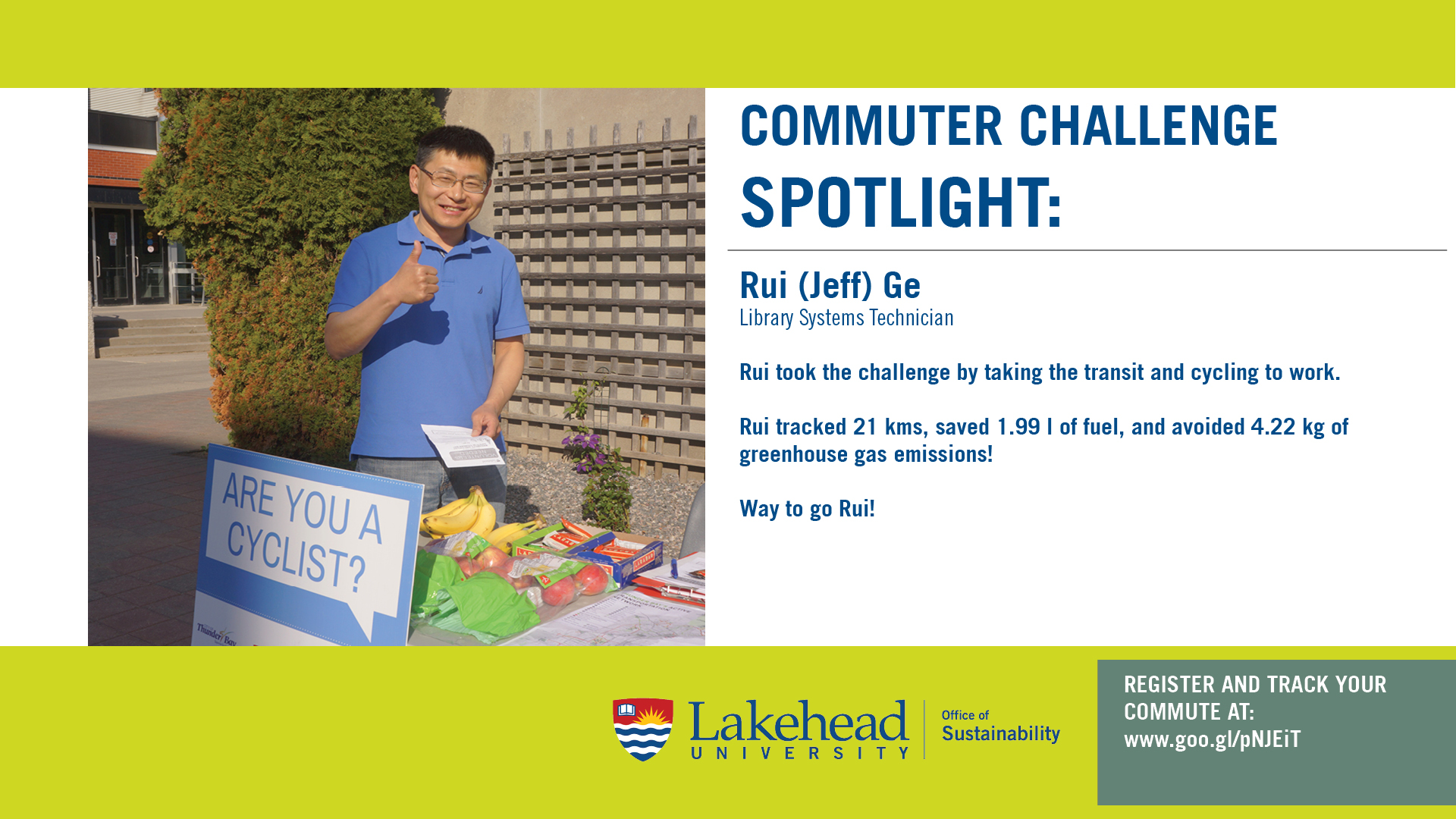
Commuter Challenge Spotlight

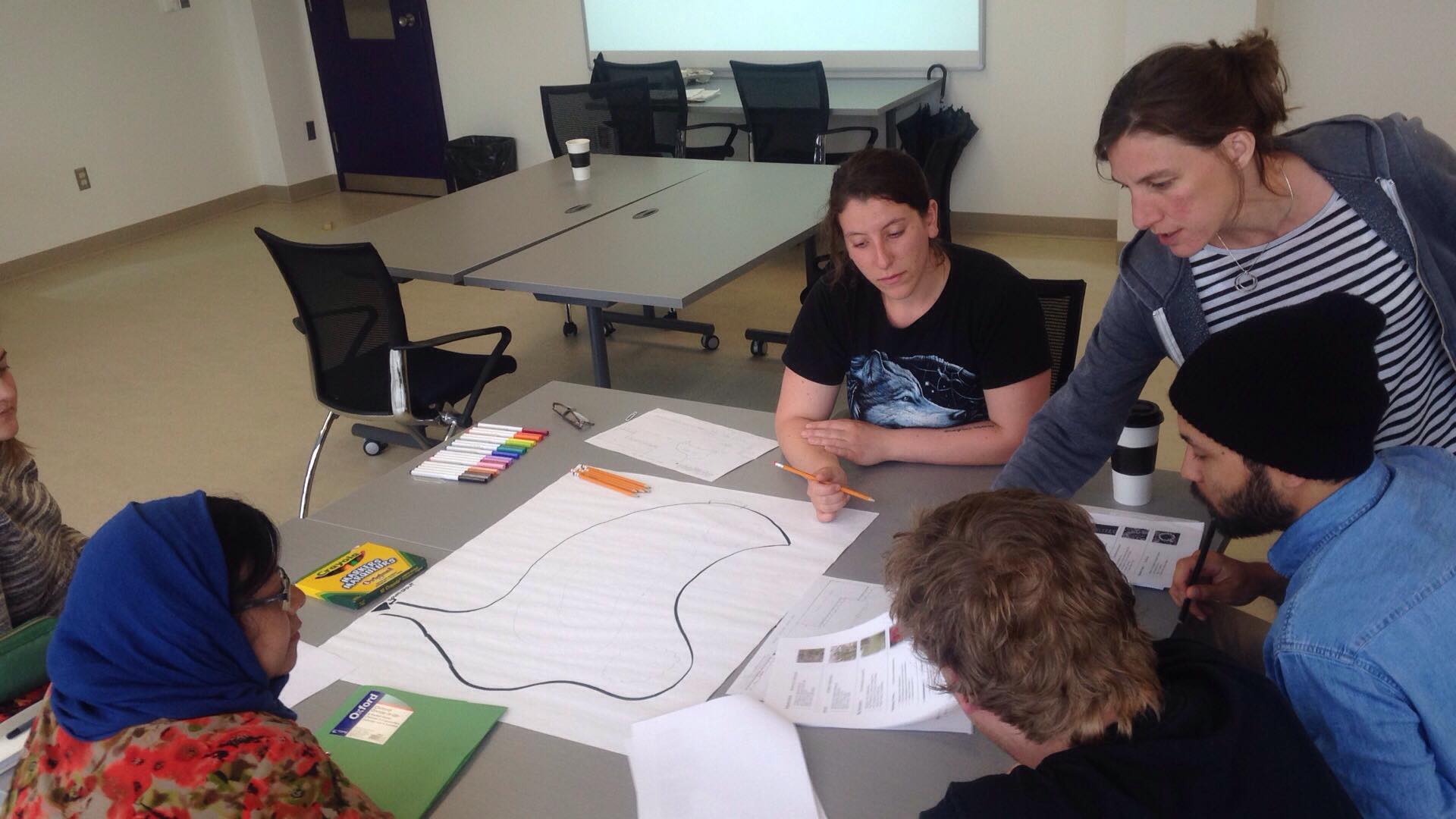
Students Help Design New Rain Garden for Braun Building

The Office of Sustainability is celebrating a great way to end the week!

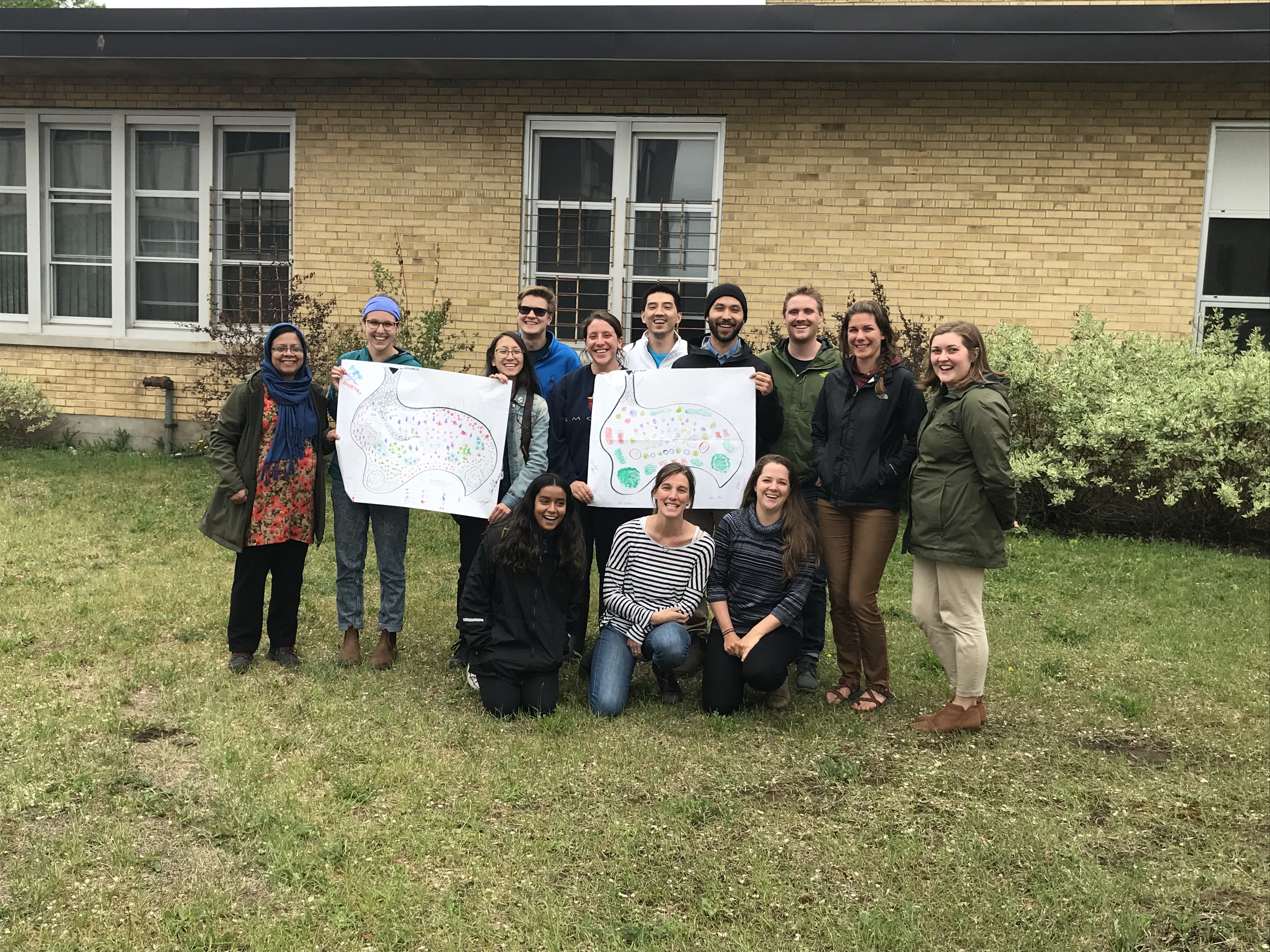
Today was our last Rain Garden Design Workshop in a three-part series. Students from undergraduate, to master's, to PhD level learned about Stormwater Management 101 and rain garden design, then put these skills to use by designing the rain garden that will be built outside of the Braun Building this summer!
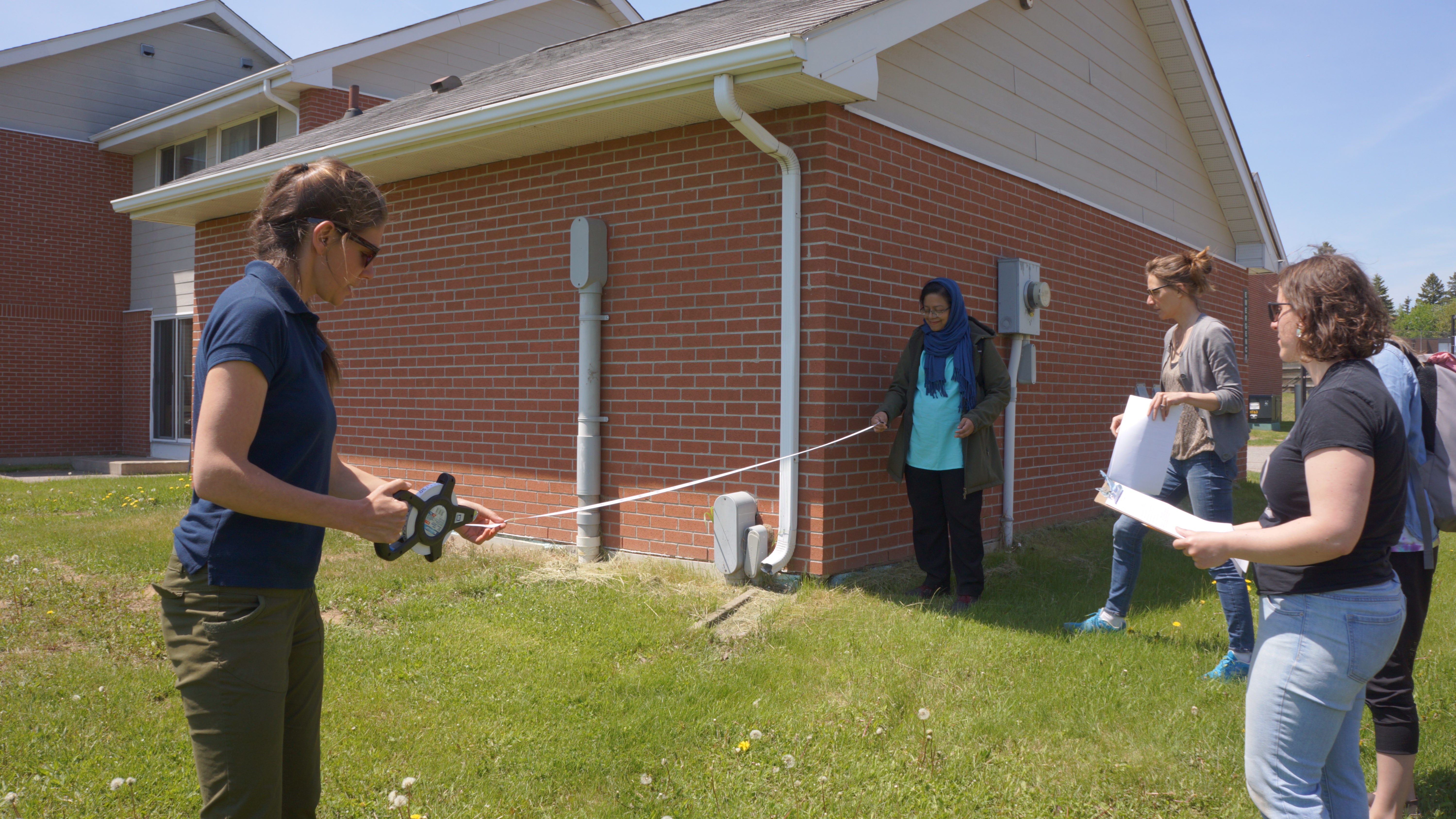
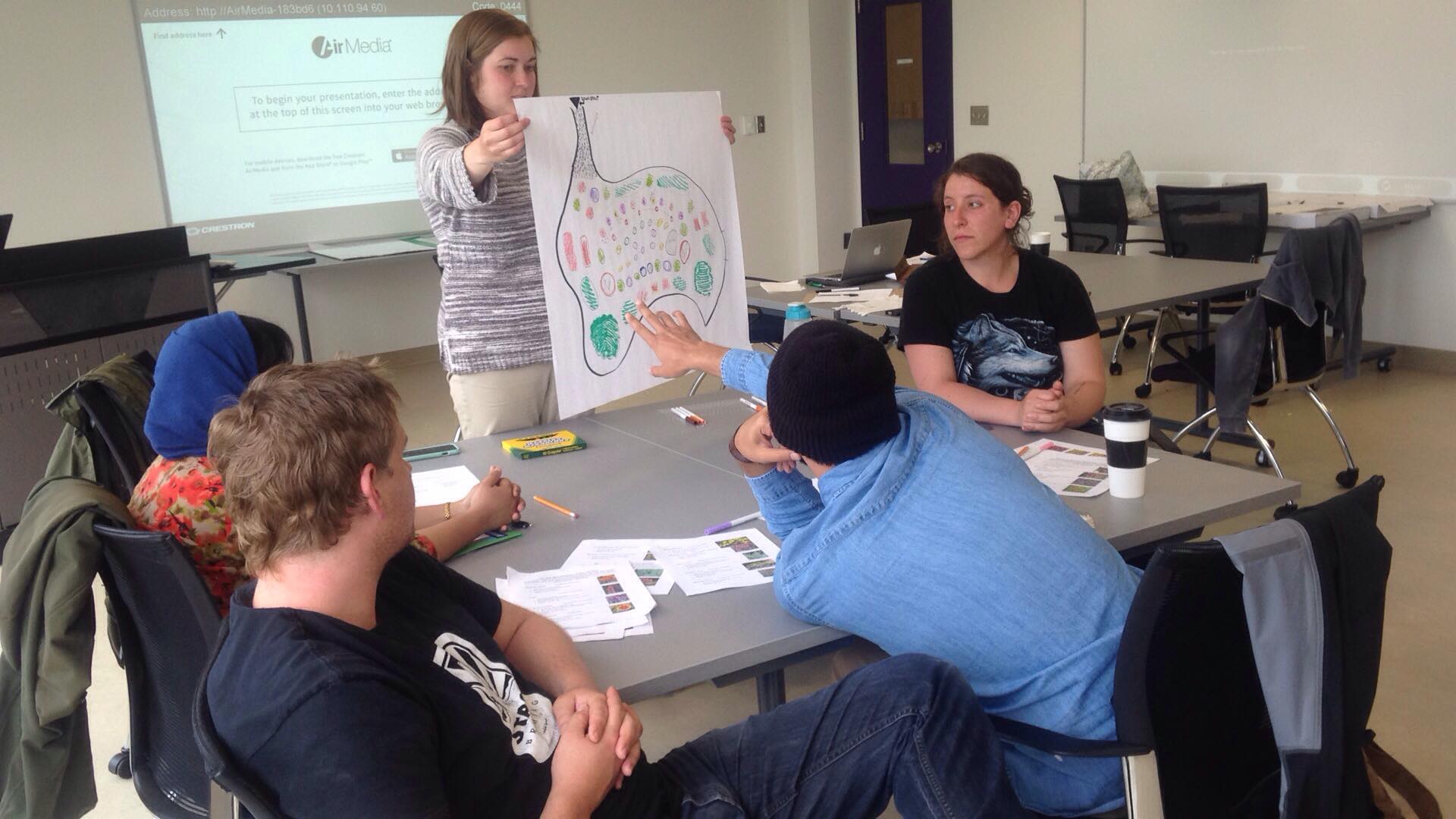
Way to go team!

The workshop was facilitated by Julie Prinselaar from EcoSuperior, as part of funding from the Great Lakes Guardian Fund. This Rain Garden project is being facilitated by Dr. Lindsay Galway from Health and Behavioural Sciences, as well as our Sustainability Coordinator Ledah McKellar, and our Rain Garden Student Coordinator and M.Ed candidate Mallory Vanier.

 

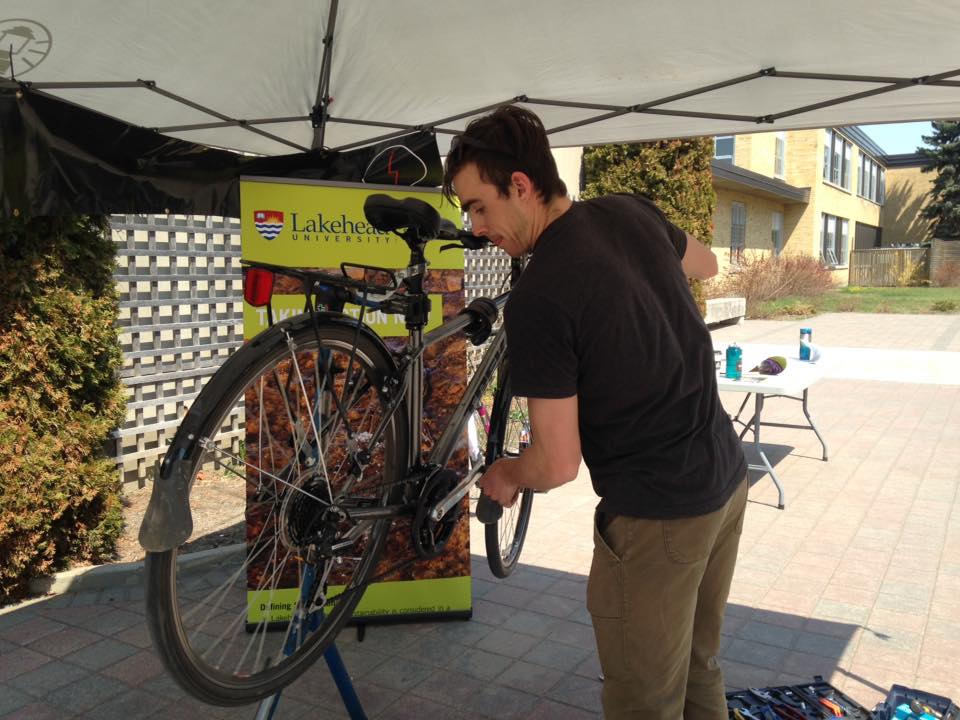
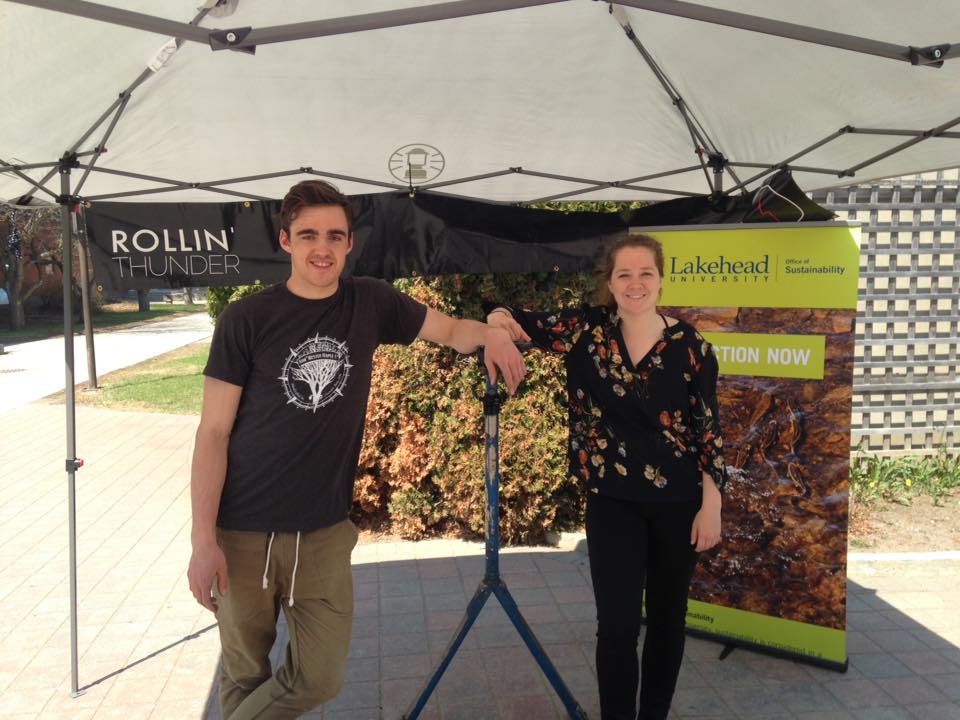
Thank you to Rollin' Thunder for donating spring bike tune-ups for early-bird Commuter Challenge registrants!


Thank you so much to Rollin' Thunder for donating free spring bike tune-ups to encourage Lakehead University Thunder Bay employees to participate in Commuter Challenge week. Evan did a great job sprucing up the bikes of early bird registrants. Thank you also to EcoSuperior and Active Transportation Thunder Bay for organizing great prizes for Commuter Challenge week this year.

Pages