



A Time for Change: Evolving Our Civilization
About the Series
Date(s): Wednesdays, Oct. 7, Oct. 14, Oct. 21, Oct. 28, Nov. 4
Time: 10:00 am - 12:00 pm
Place: In-person or Live-streamed at St. Paul's Centre in Orillia
Price: $80 +HST for the whole 5 lecture series; $20 +HST for a single talk.
Join Third Age Learning Lakehead (TALL) this fall for a thought-provoking exploration of our changing world. A Time for Change: Evolving Our Civilization brings together leading content experts to examine the realities of the “New Disorder” and the profound societal changes shaping our future.
Offered in person or via live stream, the series will explore politics, world affairs, social justice and critical thinking while looking both backward to understand where we have come from and forward to consider where we are going. Together, we will confront the challenges of societal change while imagining new ways of being, living and navigating an evolving civilization.
Please bring your own mug to enjoy a hot beverage during the intermission. Alternatively, TALL branded travel mugs will be available for purchase for $5 (cash only).
If you are unable to attend the lectures in person, a link will be sent to all registered participants for viewing from the comfort of your own places and spaces (live or recorded)! Be sure to invite folks in your network, near and far!
How to Build a Self-Correcting Life—and Civilization
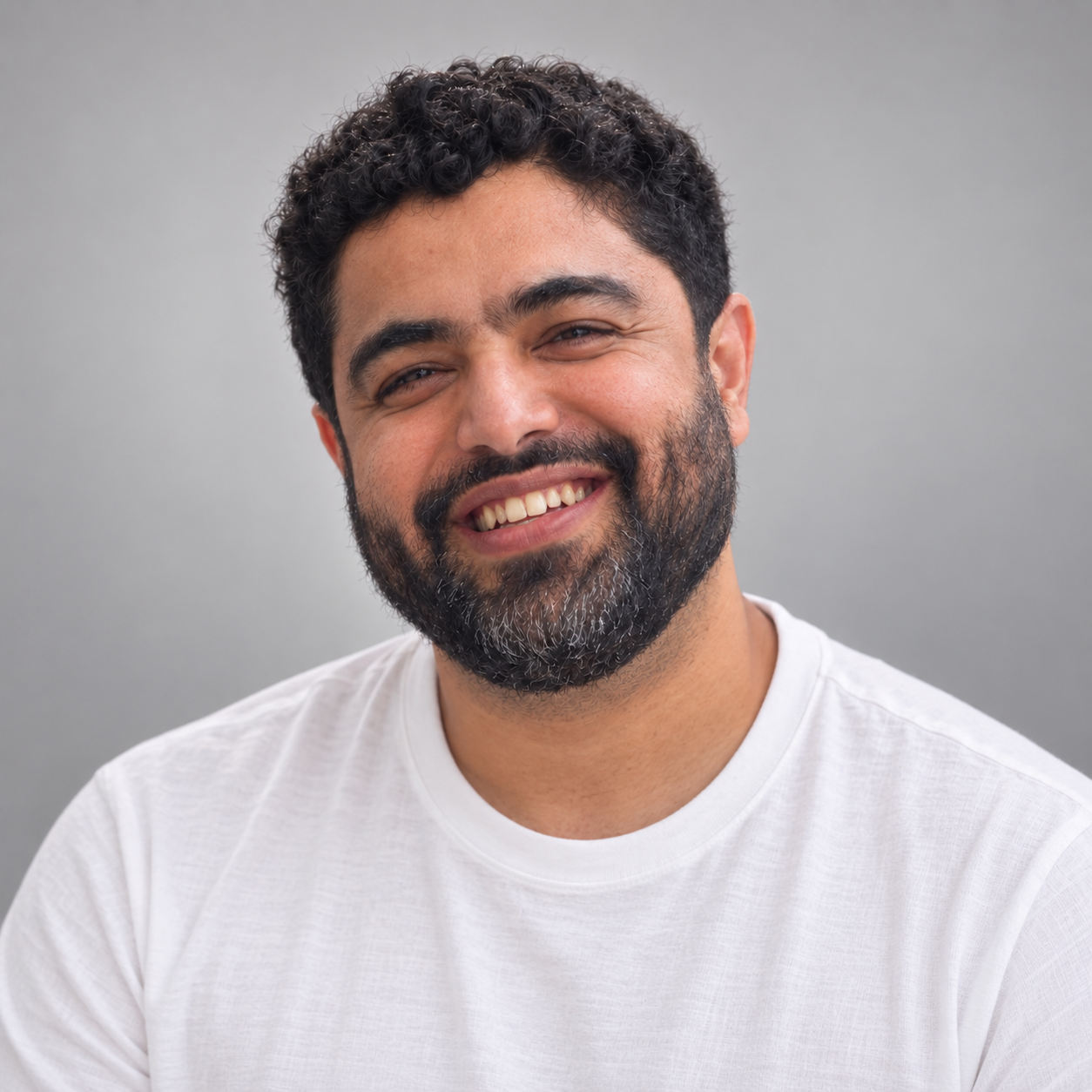
Akhil Puri
Wednesday, October 7, 2026
We live in a time marred by never-ending crises: climate change, AI risk, mental health epidemic, polarization, inequality, and more. Addressing even one of these problems can seem impossibly complex, let alone all of them. This talk offers a way through this complexity by seeing what connects them: many of today’s crises are failures of feedback and self-correction. We will trace this pattern across scales—from nervous systems shaped by trauma, to culture and communication distorted by social media, democracies captured by short-term incentives and concentrated interests, and nations trapped in arms races. In each case, systems struggle to recognize error, respond to consequences, and change course before harm compounds. Seen this way, our present moment is not simply a collection of crises, but an evolutionary threshold: a test of whether we can become better at learning and adapting, both individually and collectively. We will explore the mechanisms that could make this possible—and how we might build lives and institutions capable not only of meeting today’s challenges, but of evolving to meet tomorrow’s.
Akhil Puri is a writer, builder and seeker. A decade ago, he founded a climate-tech startup, where he built crowdfunding platforms and developed rooftop solar projects. That work led him to see climate change not as an isolated problem, but as a symptom of deeper civilizational dynamics.
He now runs Earth 47, an initiative exploring how humanity might navigate its present evolutionary threshold. Previously, Akhil built software products for hospitals and managed a $70 million consumer-goods operation. He holds a degree in Computer Science from BITS Pilani and an MBA from IIM Bangalore, and was a Positive Deviants Fellow in 2025. Originally from India, he now lives in Toronto with his wife.
"Just Words"? How Hate Speech Harms, and How Communities Heal
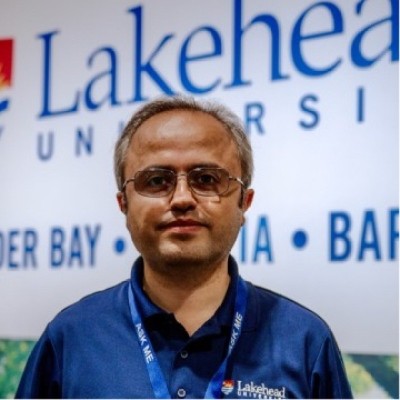
Dr. Davut Akca
Wednesday, October 14, 2026
We tell ourselves that words are just words. The evidence says otherwise. In this lecture, Dr. Davut Akca traces how a single political label — manufactured overseas to demonize a specific community — travelled with its targets to Canada, and what it did to them once it arrived. Drawing on his survey of 318 victims now living here, including in Simcoe County, he shows what hate speech leaves behind: fear, withdrawal, trauma, and neighbours who stop speaking to one another. He then turns to the harder questions. Why are most hate incidents never reported to police? What does the research say actually helps? And at a time of deepening division, how do we confront hatred without growing cynical about each other?
Dr. Davut Akca is an Associate Professor of Criminology at Lakehead University's Orillia campus, where he also serves as Criminology Program Coordinator. He holds a master's degree in criminology and a PhD in forensic psychology. Before joining Lakehead, he worked as a program evaluator at the Centre for Forensic Behavioural Science and Justice Studies at the University of Saskatchewan, and he is a Credentialed Evaluator with the Canadian Evaluation Society. His research examines investigative interviewing, Indigenous policing, prison chaplaincy, hate crimes, and hate speech, carried out alongside police services and the communities most affected. In 2025 he organized the International Hate and Polarization Conference at the University of Ottawa. He also serves as a policy analyst with the Thunder Bay Police Services Board, and lives in Barrie.
Watching Trump from Afar - Elbows Up, World
%20(1).jpg "Larry")
Larry Black
Wednesday, October 21, 2026
This lecture explores how Trump’s first year and a half in office has transformed the United States’ role in a world already unsettled by Russia’s invasion of Ukraine and other global crises. It examines the administration’s changing approach to allies, international institutions, and American leadership, alongside the dramatic shifts in domestic governance and political life. The lecture concludes by considering how these domestic and foreign-policy changes are increasingly shaping one another—and America’s relationships with the wider world.
Larry Black was born in New Brunswick and has been married to an American from Alabama for over six decades. He studied for three years in Boston, has a dual-citizen son living in the USA, and has American nephews and nieces. An emeritus professor with three degrees in history and international affairs, as well as a Phys-ed certificate, Black was redesignated a Distinguished Research Professor by Carleton University in 2023.
At age 89, Black is widely travelled, with extensive experience in world affairs and wide-ranging connections. He has been a research fellow for NATO, an instructor for recruits to the Canadian Security and Intelligence Service, and a consultant with Canada's Immigration and Refugee Board. He is author, co-author, or editor of more than 50 books on Russia, the USSR, the Canadian-Russian relationship, and local Canadian history. Black and his wife, Janice, live in Barrie, Ontario, a city they share with two daughters and three grandchildren. Their son and his wife live in Massachusetts.
Managing Canada-US Relations in a Time of Change
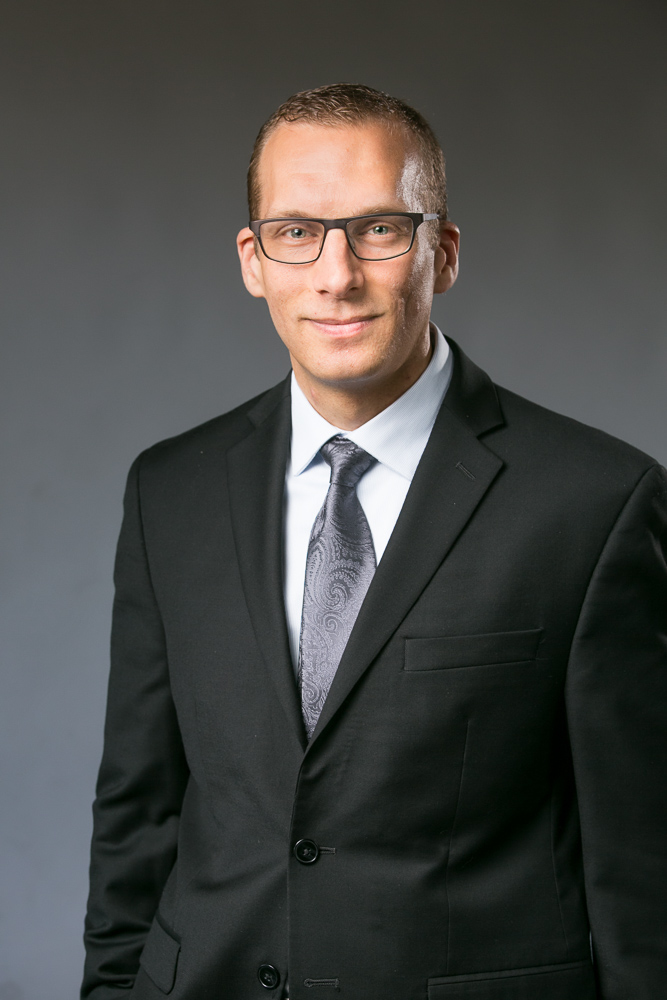
Adam Chapnick
Wednesday, October 28, 2026
Donald Trump is back in the White House, and the challenges facing Ottawa in its efforts to manage Canada’s most important bilateral relationship are greater than they’ve been in years. Whether it be avoiding extraordinary tariffs, managing an increasingly chaotic border in light of America’s new deportation policy, or finding ways in spite of these challenges to continue to collaborate on shared security interests, Ottawa’s political agenda continues to be dominated by the United States. This lecture examines how Canada’s relationship with the United States has, does, can, and should work.
Adam Chapnick is a professor of defence studies at the Royal Military College of Canada (RMC). He is located in Toronto, where he teaches courses in Canadian foreign policy and strategic decision-making at the Canadian Forces College. He holds a BA (Honours) from Trent University, an MA in International Affairs from the Norman Paterson School of International Affairs at Carleton University, and a PhD in History from the University of Toronto. He is the award-winning author or editor of ten books and over 50 academic essays and book chapters on historical and contemporary issues in Canadian foreign relations, Canadian-American relations, and teaching and learning.
He is also a regular commentator in the public realm. He has appeared as a foreign policy expert on Global News, CTV News, CBC News, The Agenda with Steve Paikin, and CBC radio, and has testified as an expert witness before The Standing Senate Committee on National Security and Defence, the Standing Senate Committee on Foreign Affairs and International Trade, the House of Commons' Standing Committee on Foreign Affairs and International Development, and the National Security and Intelligence Committee of Parliamentarians.
Canada After American Democracy
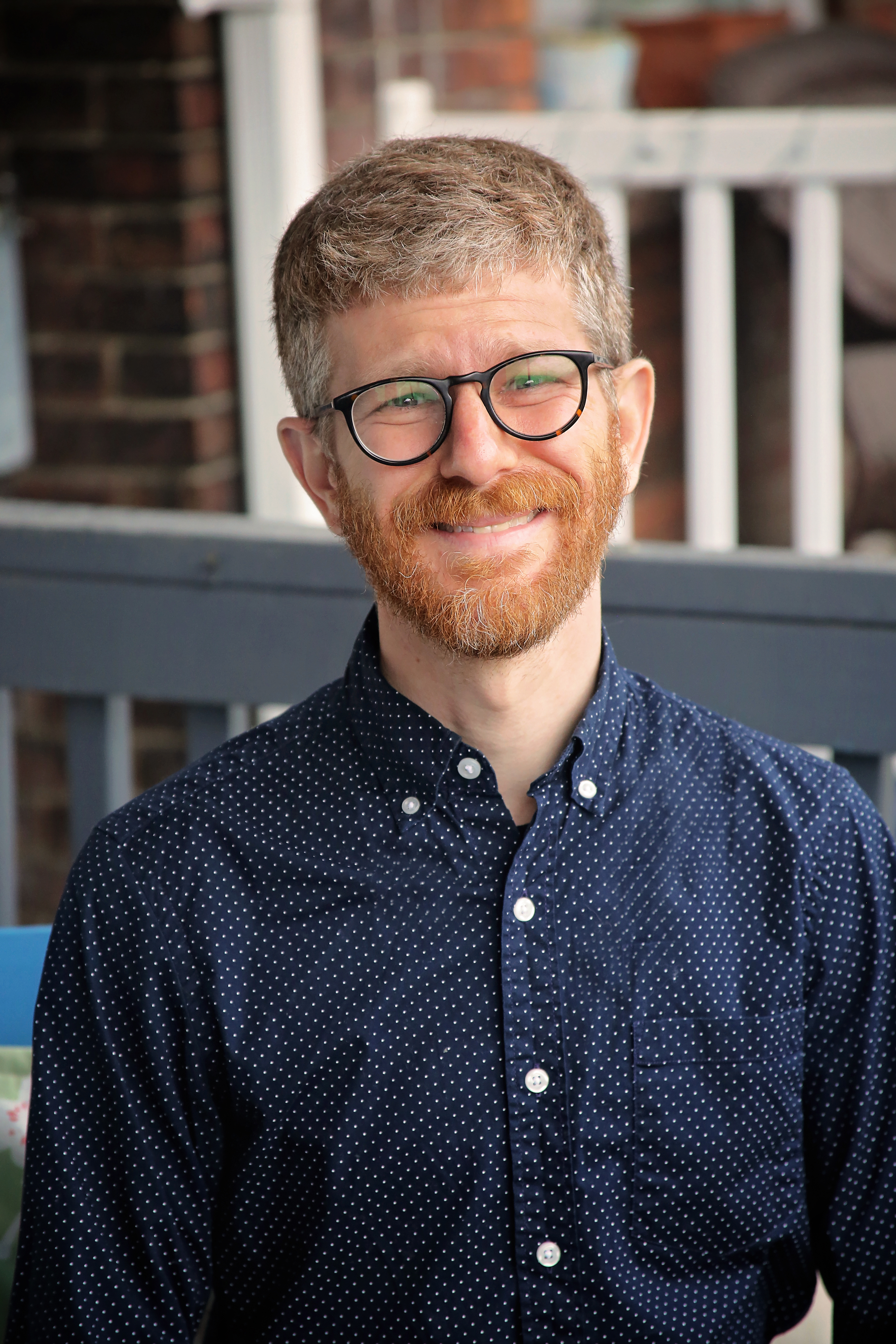
Rob Goodman
Wednesday, November 4, 2026
How can Canada adapt to a world after American democracy? “After” is a provocative word: I don’t use it to suggest that the future of American democracy is hopeless, but to convey the size of the challenges that Canada is up against. Canadians need to plan for the possible future in which we can’t count on a democratic neighbour ever again in our lifetimes, and we need to think about what that means for our sense of ourselves. We are facing a future in which this role—living as a democracy alongside a non-democracy—is increasingly central to Canadian identity. It is essential that we see this role not only as a source of threat and instability, but also as an opportunity and a responsibility. That is the difference between keeping our heads down at this moment in history and truly rising to meet it. After a brief overview of the political situation in the United States, I will suggest three broad principles for meeting this moment: our responsibility to preserve knowledge; our responsibility to use our economic power strategically; and our responsibility to learn and practice civic virtues.
Rob Goodman is associate professor of politics and public administration at Toronto Metropolitan University, where he teaches and writes on topics including populism, rhetoric, and the history of political thought. He previously worked as a speechwriter for U.S. House Majority Leader Steny Hoyer and Senator Chris Dodd. He is an award-winning author and coauthor of several books, including Not Here: Why American Democracy Is Eroding and How Canada Can Protect Itself and Words on Fire: Eloquence and Its Conditions. In 2024, his work was shortlisted for the Shaughnessy Cohen Prize for Political Writing and the C.B. Macpherson Prize for best political theory book. He is currently at work on a book titled Black Cicero: Race and American Oratory.
How to Buy Tickets
The Fall 2026 session of Third Age Learning Lakehead will be delivered in person at the St. Paul's Centre in Orillia and virtually. Light refreshments (coffee and cookies) will be served if attending in-person. Please bring a reusable mug.
Tickets for the full series are $80 plus HST. Single lecture tickets are $20 + HST.