Research in Action: Review rates pledge to ‘leave no one behind’
Published in The Chronicle Journal Saturday, November 26, 2022
BY JULIO HELENO GOMES
A wide-ranging examination of how the Thunder Bay region is coming along in meeting a United Nations pledge to “leave no one behind” is only the first step in what could be long-term efforts to eliminate poverty and discrimination as well as make the city a more sustainable, inclusive and healthy place to live.
The Voluntary Local Review, prepared by Lakehead University researchers and a half-dozen community partners, highlights sustainability-related work being done in various fields. The hope is that it will lead to more collaboration and action.
“This report provides a glimpse into areas where we need to be doing more and that there are groups and individuals that can step up and say, ‘I want to do more work, how can I be involved? What can I do?’,” says project director Dr. Rebecca Schiff. “Hopefully it spurs some action, whether it’s with the general public, interest groups or other organizations in the city.” 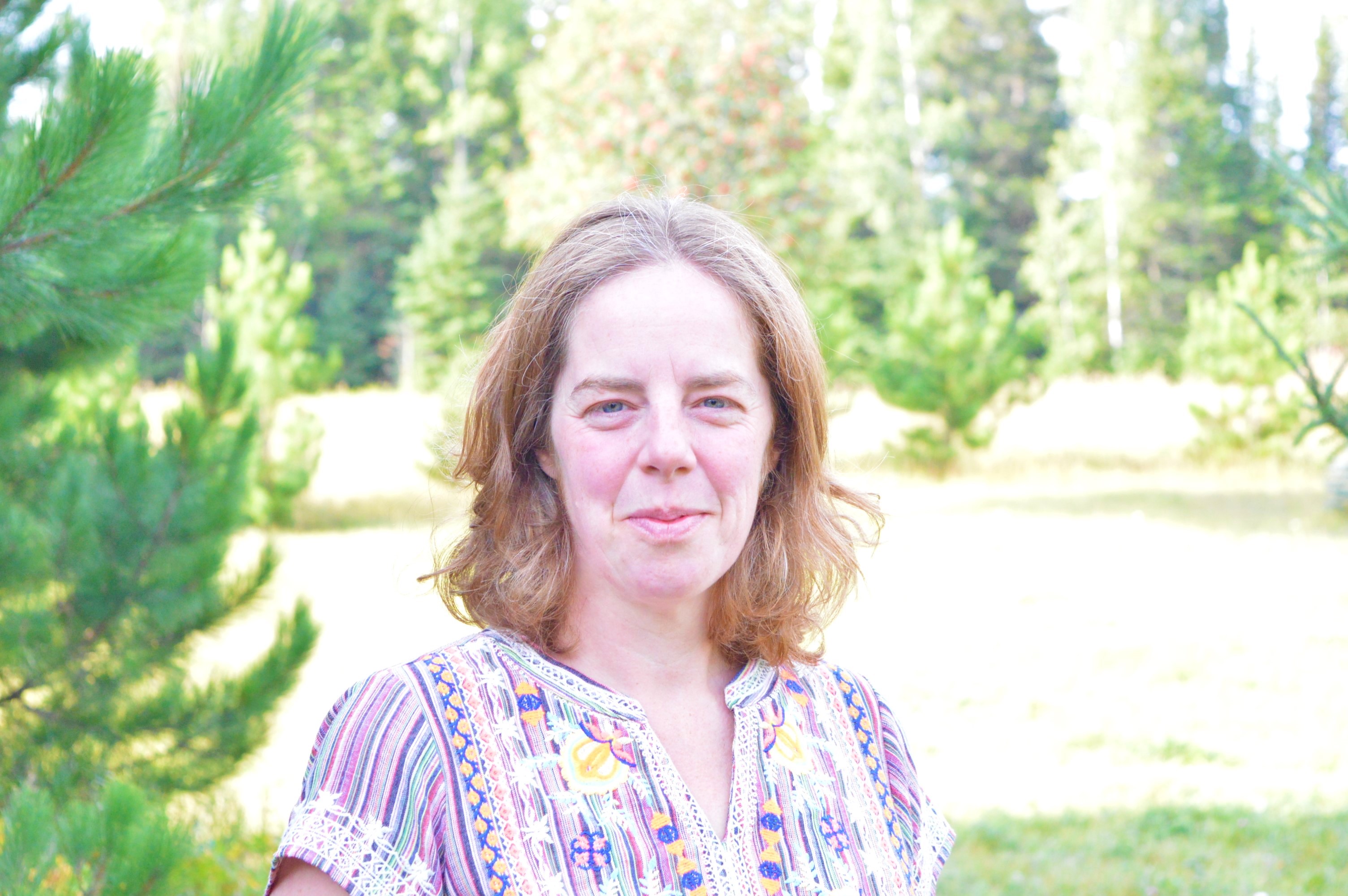
The initiative stems from the UN’s Sustainable Development Goals (SDGs), a call for action that focuses on 17 objectives, such as: no poverty, zero hunger, gender equality, clean water and sanitation, responsible consumption and production, and peace, justice and strong institutions. Individual nations are encouraged to chart their progress and Schiff, whose research interests include health equity and sustainability, seized on an opportunity to conduct an assessment close to home.
“We saw this and thought we should be doing this in Thunder Bay,” she says. “Let’s keep track of how we’re doing on sustainability because there are a lot of sustainability initiatives happening, whether it’s EarthCare that does a lot of work around ecological issues, to the Poverty Reduction Strategy, to Community Safety and Well-being.”
The project was launched in early 2020. Schiff, who was a Professor in Lakehead's Department of Health Sciences, secured $25,000 from the Social Sciences and Humanities Research Council's Partnership Engage Grant as well as in-kind contributions from the school. The funding allowed her to engage two research assistants: Ashley Wilkinson and Amanda Dodaro. They compiled a list of potential indicators, liaised with community partners, identified credible sources, gathered appropriate data, chose and evaluated indicators at the local level, and then identified gaps in the data.
“Changes in indicators can guide decision-making, which then affects various populations very differently,” says Dodaro, who has completed a master’s degree in public health. “We need to first gather sufficient data related to equity, diversity and inclusion, and, second, use that data to ensure the decisions account for the health and well-being of everyone impacted.”
Wilkinson sees this research as drawing attention to the SDGs and the need to implement them locally.
“It isn’t enough to be part of the discussion at the federal level,” she says. “Municipalities should also review their progress towards meeting the targets identified by the UN.”
Wilkinson, who earned a master’s degree with specialization in Indigenous and northern health, was also research co-ordinator on the project, working with group members, contacting community organizations and contributing to the final report.
The VLR report was released Oct 31, timed to be top of mind for the newly-elected city council.
“We were hoping to advocate with a new government for additional work that we can or should be doing around sustainability,” Schiff says.
While not intended to be comprehensive, the 62-page report does attempt to highlight successes and challenges. The summary looks at a multitude of indicators, ranging from food insecurity to opioid-related issues to crime, from math scores to tree planting to climate adaptation. Among the more eye-catching stats:
- Opioid-related deaths has gone up 360 per cent in four years
- Proportion of the population experiencing homelessness rose 63 per cent
- Number of community gardens increased by 190 per cent; number of school gardens up 175 per cent
- Fatal motor vehicle collisions increased by 15 per cent
- Crime severity index rose 24 per cent
- Organic waste declined by 14 per cent
However, Schiff cautions, these numbers are not to be taken as absolutes. For example, recycling as measured in tonnes increased by 12 per cent from 2015-19. On the surface that might seem a worthwhile development. Or is it?
“Does that mean we’re wasting more and having to recycle more?” Schiff asks. “Ultimately we should be reducing our consumption. So there are some areas where we’re not really sure how to rate it. We put a question mark there because we need a bigger discussion around that indicator.”
That means no firm black and white conclusions should be drawn from the data.
“We really hesitate to say how Thunder Bay is doing – whether good or bad,” states Schiff, who recently relocated to Prince George, B.C. and is Dean of the Faculty of Human and Health Sciences at the University of Northern British Columbia. “We can say Thunder Bay is doing great on some things and there are other areas where there is room for improvement. That’s the fairest way to put it.
“Because it’s the first report, it’s hard to say ‘How are we doing?’ It’s only a baseline. Hopefully we will do a follow-up report and we can say more concretely what direction we’re headed in.”
Lakehead is ranked 64th out of 1,406 universities from around the world, based on its performance in meeting the United Nations' 17 Sustainable Development Goals (SDGs) (Reference).
Wilkinson, who is pursuing a PhD at University of Northern British Columbia (UNBC), noted that there are significant gaps to be addressed. With that in mind, the VLR concludes with six recommendations to advance the work that is already being undertaken.
“This project highlights the successes of local organizations and the ways in which their work contributes to ending poverty, improving health and education, reducing inequality, facilitating economic growth and addressing climate concerns, to create a sustainable community,” Wilkinson says.
Research in Action highlights the work of Lakehead University in various fields of research.
Image caption: Dr. Rebecca Schiff was lead on the Thunder Bay and the UN SDGs: A Voluntary Local Review report.