

Eat, Study, Repeat
Between lectures, assignments, work and having a social life, eating well can sometimes become an afterthought. Sometimes you check the clock and realize all you’ve been running on is granola bars and coffee. Other times, cooking feels like an extra thing on your to-do list.
The good news is that eating well as a student doesn’t mean you have to be a Michelin-star chef or buy expensive groceries to eat well. Healthy eating is all about finding realistic ways to fuel yourself in a way that fits into your everyday life. Let’s make it a little easier.
Starting with the Basics
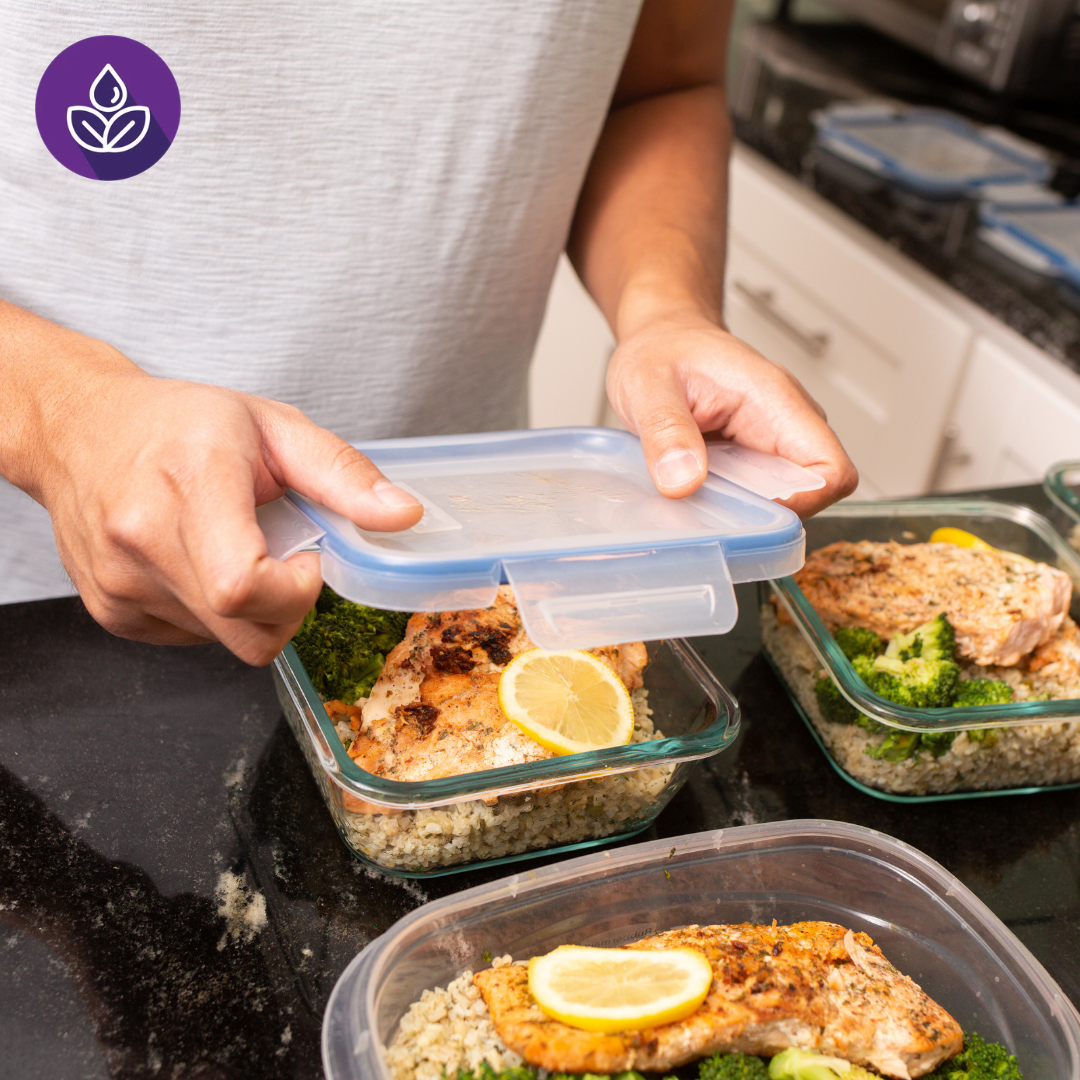
Being a busy student can make it easy to overthink what a “healthy” meal is supposed to look like. When putting a meal together, think about including a mix of protein, grains and fruits or vegetables along with some healthy fats. Having a mix in every meal can help make them more filling and give your body a variety of nutrients and energy to get you through your day.
Think of it like an equation: protein + grains + fruits or veggies = a great place to start
Remember! Frozen, canned or pre-cut foods count, there is nothing wrong with choosing the convenient option when you have a busy day.
Don’t Leave Home Without a Snack
Back-to-back classes? Long study sessions? Packing a snack can come in handy on busy days
Keeping snacks in your backpack can come in handy on those days you might need an extra boost of energy. Keeping easy snacks such as protein bars, nuts, or dried fruit can be lifesavers on busy days.
Pro tip: pack snacks the night before, you will thank yourself in the morning!
Eating Well Doesn't Have to Be Expensive
Eating well as a student can sound intimidating, but nutritious food doesn’t have to come with a hefty price tag. Some more affordable grocery essentials include:
Rice
Frozen or canned fruits and vegetables
Oats
Beans and legumes
Eggs
These essentials can be used to create various meals that are both nutritious and filling. Buying foods you actually enjoy can reduce food waste, you don’t need to buy every “superfood” you see online. Focusing on foods that work for you, your budget and your schedule is important.
Making Healthy Eating Easier
Let’s be real: after a long day of classes, studying or work, spending an hour to make dinner is probably the last thing you want to do after a long day.
Making extra food when you cook is a great way to use leftovers the next day and reduce food waste. Keeping quick breakfast options such as overnight oats or smoothies around can make mornings easier.
There's No Perfect Way to Eat
This is probably the most important part: you don’t have to eat “perfectly” to eat well. Some days you'll cook a balanced meal, and other days you'll grab takeout between classes or have pizza with friends. Everything fits!
Food is more than nutrition, it can be part of spending time with friends and family, celebrating, or just simply enjoying your favourite foods.
Need a Little Extra Support?
Sometimes eating well isn’t only about finding the time to cook. Food costs can make it difficult to access the food you want, and you don’t have to deal with it alone.
Lakehead students can access the LUSU Food Resource Centre (Thunder Bay)/ LUSU Food Resource Collective (Orillia) for food support. The LUSU Food Resource Centre in Thunder Bay is located on the 5th floor of the University Centre. In Orillia, the LUSU Food Resources Collective has a food pantry, in room OA1027 on the first floor of Simcoe Hall.
Try This Week
Making small changes can lead to better eating habits, some things you can do include:
Packing snacks before classes
Adding a fruit or vegetable to a meal
Keeping affordable staples at home for busy days
Healthy eating as a student isn’t about having perfect meals, it’s about finding realistic ways to take care of yourself while juggling other responsibilities as a student.
Dolce Sukhai, Peer Wellness Educator Lead