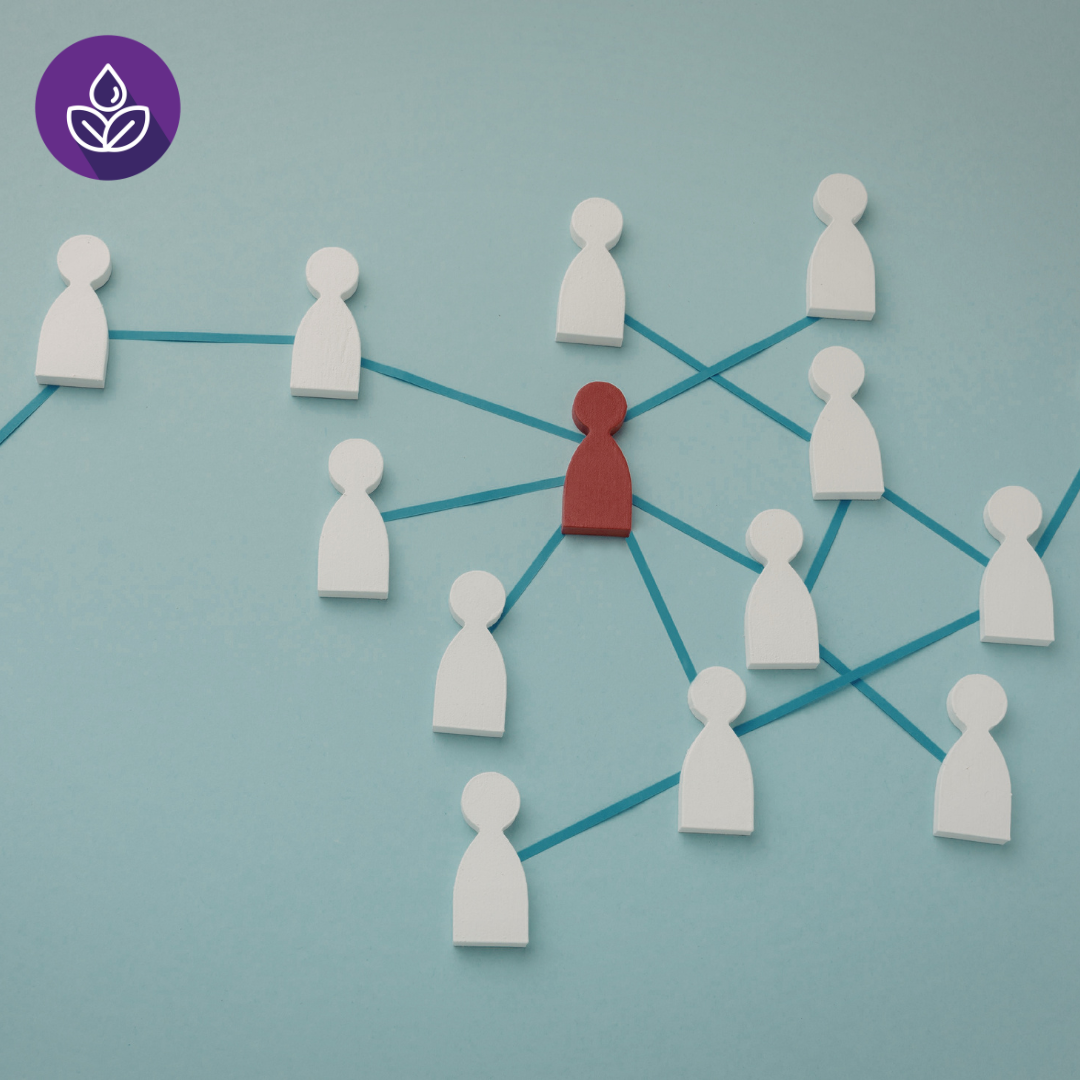


Connection is Not One Size Fits All
This year's theme for CMHA Mental Health Week highlights something easy to overlook but essential to wellbeing: connection.
For post-secondary students, connection can feel complicated. You might be surrounded by people in lectures, living in residence, or part of a team and still feel disconnected. Or you might spend a lot of time on your own and feel completely at peace. Both experiences can be true.
What is loneliness, really?
Loneliness isn’t just being alone. It’s the distress we feel when there’s a gap between the connection we want and what we’re actually experiencing. That gap can show up in different ways:
- Moving away from home and missing your people
- Struggling to find “your group” on campus
- Feeling like everyone else has it figured out
- Losing connections that changed during or after the pandemic
Loneliness is a signal, not a failure. It points to a very human need: connection with others and with ourselves.
What does connection look like?
Connection is when we feel known, seen, understood, valued, remembered, and cared for. Sometimes it looks like deep friendships. Other times it’s smaller moments; chatting with a classmate, recognizing someone at the gym, or feeling part of a campus community even when you’re not physically there.
This sense of connection and community is often called belonging. that feeling of “my people, my place.”
Finding balance: Alone vs. Together
Student life often pushes two extremes: being constantly busy with others or feeling isolated. But both connection and solitude matter.
Healthy solitude
Time alone helps you recharge, reflect, and get to know yourself.
Healthy togetherness
Being with others in ways that feel supportive, real, and energizing.
On the flip side:
Toxic loneliness
When isolation starts to impact your mental health and makes it harder to reach out.
Overwhelming togetherness
Social time that feels draining, surface-level, or inauthentic.
The goal isn’t to always be social; it’s to find a balance that actually meets your needs.
Why connection can feel so hard
When we feel lonely, our instincts don’t always help us.
Instead of reaching out, we might:
- assume we’re the only one feeling this way
- feel embarrassed or ashamed
- keep busy to distract ourselves
- withdraw even more
Here’s the reality: many students are feeling the same thing at the same time, wanting connection, but unsure how to get there. Recognizing that pattern is the first step to changing it.
Small ways to move toward connection
Connection doesn’t have to mean a complete social overhaul. Start small and realistic:
- Sit beside the same person in class and say hi
- Join a low-pressure activity (even once)
- Message someone you’ve been meaning to reconnect with
- Attend a drop-in event instead of committing to a full program
- Spend intentional time alone doing something that actually restores you
Connection builds over time, often through repeated, everyday interactions.
Learn more
If you’re feeling disconnected, there are plenty of resources to explore
- TalkCampus, a 24/7 peer support app where you can connect with other students around the world in a safe, moderated space
- CMHA Mental Health Week resources and toolkits focused on connection and loneliness
- CICMH's Loneliness and Connection Infosheet
- Student Mental Health Network's Connection Tool Kit
If things feel disconnected right now, that doesn’t mean they always will. Connection can be built, rebuilt, and rediscovered, often in smaller ways than we expect.